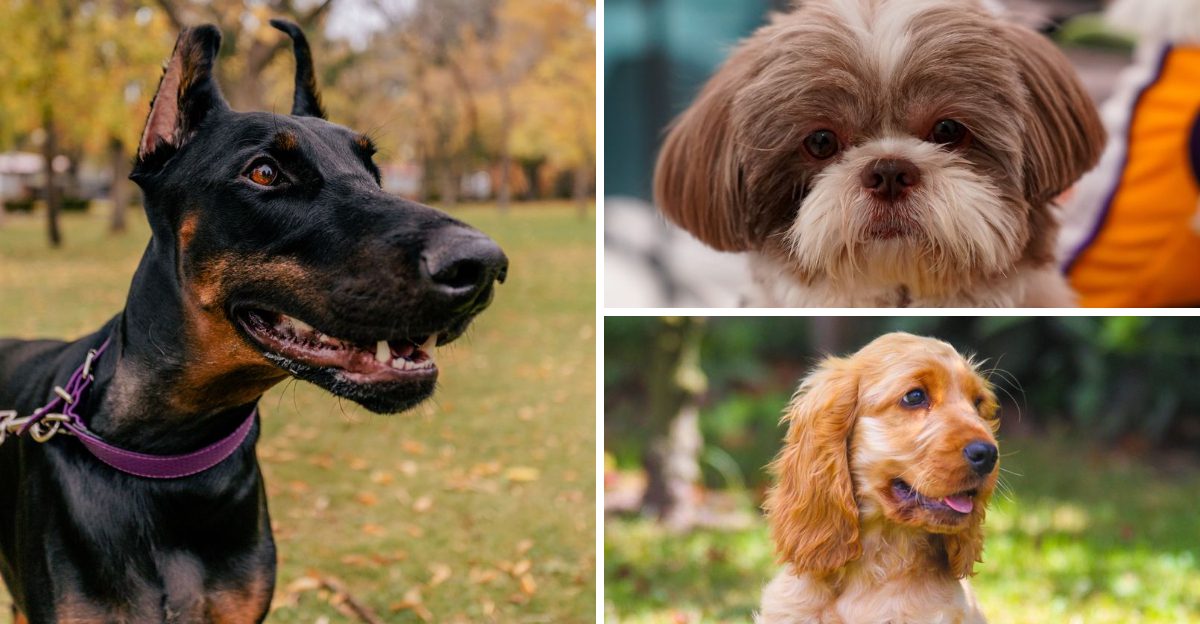
Some dogs bond so fast it feels like they memorized your routine before you finished your morning coffee. If you have ever stood up and gained a furry shadow, you know exactly what we mean.
This list spotlights breeds that form deep attachments quickly, plus three that act like personal space is optional. Get ready to feel seen, understood, and maybe a little followed.
Labrador Retriever
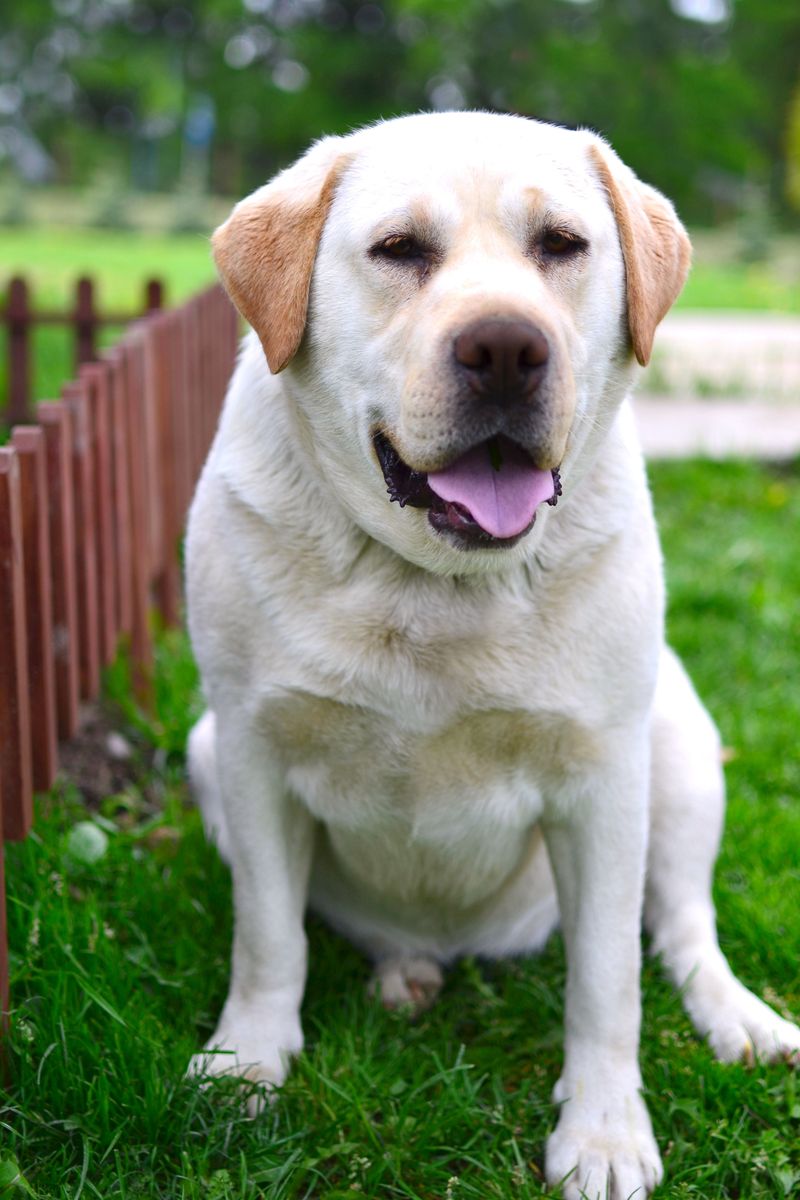
Labrador Retrievers attach to you quickly because they read routines, faces, and moods like open books. Their people pleasing drive means your praise becomes rocket fuel, and proximity feels like success.
Give a Lab two calm days together, and you will gain a shadow that pads behind you from room to room.
To keep attachment healthy, teach predictable departures and rewarding returns. Short solo sessions, snuffle mat breaks, and stuffed Kongs help Labs settle while you work.
Balance cuddles with brain games, field retrieves, and easy obedience so contact is a choice, not a crutch.
If separation worry pops up, loop in a trainer early for a simple plan. Your Lab can learn to relax confidently beside you and alone.
Golden Retriever
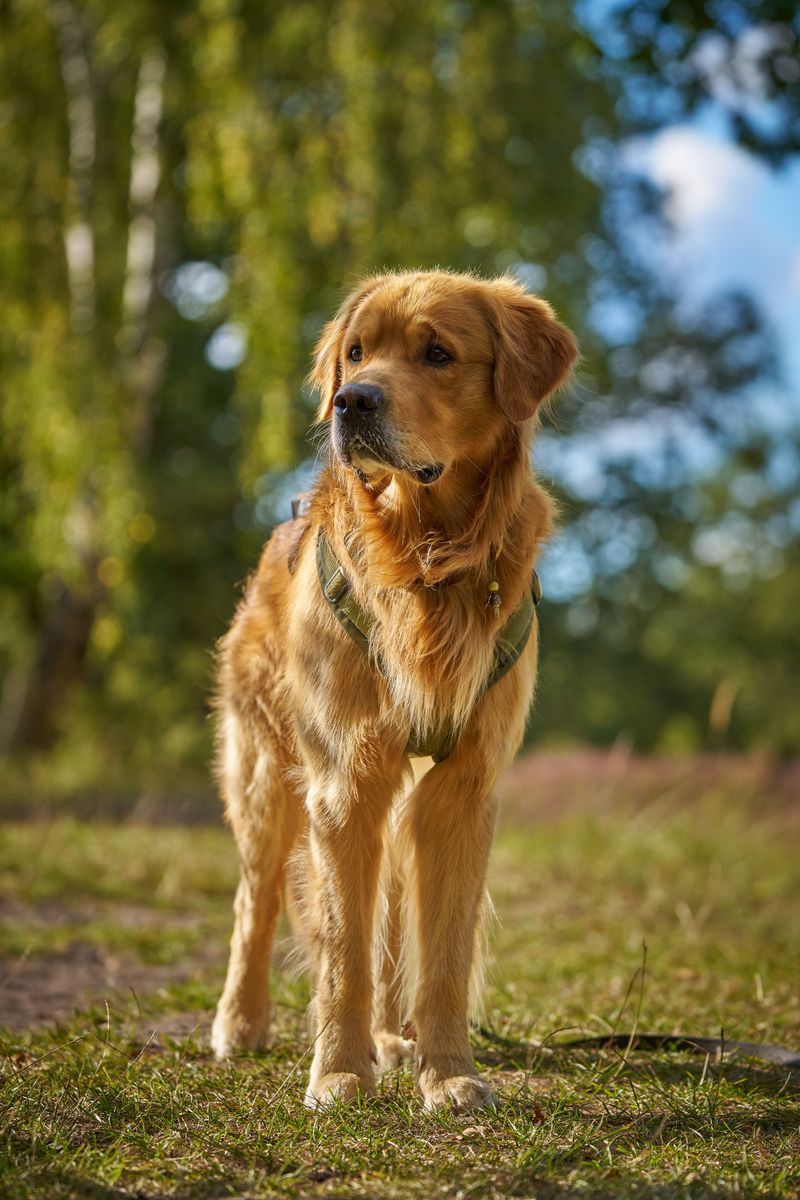
Golden Retrievers thrive on harmony, which is why they glue themselves to your side so quickly. Their gentle, social nature makes eye contact feel like a warm handshake, and they take emotional cues fast.
A Golden will match your mood, mirror your pace, and happily follow you to the kitchen, laundry room, and back again.
Support a healthy bond with structure and enrichment. Teach a comfy place cue, rotate puzzle feeders, and offer daily sniff walks to satisfy soft mouths and curious minds.
Practice short, boring departures so your return is no big deal.
Goldens love jobs, even tiny ones like carrying mail. Give them purpose and they repay you with steady companionship without tipping into clinginess.
German Shepherd
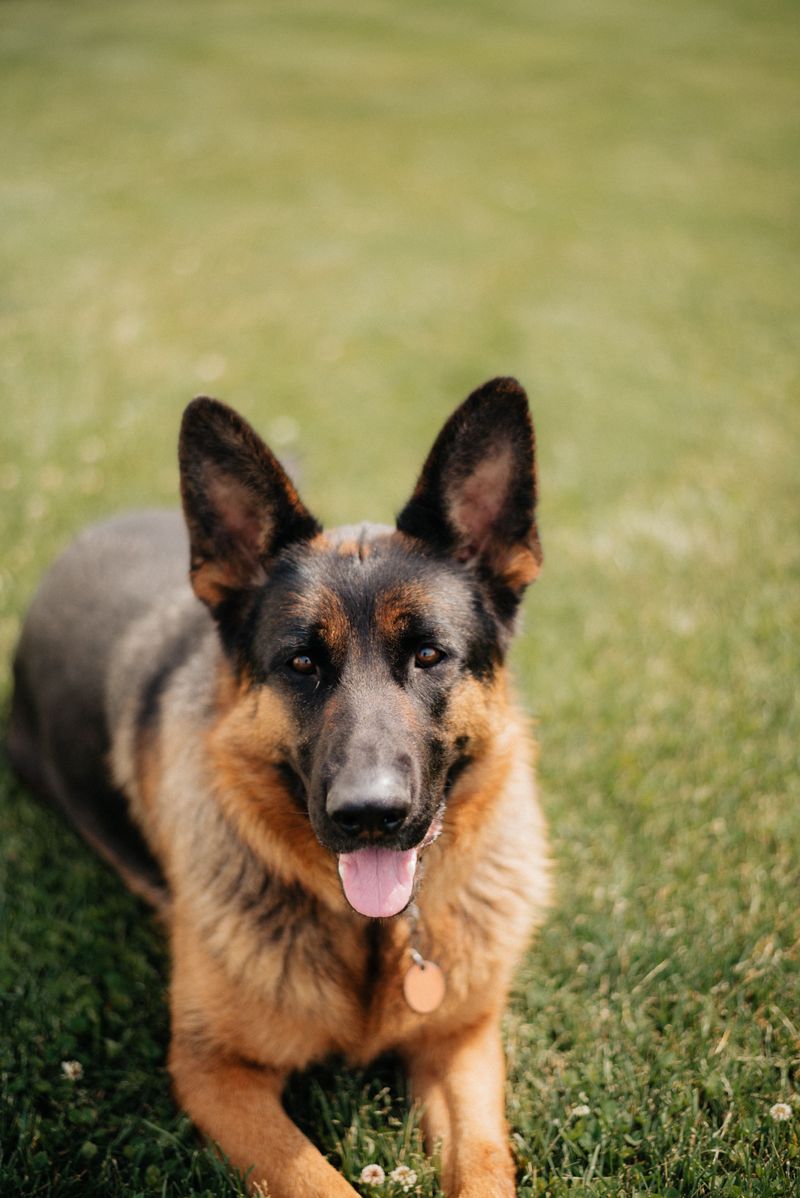
German Shepherds form rapid, focused bonds because they are wired to read and respond to their person. When you provide direction and calm routines, they become your guardian and project manager in one.
Expect them to track your movements and anticipate needs, often parking themselves between you and the door.
Channel attachment into training that builds independence. Use place commands, calm tether practice while you move about, and decompression walks.
Scent games and structured fetch burn mental and physical steam, reducing anxious follow behavior.
Consistency matters more than intensity. Keep expectations clear, praise thoughtful choices, and your Shepherd will learn that closeness is earned and rest is safe, even when you step away briefly.
Border Collie
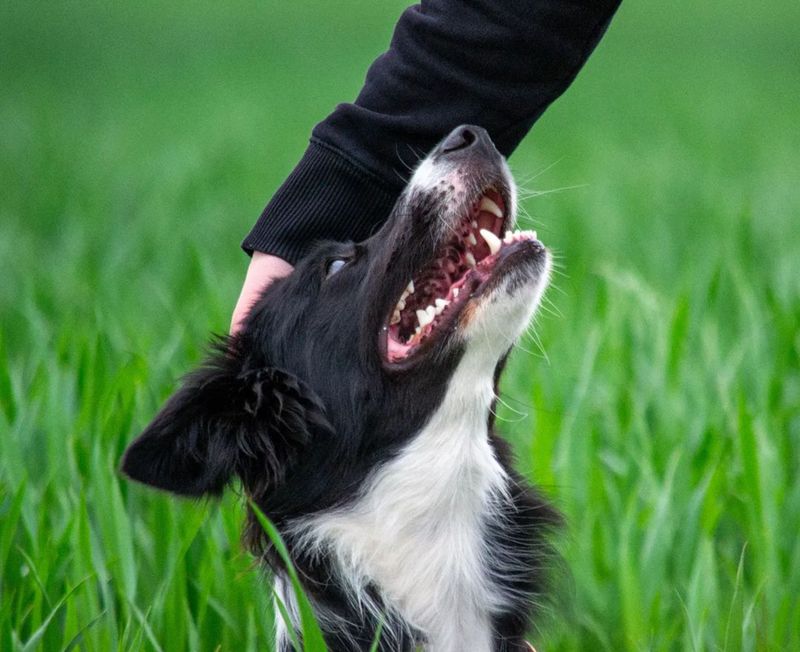
Border Collies attach at lightning speed because attention feels like currency to them. Your gestures, micro expressions, and routine become a working script they follow closely.
That intensity creates devotion, but without guidance, it can morph into constant herding and hovering.
Give their brain a job. Try pattern games, trick training, and scatter feeding amid mild distractions.
Alternate on and off switches: a focused training minute, then a settle on a mat, then a playful tug, so closeness becomes balanced and thoughtful.
Daily decompression in quiet spaces helps. Pair independence with high value chews, and practice doorway pauses.
The result is a deeply connected dog who chooses proximity without demanding it every second.
Australian Shepherd
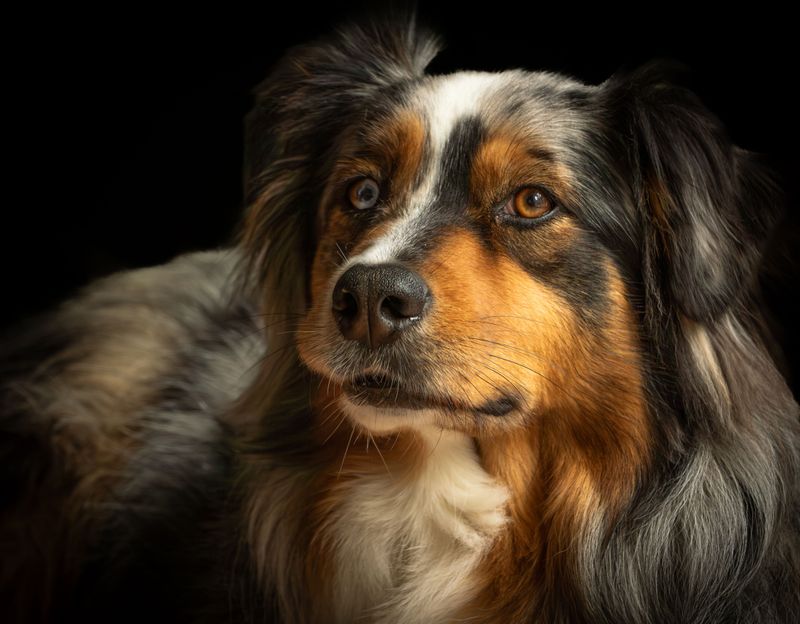
Australian Shepherds are tuned to teamwork, which makes attachment happen fast. They watch hands, hips, and habits, syncing with your rhythm like a dance partner.
Left to guess, they can nudge, pace, or circle to keep tabs on you.
Build healthy closeness by creating predictable stations and micro jobs. Ask for a down on a mat while you cook, then release for a quick fetch.
Use nosework, hiking on a long line, and toy rotations to meet their drive without constant supervision.
Practice calm exits and low key reunions. When you reward settled behavior and confident waiting, an Aussie learns that being near you is wonderful, and being a few steps away is safe too.
Cavalier King Charles Spaniel
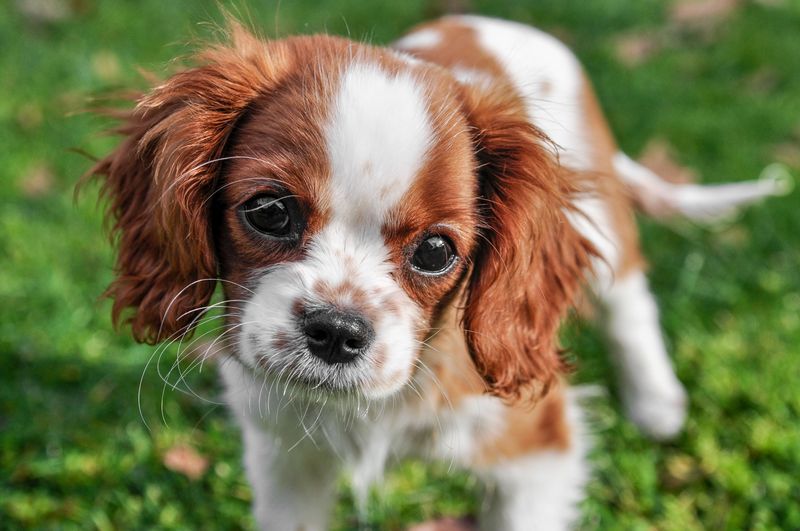
Cavaliers read your feelings beautifully and close the distance fast when comfort is needed. Their lapdog heritage means closeness feels like a job well done.
Expect gentle trailing, soft eye contact, and a natural desire to curl into your side.
Encourage independence without dimming their sweetness. Create little rituals, like a chew on a plush bed during emails, then cuddles after.
Use calm praise for settling, and keep departures low drama to prevent worry from building.
Light play, nosework in the hallway, and short neighborhood strolls keep their minds content. When you pair affection with structure, a Cavalier becomes your gracious companion who can snooze alone peacefully and sprint to your side when invited.
Pug
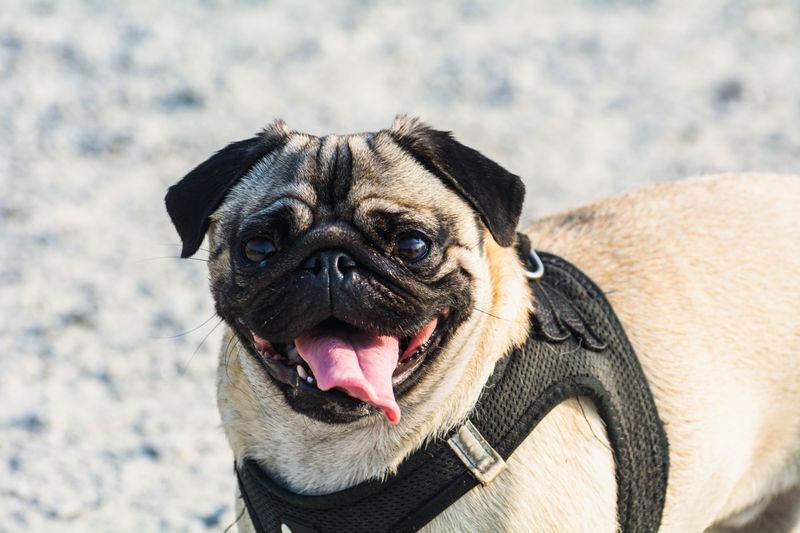
Pugs bond fast because they are social comedians who love a reliable audience. They track you with big eyes, share every couch corner, and punctuate routines with snorts and wiggles.
When they feel secure, their goofiness blossoms and they lean even closer.
Help your Pug handle alone time with predictable naps and cozy dens. Use food puzzles and gentle sniff walks to keep minds busy without overexertion.
Reward quiet resting, and make arrivals boring so excitement does not spiral into anxious attachment.
Watch breathing and heat, choosing calm enrichment over intense play. With steady structure and affection, a Pug becomes the perfect home shadow, content to snooze nearby and delighted to join you the second you stand.
French Bulldog
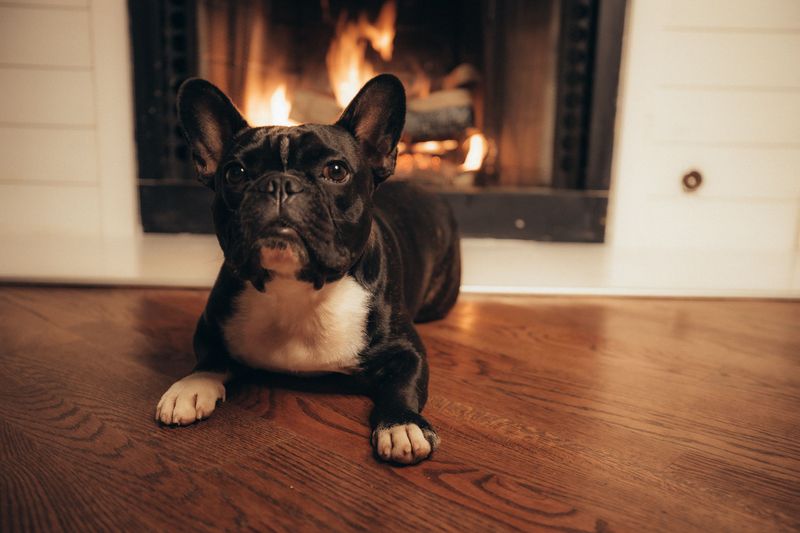
French Bulldogs thrive on close contact and quickly find your lap, feet, or pillow. Their steady gaze and quiet persistence say sit and stay together.
That charm can turn into constant supervision unless you build simple boundaries early.
Teach a comfy bed cue and reinforce it with chews and calm praise. Offer short training bursts, snuffle mats, and gentle tug to meet their playful side.
Practice door routines and relaxed crate time so absences feel predictable.
Mind their breathing and temperature, favoring low impact enrichment. With your guidance, a Frenchie becomes a loyal roommate who loves being close, yet can snooze solo while you take a meeting or make coffee in peace.
Dachshund
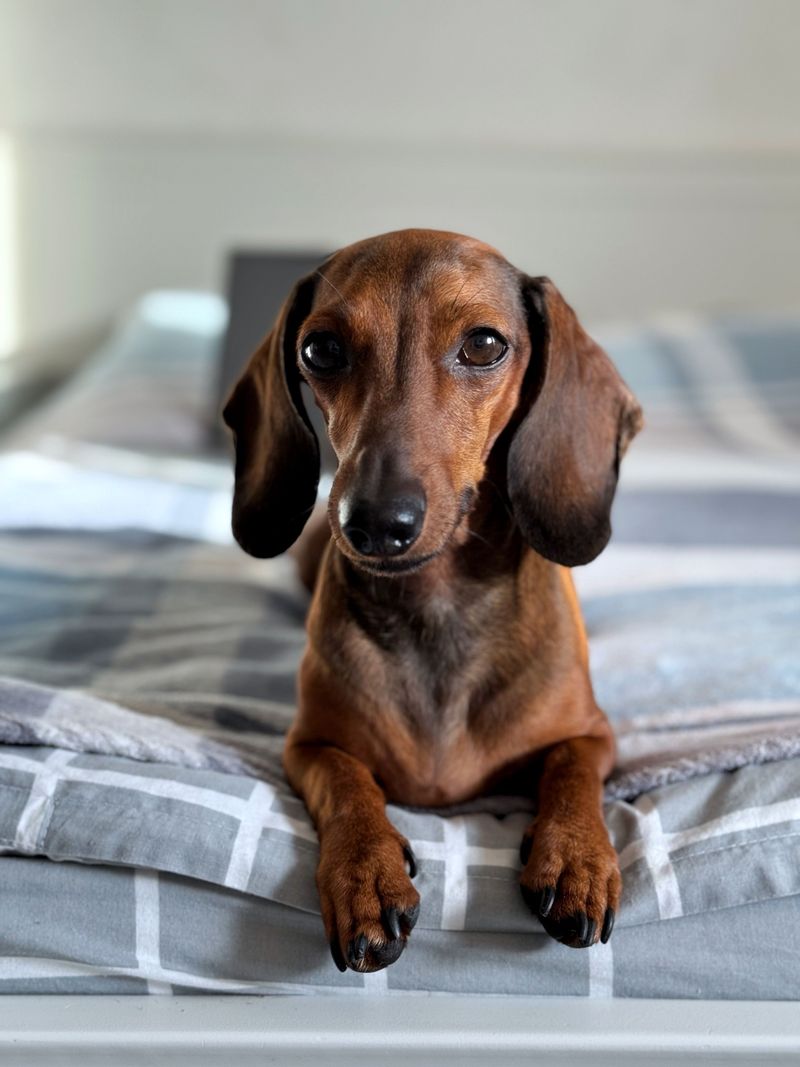
Dachshunds bond fast and travel like tiny parade marshals behind you. Bred for teamwork underground, they like knowing where their person is at all times.
Without structure, that loyalty can become vocal protests at doors and windows.
Set routines that reward patience. Scatter feed in snuffle mats, rotate scent games, and teach a settle on a raised bed with easy rewards.
Keep comings and goings boring so they learn independence is safe.
Short walks with sniff breaks and chew sessions reduce restless following. Pair affection with quiet time so your Doxie can nap solo, then pop up enthusiastically for cuddles.
You will enjoy a devoted companion who chooses closeness without clinging.
Cocker Spaniel
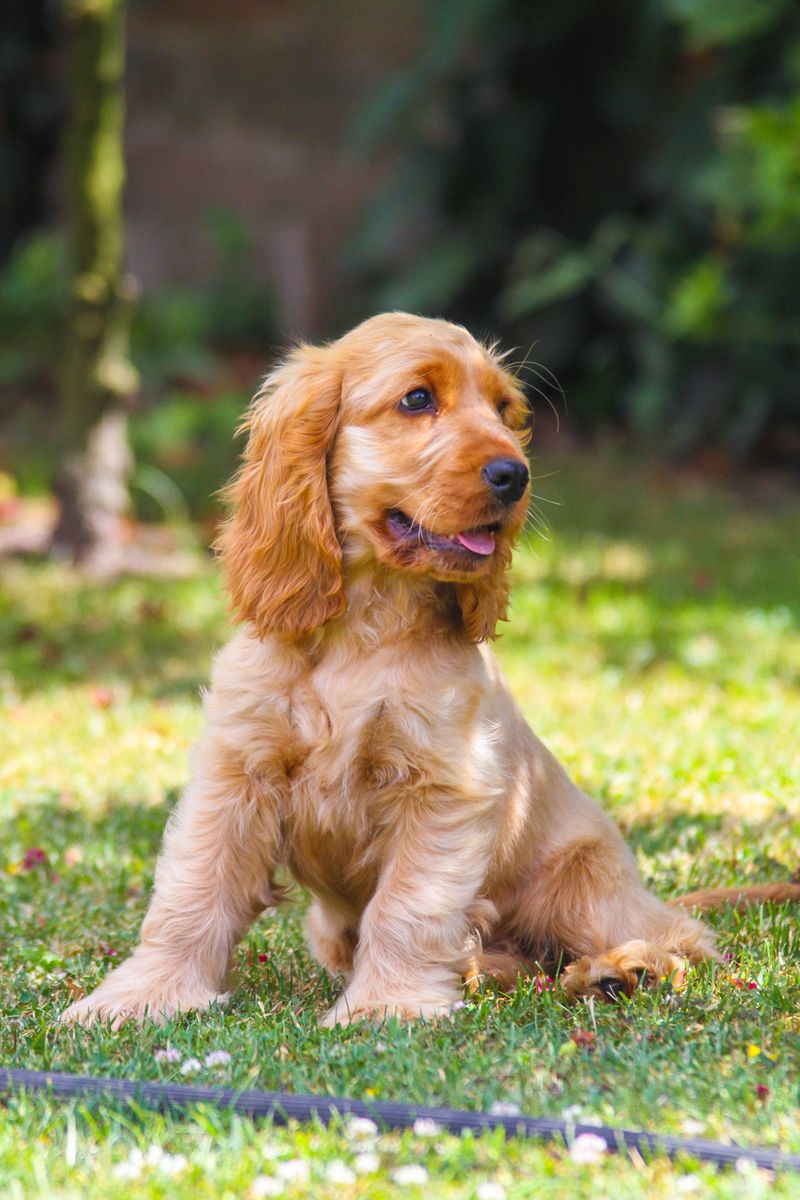
Cocker Spaniels attach to you through soft eye contact and a constant check in loop. They love gentle structure and blossom when routines are predictable.
That makes them quick to shadow you and settle wherever you sit.
Protect their confidence with small independence reps. Use place training during chores, puzzle toys for downtime, and short, calm departures.
Reward quiet relax behavior so they learn that waiting brings attention.
Daily outings and sniffy walks help them process the world without overwhelm. Keep grooming sessions positive to deepen trust.
With affection, clear cues, and a little patience, your Cocker becomes a devoted companion who rests peacefully, then springs up joyfully when invited.
Shetland Sheepdog
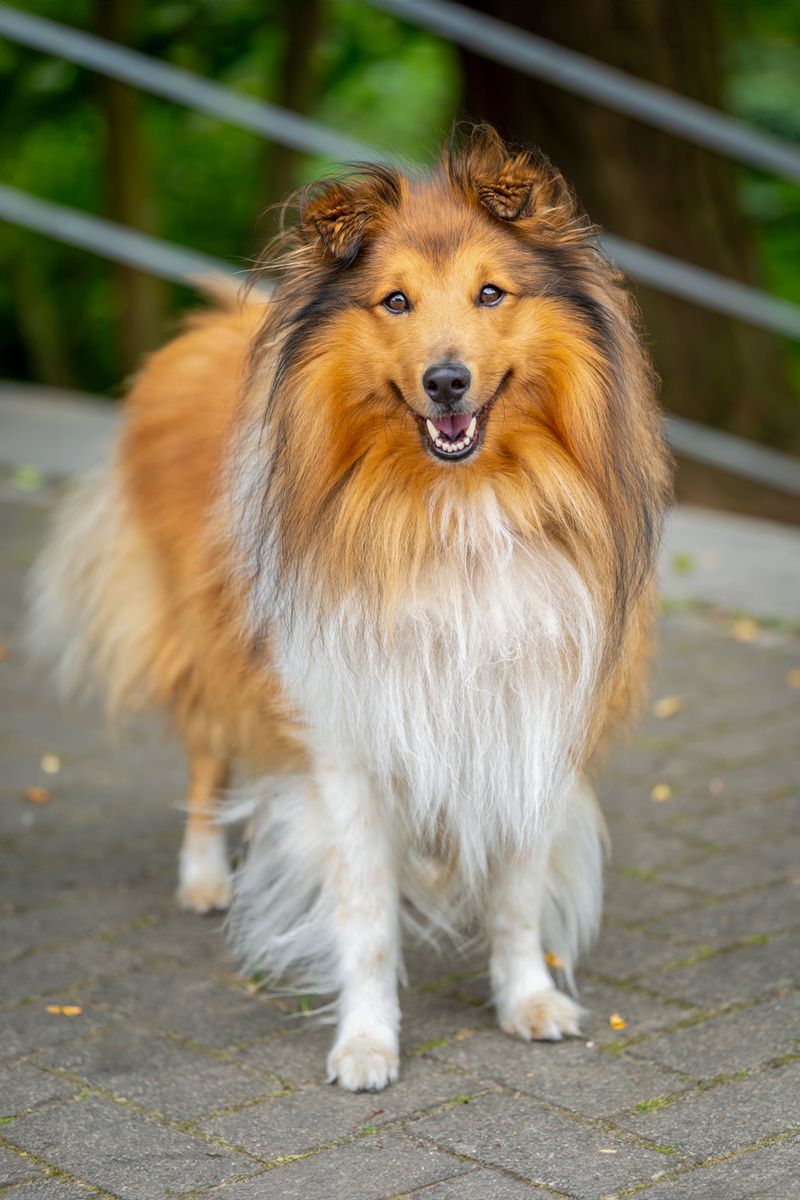
Shetland Sheepdogs watch your every move with gentle precision. Their herding heritage makes them attentive to motion and mood, so attachment can form in days.
You may notice soft trailing, doorway pauses, and quick responses to your voice.
Guide that closeness with calm structure. Teach a settle mat, practice brief crate comfort, and rotate low intensity brain games.
Pair independence with rewards, like chews during emails and a quick fetch afterward.
Daily decompression in a quiet yard or hallway sniff circuit eases busy minds. Keep greetings low key and reward thoughtful decisions.
Soon your Sheltie will choose to be near you while also relaxing confidently across the room.
Bichon Frise
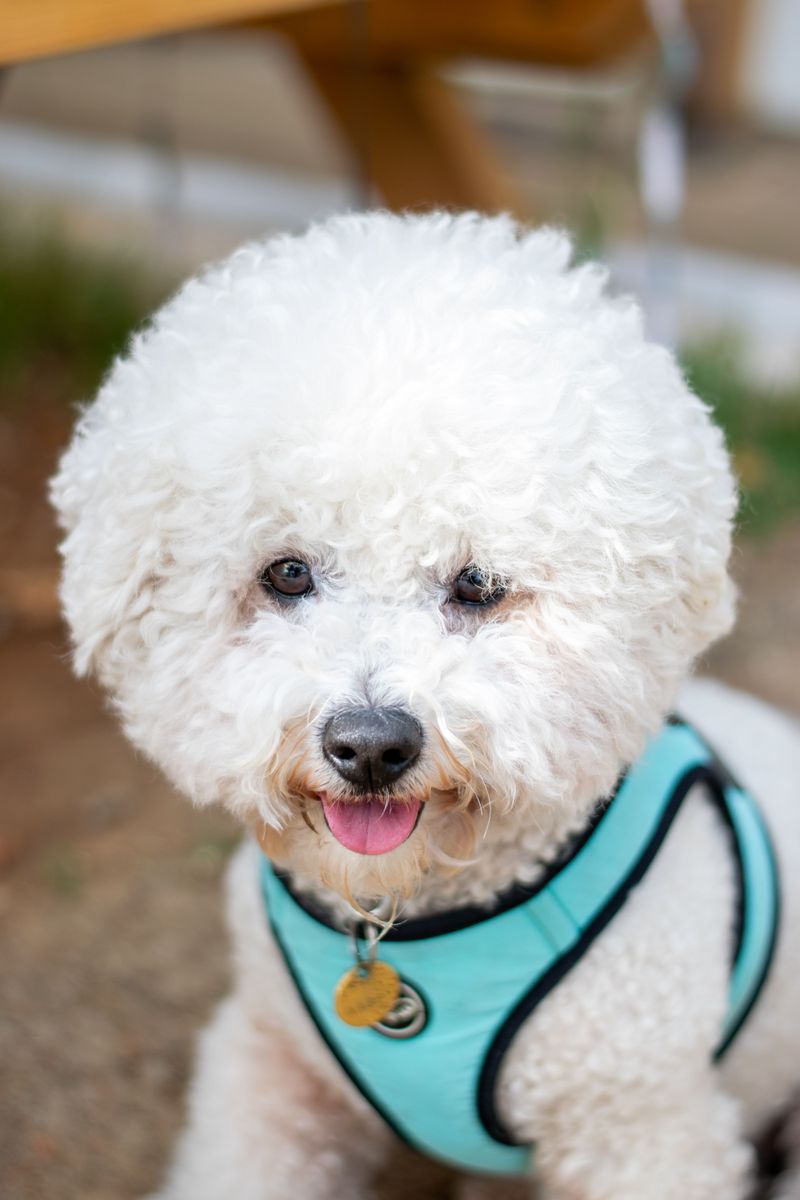
Bichon Frises are social butterflies that quickly convert routines into cuddle schedules. They love being included and will drift wherever you land, from sofa to desk chair.
That sweetness can slip into clinginess without gentle boundaries.
Build independence by rewarding calm on a bed near you, then gradually across the room. Use food puzzles, gentle fetch, and short sniff walks to keep minds happy.
Keep farewells simple and returns quiet so arousal does not spike.
Regular grooming as a calm ritual strengthens trust. With structure, a Bichon becomes a cheerful sidekick who naps contentedly alone, then pops up for affection right on cue.
Papillon
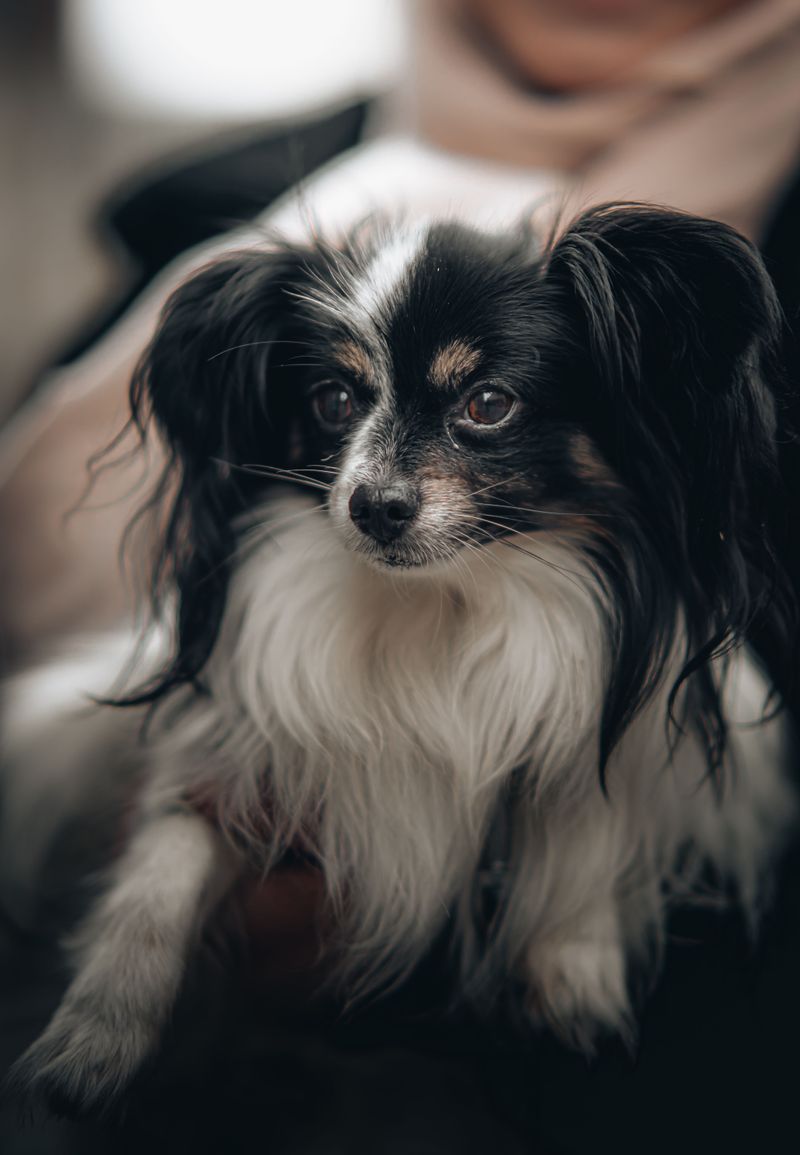
Papillons lock onto routines and people with joyful precision. They are bright, eager, and surprisingly sporty, which means attachment grows as they share little victories with you.
Expect a confident follower who loves lap time and quick training bursts.
Give structure to protect independence. Alternate trick training with mat settles, and rotate toy puzzles to keep their mind busy.
Practice door rituals and quiet crate comfort so brief absences feel predictable.
Short, fun sessions beat marathon workouts. Celebrate calm choices, reward check ins, and keep greetings mellow.
Your Papillon will happily choose to be near you while keeping the flexibility to lounge solo when asked.
Great Dane
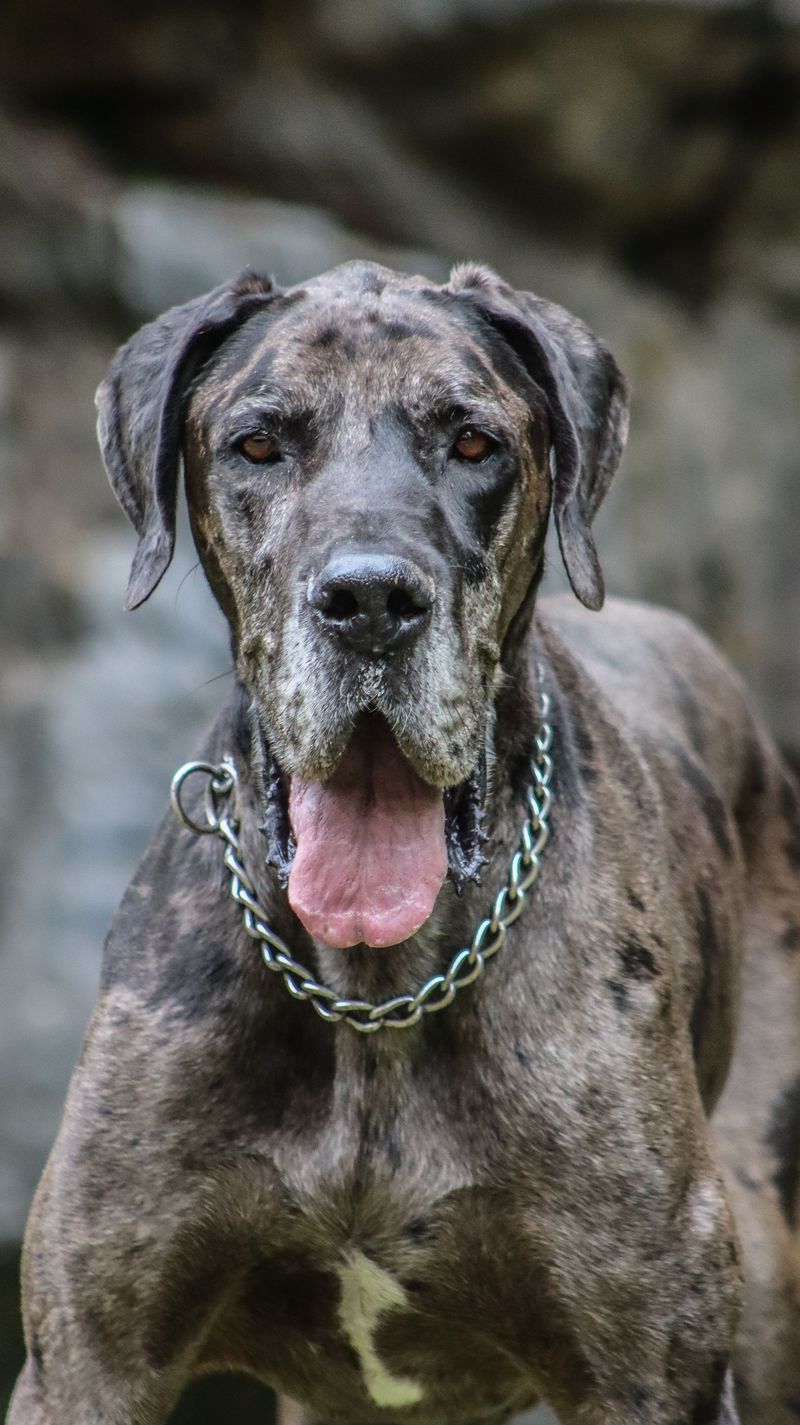
Great Danes are gentle giants who bond fast and lean in, literally. Their calm presence and eye contact create a comforting bubble that follows you from room to room.
Despite their size, they think lap privileges are perfectly reasonable.
Encourage independence with sturdy beds, chew rotations, and short alone time reps. Teach polite greetings and a settle cue so they rest comfortably without blocking hallways.
Low impact walks and sniff sessions keep bodies and minds content.
Because they mature slowly, keep training kind and consistent. Reward quiet relaxation as much as affection.
A Dane becomes an elegant companion who chooses closeness without hovering anxiously every minute.
Doberman Pinscher
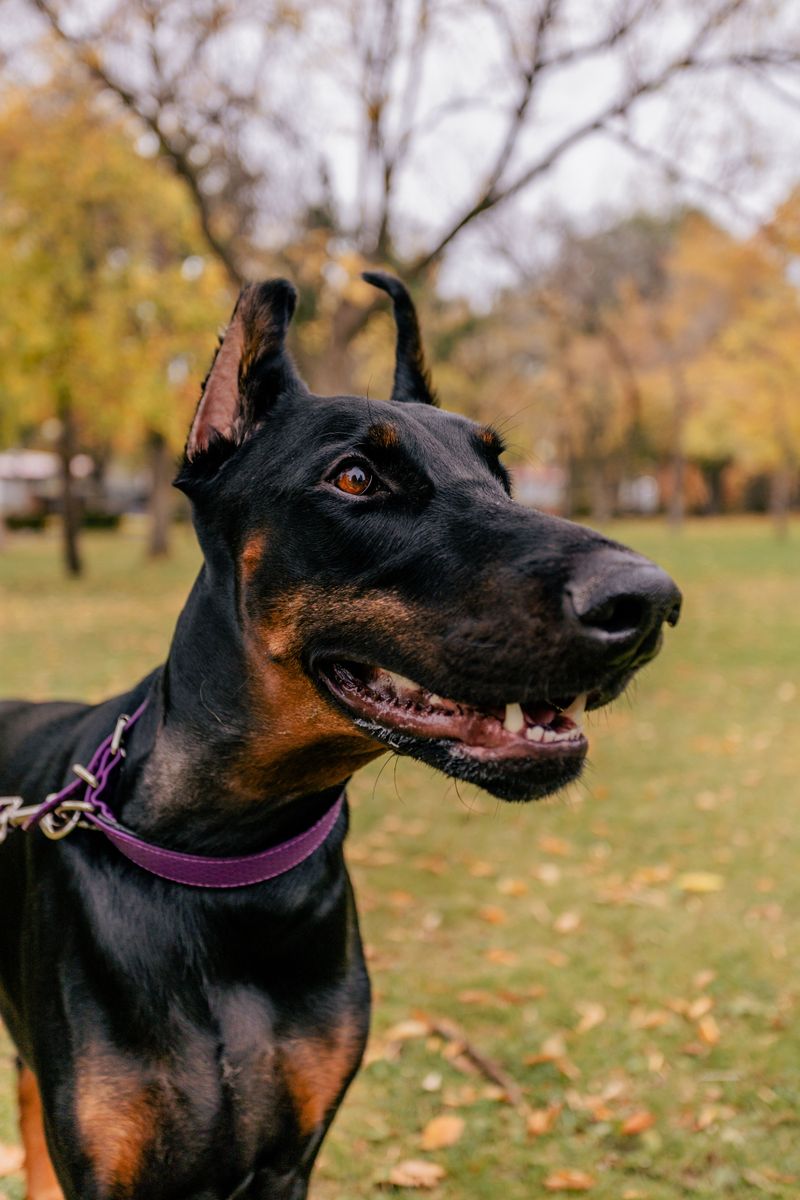
Dobermans are famously loyal and build swift, focused bonds. They often become your alert shadow, mapping your routines and checking doors and windows.
Without guidance, that devotion can turn into restlessness when you leave.
Give their brain a purpose. Practice obedience with calm downs, incorporate place training, and use scent games to tire the mind.
Keep departures steady and returns boring so neutrality grows.
Daily movement and thoughtful chew breaks reduce clingy pacing. Reward relaxed choices at a distance and release for affection often.
Your Doberman will settle into confident companionship, staying close by choice rather than worry.
Shih Tzu
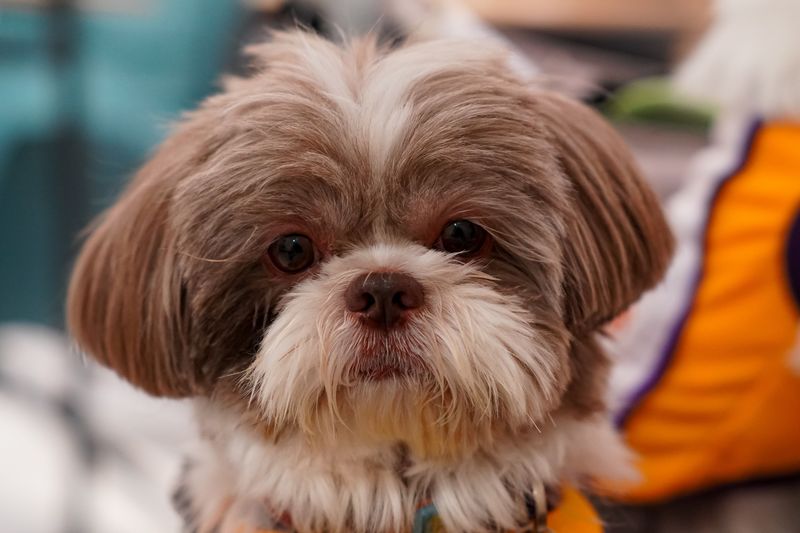
Shih Tzus adore close company and will map your daily routine quickly. Their gentle nature and history as companions make attachment feel natural.
Expect soft following, lap naps, and an eager face whenever you shift in your seat.
Teach independence with easy wins. Offer chews on a comfy bed during chores, and reward quiet resting.
Keep comings and goings simple to avoid spirals of excitement that can fuel clinginess.
Short walks, sniff games, and calm grooming sessions deepen trust without overtaxing them. With affectionate structure, your Shih Tzu will relax alone when needed and glide back to cuddle mode on cue.
Boxer
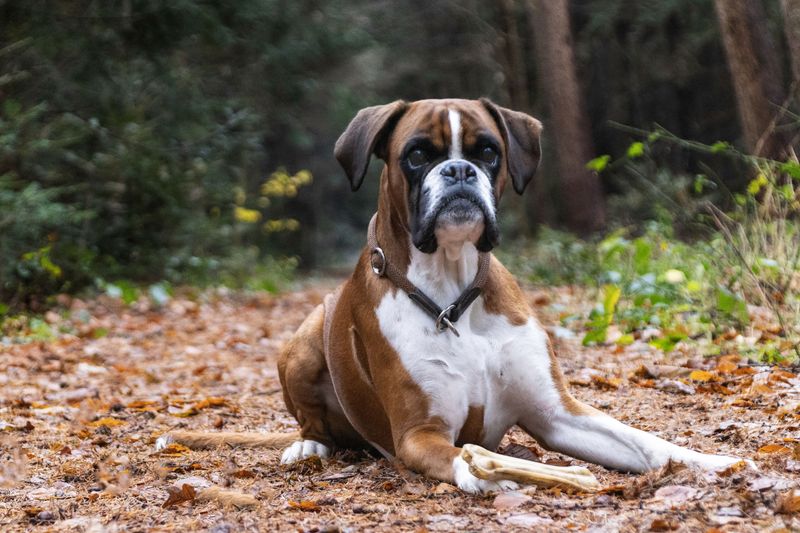
Boxers bond through joyful contact and will shadow you with bouncy dedication. They read your mood quickly and love being part of every errand, from mail runs to movie nights.
That enthusiasm benefits from consistent boundaries.
Practice short impulse control games and settle cues. Rotate tug, fetch, and sniff walks with calm crate or bed time so arousal has an off switch.
Keep departures predictable and returns low key to build confidence.
Teach polite leaning and parking in tight spaces. With structure and affection, a Boxer becomes your cheerful bodyguard who chooses closeness yet can snooze solo while you handle the day.
Rottweiler
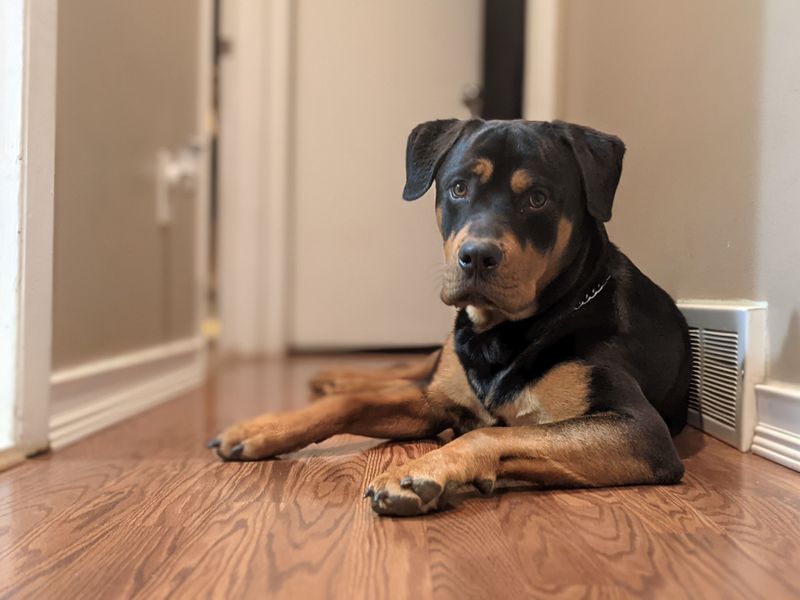
Rottweilers create deep attachments when you offer clarity and calm leadership. They are observant and will position themselves between you and doorways, quietly watching.
That steady presence grows quickly with consistent routines.
Channel devotion into thoughtful training. Use place cues, pattern games, and scent work to engage their mind.
Practice neutral greetings and calm departures so they do not feel responsible for every movement.
Daily decompression walks and chew sessions help them relax. Reward quiet choices at a distance and invite closeness as a privilege.
Your Rottweiler will remain a loyal companion who settles confidently whether you are near or briefly away.
Pug (extra affectionate)
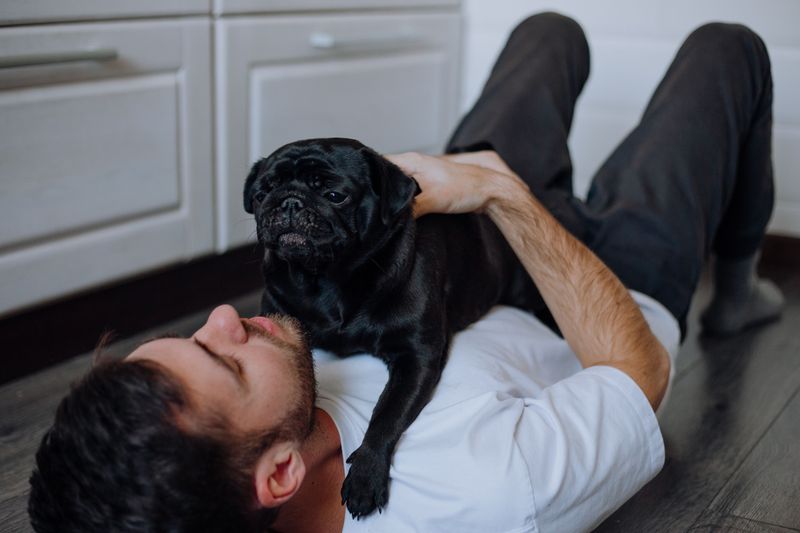
Some Pugs seem magnetized to your side, learning your schedule almost instantly. Their expressive faces and steady desire for company can feel like a built in comfort system.
Without gentle boundaries, that closeness can drift into constant following.
Support independence with calm crate time, snuffle mats, and short departures that lead to quiet returns. Keep play low impact and sprinkle in easy training to focus that affection.
Reward relaxed lounging a few feet away before inviting cuddles.
Mind heat and breathing, favoring cozy enrichment over long sprints. With structure and love, you get a joyful housemate who chooses closeness rather than needing it to cope.
French Bulldog (extra affectionate)
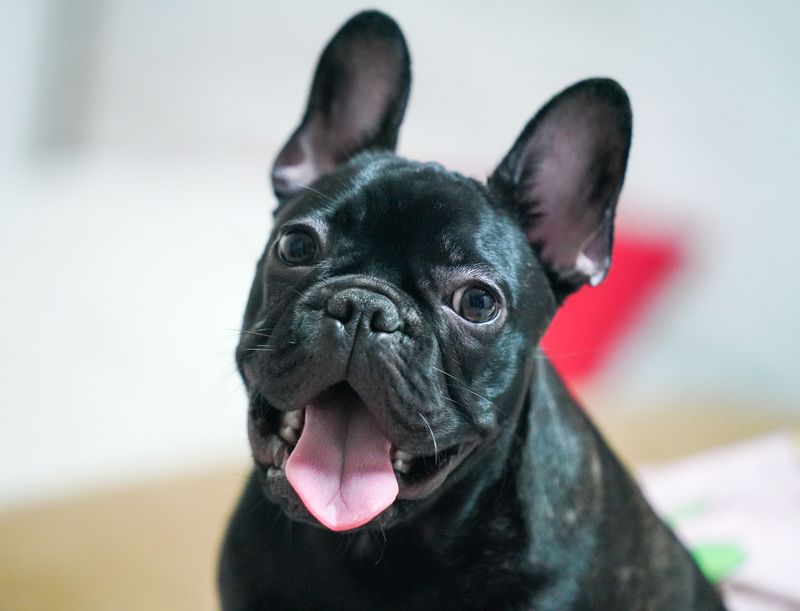
Ultra cuddly Frenchies act like velcro with legs, parking wherever you are. They soak up touch and routine, bonding fast through predictable days and easy wins.
That makes them hilarious companions and occasional hallway speed bumps.
Build gentle space habits early. Reward time on a designated bed, then widen the gap slowly.
Mix short training games, sniffy foraging, and calm crate comfort so alone time feels safe and boring.
Watch temperature and keep play sessions brief. With structure and affection, your extra lovey Frenchie will nap independently, then return for snorts and snuggles on cue.
Cavalier King Charles Spaniel (extra affectionate)
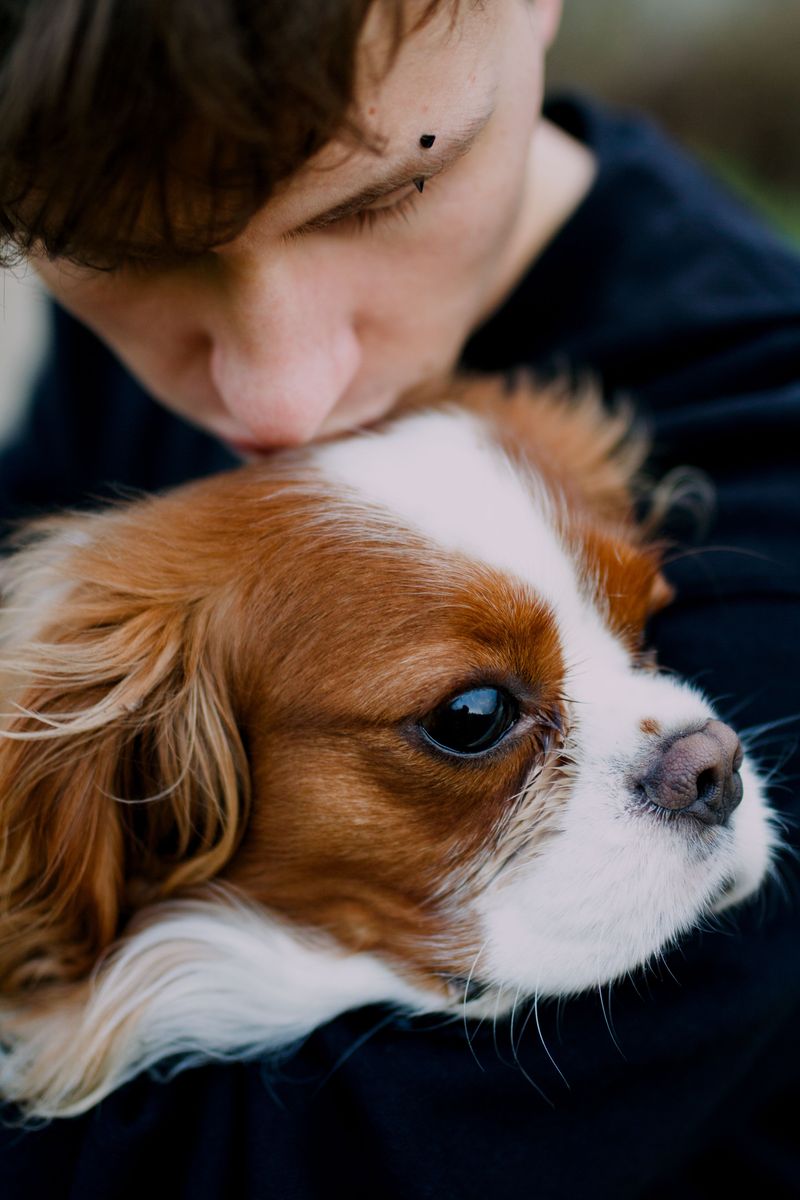
Extra affectionate Cavaliers feel emotions like echoes and respond with immediate closeness. They will follow softly, settle at your feet, and lift their face for reassurance.
That sweetness thrives when you add kind structure.
Use ritualized breaks: chew on a bed during tasks, then invite cuddles. Practice boring exits and predictable returns, pairing independence with rewards.
Sprinkle in short sniff walks and trick training to keep brains bright.
Celebrate calm lounging across the room, then release for affection. Over time, your Cavalier learns that being near is lovely and being slightly apart is perfectly safe.
Vizsla (never wants personal space)
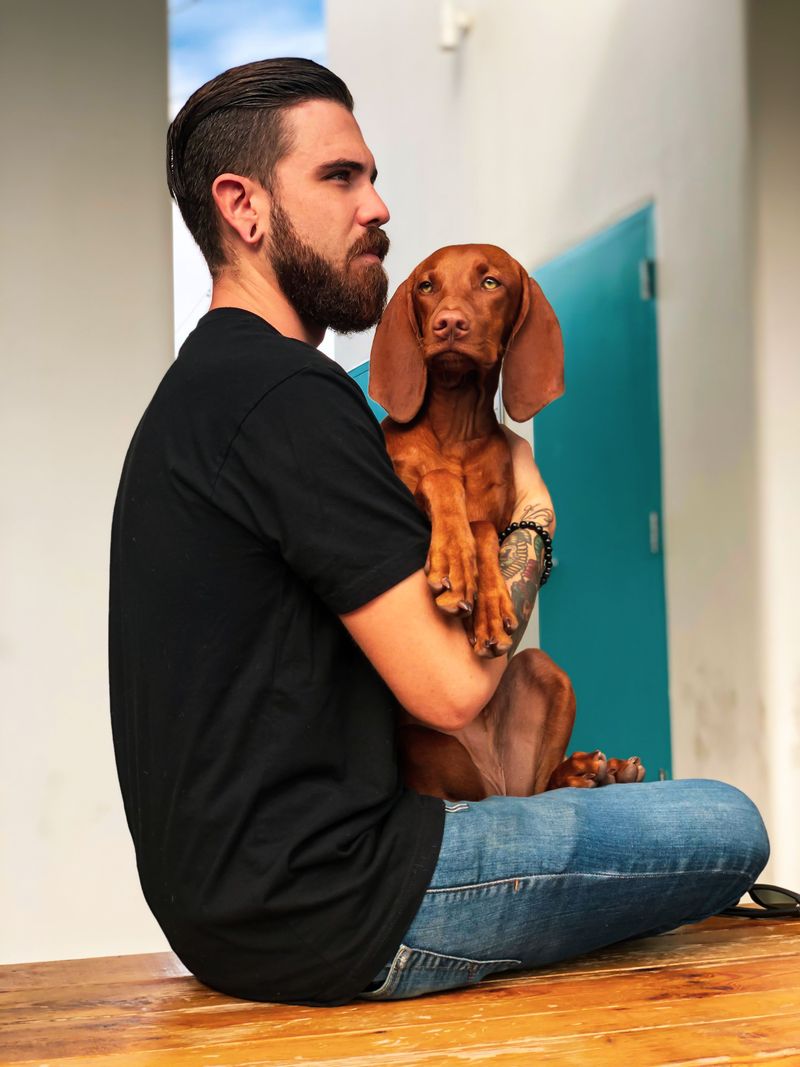
Vizslas are the original velcro dogs, happiest when practically stitched to your side. They bond at hyperspeed through touch, eye contact, and shared motion.
Expect elegant leaning, room to room shadowing, and an eagerness to join any activity that includes you.
Protect their heart with structure. Teach place cues, reward restful mat time, and plan decompression walks that prioritize sniffing over speed.
Use predictable departures and very calm returns so absence feels manageable.
They thrive on jobs, even small ones like carrying a toy during errands at home. With patient boundaries and daily brain work, a Vizsla becomes an affectionate partner who chooses closeness without spiraling when you step away.
Weimaraner (never wants personal space)
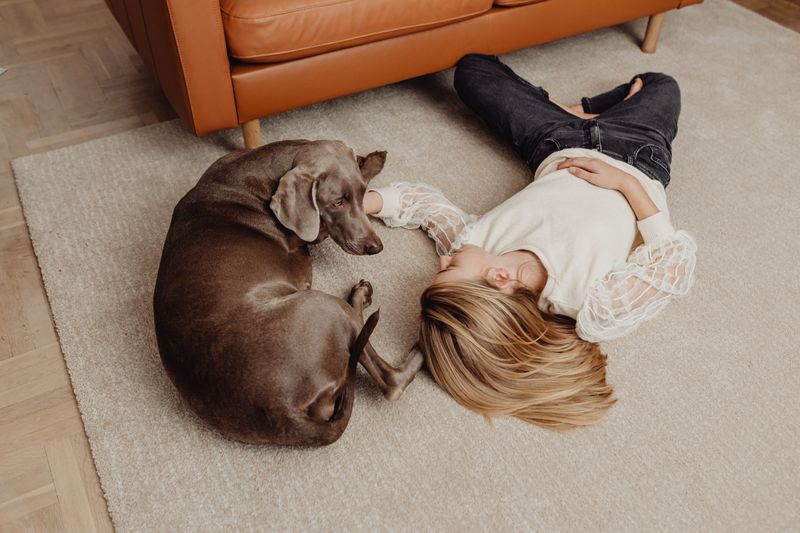
Weimaraners crave proximity and notice your every pivot and sigh. Their intense focus and stamina can turn into relentless following if you skip structure.
They want in on everything, preferably right beside you.
Shape independence through calm routines. Alternate place training with scent games, food puzzles, and long line sniff walks to tire the brain.
Keep exits predictable and reunions boring, praising quiet choices generously.
Offer meaningful work, like carrying a toy between rooms or brief obedience sessions. With consistency, your Weimaraner will relax alone confidently and then return to your side like a silver shadow by choice, not worry.
Italian Greyhound (never wants personal space)
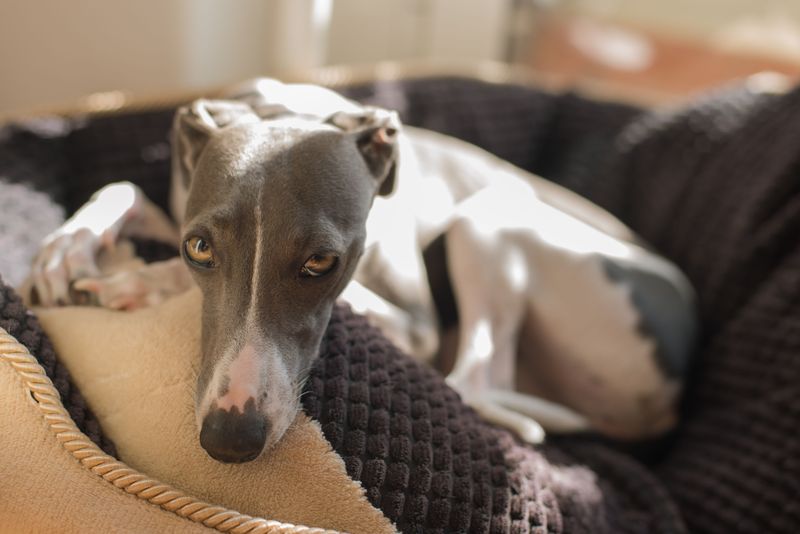
Italian Greyhounds are tiny heat seeking companions who attach fast and strongly. They read micro cues and love soft routines, often curling into your lap before you finish sitting.
Without gentle boundaries, they can protest even short distances.
Support independence with warm, inviting beds and short, predictable absences. Reward quiet resting nearby, then increase space slowly.
Use food puzzles and short hallway sniffs to reduce restlessness without overexertion.
Mind temperature and provide cozy layers. With loving structure and calm practice, your Iggy will snooze solo confidently and then happily slide under your arm the moment you invite them back.