
Dog breeds come with fascinating histories and characteristics that make each one unique. Some breeds have unusual details in their standards, leaving us amused and intrigued. Let’s explore 18 dog types that boast such distinctive features.
Bedlington Terrier
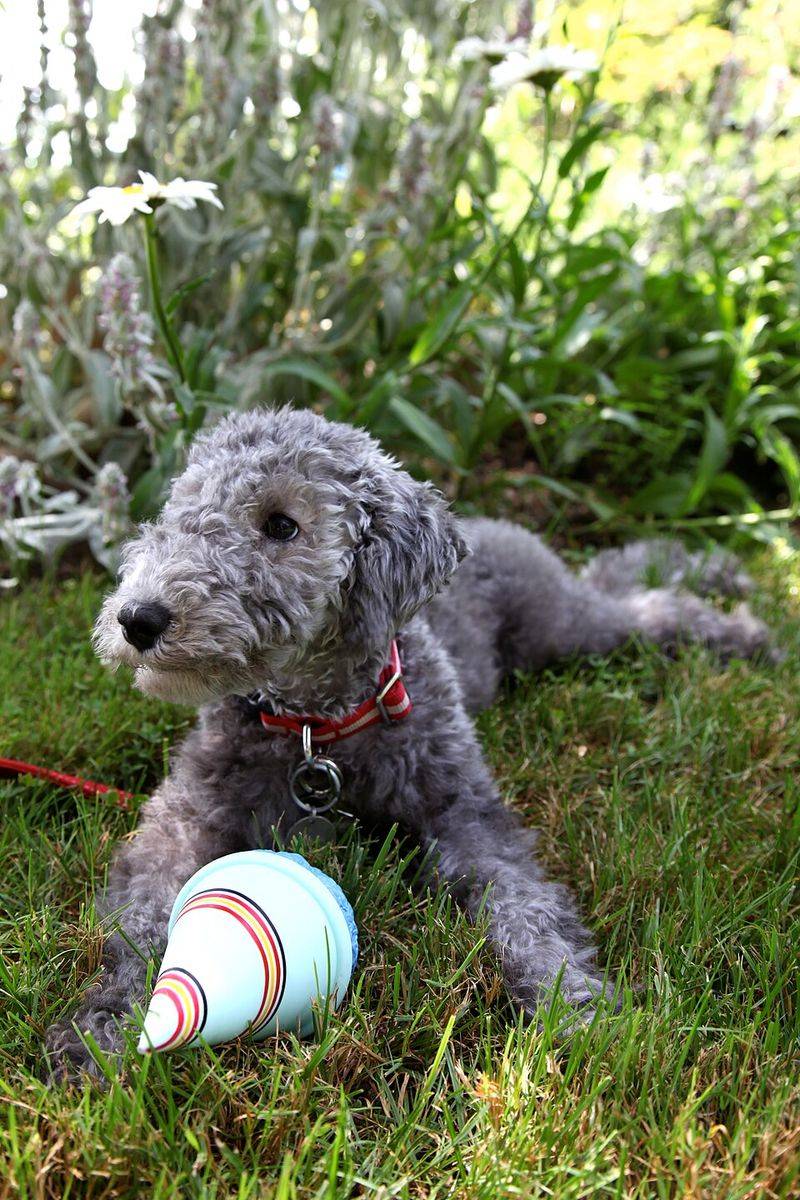
With their lamb-like appearance, Bedlington Terriers catch the eye instantly. Their curly coat and pear-shaped head set them apart. Surprisingly, the breed standard requires a slight arch in the back, giving them a graceful outline. This detail highlights their agility and speed.
Originally bred for hunting vermin, these terriers are known for their lively spirit. Their unique silhouette shouldn’t mislead you; they’re robust and energetic. The Bedlington’s distinctive look also extends to their tasseled ears.
Did you know? This terrier was named after a mining town in England, reflecting its hardworking roots. Despite their elegance, they’re tough competitors in the field.
Dandie Dinmont Terrier
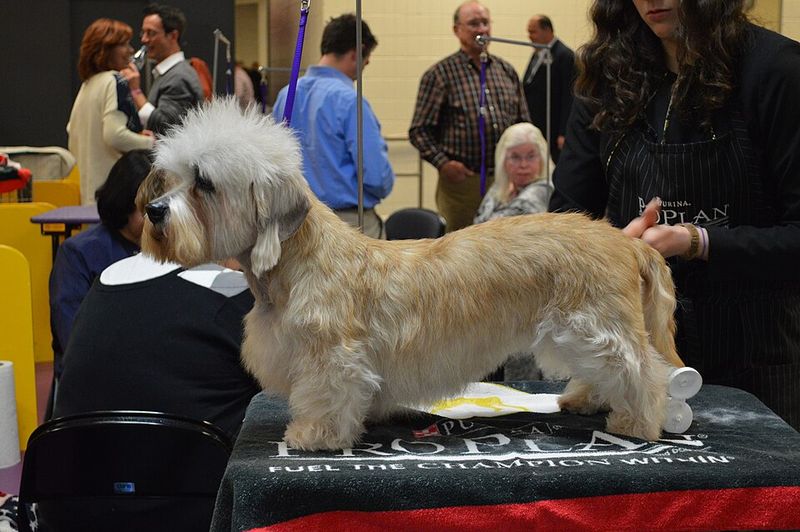
Sporting a topknot that could rival any fashionable hairstyle, the Dandie Dinmont Terrier demands attention. This playful breed has a long body and short legs, which are distinctive in the terrier world. Their soft, silky coat and big, soulful eyes add to their charm.
The breed standard highlights their curved tail, which should resemble a scimitar. Historically, these terriers were fearless badger hunters, a trait still evident in their bold personality.
Fun fact: They are the only breed named after a fictional character, Dandie Dinmont, from Sir Walter Scott’s novel “Guy Mannering.”
Lagotto Romagnolo
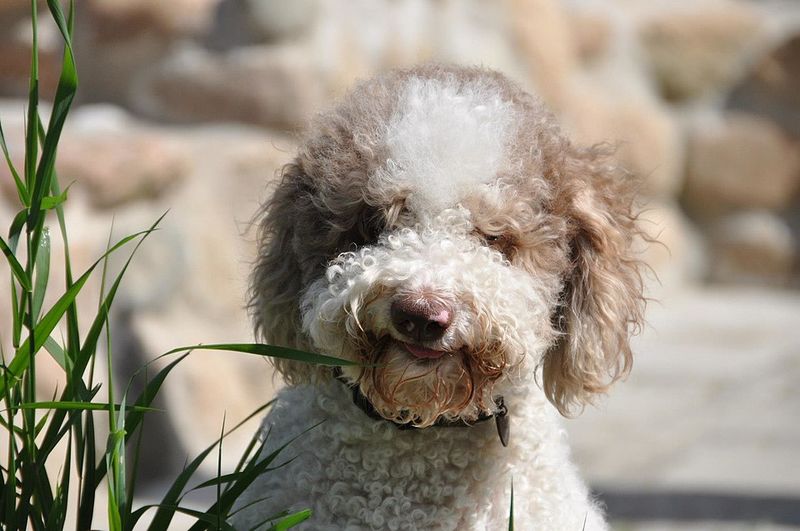
The Lagotto Romagnolo is not just any water dog; it’s a truffle hunter extraordinaire. These curly-coated canines have a keen nose, ideal for sniffing out hidden treasures beneath the earth. Their woolly coat is one of their most recognizable features.
Breed standards include their distinctively broad head and expressive eyes. These traits not only aid in truffle hunting but also give them an endearing appearance.
Originating from Italy, Lagottos were initially water retrievers. Over time, their talents shifted to land, making them indispensable in the truffle industry.
Swedish Vallhund
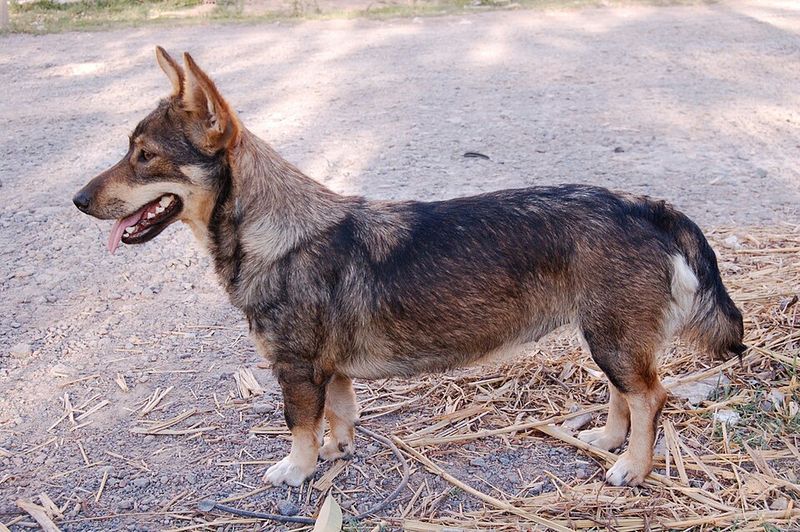
The Swedish Vallhund might look like a tiny wolf, but its lineage tells a different story. With a history dating back to the Vikings, these dogs were used as herders and companions. Their wolf-like features include a wedge-shaped head and bushy tail.
One of the breed’s unique standards is their distinct “smile,” a friendly expression that endears them to many. Their double coat, designed for harsh climates, is another characteristic trait.
Known for their energetic nature, Vallhunds excel in agility and herding, showcasing their versatility and intelligence.
Caucasian Shepherd Dog
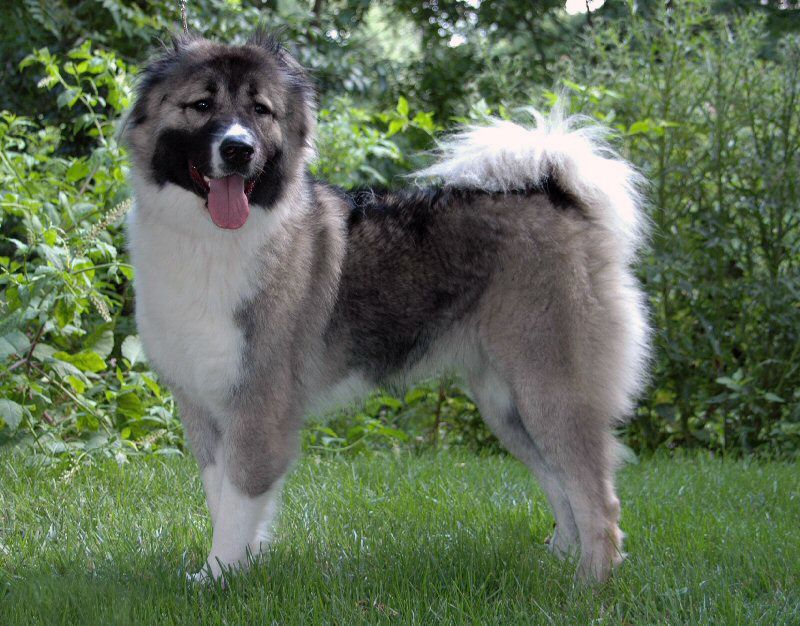
The Caucasian Shepherd Dog, with its imposing presence, is a formidable guardian. Bred to protect livestock in the mountainous regions, this breed is renowned for its strength and courage. Their thick, double-layered coat provides insulation against harsh weather.
Interestingly, the breed standard often includes a preference for a mane-like ruff around the neck. This feature enhances their majestic stature and protective appearance.
Despite their intimidating look, they are loyal and loving to their families. Their natural instinct to guard makes them both a protector and a companion.
Boerboel
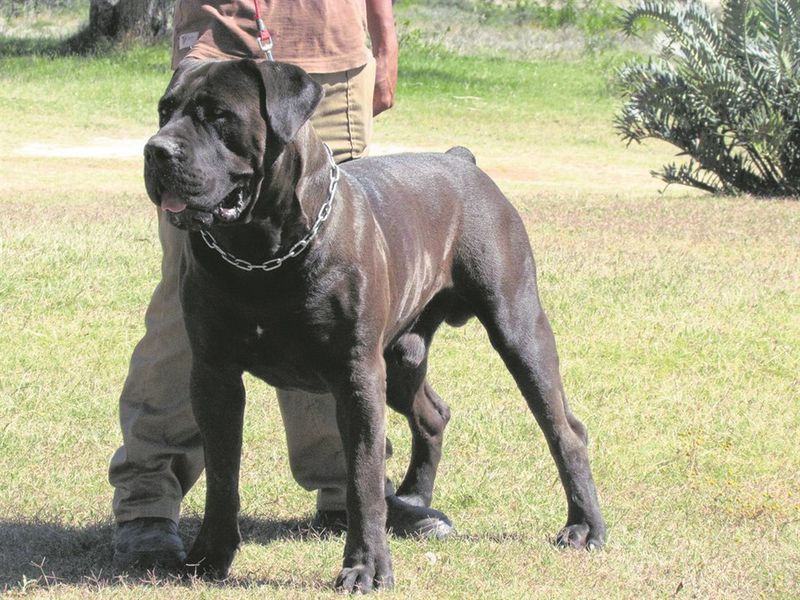
The Boerboel is a powerhouse of muscle and confidence, bred to guard homesteads in South Africa. Their strong jaws and large head are distinctive features that command respect. Remarkably, the breed standard highlights their ability to move with agility despite their size.
These dogs are known for their protective instincts and unwavering loyalty. The Boerboel’s coat is short and sleek, requiring minimal grooming but offering maximum protection.
With roots in the 17th century, they evolved from various European breeds, becoming the formidable guardians they are today.
Pharaoh Hound

The Pharaoh Hound, often associated with ancient Egypt, is known for its elegant build and striking appearance. Their breed standard includes a unique trait: the ability to blush. When excited or happy, their nose and ears flush a rosy hue.
Lean and athletic, they were traditionally used for hunting rabbits in Malta. Their large, alert ears and amber eyes add to their regal demeanor.
Despite their historical appearance, they are affectionate and enjoy playful antics with their families. The Pharaoh Hound’s sleek coat accentuates their graceful form.
Canaan Dog
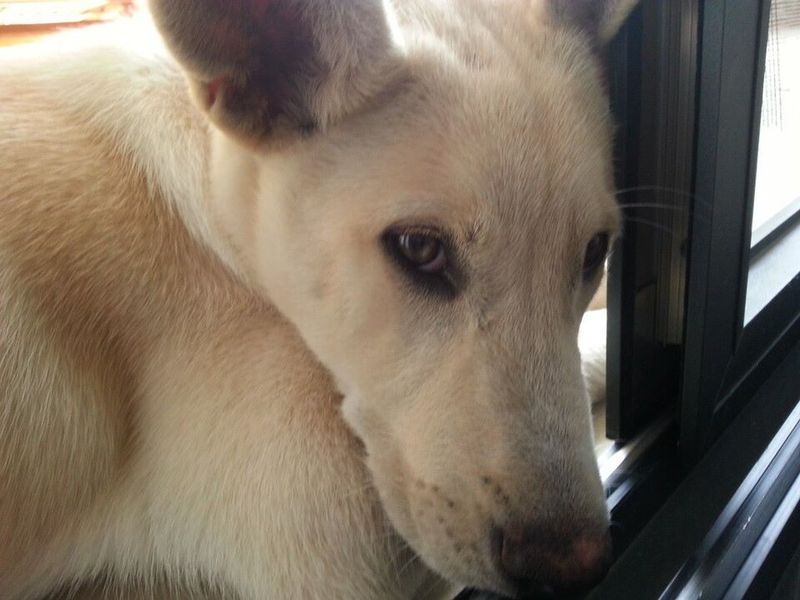
Known as Israel’s national dog, the Canaan Dog has a rich history dating back to biblical times. Their pointed ears and bushy tail are defining features that give them a keen, alert look.
The breed standard interestingly allows for a variety of coat colors, from sandy to black and white. This reflects their adaptability to different environments.
Originally used as guard dogs and herd protectors, they retain a strong sense of independence. Despite this, they are devoted to their families, embodying both wild spirit and domestic loyalty.
Mudi
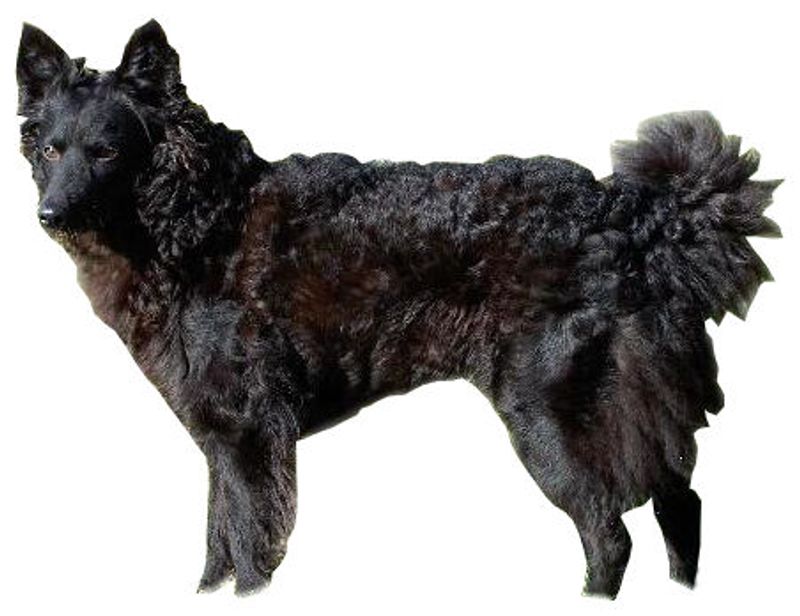
The Mudi is a Hungarian herding breed with a distinctive merle coat pattern that catches the eye. Their breed standard emphasizes their erect ears and watchful expression.
These agile dogs are known for their versatility, excelling in herding, agility, and even search and rescue. Despite their small size, they are full of energy and enthusiasm.
Fun fact: The Mudi was almost unknown outside Hungary until the late 20th century. Today, they are cherished for their intelligence and the vivid colors of their unique coats.
Karelian Bear Dog

Renowned for their bravery, the Karelian Bear Dog is not afraid to face a bear. This Finnish breed has a striking black and white coat and a sturdy, muscular build.
One of the breed standards is their distinct tail, which curls over the back. This feature complements their spirited and fearless nature.
Traditionally used for hunting large game, they are known for their independent yet loyal temperament. Their strong hunting instinct remains a respected trait among enthusiasts.
Polish Lowland Sheepdog
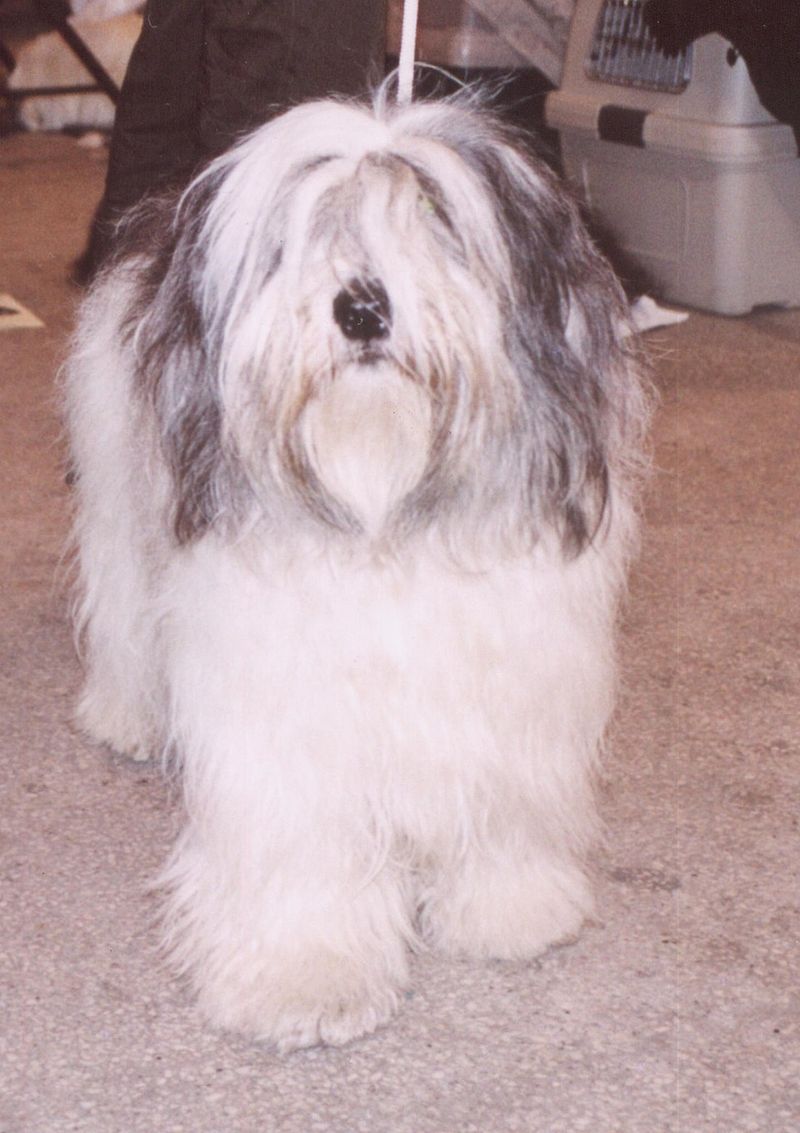
The Polish Lowland Sheepdog, or PON, is a herding breed with a long, shaggy coat that often covers their eyes. This gives them a charming, almost comical appearance.
Breed standards emphasize their muscular build and rectangular shape, necessary for their work in herding. Despite their fluffy look, they are agile and diligent.
With origins dating back to Poland’s pastoral lands, they are both intelligent and resilient. Their distinctive coat requires regular grooming but offers excellent weather protection.
Tosa Inu

The Tosa Inu, often referred to as the sumo wrestler of the dog world, is significant in both size and presence. With origins in Japan, this breed was developed for dog fighting, and its calm demeanor belies its powerful build.
Breed standards note their thick neck and broad chest, which lend to their formidable appearance. Despite their past, Tosas are gentle giants with families.
This breed’s history is rich, with influences from European and native Japanese dogs, creating a unique blend that is both courageous and loyal.
Tibetan Spaniel
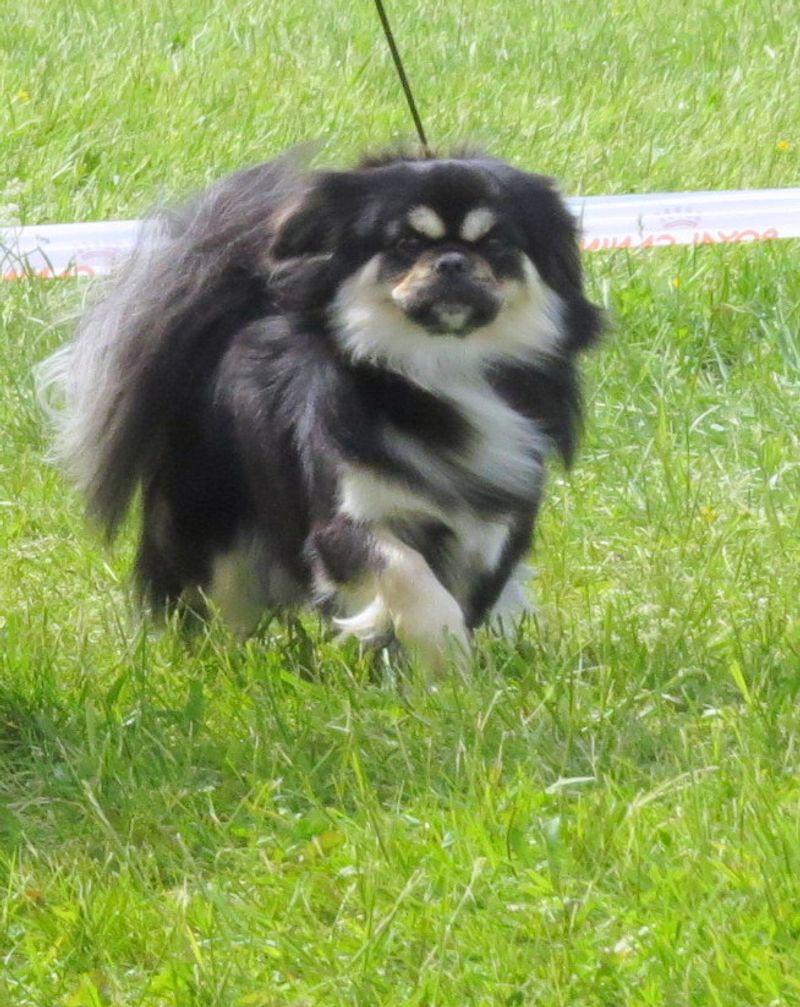
The Tibetan Spaniel, often seen as a small guardian, possesses a lion-like mane that adds to their noble appearance. Breed standards highlight their unique expression, often referred to as “aloof yet affectionate.”
These dogs were historically companions in Tibetan monasteries, valued for their ability to alert monks to intruders. Their expressive eyes and curled tail enhance their charming visage.
Despite their small size, they are confident and enjoy engaging with their environment, embodying both playfulness and poise.
Pyrenean Shepherd
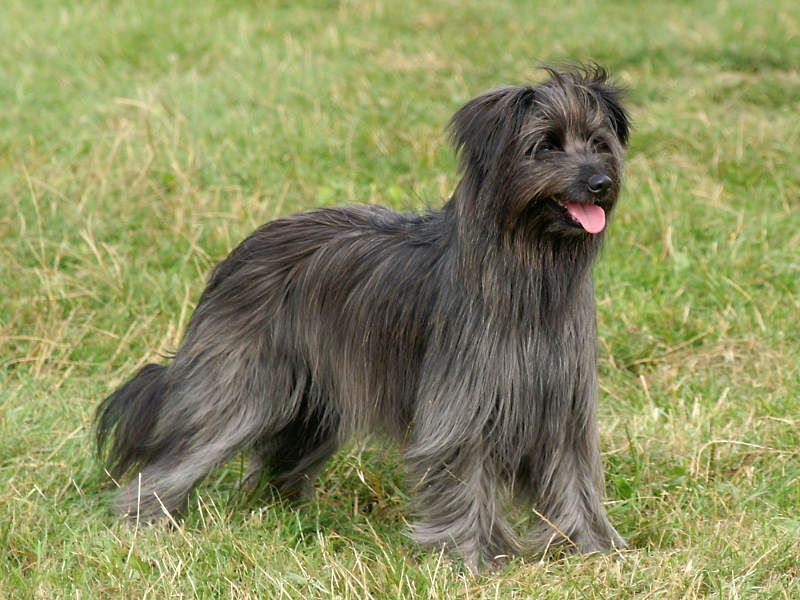
The Pyrenean Shepherd is a vivacious herding breed with a long, flowing coat that aids in protecting them from the elements. Their lively eyes and quick movements are key breed standards that speak to their herding abilities.
Originally from the Pyrenees mountains, these dogs were essential partners to shepherds. Their compact size and agility made them perfect for navigating rugged terrain.
Despite their work-focused history, they form strong bonds with their families, bringing energy and loyalty into the home.
Glen of Imaal Terrier
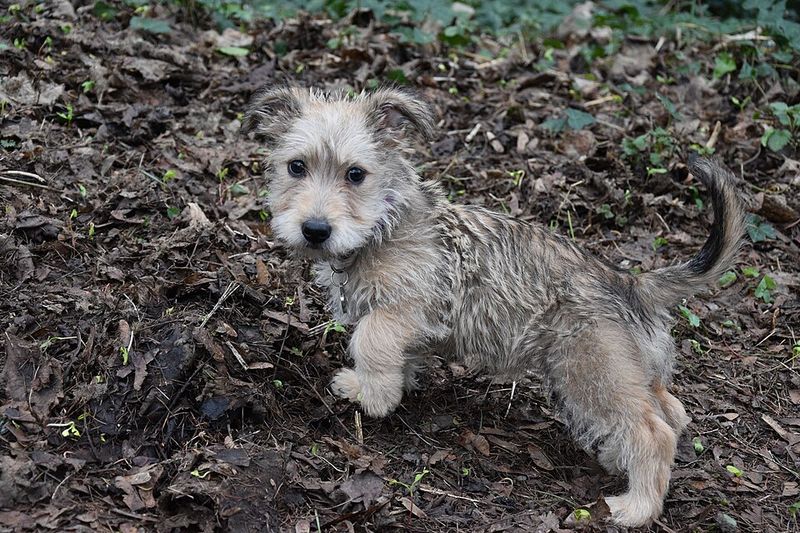
The Glen of Imaal Terrier, known for its stout build and wiry coat, hails from the remote hills of Ireland. What makes them unique is their ability to “turn a spit,” a skill historically used in kitchens.
Breed standards include a low-slung body and strong legs, crucial for their original role as a working dog. Their tenacity and courage are still evident today.
These terriers are affectionate with families, and their playful nature makes them lively companions. Despite their size, they have a big personality.
Spanish Water Dog
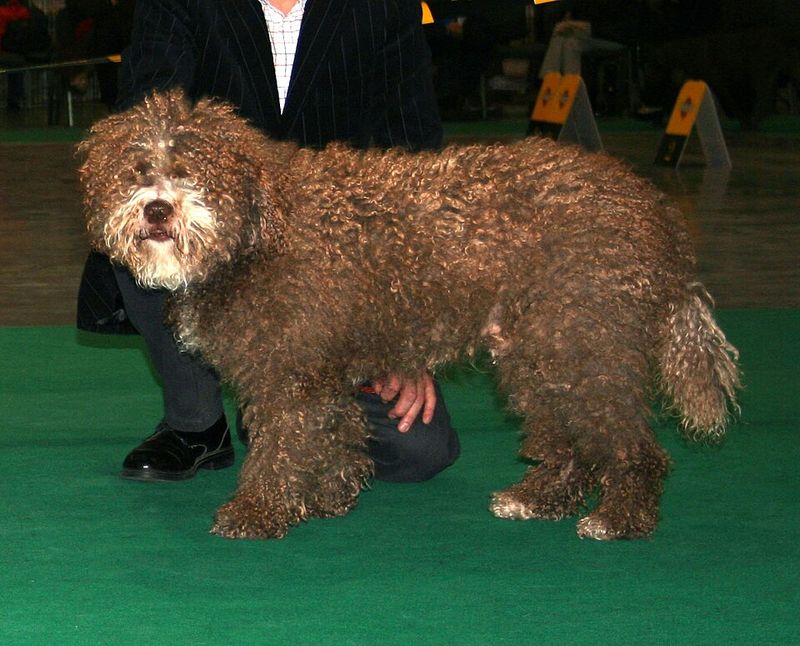
The Spanish Water Dog, with its distinctive curly coat, is as energetic as it looks. Their breed standard emphasizes their rustic appearance and balanced build, ideal for their versatile roles.
Historically used in Spain for herding and water work, they are agile and intelligent. Their tightly curled coat protects them from water and weather.
These dogs are known for their working prowess and are quick learners, making them adept in various canine sports. Their affectionate nature endears them to families and trainers alike.
Fila Brasileiro

The Fila Brasileiro, often called the Brazilian Mastiff, is known for its massive build and droopy face. Despite their size, they possess a surprisingly gentle and loving nature with families.
A unique feature is their distinctive gait, described in the breed standard as “cat-like.” This adds to their imposing yet graceful presence.
Originally bred for tracking and guarding, their protective instincts are strong. Filas are renowned for their loyalty, often described as having an unwavering attachment to their owners.
Manchester Terrier
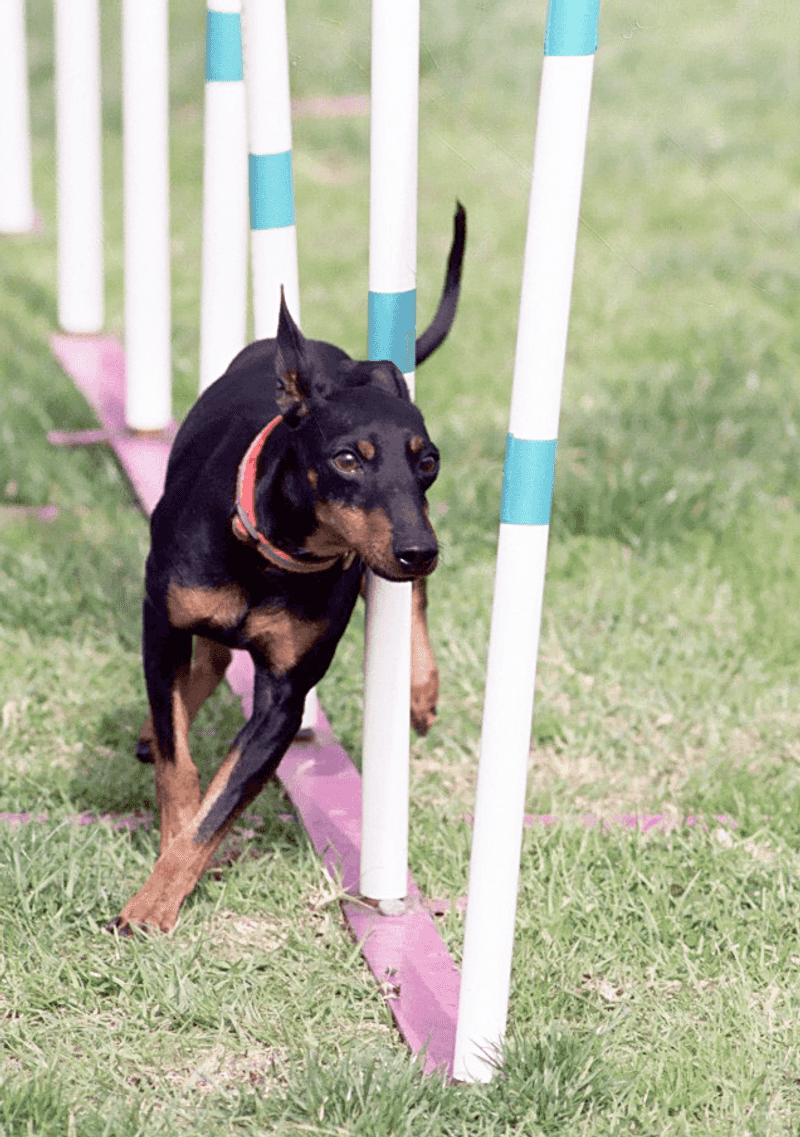
The Manchester Terrier, with its sleek black and tan coat, is elegance on four legs. Known for their keen hunting instincts, they have a spirited nature that mirrors their lively expression.
Breed standards highlight their compact and athletic build, making them agile and quick. Originally bred to catch rats, their sharp senses are still apparent.
Despite their hunting origins, they are affectionate companions, eager to engage in activities with their families. Their elegant appearance is matched by their intelligent and alert demeanor.