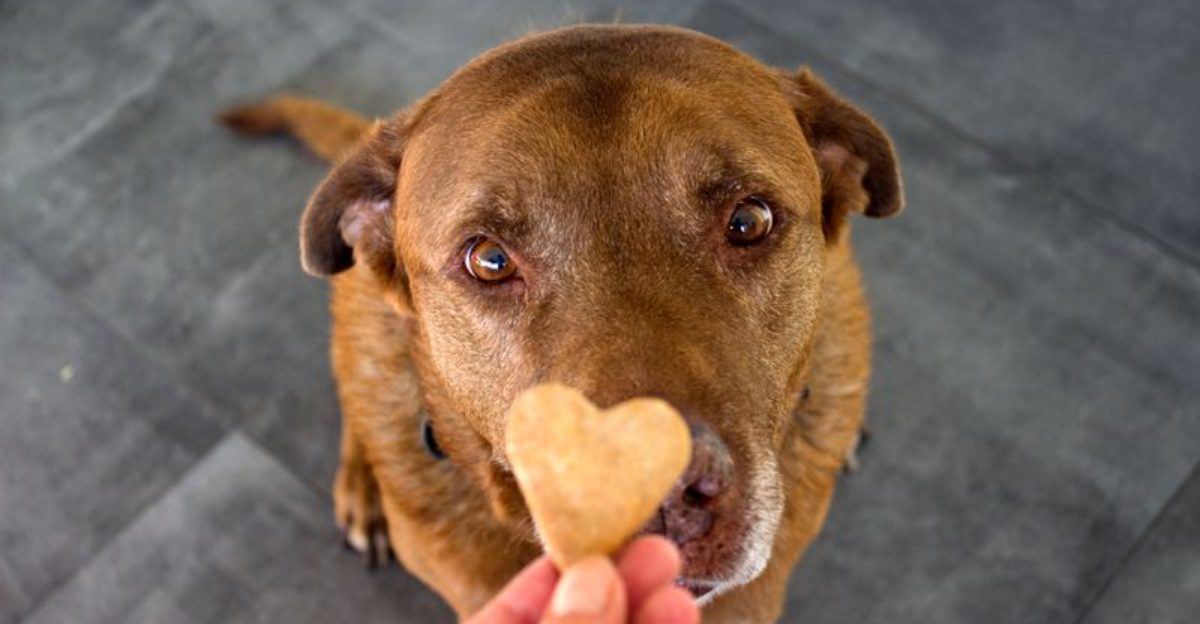
Every well-behaved dog starts with small, consistent choices from you. The good news? Tiny adjustments in your routines can unlock big improvements in manners, focus, and calm. This guide distills expert-approved micro-habits that are simple to apply and surprisingly effective. Read on to discover quick wins you can start today—and see results this week.
Use a Predictable Daily Rhythm

Dogs thrive on routine because predictability reduces stress and confusion. Establish consistent wake, walk, feeding, and training windows, even on weekends. This creates reliable cues for behavior, making transitions smoother and meltdowns rarer. Start by anchoring two times: morning walk and dinner. Layer in short training and enrichment blocks around them. Over a week, your dog anticipates needs instead of protesting. Predictable rhythms also help with house training, barking, and settling. Keep it flexible but steady. If life gets chaotic, maintain the key anchors to preserve structure. Your dog will repay you in calm attention.
Short, Frequent Training Bursts
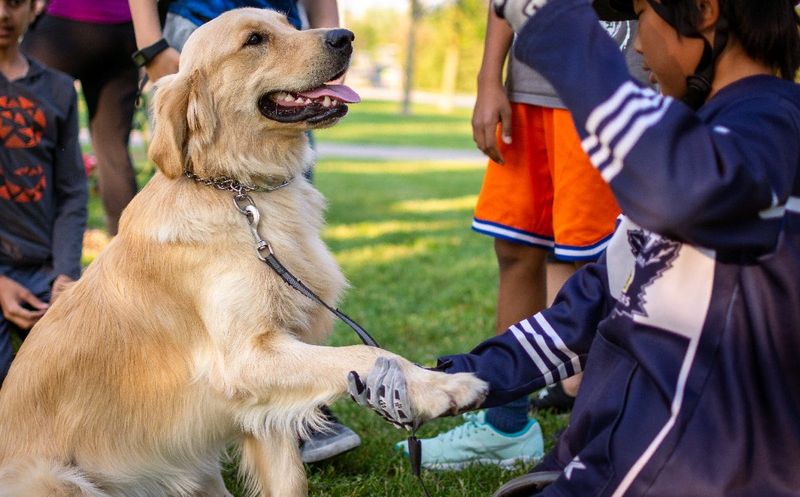
Swap marathon training sessions for three to five minutes of focused practice scattered throughout the day. Short bursts prevent mental fatigue, keep motivation high, and compound progress quickly. Choose one skill per micro-session—sit-stay, recall, leash attention—and end on a success. Use high-value rewards initially, then vary reinforcement to maintain engagement. Consistency matters more than duration. Pair sessions with natural transitions: before walks, meals, or couch time. This builds automatic behaviors when your dog is most eager. Over time, these micro-reps create reliable reflexes, reduce disobedience, and keep your dog excited to learn.
Upgrade to Better Rewards
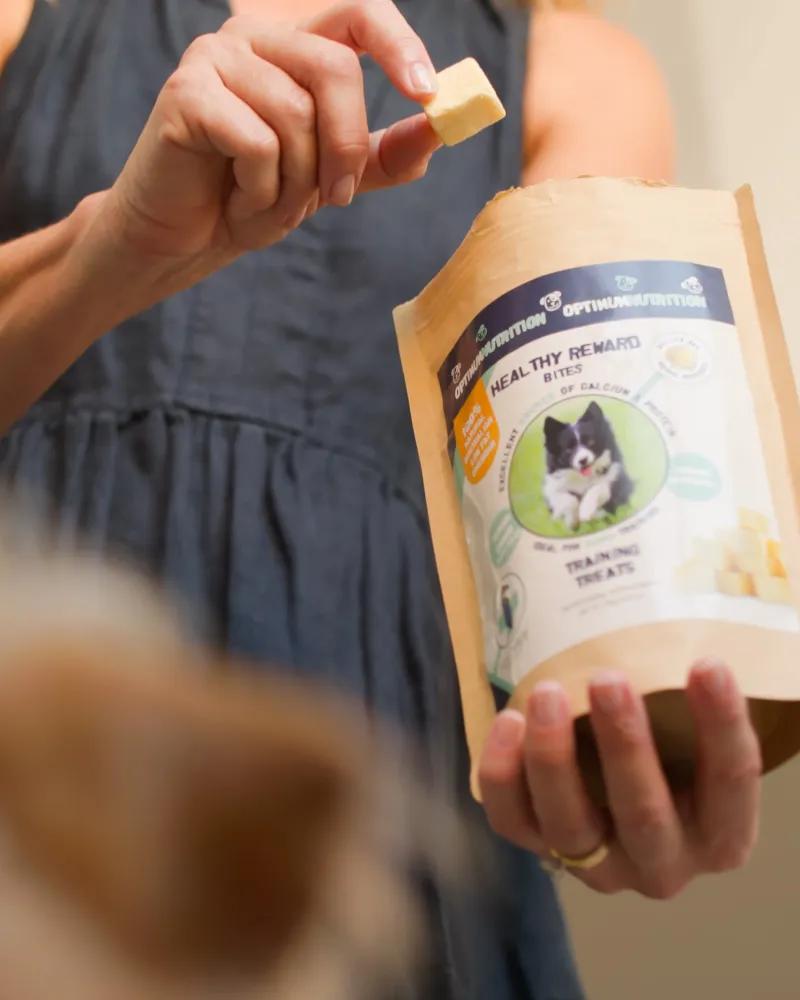
Many dogs underperform because the reward is boring or inconsistent. Match the reward to the task and environment: tougher distractions require higher-value treats, like soft, smelly bits of chicken or cheese. Mix in play, praise, or a quick sniff break to keep reinforcement exciting. Vary your reward schedule once the behavior is reliable to build persistence. Avoid dry, low-value kibble for difficult skills. Rotate rewards so novelty stays high. Keep a treat pouch handy and pre-cut soft treats to pea-sized pieces. Better rewards make listening irresistible and transform stubborn moments into eager cooperation.
Teach a Default Settle
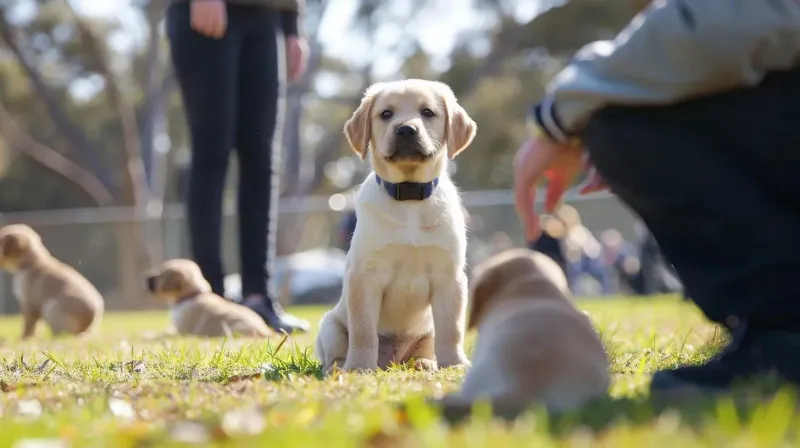
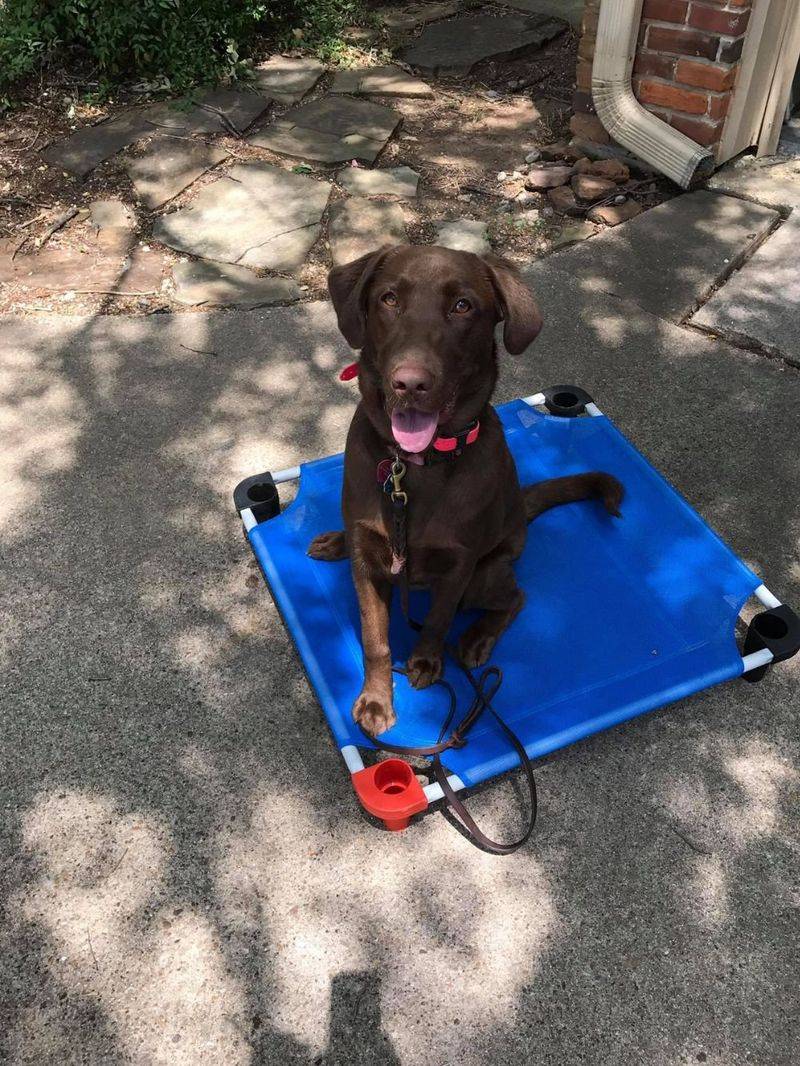
A reliable settle cue can switch your dog from wired to calm in seconds. Start by rewarding your dog for lying on a mat or bed, using a marker and frequent reinforcement. Gradually increase duration and add mild distractions, always paying generously for calm behavior. Place the mat near busy areas so your dog learns to relax around action. Use it during meals, visitors, or work calls. Over time, fade the cue and reinforce voluntary settles. A strong settle skill reduces begging, barking, and pacing, giving your home peaceful pauses without constant micromanaging.
Leash Pressure Equals Reward
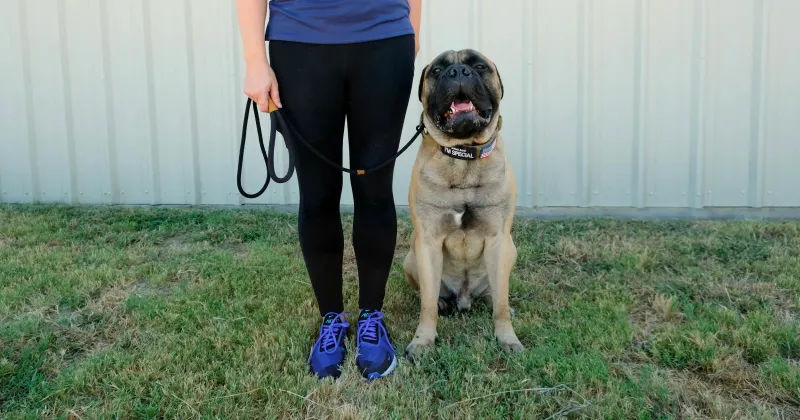
Pulling persists because dogs learn that tension moves them forward. Flip the script: stop when the leash tightens, and move only when it slackens. Mark and reward moments of slack leash with movement, treats, or a chance to sniff. Practice in low-distraction areas before tackling busy streets. Keep the leash short but loose, and turn frequently to keep engagement. Consistency teaches that attention and proximity earn progress. Over days, your dog will check in more, pull less, and enjoy walks as a cooperative game rather than a tug-of-war.
Strategic Sniff Breaks
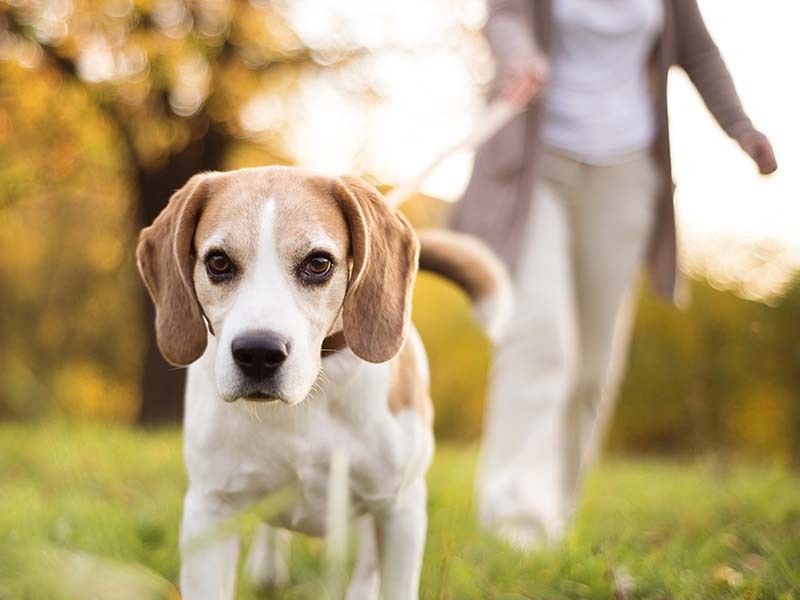
Sniffing is how dogs read the world, and denying it can spike frustration and pulling. Build structured sniff breaks into walks: cue a “go sniff,” allow 20–40 seconds, then cue “let’s go.” Reward re-engagement with movement and occasional treats. This satisfies mental needs and makes cooperation worth it. Use sniff zones as earned rewards for good leash manners. In busy areas, shorten breaks but keep the pattern. Over time, your dog learns that polite walking unlocks the nose-work jackpot, boosting focus while preserving the joy of exploration.
Catch Good Behavior Early
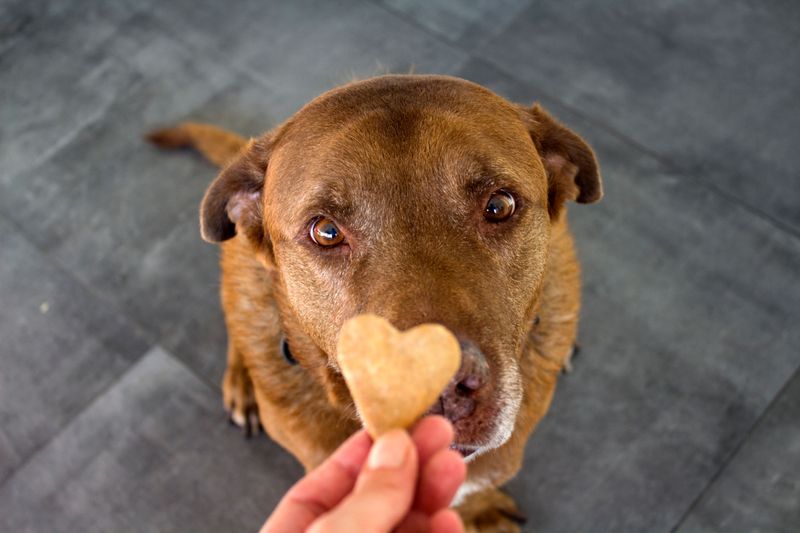
We often notice misbehavior but ignore quiet wins. Start reinforcing desirable choices before problems start—calmly lying down, checking in, ignoring a distraction. Keep small treats available and use a marker to capture these moments. Early reinforcement creates a feedback loop where your dog offers good behavior proactively. This reduces nagging and corrects issues without conflict. Aim for ten “yes” moments per hour at home for a week. You’ll see more settling, less pestering, and a dog that thinks before acting. Behavior you pay for is behavior you get.
Lower Your Voice, Raise Clarity
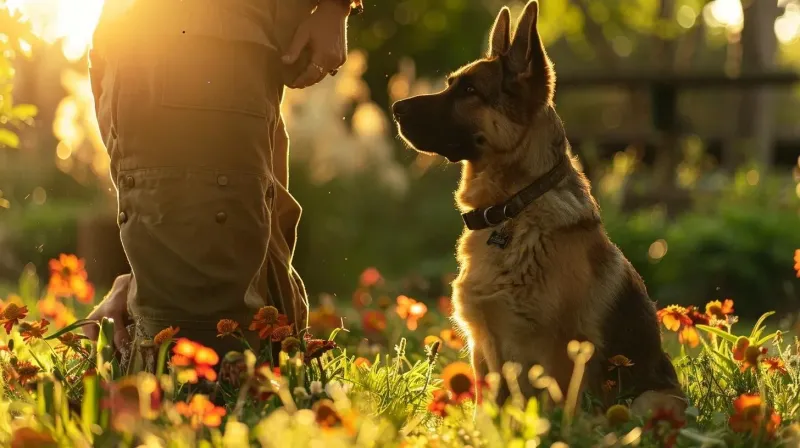
Shouting muddles communication and adds stress. Use a calm, neutral tone paired with clear, single-word cues and hand signals. Keep cue words consistent across family members and avoid repeating them rapidly. Mark and reward the first correct response, then reset if needed. Practice in quiet spaces before adding distractions. Clarity and composure help dogs process faster and reduce escalation. A gentle voice paired with precise timing improves recall, stays, and leash manners, making cooperation feel safe and predictable for your dog.
Pre-Feed Before Triggers
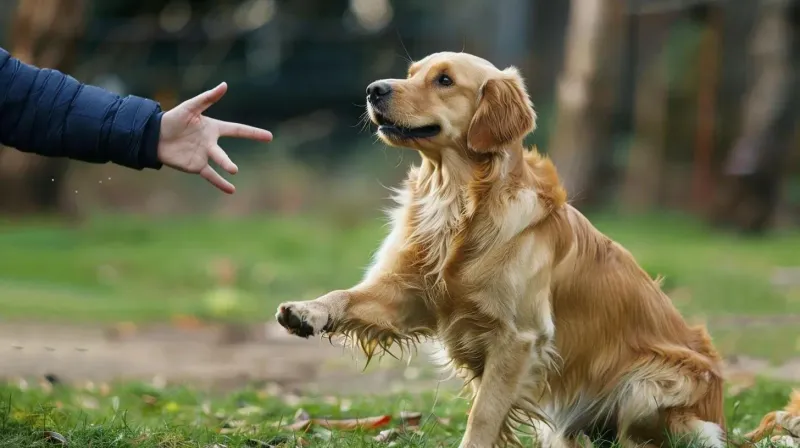
If your dog reacts to doorbells, visitors, or skateboards, try front-loading reinforcement. A minute before the expected trigger, scatter-feed or deliver high-value treats on a mat. This conditions positive feelings and lowers arousal. When the trigger occurs, continue calmly rewarding quiet behavior. Over time, your dog anticipates the event with curiosity instead of alarm. Pair with distance and management initially. This simple timing shift can transform chaotic moments into training opportunities, building composure where chaos used to live.
Switch to Harness or Head Collar
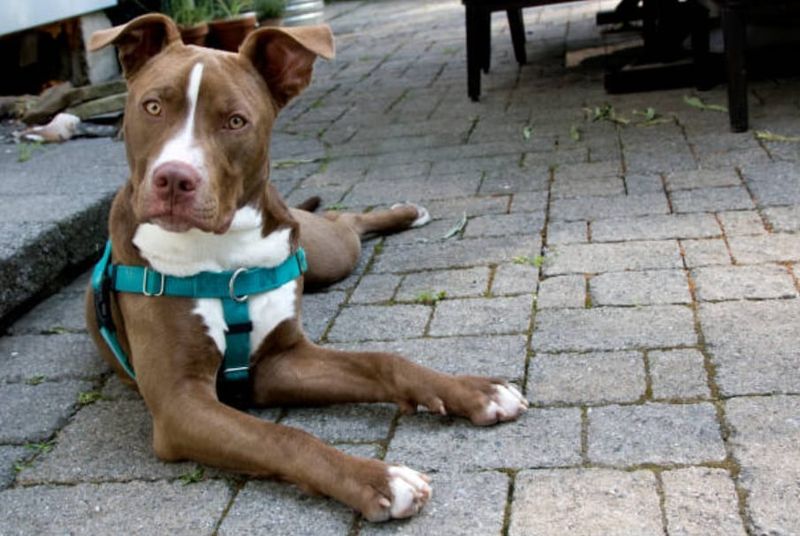
Equipment can change behavior instantly. A well-fitted Y-front harness or gentle head collar reduces pulling leverage and protects the neck. Introduce new gear gradually with treats so it’s associated with good things. Combine with loose-leash training for lasting results. Avoid aversive tools that cause pain or fear. Fit matters: check for chafing and freedom of movement. The right equipment makes walks safer, increases control, and sets up fast wins, especially for strong or enthusiastic dogs.
Rotate Toys and Chews
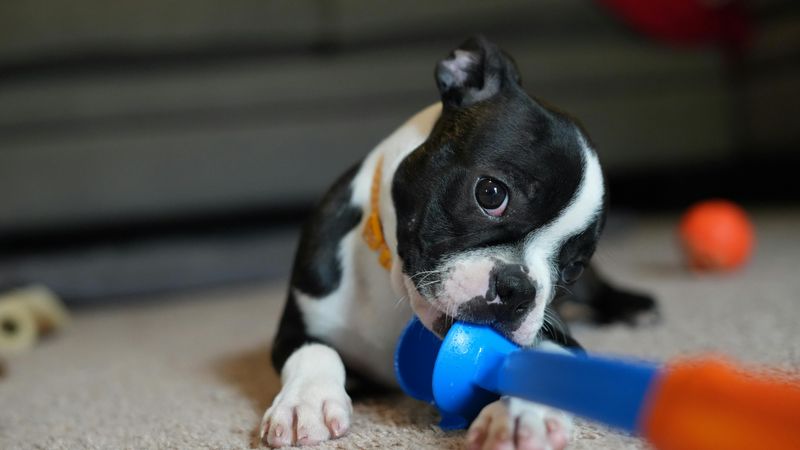
Constant access makes toys boring and encourages frantic play. Create a rotation: offer two to three items for a few days, then swap them out. Mix textures and purposes—chews for calming, puzzles for thinking, tugs for bonding. Use toy access as a reward for good manners, not a background distraction. This keeps novelty high, channels energy constructively, and reduces destructive chewing. Store extras out of sight to boost excitement at each reintroduction. Your dog will engage more thoughtfully and settle faster afterward.
Name and Reward Calm Greetings
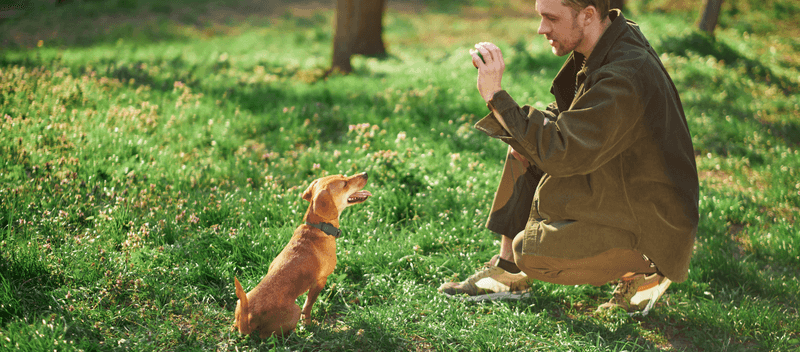
Jumping persists because excitement gets attention. Teach a named behavior like “four on the floor” or “sit to say hi.” Coach family and visitors to reward only when paws stay grounded. Approach, cue sit, wait one second, then deliver low-key praise and treats. If jumping happens, step back and reset. Keep greetings brief and calm. Over a week, your dog learns that polite posture unlocks social access—making doorways and sidewalk hellos manageable and pleasant.
Use Environmental Rewards
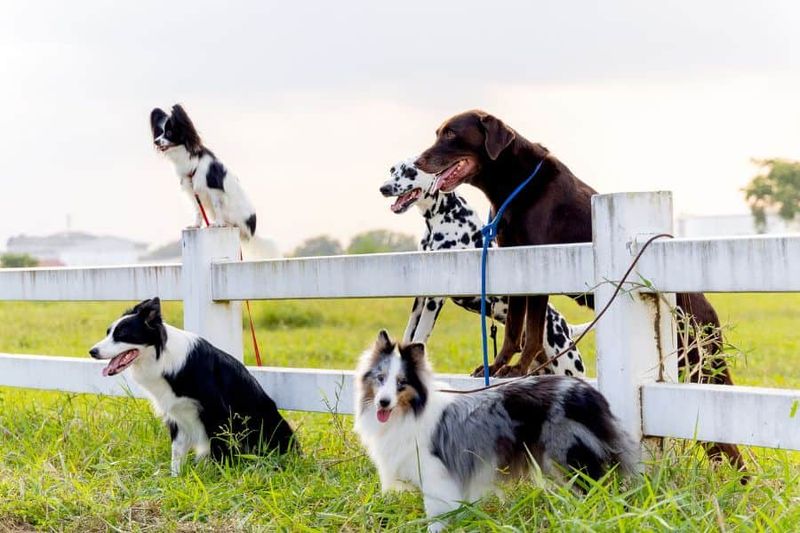
Leverage what your dog wants in the moment—doors opening, going outside, hopping in the car, sniffing a bush—as the reward for good behavior. Ask for a sit or eye contact, then grant access. This builds real-world obedience without constant treats. Be consistent: no sit, no door opens. Start with low-pressure moments and progress to higher excitement contexts. Over time, your dog offers manners automatically because life itself becomes the payoff.
Add Daily Decompression Walks
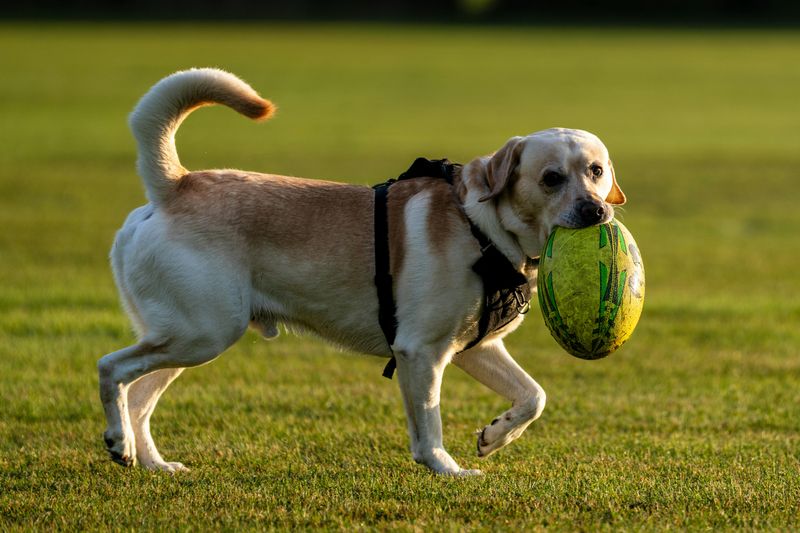
High-energy dogs often act out from pent-up stress, not just boredom. Add a daily 20–30 minute decompression walk in a quiet area on a long line. Let your dog meander, sniff, and choose the route within safe limits. This lowers cortisol and improves sleep, focus, and tolerance for training. Keep it low-pressure—no obedience drills, just freedom with safety. You’ll see calmer evenings, fewer zoomies, and better listening afterward.
Strategic Crate or Pen Time
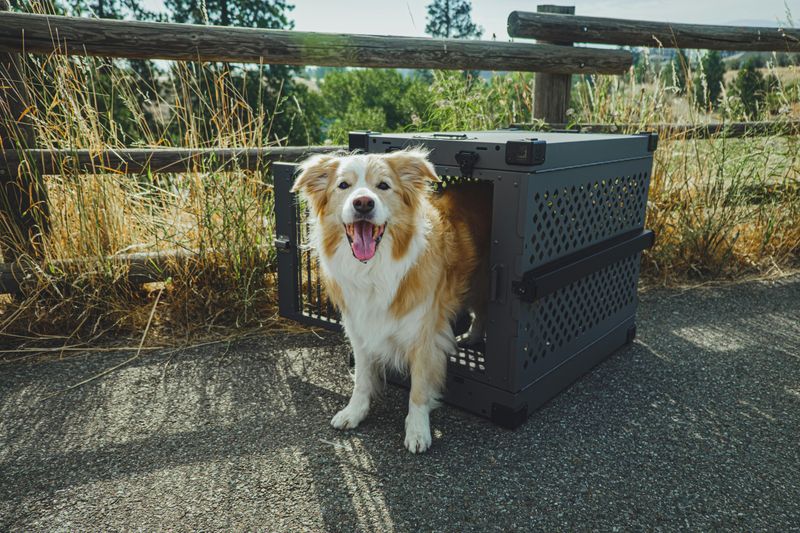
A crate or exercise pen, introduced kindly, gives your dog a safe place to relax and prevents rehearsing bad habits. Pair it with chews, stuffed Kongs, and calm music. Start with short, positive sessions while you’re home, then build duration. Use it during high-temptation times—meal prep, deliveries, kid chaos. This management tool protects training, encourages self-soothing, and reduces over-arousal. Never use it as punishment. When your dog chooses the crate voluntarily, you’ll know it’s working as intended.
Practice Consent-Based Handling
Handling is smoother when your dog feels in control. Teach a start-button behavior—like a chin rest or standing still—that signals consent for grooming, harnessing, or nail trims. Reward heavily for tolerance and pause if your dog disengages, then invite again. This reduces struggling, nips, and fear, turning care into teamwork. Break tasks into tiny steps and keep sessions short. Over time, your dog trusts the process and cooperates willingly, making maintenance stress-free.
Tidy Cue Structure: One Word, One Meaning
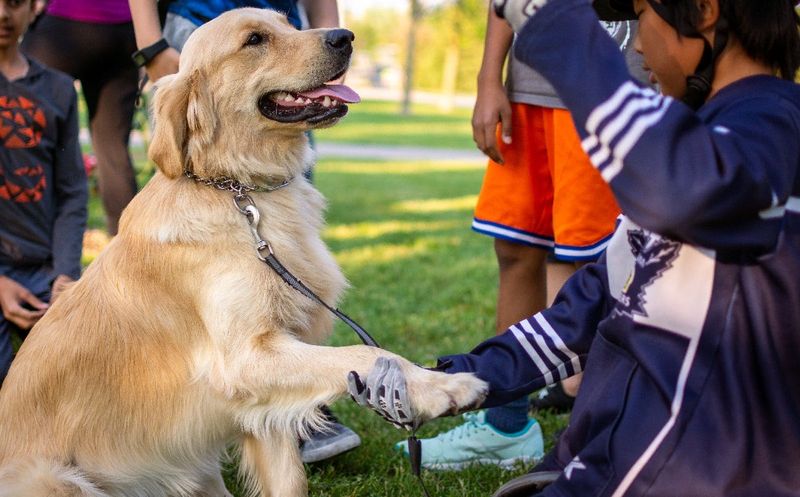
Ambiguous cues confuse dogs and slow learning. Choose simple, distinct words for each behavior and stick to them: “down” for lie down, “off” for paws off, “leave” for disengage. Avoid stacking cues (“sit sit sit”) or mixing meanings. Teach a release word like “free” so your dog knows when a behavior ends. Share the cue list with family for consistency. Clear language shortens training time and reduces conflict, making your dog’s choices predictably better.
Pre-Meal Training Moments
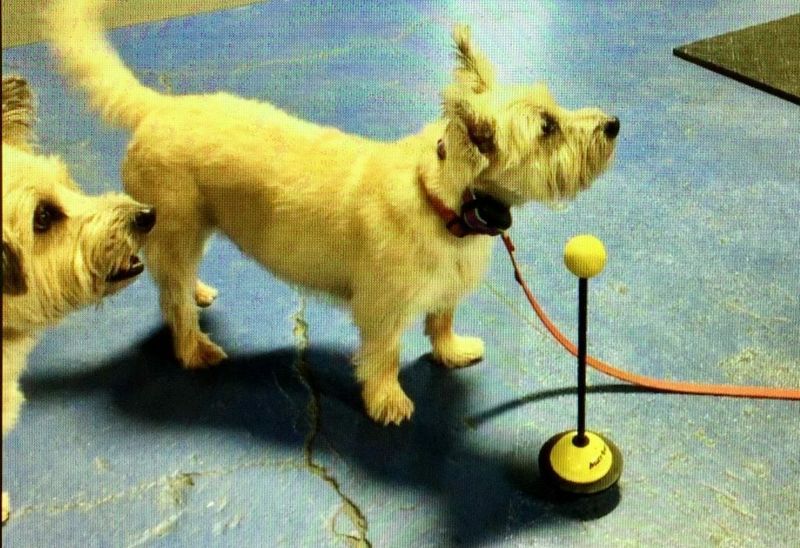
Harness your dog’s natural motivation before meals. Ask for a short sequence—sit, eye contact, down—then release to eat. Rotate skills to keep things fresh. This daily ritual reinforces impulse control and focus when excitement is high. It costs no extra time and delivers reliable reps in a meaningful context. Gradually add duration or mild distractions to build resilience. The payoff is better manners throughout the day, anchored to a routine your dog already loves.
Sleep and Diet: Quiet Fixes
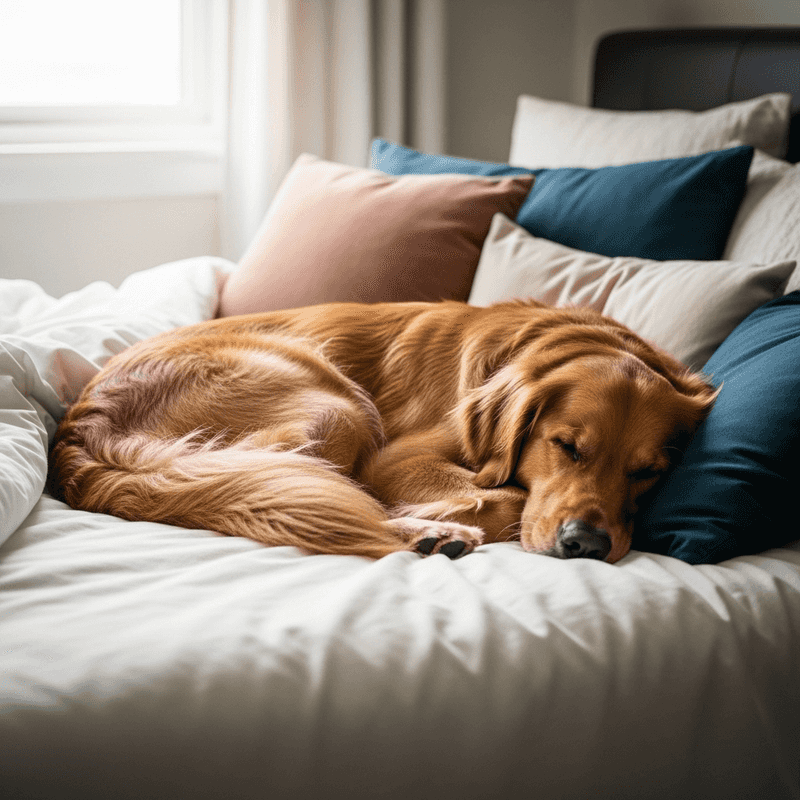
Under-slept or poorly nourished dogs struggle to behave well. Ensure 12–14 hours of rest for adults and more for puppies, including daytime naps in a quiet space. Review diet quality, portion size, and feeding schedule; consult your vet for adjustments. Track changes in energy, stool, and coat. Often, better sleep hygiene and nutrition reduce reactivity, barking, and hyperactivity without extra training. Small tweaks here can produce outsized behavioral improvements quickly.