
Some dogs love everyone instantly, but others make you earn it first. Those guarded hearts often become the most loyal companions once you prove you are worthy.
If you value respect, patience, and a bond that feels unbreakable, these breeds will speak to you. Let’s explore the dogs that reward consistent care with lifelong devotion.
Akita
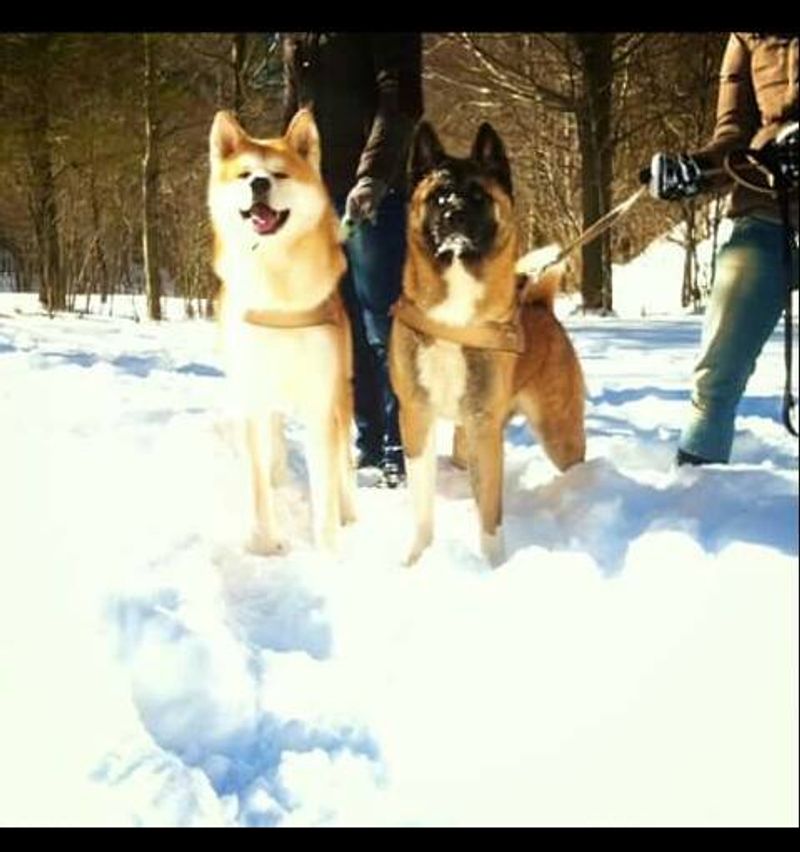
The Akita sizes you up before offering affection, but that reserve protects a heart of gold. With calm routines and clear boundaries, trust grows like a steady flame rather than a spark.
You will notice quiet devotion in the way an Akita places itself between you and the world.
Socialization must be thoughtful, gentle, and early. Reward independence without forcing constant cuddles, and you will earn respectful closeness.
Exercise should be purposeful, with mental tasks like scent games and structured walks.
Grooming the dense coat becomes a bonding ritual, especially during seasonal sheds. Train with low drama and high consistency to avoid pushback.
When you finally see soft eyes and relaxed leaning, you will know the bond is real.
Chow Chow
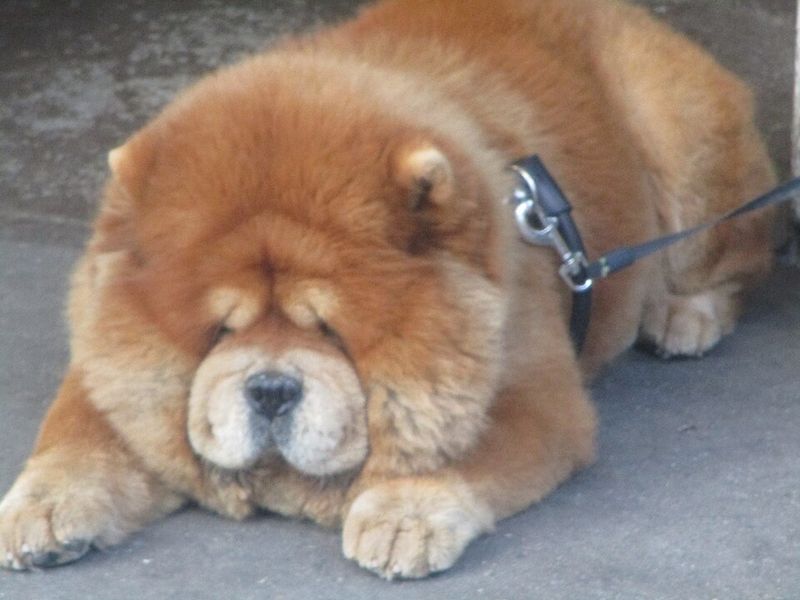
Chow Chows are famously aloof, like a cat in a bear suit. They prefer polite introductions and predictable routines over gush and chaos.
Earn their trust with quiet consistency, and they will shadow you with understated loyalty.
Chows value choice: invite interaction rather than demanding it. Use short, fair training sessions with high-value rewards to keep their interest.
Socialization is best done in calm environments that respect their space.
The coat requires patient brushing, which doubles as trust-building if done calmly. Protect their joints with moderate, steady exercise.
Over time, you will notice soft tail wags and gentle nudges that feel like precious gifts from a very private soul.
Shiba Inu
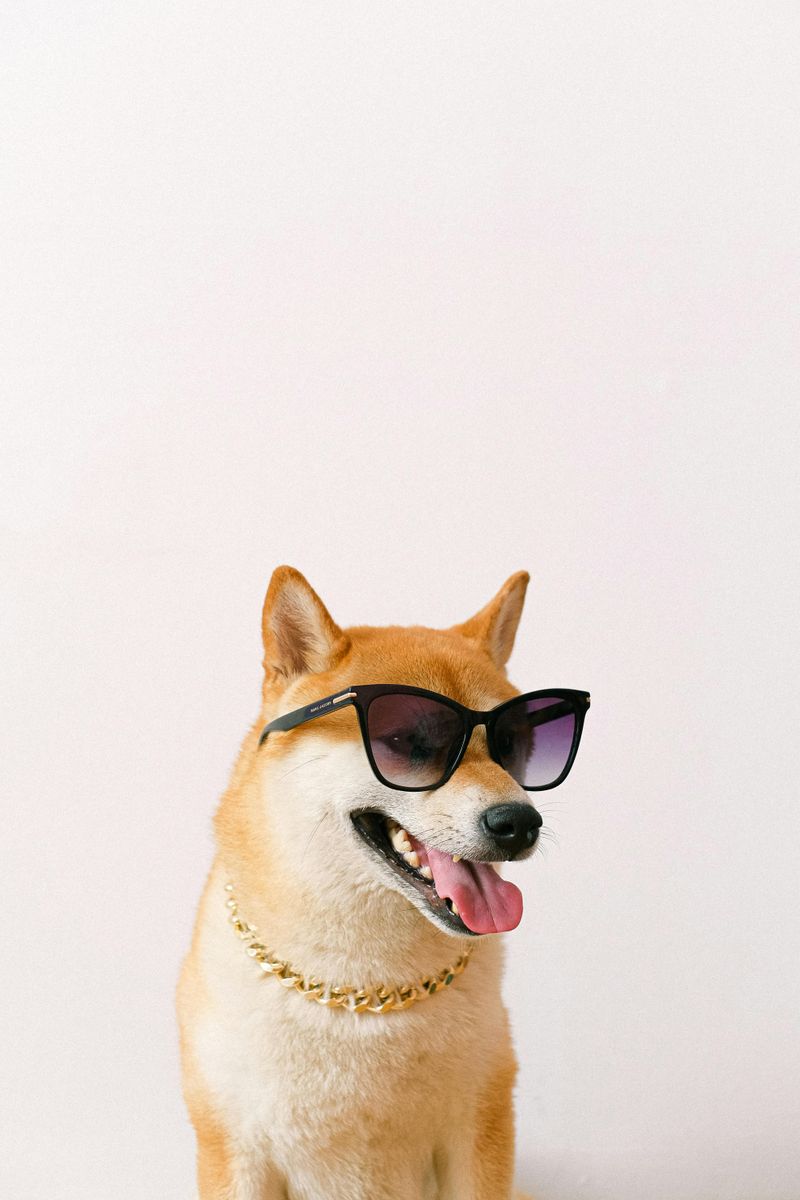
Shiba Inus are sharp, self-possessed, and selectively affectionate. They respect humans who respect their autonomy.
Instead of chasing attention, earn it by being steady, fair, and interesting.
Training should lean on games, scent puzzles, and short sessions that celebrate wins. A Shiba will test boundaries, so consistency matters more than volume.
Socialize early with positive, choice-driven experiences to maintain their cool confidence.
Grooming is simple, but seasonal shedding is intense and can be a calm bonding time. Secure leashes and good recall work are essential due to strong prey drive.
When a Shiba chooses your lap or your side, you will feel it as a badge of honor.
Shar Pei

The Shar Pei is thoughtful and self-contained, watching before engaging. Trust arrives through calm leadership, not pressure.
Establish routines and clear boundaries, and you will unlock a deeply loyal guardian.
Early socialization curbs suspicion without flattening their dignity. Keep training low-key and positive, using food and praise rather than force.
Shar Pei skin care, ear checks, and wrinkle cleaning become intimate rituals when done gently.
Exercise needs are moderate but meaningful, like purposeful walks and short training bursts. Respect their signals and avoid overhandling.
When a Shar Pei leans in, or positions itself strategically near you, you will feel the quiet promise of protection and partnership.
Basenji
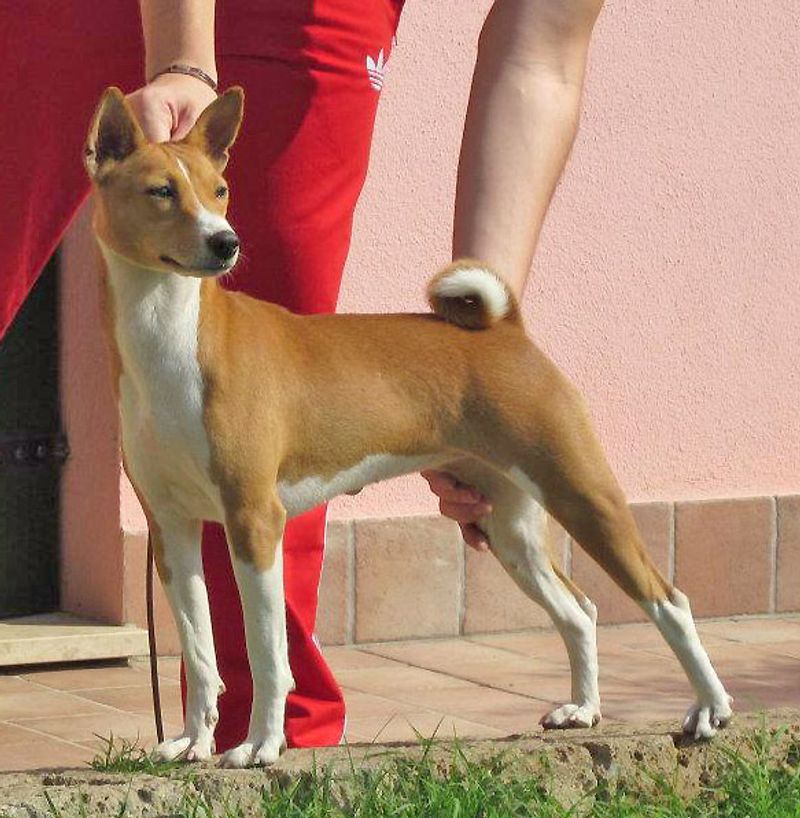
Basenjis are witty, fast, and emotionally economical. They will not hand over devotion for free, but fair leadership and fun go a long way.
Keep training upbeat and puzzle-heavy to engage that curious mind.
Because Basenjis can be sensitive, respect their space and use quiet handling. Socialize with confident, neutral dogs and calm humans.
Channel energy into lure coursing, nosework, or structured play that keeps boredom at bay.
Grooming is minimal, which Basenjis appreciate, but bond through gentle massage and calm cuddle windows. Prevent escape artistry with secure yards and solid recalls.
Over time, their side-eye softens into a warm gaze that follows you room to room, a silent declaration of trust.
Great Pyrenees
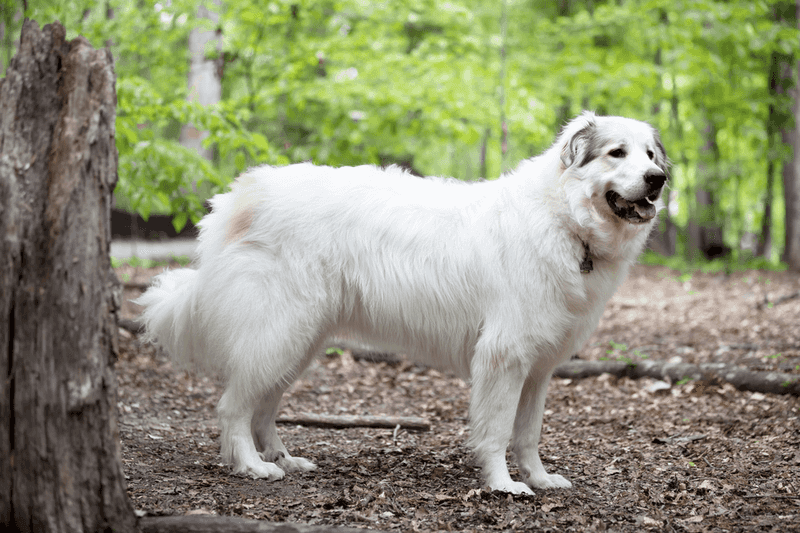
The Great Pyrenees is bred to think independently while guarding. They will not obey blindly, but they will protect absolutely once trust is earned.
Build that bond with calm authority, predictable routines, and respectful handling.
Socialization should be steady and positive to temper suspicion. Training thrives on patience and low-pressure repetition, rewarding calm choices.
Provide meaningful jobs like boundary walks, backyard patrols, and gentle carting.
The coat requires regular care; brushing sessions forge quiet connection. Exercise is moderate yet daily, with cool temperatures preferred.
When your Pyr chooses to plant itself between you and the night, you will feel the ancient promise of a watchful, loving sentinel.
Anatolian Shepherd
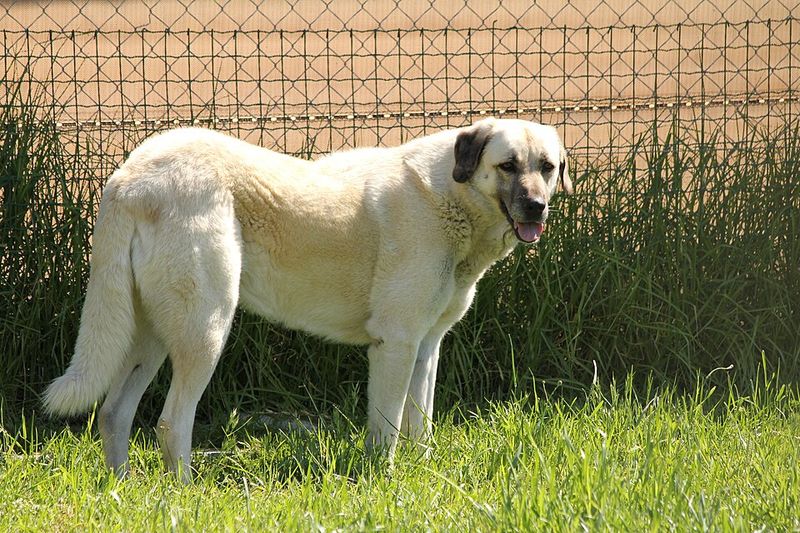
Anatolian Shepherds are stoic guardians who weigh every interaction. Earn trust with calm consistency and clear expectations.
They respect leaders who are fair and unflustered.
Socialization must be strategic, prioritizing neutrality over forced friendliness. Training should be practical and purpose-driven, using food and thoughtful praise.
Provide real jobs like boundary walks and livestock exposure when possible.
Grooming is simple, but regular handling builds cooperation. Exercise is moderate yet meaningful; avoid mindless fetch in favor of patrol-like walks.
When an Anatolian settles near you with relaxed vigilance, you will know the bond runs deep, built on mutual respect rather than constant cheerleading.
Afghan Hound
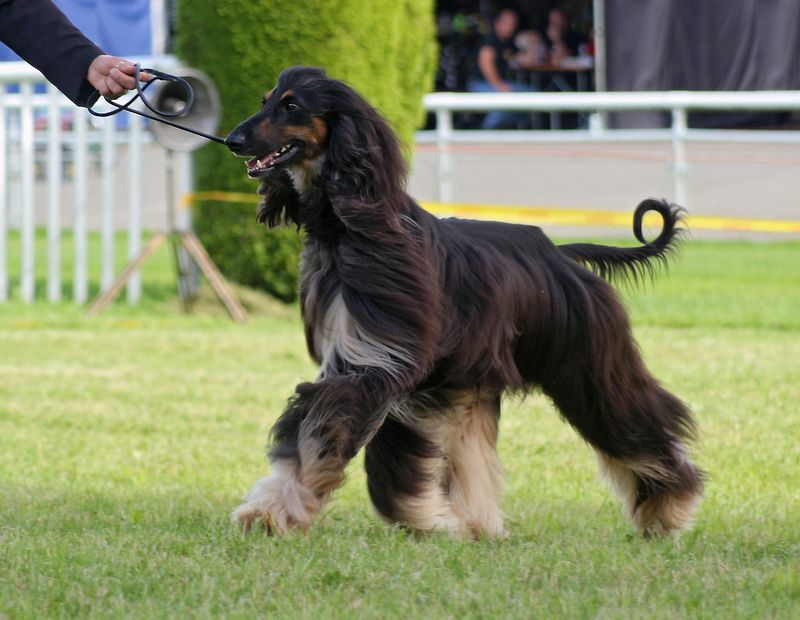
The Afghan Hound is an aristocrat with feelings. They notice everything and prefer subtlety over pressure.
Trust develops through gentle handling, beautiful routines, and training that honors their sensitivity.
Keep sessions short, use soft voice, and reward generously. Socialization works best in low-chaos environments that let their confidence blossom.
Enrichment like flirt pole play, coursing, and scent puzzles keeps the elegant mind engaged.
Coat care demands patience and becomes a meditative bonding time if approached kindly. Respect their independence, and do not micromanage.
When an Afghan curls near your feet after a windy run, choosing quiet closeness, it feels like a rare flower opening just for you.
Scottish Terrier
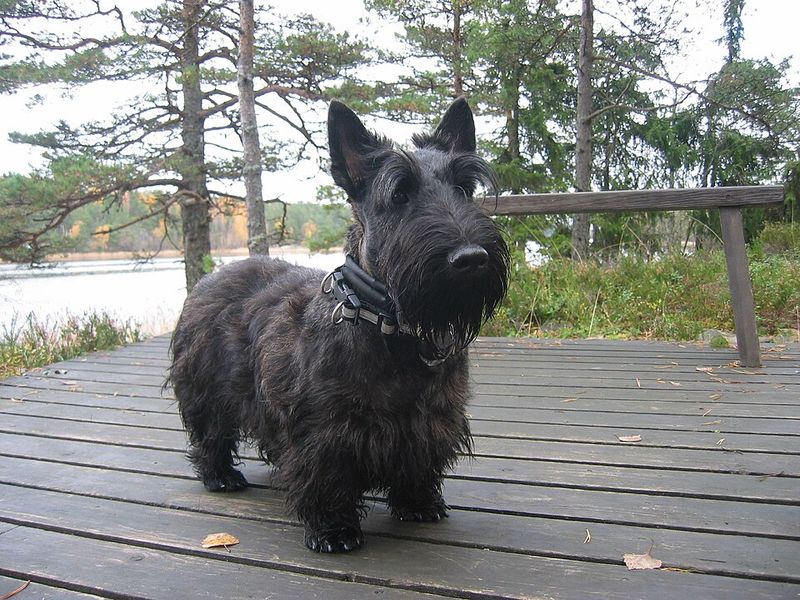
Scottish Terriers have big opinions in a compact frame. They warm up slowly, preferring leaders who are steady and good-humored.
Earn their trust with routines, clear rules, and challenges that celebrate their grit.
Training benefits from short, game-like sessions and confident handling. Socialize early to prevent excess suspicion without dulling that terrier spark.
Dig-safe activities, nosework, and careful leash walks satisfy their instincts.
Grooming the wiry coat, especially hand-stripping, can become a calm partnership when done patiently. Respect their desire for personal space at times.
When a Scottie brings you a toy or posts at your feet with focused eyes, you will feel the certainty of a bond earned fair and square.
Rhodesian Ridgeback
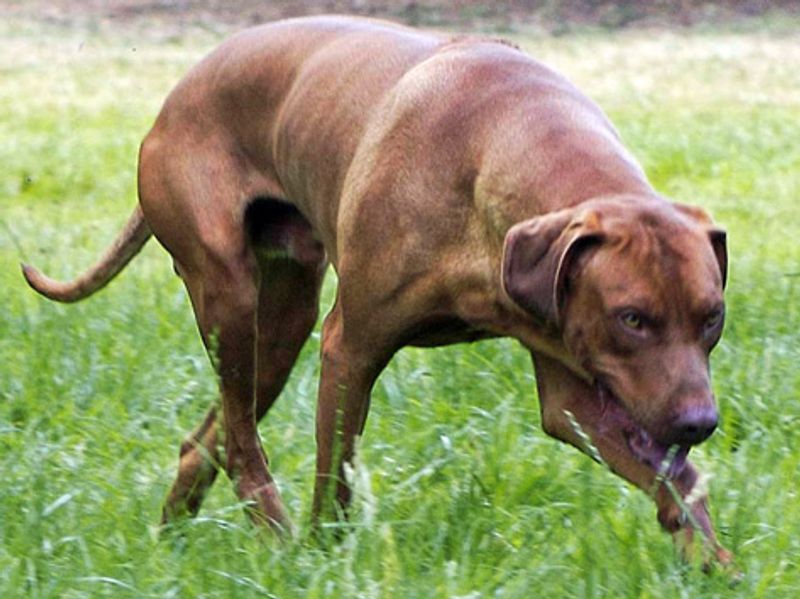
Rhodesian Ridgebacks are athletic, thoughtful, and discerning about trust. They appreciate leaders who are calm and capable.
Training should be practical, fair, and infused with movement to match their athleticism.
Socialization should be broad yet low-pressure, building steadiness without creating over-friendliness. Use running, hiking, and tracking games to meet needs.
Keep cues clear and avoid nagging, which invites selective hearing.
Grooming is simple, freeing time for adventure. Teach impulse control and polite greetings early.
When a Ridgeback chooses your side during a windy overlook, their steady gaze says it all: you have been evaluated, accepted, and claimed by a loyal, discerning companion.
Alaskan Malamute
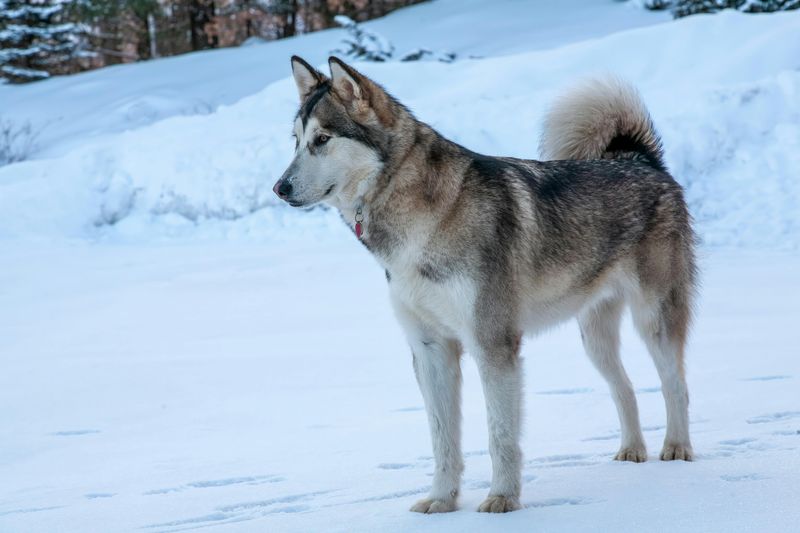
Alaskan Malamutes carry ancient teamwork in their bones yet choose leaders carefully. Earn trust through shared work, like pulling sports, backpacking, or structured hikes.
They respect patience, clarity, and physical partnership.
Socialize early with stable dogs and kind people to keep their confidence balanced. Training should be upbeat and consistent, using food and play instead of force.
Secure containment is essential with this powerful, curious explorer.
Grooming the dense coat requires time; make brushing relaxed and rewarding. Provide cooling options and avoid overheat risk.
When a Malamute settles near you after a long trek, breathing slow and content, you will feel the bond forged by miles, effort, and mutual trust.
Siberian Husky
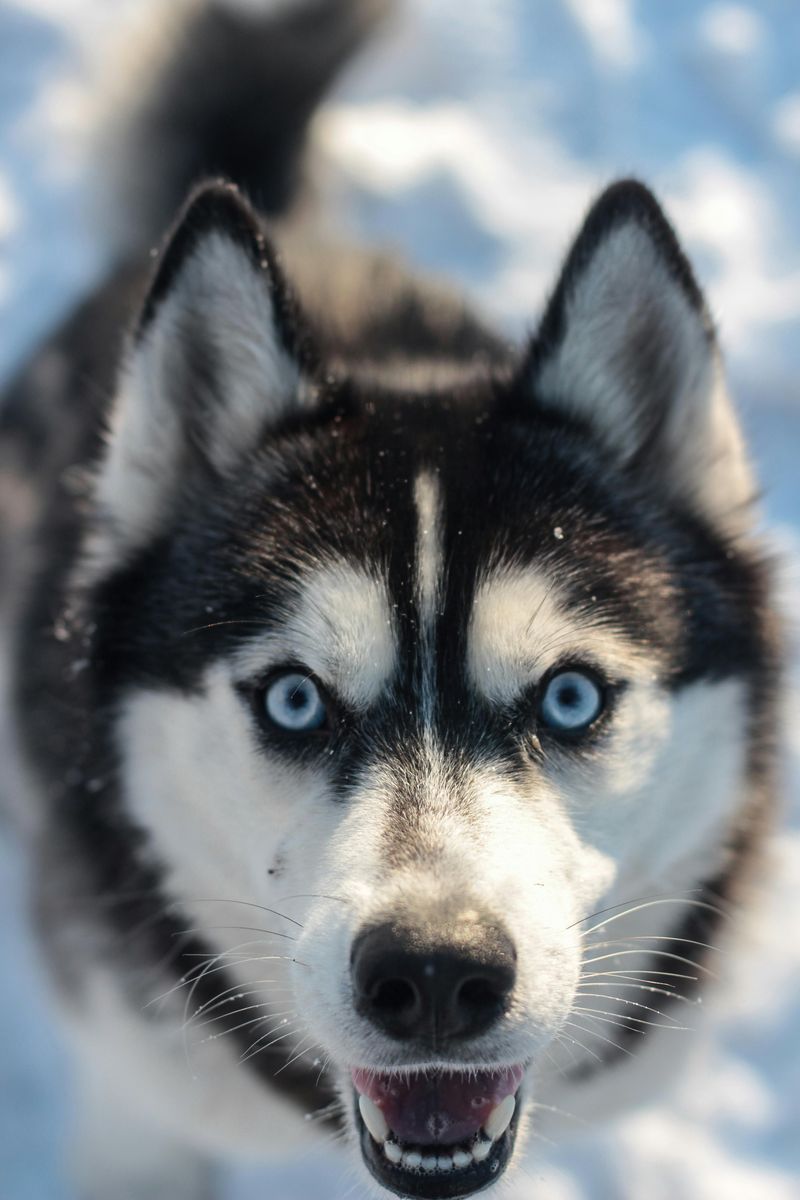
Siberian Huskies are social butterflies with independent streaks. They will charm you, but true reliability comes with earned trust.
Build it through consistent routines, aerobic exercise, and training games that outsmart boredom.
Socialization is easy, but recall and focus work require diligence. Use harness sports, canicross, and scent games to channel drive.
Keep sessions short, happy, and frequent to prevent selective listening.
Coat care is seasonal and intense; brushing during blowouts can be a soothing ritual. Secure fences are non-negotiable.
When a Husky checks back on a trail, pacing your stride and flicking ears for cues, you will feel the shift from charming acquaintance to bonded teammate.
Cane Corso
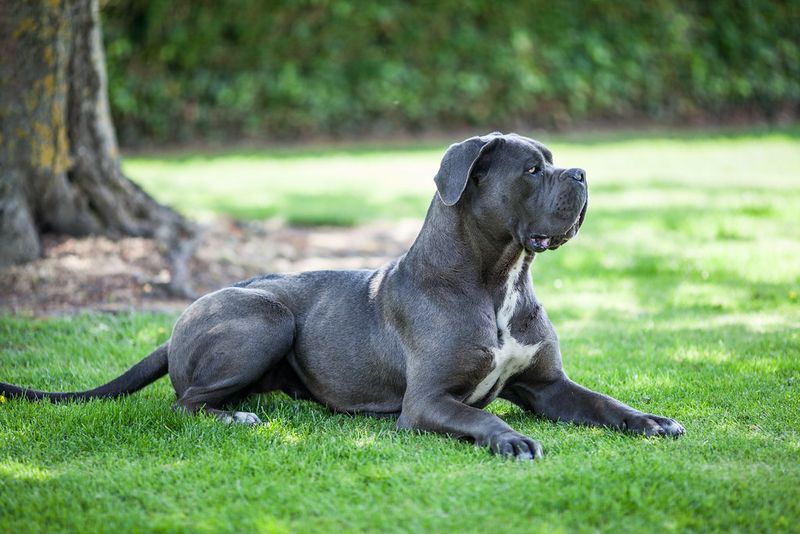
The Cane Corso is sensitive beneath that formidable exterior. They crave clarity and steady leadership to feel secure.
Trust blooms when you provide structure, thoughtful socialization, and purpose.
Training should be fair and firm without harshness, using food, toys, and calm praise. Teach neutrality in public and focus around distractions.
Provide real jobs like controlled protection sports foundations or pack walks with impulse control.
Grooming is simple, but routine handling cements cooperation. Exercise must include both strength and brain work.
When your Corso chooses to relax at your feet while staying watchful, you will recognize devotion earned through respect, predictability, and everyday teamwork.
Rottweiler
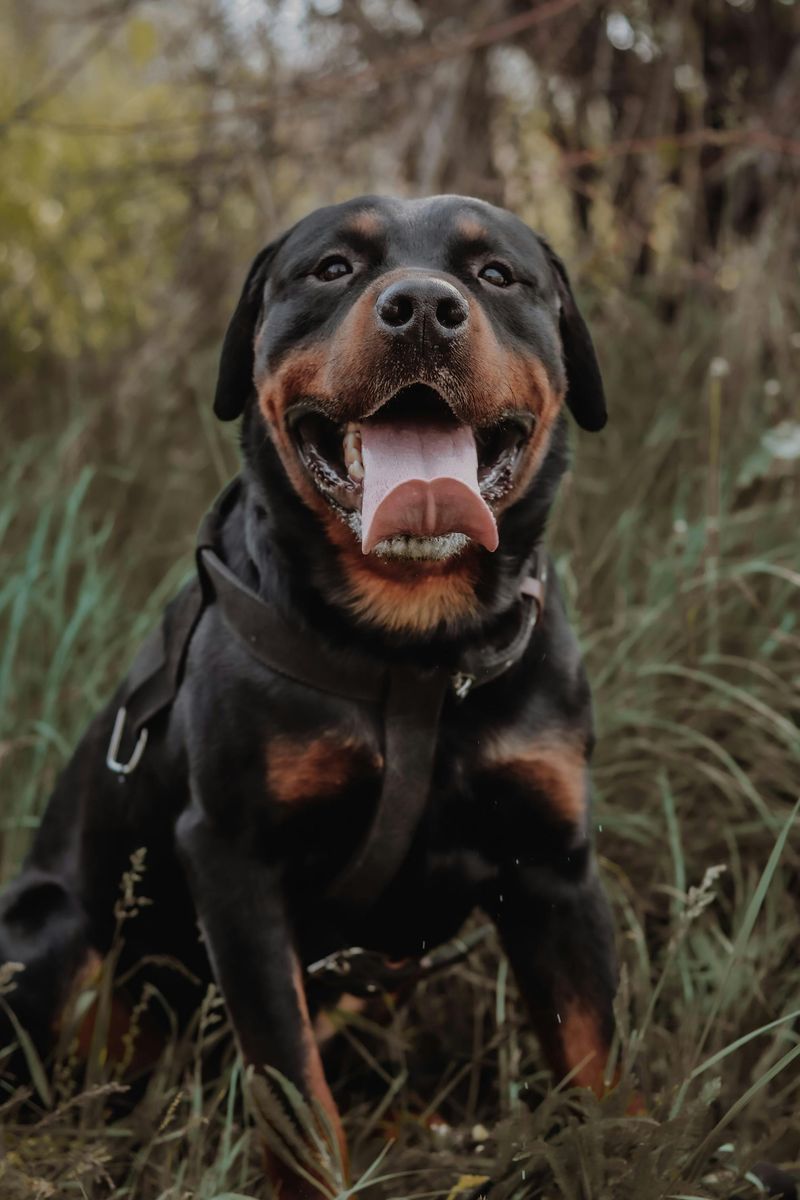
Rottweilers are discerning, intelligent, and deeply loyal once you prove reliable. They thrive on structure and fair expectations.
Earn trust by being consistent, engaging their minds, and channeling power into purposeful work.
Socialize widely yet thoughtfully to prevent overguarding. Training should be balanced, using food, toys, and clear markers.
Introduce tracking, obedience, or carting to satisfy their drive.
Grooming is easy, which leaves time for training and connection. Prioritize joint health with smart conditioning.
When a Rottie checks in with soft eyes during a busy street walk, choosing to match your pace, you will feel the depth of a partnership carefully built.
Doberman Pinscher
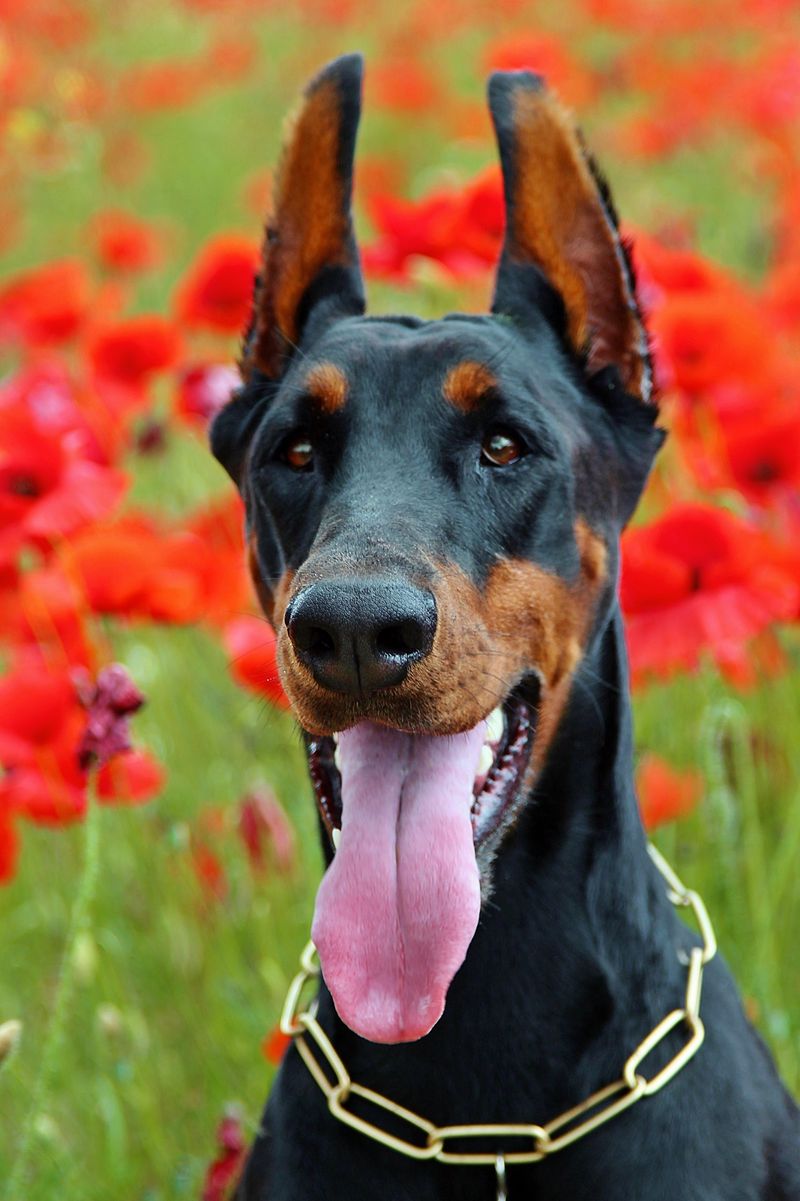
Dobermans bond intensely but demand trustworthy leadership. They read emotions quickly and mirror your steadiness.
Use clear markers, upbeat training, and daily mental work to cultivate reliability.
Socialize through structured exposures rather than chaotic meetups. Teach impulse control early using games like sit to say please.
Obedience, agility, and scentwork stimulate mind and body.
Grooming is minimal, so pour time into training and play. Respect their sensitivity; avoid shouting.
When a Doberman settles with head on your knee after a crisp session, eyes soft and ears relaxed, you will feel a bond that is velvet over steel, earned through calm consistency.
German Shepherd
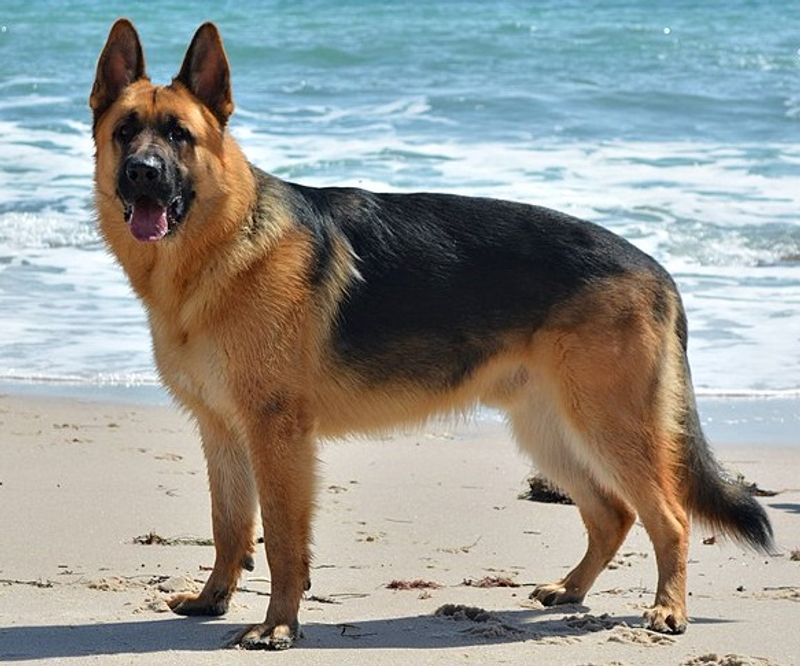
German Shepherds are capable, sensitive workers who commit fully once trust is established. They excel with consistent structure, clear jobs, and fair guidance.
Build confidence through calm exposure and purposeful training.
Socialize to various surfaces, sounds, and people to prevent reactivity. Use marker training, tracking, and obedience to engage their mind.
Balance drive with decompression walks and scenting.
Grooming the double coat becomes a predictable ritual and handling practice. Support hips and elbows with conditioning.
When a Shepherd checks in during a complex task, reading your cues as if they are thought waves, you will feel a partnership that is precise, devoted, and hard-won.
Saluki
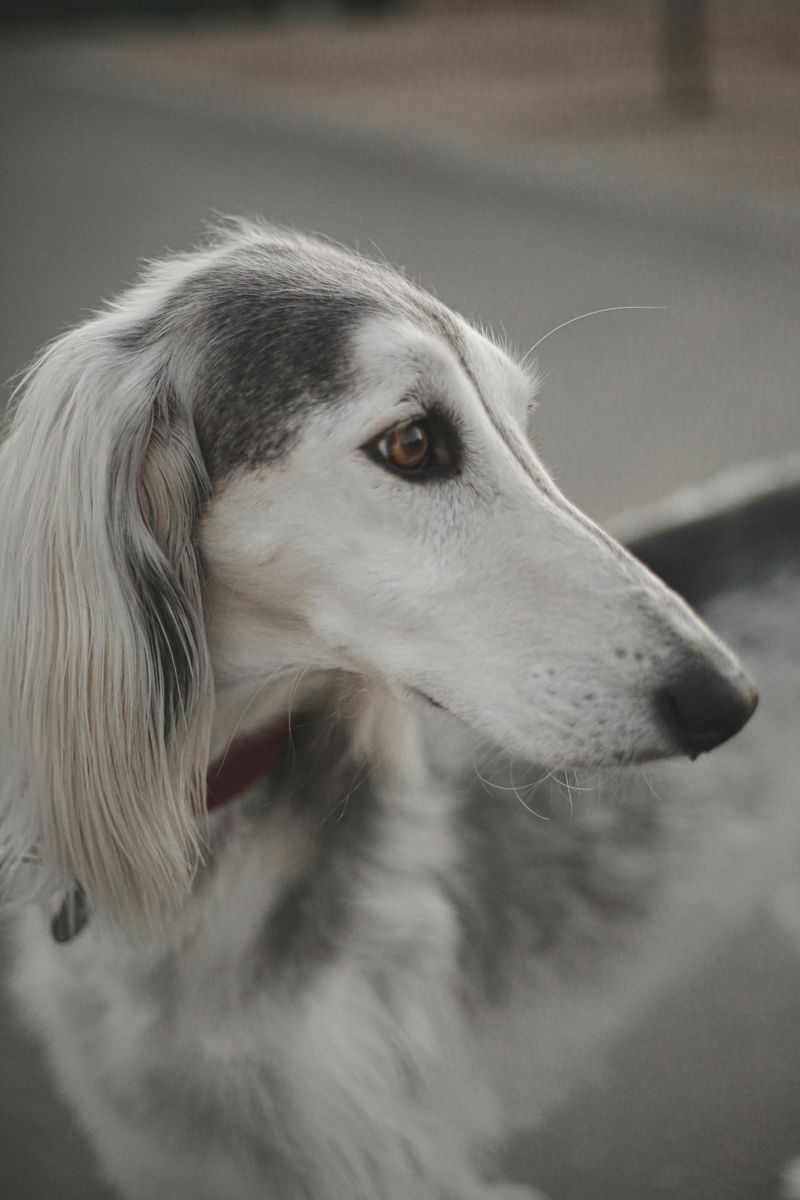
Salukis are gentle, private athletes who open up slowly. They prefer quiet kindness over pushy affection.
Trust grows when you respect their grace and provide freedom in safe, fenced spaces.
Training thrives on soft voices, short sessions, and generous rewards. Socialize calmly to nurture confidence while preserving dignity.
Coursing, sprint games, and scentwork meet needs without overwhelming them.
Grooming is light, but gentle touch creates connection. Protect joints and keep them warm after runs.
When a Saluki chooses to lie close after a sunset sprint, sighing into stillness, you will feel the delicate thread of trust weaving into something strong.
Kuvasz
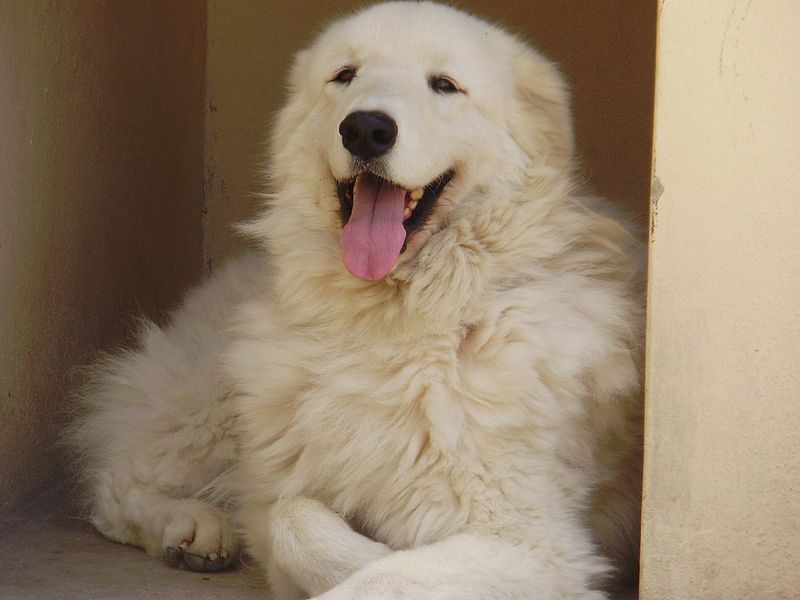
The Kuvasz is a serious guardian with a poetic side reserved for those who earn it. They respect calm, consistent handlers.
Build trust through structure, gentle exposure, and meaningful work.
Socialization should focus on neutrality and confidence rather than indiscriminate friendliness. Training benefits from clear markers, patience, and purposeful drills.
Boundary walks, watchdog routines, and low-key chores satisfy their instincts.
The coat needs regular brushing, which doubles as quiet bonding. Exercise is moderate, with cool hours preferred.
When a Kuvasz chooses your porch as a nighttime post, glancing at you with soft acknowledgment, you will feel both safety and soulful connection.
Tibetan Mastiff
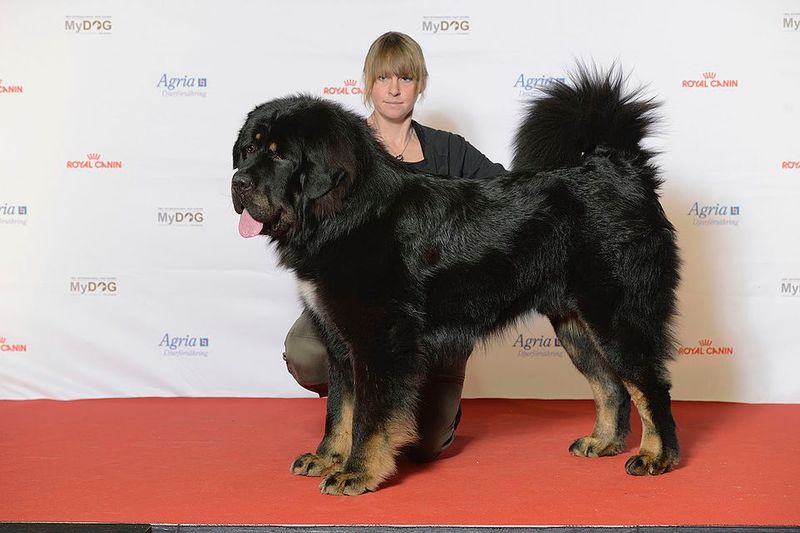
Tibetan Mastiffs are thoughtful, independent guardians with deep feelings. They bond through respect, not pressure.
Establish clear rules, predictable routines, and low-drama leadership.
Socialize deliberately to avoid suspicion without diluting their protective instincts. Training should be short, fair, and purposeful, using high-value rewards.
Provide quiet jobs like perimeter walks and calm observation posts.
The profuse coat needs methodical grooming that can become a tranquil ritual. Exercise is moderate, with cool temperatures ideal.
When a Tibetan Mastiff lies near you during a chill evening, watching the horizon with shared patience, you will sense an ancient, hard-won loyalty.
Belgian Tervuren
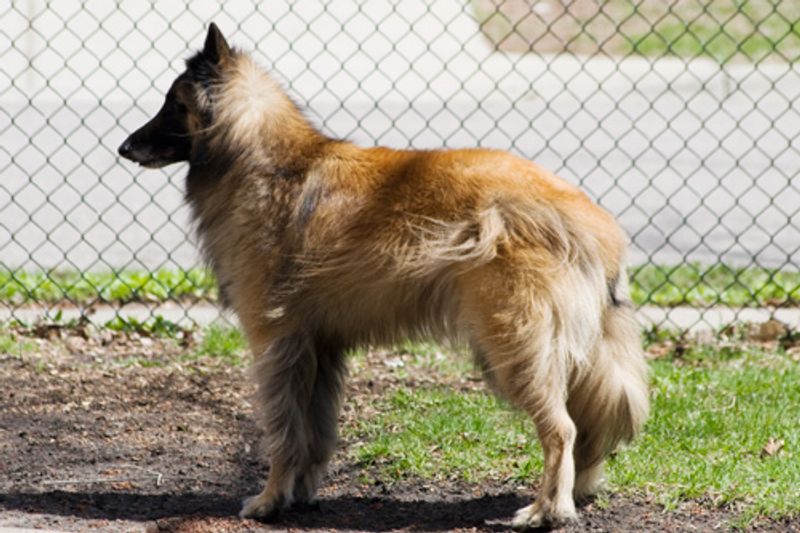
Belgian Tervurens are brilliant, sensitive, and driven. They crave fair structure and meaningful work.
Earn trust with precise training, emotional steadiness, and daily outlets for their energy.
Socialize thoroughly to various environments to prevent over-arousal. Use marker training, herding foundations, and scentwork to focus the mind.
Keep sessions brisk and celebratory, avoiding repetitive nagging.
Grooming the long coat teaches cooperative care when introduced kindly. Provide decompression time after intense work.
When a Tervuren checks in during an off-leash hike, eyes bright and waiting for the next cue, you will feel a bond crafted by clarity, respect, and shared purpose.