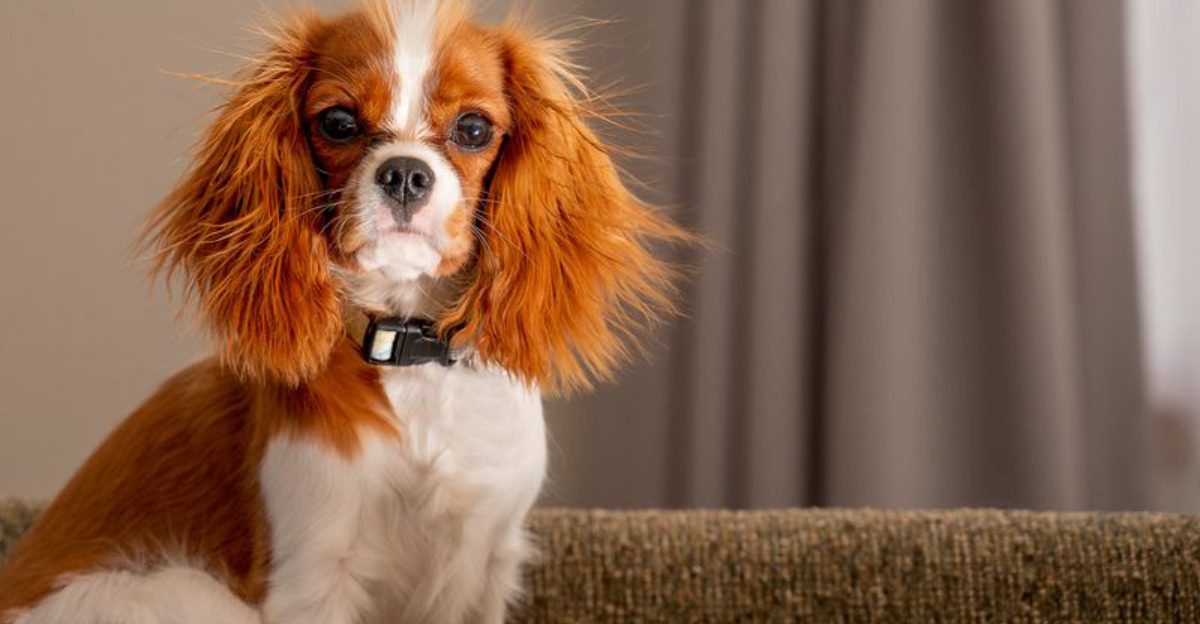
Some dogs are happiest when their paws match your footsteps, shadowing you from room to room like loyal little satellites. If you have ever tripped over a wagging tail in the hallway, you already know the type.
These devoted companions feel safest when they can keep you in sight and share every moment. Meet the breeds most likely to stick close and steal your heart with their gentle, glued-to-you ways.
German Shepherd
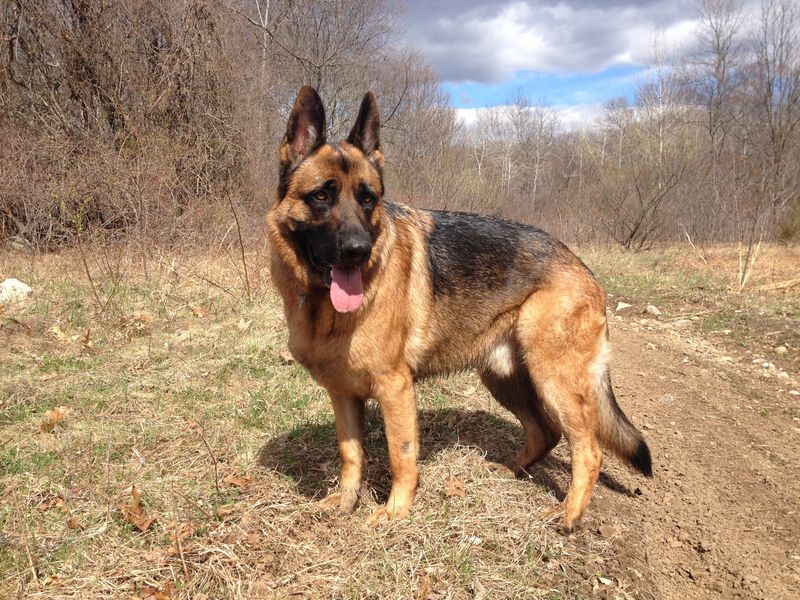
German Shepherds are famous for devotion and duty, which often translates into a follow-you-everywhere routine. They read your body language, anticipate needs, and feel anchored when you are nearby.
Give them a job like carrying a toy or practicing heel inside the house, and that attachment channels into calm confidence.
They thrive on structure, mental work, and clear boundaries. Daily training, tracking games, and puzzle feeders help them settle without pacing behind you.
When leaving briefly, practice relaxed departures and returns, so your shadow learns independence without worry.
Regular exercise is vital, but so is purposeful engagement. Teach place commands and reinforce restful behavior.
When they know what to do, they can relax beside you, not just chase you room to room.
Doberman Pinscher
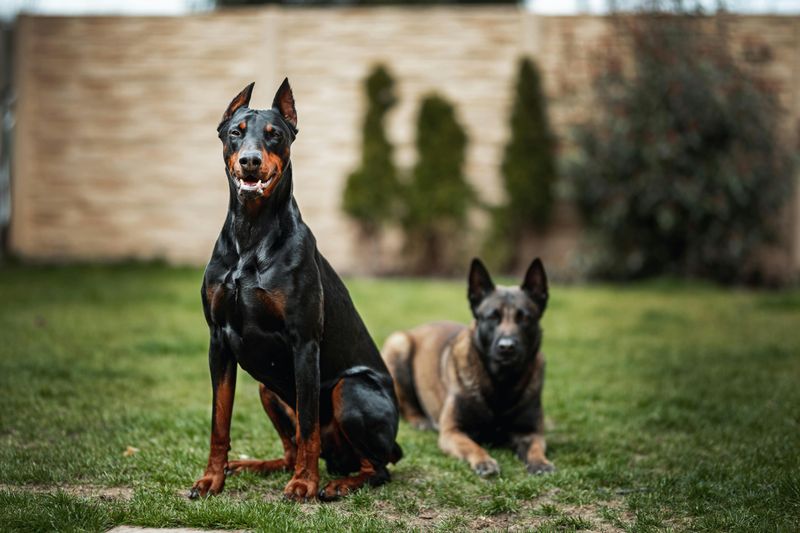
Dobermans bond intensely and often form a favorite person, sticking close like a living security detail. That guardian instinct makes proximity feel safe and purposeful.
You can nurture balance with structured obedience, clear release cues, and downtime on a comfy bed where they can still see you.
Because they are sensitive, gentle guidance works best. Practice short absences to build confidence and avoid dramatic goodbyes.
Engage their brilliant minds with scent games, trick training, and controlled fetch, then reward restful behavior near you.
Teach boundaries at doorways and kitchens, so following never becomes crowding. With steady routines, a Doberman learns to relax while staying connected.
The result is a velcro companion who chooses closeness but handles space with quiet poise.
Golden Retriever
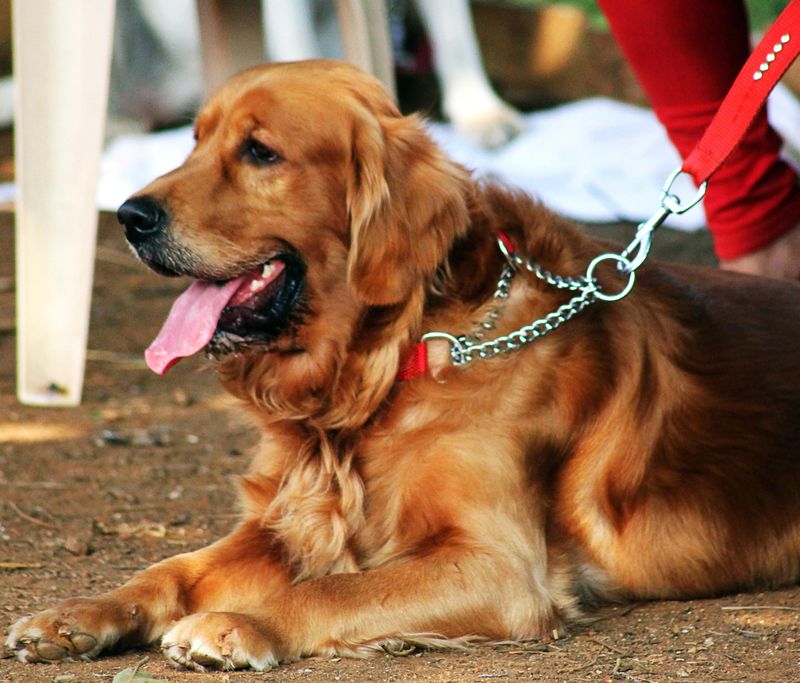
Goldens are affectionate optimists who prefer your company over anything else. They trail you with soft eyes, ready for play or cuddles at a moment’s notice.
Channel that devotion with light training games like touch, spin, and retrieve to keep minds happy without overstimulation.
Because they love pleasing you, clear communication and plenty of praise go far. Use place training by the couch, and reinforce calm when you change rooms.
Short, predictable routines teach that alone time is safe and temporary.
Daily exercise, gentle brushing sessions, and interactive feeders reduce clinginess. Keep greetings low-key to prevent overexcitement.
With steady reassurance, a Golden becomes a cheerful shadow who lounges nearby, following with a wag and an easygoing heart.
Border Collie
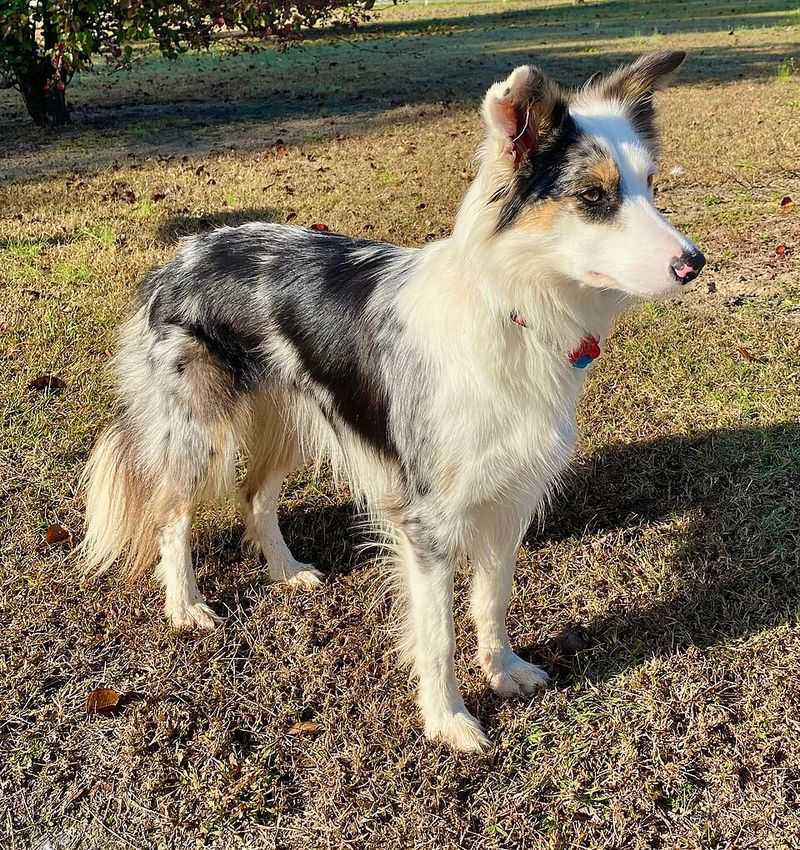
Border Collies track your movements like a mission because watching you is their work. That focus can turn into constant following if their brain lacks tasks.
Offer herding-style games, impulse control drills, and scent puzzles to satisfy instincts and reduce shadowing.
They are brilliant and sensitive, so calm training and clear criteria matter. Teach a settle mat and reinforce it heavily.
Rotate jobs like toy tidy-up or find-the-socks to direct energy productively while you move around.
Regular runs, trick sessions, and quiet decompression time keep balance. Avoid nonstop fetch that spikes arousal.
When needs are met, a Border Collie shifts from anxious tailgater to thoughtful partner, padding after you without pressure, ready for the next cue.
Australian Shepherd
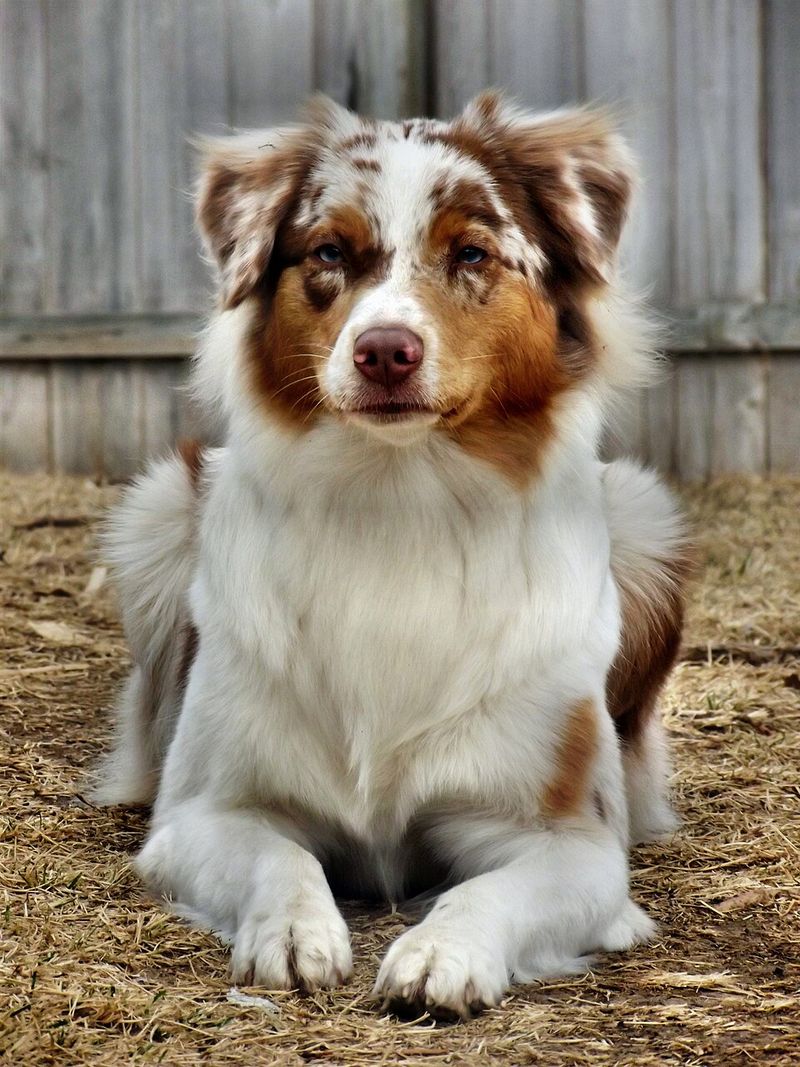
Australian Shepherds are velcro herders who bond through work and routine. They feel safest when tracking your path, ready to help.
Provide jobs like carrying a backpack, learning directional cues, and checking in for treats to turn following into cooperative teamwork.
They need mental challenges more than endless miles. Practice off-switch skills: place command, sniffy walks, and scatter feeding.
Use brief out-of-sight moments to build independence without stress, then reward calm reengagement.
Daily structure prevents pestering. Mix agility foundations, nosework, and controlled play to satisfy their drive.
With thoughtful outlets, an Aussie will trot after you cheerfully, then settle at your feet, content that the team is together and the plan is clear.
Shetland Sheepdog
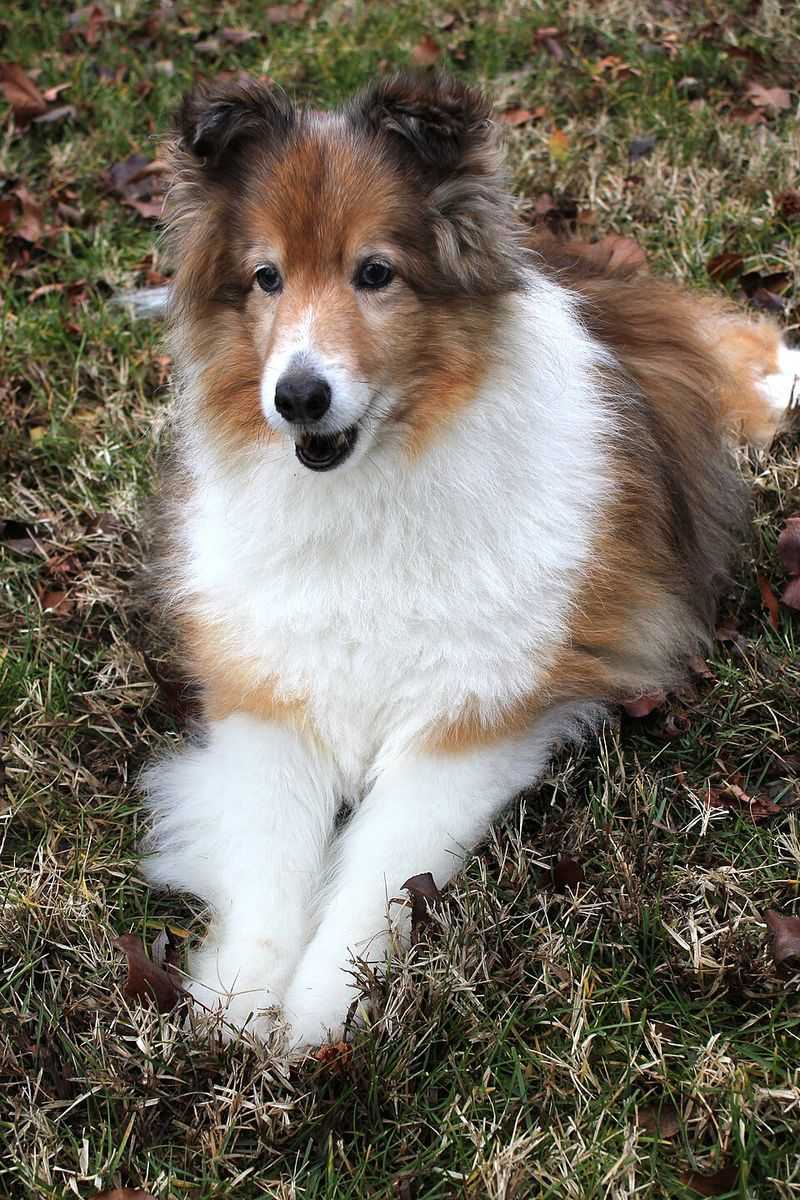
Shetland Sheepdogs adore staying close, often shadowing with light, tiptoe steps. Their herding roots make them attentive to movement and routine.
Give them confidence with predictable schedules, trick training, and rewarding quiet observation instead of constant pacing.
They are sensitive souls, so gentle reinforcement goes furthest. Place mats near your usual spots let them relax while still feeling involved.
Try low-impact games like nose touches, paw targets, and find-it with kibble to engage the mind.
Regular brushing and calm cuddle time help settle emotions. Practice brief separations, increasing gradually.
With patience, a Sheltie becomes a polite companion who follows with sweetness, not anxiety, content to curl nearby as your faithful, fluffy shadow.
Poodle
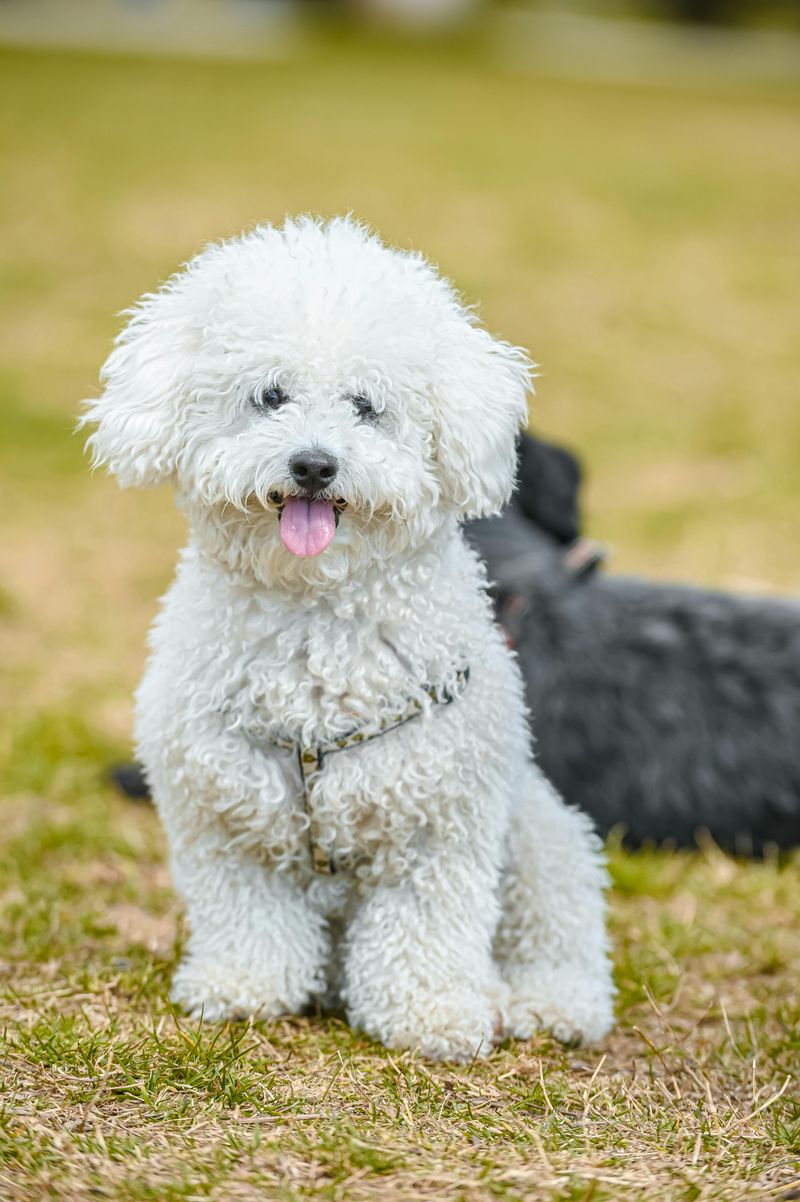
Poodles are problem solvers who love being part of every scene. They often track you from room to room, seeking signals and shared tasks.
Transform that closeness into confidence with shaping games, perch work, and place training that rewards stillness alongside engagement.
They thrive on variety: short training bursts, brainy puzzle toys, and calm grooming rituals. Use cheerful markers and predictable breaks to prevent overattachment.
Practice step-away, step-back routines so watching you does not equal worrying.
Daily walks with sniff time, trick refreshers, and cozy naps near you keep balance. Whether toy, mini, or standard, a Poodle makes following feel like partnership.
With structure, they rest elegantly at your side, ready when you say go.
Vizsla
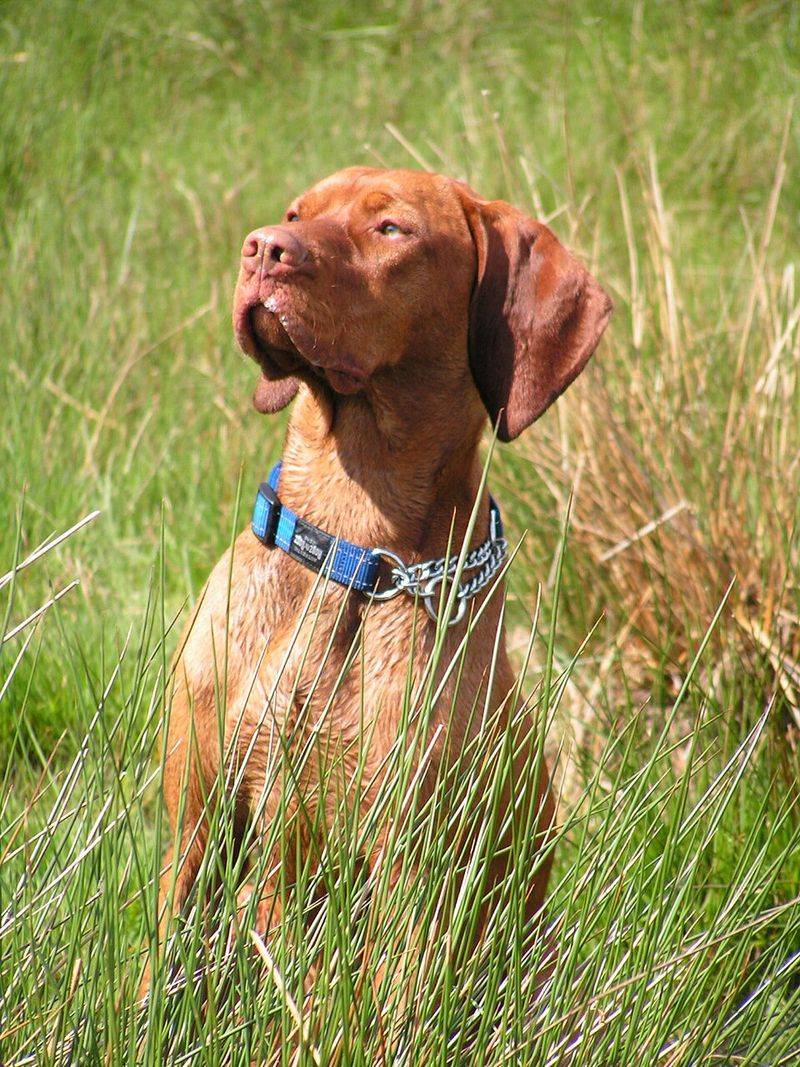
Vizslas are famous for being velcro dogs, leaning into you like living warmth. They crave connection and do best when included in daily rhythms.
Turn following into bonding with jogging companions, recall games, and place work that still keeps you in sight.
Because they are sensitive, use soft cues and upbeat training. Practice calm departures and returns, and scatter-feed before leaving to reduce anxiety.
Add nosework to tire their minds without rough excitement.
Consistent exercise plus gentle boundaries equals peace. Teach go-to-mat during cooking or calls.
Your Vizsla will shadow with quiet devotion, then nap contentedly nearby, reassured by routine, touch, and your steady presence.
Weimaraner
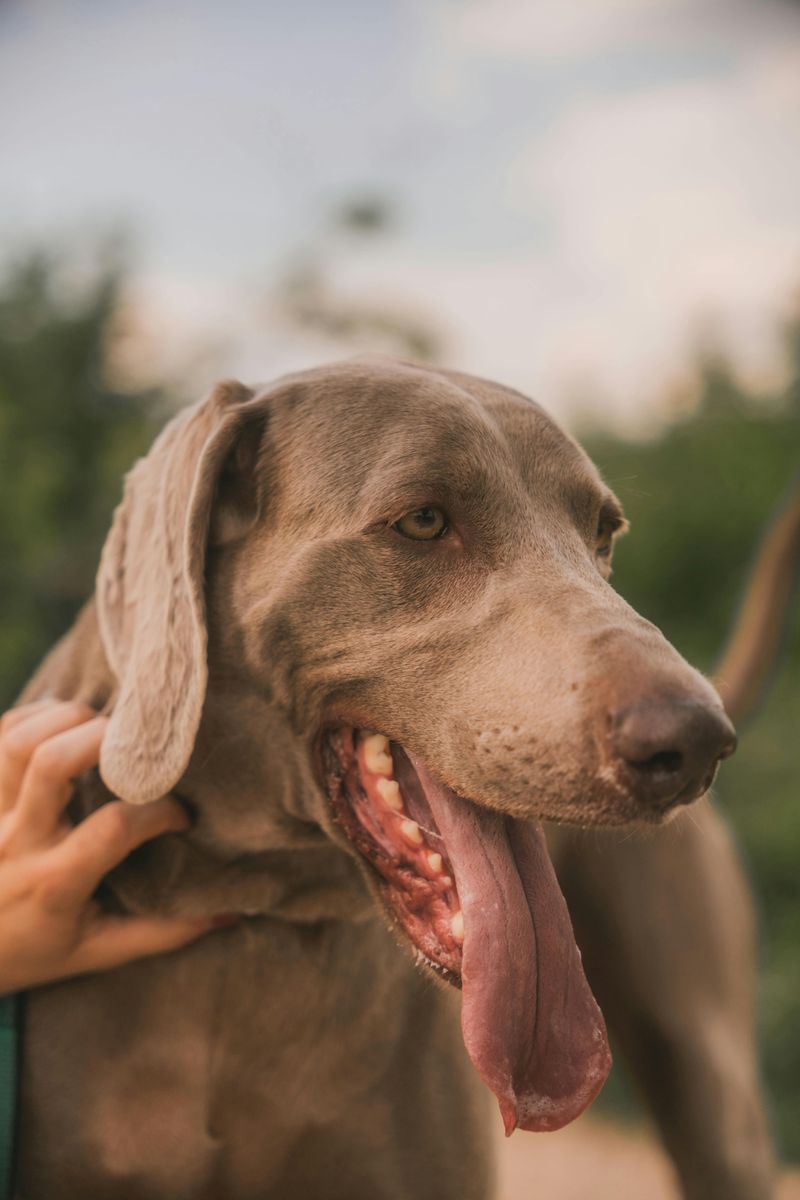
Weimaraners imprint deeply and often struggle when separated. Following you is their safety blanket, a way to confirm everything is fine.
Meet needs with long sniffy walks, tracking games, and chill crate sessions that feel like retreats, not punishment.
They benefit from consistent rules and quiet leadership. Introduce independence using baby gates and brief out-of-sight drills, heavily rewarding calm.
Keep greetings neutral and focus energy into structured fetch or swimming rather than frantic shadowing.
Enrichment matters: frozen Kongs, hide-and-seek, and obedience refreshers. When minds and bodies are satisfied, Weimaraners soften into affectionate companions who choose closeness without panic, padding after you with gentle eyes and a relaxed, silky stride.
Cocker Spaniel
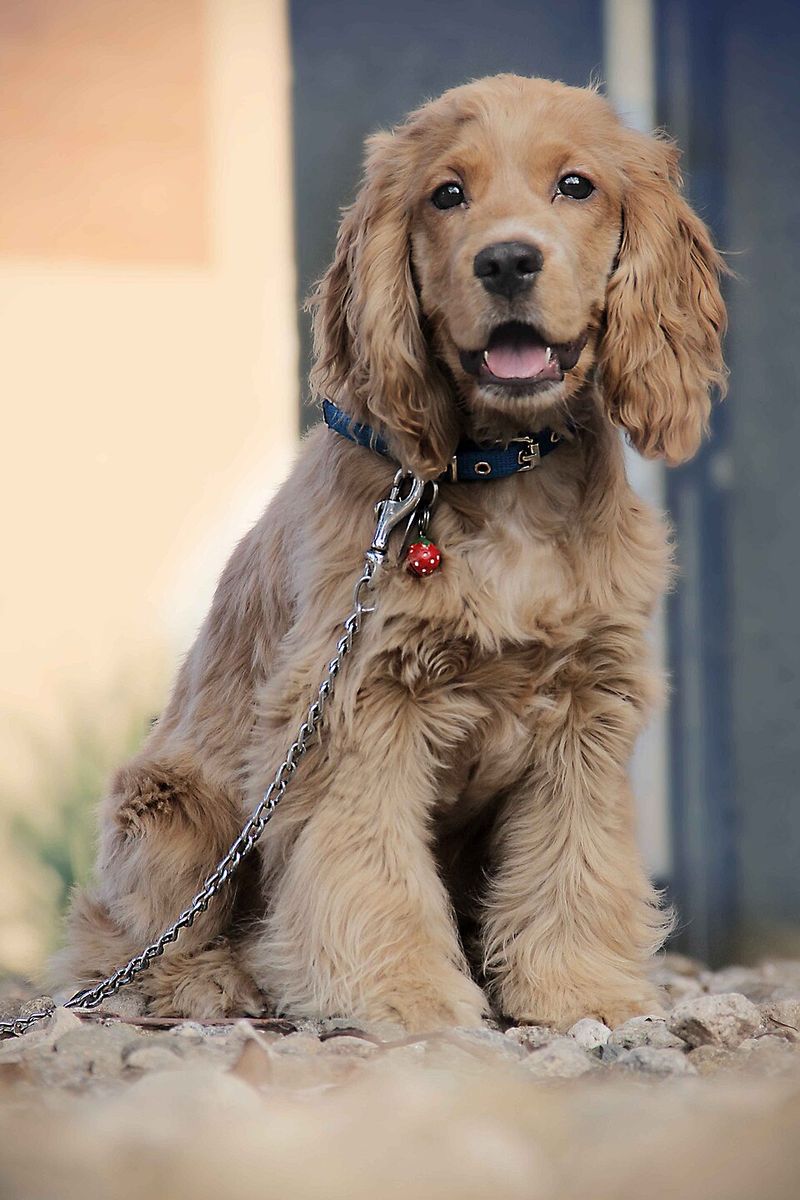
Cocker Spaniels adore togetherness and often shadow you with merry enthusiasm. Bred to work closely with people, they feel secure when included.
Guide that closeness with calm routines, gentle grooming sessions, and place training near family hubs like the sofa.
They can be sensitive to tone, so use cheerful markers and soft hands. Provide sniff games, slow walks, and low-arousal fetch to meet needs without amping anxiety.
Keep exits and returns relaxed to avoid drama.
Regular ear care doubles as bonding time, helping them relax nearby. With consistent boundaries and affection, a Cocker becomes a sweet companion who follows with bright eyes, then curls at your feet, content simply to be near you.
Havanese
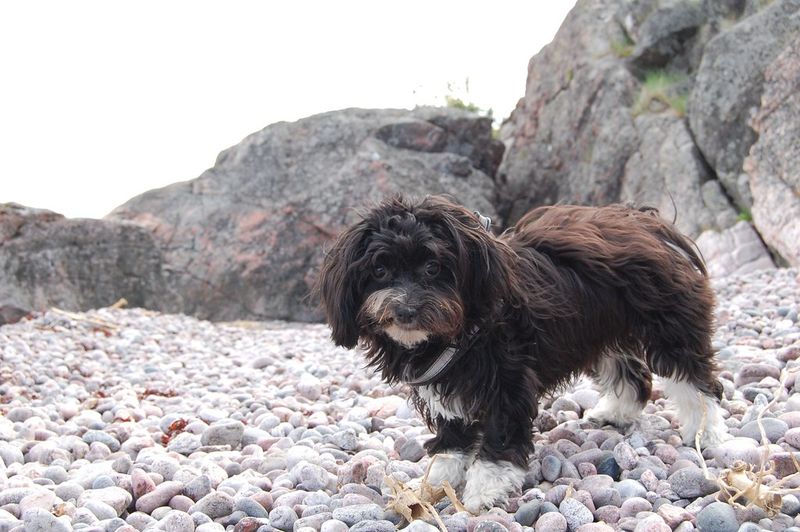
Havanese thrive on companionship and sparkle when included in every activity. Their happy little footsteps behind you are a love letter.
Encourage independence with short, fun training, scatter feeding, and cozy beds stationed where you spend time.
They learn quickly with gentle praise and tiny treats. Practice brief out-of-sight games that end in calm cuddles.
Reduce reactivity by avoiding dramatic exits and reinforcing quiet when you reenter.
Enrichment like snuffle mats, light trick sessions, and window-watching perches helps them relax. Grooming time can be soothing connection.
With patience, a Havanese becomes a cheerful shadow who follows without fuss, then naps like a fluffy comma beside your day.
Cavalier King Charles Spaniel
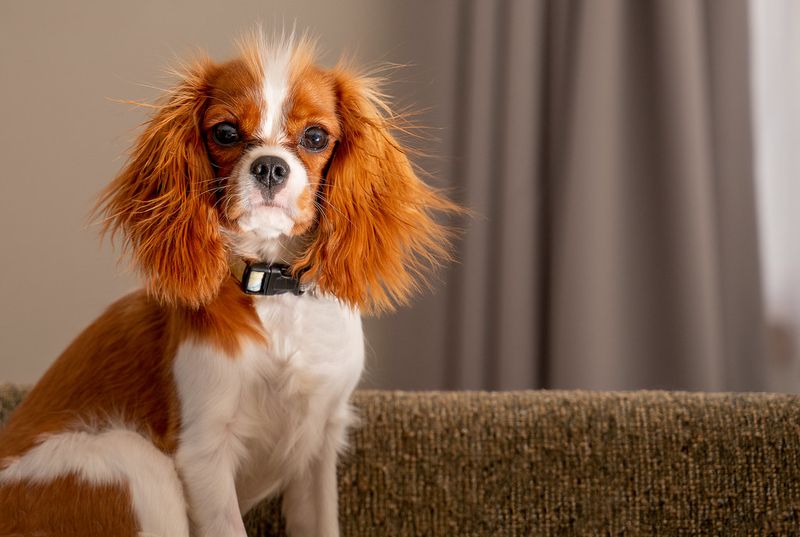
Cavaliers are cuddly hearts on four paws, happiest when they can touch you or keep you in view. That gentle following comes from a history of companion life.
Build confidence with soft training, predictable nap spots, and calm check-ins rather than constant handling.
They respond beautifully to kind structure. Practice go-to-bed cues and reinforce quiet lounging.
Keep departures simple and provide comfort items like a warm blanket or safe chew to ease alone moments.
Daily walks, short play bursts, and soothing brush sessions balance needs. Your Cavalier will trail you sweetly, then curl like a warm teacup nearby.
With steady reassurance, they choose closeness without clinging, blooming into serene, affectionate shadows.
Italian Greyhound
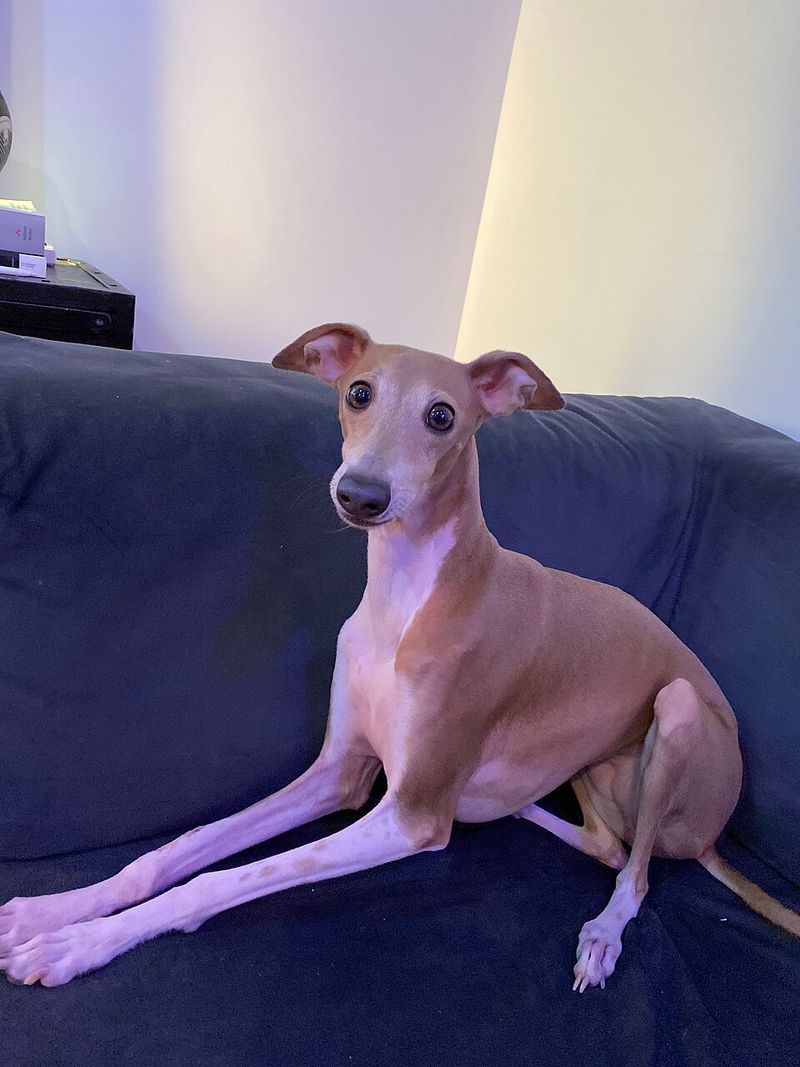
Italian Greyhounds crave warmth and closeness, often glued to your hip for comfort and security. Their slim frames love blankets and your lap, so following feels natural.
Support confidence with cozy stations, gentle training, and gradual independence moments.
Because they are sensitive, avoid harsh tone. Use soft cues, luring, and generous praise.
Provide indoor zoomie opportunities and short, frequent potty breaks to reduce anxious pacing behind you.
Snug sweaters, heated beds, and window sunbeams help them settle when you step away briefly. Keep returns calm and reward relaxed behavior near you.
With warmth and routine, an Iggy becomes a dainty shadow, trailing lightly, then nesting peacefully within sight.
Chihuahua
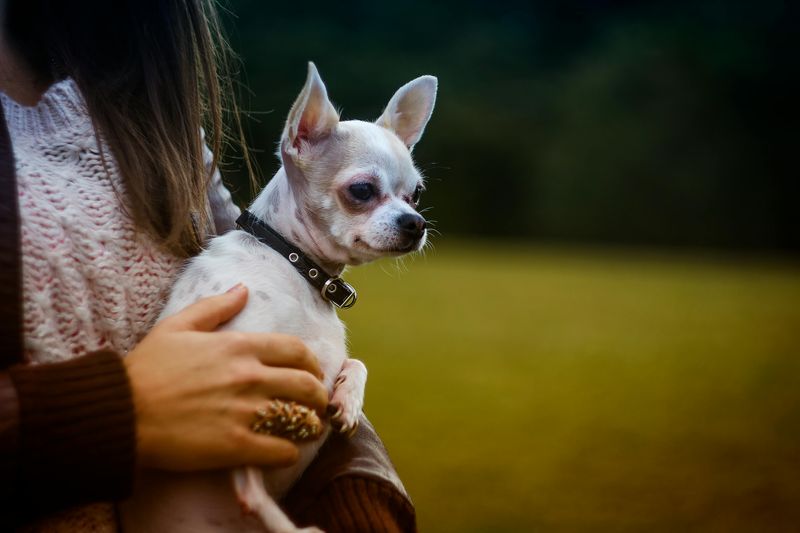
Chihuahuas often stick close for safety and connection, using you like a trusted anchor. Their small size makes the big world feel intense, so proximity feels right.
Build bravery with confidence courses, easy tricks, and calm socialization from the comfort of your side.
Use tiny rewards and cheerful markers. Create elevated perches and snug beds near daily hangouts so following ends in rest, not buzzing around.
Practice short absences with stuffed chews to transition smoothly.
Limit loud entrances and keep routines consistent. Gentle handling and warm blankets go far.
With patient guidance, a Chihuahua becomes a loyal mini shadow, padding after you with bright curiosity, then tucking in close for peaceful, satisfied naps.
Boxer
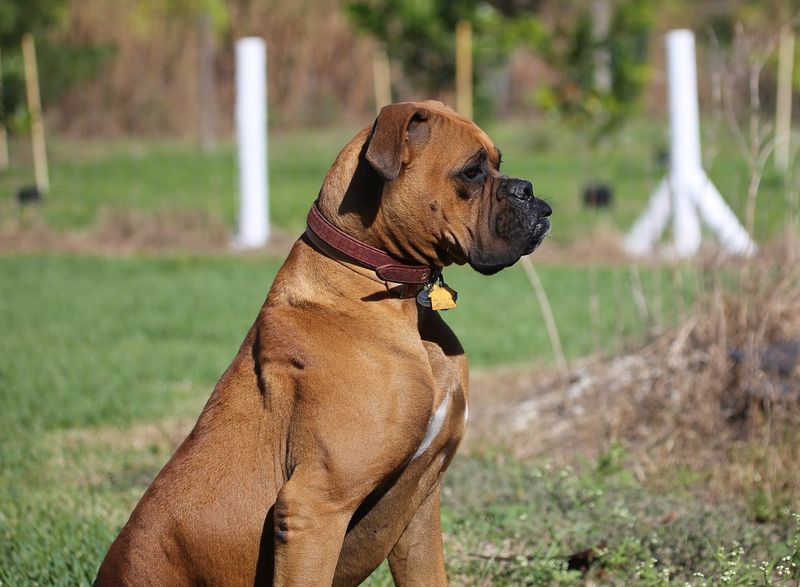
Boxers are clownish protectors who prefer being glued to their people. They read your mood and bounce along behind, ready for play or comfort.
Give structure with impulse control games, calm greetings, and place training to convert excitement into connection.
They need exercise and clear boundaries. Mix cardio bursts with sniffy decompression to avoid constant hovering.
Practice short, boring departures so following does not morph into anxiety.
Teach settle after play and reward quiet lounging at your feet. With routine, a Boxer becomes a joyful shadow who tracks you kindly, then flops like a warm rug nearby, content just to share your orbit and grin up for the next cue.
Labrador Retriever
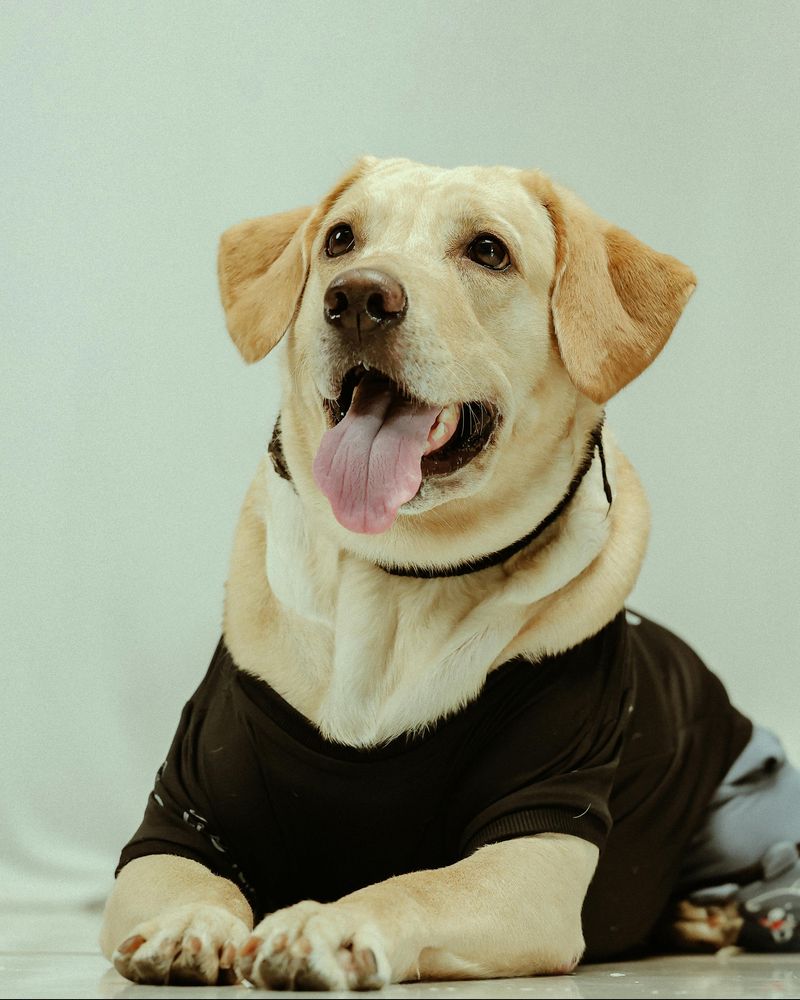
Labs follow with sunny devotion, hoping for a toss, a snack, or a smile. Their people focus is strong, which can turn into shadowing indoors.
Balance needs with fetch on cue, food puzzles, and settle mats placed where life happens.
They thrive on clear expectations and frequent reinforcement. Keep departures casual and provide durable chews for downtime.
Add scent games and swimming when possible to tire minds and bodies without overarousal.
Teach wait at doorways and reward calm proximity. The result is a Labrador who pads after you like a friendly tide, then anchors nearby, peaceful and ready for whatever fun or rest the day brings next.
Great Dane
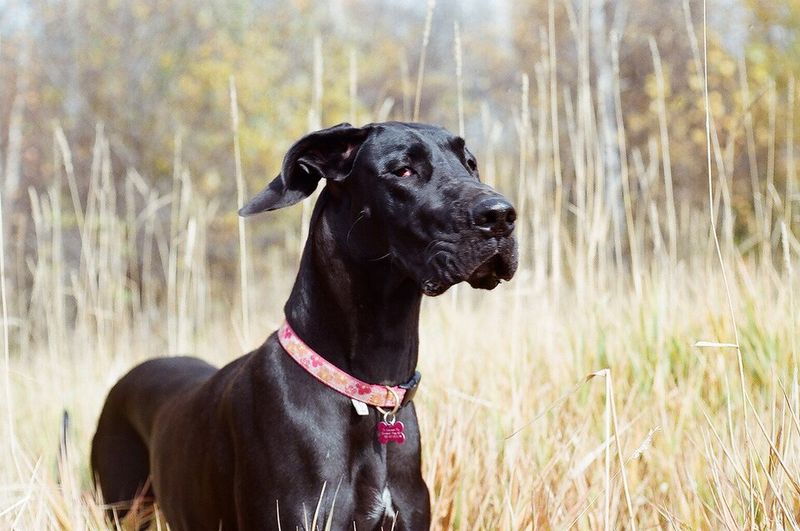
Great Danes are gentle giants who feel safest when close, often placing a massive head on your knee. Their size says brave, but their hearts love reassurance.
Provide comfy resting spots in your line of sight so following can end in sprawling naps.
Short training sessions with soft cues work best. Practice calm leash manners indoors and reinforce place.
Use slow, predictable routines and avoid exciting greetings that trigger lumbering crowding.
Moderate exercise plus joint-friendly enrichment keeps them balanced. With patience, a Dane becomes a tender shadow who strolls after you quietly, then settles like living furniture nearby, content simply to be part of your peaceful, shared space.
Papillon
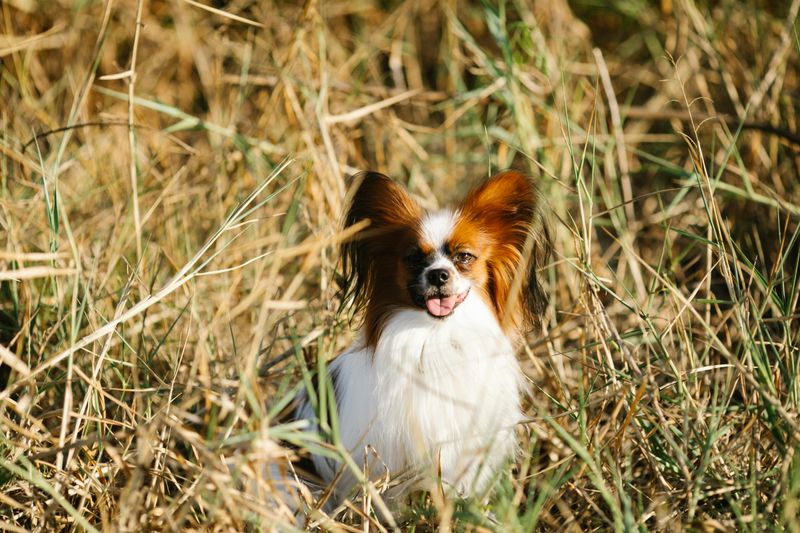
Papillons are bright, eager companions who love orbiting their favorite person. They track you lightly, ready to learn and play.
Channel that attention into trick training, platform games, and brief place work that rewards stillness as much as sparkle.
Because they are small and quick, create safe perches near your tasks so following ends in rest. Practice short absences paired with food puzzles to build comfort.
Keep greetings neutral and reinforce calm reentries.
Regular mental workouts plus gentle exercise satisfy their curious minds. Brushing and quiet cuddles help them settle.
With structure, a Papillon becomes a buoyant shadow who dances after you sweetly, then lounges nearby like a little winged friend.
Miniature Schnauzer
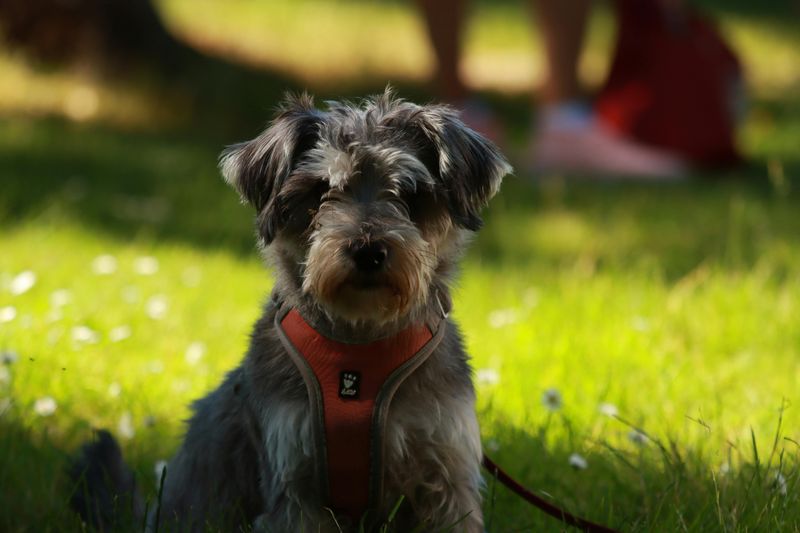
Miniature Schnauzers are spirited watchdogs who like to supervise their people. Following you feels like an assignment they proudly accept.
Turn it productive with loose heel practice, place training, and scent games that reward checking in, not clinging.
They are clever and benefit from clear, fair rules. Keep greetings low-key and teach calm at windows to reduce hypervigilance.
Use stuffed chews during short departures to prevent anxious pacing.
Regular grooming and tidy-up rituals can soothe and structure the day. Mix brisk walks with decompression sniffing.
With guidance, a Schnauzer becomes a jaunty shadow who tracks you politely, then parks that bearded grin nearby, satisfied and steady.
Bichon Frise
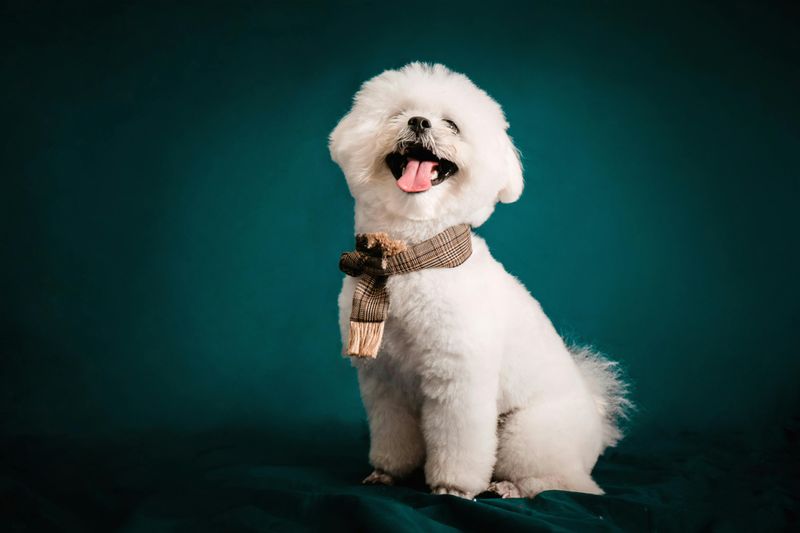
Bichons are social butterflies who crave closeness and routine. They often follow to stay part of the fun and feel secure.
Support independence with station training near your activity zones, calm grooming, and gentle, predictable schedules.
They respond well to happy reinforcement and short, playful sessions. Practice peekaboo absences that end in quiet rewards, not big parties.
Use snuffle mats and soft toys to occupy them while you step away.
Regular brushing doubles as bonding, easing emotions. Keep departures boring and returns peaceful.
With consistency, a Bichon becomes a cheerful cotton cloud of a shadow, trailing you tenderly, then settling nearby with bright eyes and a contented sigh.