
Some dogs thrive with a clear, confident leader who sets fair boundaries and provides steady guidance. If your home feels more like a committee, these breeds may test every vote and double check every rule.
But when they respect you, the loyalty and focus are next level. Ready to meet the independent thinkers that bond hardest with one strong handler?
Akita
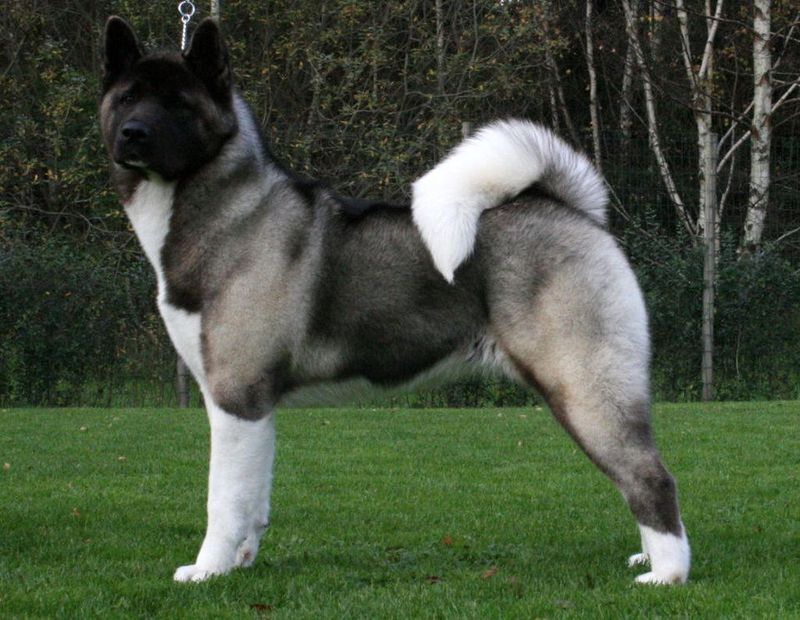
An Akita respects clarity. These independent guardians read body language fast, so your calm, consistent cues matter more than volume.
Set routines, control resources, and you will see impressive self control wrapped in quiet dignity. Without structure, they start making executive decisions, usually about who gets near their people.
Early socialization, tight reinforcement, and short training reps keep their strong will focused. They adore a single handler who leads fairly and never wavers.
Exercise should blend mental work with purposeful walks, not just play. Give them a job, honor their space, and you will unlock a stoic companion that stands firm when it counts.
Cane Corso
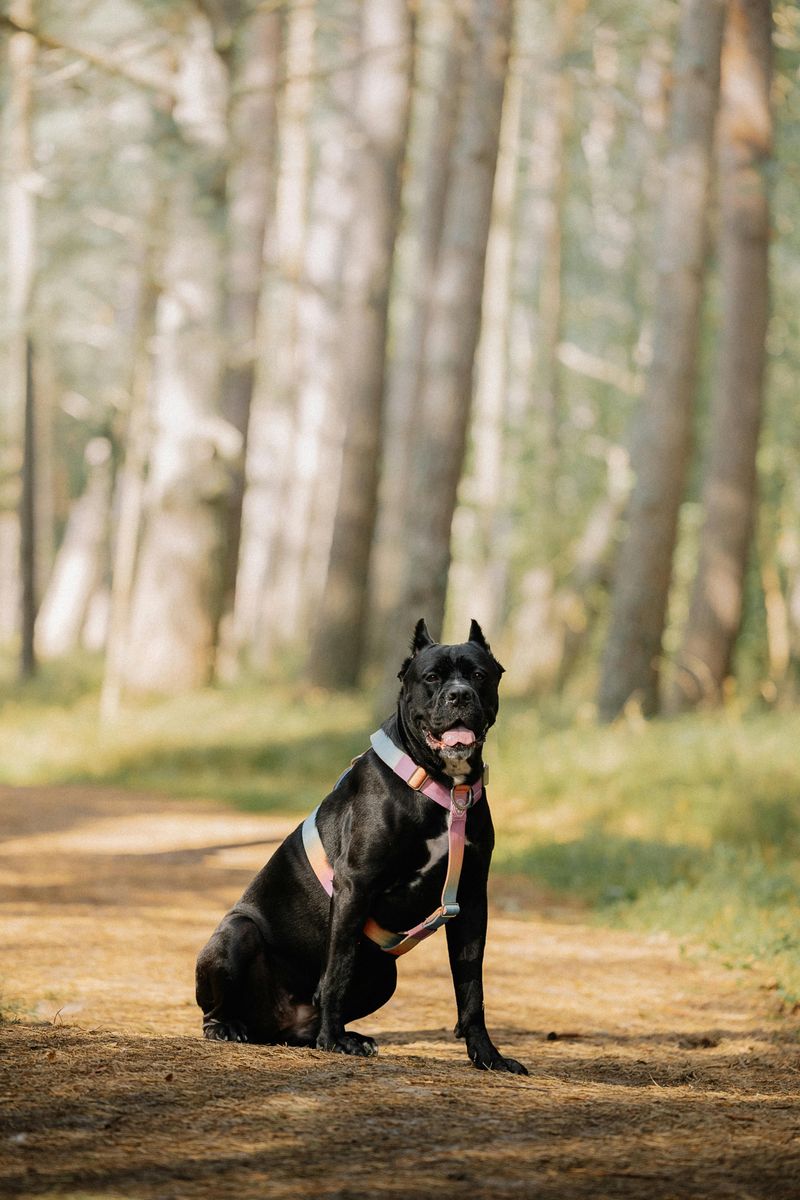
The Cane Corso thrives under a confident handler who communicates simply and enforces rules predictably. Their protective instincts are natural, so your job is channeling rather than inflating them.
Teach neutrality, solid recalls, and calm leash manners from day one. Short, serious training reps work better than endless repetition.
They read energy instantly, preferring a composed leader over family committees. Clear structure at home prevents selective listening and boundary pushing.
Give them jobs like obedience patterns, platform work, and controlled guarding drills with a pro. Treated fairly, a Corso becomes a vigilant shadow with surprising sensitivity, loyal to the person who keeps standards crystal clear.
Doberman Pinscher
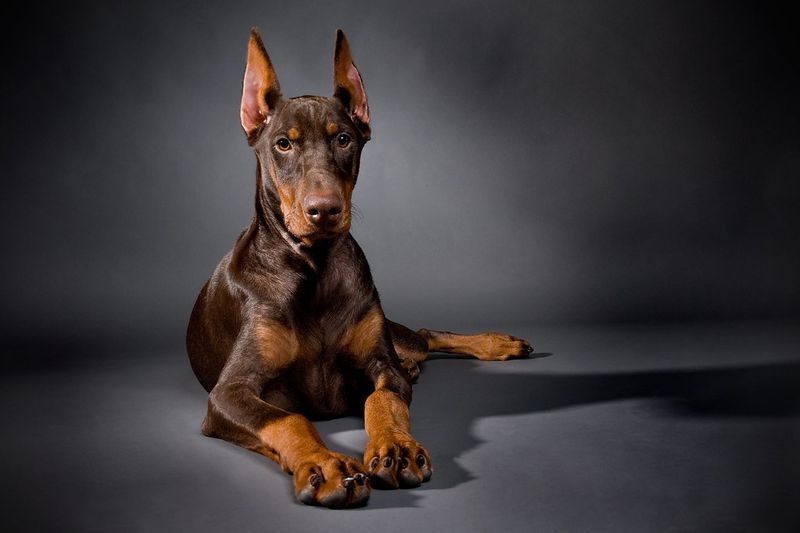
Dobermans are brilliant, sensitive workers who attach deeply to a decisive handler. Too much negotiation creates anxiety, then reactivity.
Keep communication crisp, reward fast, and avoid nagging cues. Build confidence with pattern games, agility foundations, and neutrality around movement.
They thrive on meaningful work, not chaotic play.
Daily structure helps them relax between tasks. Expect them to follow the person who actually follows through.
Socialize thoroughly without flooding, and teach off duty behaviors at home. With fair leadership, a Doberman becomes a laser focused partner that anticipates your next move, blending elegance with electric responsiveness in a way few breeds can match.
German Shepherd
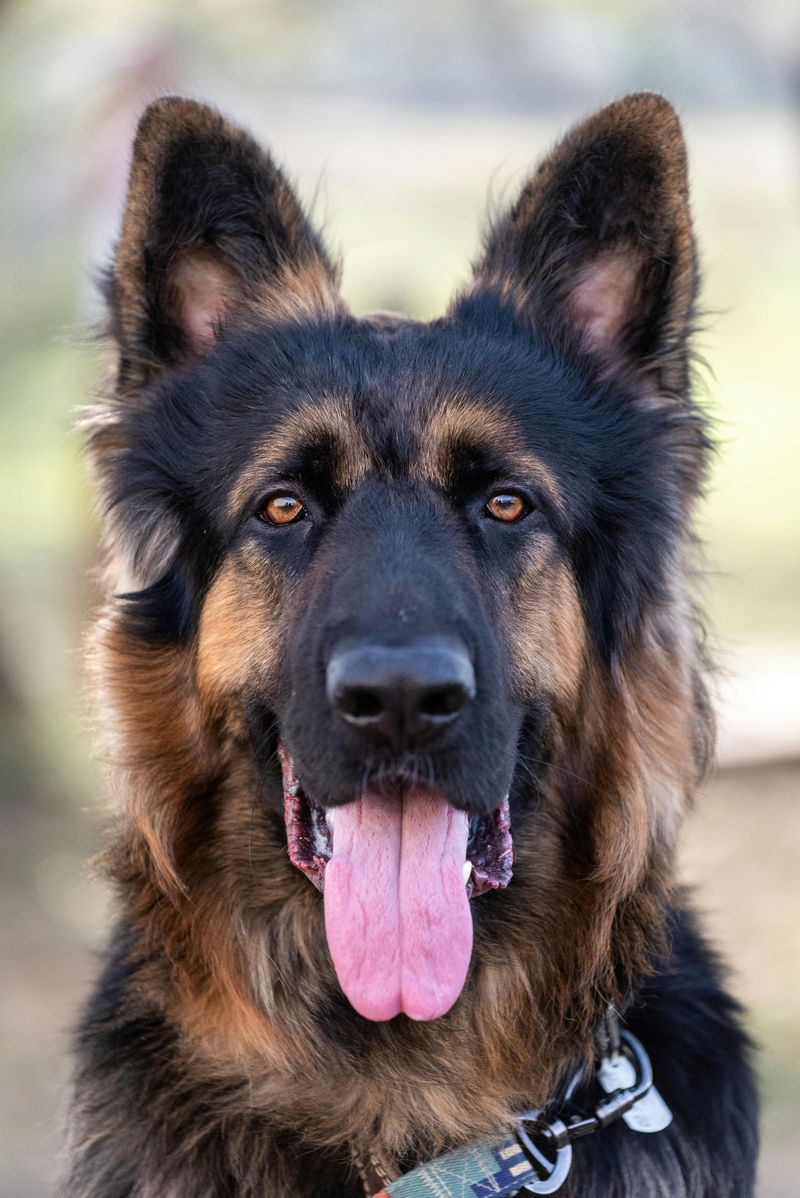
German Shepherds crave purposeful structure from a trusted handler. They are clever enough to game inconsistent rules, so clarity is everything.
Teach positions, duration holds, and neutral greetings early. Balance drive building with off switches, because over arousal turns brains to soup.
Keep sessions short, precise, and varied.
They bond strongest with the person who controls access to work and play. Daily tracking games, obedience, and scent puzzles give their mind a lane.
Socialize in calm doses, proof impulse control, and keep equipment fit. When guided fairly, a Shepherd becomes a versatile teammate that reads terrain, checks in often, and treats your direction like mission orders.
Belgian Malinois
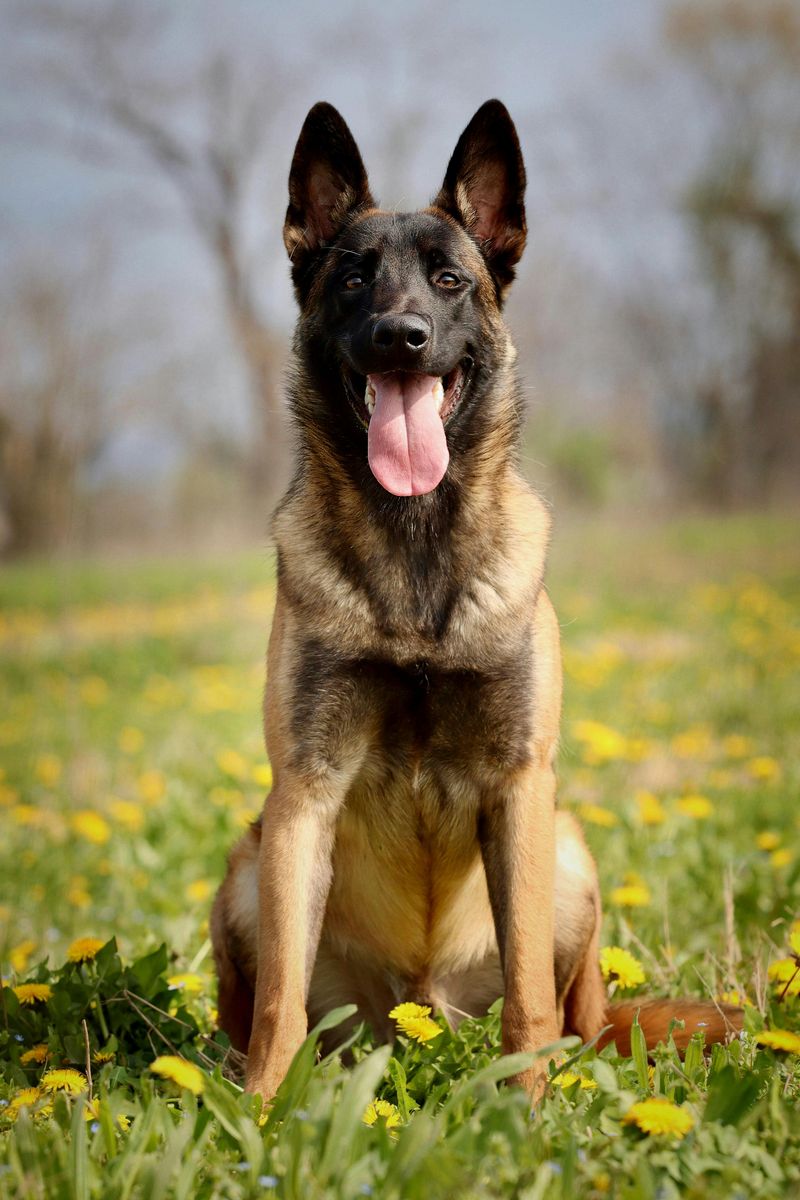
The Belgian Malinois is horsepower with a steering wheel. If you are not steering, they will.
They need a single handler who sets tiny rules and keeps them non negotiable. Build engagement first, then obedience with speed and accuracy.
Reinforce calm just as much as drive, or you will get a kite on a string.
Work daily: scent games, bite sports, precision heeling, and decompression walks. Keep reps short, criteria clear, and rewards explosive.
Socialize functionally, not frenetically. With consistent leadership, a Mal becomes a living arrow aimed at your goals, delivering breathtaking work while switching off when asked, because your rules have become their comfort zone.
Chow Chow
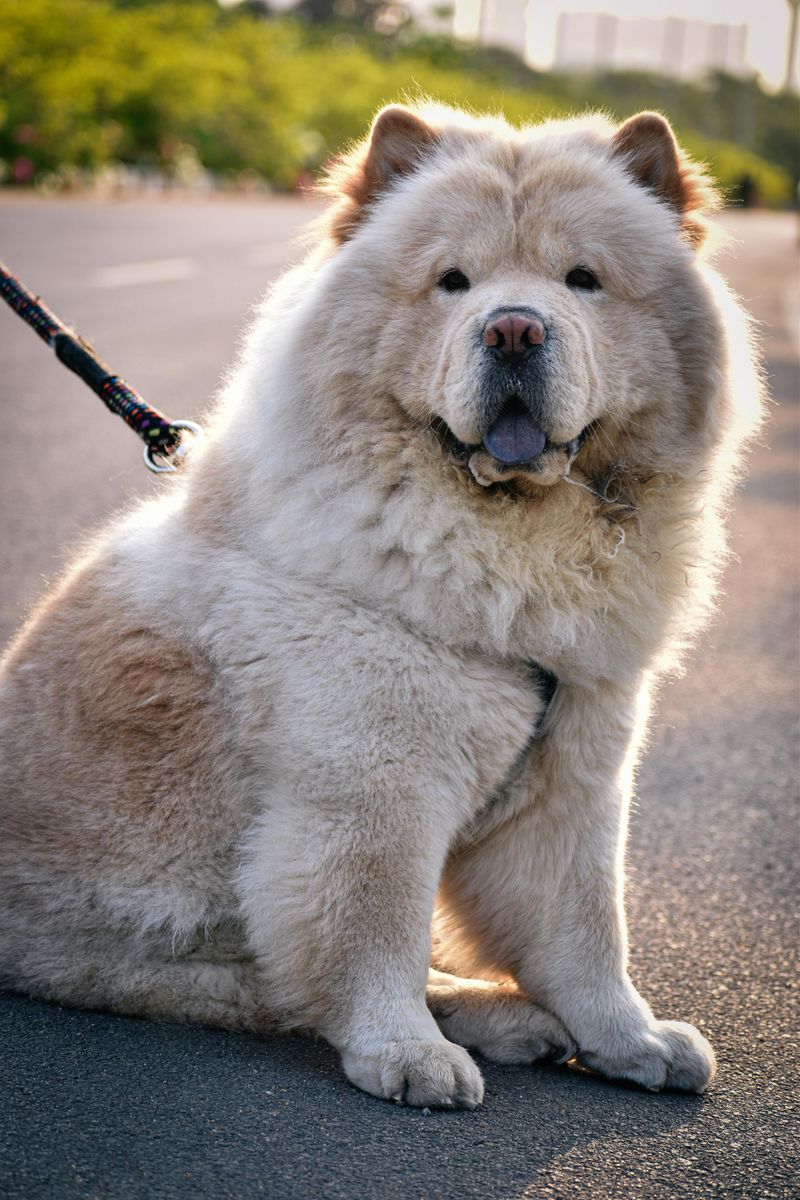
Chow Chows are independent and catlike, valuing calm consistency over cheerleading. They prefer a single leader who respects personal space and keeps rules predictable.
Overhandling or pushy affection backfires. Teach low key obedience, cooperative care, and neutrality to strangers.
Keep sessions brief and dignified, using high value rewards without gushing.
Early socialization is crucial, but never force interactions. Clear household structure prevents selective hearing.
Grooming should be ritualized to build trust. When you honor their reserved nature, a Chow bonds silently and powerfully, offering quiet loyalty and steady presence.
Think respectful partnership more than eager follower, and you will unlock a noble companion with surprising tenderness.
Rottweiler
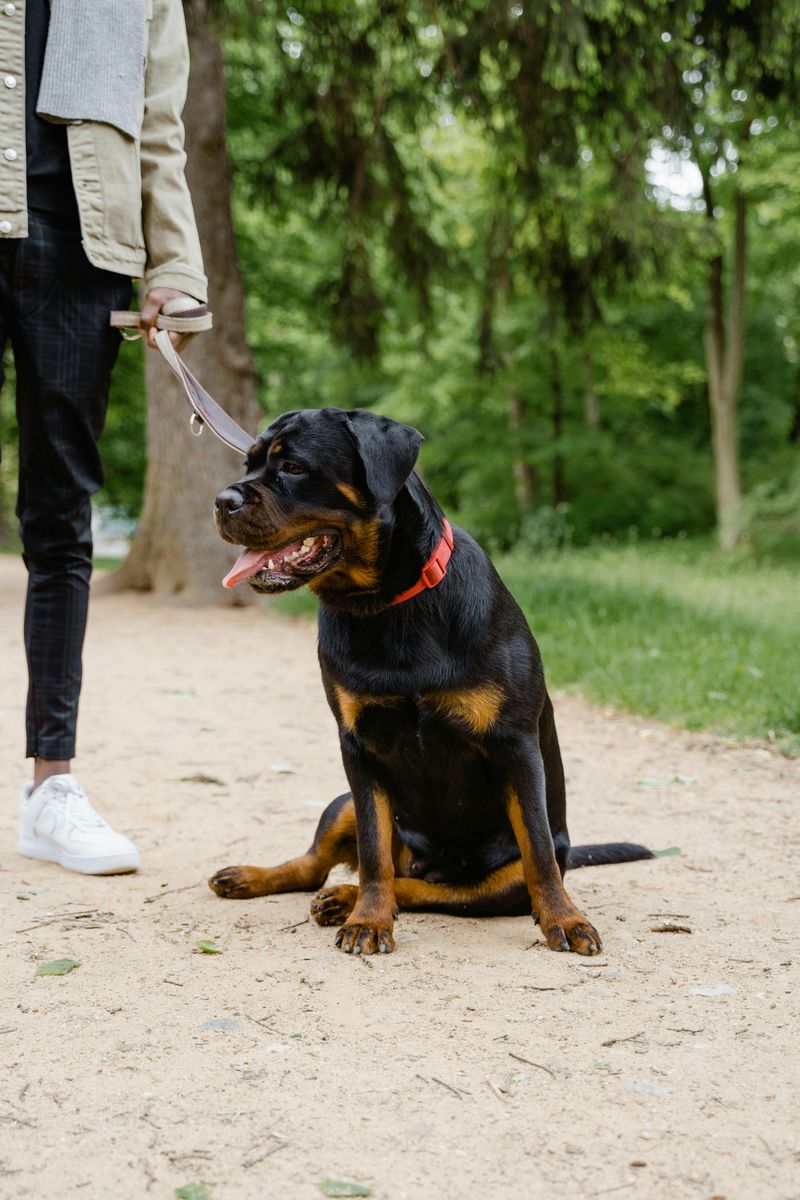
Rottweilers are steady, thoughtful workers that respect firm, fair leadership. They bond intensely with the person who sets boundaries and follows through.
If rules drift, they will fill the vacuum, guarding selectively and testing gaps. Keep sessions upbeat but structured, emphasizing impulse control and neutrality around strangers.
Daily obedience, controlled play, and purposeful tasks satisfy their mind. They do best with one handler who moves decisively and rewards clean choices.
Socialize broadly and teach off switches early. When you provide clarity, a Rottie becomes a velvet tank at your side, balanced between cuddly goof and unshakable protector, always checking your cues before acting.
Shiba Inu
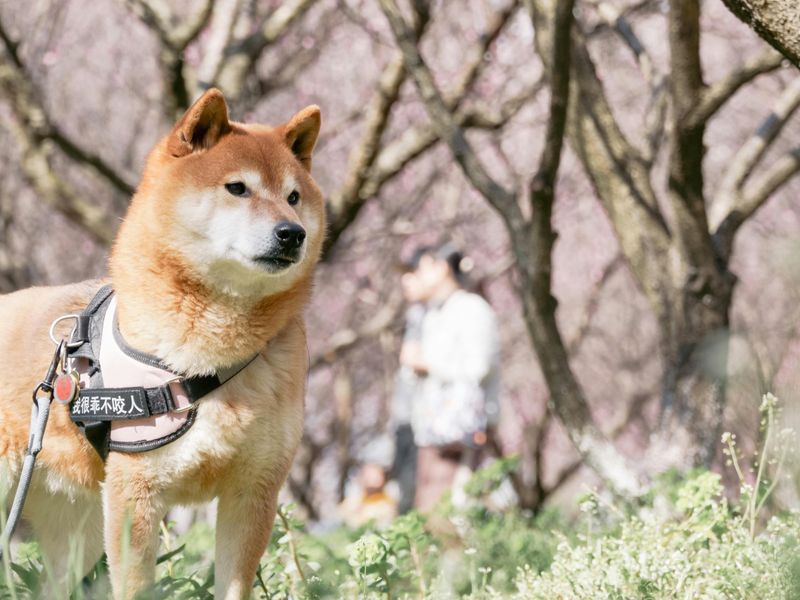
Shiba Inus are charming contrarians. They love you, but they also love their own ideas.
A single handler with consistent rules earns respect. Keep training upbeat, brief, and strategic.
Use games, scent work, and recall with long lines before freedom. They are escape artists, so management matters as much as motivation.
Socialize early to reduce suspicion, but do not flood. Teach cooperative handling for nails and grooming.
Reinforce calm in doorways and around resources. When leadership is steady, a Shiba becomes delightfully witty, offering bursts of affection and surprising reliability.
Embrace their independence while holding firm boundaries, and you will enjoy a tiny philosopher with a comedian’s timing.
Anatolian Shepherd
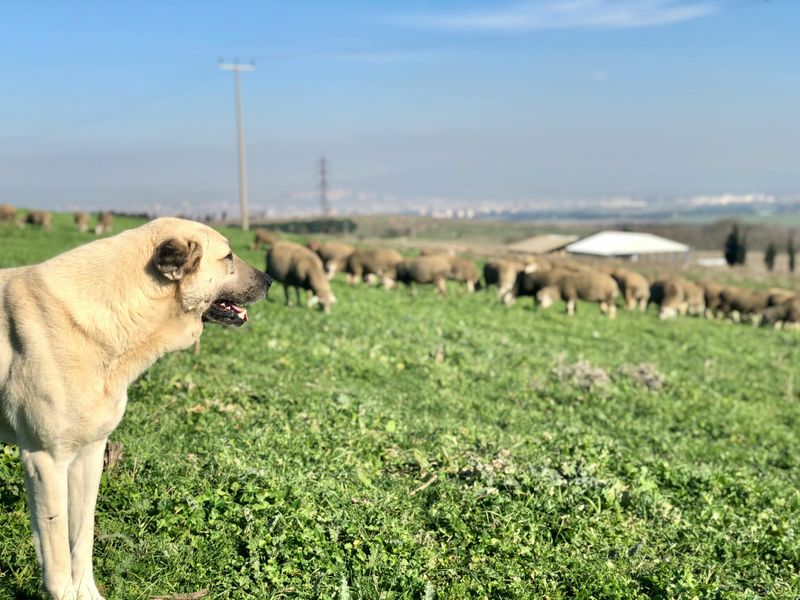
Anatolian Shepherds were bred to make solo decisions in vast fields, so household committees bore them. They need a calm, authoritative handler who sets rules and respects their judgment.
Overly social greetings are not their style. Teach boundary patrol on cue, solid recalls, and quiet neutrality to visitors.
Exercise means purposeful patrols and mental work, not fetch mania. Socialize thoughtfully with livestock sights and city sounds.
Keep training functional and fair. When you provide steady leadership, an Anatolian offers formidable protection without bluster, choosing presence over noise.
Their bond is deep, almost solemn, centering on the person who proves worthy through consistency and respect.
Great Pyrenees
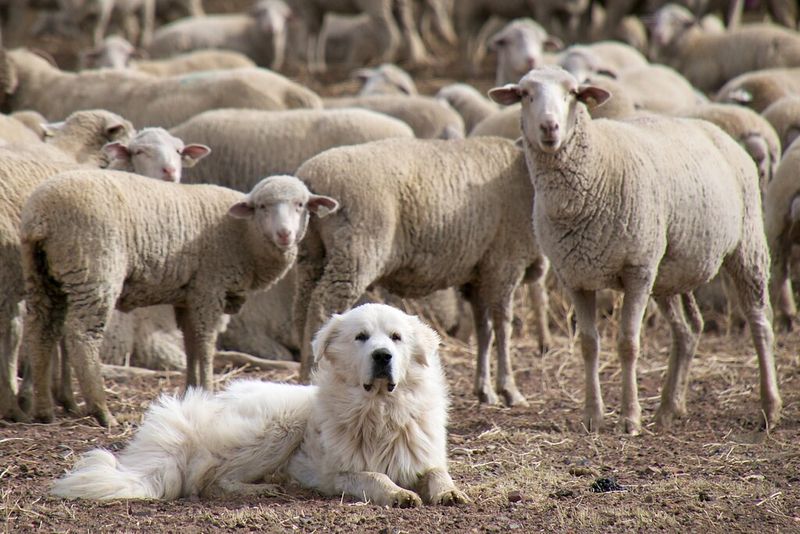
The Great Pyrenees is peaceful yet immovable when it decides. Bred to guard flocks alone, it values a quiet leader who guides more than micromanages.
Train essential cues with strong reinforcement and minimal repetition. They choose calm watchfulness over flashy obedience, so embrace their style while keeping boundaries clear.
Daily patrol walks, supervised yard time, and scent-based games help them settle. Socialize with intention, prioritizing neutrality around strangers and dogs.
Grooming routines become bonding rituals with consistent handling. With fair leadership, a Pyr becomes a gentle sentinel at home, deeply loyal to the person who provides safety, structure, and room to think.
Alaskan Malamute
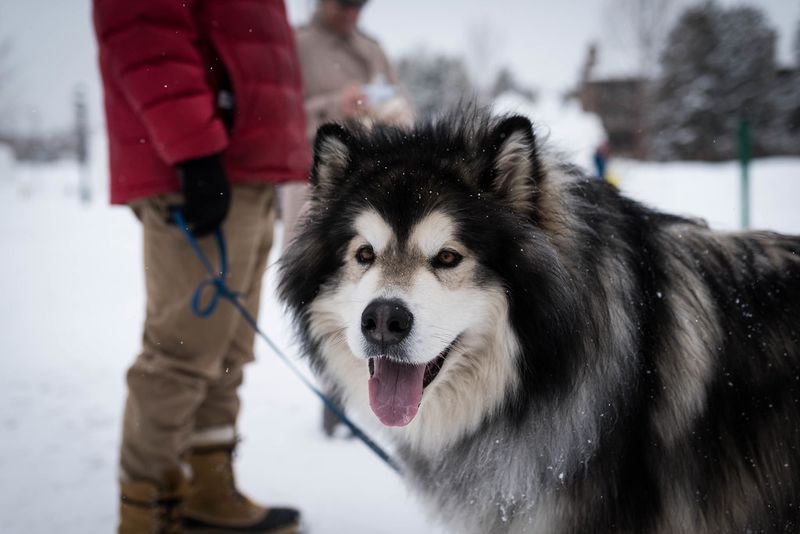
Alaskan Malamutes are strong, social, and stubborn. They respect strength paired with patience more than chatter.
A single handler who manages resources and sets consistent rules earns lasting compliance. Train impulse control around food, doors, and small animals.
Exercise must be serious: weight pulls, hikes, and structured sled work where possible.
They can be vocal negotiators, so keep cues clear and rewards meaningful. Socialize widely but supervise rough play.
Mental work like scent trails and object targeting reduces mischief. With steady leadership, a Malamute becomes a jovial powerhouse that works hard then naps hard, looking to you for direction when big decisions appear.
Siberian Husky
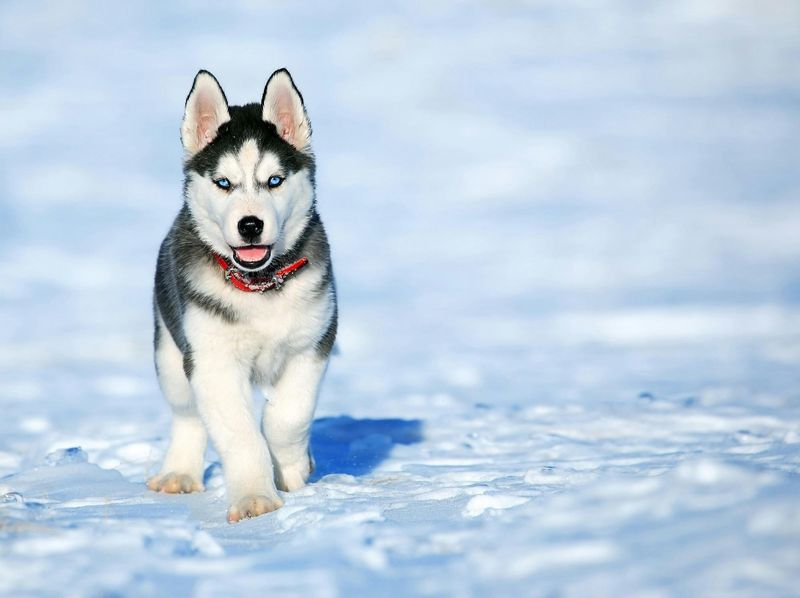
Siberian Huskies are independent endurance athletes who weigh options before obeying. A confident handler who pairs freedom with responsibility gets the best results.
Use long lines, strong recalls, and release cues. Reinforce calmly and avoid power struggles.
Give them jobs like bikejoring, canicross, or scent puzzles to tire brain and body.
They test fences and patience, so management is vital. Socialize well, proof around wildlife, and practice settle skills indoors.
Keep training fun and brisk. Under consistent leadership, a Husky offers joyful teamwork, checking back with you even when the wind and snow sing louder, because your structure turns adventure into a shared mission.
Rhodesian Ridgeback
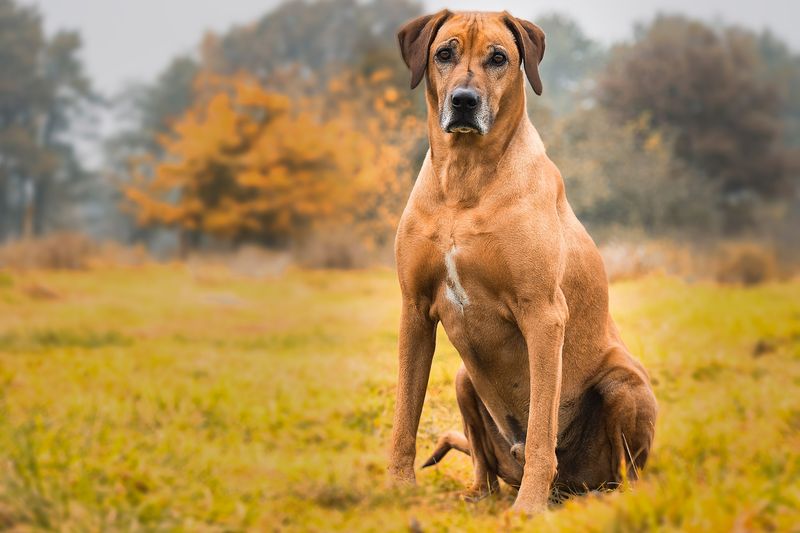
Rhodesian Ridgebacks are dignified hunters with a cool head. They prefer a leader who is calm, athletic, and consistent.
Overbearing micromanagement backfires. Build solid recalls, off leash reliability with lines, and polite greetings.
Keep training varied and purposeful, emphasizing impulse control around movement and scent.
Daily runs paired with obedience patterns feed their body and mind. Socialize broadly but avoid chaotic dog parks.
Use fair corrections and big rewards for excellent choices. With steady guidance, a Ridgeback becomes a velcro athlete at home and a thoughtful explorer outside, saving their deepest loyalty for the person who sets the bar and means it.
Giant Schnauzer
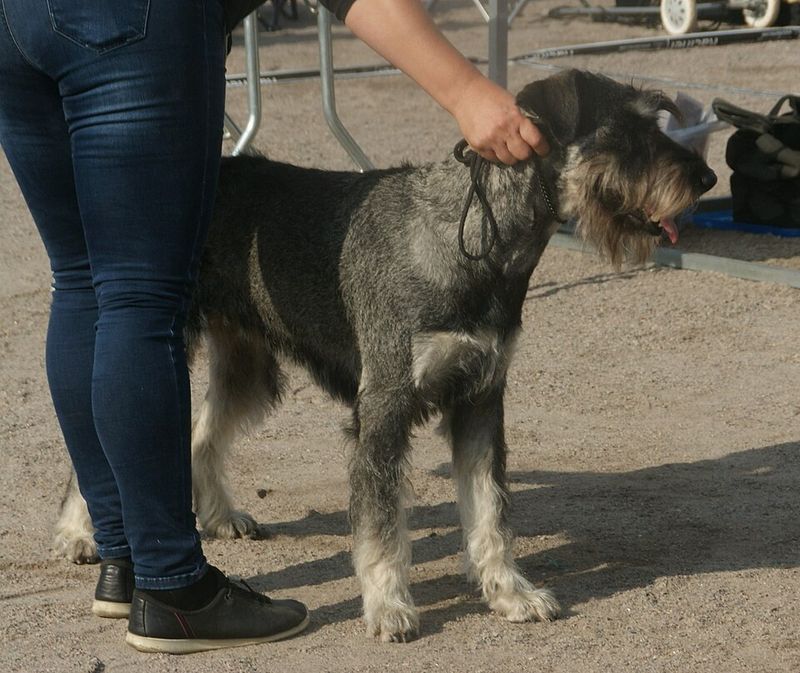
Giant Schnauzers are intense problem solvers that thrive with crystal clear rules. They attach to the handler who provides work and holds standards.
Teach precise heeling, impulse control, and place training. Short, high voltage sessions beat marathon drills.
They can out-think sloppy plans, so keep criteria tight and consistent.
Exercise must include mental challenges and structured tug or fetch. Socialize thoroughly, manage teenage pushiness, and invest in cooperative grooming.
Reward calm as much as drive. With firm, fair leadership, a Giant becomes an industrial strength teammate, protective without chaos, affectionate without cling, always scanning you for the next assignment.
Kuvasz
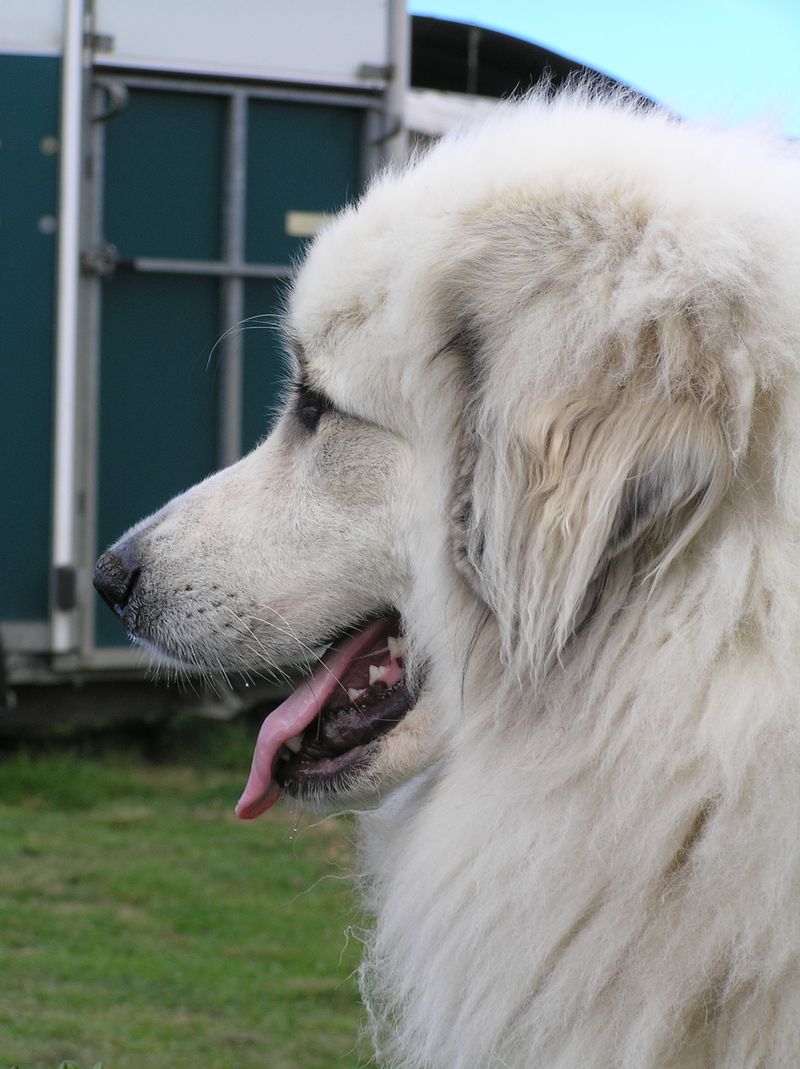
Kuvasz are serious livestock guardians that make independent calls. They bond to the person who balances respect with unshakeable boundaries.
Keep training functional: recalls, boundary work, calm greetings, and handling. Avoid repetitive drills that insult their intelligence.
Provide thoughtful socialization, especially to urban noises and visitors.
Daily patrol style walks and scent games keep them content. They do not worship crowds, so protect their space.
Reward quiet confidence and neutrality. Under steady leadership, a Kuvasz becomes a serene protector who watches first and acts only when needed, holding a deep, almost old soul loyalty to the handler who proves consistently trustworthy.
Tibetan Mastiff
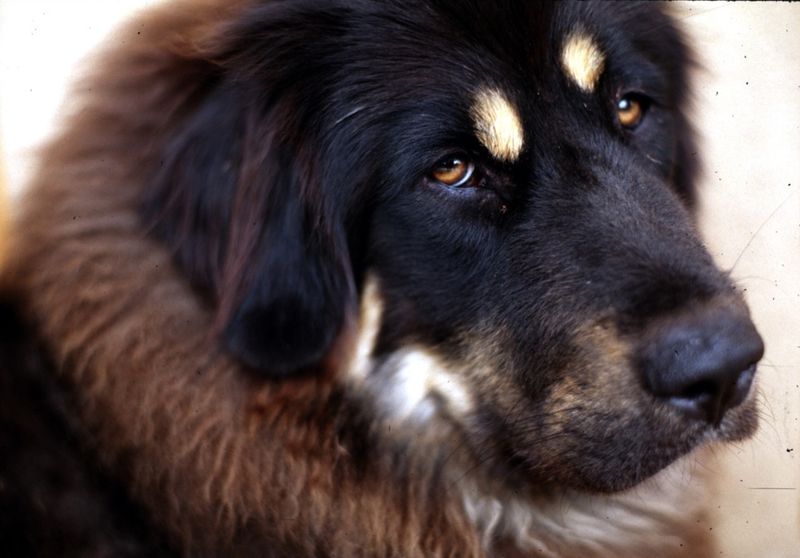
Tibetan Mastiffs are nocturnal sentinels with powerful opinions. They need a handler who leads quietly and never bluffs.
Teach essentials early, then manage with gates and clear routines. They do not chase medals in obedience, but they respect predictable structure.
Socialize thoughtfully without forcing friendliness. Calm neutrality is the target behavior.
Exercise should be steady and unhurried, with space to observe. Reinforce cooperative care and door manners.
Use firm boundaries, fair corrections, and generous rewards for soft behavior. With consistent leadership, a Tibetan Mastiff becomes a guardian spirit at home, profoundly devoted to the person who protects their peace and gives their instincts a dignified lane.
Australian Cattle Dog
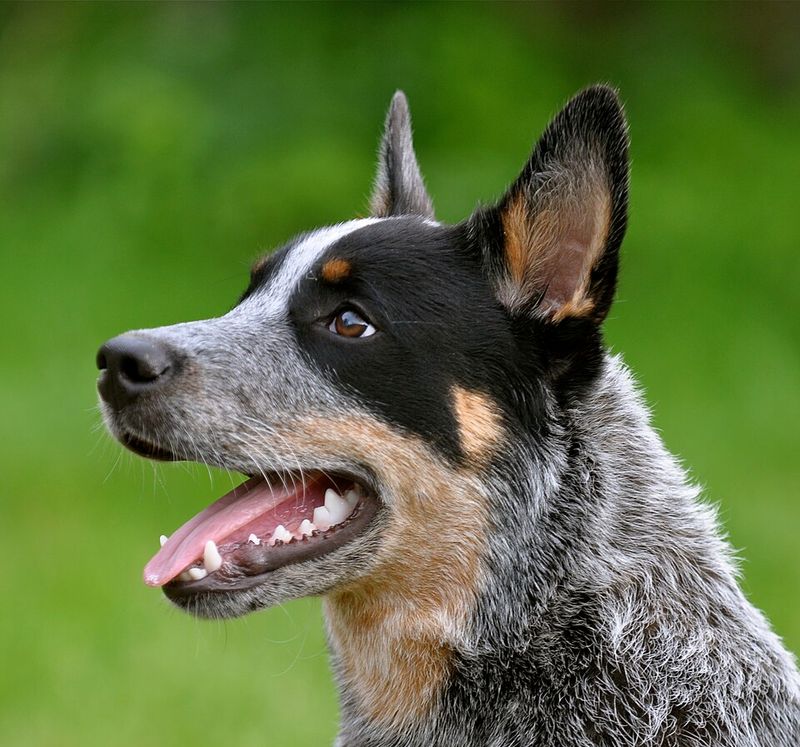
Australian Cattle Dogs are gritty task machines that latch onto one handler who means business. Clarity and consistency are oxygen here.
Build engagement with tug, target work, and fast obedience games. Manage arousal with place training and structured decompression.
They will herd everything if you do not give them a job.
Exercise must be purposeful: agility foundations, herding lessons, or long hikes with drills. Socialize to motion, bikes, and livestock, teaching neutrality.
Reward precision and stillness as much as speed. With firm leadership, an ACD becomes a quick thinking sidekick who reads terrain and your body language, eager to clock in the second you nod.
Basenji
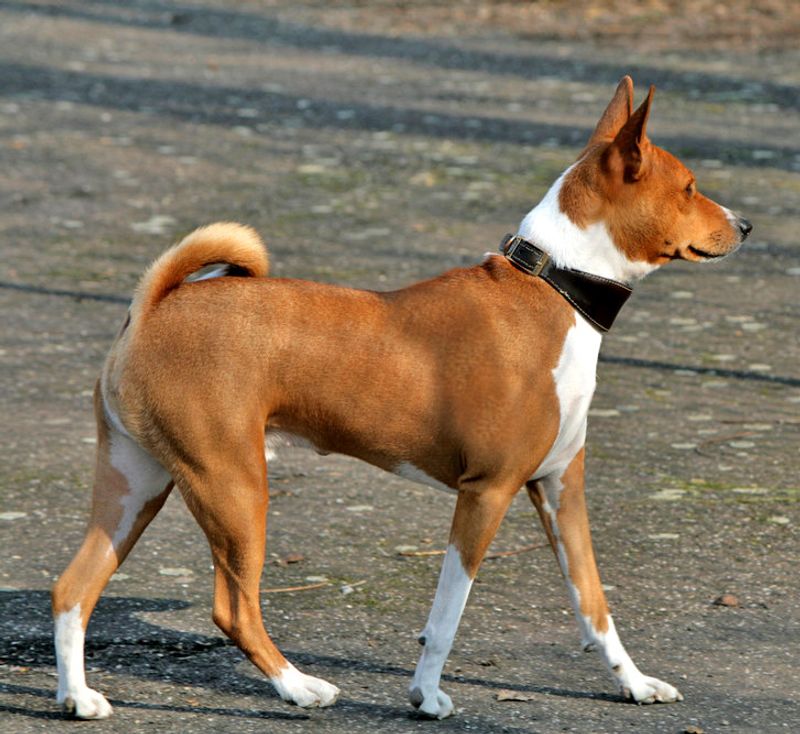
Basenjis are silent philosophers with a mischievous streak. They respect a leader who sets boundaries gently and keeps sessions playful.
Recall and impulse control are top priorities, ideally on long lines first. Use food puzzles, nosework, and chase channeling to keep their mind satisfied.
They do best with one handler who trains like a game designer.
Socialize early to reduce aloofness and item guarding. Manage boredom, because they invent projects fast.
Keep cues crisp, avoid nagging, and celebrate calm choices. With steady leadership, a Basenji becomes a graceful companion who checks in more often, sharing quiet humor and swift athleticism while trusting your structure to keep adventures safe.
Scottish Terrier
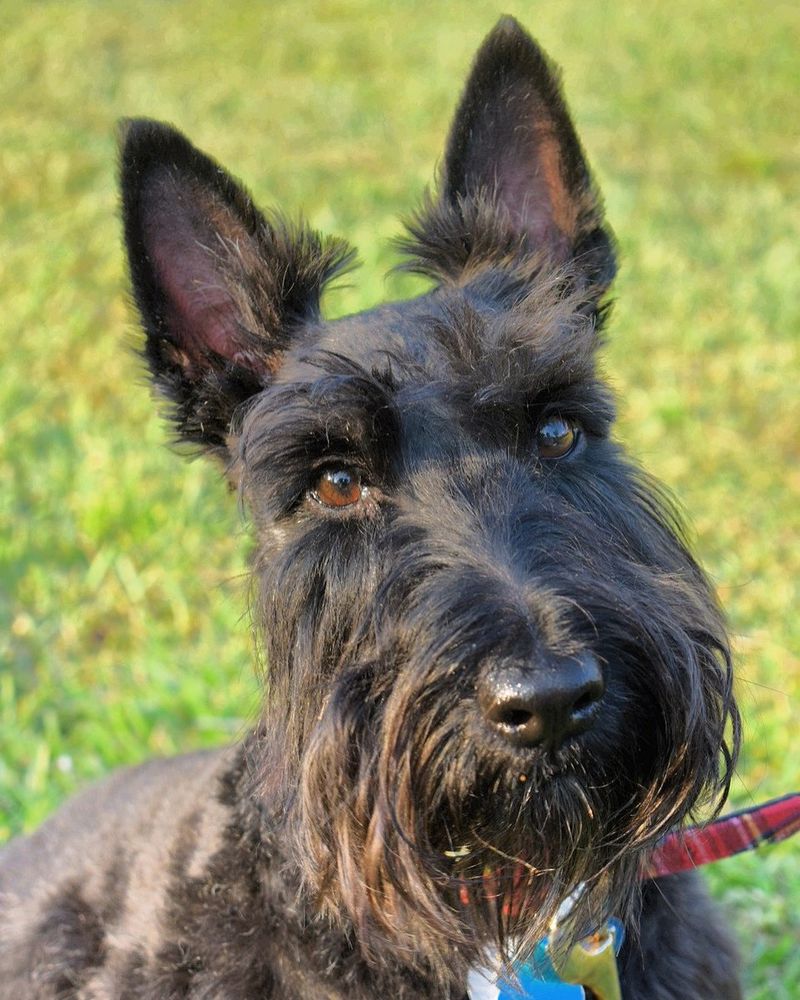
Scottish Terriers are bold little aristocrats with firm opinions. They appreciate a leader who sets clear rules and sticks to them.
Keep training short and witty, using games and food to outsmart stubborn streaks. Teach impulse control around small animals and doorways.
Grooming cooperation builds trust and respect.
Daily walks with sniffing privileges help settle that sharp mind. Socialize thoughtfully to new surfaces and sounds, avoiding rough play.
Reward calm stillness and tidy obedience. With consistent leadership, a Scottie becomes a devoted character at home, brave in a pinch and charming in quiet moments, always taking their cues from the person who truly leads.
Bullmastiff
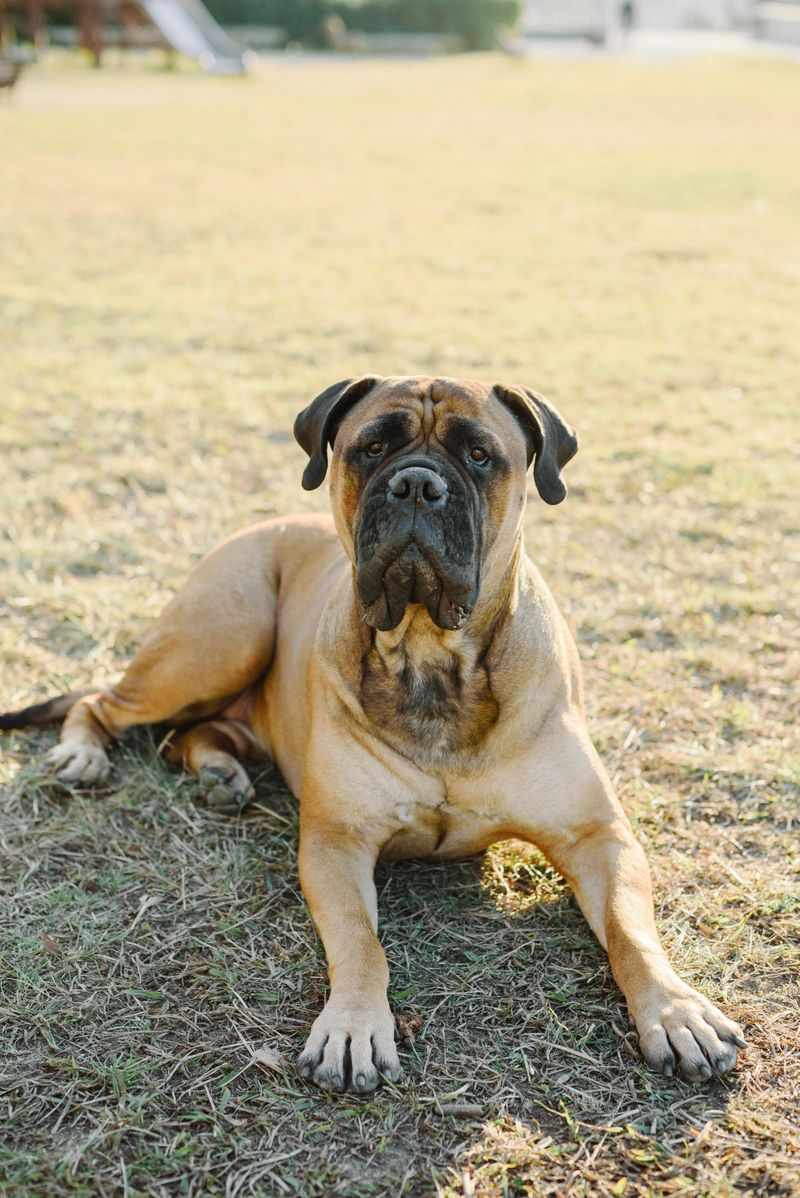
Bullmastiffs are gentle powerhouses that prefer steady, confident direction. They do not need yelling, only clarity.
Teach boundaries, calm greetings, and reliable recalls early. Keep sessions brief with meaningful rewards.
Their protective instinct is real, so neutrality drills around visitors are essential. A single handler who sets routines earns deep trust.
Exercise is moderate but purposeful, focusing on joint friendly work. Socialize to city noise, vets, and grooming.
Manage drool and space generously. With fair leadership, a Bullmastiff becomes an anchored presence, affectionate at home and discerning outside, watching your posture for cues and responding with quiet, decisive action when it counts.
Shar Pei
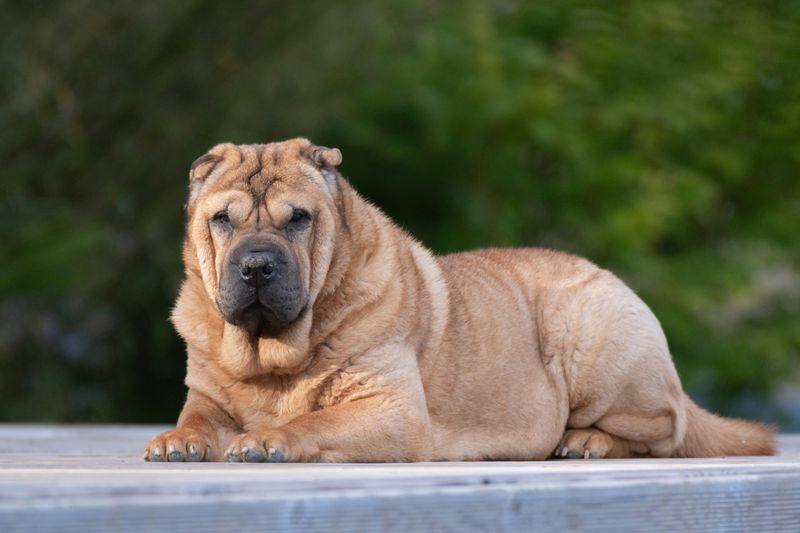
Shar Pei are thoughtful, reserved dogs that value space and predictability. They follow leaders who respect boundaries and avoid fuss.
Teach cooperative care early, as skin and ear routines matter. Keep training neutral and efficient, reinforcing recalls, leash skills, and polite greetings.
Overhandling can sour trust, so let them approach on their timeline.
Socialize methodically to reduce suspicion without flooding. Provide puzzle feeders and scent games to channel curiosity.
Reward quiet composure lavishly. With steady, fair leadership, a Shar Pei offers understated devotion, shadowing the person who sets clear rules and maintains calm, turning that famous frown into a soft, knowing look that says you and I understand each other.