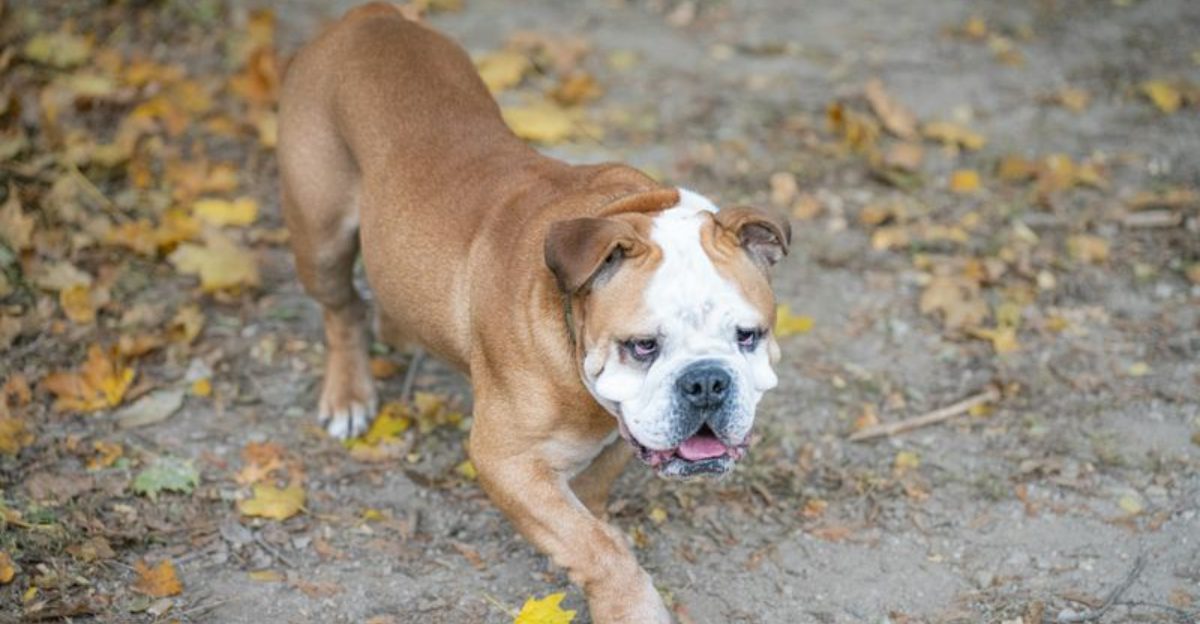
Some dogs genuinely enjoy a quiet afternoon while you conquer your day. If you are juggling work or errands, the right breed can make all the difference in a peaceful, guilt free home life.
This guide spotlights independent, adaptable pups that handle alone time without drama, as long as their needs are met. Find the perfect match for your lifestyle and feel confident heading out the door.
Basset Hound
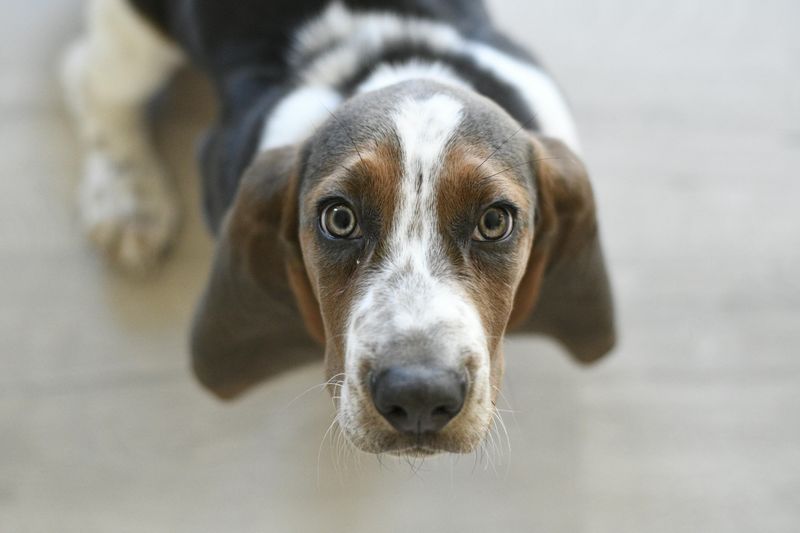
Basset Hounds are famously chill, which helps them settle when you step out. Their low energy and steady temperament mean they are less likely to get worked up or vocal without a reason.
You will still want to build a predictable routine, keep water accessible, and offer a comfortable bed.
They can be independent yet affectionate, appreciating downtime between neighborhood sniffs. Mental enrichment helps, like scent games or a safe chew to occupy that busy nose.
Keep walks consistent to manage weight, then let them doze happily afterward.
Training matters because boredom can spark mischief. Teach calm alone time gradually with short departures that grow longer.
With structure and affection, your Basset becomes a dependable, nap loving companion.
Greyhound
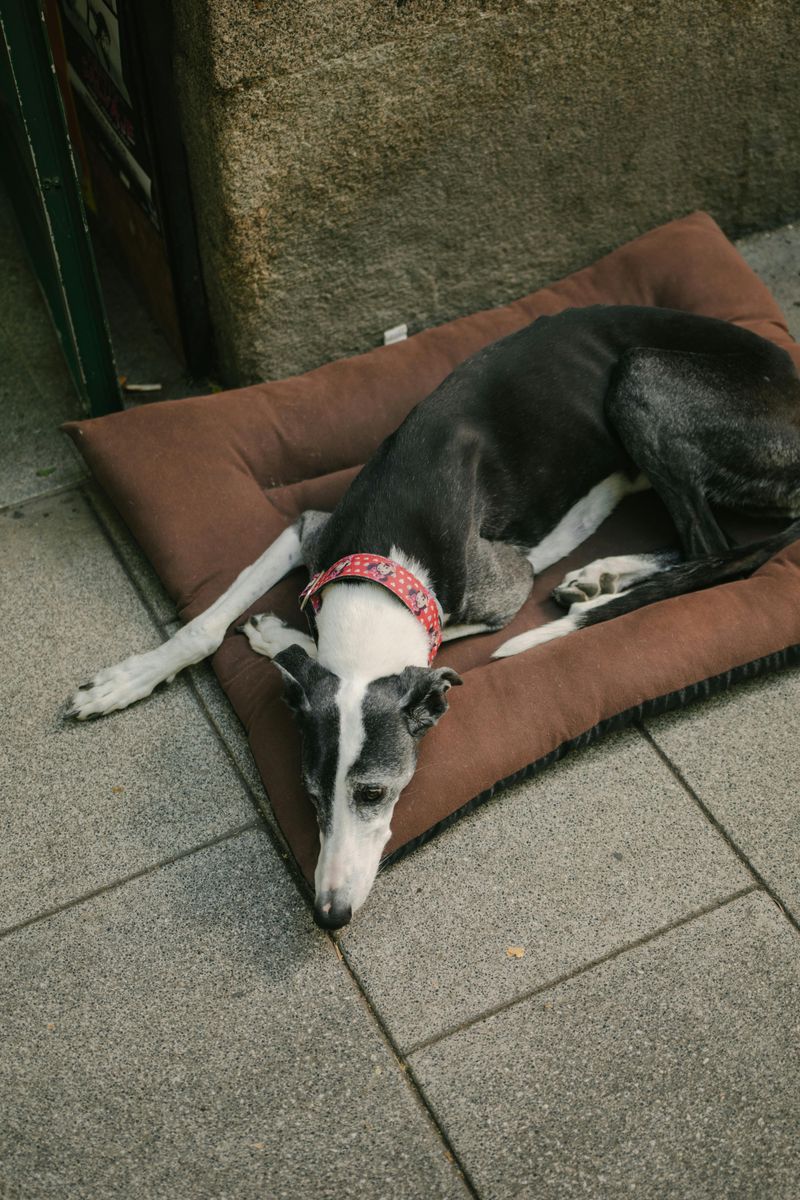
Despite their racer image, Greyhounds excel at lounging. After a brisk walk or quick sprint, they are content to snooze for hours, making solo time manageable.
Their gentle, sensitive nature benefits from quiet environments and soft bedding.
Provide a consistent routine and a safe space, like a crate or dedicated corner, to encourage calm relaxation. Puzzle feeders can add interest without riling them up.
Most are surprisingly low maintenance indoors.
They can be sensitive to cold, so keep them cozy when temperatures dip. Gradual alone time training helps prevent anxiety, especially in newly retired racers.
Give them exercise, kindness, and structure, and your Greyhound becomes the ultimate couch loving companion.
Chow Chow
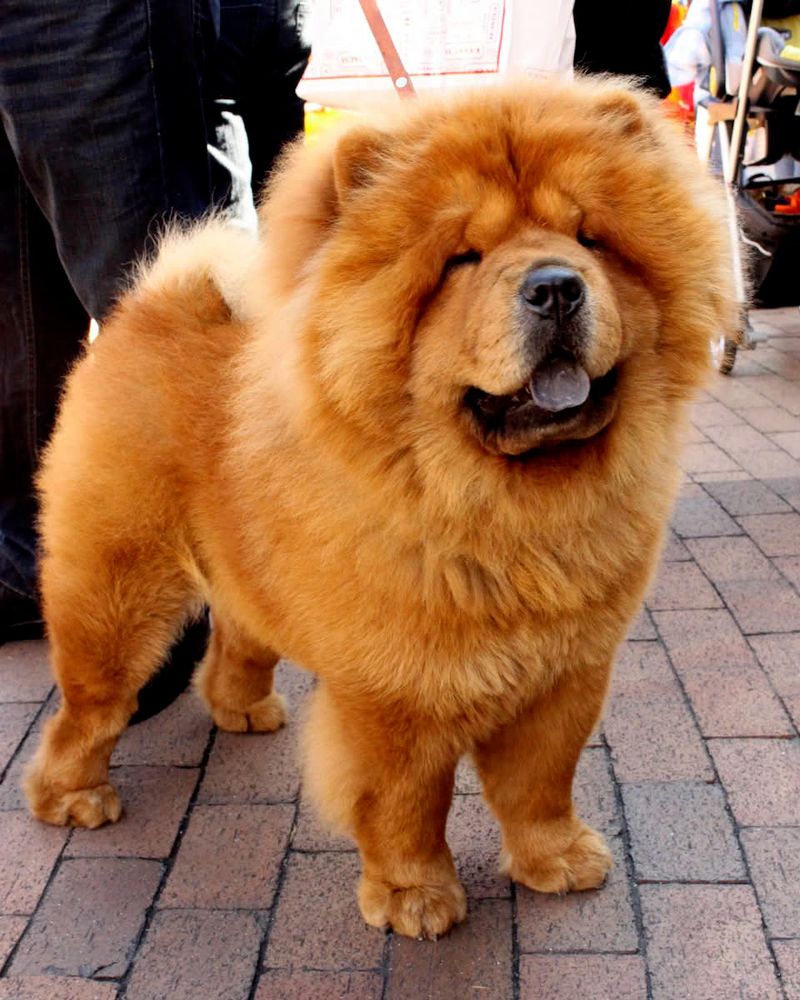
Chow Chows are famously independent, which translates to comfortable solo hours if their needs are met. They appreciate a peaceful home and a predictable schedule, thriving with structured walks and calm routines.
Their aloof nature often means less demand for constant attention.
Early training and socialization are important to prevent territorial behavior. Provide sturdy chew toys and puzzle feeders for quiet enrichment.
Keep grooming regular to manage that luxurious coat.
They respect confident, fair leadership and love clear boundaries. With exercise, mental stimulation, and a cozy resting spot, a Chow often naps contentedly while you are out.
Return to gentle affection and a short stroll, and you will have a serene, self possessed companion.
Shar Pei
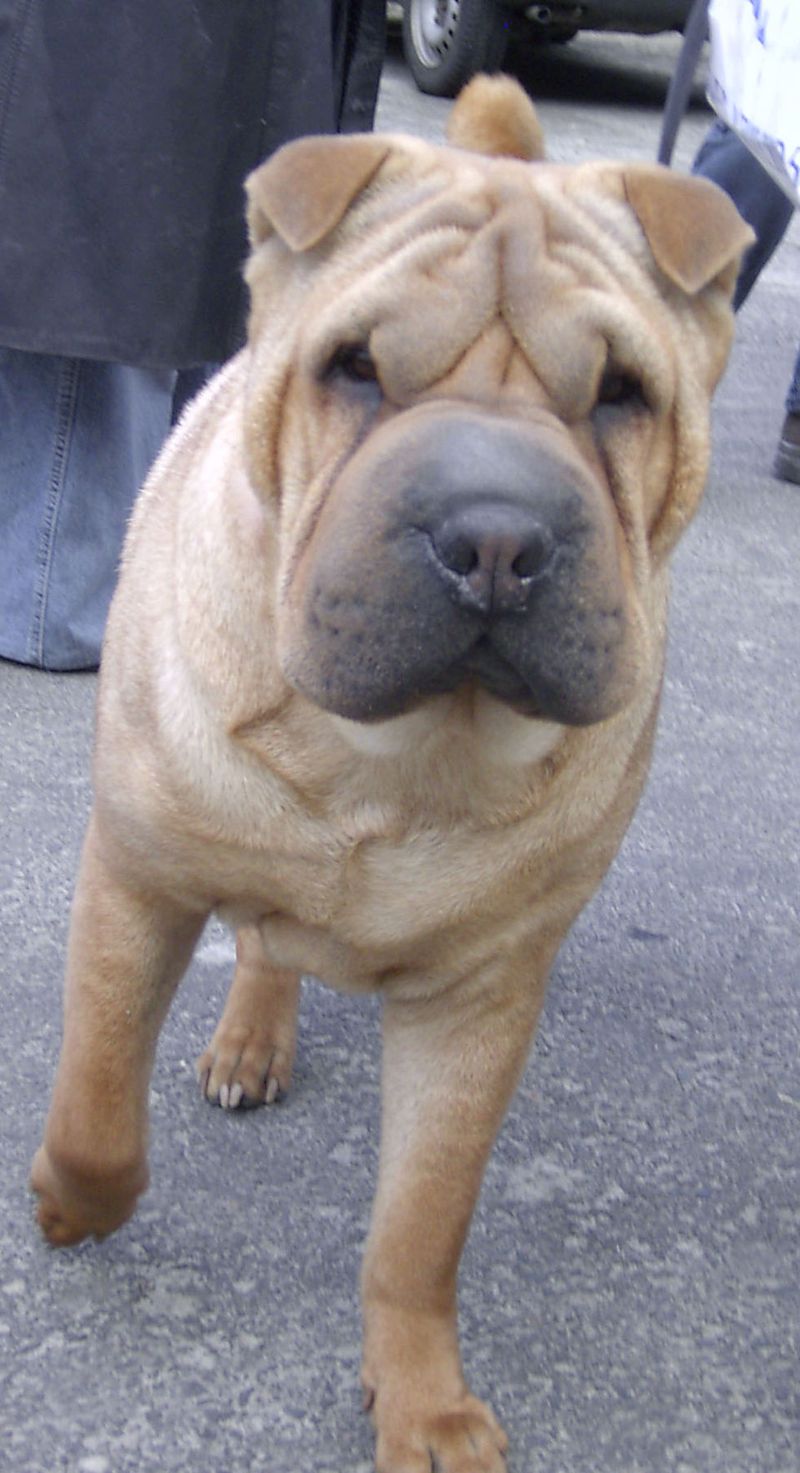
Shar Pei dogs tend to be independent and self contained, which helps when life gets busy. They bond closely yet do not usually demand nonstop attention, especially after exercise.
A quiet home suits their thoughtful, reserved demeanor.
Provide enriching chews, a comfy bed, and steady routines. Socialization and basic obedience are essential to keep confidence high and anxiety low.
Their short coat is low maintenance, though skin folds need mindful care.
They are alert without being hyper, so neighbors appreciate their general calm. Introduce alone time gradually so they understand departures are normal.
With structure, gentle leadership, and daily walks, a Shar Pei often waits patiently and greets you with dignified affection.
French Bulldog
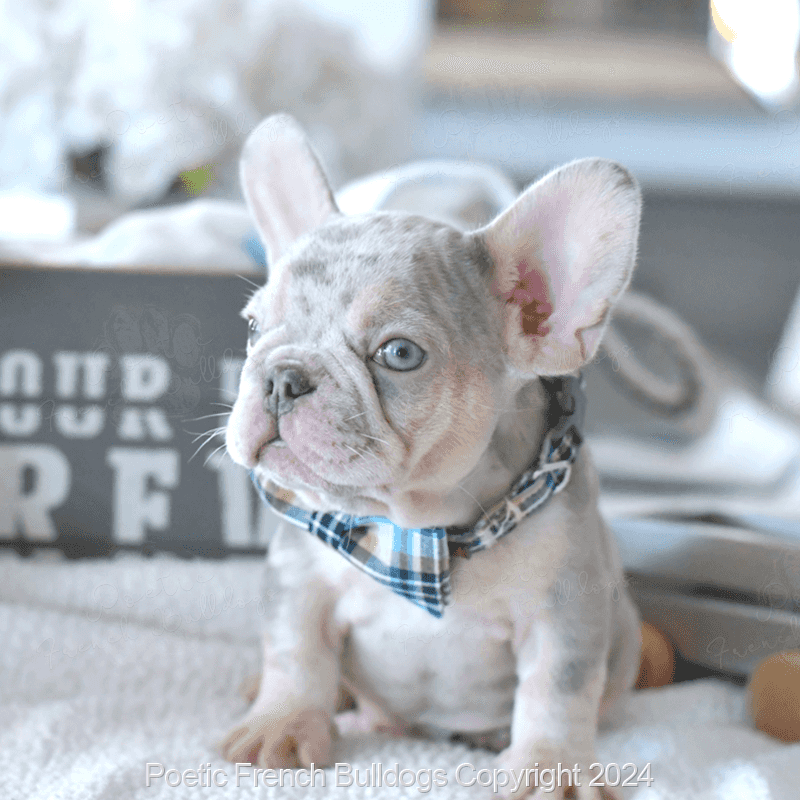
French Bulldogs love companionship, yet many handle solo time well with preparation. Their moderate energy means a brisk morning walk and a play session can lead to solid naps.
Keep the environment cool, as they are brachycephalic and heat sensitive.
Crate or pen training offers a safe den and reduces pacing. Provide a couple of durable chews and perhaps a slow feeder to keep them engaged.
Avoid stairs or roughhousing if joints are tender.
They are people focused, so practice short departures to build confidence. Return calmly and keep goodbyes low key.
With consistency, enrichment, and vet guided care, a Frenchie can relax while you work and then snuggle contentedly when you get home.
Shiba Inu
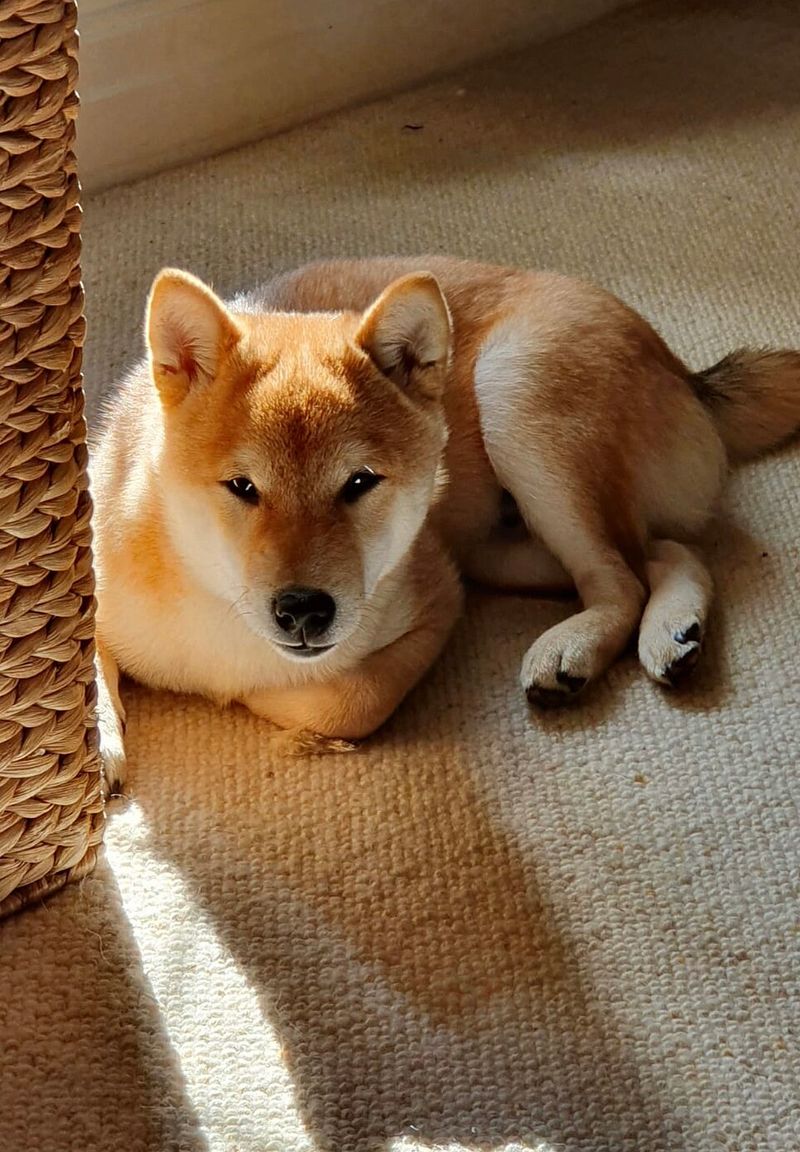
Shiba Inus are famously self reliant, making them strong candidates for alone time. They appreciate personal space and value routine, especially with consistent walks and mental stimulation.
While affectionate, they do not require constant cuddles.
Provide enrichment like food puzzles and safe chews to keep that sharp mind occupied. A secure environment matters because some Shibas are skilled escape artists.
Training should be positive and firm to harness their independence.
They are clean, often catlike, and typically quiet indoors. Gradually extend departures to prevent anxiety and watch for boredom barking.
With proper exercise and structure, a Shiba will lounge confidently, then greet you with polite enthusiasm when you return.
Basenji
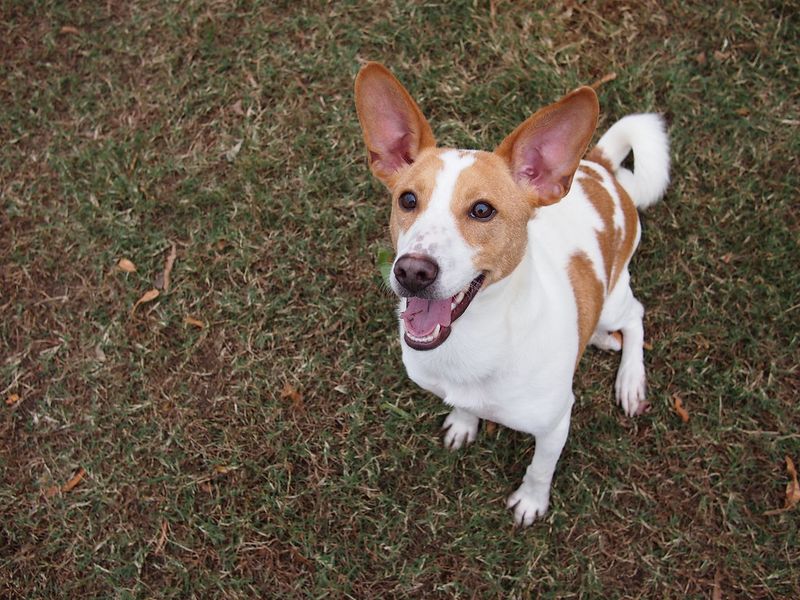
Basenjis are independent, intelligent, and relatively low odor, which suits smaller homes. They can manage alone time if well exercised and mentally engaged.
Their unique vocalizations are less barky, though they can yodel when excited.
Offer puzzle toys, sniff games, and a comfy resting nook. Training should focus on impulse control and calm settle cues, giving them a job even when you are away.
Secure storage prevents creative problem solving with trash or counters.
They thrive on routine and clear boundaries. Short practice departures reduce any separation stress.
Meet their exercise needs, return to brief play and affection, and your Basenji likely relaxes contentedly, saving energy for your next adventure together.
Basset Fauve de Bretagne
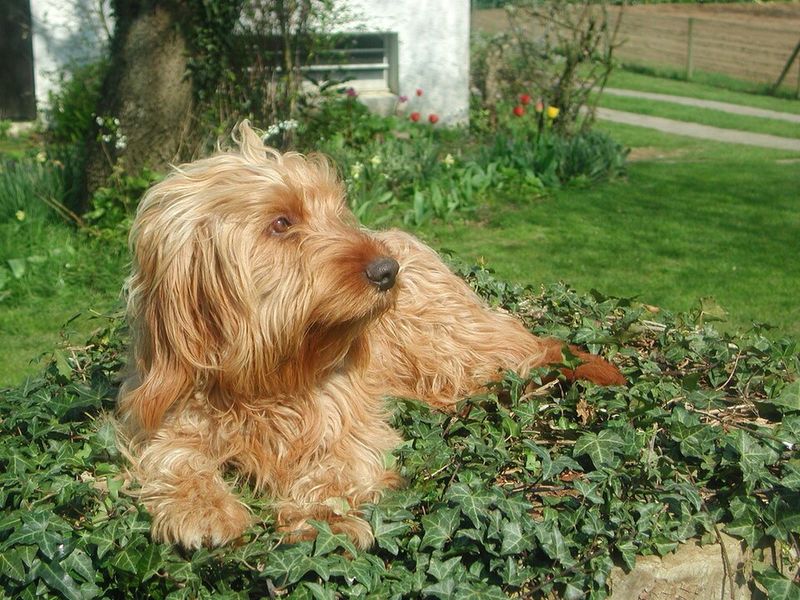
The Basset Fauve de Bretagne is a cheerful scent hound with a manageable energy level. After a solid walk and sniff session, many settle nicely at home.
Their independent streak helps them handle short to moderate alone periods with proper enrichment.
Provide durable chews, a snuffle mat, and a cozy bed for downtime. Training should emphasize recall, loose leash manners, and calm settling.
Grooming is straightforward, with regular brushing to manage the wiry coat.
They are social but not overly needy, making them versatile companions. Gradually build alone time to avoid frustration vocals.
With predictable routines and mental work, this little hound will nap contentedly and greet you with a wagging tail and bright eyes.
Whippet
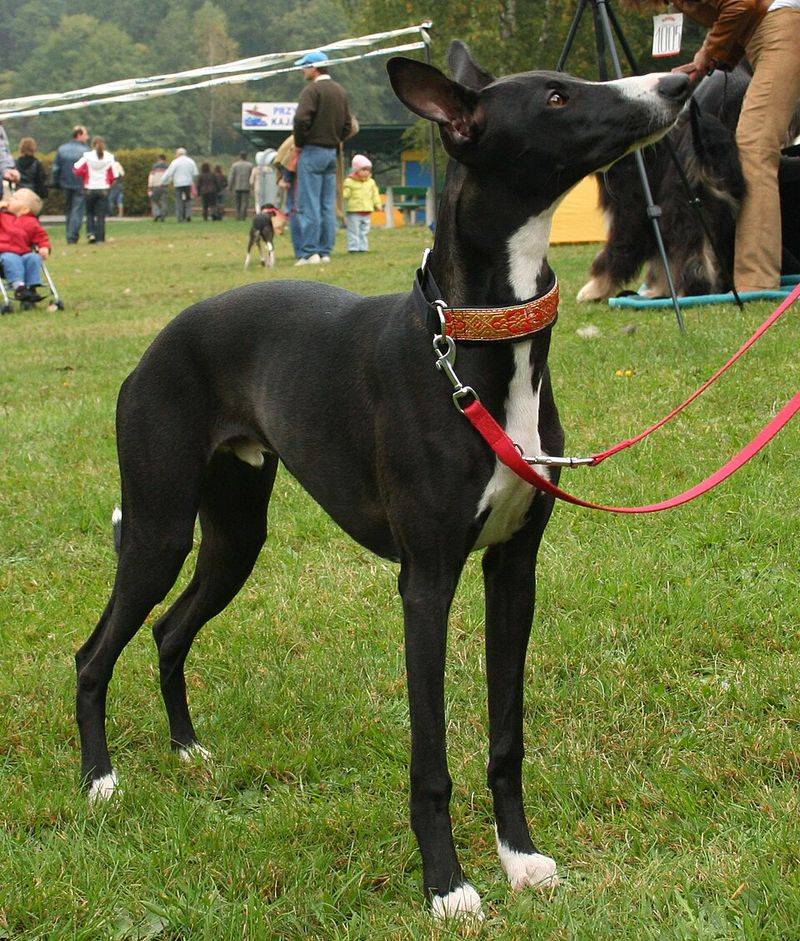
Whippets are gentle sprinters who love couches as much as sprints. A good morning zoom and sniff session typically leads to lazy hours.
Their polite, sensitive nature appreciates quiet spaces and predictable routines.
They benefit from a warm bed, as they feel the cold easily. Offer a lick mat or puzzle feeder to extend mealtime and keep minds engaged.
Many are low barkers indoors, a plus for apartments.
Train calm alone time with gradual departures and neutral greetings. Socialization helps prevent clinginess, especially in young dogs.
Give them speed in short bursts, then a comfy nest, and your Whippet will snooze happily until you walk back through the door.
Cavalier King Charles Spaniel
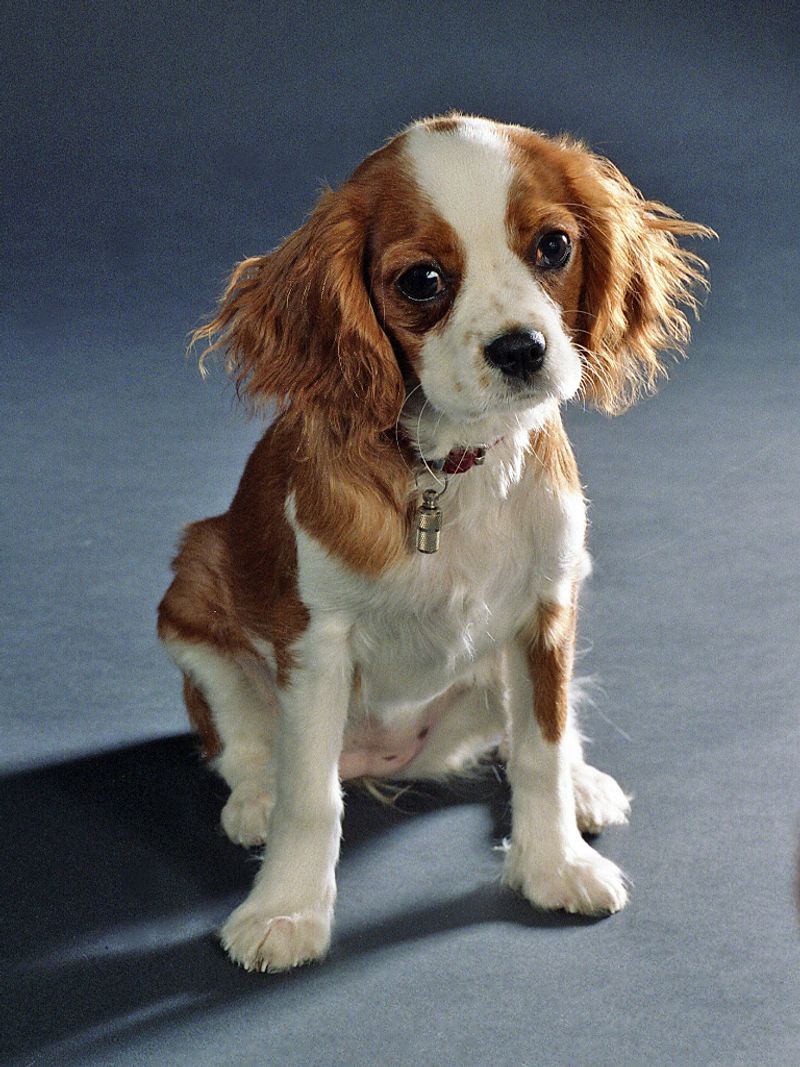
Cavaliers adore people, yet with the right routine they can handle moderate alone time. A calm walk and brief play help them settle.
They thrive on gentle reassurance, consistent schedules, and a cozy spot near familiar scents.
Because they can be sensitive, teach independence early with short, positive separations. Enrichment like snuffle mats, chews, and quiet music can soothe.
Regular vet checks are wise due to breed health considerations.
They are affectionate but not usually hyper, so apartment living can work. Keep goodbyes low key and greet calmly upon return.
With love, structure, and daily exercise, a Cavalier often naps peacefully, then cuddles contentedly when you are back.
Chihuahua
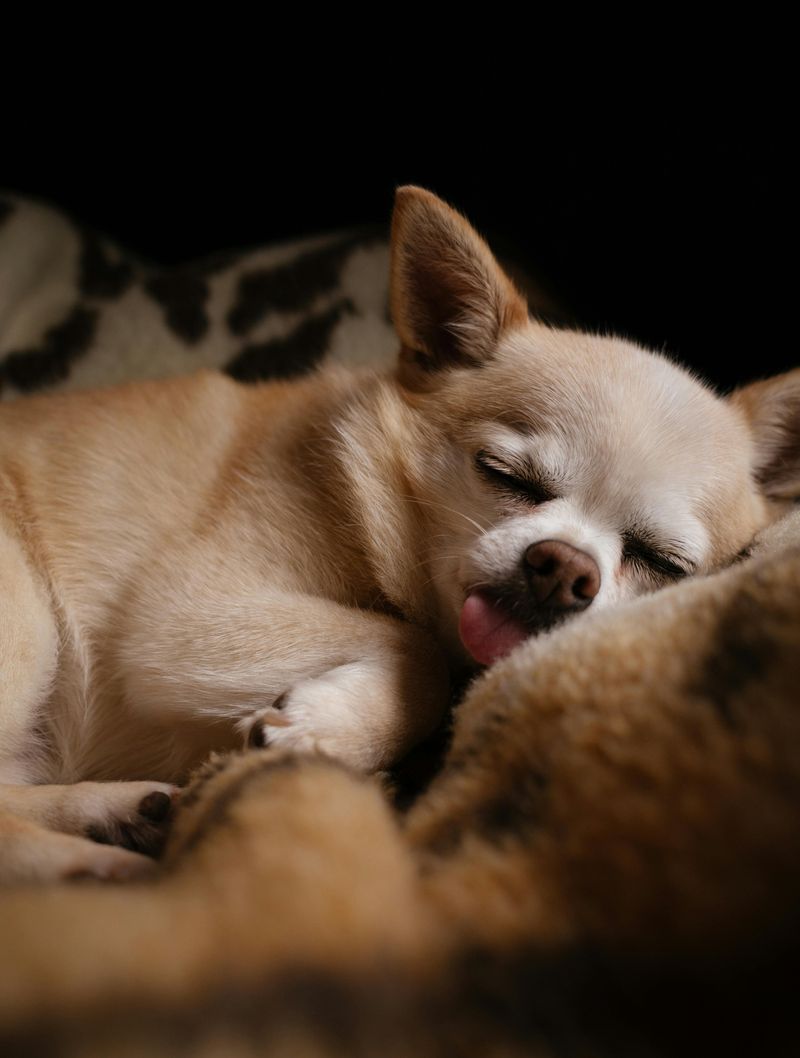
Chihuahuas are small in size but big in personality, and many are content to snooze near a sunny window. With a stable routine and brief exercise, they can handle alone time in short to moderate stretches.
A warm bed helps these heat seekers relax.
Training for independence is key since some can be clingy. Offer enrichment like stuffed Kongs or lick mats.
Keep the environment quiet and secure, especially if they are startled by noises.
Socialization reduces reactivity and improves confidence. Practice short departures, avoid dramatic exits, and reward calm behavior.
With patience and structure, a Chihuahua can enjoy peaceful downtime, then spend the evening cozy in your lap.
Boston Terrier
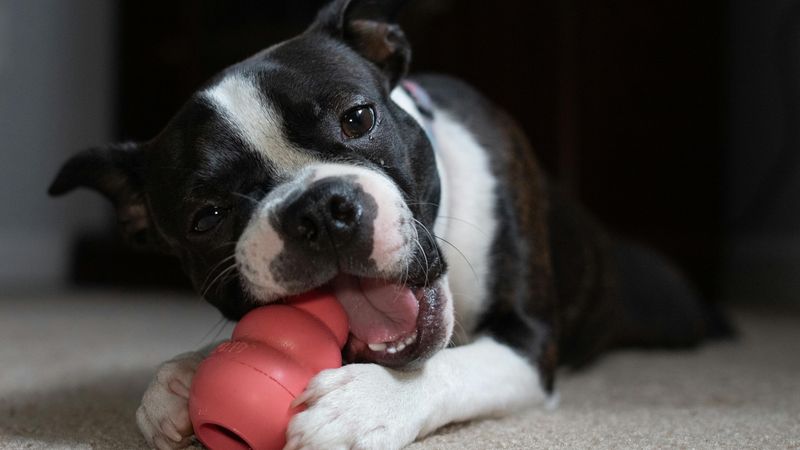
Boston Terriers are adaptable companions with moderate energy, perfect for city life. A brisk walk and a short training session help them settle when you head out.
They enjoy people, yet many can relax solo with the right routine.
Provide durable toys, a comfy resting spot, and steady schedules. Monitor temperature because brachycephalic breeds can overheat.
Positive reinforcement training builds confidence and curbs nuisance barking.
Practice calm departures and neutral returns to prevent excitement spikes. Consider a crate or pen as a cozy den.
With mental stimulation, affection, and predictable structure, your Boston will likely nap, then greet you with bright eyes and a happy wiggle.
Akita
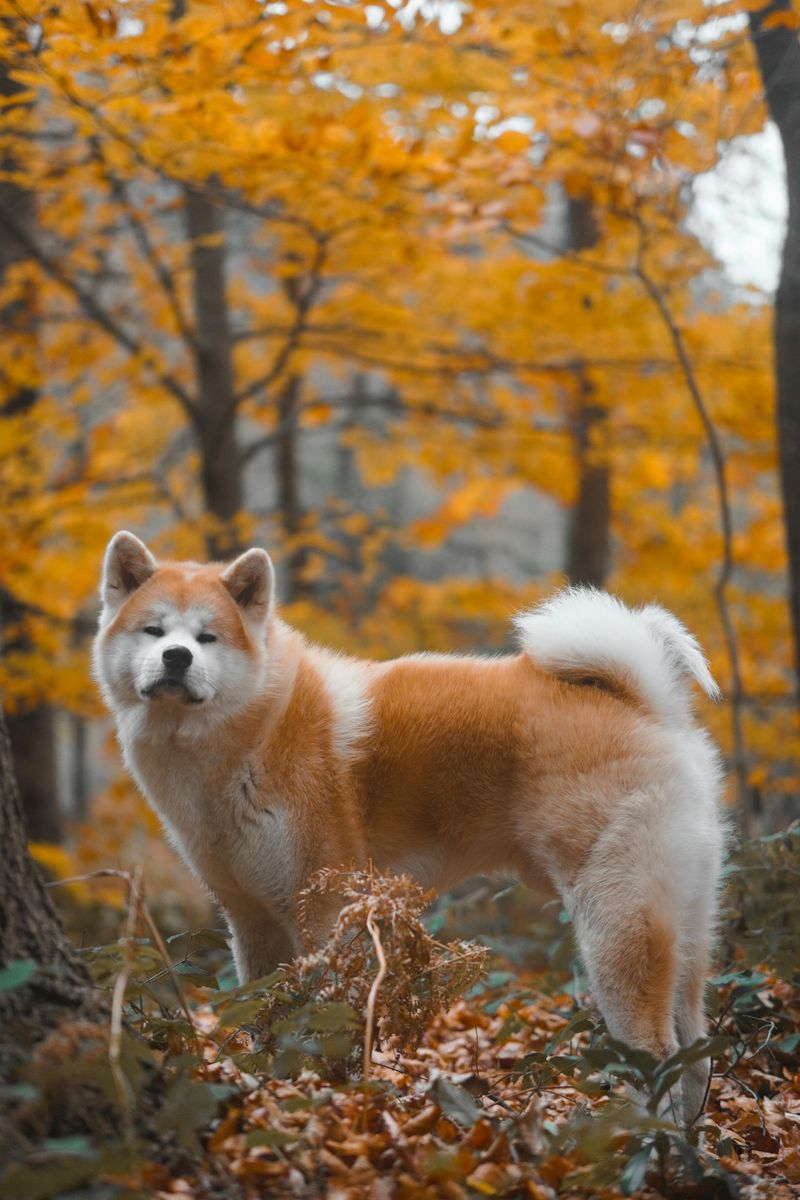
Akitas are dignified and independent, often comfortable with alone time when well exercised. They appreciate a calm, orderly home and clear boundaries.
Their loyalty runs deep, but they do not demand constant attention.
Daily walks and mental work, like obedience drills or scent games, help them settle. Provide sturdy chews and a cool resting area to suit that dense coat.
Early socialization and training are vital to build confidence and manners.
Because they can be protective, manage greetings thoughtfully. Practice short, routine departures so solo hours feel normal.
With leadership, enrichment, and consistency, an Akita can spend quiet afternoons resting, then rejoin you with steady, affectionate presence in the evening.
Tibetan Spaniel
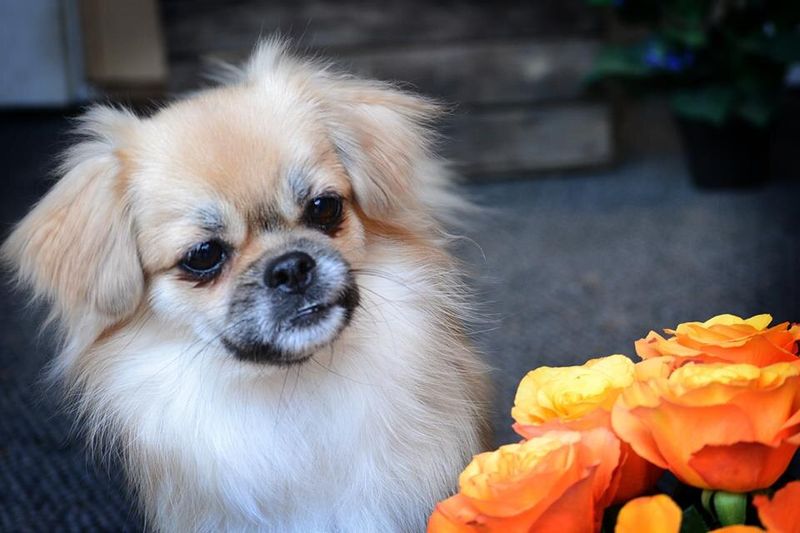
Tibetan Spaniels are observant and catlike, content to watch the world from a favorite perch. With a morning walk and a little training, they settle well while you are out.
They enjoy companionship but are not typically clingy when routines are consistent.
Offer puzzle toys and a soft bed in a quiet corner. Keep grooming regular to manage shedding and maintain that silky coat.
Positive reinforcement and socialization promote confidence and reduce anxiety.
They are moderate barkers, so manage window access if needed. Practice calm departures, then reward relaxed behavior.
With structure, affection, and mental stimulation, a Tibetan Spaniel can handle alone time gracefully and greet you happily on your return.
Lhasa Apso
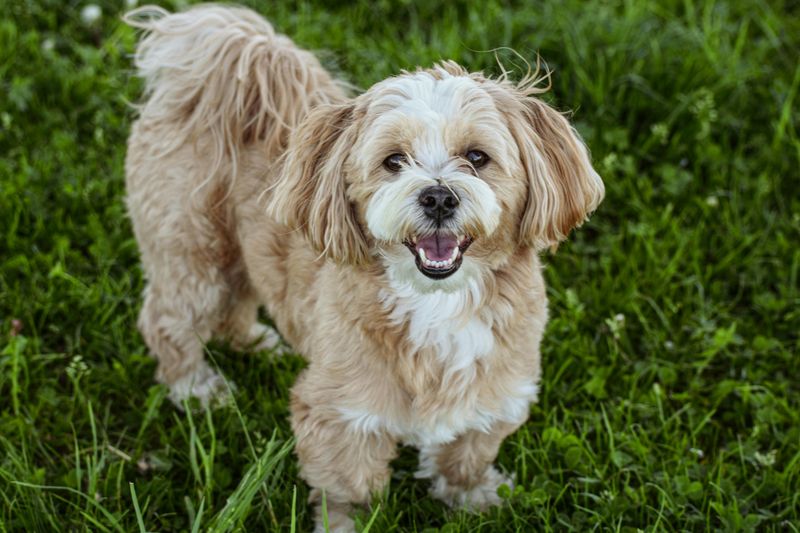
Lhasa Apsos were bred as sentinel companions, which gives them independence and composure. With daily walks and clear routines, many handle alone time well.
They appreciate cozy, quiet spaces and steady schedules.
Training should emphasize calm settles, polite greetings, and limited window watching. Provide chew options and food puzzles for low key engagement.
Regular grooming is essential for coat health and comfort.
They can be vocal if under stimulated, so add enrichment and reduce triggers. Practice short departures and neutral returns to keep emotions steady.
With structure, affection, and mental outlets, a Lhasa Apso can snooze contentedly and save cuddles for the evening.
Bullmastiff
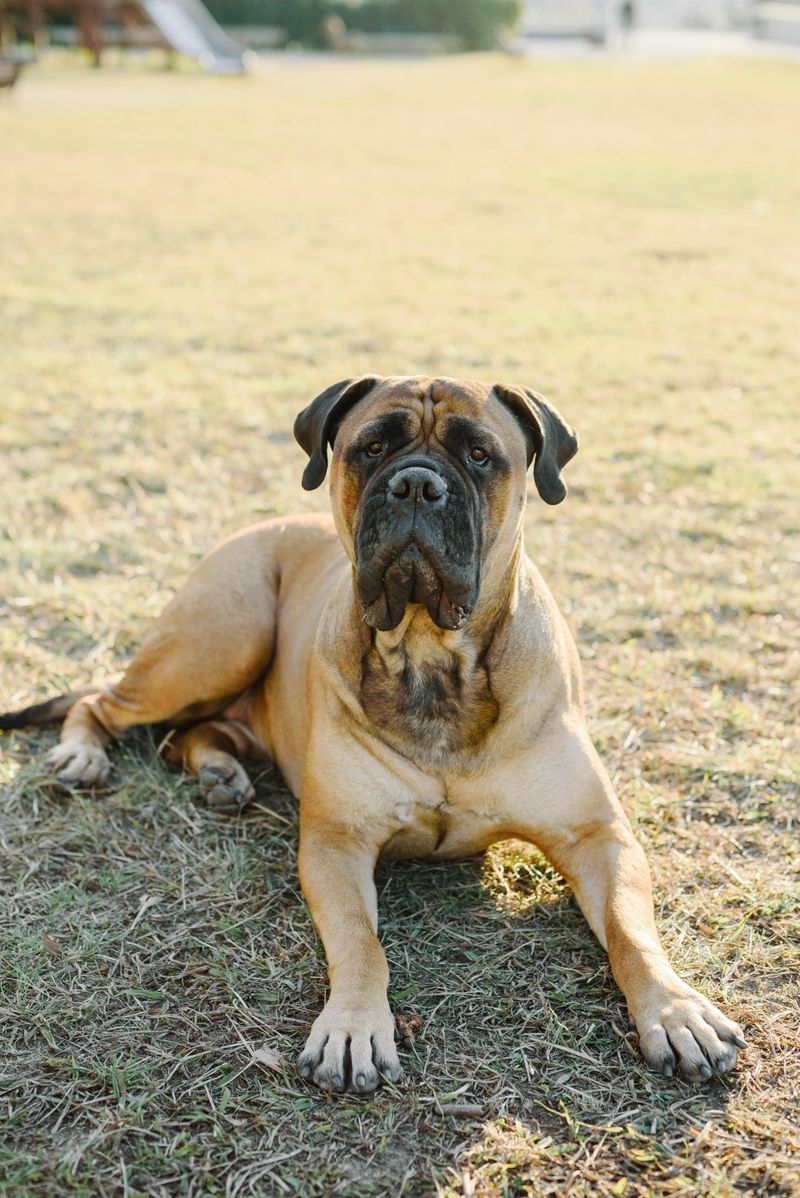
Bullmastiffs are gentle giants with a low to moderate energy level, which helps them manage solo time. A solid walk and brief training can lead to several hours of relaxed napping.
They bond closely but are not usually frantic when you step out.
Offer a supportive bed for joints and keep the environment cool. Puzzle feeders and chew toys add quiet interest.
Early training and socialization ensure polite manners and confidence.
They can drool and shed, so plan routine cleaning. Practice short departures to build independence gradually.
With structure, affection, and daily exercise, a Bullmastiff will typically lounge peacefully, then greet you with calm, loving enthusiasm when you return.
Great Pyrenees
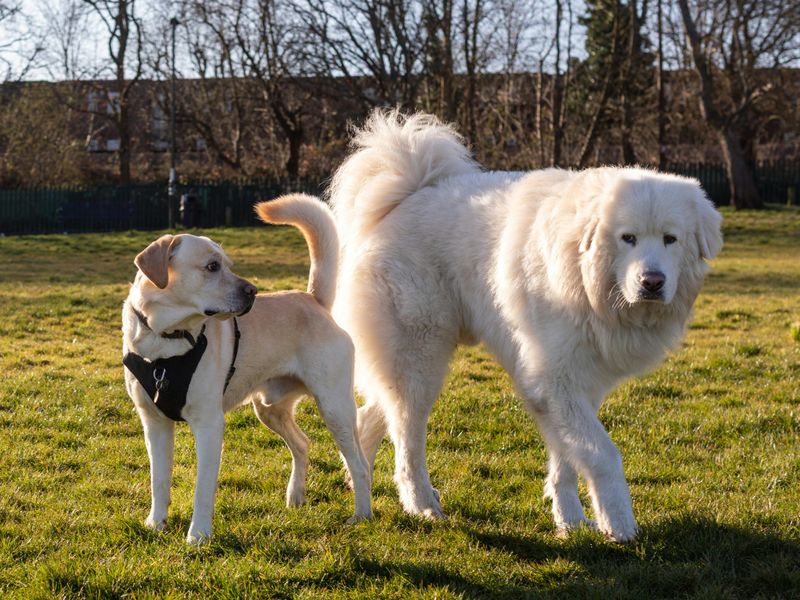
Great Pyrenees are independent guardians, often content with quiet downtime after exercise. They appreciate space and a steady routine, making them suitable for calm households.
Their protective nature means you should manage windows and sights that could trigger barking.
Provide sturdy chews and a cool resting place for that dense coat. Training should emphasize calm settles, recall, and polite door manners.
Socialization builds confidence and reduces over alert behavior.
They are affectionate but not usually clingy. Gradual alone time training helps them understand departures are normal.
Meet their exercise and mental needs, then expect long naps and a gentle, loyal presence when you return.
Mastiff (English)
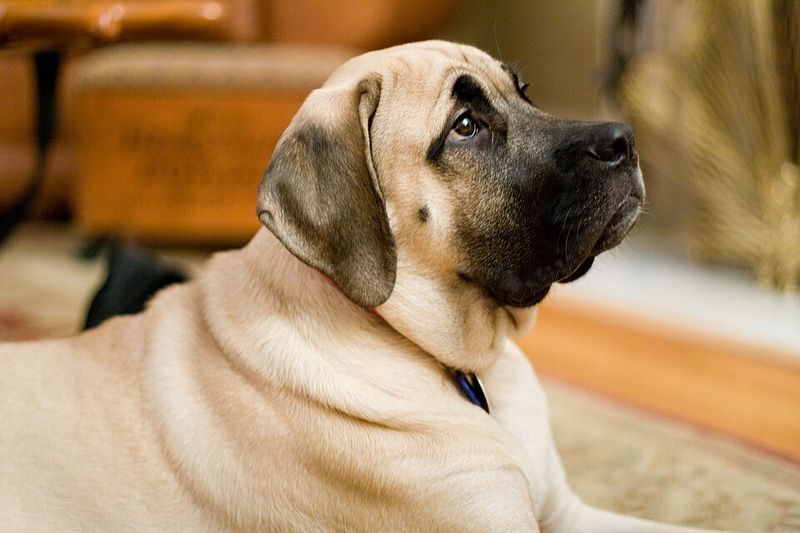
English Mastiffs are mellow companions who often prefer lounging to constant activity. With proper exercise and structure, they typically handle solo hours well.
Their size demands comfortable bedding and clear boundaries in the home.
Provide enrichment like slow feeders and safe chews to prevent boredom. Keep sessions low intensity to protect joints.
Early training and socialization are essential for confidence and polite behavior.
They can be drooly and shed, so routine care is key. Practice short, consistent departures to normalize alone time.
With affection, predictable routines, and health mindful management, your Mastiff will likely nap peacefully and greet you with gentle, heartwarming calm.
Scottish Deerhound
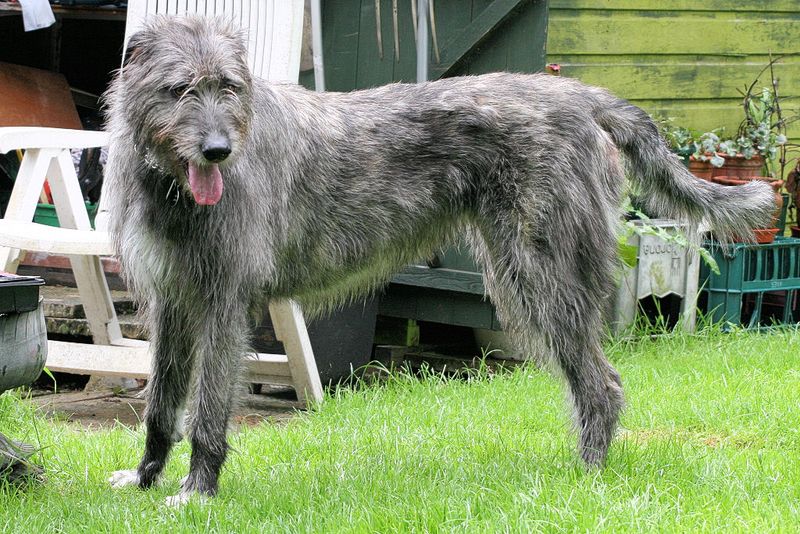
Scottish Deerhounds are serene sighthounds that enjoy long naps between gentle exercise. A morning stroll and occasional sprint usually satisfy them.
Their calm, sensitive nature suits quiet homes and steady routines.
Offer a large, cushioned bed for those long limbs. Enrichment like sniff games or stuffed chews keeps minds engaged without excitement.
They are typically low barkers indoors, which neighbors appreciate.
Practice gradual departures to build confidence, especially with young dogs. Socialization enhances resilience and promotes relaxed behavior.
With structure, affection, and modest exercise, a Deerhound will snooze elegantly and welcome you back with graceful warmth.
Chinook
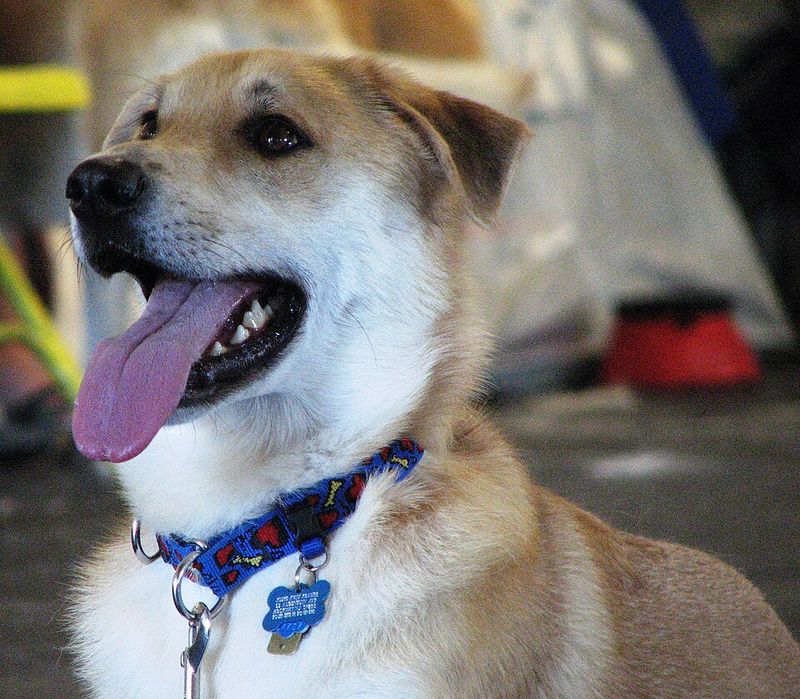
Chinooks are balanced, people oriented sled dogs with an even temperament. With exercise and mental work in the morning, many settle calmly for solo hours.
They value routine and kind, consistent training.
Provide chew options, puzzle feeders, and a comfy resting area. Socialization and obedience sessions build confidence and reduce clinginess.
Grooming is moderate, with seasonal shedding that benefits from regular brushing.
They are typically polite and quiet indoors. Practice short departures and return calmly to keep arousal low.
When their needs are met, a Chinook often naps peacefully and reconnects with a steady, affectionate vibe when you return.
Borzoi
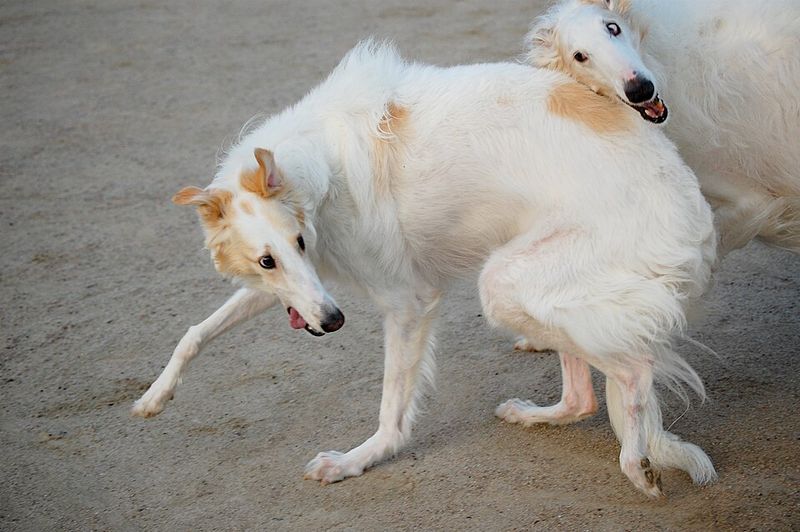
Borzoi are refined sighthounds with a calm indoor presence. After a brisk walk and occasional sprint, they enjoy extended lounging.
Their independent streak helps them manage alone time without demanding constant engagement.
Provide a large bed and quiet enrichment like lick mats. Socialization and positive training encourage confidence and reduce sensitivity to change.
They are typically low barkers, a perk for peaceful homes.
Practice gentle, gradual separations to normalize routine departures. Keep exercise regular but not excessive to protect joints.
With thoughtful structure and affection, a Borzoi will spend afternoons resting gracefully, then greet you with soft, dignified enthusiasm.
Chinese Crested (Hairless)
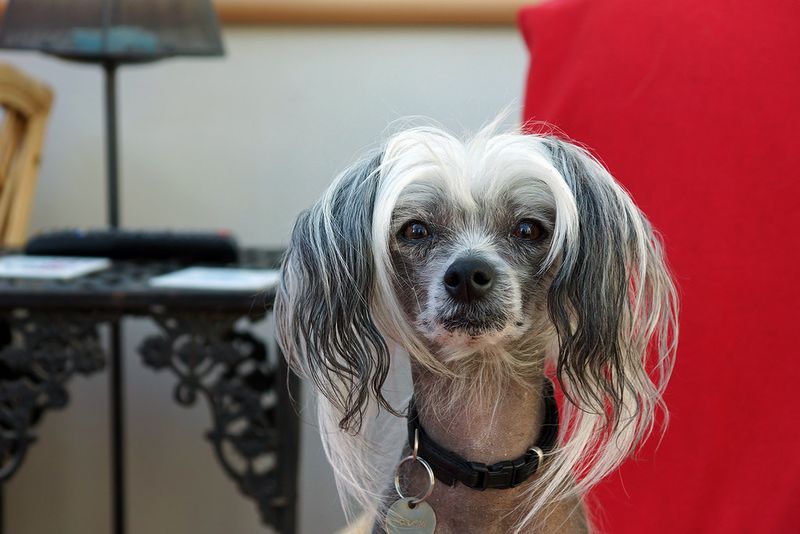
Hairless Chinese Cresteds are affectionate yet often content to nest quietly after exercise. They thrive with consistent routines, cozy bedding, and climate control due to sensitive skin.
Their small size makes apartment living and structured alone time manageable.
Provide enrichment like food puzzles and gentle chews. Training should focus on calm settles and independence, using short departures that grow gradually.
Sun protection and sweaters help keep them comfortable.
They are typically polite indoors and not excessively vocal. Keep goodbyes low key and return calmly.
With love, structure, and thoughtful care, a Chinese Crested will snooze peacefully and save playful cuddles for your evening wind down.
Pekingese
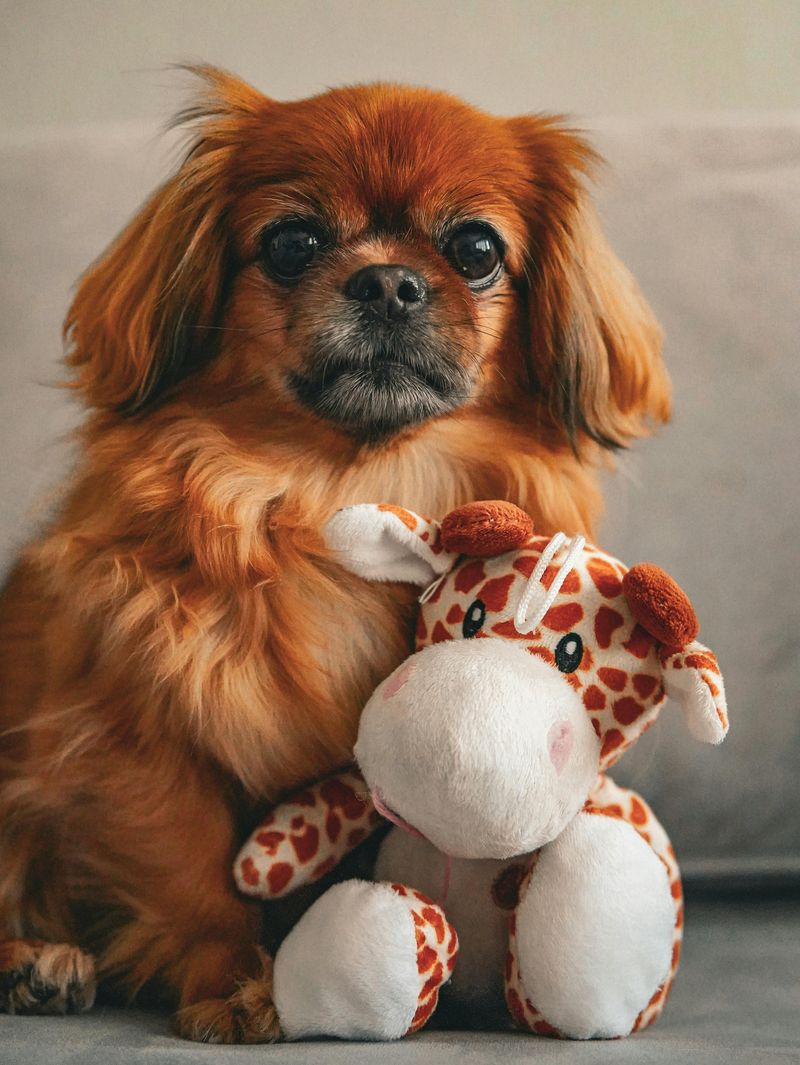
Pekingese carry a royal calm that lends itself to quiet afternoons. With modest exercise and a consistent schedule, many handle solo time comfortably.
They enjoy soft beds, gentle temperatures, and peaceful rooms.
Provide enrichment like stuffed chews and slow feeders to stretch engagement. Grooming is important to keep the coat comfortable and clean.
Training should emphasize calm settles and confidence building separations.
They can be watchful, so manage window access if barking starts. Practice short departures and neutral greetings.
With routine, affection, and low impact activity, a Pekingese will nap contentedly and greet you with dignified warmth when you return.
Wirehaired Pointing Griffon
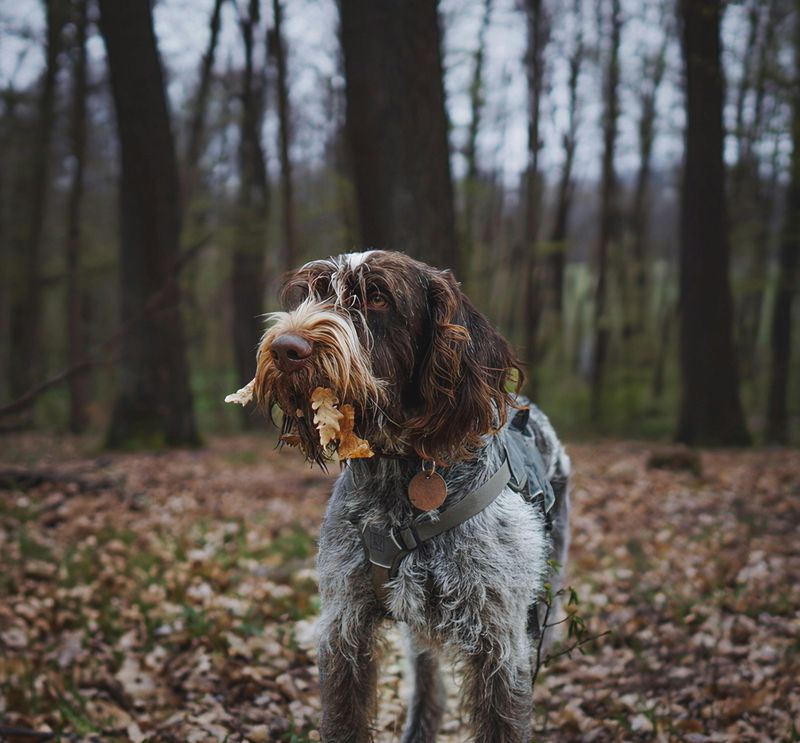
Wirehaired Pointing Griffons are energetic outdoors but usually calm indoors when needs are met. A solid morning workout and brain games help them settle for solo time.
They bond closely, so independence training is key early on.
Offer chew toys, puzzle feeders, and scent games. Provide a comfy bed and consider a crate as a den to reduce pacing.
Groom the wiry coat regularly to keep it tidy and comfortable.
They are intelligent and eager to please, which makes training rewarding. Practice short departures, then extend gradually.
With structure, exercise, and mental work, a Griffon often relaxes well, saving fuel for your next adventure together after work.
Norwegian Buhund
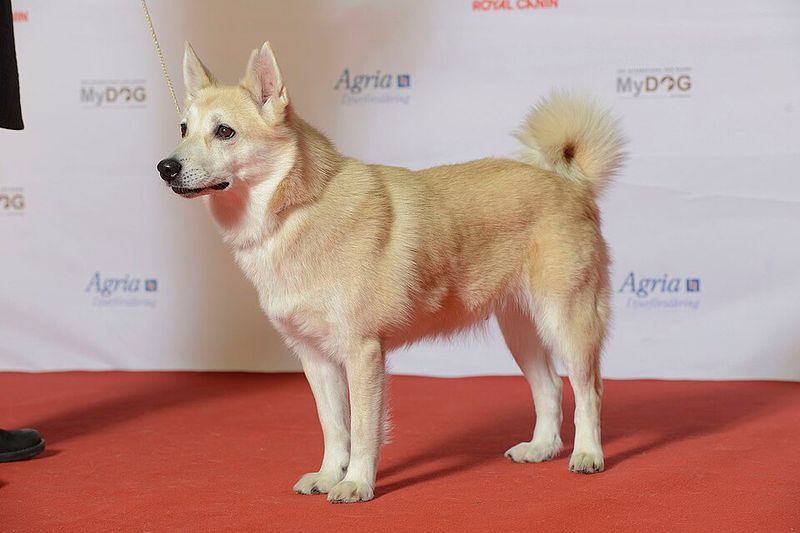
Norwegian Buhunds are upbeat herding dogs that adapt well with structure. Give them a morning workout and training to engage their minds, then they often settle for a few solo hours.
They appreciate predictable routines and clear boundaries.
Provide chew toys, puzzle feeders, and a comfy bed. Manage window views if watchful barking starts.
Regular brushing keeps the double coat fresh and reduces shedding indoors.
They are affectionate yet not typically clingy with proper independence training. Practice brief departures and calm returns to build confidence.
With exercise, enrichment, and steady leadership, a Buhund can rest quietly and greet you later with a happy, balanced energy.
English Bulldog
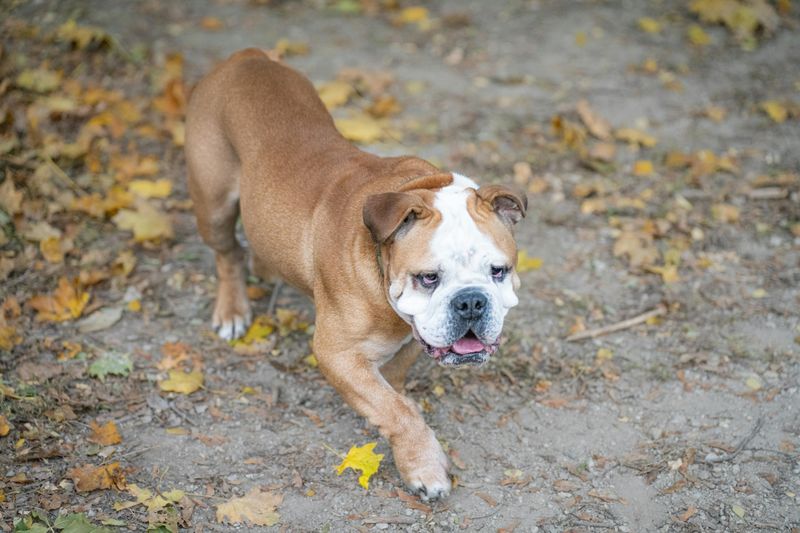
English Bulldogs are low energy companions who often prefer naps to nonstop action. With a short walk and enrichment, many handle alone time calmly.
Temperature control is crucial due to brachycephalic breathing, so keep rooms cool and comfortable.
Provide supportive bedding for joints and durable chews. Positive reinforcement training helps curb stubborn moments and teaches calm settle cues.
Keep activity low impact to protect hips and elbows.
They can be affectionate shadows, so build independence gradually with short practice departures. Return calmly to avoid overexcitement.
With structure, health mindful care, and gentle affection, a Bulldog will snooze peacefully and be delighted when you arrive home.