
Some dogs handle quiet afternoons like seasoned pros, while others stage dramatic protests the minute you grab your keys. If you work hybrid hours or run frequent errands, choosing a breed with healthy independence can make life easier for both of you.
This guide spotlights seven small and seven large dogs known for coping better with alone time. Learn what each breed needs so you can build calm routines, confident goodbyes, and happy reunions.
Chihuahua
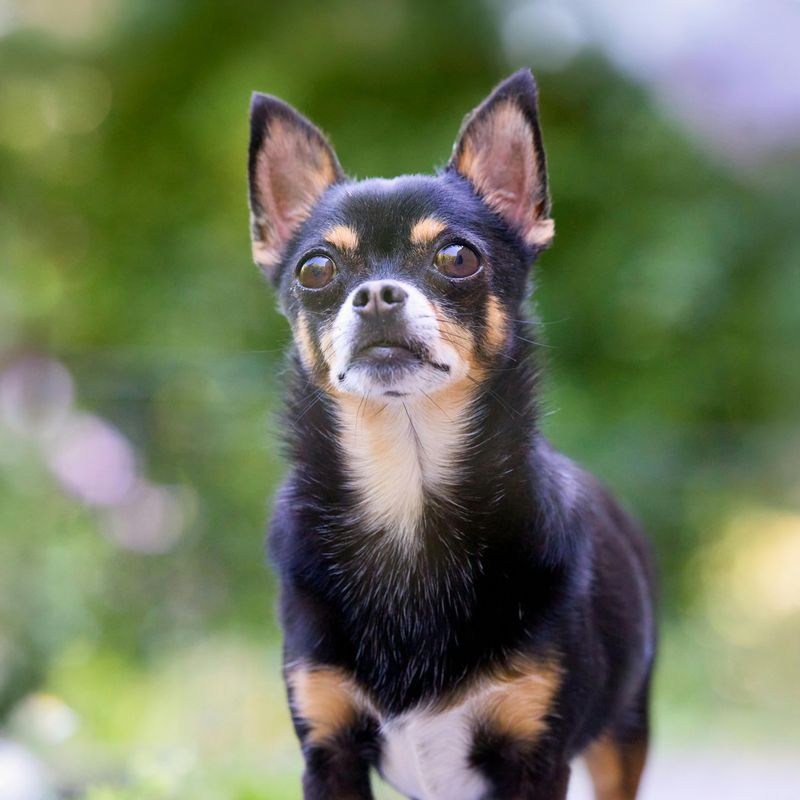
Tiny but courageous, the Chihuahua can handle short stretches alone when routine feels predictable. These compact companions love a cozy perch and a sunlit window, which keeps watchful minds occupied.
If you set boundaries and offer calm hellos and goodbyes, separation becomes less dramatic.
Daily mental work matters, so rotate soft chew toys, scent games, and brief training bursts before departures. Keep exercise appropriate to tiny legs, then leave a safe zone with water and a comfy bed.
Ask neighbors for midday check-ins, and you will find this sprightly breed surprisingly adaptable at home.
Avoid coddling tantrums, reward settled behavior, and consider a pen instead of full free roam. With consistency, even sensitive Chihuahuas learn that quiet alone time predicts your reliable return.
Dachshund
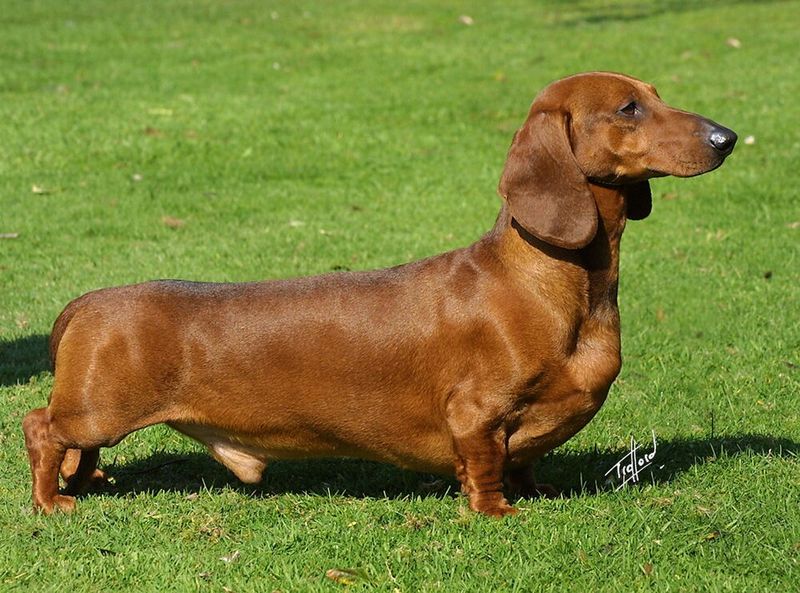
Dachshunds are bold little detectives, and that curious nose benefits from structure before alone time. A quick sniffari walk plus five minutes of training can settle their minds.
Provide a burrow bed and a safe chew so the den-loving instinct stays satisfied while you are out.
Because they can be vocal, practice calm door routines and reward quiet moments generously. Rotate puzzle feeders to challenge their problem-solving, and keep counters cleared to discourage opportunistic foraging.
Short, predictable absences build confidence without fueling anxiety.
Protect long backs by preventing furniture jumping with ramps and blocked couches. When needs are met, this sausage-shaped sweetheart is surprisingly resilient, napping between activities and greeting your return with waggy, comedic charm rather than stressed energy.
Lhasa Apso
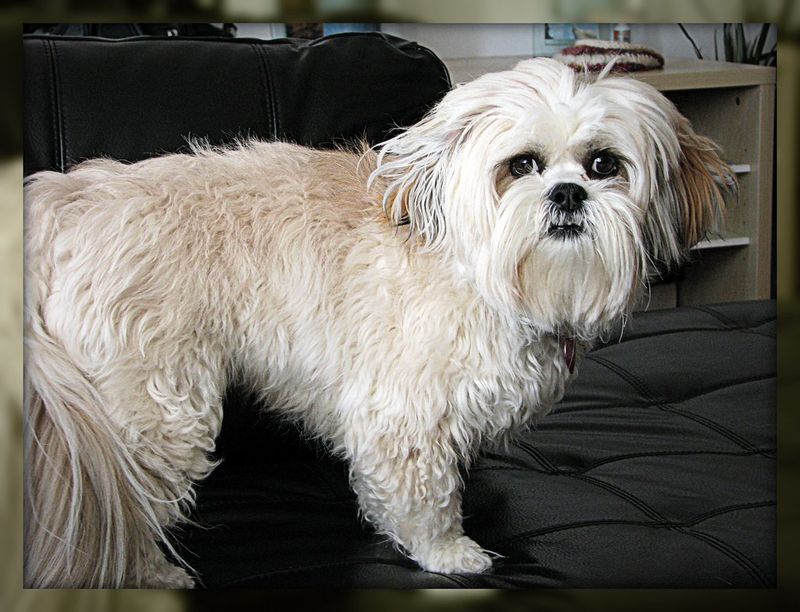
Lhasa Apsos were historically monastery sentinels, and that watchful nature helps them relax with routine solitude. Offer a vantage point, like a low window seat, to satisfy their surveying instincts.
A brisk walk and a few shaping games prime their brains for a restful nap afterward.
They value respectful handling, so keep goodbyes neutral and returns low-key. Regular grooming sessions double as bonding and sensory confidence practice.
Leave a safe chew and a light classical playlist to soften outside noises that might spark alerts.
Consistency is your best friend with this reserved charmer. When you teach independent settling on a mat and reward calm choices, the Lhasa Apso transforms into a serene, steady housemate who treats alone time like quiet meditation.
Shiba Inu
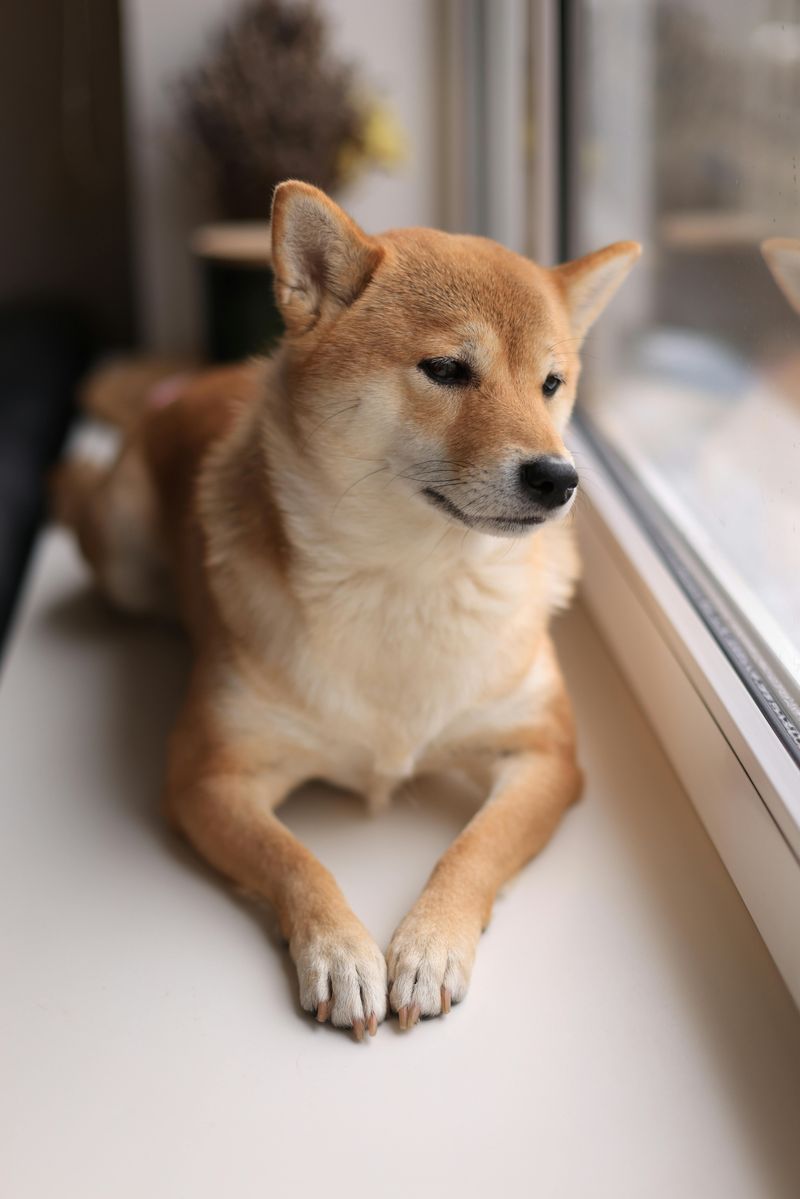
The Shiba Inu brings dignified independence, which can translate to solid alone-time skills when outlets are provided. Start with structured walks that include sniffing and short training reps, then offer a puzzle feeder at departure.
Keep greetings casual to avoid turning comings and goings into emotional spikes.
Shibas appreciate choice, so create zones with beds in quiet corners and access to safe enrichment. They are clever, so rotate toys and use scent trails to challenge the brain.
A mounted camera lets you monitor and adjust routines thoughtfully.
Boundaries matter with this foxlike thinker. Reward calm, ignore dramatics, and ensure exercise is consistent but not exhausting.
With those habits, your Shiba treats alone time as a well-earned pause between adventures.
Scottish Terrier
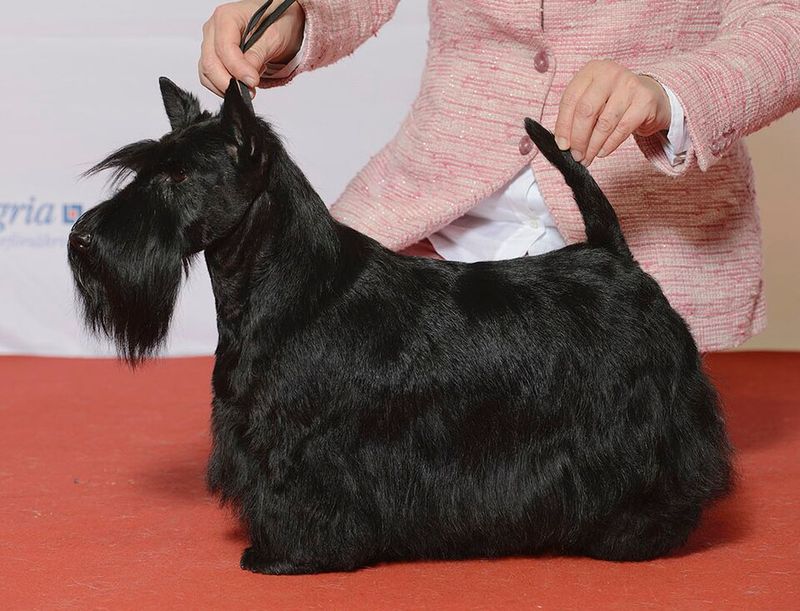
Scottish Terriers are independent and stoic, qualities that support steady alone-time tolerance. A purposeful trot around the block and a few nosework searches settle their working minds.
Leave a tough chew and a window perch so they can observe without feeling frustrated.
Because they can be opinionated, keep rules clear and consistent. Practice place training with relaxed breathing before departures.
When you return, reward composed greetings and redirect any overexcitement into simple cues for quick reinforcement.
Grooming, handling, and quiet games help build trust that pays off during solitude. Provide a snug bed and limit access to high-traffic views if barking ramps up.
With balanced exercise and predictable structure, the Scottie becomes a reliable, classy roommate.
French Bulldog
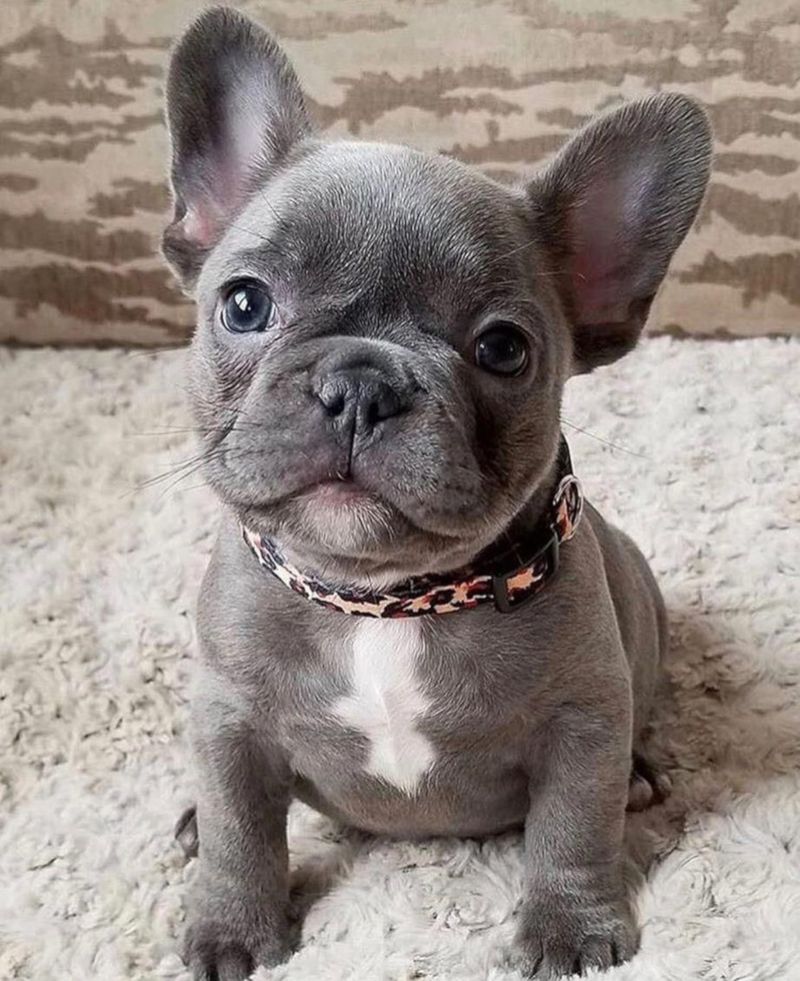
French Bulldogs thrive on companionship, yet many handle moderate alone time with thoughtful routines. Keep exercise gentle and temperature-aware, then offer a lick mat or slow feeder at departure.
Neutral exits prevent clingy behavior by making goodbyes feel ordinary.
Focus on breathing-friendly enrichment and avoid overexertion before naps. Short training games like place stays and quiet settle cues build independence.
Because they can be sensitive, use soft music to mask hallway sounds that might spark concern.
Comfort is king for this charming clown. Provide a supportive bed, fresh water, and safe chews.
With sensible pacing, you will often find a Frenchie happily snoring, saving comic energy for your return rather than fretting while you are away.
Boston Terrier
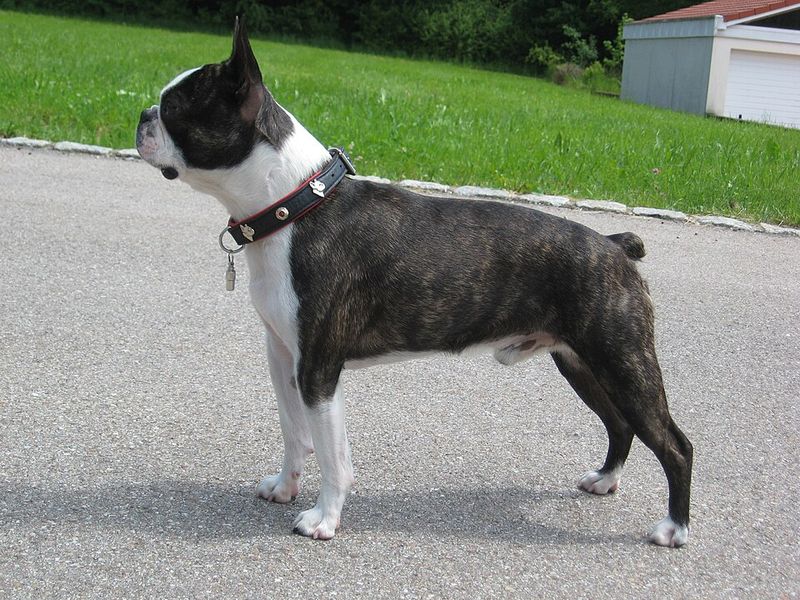
Boston Terriers bring jaunty energy paired with a surprising ability to chill when needs are met. Start the day with a brisk walk and a quick play session, then wind down with simple cues.
A stuffed food toy helps them settle as you slip out calmly.
Because they are people-focused, practice short absences to normalize quiet downtime. Rotate enrichment to avoid boredom and support brainy curiosity.
Keep temperatures comfortable and avoid exhausting workouts that could create overtired restlessness later.
Crate or pen training can be a confidence booster when introduced positively. Reward relaxed body language on a mat, and ignore theatrics.
With these habits, your Boston becomes a polite, compact roommate who naps responsibly and greets you with sparkle, not stress.
Greyhound
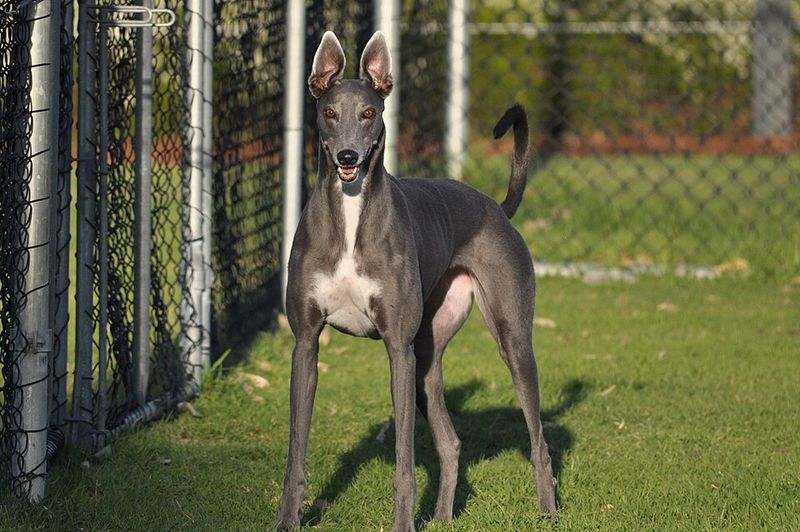
Greyhounds are professional loungers, famously content to nap after a modest walk. Their calm temperament often translates to smooth alone-time transitions.
Provide a supportive mattress for bony joints and a cozy corner away from drafts.
Short enrichment bursts like snuffle mats and gentle tug satisfy needs without overstimulation. Many thrive on consistent schedules, so keep feeding and walking times predictable.
If adopting a retired racer, slowly introduce household sounds and stairs, building confidence step by step.
Because they are sensitive souls, keep departures relaxed and returns low-key. Monitor for separation strain early and adjust with gradual desensitization.
With soft beds, quiet music, and routine, your Greyhound will snooze contentedly, conserving energy for sweet zoomies when you are back.
Bullmastiff
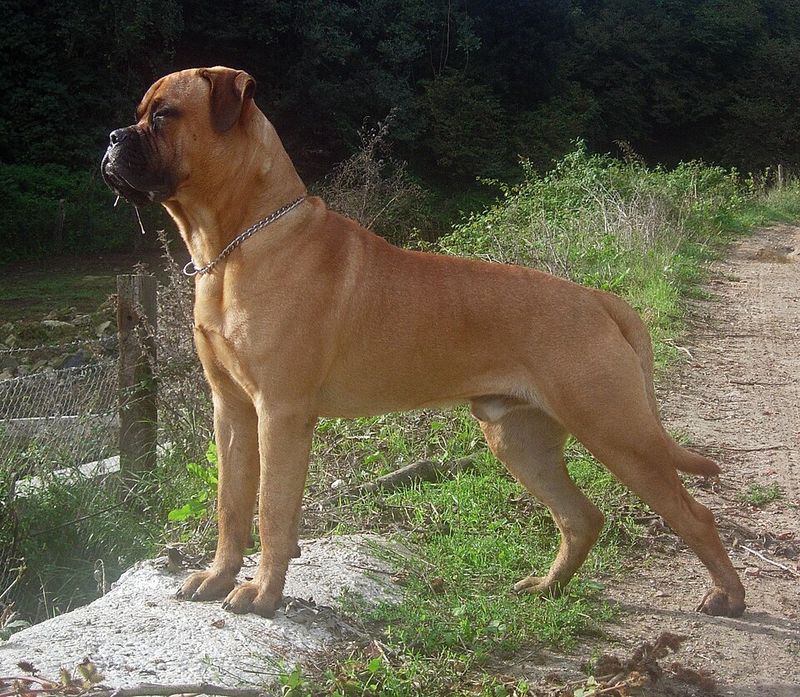
Bullmastiffs are steady guardians with low to moderate exercise needs, which suits measured alone time. A purposeful morning walk plus brief training satisfies both body and brain.
Provide an orthopedic bed and fresh water so lounging feels rewarding, not boring.
Because they bond deeply, practice gradual departures and neutral greetings to curb clinginess. Use food puzzles to occupy minds without creating frantic energy.
Keep the environment cool and comfortable, and limit slippery floors to protect joints.
Boundaries and manners matter for such a large companion. Reward calm behavior at thresholds and reinforce place training daily.
With consistent structure, the Bullmastiff spends solo hours peacefully, saving affectionate devotion and a slow, happy wag for your return.
Chow Chow
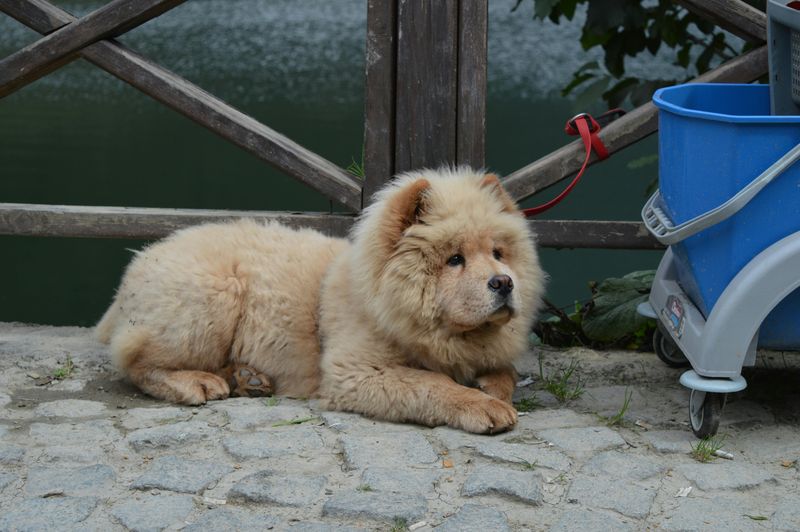
Chow Chows are famously aloof, which can help them accept alone time when needs are met. Begin with calm walks and short training that rewards thoughtful responses.
Provide a cool resting spot and a slow feeder to encourage relaxed digestion.
They value respectful distance and predictable routines. Keep departures quiet, avoid fuss, and reinforce independent settling on a mat.
Rotate enrichment that engages noses rather than frantic chasing, supporting a composed state of mind.
Grooming and handling should be steady and gentle to build trust. Watch heat levels carefully with that luxurious coat.
With consistent boundaries and a serene environment, your Chow treats solitude like dignified downtime, emerging refreshed and ready for an unhurried stroll together.
Great Dane
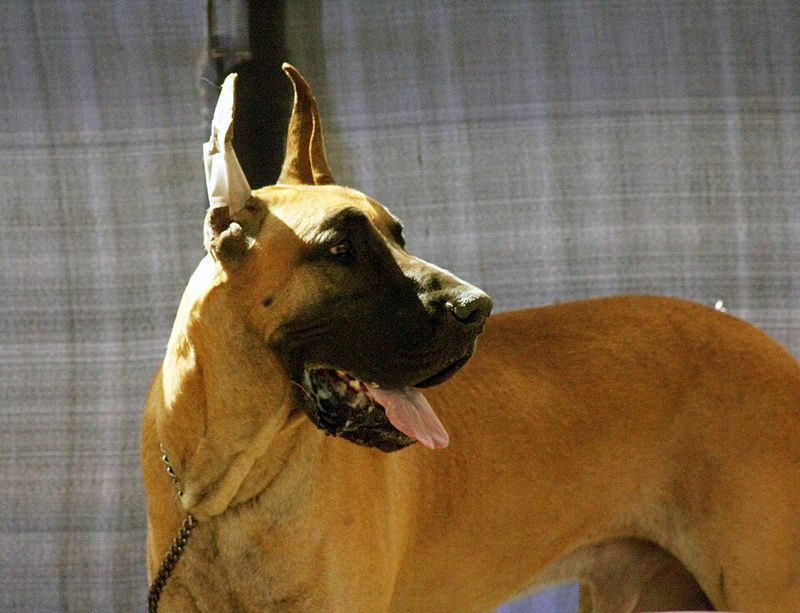
Great Danes are gentle giants who often nap contentedly when exercise and structure come first. A steady walk and a few confidence-building cues set the stage for quiet hours.
Provide an oversized, supportive bed and keep water close for comfort.
Because of their size, manners around doors and furniture are essential. Practice place training and calm greetings to prevent exuberant chaos.
Rotate low-impact enrichment like snuffle mats and frozen food toys to pass time without overexcitement.
Monitor joints and avoid slippery floors to support healthy rest. Keep goodbyes low-key, and you will likely find this tender soul snoozing serenely.
With predictable routines, Danes handle moderate alone time beautifully, saving goofy affection and lean-in hugs for your return.
Shar Pei
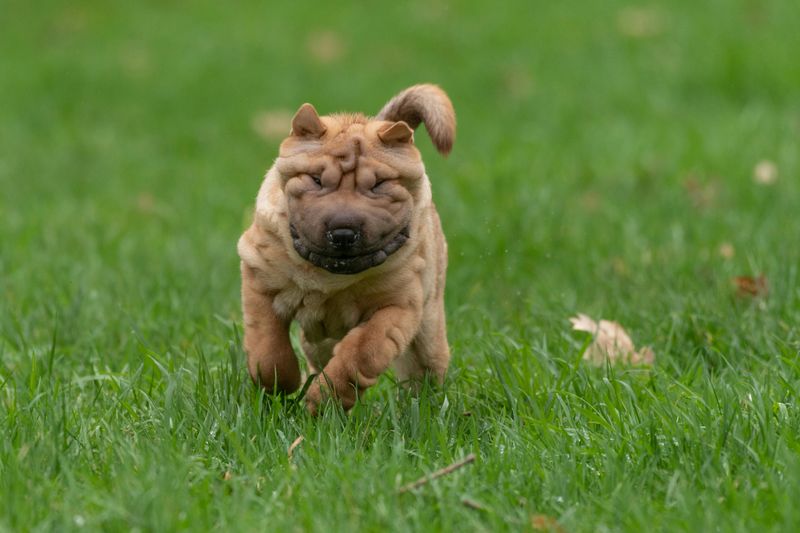
The Shar Pei carries a thoughtful independence that can translate to solid solo skills. Begin with modest exercise and a few obedience reps, then offer a lick mat for decompression.
Provide cool resting areas to keep those wrinkles comfortable.
They appreciate clear rules and gentle consistency. Keep exits understated and reinforce quiet settling before you pick up keys.
Rotate puzzle toys that reward patience rather than frantic pawing, supporting an even keel.
Skin and ear care help overall comfort, which supports calmer behavior when alone. Build confidence through short absences that end before stress rises.
With balanced routines and respectful handling, your Shar Pei will treat alone time like peaceful intermission between your shared adventures.
Akita
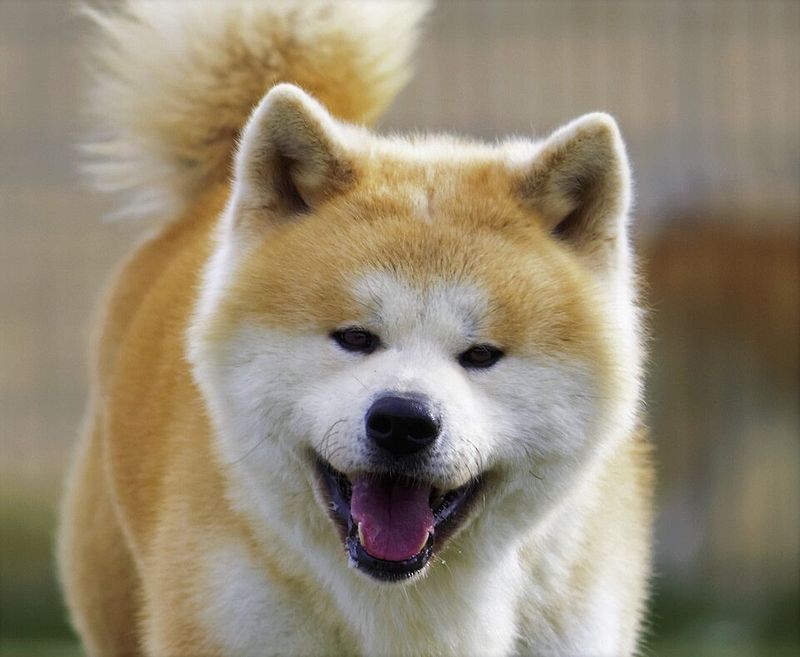
Akitas are self-possessed and often comfortable with measured solitude when structure is strong. Start with purposeful exercise and reinforce impulse control with simple cues.
Provide a defined resting area, fresh water, and hearty chews to encourage calm settling.
Their loyalty runs deep, so practice neutral comings and goings to prevent anxious anticipation. Enrichment should reward thoughtful problem-solving rather than frantic motion.
A camera can help fine-tune schedules and confirm that napping replaces pacing.
Consistency and leadership through kindness are essential with this powerful breed. Teach relaxed leash manners and reliable place work.
With clear expectations, your Akita will spend alone hours composed, saving quiet devotion and confident presence for the moments you share at home.
Basset Hound
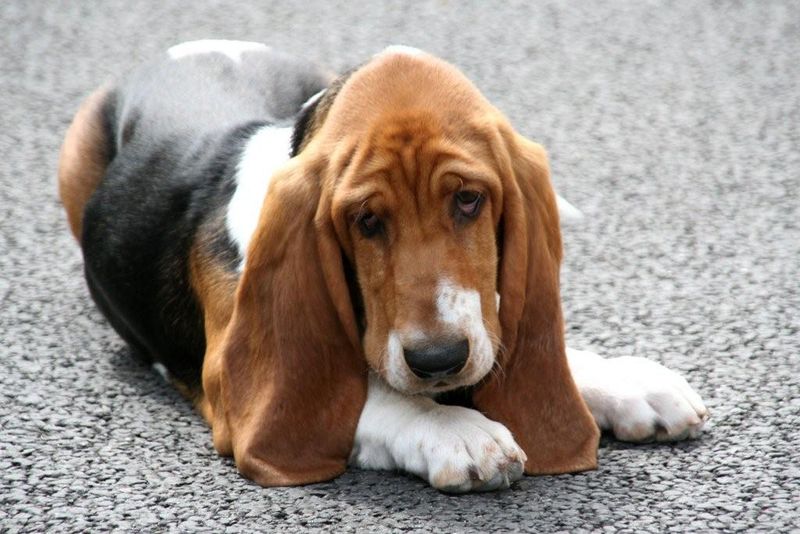
Basset Hounds are mellow scent lovers who excel at leisurely naps between sniffing adventures. Begin with a steady walk that indulges the nose, then offer a snuffle mat to wind down.
Their easygoing nature often supports calm, predictable alone time.
Because they can be vocal, reward quiet moments and mask outside noises with soft music. Keep furniture access safe for those long backs and short legs.
Food puzzles and safe chews provide satisfying, low-energy engagement.
Training should be patient and humorous, celebrating small wins. Use a comfy bed and fresh water, and avoid overly long absences at first.
With routine and gentle boundaries, a Basset will snooze contentedly, waking mostly to stretch, sigh dramatically, and greet you with soulful eyes.