
Dogs are masters of subtle communication, and their polite requests for space are easy to miss. Learning these gentle signals helps you prevent stress, build trust, and keep interactions safe and friendly.
Once you notice them, you will start seeing calm conversations unfold everywhere. Let’s decode these behaviors so you can respond with empathy right when it matters most.
turns the head away
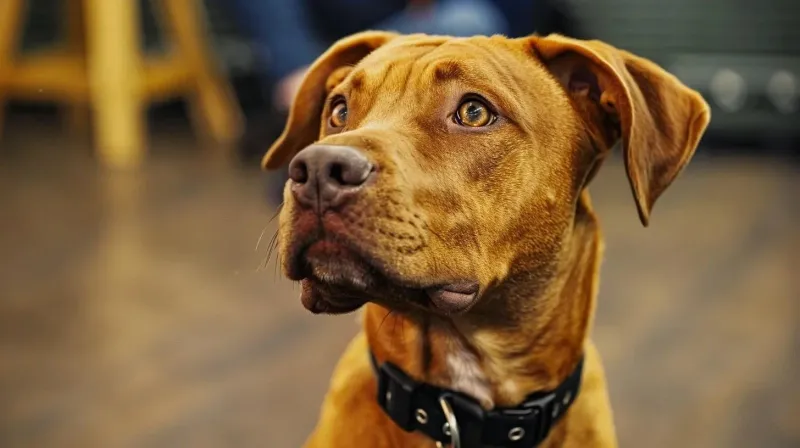
When a dog turns the head away, it is often a gentle please give me room signal. You might see the ears soften, the eyes blink, and the nose point to nowhere in particular.
This small movement lowers social pressure without creating conflict.
If you keep leaning in, stress can climb fast. Pause, angle your body, and let the dog reinitiate if ready.
I like to count to five, breathe, and reward the moment they look back with soft eyes, because that tells me trust is returning. If children are present, coach them to mirror your calm.
Space is the kindest gift in this moment. Step sideways, avoid reaching over the head, and speak softly so the dog can decompress.
moves a few feet off but stays in sight
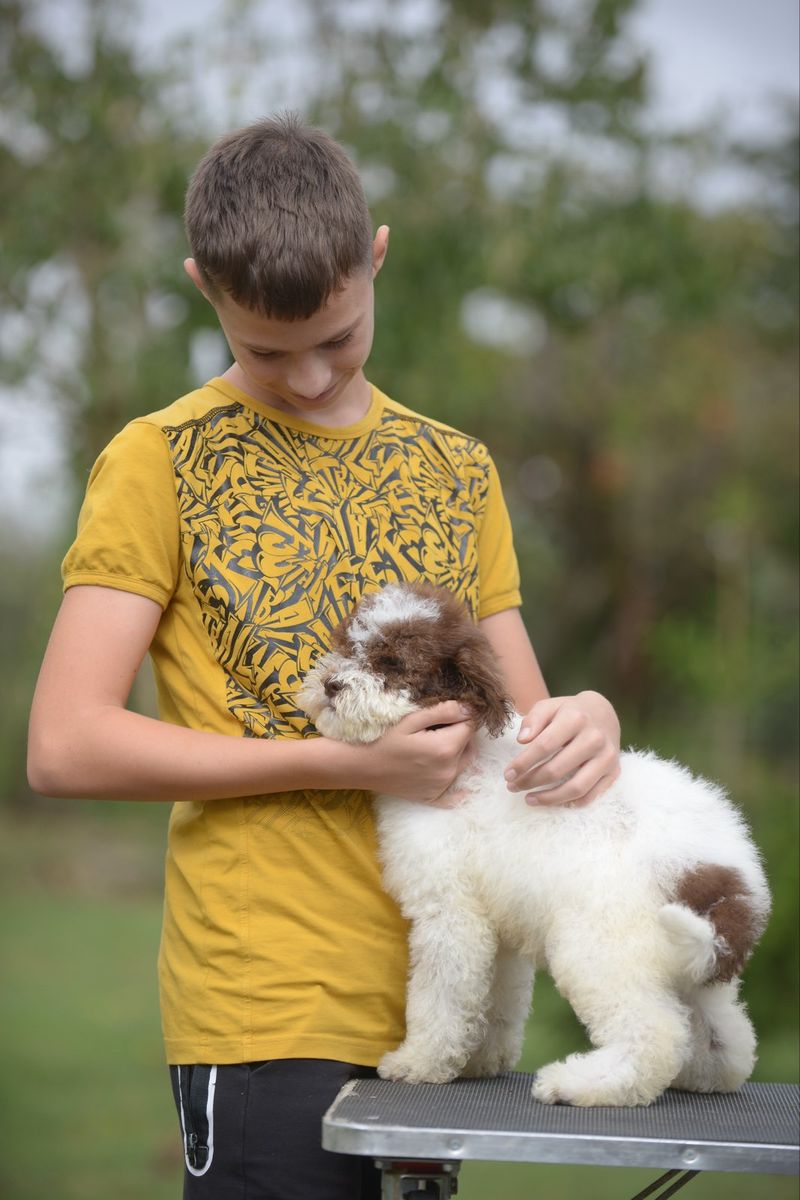
When a dog moves a few feet off but stays in sight, they are saying I need a buffer. You will notice the body loosen while the tail holds a neutral, quiet position.
They are not fleeing, just creating a safe observation point to reset.
Honor that choice by pausing your approach and softening your gaze. You can turn slightly sideways, crouch at a distance, and invite them back with gentle words or a tossed treat.
I set a clear rule for kids and visitors: if the dog moves away, everyone freezes and breathes before trying again. Space, predictability, and choice build confidence far faster than constant petting or pressure.
Let them come back when curiosity outweighs worry, naturally and gently.
slows down responses to familiar cues
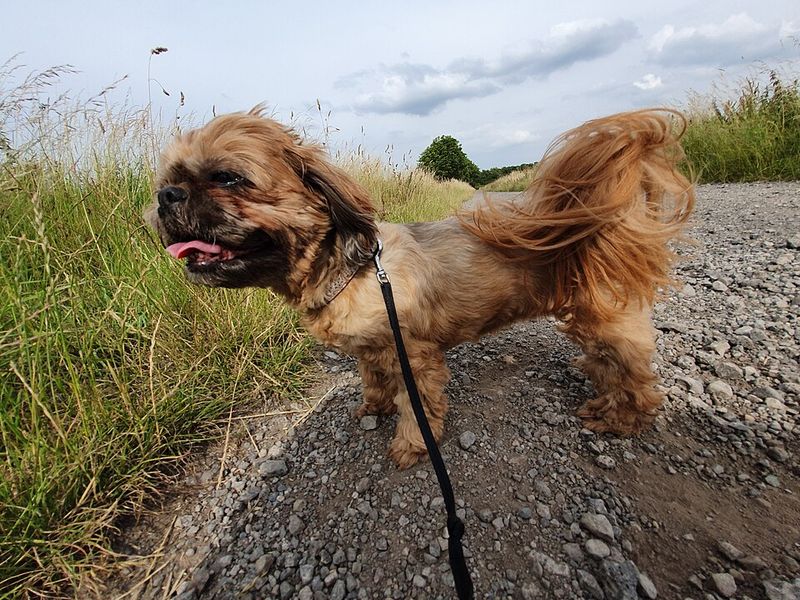
A dog that slows down responses to familiar cues is not being stubborn, they are coping. You might say sit, and they blink, sniff, or hesitate before moving.
That delay often signals growing pressure, confusion, or discomfort with the current environment.
Try simplifying the context. Increase distance from triggers, lower your voice, and offer one clear cue followed by time to think.
I like to pay generously for small try moments, then end the interaction on a win, because relief teaches faster than repetition under stress. If nothing changes, stop training and focus on calm sniffing walks or rest.
Your patience now protects trust later and keeps learning joyful. Short, easy wins beat long, pressured sessions.
licks lips without food around
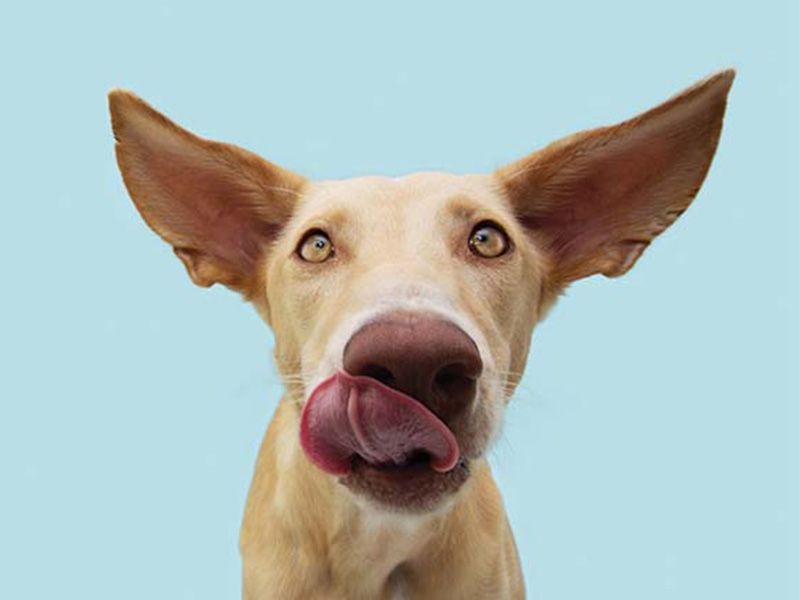
Lip licking without food around is a classic calming signal. You may spot a quick tongue flick after someone leans in for a hug or reaches overhead.
The dog is politely asking for slower, softer interaction and a little personal space.
Pause your hands. Turn sideways, avoid looming, and invite with an open palm rather than reaching.
I sometimes toss a treat to the floor to lower arousal, then wait for the dog to approach on their own, which often turns a tense moment into warm curiosity. Coach kids to spot the tiny tongue flick and freeze like statues.
Gentle respect now prevents grumbles, growls, or snaps later. Kindness and timing rebuild trust quickly again.
yawns in the middle of interaction
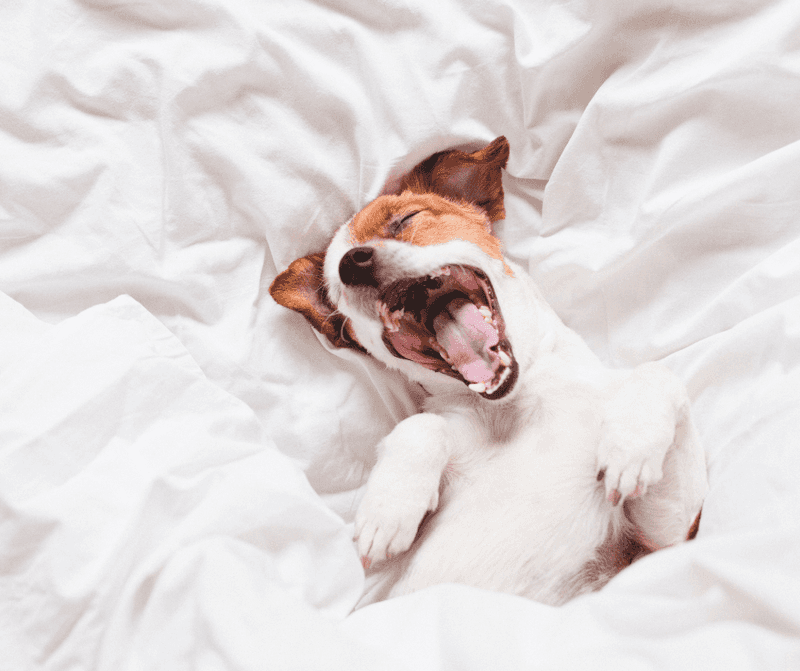
A mid interaction yawn is not boredom, it is stress relief. Dogs use yawns to loosen tension and self soothe when social pressure builds.
You might notice it during hugging, crowded greetings, or while a camera or phone hovers too close.
Give them a breath of space. Slow your movements, lower your voice, and turn your body slightly aside.
I like to pair that pause with a sniff break or a short walk, because when the jaw loosens and the eyes soften, connection returns without forcing anything. Teach kids to yawn back, then freeze, which often diffuses tension playfully.
Comfort grows when choice and consent lead the interaction. Less pressure, more peace.
For everyone involved.
gives short side glances
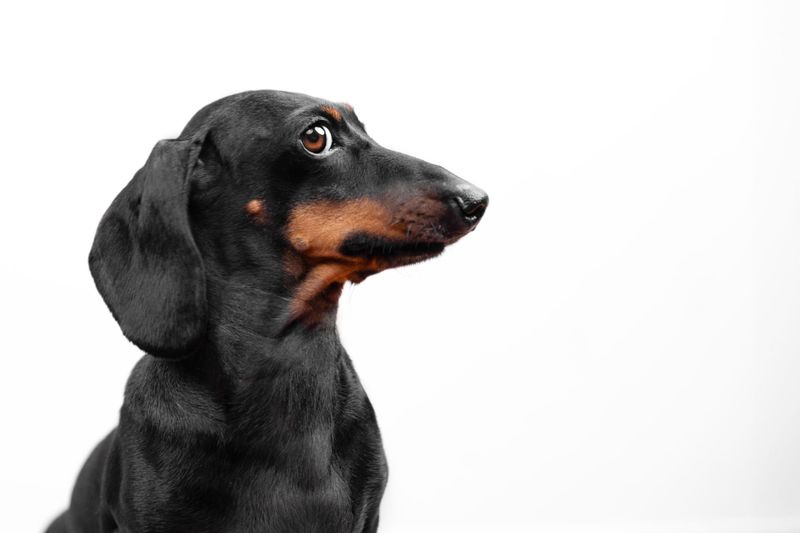
Short side glances are check in looks, not invitations to push closer. The eyes flick your way, the head stays still, and the body goes a little stiff.
That quick look often means I see you, please slow down, I am not ready.
Soften your presence by angling away and blinking slowly. You can speak softly, offer a hand at knee height, or simply remain still for a count of five.
I reward eye contact later, after the dog relaxes, because safety must come first before engagement feels good. Respecting that glance now prevents bigger signals later.
Small choices build major confidence over time. Patience today buys harmony tomorrow.
Let trust set the pace, gently.
sits with their body angled away
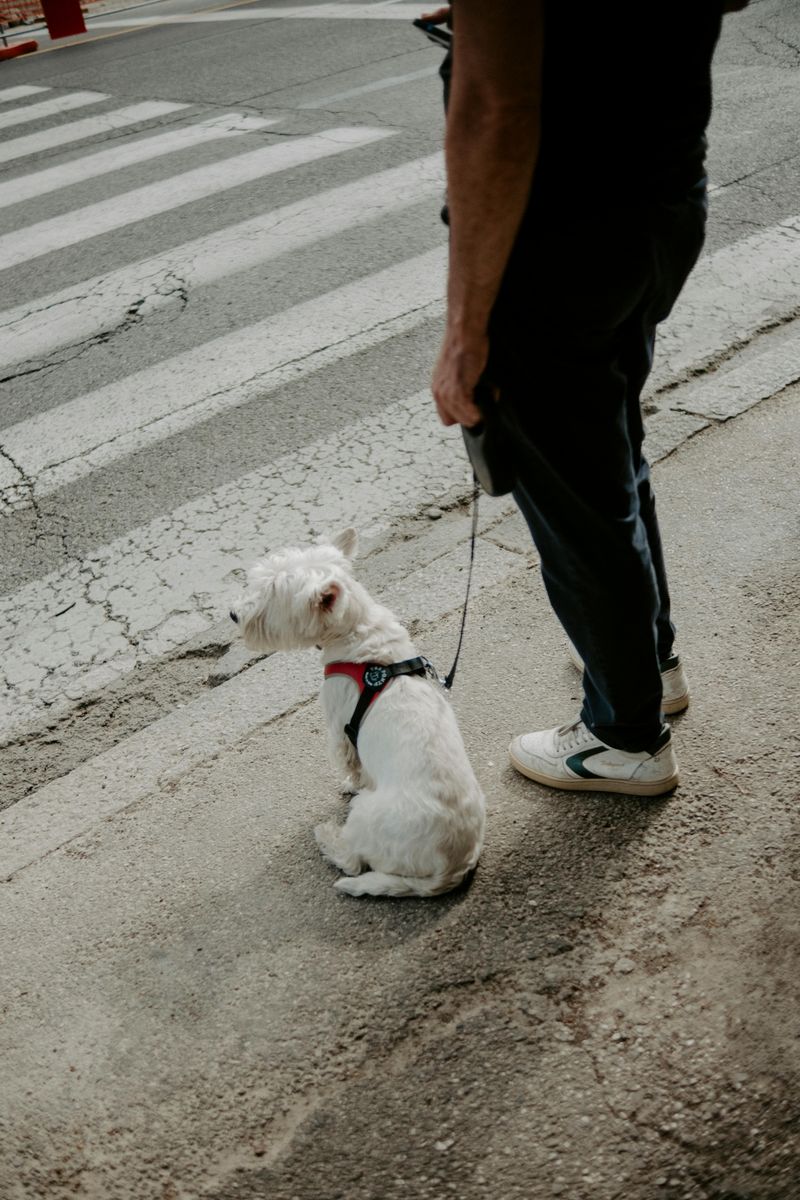
When a dog sits with their body angled away, they are creating a polite half exit. The hips turn slightly, the chest points elsewhere, and the eyes soften yet avoid staring.
That angle reduces social pressure and signals give me a minute without drama.
Match their courtesy. Turn your own body, lower your energy, and wait for a clear invitation before touching.
I like to reward that calm choice with a tossed treat behind them, encouraging movement away, which reinforces the message that stepping out of the spotlight is always safe and respected. This habit prevents awkward greetings and keeps interactions comfortable.
Comfort leads to curiosity, then connection. Let the dog choose timing and distance.
leaves and chooses a quiet spot
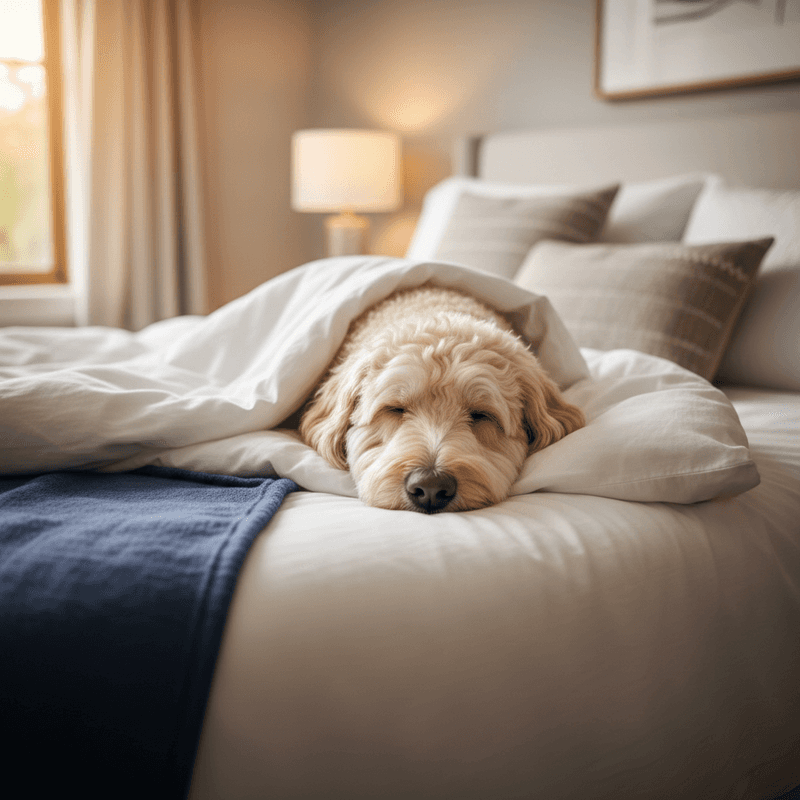
When a dog leaves and chooses a quiet spot, that is a clear I am done message. You will often see a long exhale, a curl on a bed, or a stretch before settling.
They are resetting their nervous system and protecting their comfort.
Honor that boundary like a closed door. Guide kids and guests to stay out, offer water, and lower household noise for a bit.
I keep cozy retreats available in every room, because when dogs can opt out freely, they return sooner, happier, and more ready to engage on their own terms. Respectful rest today prevents meltdowns tomorrow and deepens trust.
Peaceful spaces make peaceful dogs. Protect the nap zone every time.