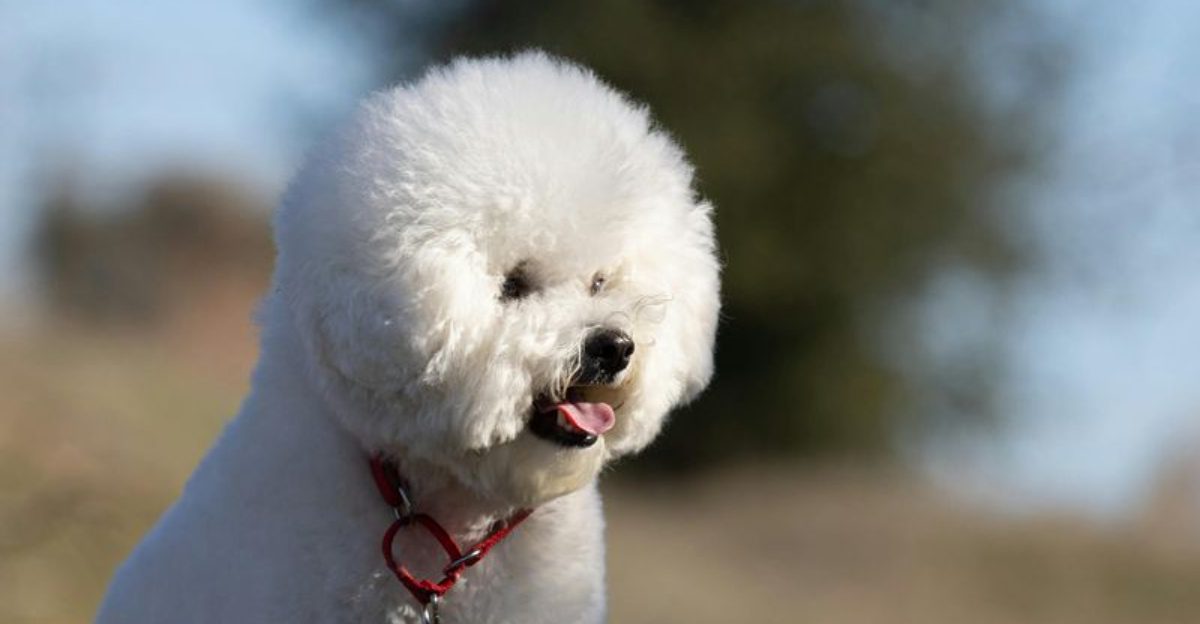
Ever wonder why some dog breeds have names that sound nothing like what they look or act like? Hidden inside those labels are quirks of language, geography, and centuries-old jobs you wouldn’t guess at first glance. Unpack the twists of history that turned everyday herders and hunters into poetic misnomers. Once you see the meanings, you’ll never hear these breed names the same way again.
Corgi
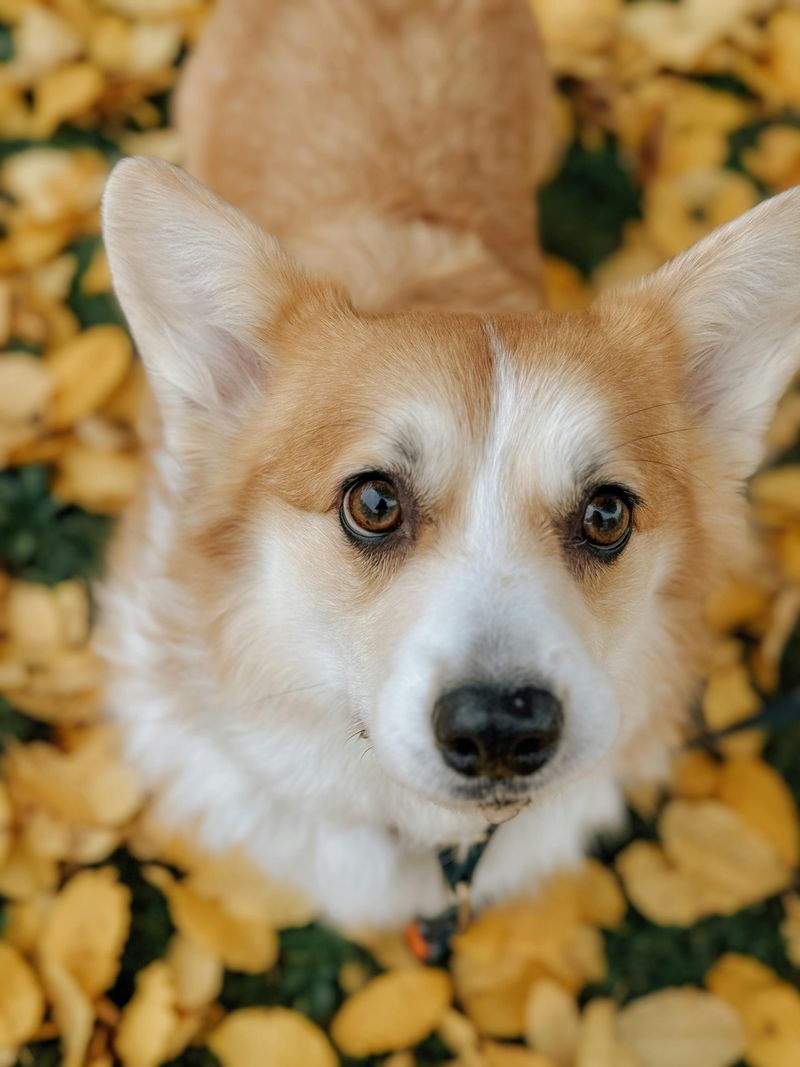
Despite their royal reputation, “Corgi” likely stems from Welsh roots meaning “dwarf dog,” a nod to their low-slung stature. These compact herders were bred to nip at cattle heels, staying beneath kicks while driving livestock. The name hints at function more than cuteness, capturing a pragmatic farmhand in a pint-sized frame. Today, their expressive faces and foxlike ears overshadow the hardworking etymology. Yet, the word reminds us agility and grit can come in small packages. When you say “Corgi,” think efficient, ground-level herder rather than palace companion.
Poodle
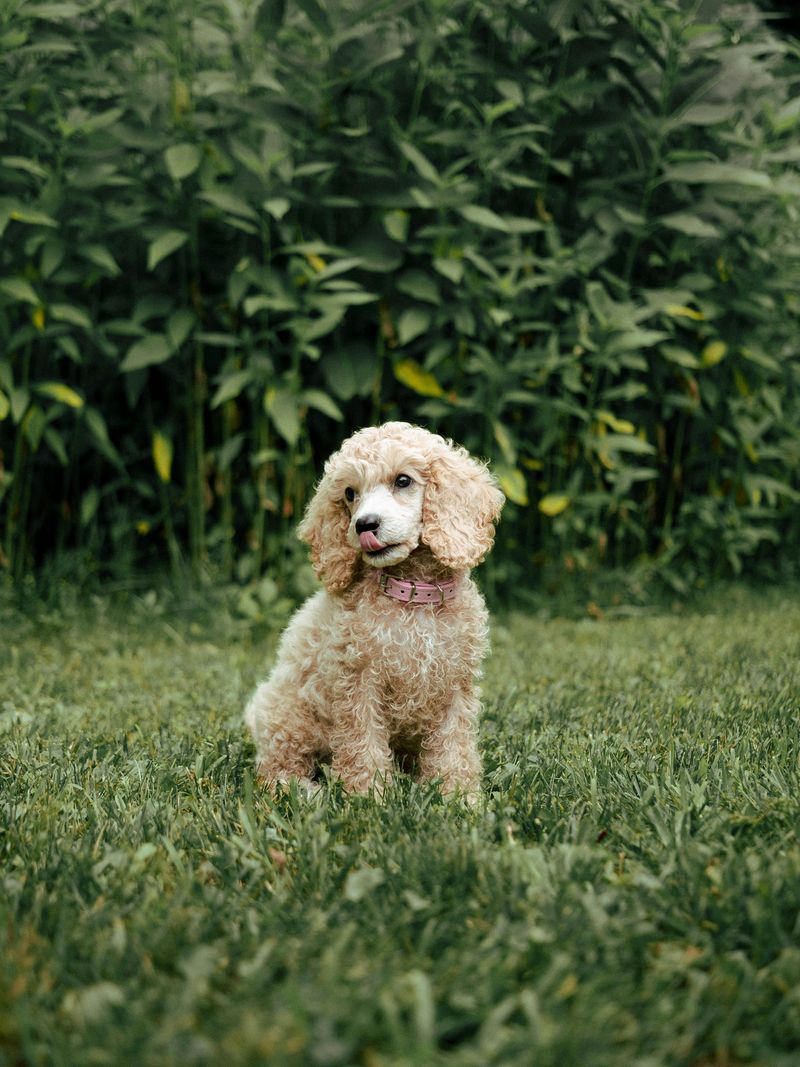
“Poodle” traces to the German “Pudel” or “Pudelhund,” meaning “to splash in water,” spotlighting its origin as a water retriever. Far from froufrou, those sculpted coats once served function: trimming buoyant areas for warmth while leaving joints free for swimming. The breed’s intelligence and trainability made it a performer, masking its rugged roots. The name’s watery origin explains their strong retrieving instincts and athletic grace. Think ripples and reeds instead of ribbons and runway. Beneath the coiffed curls lies a swimmer built to plunge and retrieve in chilly lakes.
Mastiff
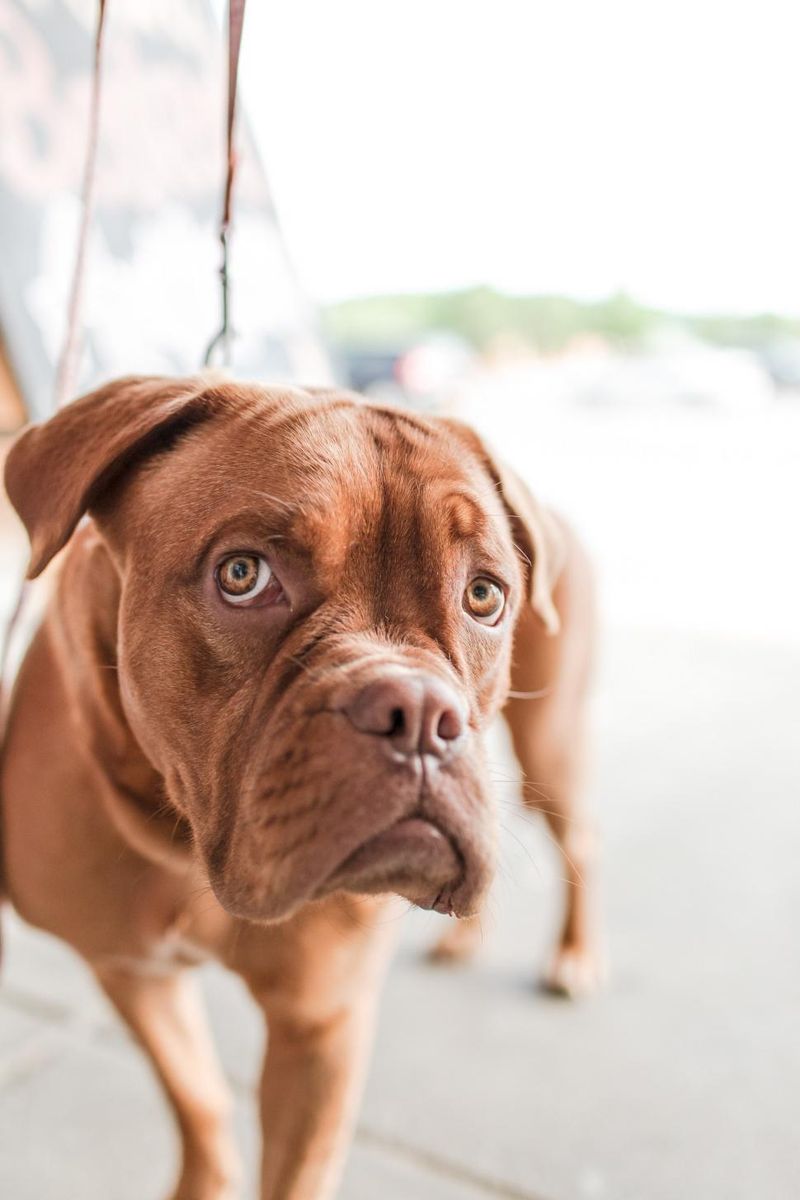
The name “Mastiff” may derive from Old French “mastin” or Latin “mansuetus,” meaning “tame” or “domesticated,” surprisingly emphasizing gentleness over size. These giants were guardians and companions, bred as steadfast protectors of home and flock. The word hints at controlled power—massive yet manageable. Historical texts praise their steady temperament more than ferocity. Today, their calm presence and loyalty reflect that etymology. When you hear “Mastiff,” think disciplined heft and household ally, not unbridled aggression. The name’s roots celebrate a colossal dog you can trust beside the hearth.
Beagle
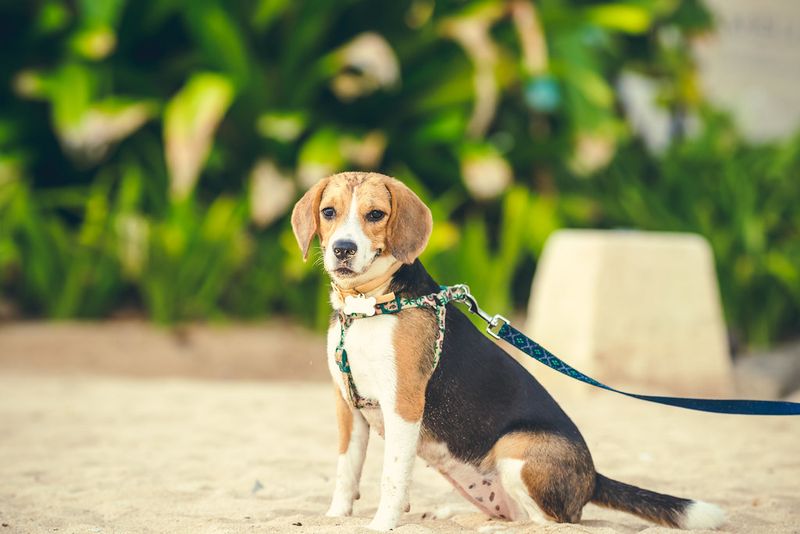
“Beagle” likely comes from Old French “beegueule,” meaning “loudmouth” or “gaping throat,” a playful jab at their ringing voices. Far from insult, it honors the breed’s musical bay that kept hunters oriented across fields and thickets. Their compact frame belies a siren’s reach, broadcasting scent discoveries like a living horn. The name encapsulates community hunting—communication over brute force. Even today, beagles narrate the world through sound. So that cheerful moniker? It’s really an acoustic calling card, elevating teamwork and stamina in a chorus of hound-song.
Dachshund
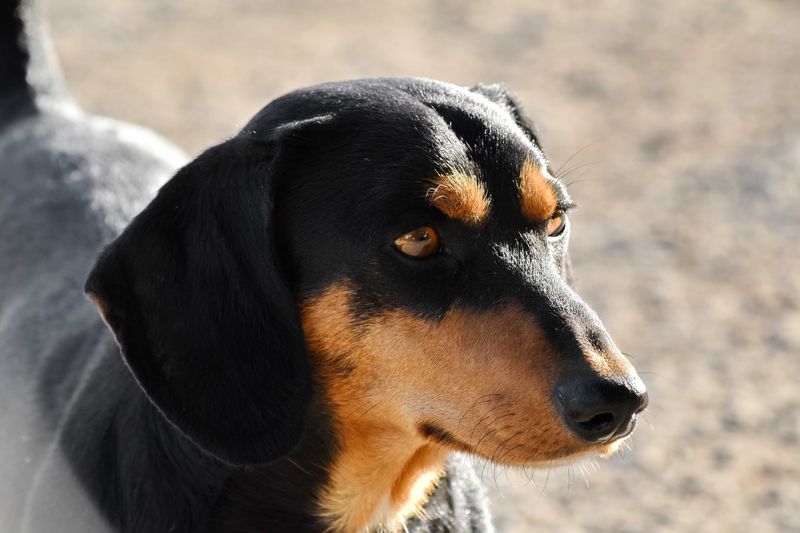
“Dachshund” translates directly from German as “badger dog,” revealing the breed’s subterranean mission. Built like living crowbars, their elongated bodies, strong forequarters, and brave temperaments targeted burrow-dwelling quarry. The name conjures earth and grit, not living-room lap dog. That courageous focus explains their stubborn streak and sharp alertness. Their silhouette isn’t whimsy; it’s a purpose-built tool. Hearing “Dachshund” should evoke tunnels, roots, and tenacity—proof that a comic outline can hide a fierce professional. The moniker is a job title first, a companion’s nickname second.
Boxer
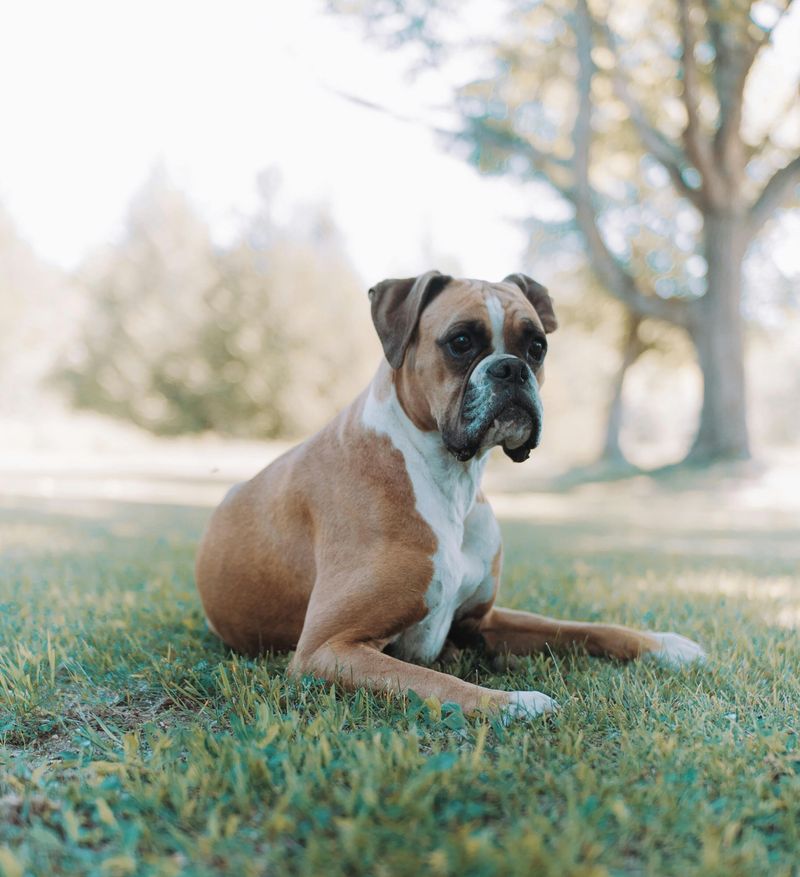
The “Boxer” name likely references the breed’s tendency to spar upright with its forepaws, as if throwing punches. Early dogs were agile guardians and working companions, using chest-forward posture and quick paw jabs to control threats. It’s less about the ring and more about tactics—frontline balance, grip, and engagement. That playful boxing style persists in modern pets during exuberant play. The name captures kinetic communication and combative theater rather than violence. When someone says “Boxer,” picture a nimble athlete choreographing space with paws, not a bruiser.
Doberman Pinscher
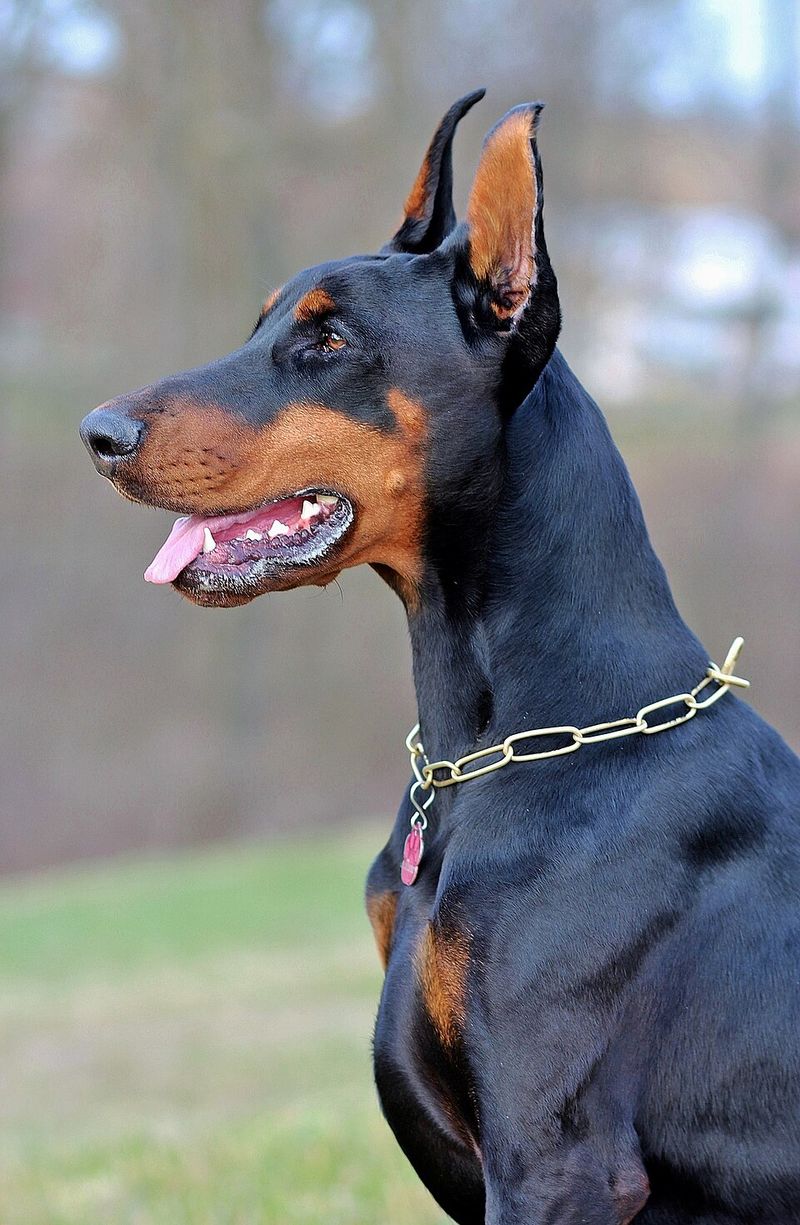
Unlike descriptive working names, “Doberman” honors a person: Louis Dobermann, a 19th-century German tax collector who developed the breed for protection. “Pinscher” refers to terrier-like, pinching bite-work styles, not a specific job. The hybrid title fuses tribute and technique—part namesake, part method. It’s unexpected because it’s half eponym, half function. The resulting dogs were sleek guardians with keen intelligence and loyalty. Hearing “Doberman Pinscher” is hearing a biography condensed into a badge: inventor credited, tactics acknowledged, purpose implied.
Bichon Frisé
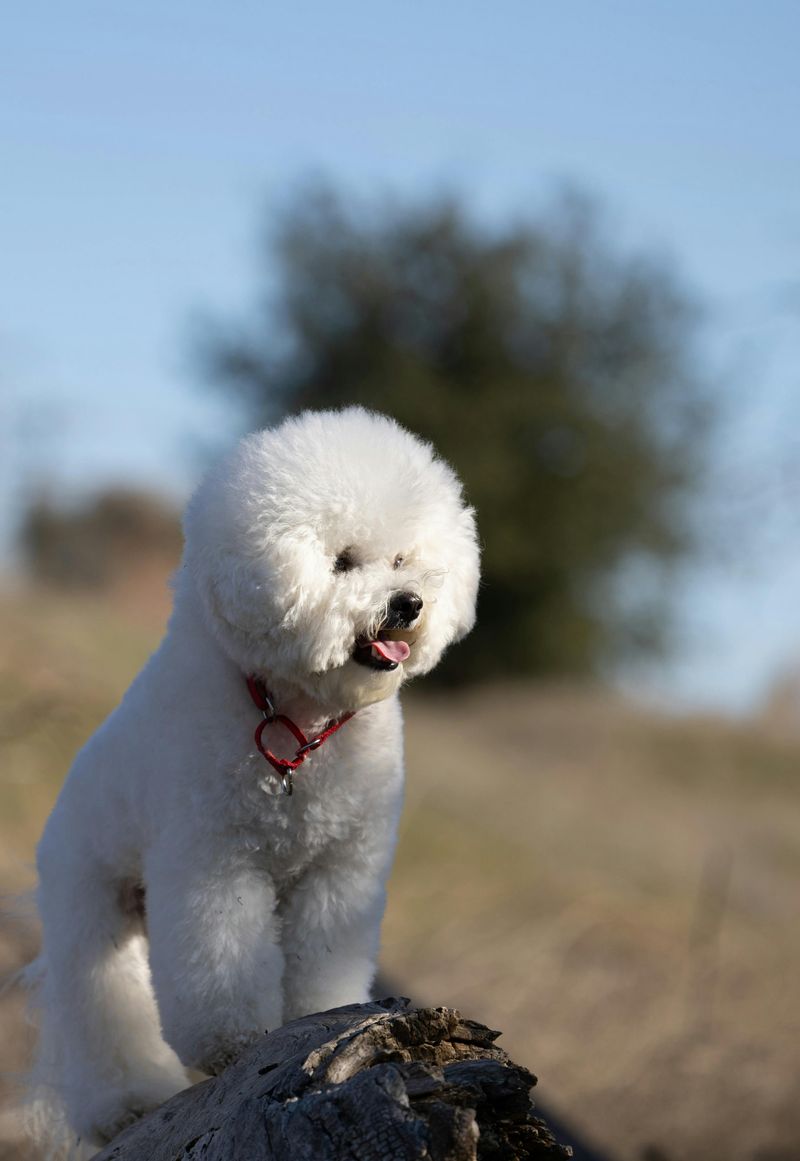
“Bichon Frisé” reads fancy, but its roots are humble: “bichon” stems from “barbichon,” a small lapdog related to water dogs, while “frisé” means “curly.” The name basically says “curly little dog,” omitting the breed’s seafaring, merchant-port history. Sailors traded these jaunty charmers across the Mediterranean, where courts later polished their image. The unexpected twist is simplicity beneath glamour. Those coiled coats and merry gaits were once hardy travel companions. Say the name and think curls paired with cosmopolitan grit, a pocket-sized voyager turned salon star.