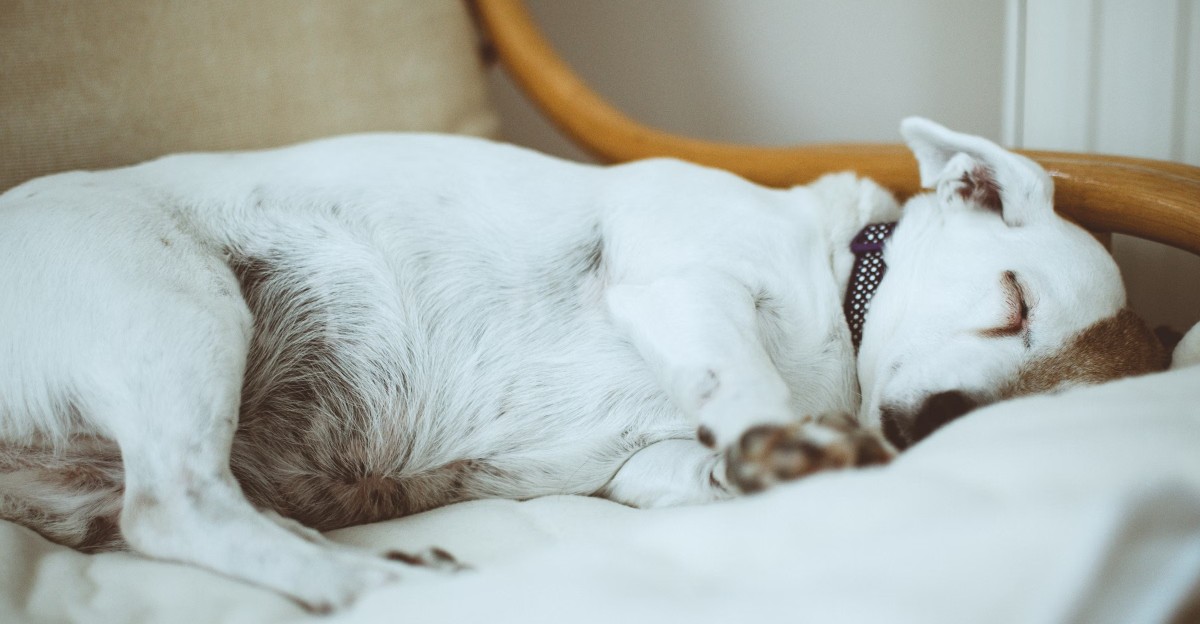
Dogs hear the world much louder than we do. Everyday noises that seem normal to us can feel big, surprising, or even scary to them.
When we understand which sounds cause stress, we can help our dogs feel safer at home and on walks. Small changes make a big difference for your best friend.
Roaring vacuum cleaner
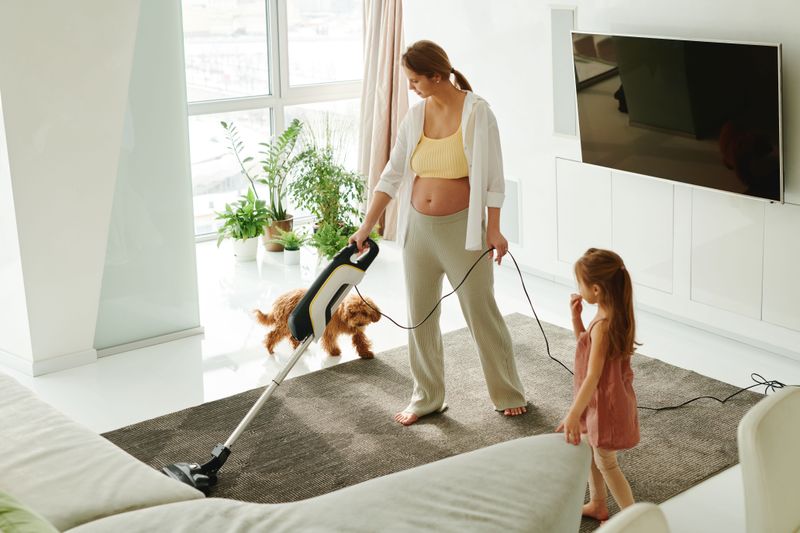
The first roar of the vacuum can feel like a monster waking up. Many dogs bolt for a hiding place, while others bark to chase it away.
Noise plus movement equals stress.
Try short, slow sessions while your dog enjoys a stuffed chew in another room with the door cracked. Offer praise and treats when the vacuum is off and still.
With time, roll the vacuum quietly without power, then add low power for brief moments.
Sudden doorbell or knocking
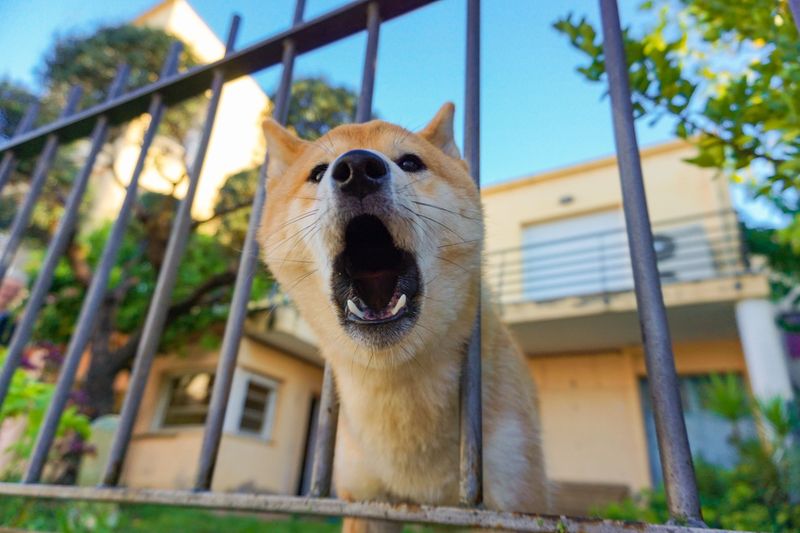
One chime and the whole house changes. Dogs learn that the bell means strangers, packages, or excitement.
That surprise hit can kick off barking and frantic pacing.
Record your own doorbell and play it very softly during calm times, pairing it with treats on a mat. Ask friends to text first so you can set up a sit-and-stay routine.
A door sign that says Please do not knock can also reduce surprise visits.
Thunderstorms and booming fireworks
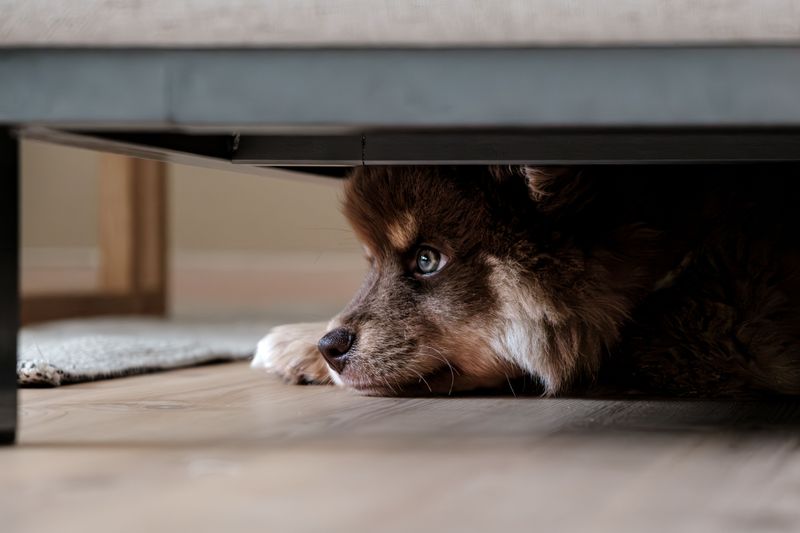
Sky rumbles can feel like the world is cracking open. Many dogs shake, pant, or try to escape during storms and holiday fireworks.
Pressure changes also add to stress.
Build a safe den with blankets and a familiar toy. Close curtains, play gentle audio, and offer a long-lasting chew.
For big holidays, plan early with calming routines, ID tags, and microchip checks. Talk with your vet about supplements or medication if your dog needs extra help.
Wailing sirens and emergency vehicles
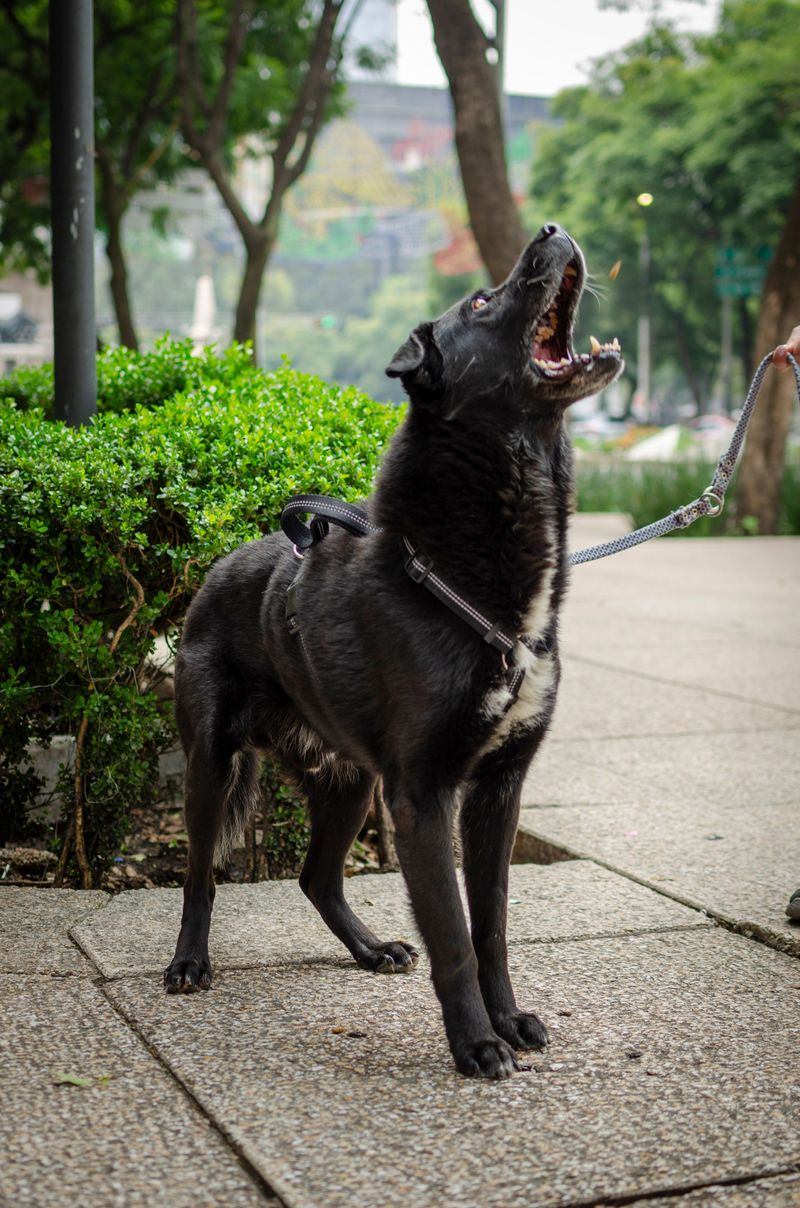
Siren pitches slice through the air and hit a sensitive range for dogs. Some howl along, others crouch or pull hard on the leash.
City walks can feel unpredictable.
When you hear the first hint of a siren, feed tiny treats in a steady stream to change the feeling. Step away from the curb and face a building to block sound.
Practice short urban walks during quieter hours to rebuild confidence.
Traffic rumble and motorcycles
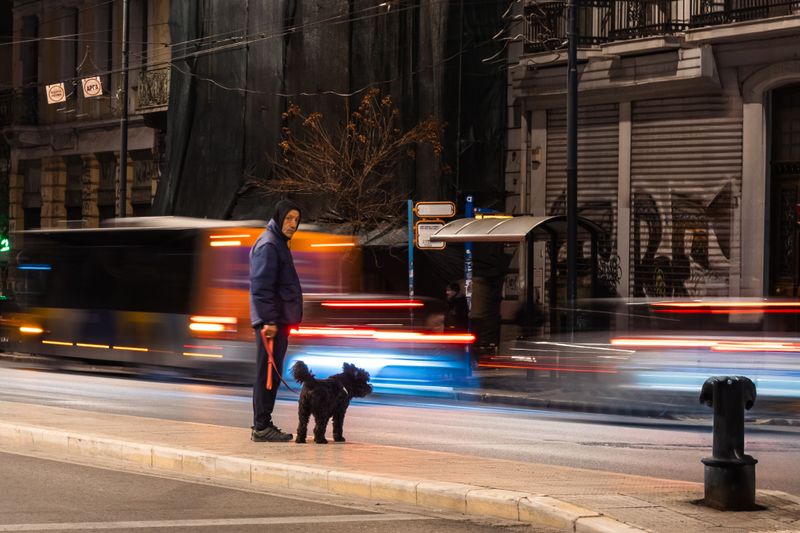
Low rumbles can feel like a storm that never ends. Motorcycles spike the volume and add sharp bursts that make dogs tense.
Even sidewalks near highways can be tough.
Start with distance. Park far from the road and let your dog watch quietly while snacking on high value treats.
Gradually move a little closer over multiple sessions. Choose routes with buffer space, like parallel side streets or parks, especially during rush hour.
Beeping alarms and smart devices
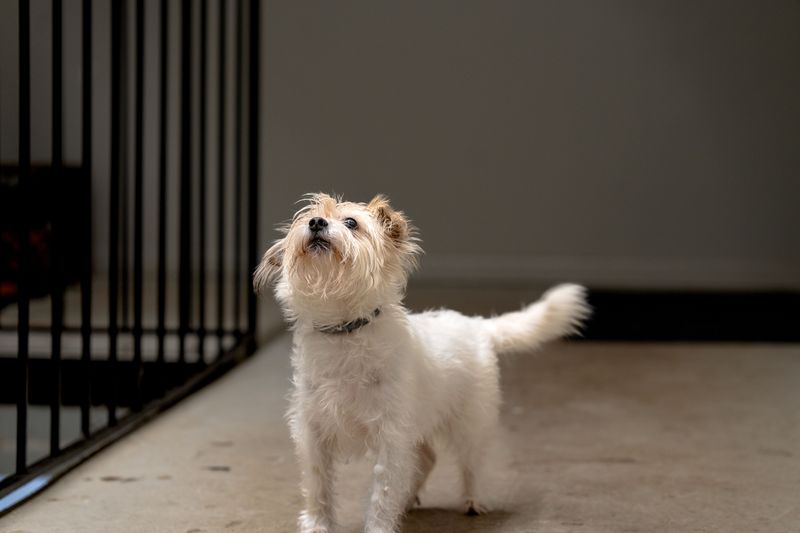
Tiny beeps pack a big punch. Smoke detectors, microwaves, and low-battery alerts can startle dogs out of a nap.
The sound is sharp, high, and hard to predict.
Keep fresh batteries in alarms to avoid random chirps. If you must test a detector, take your dog outside or offer a frozen lick mat in a closed room with soft music.
Teach a go to bed cue so your dog has a plan when a beep happens.
Buzzing yard tools and construction
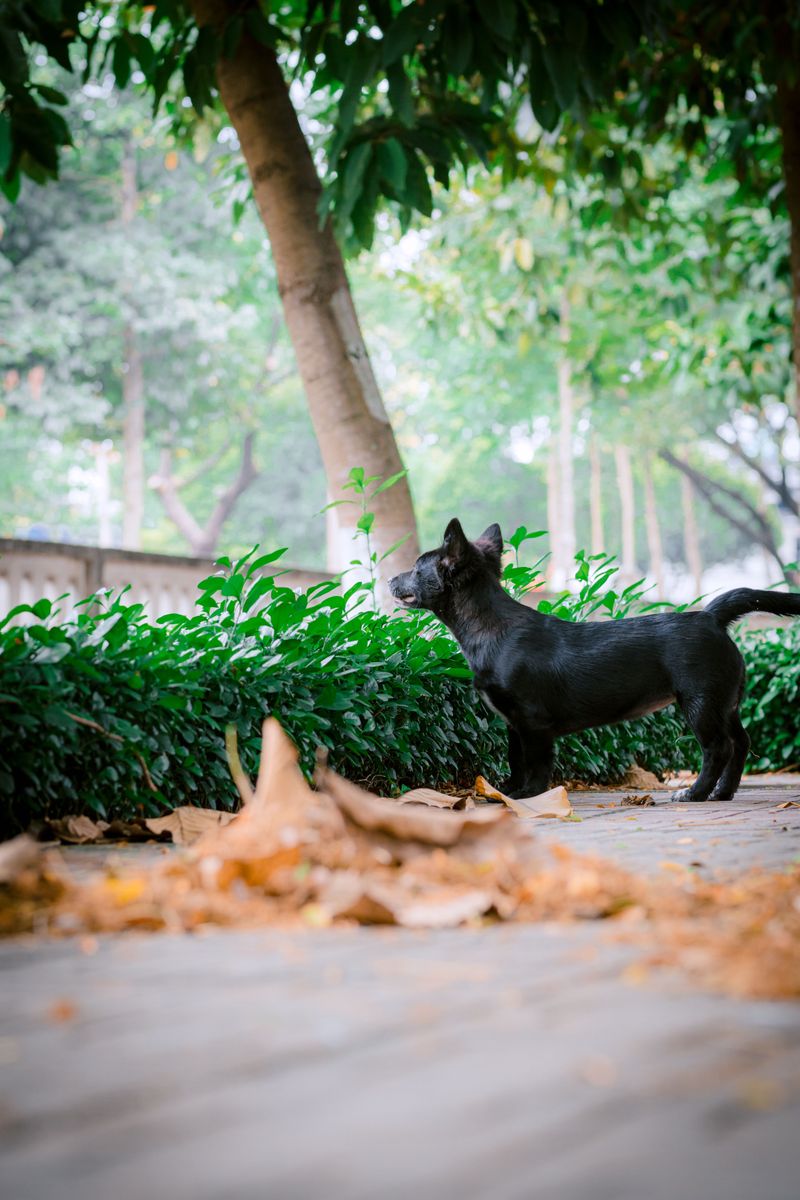
Growls from leaf blowers and saws can feel endless. Vibrations carry through fences and floors.
Some dogs refuse to go outside or eat when the noise starts.
Plan potty breaks before work hours. Offer a sniffy indoor game or scatter-feed in a quiet room with curtains closed.
If construction is ongoing, create a midday quiet walk away from the block. A snug wrap or comfy vest can add a touch of security during the loudest times.
Clattering pots and kitchen clanks
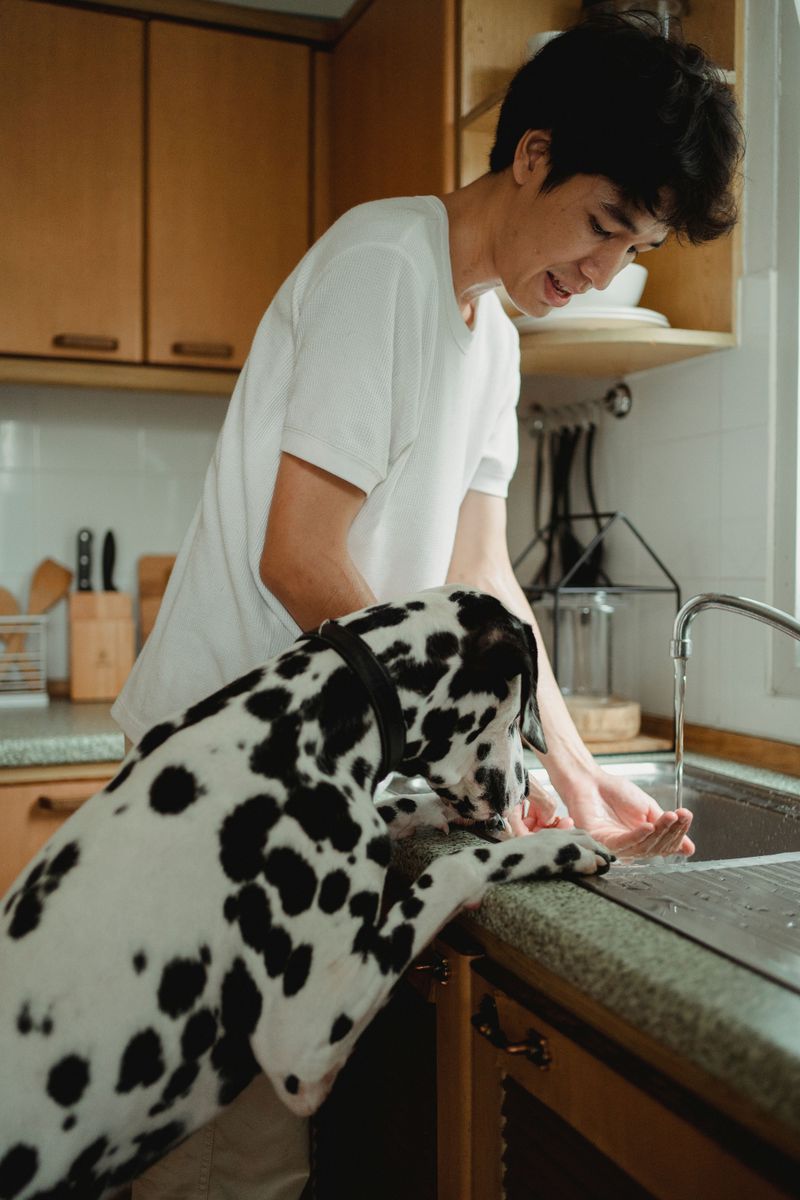
Dinner prep can sound like a drumline. Lids crash, pans scrape, and ice dumps into the sink.
For sound-sensitive dogs, the kitchen becomes a no fun zone.
Invite your dog to a comfy mat just outside the kitchen and reward calm looks away. Use silicone spatulas and place towels under metal bowls to soften noise.
If the ice maker triggers anxiety, portion cubes ahead of time so mealtime is quieter and smoother.
White noise fan track
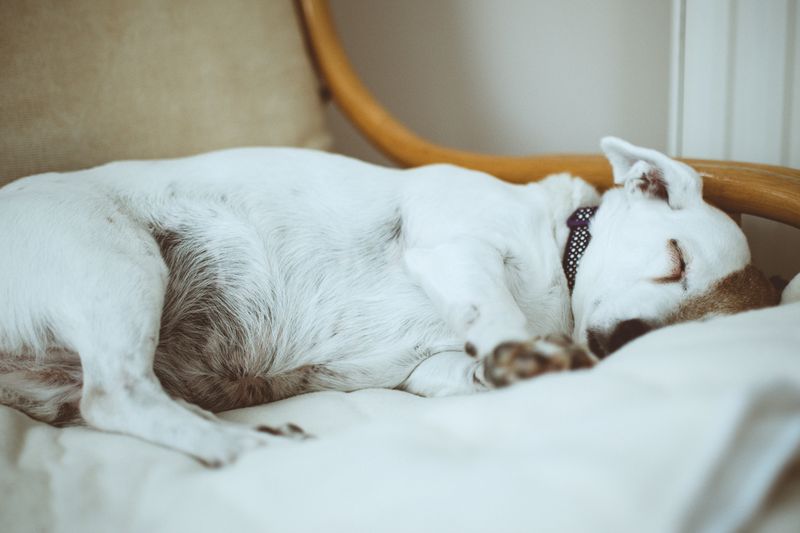
Steady whoosh to the rescue. A simple fan track masks bumps, hallway chatter, and distant traffic.
Many dogs relax faster when the world sounds even.
Test volume at the lowest setting your dog notices, then adjust slightly. Place the speaker between the noise source and your dog, not beside their ears.
Pair the sound with a chew or nap time so the brain links whoosh with rest. Portable speakers help on trips or in hotel rooms.
Calming classical playlist for dogs
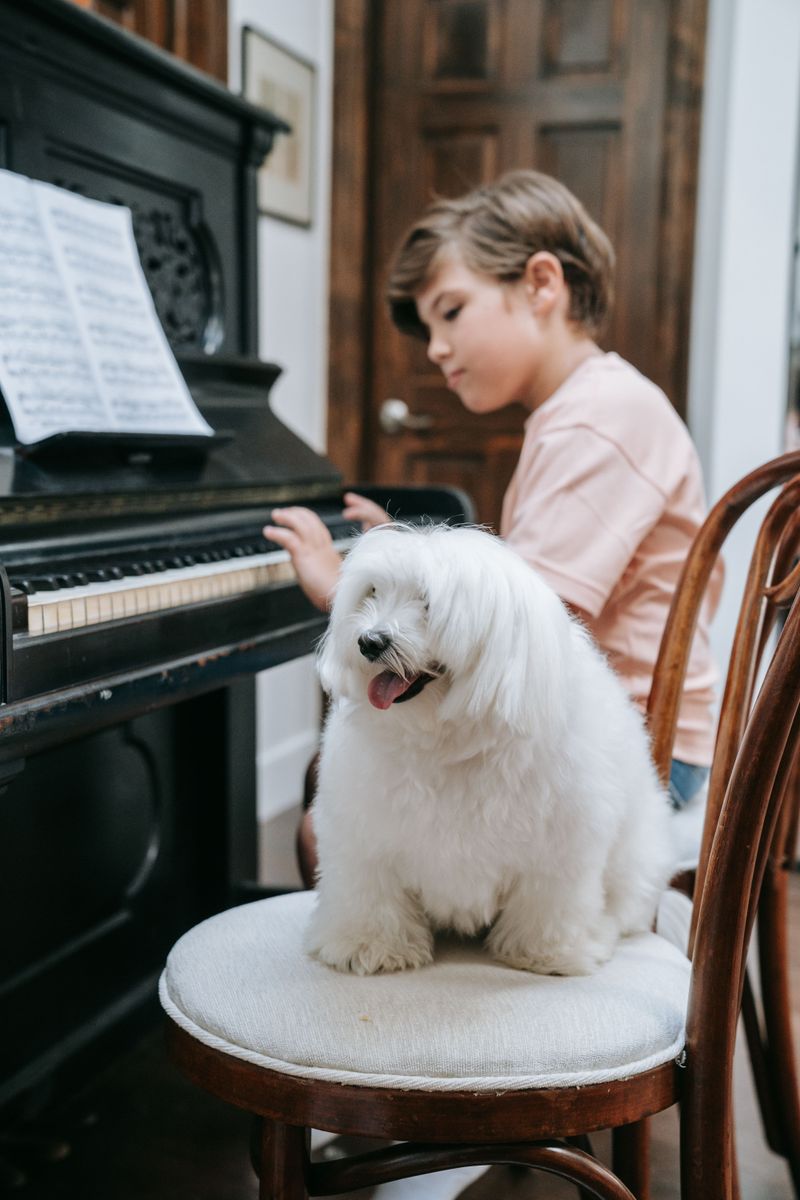
Strings and slow tempos can settle busy minds. Some shelters use classical tracks to quiet kennels.
Your dog may stretch out, sigh, and choose a longer nap.
Create a short playlist that repeats familiar pieces at low volume. Look for steady rhythms and fewer sudden crescendos.
Use the same playlist during grooming or crate time, so it becomes a cue for calm. Track your dog’s response in a simple journal to refine choices.
Nature sounds like gentle rain
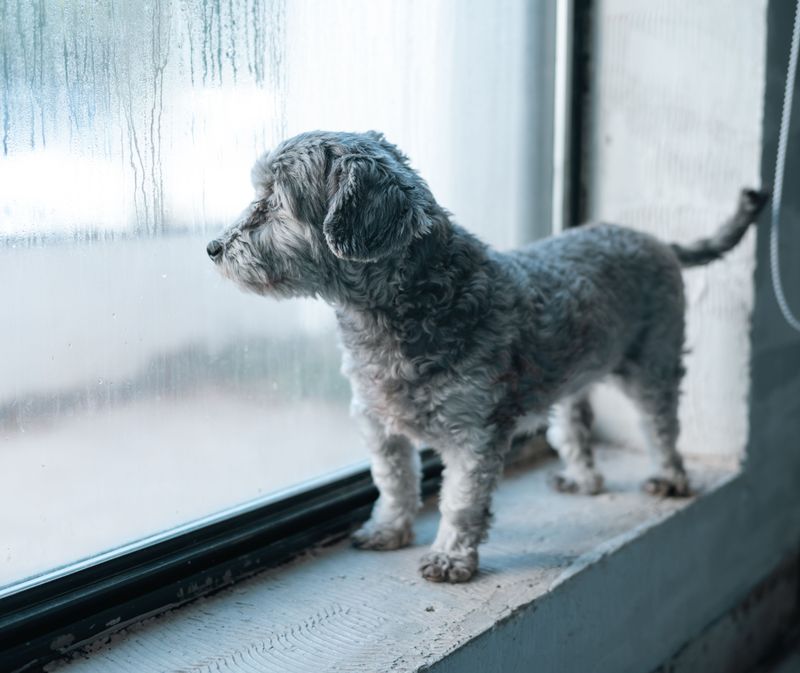
Raindrops can create a cozy cocoon. Consistent patter hides sharp city pops and hallway doors.
Some dogs breathe deeper within minutes.
Pick tracks without thunder or bird bursts that might excite your pup. Keep volume just high enough to soften outside clanks.
Combine with dimmed lights and a predictable bedtime routine. If your dog is storm shy, start with rain-only audio so the brain learns rain can be calm and safe.
Desensitization tracks with low-volume triggers
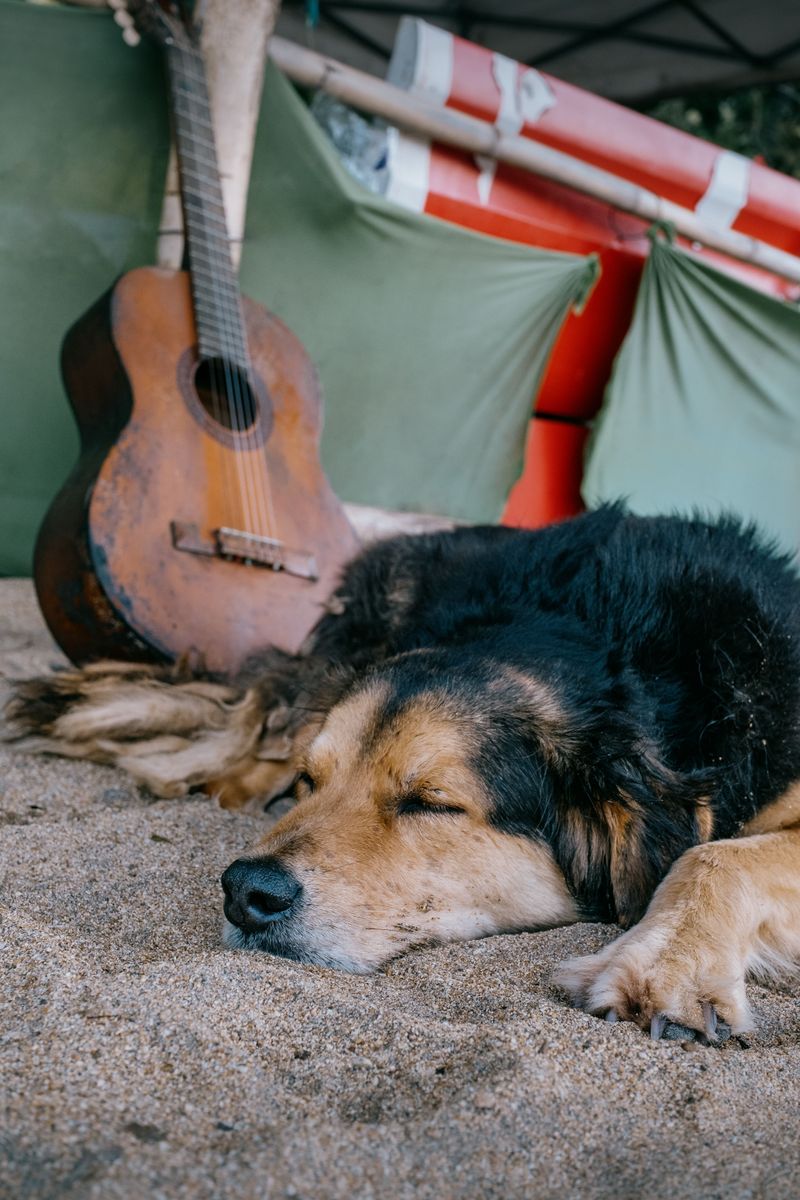
Training with sound lets you rewrite the story. Start at a whisper level where your dog notices but stays relaxed.
Then pair each tiny step with snacks and praise.
Use short sessions, often, and end while your dog is still happy. Track progress from level 1 to level 2 across days, not minutes.
If your dog tenses, go back a notch. Mix sounds they handle well with harder ones to keep confidence high.