
Choosing a calm dog sounds simple until real life noise, routines, and expectations step in. The right match can bring peaceful companionship, while the wrong assumptions create stress for both you and your pup.
Avoiding common pitfalls now can save you heartache, training setbacks, and rehoming later. Let’s clear up the myths and help you choose with confidence.
Assuming calm means low exercise needs
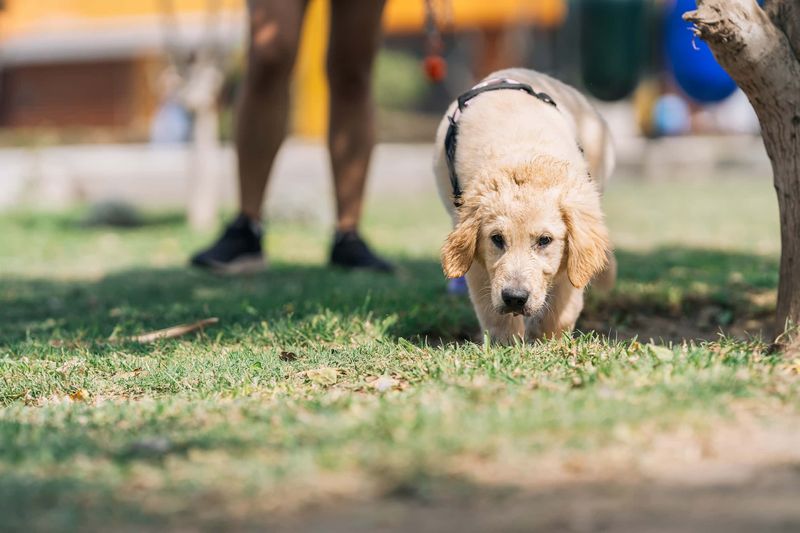
Calm does not always mean low energy. Many dogs relax beautifully after a solid walk, short training session, and a little sniffy exploration.
You might see couch potato behavior only because needs were met earlier.
Breed labels can mislead, and age can, too. Young dogs often require brief but consistent outlets, even if their temperament seems mellow.
A calm adult might still need daily movement to prevent boredom.
Think in terms of balance, not inactivity. Plan for short walks, decompression sniff breaks, and simple games that burn brain and body energy.
When needs are met predictably, you get the quiet companion you imagined, without pent up frustration.
Ignoring noise sensitivity and startle response
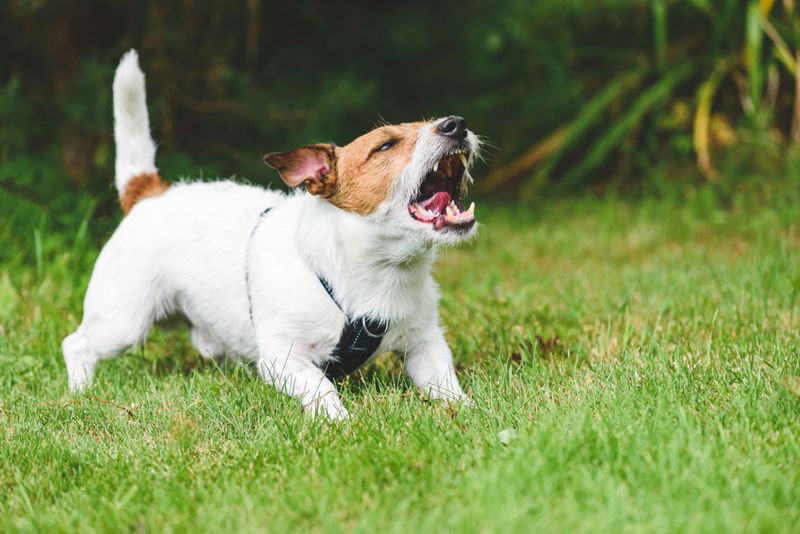
Some calm dogs are sensitive to sounds like sirens, dropped pans, or sudden footsteps. Startle easily enough times, and stress accumulates even in a peaceful home.
You might see hiding, panting, or clinginess that looks like shyness.
Ask about startle recovery and sound tolerance during adoption conversations. Meet the dog in different environments if possible, including near traffic or hallways.
Bring treats and watch how quickly the dog settles after a surprise.
Noise management matters. Use rugs, white noise, and predictable routines to soften triggers.
Teach a go to mat behavior and pair unexpected sounds with snacks. A small plan now turns a sensitive companion into a confident, quiet roommate.
Choosing by looks instead of temperament
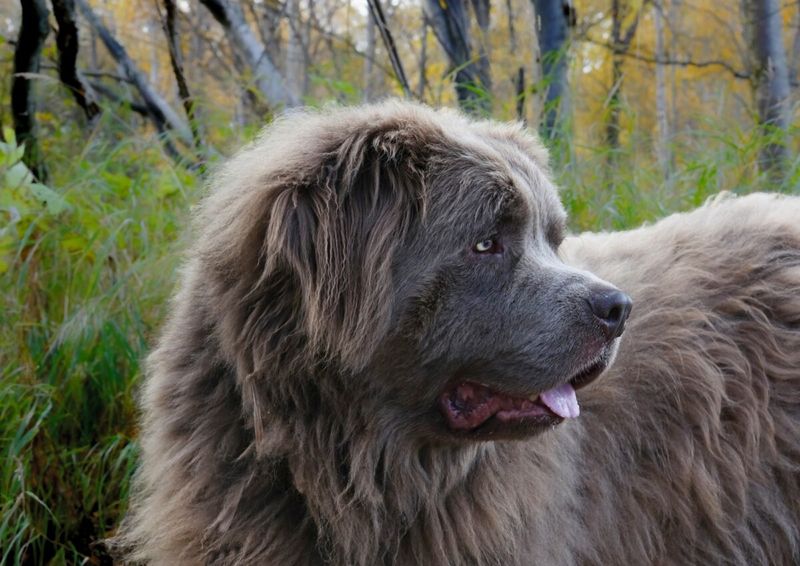
That fluffy coat or soulful face pulls at your heart, but temperament dictates daily life. Energy, resilience, sociability, and tolerance for handling determine whether a home stays quiet.
Looks rarely predict those traits accurately.
Spend time observing between activities, not just first impressions. Ask staff about decompression patterns and how the dog behaves after exercise.
Consider whether the dog’s coping style matches your lifestyle and space.
Temperament testing is imperfect, but conversation plus observation is powerful. Choose the dog that recovers quickly, enjoys gentle engagement, and can settle near you.
When you prioritize behavior over aesthetics, you get harmony instead of surprises wrapped in pretty fur.
Skipping early socialization because the dog seems easy

An easygoing vibe today does not guarantee resilience tomorrow. Without gradual exposure, new sights and sounds can grow scary with age.
Quiet homes sometimes create quiet bubbles where skills never develop.
Socialization means calm observation at a distance, paired with snacks and choice. Short field trips, not forced greetings, build confidence while keeping arousal low.
Think quality over quantity and watch for soft eyes and loose body language.
Make a checklist: elevators, umbrellas, stairs, gentle handling, car rides, and vet visits. You are building a library of safe experiences the dog can reference later.
Future calm depends on today’s careful, positive reps in the real world.
Not teaching alone-time skills from day one

Quiet homes can accidentally create clingy routines. If your dog is never alone, separation can feel alarming later.
Start small with door closes, short exits, and food puzzles that predict relaxation.
Build a leaving ritual you repeat every time. Use predictable cues like a mat, soothing music, and a long lasting chew.
Return before worry escalates, then gradually extend duration while tracking progress.
Alone time is a trained skill, not a personality trait. Calm dogs still need practice to feel safe off duty.
With gentle pacing and consistency, you prevent barking, stress drool, and door scratching, preserving peace for neighbors and your pup.
Underestimating mental stimulation needs
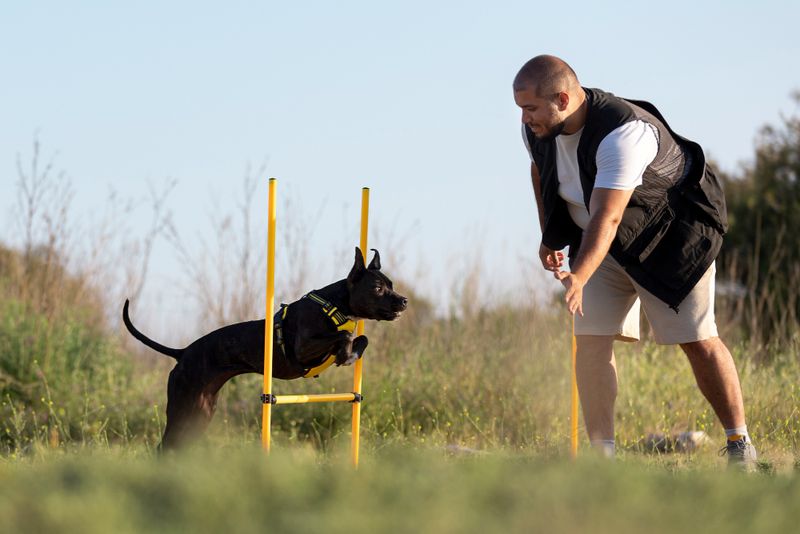
Calm dogs often love thinking tasks more than sprints. Without mental outlets, even mellow companions can pace, vocalize, or fixate.
Five minutes of training can tire a brain better than a long walk.
Rotate enrichment: scatter feeding, cardboard shreddables, scent games, and easy puzzles. Teach cooperative care skills like chin rest and nail touch.
Keep sessions short, upbeat, and success rich to maintain confidence and quiet.
Plan daily brain snacks. A simple find it cue, two new tricks weekly, and food stuffed toys on rest days go far.
Meet cognitive needs and your home stays peaceful, with a happily satisfied dog napping nearby.
Expecting the dog to tolerate constant visitors or kids
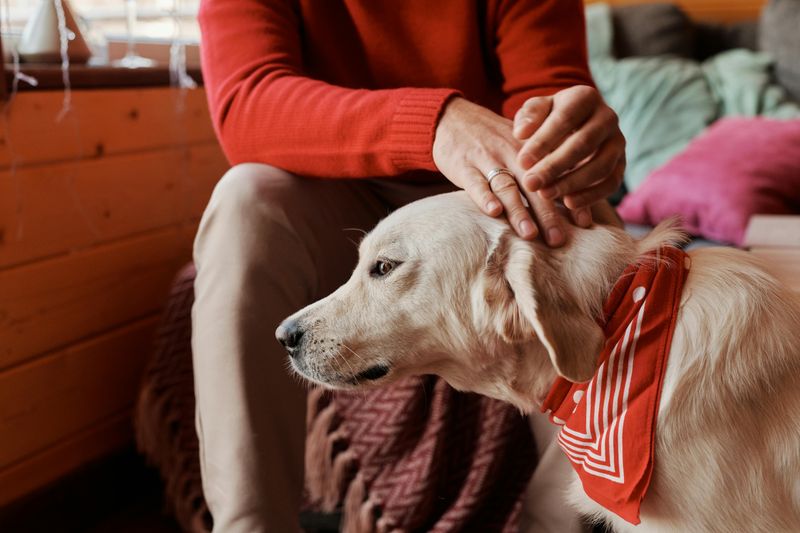
Calm is not the same as endlessly tolerant. Repeated pokes, fast movement, or surprise hugs can overwhelm even gentle dogs.
Protecting boundaries keeps everyone safe and preserves your quiet vibe.
Set up management before guests arrive. Use baby gates, a mat zone, and chew stations.
Coach visitors and kids to ignore the dog unless invited, and reward calm choices generously.
Watch for stress signals like lip licks and head turns. Offer breaks and honor them.
When you advocate early and often, your dog learns people predict comfort, not pressure, and your home remains serene during gatherings big or small.
Not planning for grooming, shedding, and routine care
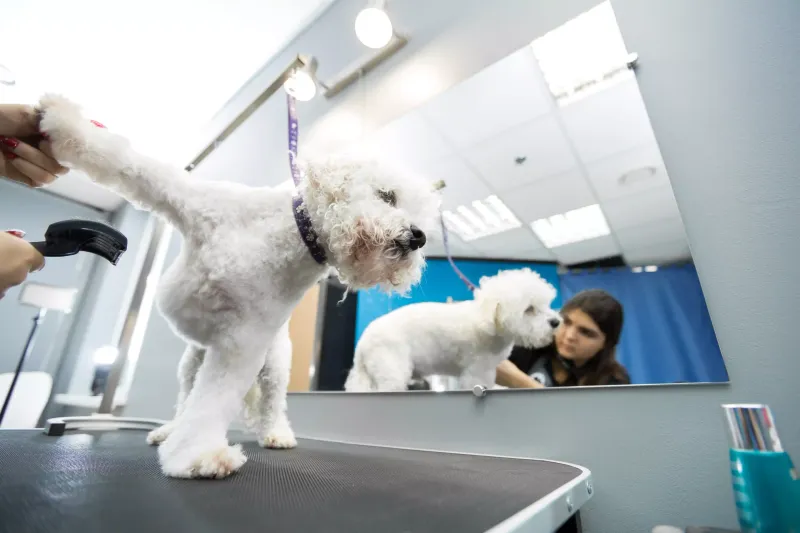
Coats, nails, and ears do not maintain themselves, even on the chillest companions. Matting hurts, long nails change posture, and dirty ears invite infections.
Routine care is part of keeping a peaceful life.
Choose a coat you can manage. Short hair still sheds, while doodle mixes need regular brushing and trims.
Train cooperative care early with a chin rest, treats on a lick mat, and tiny, repeatable steps.
Schedule reminders. Weekly brushing, monthly baths as needed, daily wipe downs for folds, and positive nail sessions prevent drama.
When care is predictable and kind, vet visits feel easier, and your calm dog stays genuinely comfortable at home.