
Ever wonder if your dog hears you perfectly fine but chooses to pretend otherwise? You are not imagining it.
Dogs are master negotiators, and they use clever little tactics that look cute while buying extra freedom. Once you spot the signs, you can respond like a pro and make listening the easy choice.
pausing before doing the cue
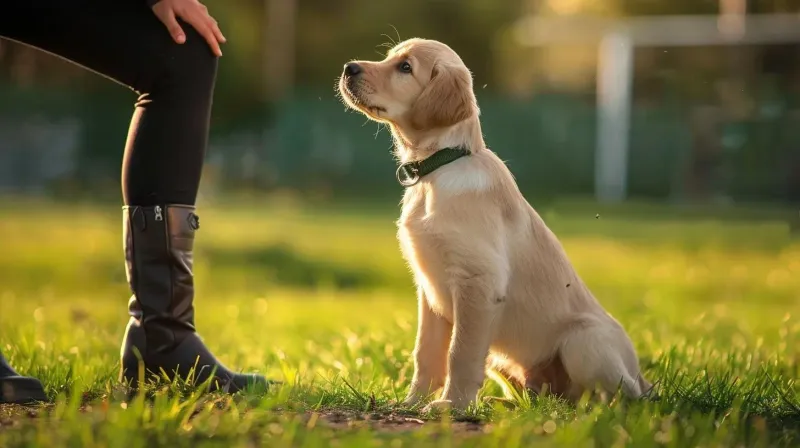
You say sit, and your dog freezes like a tiny statue, weighing the moment. That pause is not confusion, it is strategy, a silent negotiation to see if you really mean it.
Ears twitch, eyes blink, and you can almost hear the internal coin flip.
Hold steady for a heartbeat longer and many dogs will follow through, but they wanted that dramatic beat first. If you relax or repeat yourself, you just taught them the pause works.
Next time, beat them at their own game by marking the instant they start moving and rewarding promptly. Keep cues clear, short, and say them once, then wait calmly so the choice becomes easy and the pause stops paying for your clever rebel.
looking away on purpose
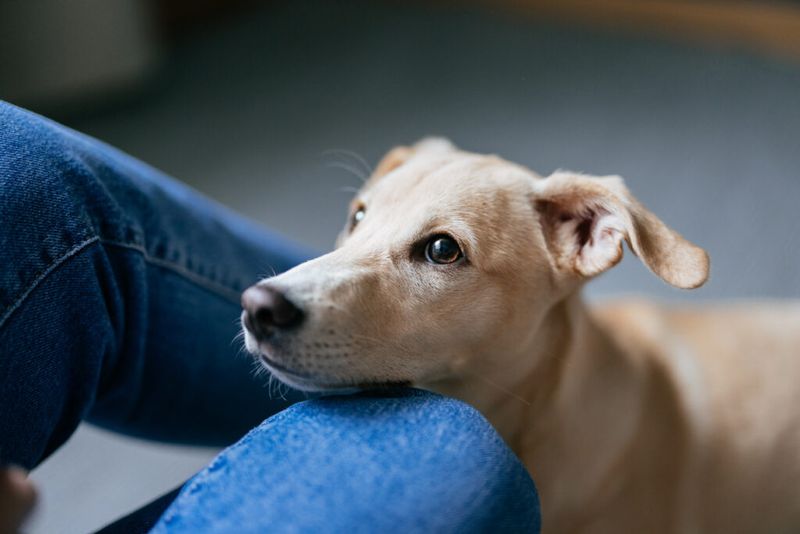
That slow head turn is not shyness, it is classic canine deflection. Your pup breaks eye contact, squints at a wall, or studies the ceiling like an art critic.
It signals I heard you, but I am opting out for a second.
Do not chase the stare. Instead, soften your body, step sideways, and make the cue easy to win.
The moment their eyes flick back, mark and reward to reinforce reengagement, then ask once more with a light voice so looking away stops being the power move. You can also add a brief focus game, like name then treat, so attention becomes the sweetest habit, not a chore.
Practice in boring rooms first before graduating to parks and doorways.
suddenly finding something else to sniff
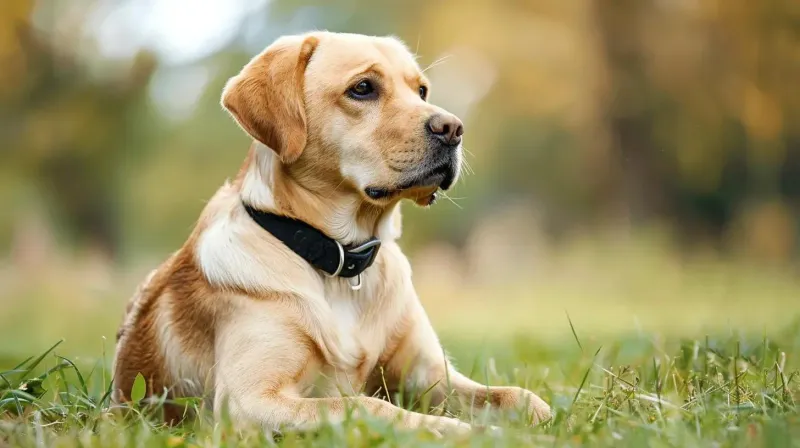
Right after you say come, the ground apparently grows irresistible stories. That sudden nose dive into grass is often a decoy, a polite way to decline your request without open rebellion.
Sniffing is self soothing and super rewarding, which makes it an easy stalling tactic.
Beat the sniff by giving permission strategically. Use a release word, then point to a sniff zone as the reward for coming quickly.
If they dive early, calmly guide them a step or two away, reset the cue, and pay big for the first fast turn, turning sniffing into your ally. Start sessions after brief sniff walks so curiosity is satisfied, and rotate locations to keep novelty low during recall practice.
Consistency makes choices effortless.
moving in slow motion
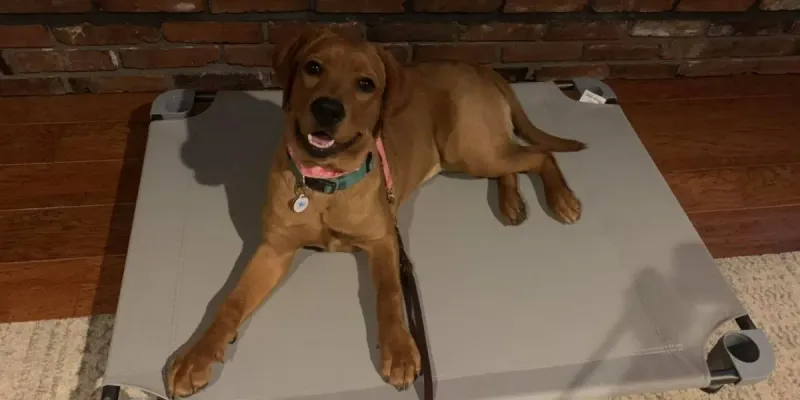
When a dog inches toward you like syrup on a cold morning, it is not a limp. That exaggerated slow motion is often a cheeky compromise, complying while still making a point.
They heard you, they just want control over the tempo.
Resist the urge to repeat. Instead, make moving briskly the thing that pays by marking the first quick step and finishing with a great reward or a game.
If they slog, break it into short targets, celebrate speed, and end the session while it is going well to protect momentum. Pair a cheerful release word with sudden play bursts so fast responses predict fun, and sprinkle easy wins between harder cues to keep enthusiasm bright.
Short reps win.
giving you one quick glance and then ignoring you
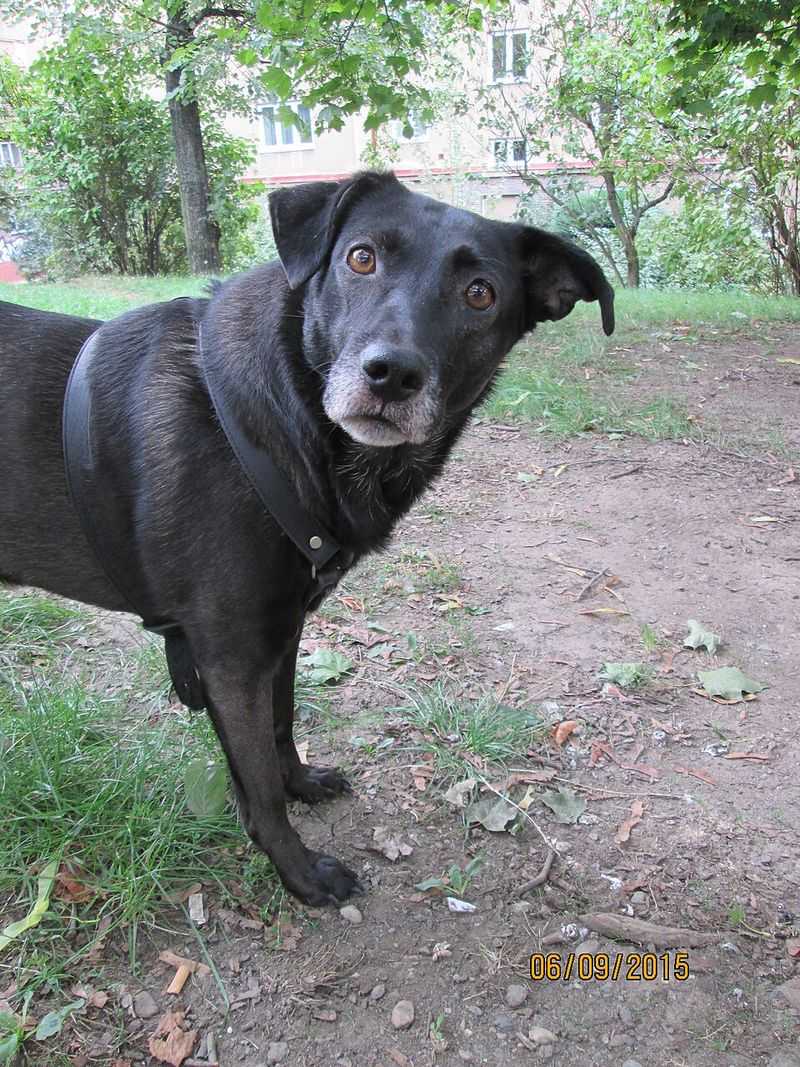
That micro glance is the canine equivalent of reading a text and not replying. They absolutely registered your cue, then chose a different priority.
It is a social message too, testing whether you will escalate or if the first ask truly matters.
Answer with clarity, not volume. Step closer, reduce distractions, and make the behavior simple to earn.
When the eyes flick back again, capture it with a marker, then guide into the cue and reinforce generously so that quick check in becomes the on ramp to cooperation, not the exit. Practice with low stakes tasks like hand targets, then build to stays and recalls as reliability grows, keeping sessions short, upbeat, and predictably successful.
Make good choices obvious today.
obeying only after a second request
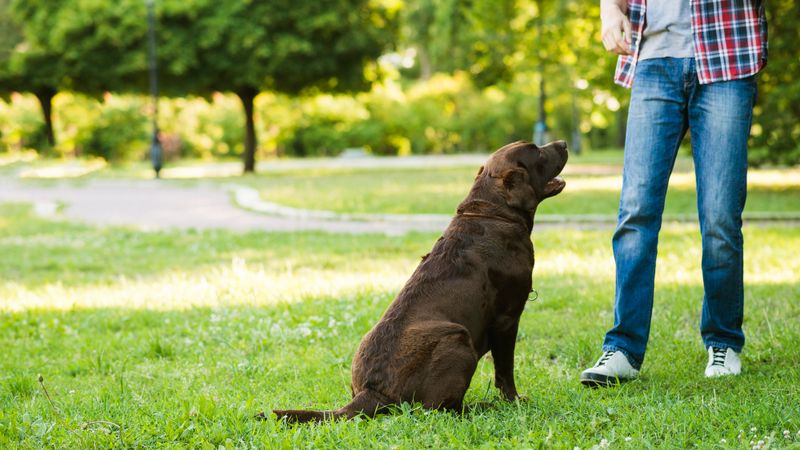
Needing to repeat yourself means your dog has trained you. First request predicts nothing, second request predicts action, and they wait for the pattern you built.
It is not stubbornness as much as smart learning about your timing and follow through.
Fix it by asking once, then calmly helping the correct choice happen. Use a brief pause, a leash guide, or a reset rather than extra words, and pay on the first response.
Soon, the second ask disappears because the first ask consistently leads to success and your dog loves predictable games. If you slip, do not stack cues, just breathe, reposition, and try again, rewarding generously when they nail it on the first beat.
Consistency rebuilds your cue value.
acting busy with a toy
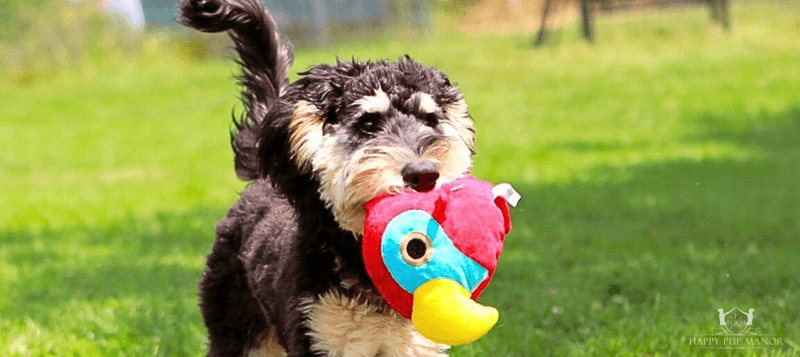
You call, and suddenly that ragged squeaky toy becomes a full time job. Tugging, tossing, and parading it around are convenient ways to screen out your cue while still looking adorable.
It is part self reinforcement, part polite rebellion.
Do not compete with the toy, recruit it. Ask for a quick sit, then cue take it as the reward so cooperation unlocks play.
If they dodge you, clip on a lightweight house line for gentle guidance, and trade with food strategically, so the toy becomes your training partner, not the shield. Rotate toys and end games while excitement is high, teaching that listening makes the fun resume faster and brighter than ignoring ever could.
Short, sweet sessions prevent blowoffs tomorrow.
wandering off just far enough to be annoying
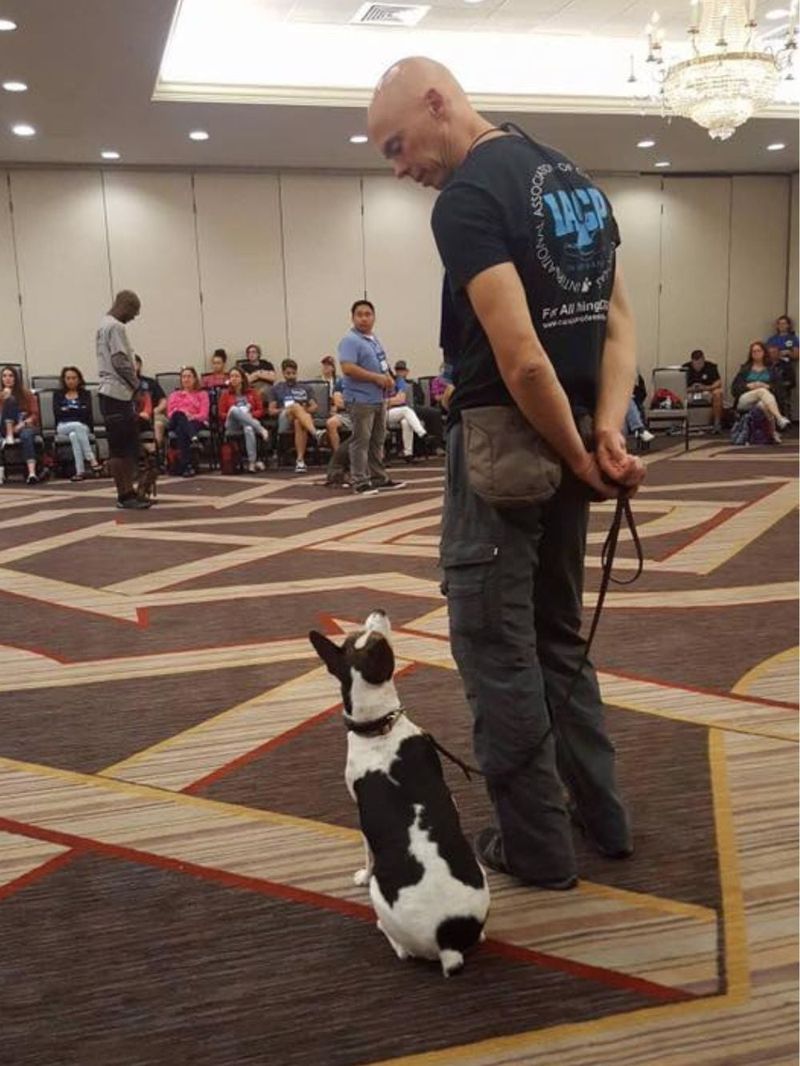
There is that cheeky perimeter walk, drifting to the edge where you cannot quite reach. They pause, glance back, then mosey on as if the breeze summoned them.
It is distance as a dial, turning your influence down without fully leaving.
Close the gap by moving, not repeating. Step off sideways, become interesting with a toy or treat magnet, and mark any return step before asking for more.
Practice on a long line, reward check ins lavishly, and let brief freedom be the prize for quick recalls, so distance starts working for you. Build sticky proximity games indoors first, then graduate outside, paying generously whenever they orbit close, so staying near feels natural, easy, and better than wandering every time.