
Ever watch your dog freeze at a blank wall or tilt their head like a tiny scholar? They often pick up whispers of movement and frequency shifts that our ears simply miss.
Understanding these strange moments can turn confusion into connection instead of worry. Here are eight behaviors that decode what your dog thinks they just heard.
Sudden freezing and staring at a wall
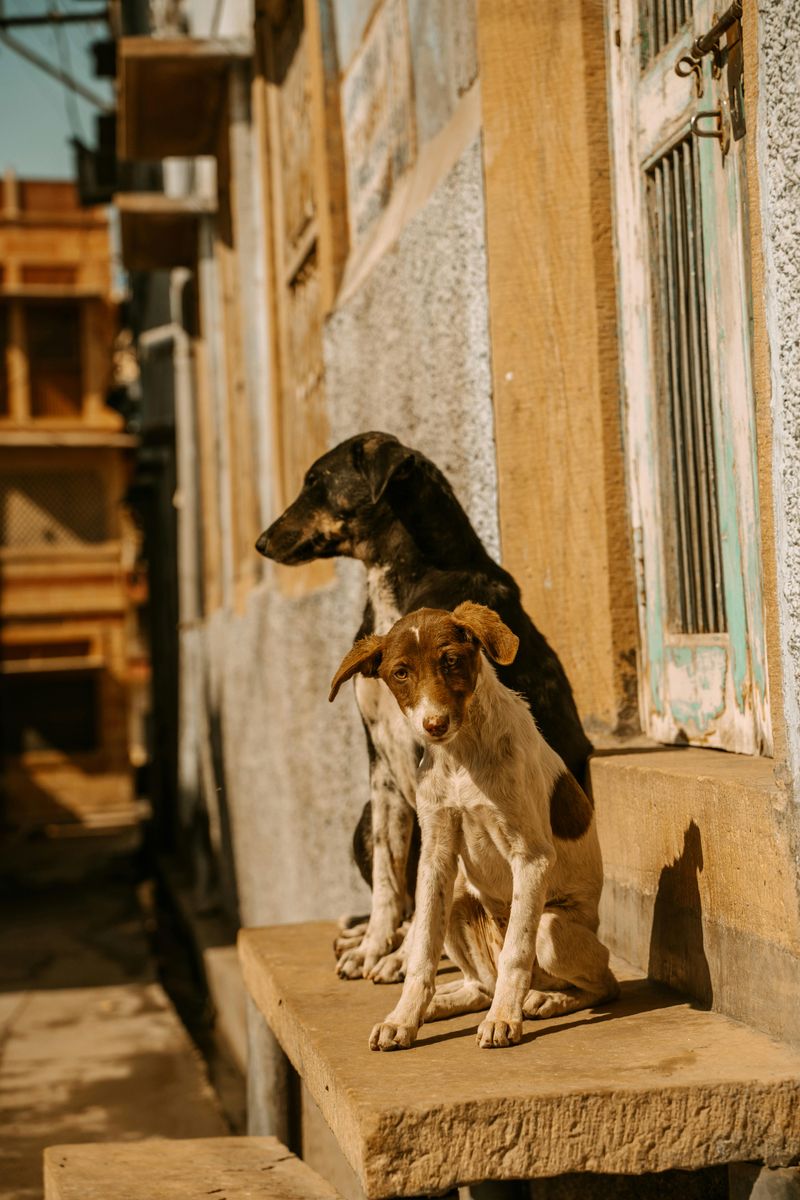
Your dog freezes mid-step and locks eyes on a blank wall. You hold your breath, wondering if you missed a sound.
To them, the plaster is not empty but a speaker for tiny vibrations. Their whiskers still, pupils widen, and muscles brace as their brain triangulates the whispery source behind the paint.
Mice in the cavity, pipes pinging, or distant electronics can transmit faint clicks your ears ignore. Dogs anchor their body to focus, filtering noise like a living satellite dish.
If it happens often, gently call them away, reward relaxation, and check the wall for practical causes before assuming ghosts. A white-noise machine, thicker rugs, and evening enrichment can reduce these hyper-attentive episodes for both you and your dog.
Ears moving independently

One ear swivels forward while the other tilts back, like tiny radar dishes mapping everything. You might not hear anything, but they are sampling frequencies from multiple directions simultaneously outside.
Independent ear movement lets dogs localize faint sounds without shifting their whole body or posture. It is like cupping hands to your ears, except their muscles do the work effortlessly.
If you notice this often indoors, try silencing vents, buzzing chargers, and rattling windows nearby. Outdoors, expect quick flicks toward squirrels, cyclists, and even distant drones beyond your range today.
Offer a calm cue, reward check-ins, and let curiosity pass instead of escalating excitement further. Those ears are instruments, and your patience helps tune them to everyday life at home.
Quiet growling without moving
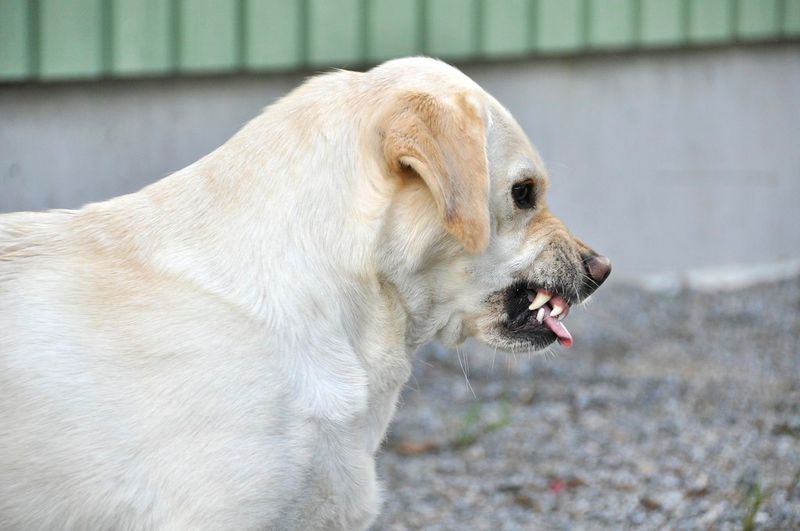
Your dog emits a low, steady growl, chest still and eyes soft but vigilant tonight. You might think it is aggression, yet this is often informational, not confrontational at all.
They are flagging a sound you cannot track, maybe a creak, whisper, or outdoor shuffle. By staying still, they conserve energy, project presence, and measure whether the noise recurs again.
Avoid scolding the growl, because it is valuable communication you actually want preserved for safety. Offer calm praise for checking in, then redirect to a mat, chew, or simple trick.
If it spikes, create distance, close curtains, and investigate potential triggers with methodical curiosity later. Consistency turns mysterious growls into manageable alerts that fade faster over time with your guidance.
Slowly walking toward a sound source
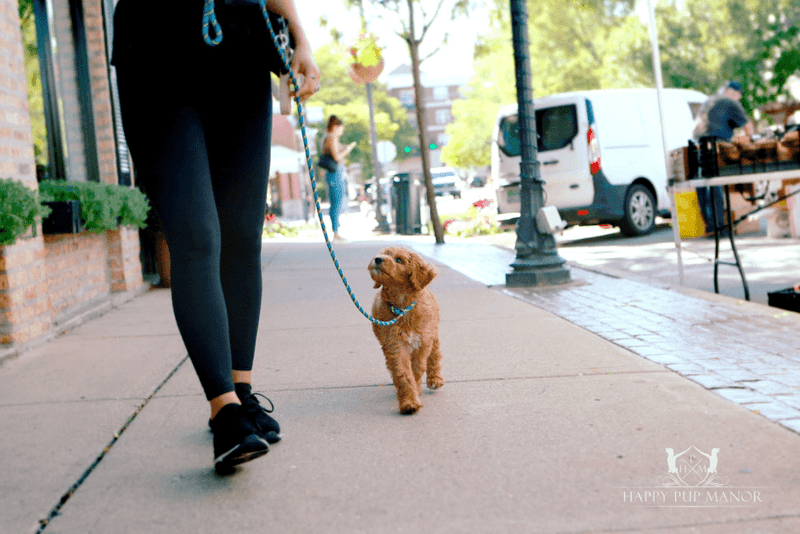
Instead of sprinting, your dog creeps forward, each paw placed carefully like stealth mode engaged. They are gauging loudness gradients, using micro-pauses to triangulate exactly where the sound originates from.
You see whiskers twitch, nose quiver, and shoulders loosen while attention narrows into laser focus. This careful approach minimizes startling prey, roommates, or the troubling dishwasher that clacks unpredictably nearby.
Let them investigate briefly, then cue a return and pay generously for disengagement with treats. If uncertainty lingers, lead a sniffy walk past the area to resolve the mystery gently.
Gradual exposure builds confidence while protecting sensitive ears from overwhelming surprises or reactive spirals outside. Over time, creeping becomes curiosity that checks in with you sooner and settles faster too.
Tilting head repeatedly
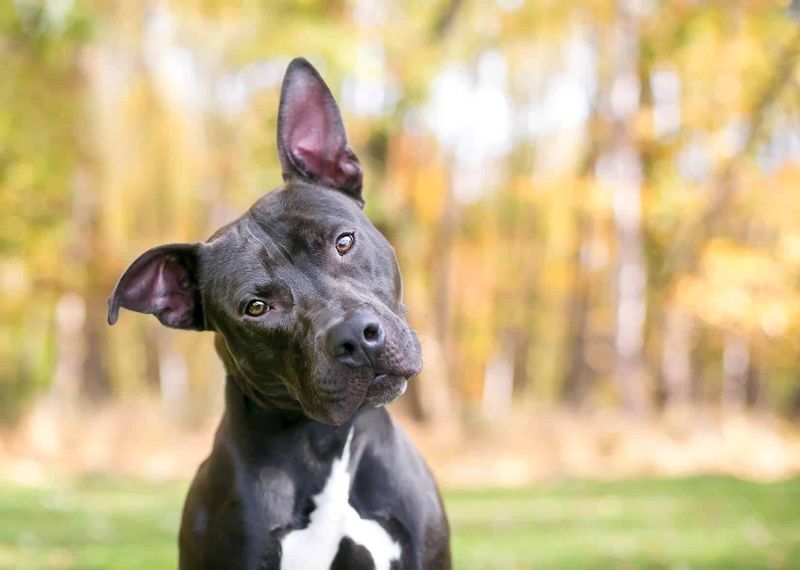
The classic head tilt repeats, left then right, as your words turn into puzzles again. You smile, but they are adjusting ear canal shape to decode pitch, timing, and origin.
High consonants, squeaky toys, and distant sirens trigger this adorable acoustic problem-solving behavior quite often. Vision joins in, aligning muzzle, ears, and eyes to cross-check whatever message is arriving now.
Encourage a quick check-in, then reward calmness rather than frantic bouncing around your feet today. Record household noises to desensitize gently, and ask friends not to squeal excitedly near ears.
If head tilting increases suddenly, schedule a vet check to rule out ear issues soon. Most times, it is curiosity meeting kindness when you give space for thoughtful listening together.
Leaving the room to investigate
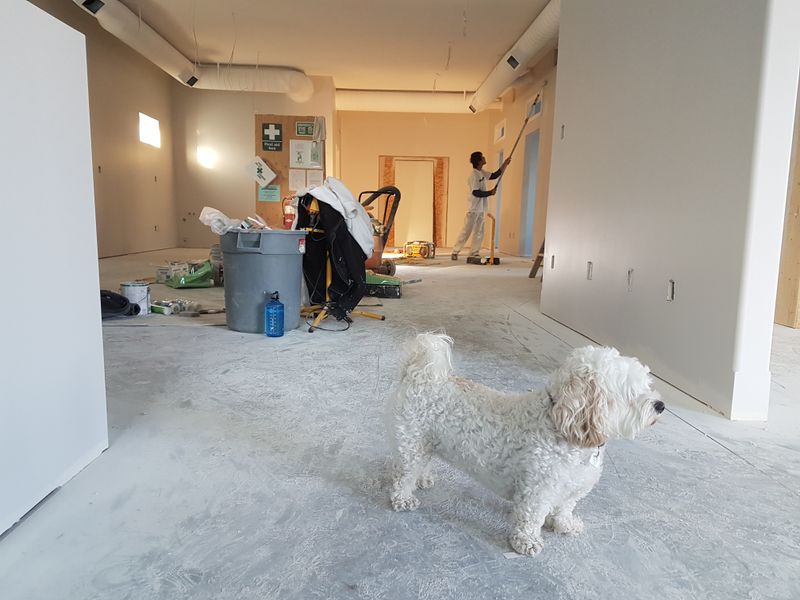
Without prompting, your dog trots out, nose high, like a detective clocking offscreen evidence somewhere. You hear nothing unusual, yet they are tracing echoes down hallways and under doors quietly.
This is purposeful scouting, expanding the search radius to pinpoint whether action is required nearby. Prey memories, delivery trucks, or a neighbor dropping keys can launch these solo missions midday.
Install baby gates or teach a pause cue, so curiosity checks with you first reliably. Provide a sniff mat or chew to satisfy the investigative drive without patrolling constantly everywhere.
If departures spike at night, rule out critters, HVAC noises, and unsecured windows with diligence. With structure, wandering turns into teamwork, and peace returns faster after odd sounds at home.
Staring at doors or windows
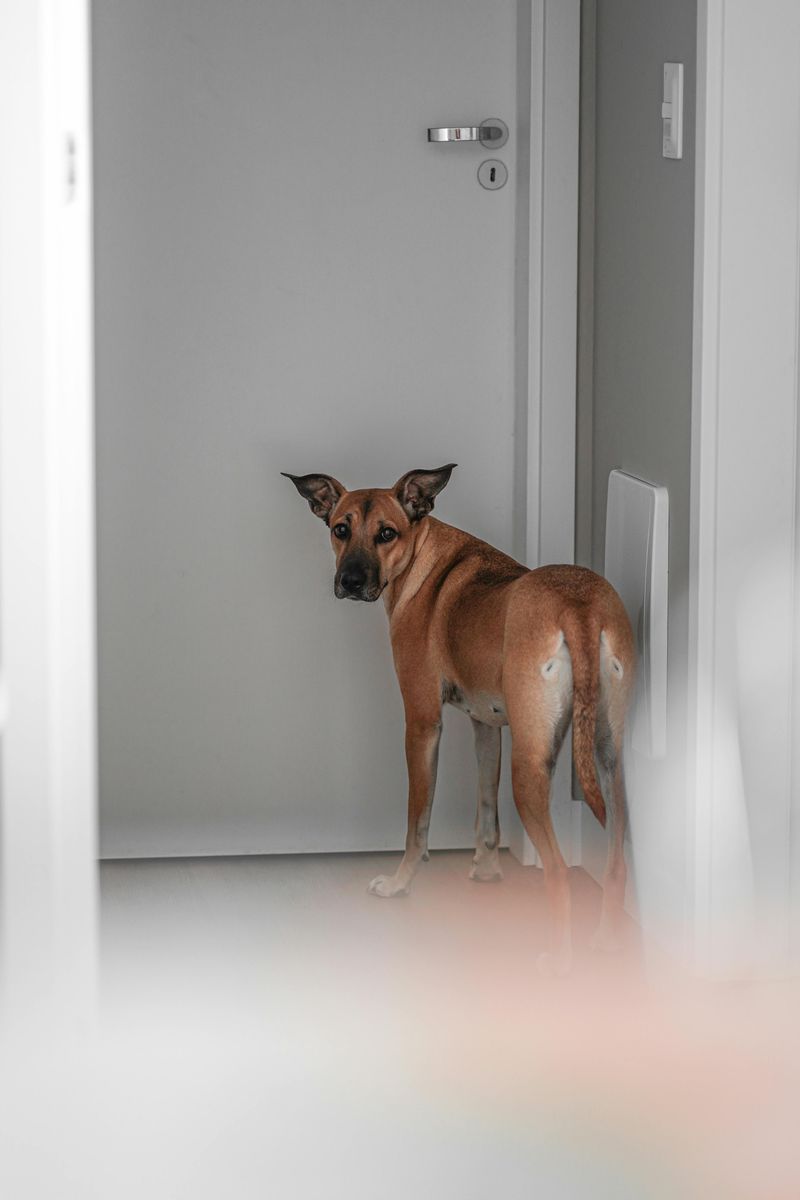
Your dog plants themselves before the door, pupils dilated, listening like a night watch guard. Windows get the same treatment, especially at dusk when outside noises bounce unpredictably and oddly.
They are building a sonic map of approaching footsteps, packages, and wildlife movements along glass. Stillness helps locate timing precisely, deciding whether to alert, greet, or ignore this particular time.
Frosted film, white-noise, and a parking routine can lower anticipation around predictable triggers for dogs. Teach a place cue near you, rewarding orientation shifts away from the threshold hot-zone gradually.
If fixation persists, schedule a neighborhood sound walk to demystify clacks and hums out there. Soon, door-staring downgrades to casual glances that fade after a quick check-in and reward offered.
Sniffing the air intensely
Nose lifted high, your dog air-sniffs like a periscope reading invisible scent currents above you. You think hearing, but olfaction stitches with sound, creating a multilayered sensory panorama for them.
Tiny rustles pair with odor plumes from vents, chimneys, and cracked windows far away tonight. They sample, pause, recalibrate, and decide whether investigating or ignoring serves best right this moment.
Open a puzzle feeder, scatter kibble, or cue sniffing games to satisfy that urge indoors. Avoid yanking the leash upward, which compresses airways and intensifies frantic sampling behavior under stress.
If sudden air-sniffing seems new, book a vet visit to check nasal health and comfort. Matched with kindness, this radar becomes your ally for peaceful walks and calm evenings together.