
Dogs have been more than just companions throughout history. They’ve played vital roles in human societies, performing tasks that go beyond the ordinary. Here are nine ancient dog types bred for unique jobs that might surprise you.
Saluki
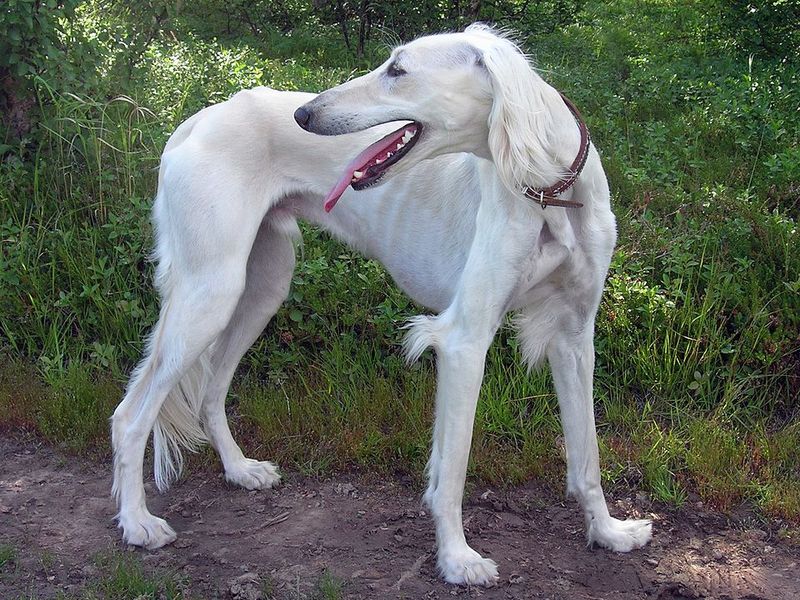
With elegance that echoes through time, the Saluki is known as the ‘Royal Dog of Egypt.’ These agile hounds were bred for their unmatched speed and endurance across deserts.
Used primarily for hunting, they could chase down gazelles over the scorching sands. Revered by pharaohs, Salukis were often mummified alongside their owners.
Did you know? Their lineage is so ancient that depictions of Saluki-like dogs appear in ancient Egyptian tombs. This breed embodies grace and history in every stride.
Tibetan Mastiff
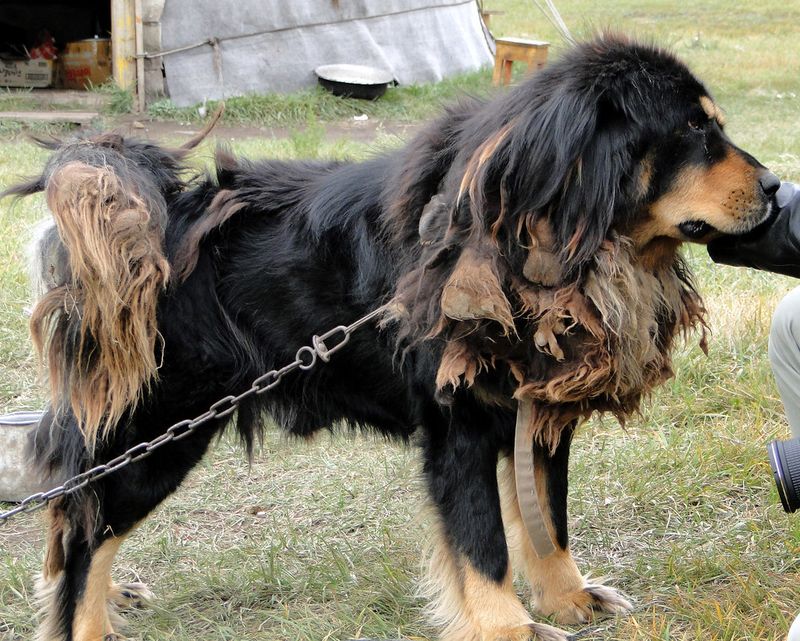
Stalwart protectors of the Himalayas, Tibetan Mastiffs are as formidable as the mountains they hail from. Bred by nomadic cultures, they guard livestock from predators.
These imposing dogs are characterized by their thick fur and deeply resonant bark, capable of deterring even snow leopards. Independent yet loyal, they serve as vigilant guardians.
The Tibetan Mastiff holds a mystical aura, believed by some to house the souls of monks and nuns not yet reincarnated. A breed steeped in legend and lore, they command respect.
Norwegian Lundehund
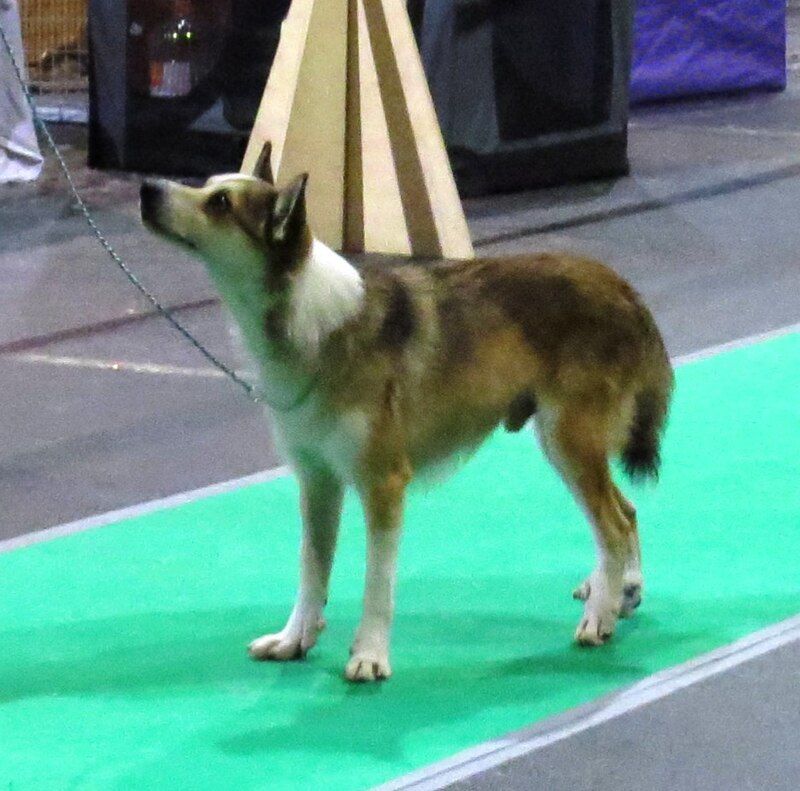
In the rugged Norwegian cliffs, the Lundehund stands apart with its unique anatomy. Bred to hunt puffins, this agile dog boasts six toes on each foot and extraordinary flexibility.
These traits allow them to navigate the treacherous terrain of puffin nests. Their double-jointed necks enable them to bend backwards, a necessary skill for their task.
Though puffin hunting is no longer needed, the Lundehund’s quirks make them fascinating. Their historical role speaks volumes about human ingenuity in utilizing animal companions.
Basenji
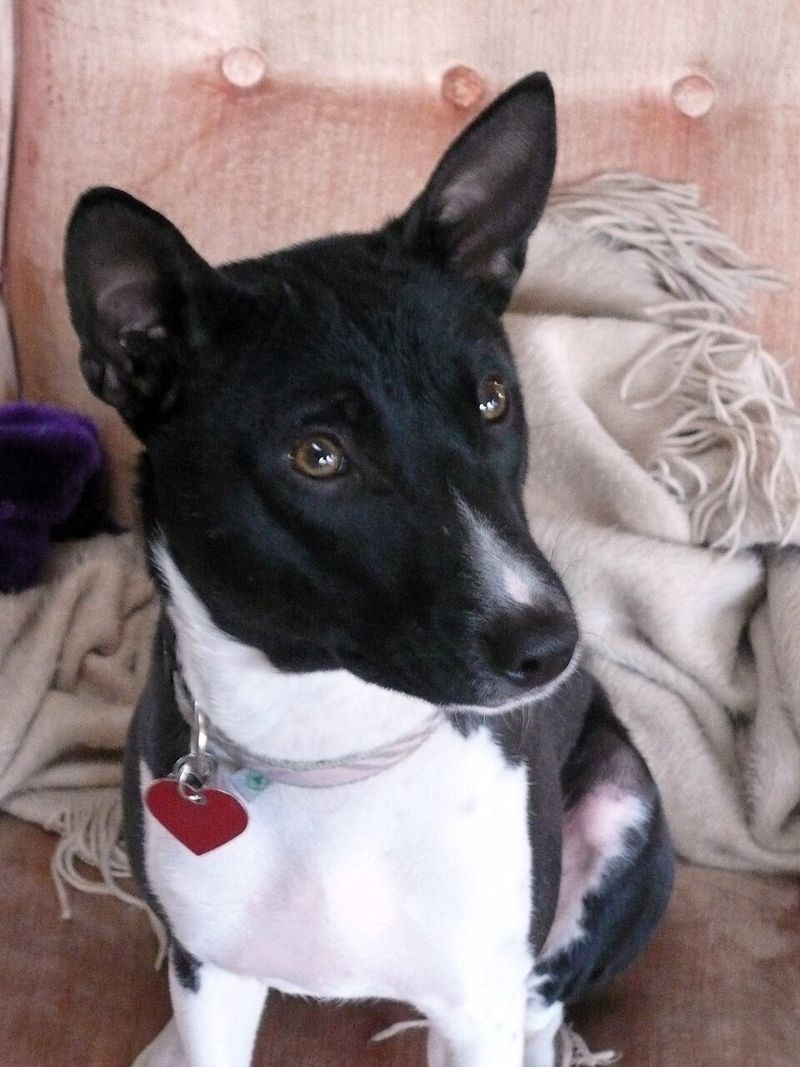
The Basenji, often called the “barkless dog,” is known for its yodel-like sound. Originating from Central Africa, this breed was developed for hunting small game.
Silent hunters, they relied on speed and stealth rather than vocalization. Their intelligence and independence made them prized by African tribes.
Despite their quiet nature, Basenjis communicate through expressive behavior and sounds. Their ancient lineage is visible in cave paintings, illustrating a partnership dating back millennia.
Komondor
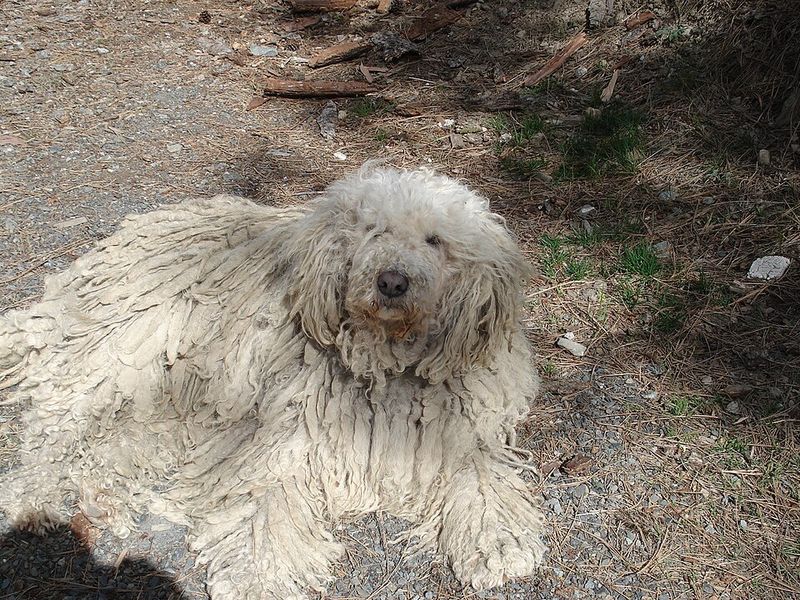
With a coat resembling a mop, the Komondor is a master of disguise among sheep. Bred in Hungary, these dogs protected flocks from predators.
Their natural camouflage allowed them to blend seamlessly with the herd, offering an element of surprise against threats. This made them invaluable livestock guardians.
Komondors are fiercely loyal and possess a strong protective instinct. Their unique coat, while high-maintenance, is a testament to their specialized role in pastoral life.
Bergamasco Shepherd
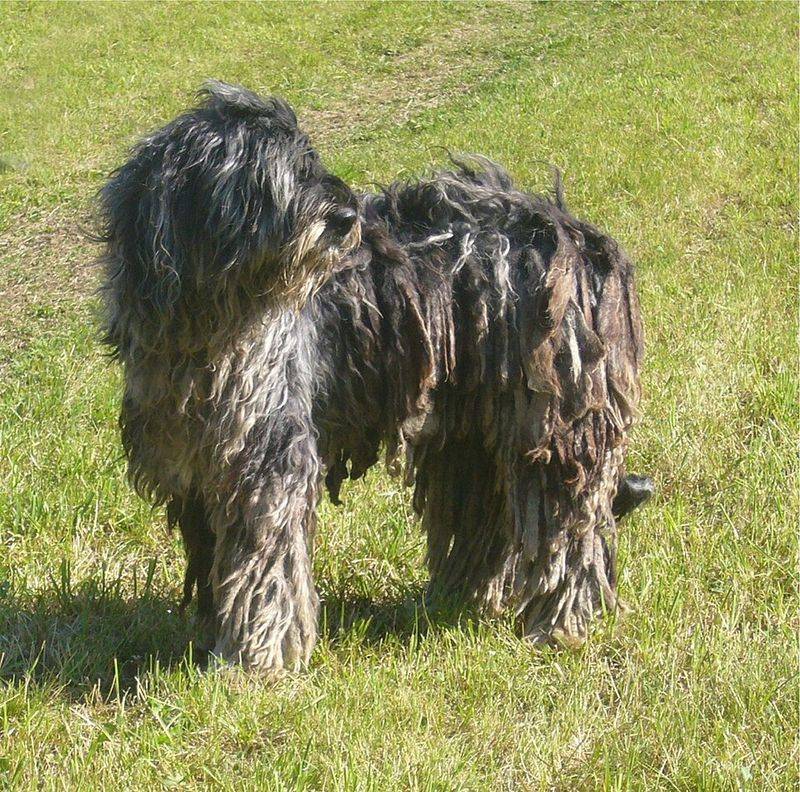
In the Italian Alps, the Bergamasco Shepherd is known for its distinctive, felted coat. This breed served as a shepherd, herding flocks in mountainous regions.
Their unique coat consists of three types of hair that form natural mats, providing protection against harsh weather. Intelligence and problem-solving skills define this breed’s approach to herding.
The Bergamasco’s appearance might seem unusual, but each mat serves a purpose, showcasing evolution’s creativity in adapting to specific needs.
Chinook

Born in the snowy expanses of New Hampshire, the Chinook is an American sled dog with a storied past. Developed for sled pulling, they combined strength and endurance.
Known for their gentle nature, Chinooks excelled in polar explorations, providing reliable transport across icy landscapes. Their versatility made them ideal for both work and companionship.
Though they faced near extinction, dedicated breeding efforts have revived the breed. The Chinook’s legacy lives on as a testament to pioneering spirit and adventure.
Karelian Bear Dog
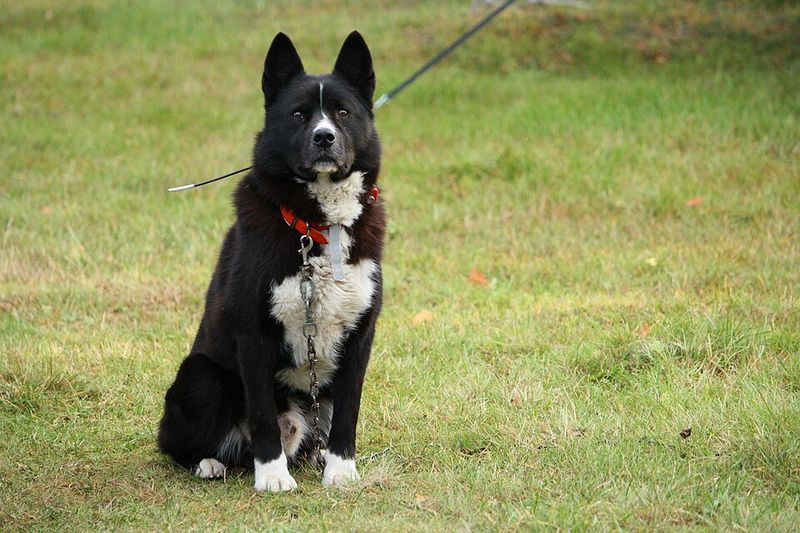
The Karelian Bear Dog, hailing from Finland, was bred for one purpose: bear hunting. Brave and tenacious, they can confront large predators like bears.
These dogs work strategically with hunters, using their keen senses to track and corner prey. Despite their fierce skill, they maintain a calm demeanor around humans.
Their fearlessness and loyalty have made them popular not just in Finland but in wildlife conservation efforts worldwide, showcasing their adaptability and enduring relevance.
Xoloitzcuintli
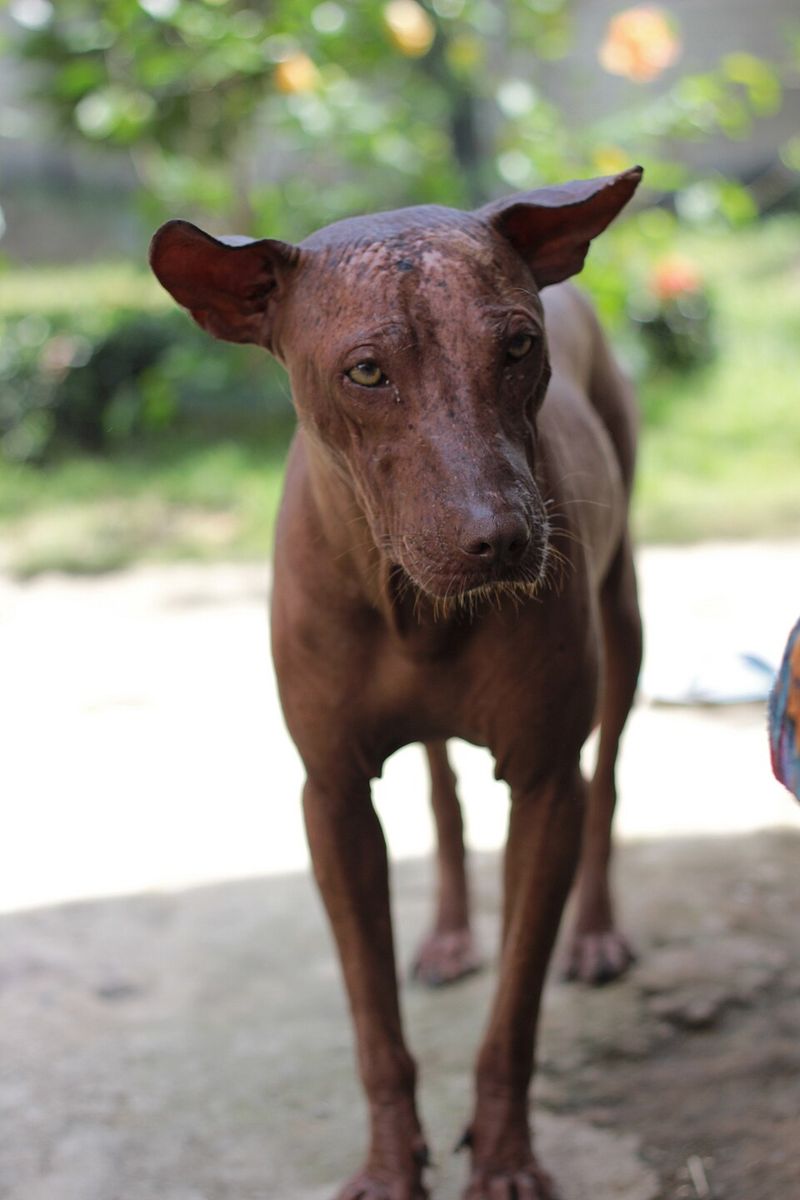
Sacred to the Aztecs, the Xoloitzcuintli, or “Xolo,” served as both companion and spiritual guide. Known for their hairless bodies, they were believed to ward off evil spirits.
These dogs were also used in hunting and as guardians. Their presence in ancient tombs signifies their role in guiding souls to the afterlife.
Today, the Xolo is recognized for its unique appearance and historical significance. This breed is a living link to a rich cultural past and ancient traditions.