
Dogs experience the world through scent, which means your cleaning routine can feel overwhelming to them. Some common products release fumes that irritate sensitive noses and even trigger coughing or paw licking.
The good news is you can keep a fresh home without stressing your pup. Let’s walk through what to avoid and what to reach for instead, so your space smells clean and your dog stays comfortable.
Bleach
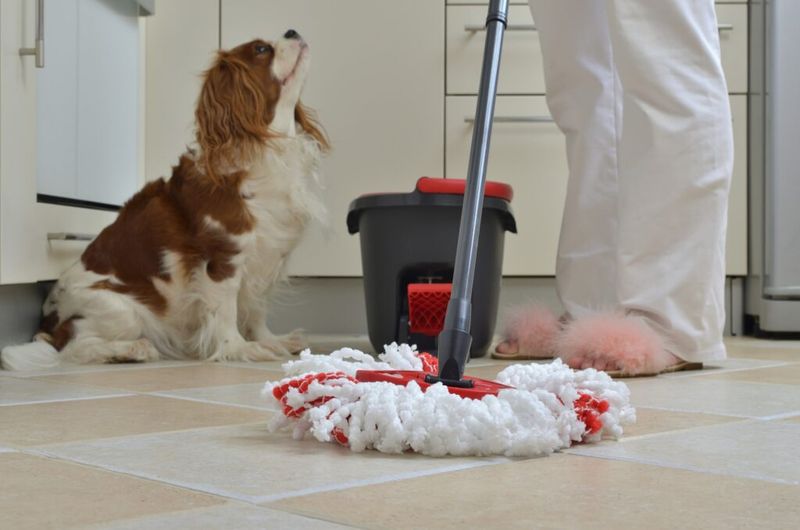
Bleach is powerful at killing germs, but its sharp chlorine fumes can overwhelm a dog’s sensitive nose. You might notice sneezing, watery eyes, or a quick retreat from the room when the cap opens.
Aerosolized droplets and lingering vapors can irritate airways and paws.
If you must use bleach, dilute it carefully, ventilate the space, and keep your dog in another area until surfaces are fully dry. Rinse treated areas with water to remove residue.
Never mix bleach with ammonia or acids, which can create dangerous gases.
For routine cleaning, consider gentler options that do not leave harsh odors. Reserve bleach only for necessary disinfection.
Your dog will breathe easier, and you will still keep surfaces safe.
Ammonia-based cleaners
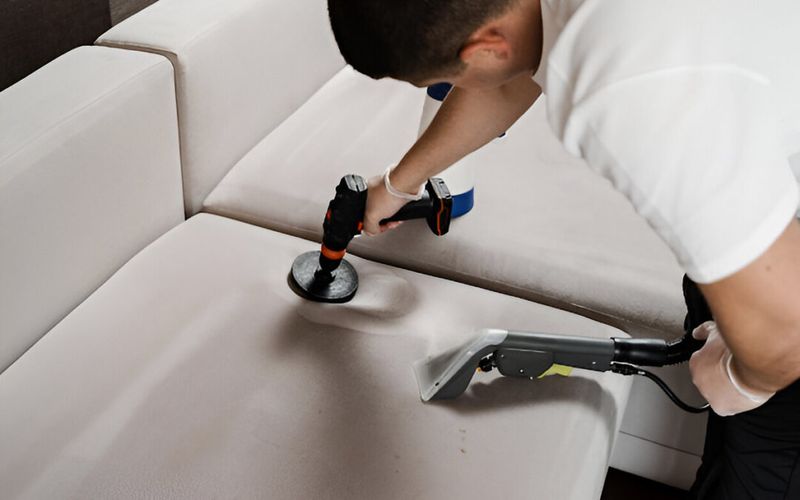
Ammonia-based cleaners cut grease fast, but their sharp, eye-watering smell is tough on dogs. Inhaling those fumes can cause coughing, drooling, or even nausea in sensitive pets.
The odor often lingers on floors where noses and paws spend time.
Use these products sparingly and only with strong ventilation. Keep pets out until the air clears and surfaces are fully dry.
Never mix ammonia with bleach, since that combination forms toxic chloramines that are dangerous to breathe.
For everyday messes, choose milder solutions that lift grime without the sting. Microfiber cloths and warm water often handle light soil well.
Your dog’s comfort improves when harsh ammonia scents are not part of daily cleaning.
Strong citrus cleaners
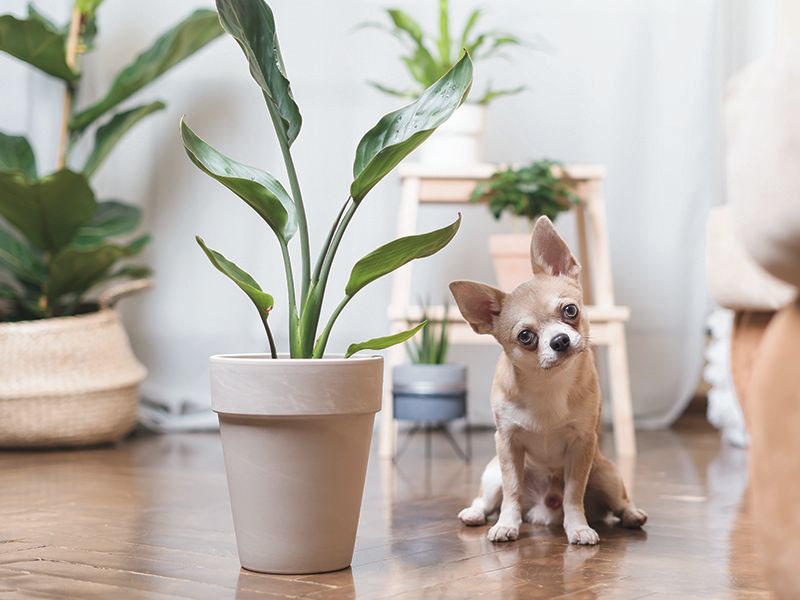
Strong citrus cleaners smell fresh to humans, but many dogs find them overpowering. Concentrated lemon or orange oils can irritate sensitive noses and may cause sneezing or avoidance.
Some citrus essential oils contain compounds that can bother skin and airways.
If you like a citrus vibe, choose lightly scented or diluted products and test in a small area first. Always ventilate and prevent direct contact with paws.
Wipe residues thoroughly, since dogs often lick floors and baseboards.
Consider fragrance-free versions for routine tasks, then add freshness with open windows. A gentle clean keeps your home inviting without overwhelming your dog.
You will still get that tidy feel, minus the intense punchy scent.
Pine-scented floor cleaners
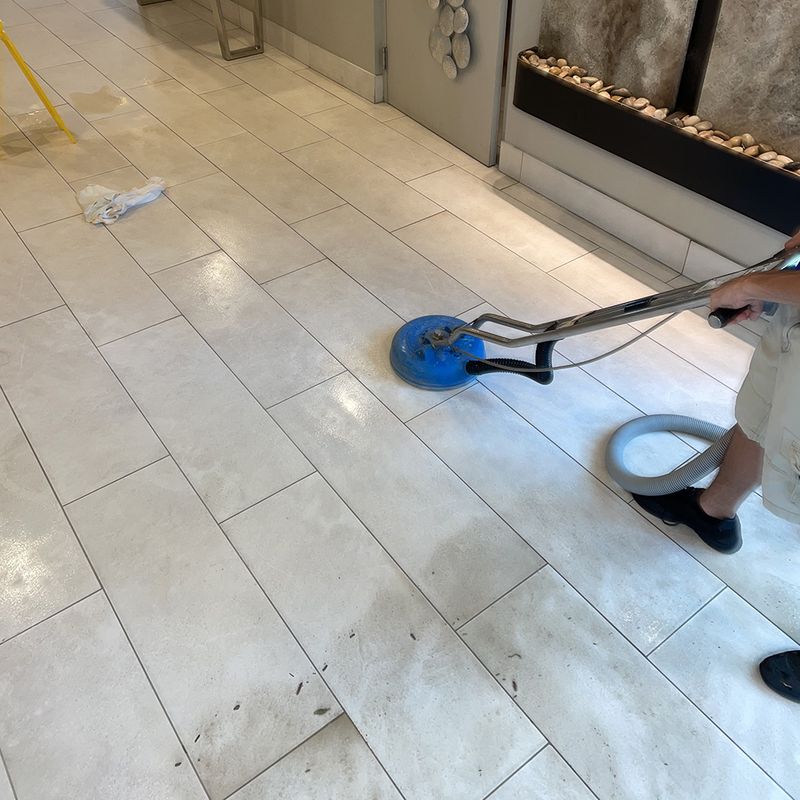
Pine-scented floor cleaners often contain aromatic compounds that cling to surfaces and air. Dogs track those scents with every step, which can lead to nose irritation or paw licking.
Some formulas feel sticky, keeping odors around longer than you expect.
Use these products with good ventilation and follow label dilution. Rinse or double-mop to reduce residue where pets walk and lie down.
Keep your dog out until the floor is completely dry to minimize exposure.
If pine is a favorite smell, choose a milder, low-residue version. Alternatively, go fragrance-free most days and save pine for occasional deep cleans.
Your dog will relax more when the forest scent does not dominate the whole house.
Scented disinfectant sprays
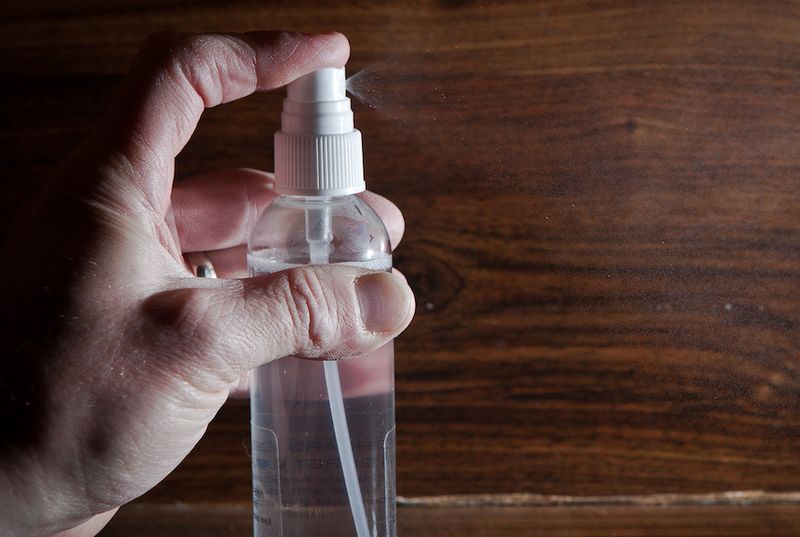
Scented disinfectant sprays release fine droplets that hang in the air, which is hard on a dog’s nose and lungs. Heavy fragrances can trigger sneezing, head shaking, or retreating to another room.
Residues on floors or beds may transfer to tongues during grooming.
Target high-touch areas, spray onto a cloth rather than the air, and ventilate well. Keep pets away during application and drying.
Opt for products with shorter ingredient lists and low fragrance intensity whenever possible.
For routine refresh, microfiber plus soap and water often suffice. Save disinfectants for specific needs like illness or raw meat prep.
Your dog benefits from cleaner air, and you still maintain hygienic surfaces without the fog of perfume.
Toilet bowl cleaners
Toilet bowl cleaners often use strong acids, bleaches, or surfactants that emit harsh fumes. Dogs may hover near bathrooms, so odors and splashes can be a problem.
Some gels cling to porcelain, leaving lingering scent even with the lid closed.
Apply with the fan running, shut the door, and keep your dog out until you have scrubbed, flushed, and aired out the room. Wipe spills immediately.
Avoid mixing products between applications to prevent dangerous reactions.
For routine maintenance, use a toilet brush with hot water between deep cleans. This reduces chemical exposure without sacrificing hygiene.
A careful routine keeps the bathroom sparkling and makes the space more comfortable for a scent-driven companion.
Oven cleaners
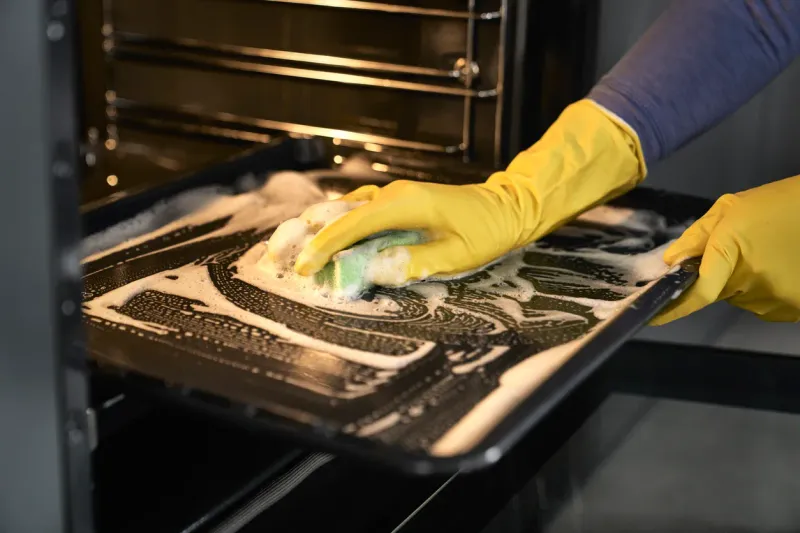
Oven cleaners are designed to strip baked-on grease, which means strong alkalis and aggressive solvents. Those fumes can sting a dog’s eyes and throat.
Even after wiping, the smell may linger in a closed oven until the next heat cycle releases it.
Whenever possible, use the self-clean function with good ventilation or choose low-odor gels. Keep pets out of the kitchen and allow extended airing before cooking again.
Line future pans to reduce heavy build-up and cleaning frequency.
For light grime, warm water, baking soda paste, and patience can work surprisingly well. A slower method cuts harsh odors dramatically.
Your dog appreciates a kitchen that smells like dinner instead of chemical clouds.
Scented laundry boosters
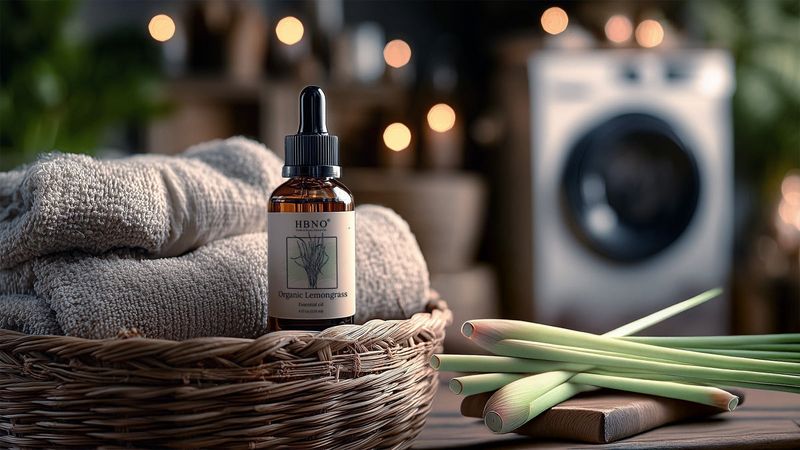
Scented laundry boosters add heavy fragrance that clings to fabrics for days. Dogs nap on blankets and beds, so those perfumes end up inches from sensitive noses.
Some pets respond with sneezing, face rubbing, or restlessness on strongly scented bedding.
Use unscented or lightly scented products on pet items and household linens. If fragrance is desired, limit quantity and run an extra rinse cycle.
Dry bedding thoroughly, then let it air out before returning it to favorite nap spots.
Consider separating pet laundry from human loads with strong scents. Over time, you may find freshness without perfumes smells cleaner anyway.
Your dog sleeps better when blankets smell like home, not a perfume aisle.
Carpet deodorizers
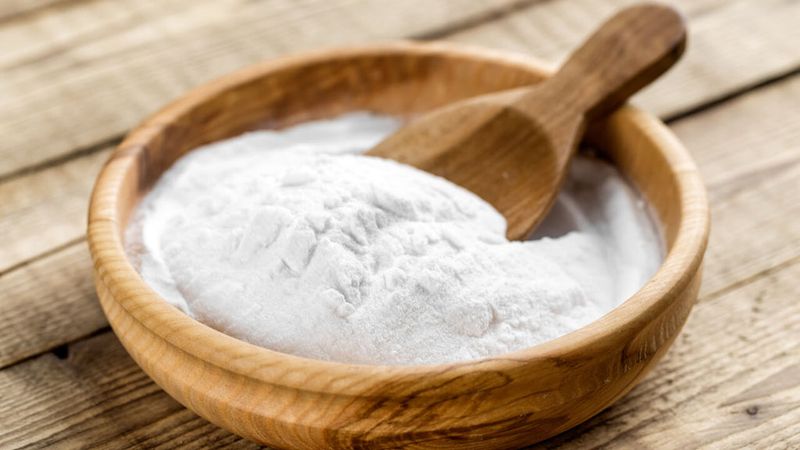
Carpet deodorizers promise freshness, but fine powders and strong scents can bother dogs. Particles become airborne during sprinkling and vacuuming, which may irritate airways.
Residue in fibers sits where noses and paws spend hours each day.
Apply sparingly, keep pets out until vacuuming is complete, and ventilate well. Choose fragrance-free options or use baking soda in small amounts, then vacuum thoroughly.
Check the bag or filter often, since powders can clog equipment and recirculate dust.
For deeper odor control, try enzymatic treatments that target the source rather than masking it. Regular vacuuming and prompt spill cleanup also help.
Your dog will appreciate soft surfaces that smell neutral and feel comfortable.
Unscented mild soap
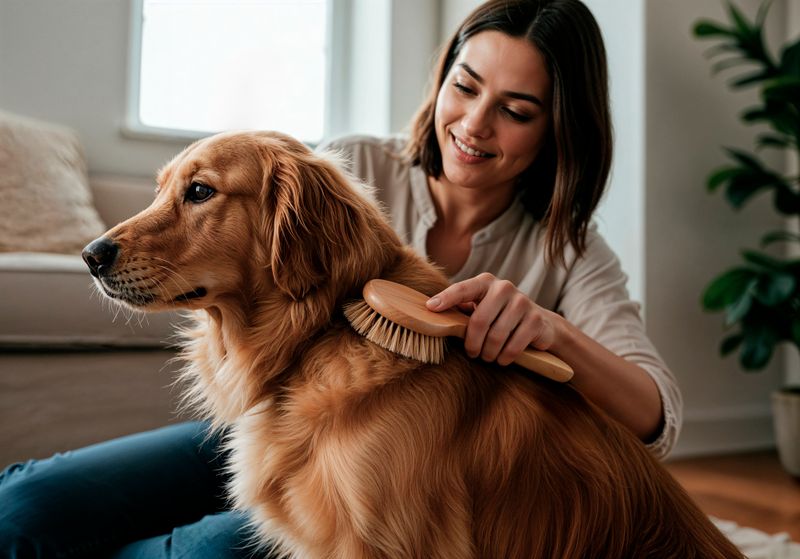
Unscented mild soap offers a gentle clean without perfume clouds. It lifts everyday grime on counters, bowls, and crates while keeping the air calm for sensitive noses.
Rinse well to avoid any film that might attract licking or leave surfaces tacky.
Use warm water and a soft cloth for most touch-ups. This combo works on many materials and helps reduce reliance on harsher chemicals.
For food-contact areas, a final rinse or wipe with fresh water adds peace of mind.
Keep a small pump bottle handy for quick messes. You will notice fewer lingering smells, and your dog will relax nearby.
Clean feels truly clean when scent is not doing all the talking.
Diluted white vinegar
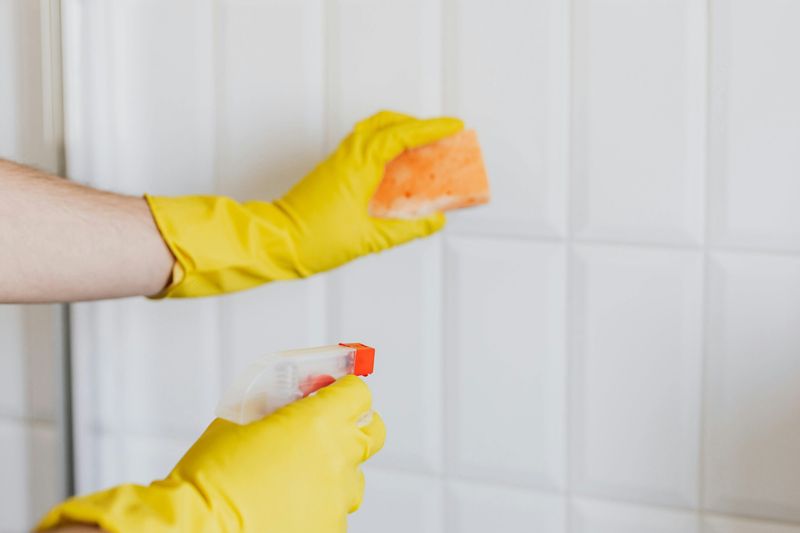
Diluted white vinegar tackles mineral deposits, glass smudges, and light odors without heavy fragrance. The sharp tang fades quickly when used at lower ratios, like one part vinegar to one part water.
Dogs usually tolerate the brief scent better than perfumed cleaners.
Spot test on stone, grout, and metal finishes to prevent etching. Wipe with a damp cloth to remove residue if needed.
For stubborn messes, allow a short dwell time, then rinse thoroughly.
Keep the spray away from a dog’s eyes and nose during use. Store out of reach and label clearly.
This budget-friendly staple simplifies routines while keeping the home breathable and comfortable for sensitive companions.
Baking soda
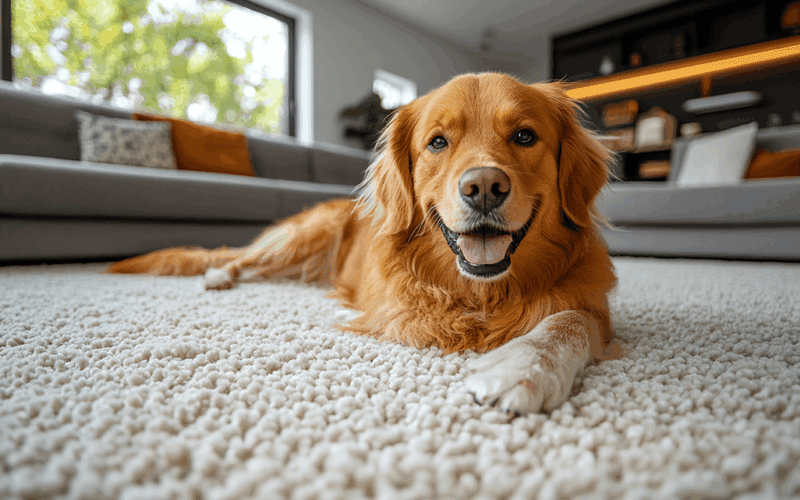
Baking soda is a gentle abrasive and dependable deodorizer that leaves no heavy scent. Sprinkle on sinks, pans, and littered corners, then scrub with a damp sponge.
It neutralizes many everyday odors without perfume clouds that overwhelm dogs.
For carpets, shake on a light layer, let sit briefly, and vacuum completely. Pair with a bit of dish soap for paste cleaning on stubborn spots.
Always keep the box sealed between uses to prevent humidity clumps.
Because it is mild, you might need extra elbow grease compared to strong chemicals. The trade-off is cleaner air and calm noses.
Your dog benefits from freshness that does not shout each time you tidy up.
Steam cleaning (no chemicals)
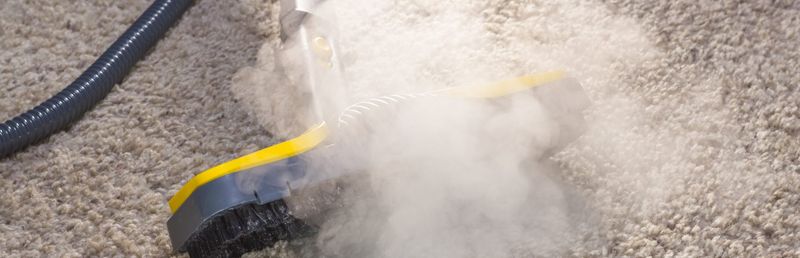
Steam cleaning uses heat and water to lift grime and reduce microbes without added scents. With no chemical residue, dogs avoid lingering perfumes on floors and fabrics.
It is effective on sealed hard surfaces, grout, and some upholstery when used carefully.
Follow manufacturer guidance on temperature and surface compatibility. Ventilate to dissipate moisture and keep pets away until everything is dry and cool.
Use microfiber pads to trap loosened dirt and replace them frequently.
For odor issues, pair steam with targeted enzymatic treatments rather than fragrances. You will get a crisp, neutral finish that feels truly fresh.
This approach delivers a deep clean while respecting a dog’s sensitive airways and daily routines.
Unscented enzymatic cleaners
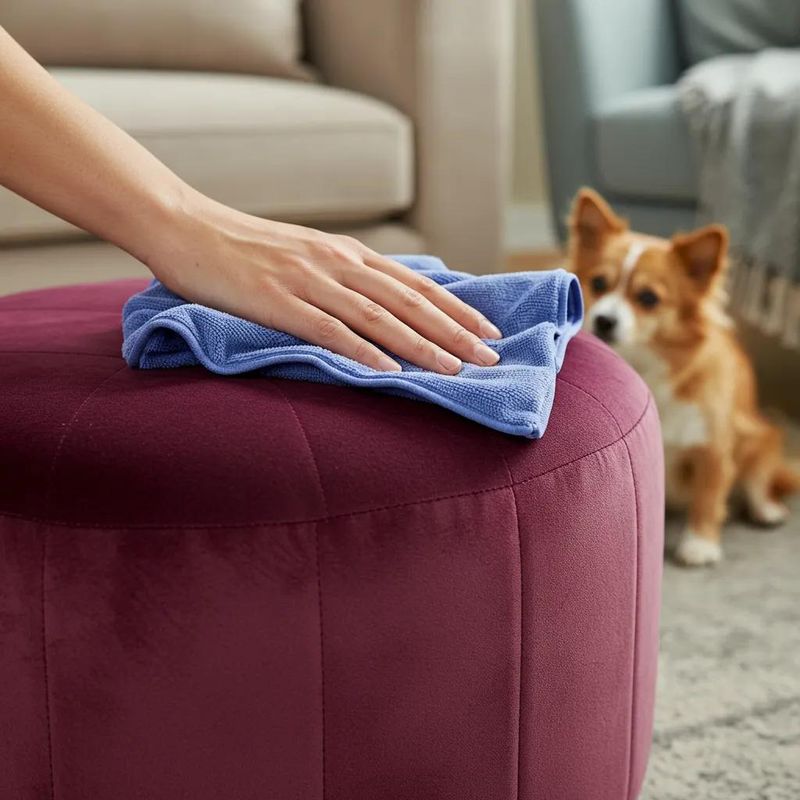
Unscented enzymatic cleaners target organic messes like urine and vomit by breaking down odor-causing molecules. Without perfumes, they avoid masking smells that can confuse dogs or attract repeat marking.
Proper saturation and dwell time are crucial for success.
Blot excess first, then soak the affected area thoroughly. Allow enzymes to work as directed, often several hours, before blotting dry.
Repeat on older stains where residues may be deep within fibers or padding.
Test fabrics for colorfastness and keep pets off damp zones until finished. This method addresses the source rather than layering scent.
Your dog learns fewer mixed signals, and your home maintains a calm, neutral smell.
Fragrance-free laundry detergent
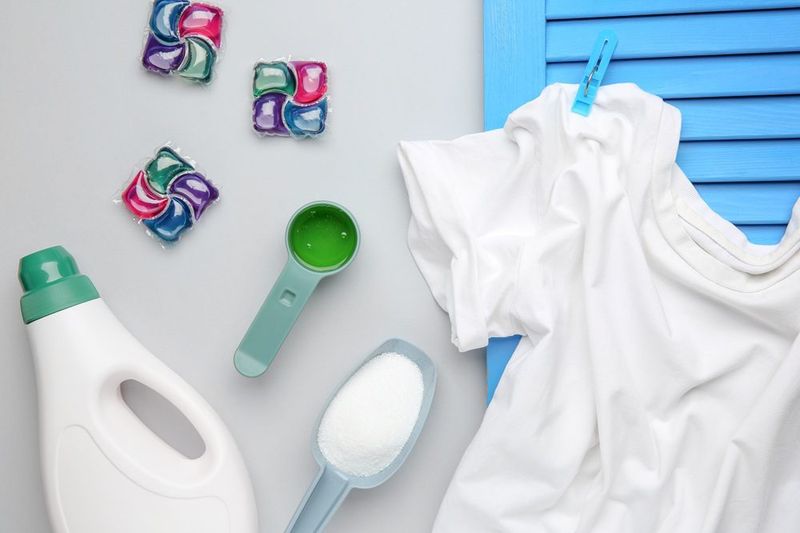
Fragrance-free laundry detergent cleans fabrics without leaving strong perfumes that crowd a dog’s world. Bedding, towels, and crate covers come out fresh yet neutral.
This helps reduce sniffing fits, face rubbing, and restless sleep on scented textiles.
Wash pet items separately using warm water and an extra rinse. Choose hypoallergenic formulas with short ingredient lists and enzymes for stain removal.
Skip dryer sheets or pick unscented versions to keep the calm going.
Air out freshly laundered items before returning them to favorite spots. Consistency matters, so stick with one gentle product if it works well.
Your dog will associate clean linens with comfort, not an overpowering perfume haze.