
Leash reactivity is a common issue many dog owners face. It involves dogs reacting negatively to stimuli while on a leash, often due to certain owner habits. Understanding and adjusting these behaviors can lead to more peaceful walks with your furry friend.
Tightening the Leash
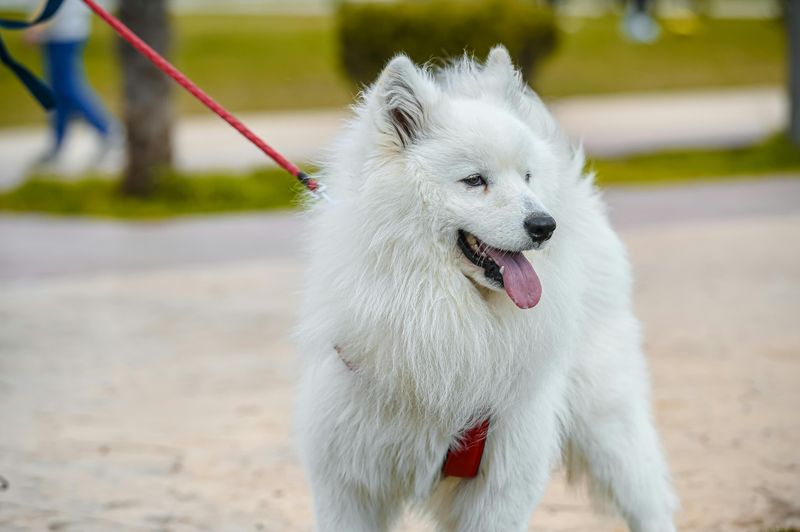
Ever pulled back on the leash when your dog becomes reactive? Many owners do, thinking it’s a way to control the situation. This tension travels down the leash, often escalating the dog’s anxiety.
Try relaxing your grip and maintaining a loose leash instead. Offering gentle guidance helps your dog stay calm.
Training your dog to heed verbal cues, like ‘easy’ or ‘leave it,’ can further reduce reactivity. This encourages your dog to focus on you rather than the perceived threat.
Punishing Reactions
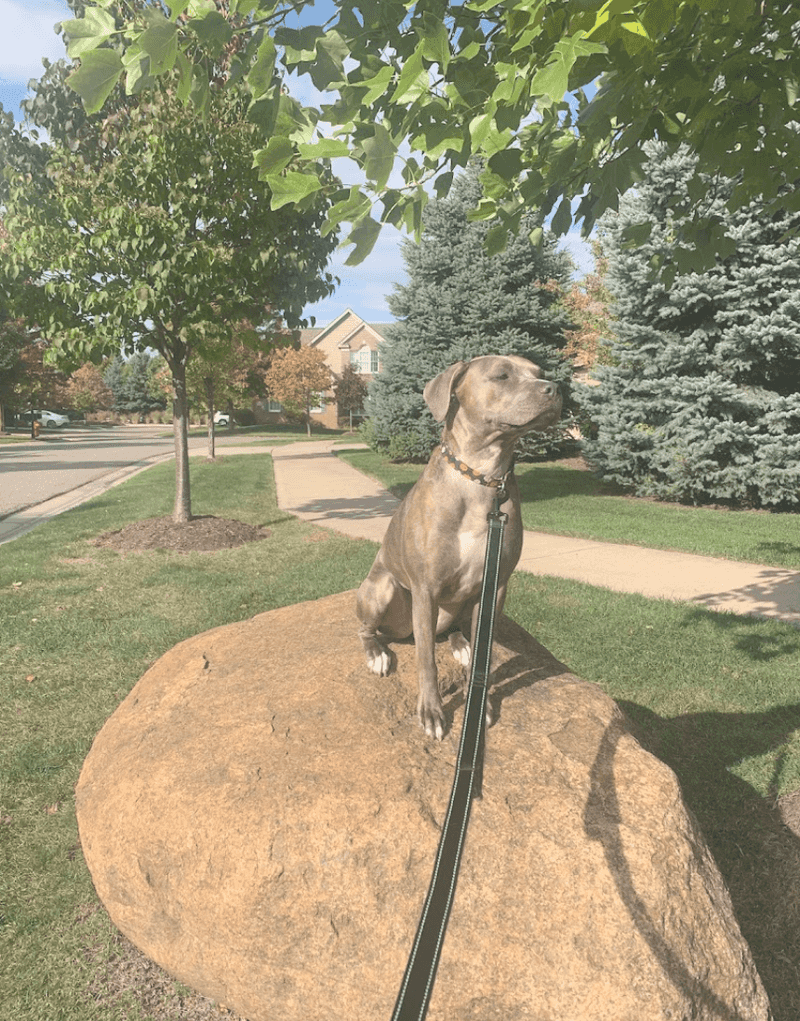
Punishment may seem like a solution, but it often increases fear and aggression. Dogs don’t understand why they’re being punished and can associate the punishment with the trigger itself.
Instead, try using positive reinforcement. Reward calm behavior with treats or praise, reinforcing the response you want to see.
Building a positive association with triggers through counter-conditioning can significantly reduce reactivity. This approach fosters trust between you and your dog.
On-Leash Greetings
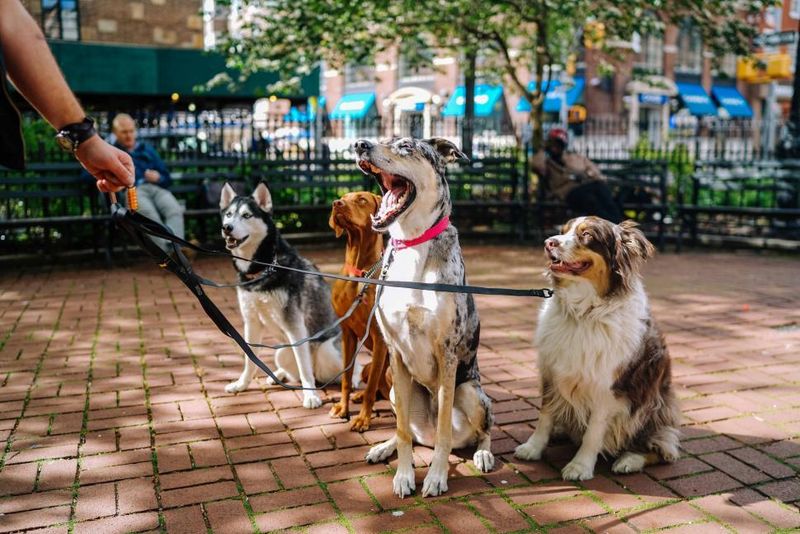
Letting dogs greet while on a leash can heighten tension. The leash restricts natural movement, which can lead to discomfort or defensive behavior.
Consider teaching your dog to ignore other dogs on walks, reserving greetings for off-leash playdates.
Using commands like ‘watch me’ redirects their attention and helps manage excitement. This focus shift away from the approaching dog can minimize reactivity.
Inconsistent Walking Rules
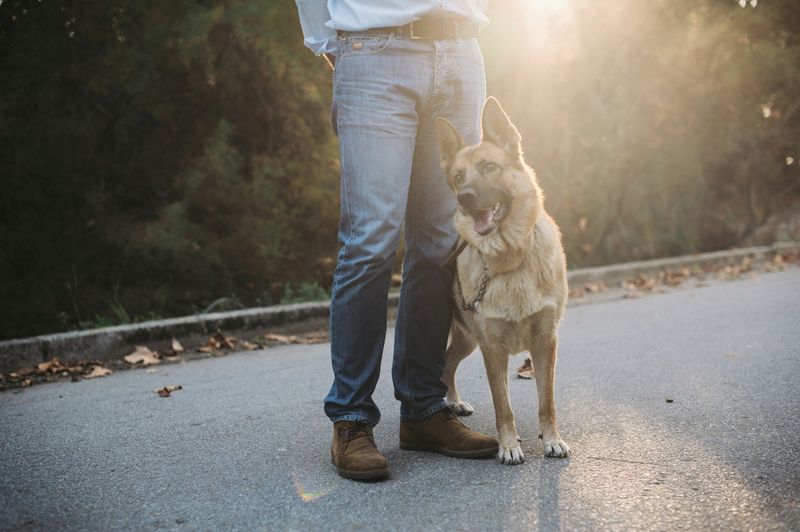
Changing rules during walks can confuse your dog. One day they’re allowed to pull; the next, they’re not. Consistency is key in training.
Establish clear guidelines for walks. Decide on commands and stick to them, ensuring everyone in the household uses the same approach.
This consistent communication strengthens your dog’s understanding and reduces anxiety, making for smoother, less reactive walks.
Ignoring Stress Signals
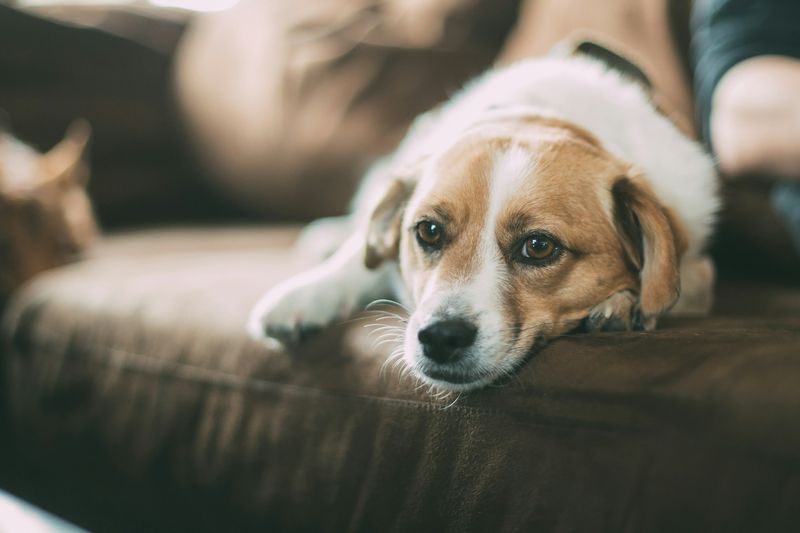
Dogs communicate stress through signals like yawning, licking lips, or avoiding eye contact. Ignoring these can lead to reactivity.
Learn to recognize and respond to these cues by giving your dog space or redirecting their focus.
Acknowledging stress signals early can prevent escalations, making walks more enjoyable and less reactive for both you and your dog.
Walking Too Close to Triggers
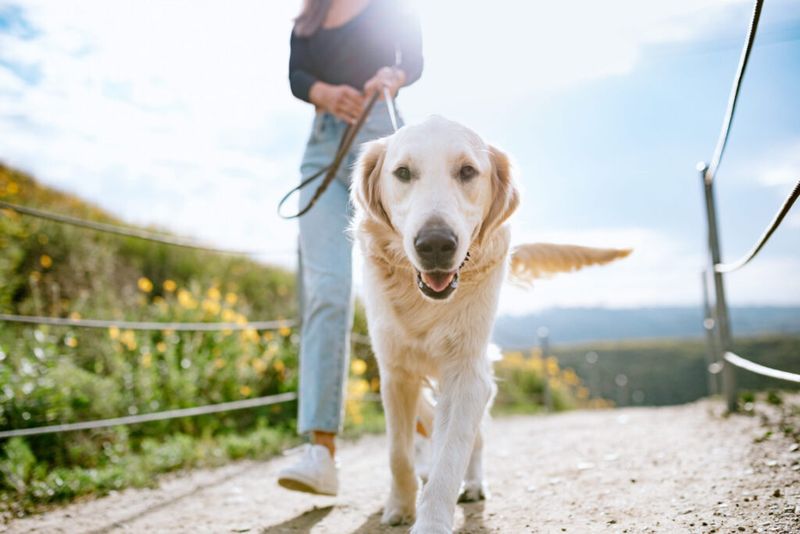
Proximity to triggers can amplify a dog’s reactivity. Walking directly toward another dog or a busy playground might be overwhelming.
Instead, choose routes with fewer triggers or maintain a comfortable distance when passing them. This helps your dog stay composed.
Using side streets or quieter paths can provide a more peaceful environment, reducing the likelihood of reactive outbursts.
Rushed, Non-Enriching Walks
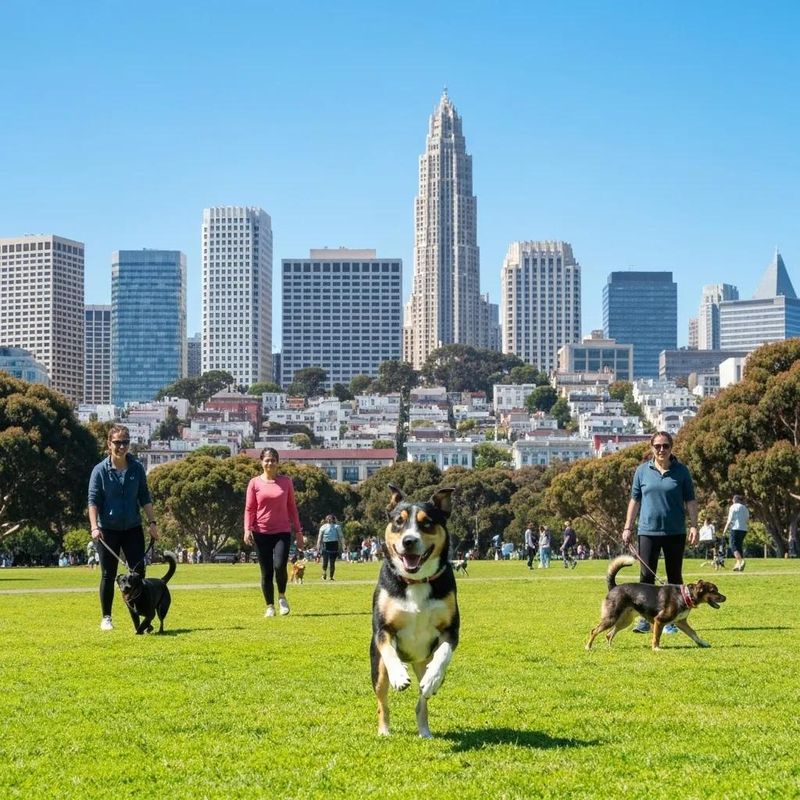
In today’s fast-paced world, it’s easy to rush through walks. However, dogs need time to explore and sniff, which enriches their experience.
Slow down, allowing your dog to investigate their environment. This engagement can reduce stress and reactivity.
Incorporating mental stimulation alongside physical exercise creates a balanced walk, beneficial for your dog’s mental health.
Owner Tension
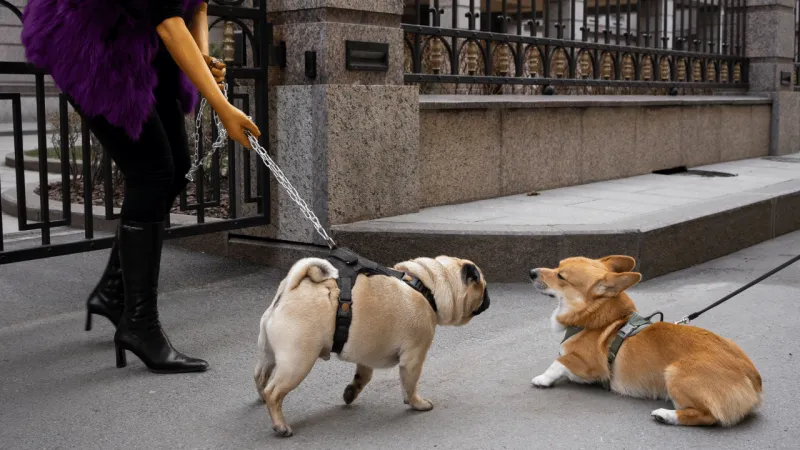
Dogs are perceptive and can pick up on their owner’s tension and anxiety. This can make them feel insecure and more reactive.
Practice staying calm and relaxed during walks. Deep breathing and a confident posture can make a significant difference.
By projecting calmness, you help your dog feel secure, reducing the chance of reactive behavior.
Not Rewarding Calm Behavior
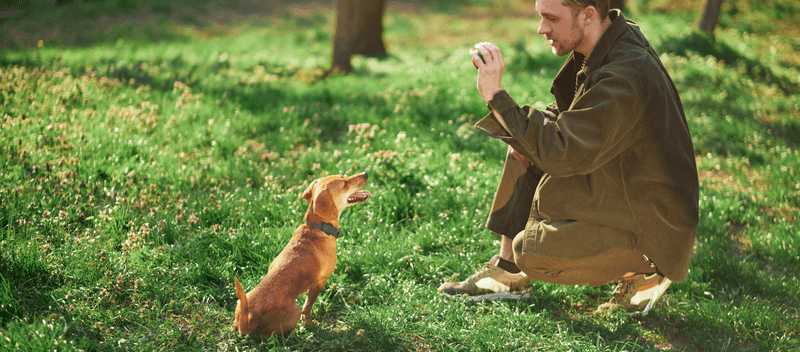
Ignoring calm behavior misses an opportunity for positive reinforcement. When your dog behaves well, they need to know it’s appreciated.
Carry treats or use verbal praise during walks to reward desirable behavior. This reinforcement encourages them to repeat it.
Over time, your dog associates calmness with rewards, leading to a reduction in reactivity. This makes walks a more pleasurable experience for both of you.