
Slippery floors can be a challenge for certain dog breeds, affecting their comfort and mobility. With their unique physical traits, some dogs find it difficult to navigate smooth surfaces without slipping. This can lead to anxiety or even injury if not addressed. Understanding which breeds are more prone to these issues can help in creating a safer environment for them at home. Let’s explore nine dog breeds that commonly struggle on slippery floors and discover practical ways to assist them.
Bulldog
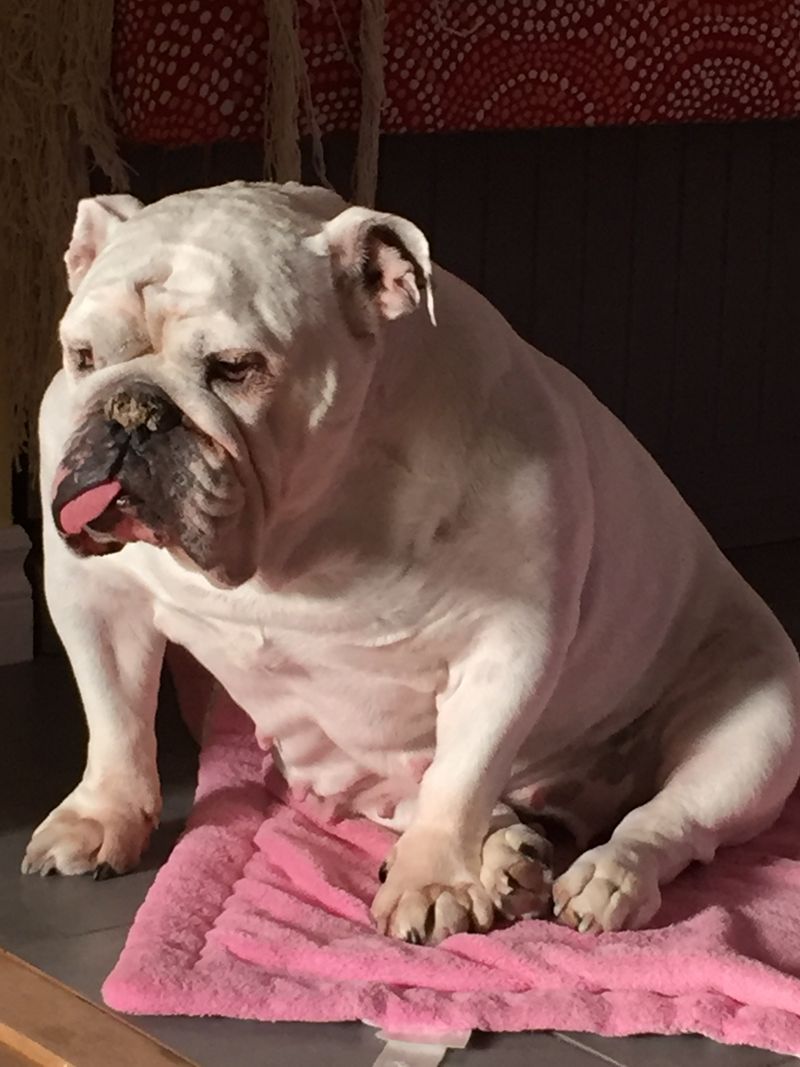
Bulldogs, with their charming wrinkled faces, often face challenges on slippery surfaces. Their short legs and stocky build contribute to stability issues.
Adding to their woes, Bulldogs are known for their laid-back nature which sometimes results in less control during a slip. Placing rugs around the house can help them gain traction.
Also, investing in dog booties might provide the necessary grip. Did you know? Bulldogs were initially bred for bull-baiting, but today they are cherished as gentle companions.
Dachshund
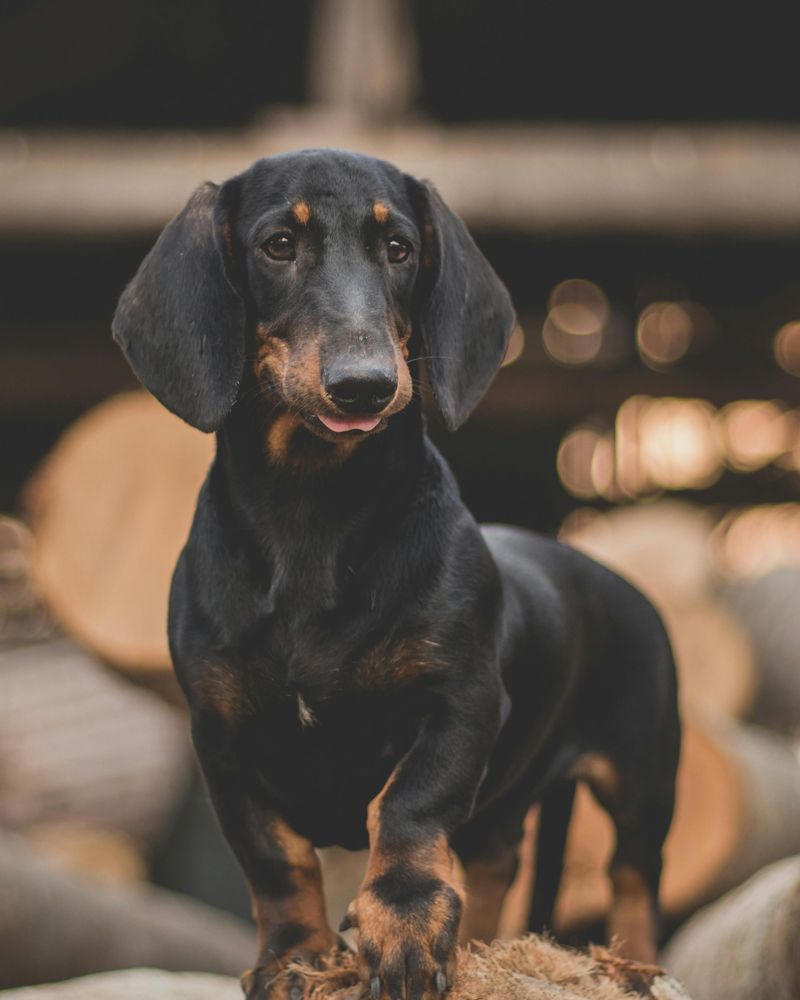
The Dachshund’s elongated body and short limbs make them especially prone to slipping. This unique structure, while endearing, can lead to issues on slick floors.
To help them, consider using non-slip mats or carpeting in high-traffic areas. Encouraging them to play on these surfaces can build confidence.
Additionally, trimming their nails regularly can enhance their grip. Fun fact: Originally bred for hunting badgers, Dachshunds are persistent and courageous little dogs.
Basset Hound
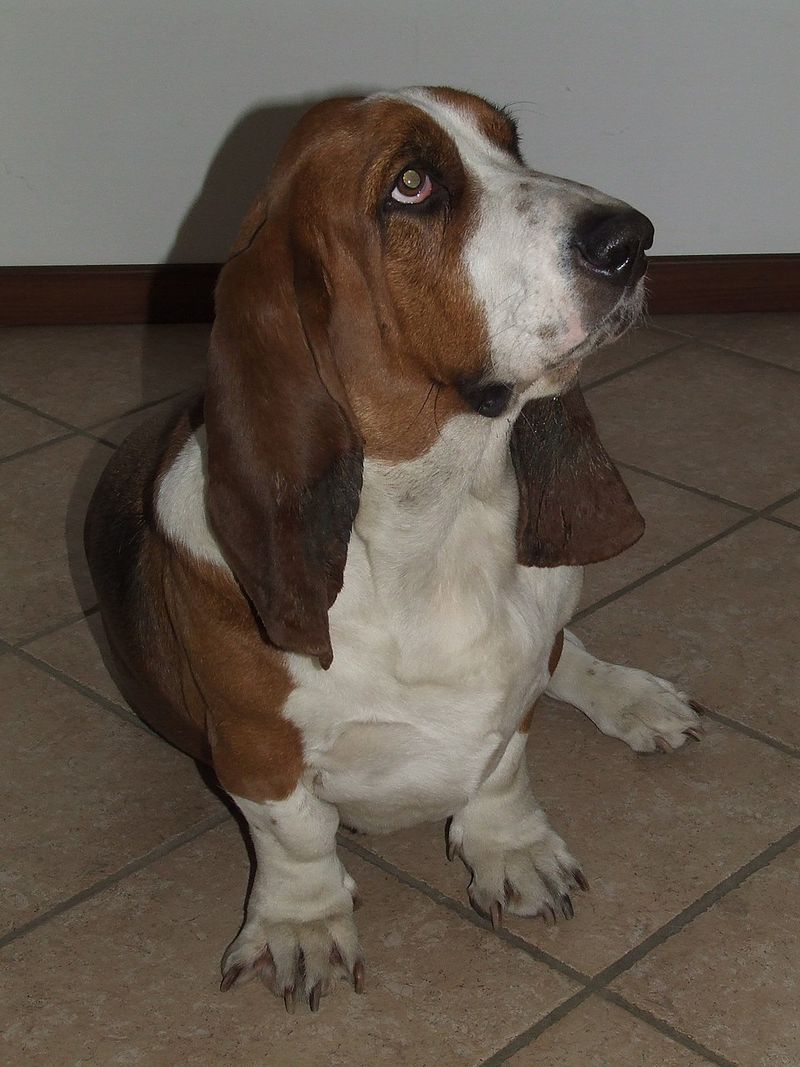
With ears that almost touch the ground, Basset Hounds find slippery floors a tricky terrain. Their low stature and lengthy body can exacerbate this difficulty.
To assist, ensure that floors are kept dry and provide supportive mats. Encouraging a slow and steady approach can prevent slips.
These hounds are natural scent detectors, and their persistence is unmatched in the canine world. Introducing scents on mats may motivate positive interactions with safer surfaces.
Great Dane
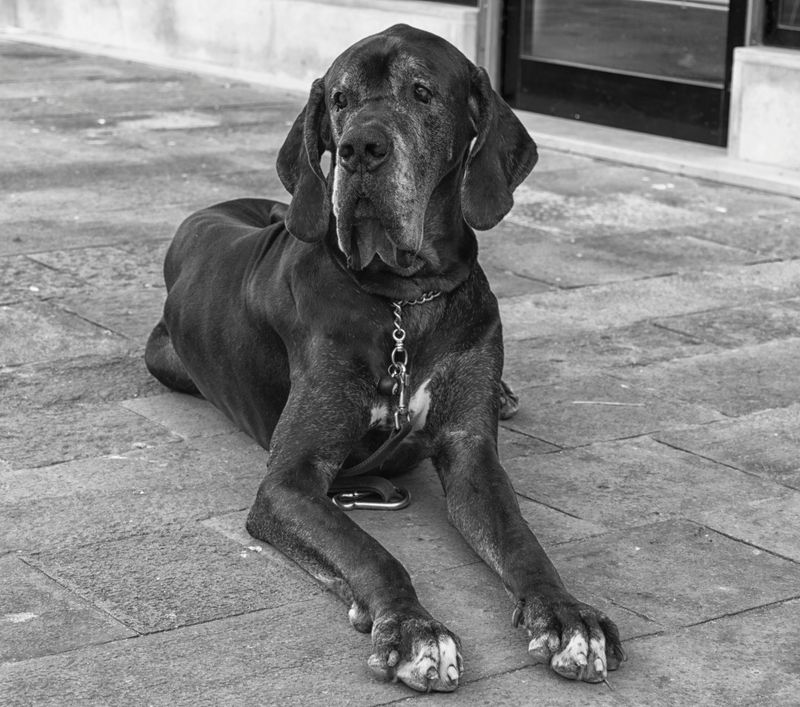
Great Danes, known for their giant stature, can struggle with balance on smooth floors. Their size means a slip can result in significant impact.
Providing traction with carpets or mats can prevent falls. Training them to move slowly can also enhance their stability.
Did you know? Despite their imposing size, Great Danes are often referred to as gentle giants, known for their affectionate nature and calm demeanor.
Chow Chow
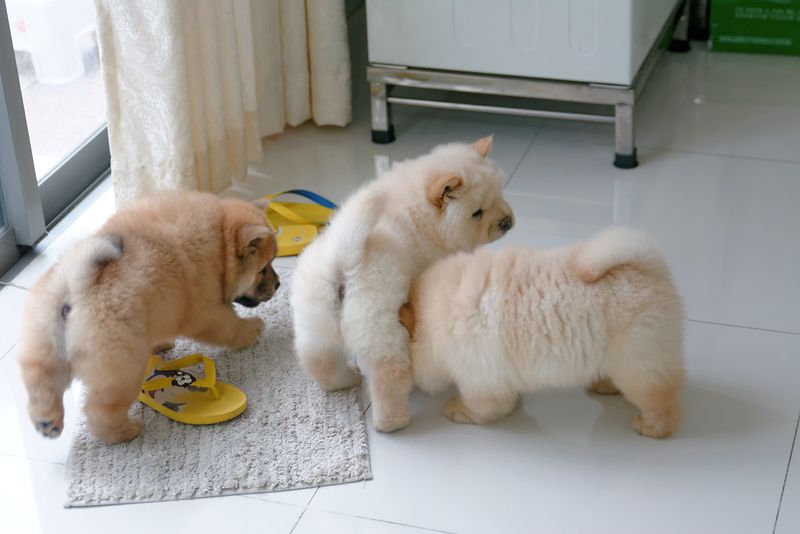
Chow Chows, with their lion-like manes, may face difficulties on slick floors due to their straight hind legs. This unique build can make traction a challenge.
Adding non-slip surfaces and keeping their environment dry aids in stability. Booties can further assist in gaining confidence on smooth floors.
Interestingly, the Chow Chow has a history that dates back thousands of years in China, where they served as hunting and guard dogs.
Corgi
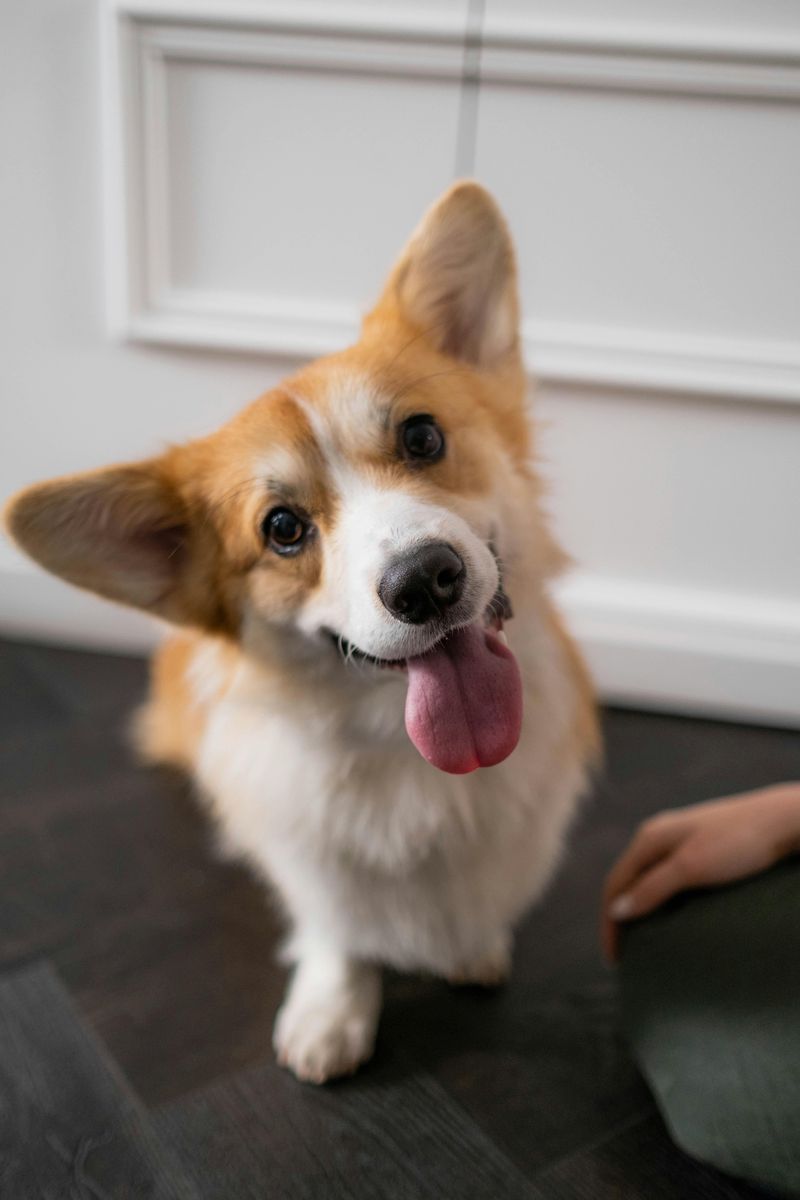
Corgis, with their distinctive short legs, are lively yet susceptible to slipping. Their playful nature often leads them to dart quickly, increasing slip risks.
Ensuring safe areas with rugs or mats can mitigate this risk. In addition, training them to walk rather than run indoors can help.
Did you know? Corgis were originally bred for herding cattle, and their agility is still evident today, despite their small stature.
Pug
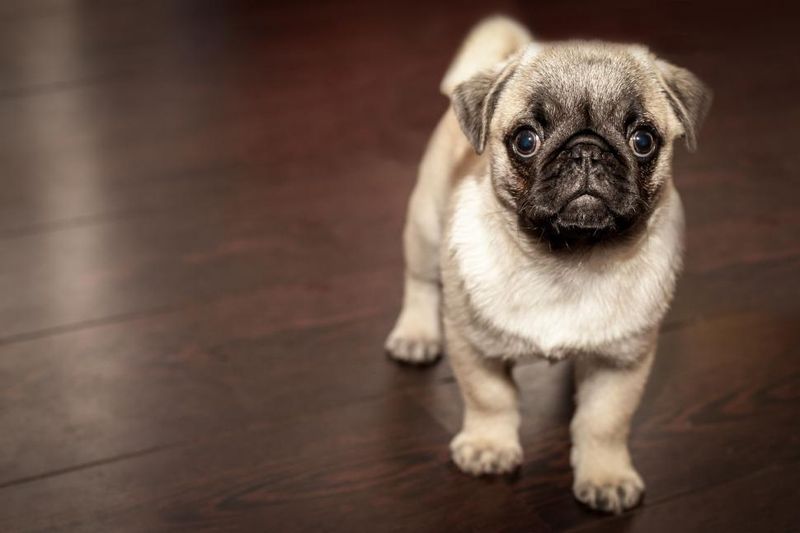
Pugs, with their compact forms and charming wrinkles, may encounter trouble on smooth floors. Their short legs and round bodies can compromise balance.
Installing non-slip mats and keeping nails trimmed can offer better traction. Training them to navigate slowly and carefully can also be beneficial.
These dogs are known for their affectionate personalities and are cherished companions in many households.
Old English Sheepdog
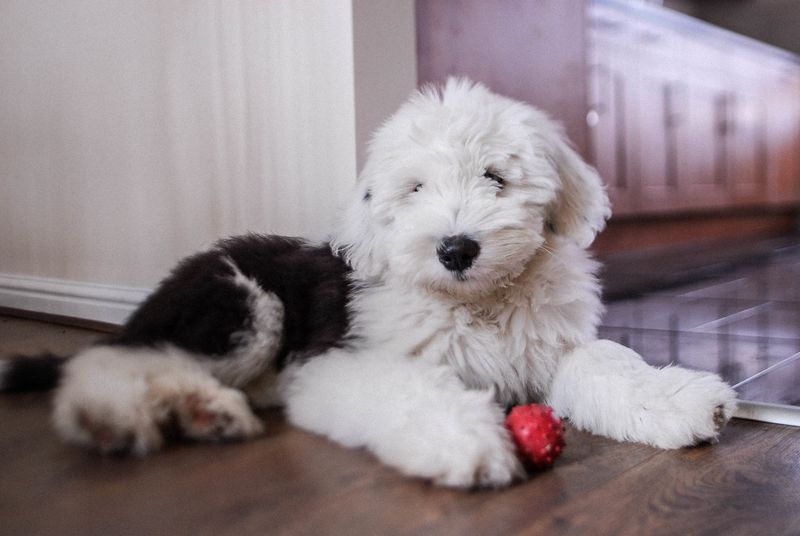
The Old English Sheepdog’s abundant coat and large frame can lead to slipping on hard floors. Their size and weight add to this challenge.
Creating a safer environment with rugs and ensuring regular grooming helps maintain stability. Encouraging slow, deliberate movement can reduce slips.
Interestingly, these dogs are famous for their distinctive gait, often described as a bear-like shuffle, making them stand out in any crowd.
Saint Bernard
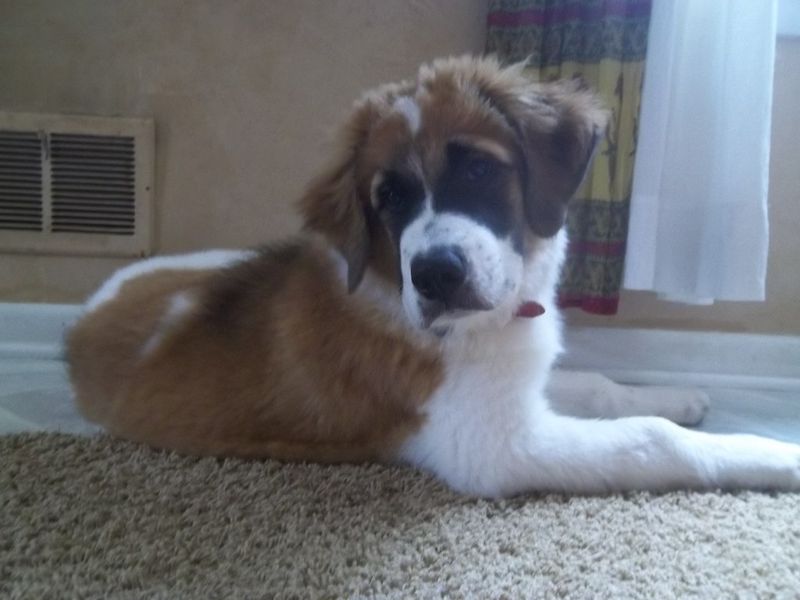
Saint Bernards, with their hefty size and big hearts, often find smooth surfaces tricky. Their large paws and weight can lead to potential slips.
Using rugs and ensuring dry floors can aid in traction. Booties designed for grip may also provide additional support.
Fun fact: Originally bred to rescue travelers in the Swiss Alps, Saint Bernards are known for their bravery and gentle nature, beloved by many.