
It is easy to feel unsure about which human foods are safe to share with your dog. Some snacks are surprisingly healthy in moderation, while others can cause serious trouble fast.
This guide breaks down nine commonly debated foods you can usually feel good about and seven that need real caution. Keep reading so you can treat your pup with confidence and avoid those late night vet visits.
Pumpkin (plain)
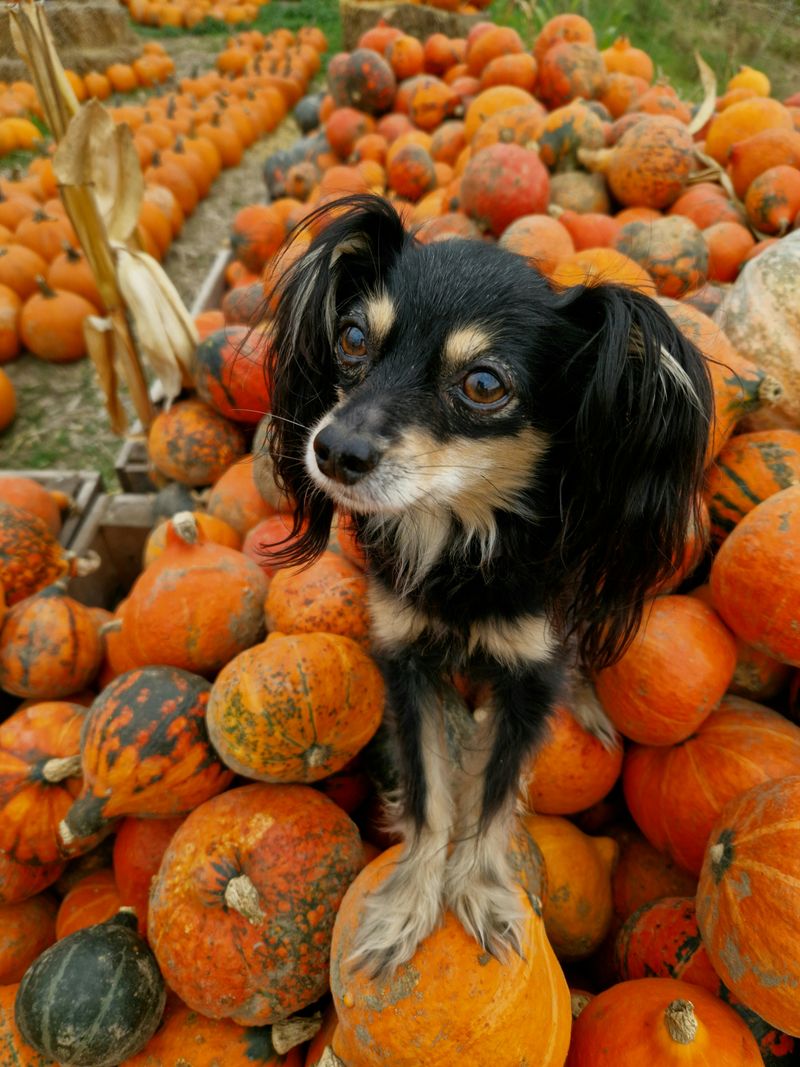
Plain pumpkin is a gentle, fiber-rich option that can help keep your dog’s digestion regular. A spoonful stirred into meals often supports firm stools and soothes mild tummy upsets.
Choose pure pumpkin puree without added sugar, spices, or pie filling ingredients.
Start small, like one teaspoon for small dogs and a tablespoon for larger pups, and watch how your dog responds. Too much fiber can cause gas or loose stools.
If your dog has diabetes or a sensitive pancreas, check with your vet before adding pumpkin regularly.
Frozen pumpkin cubes make an easy summer treat. You can also bake pumpkin into simple dog biscuits using plain oats and eggs.
Keep portions modest and your dog will likely love the taste.
Carrots
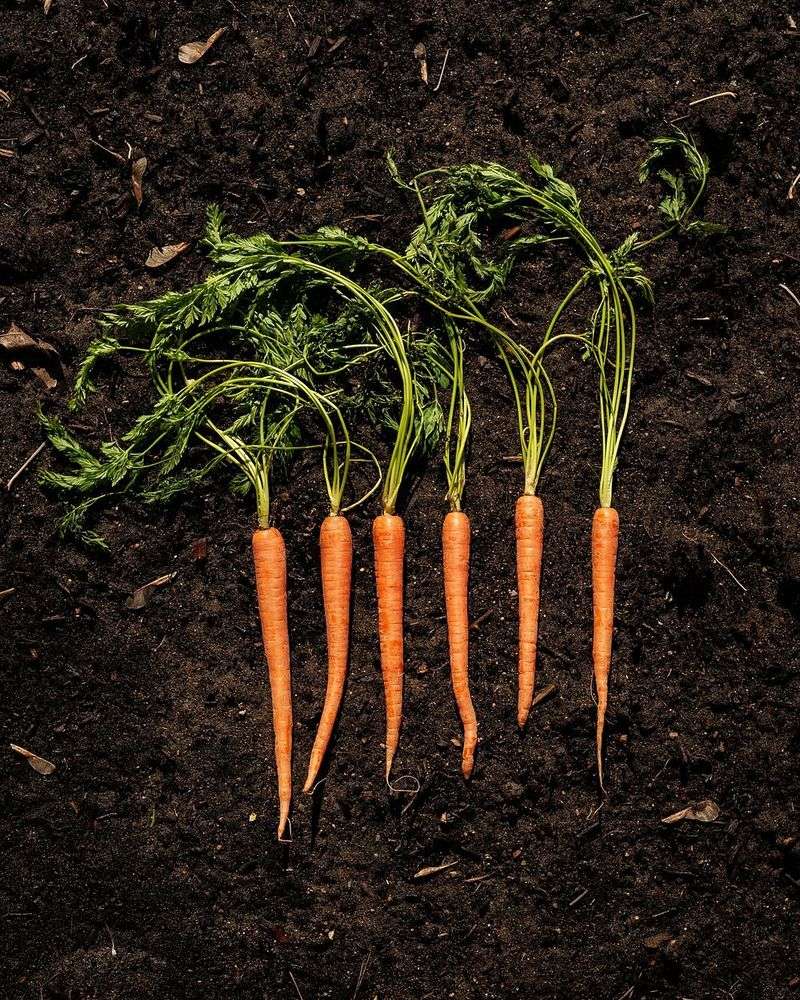
Carrots bring crunch, low calories, and vitamins that make them a smart training treat. Many dogs enjoy them raw as chews, which can lightly scrub teeth between brushings.
You can also steam or boil them for softer bites that are easier to digest.
Cut carrots into appropriate sizes to prevent choking, especially for gulpers. Baby carrots are convenient but rinse them to remove any surface residue.
If your dog has a sensitive stomach, lightly cooking may reduce gas.
Carrots contain natural sugars, so stick to a few pieces instead of a full bowl. For chilly days, try warm carrot coins stirred into regular food.
Your dog gets color, crunch, and a bit of sweet without extra fat.
Green beans
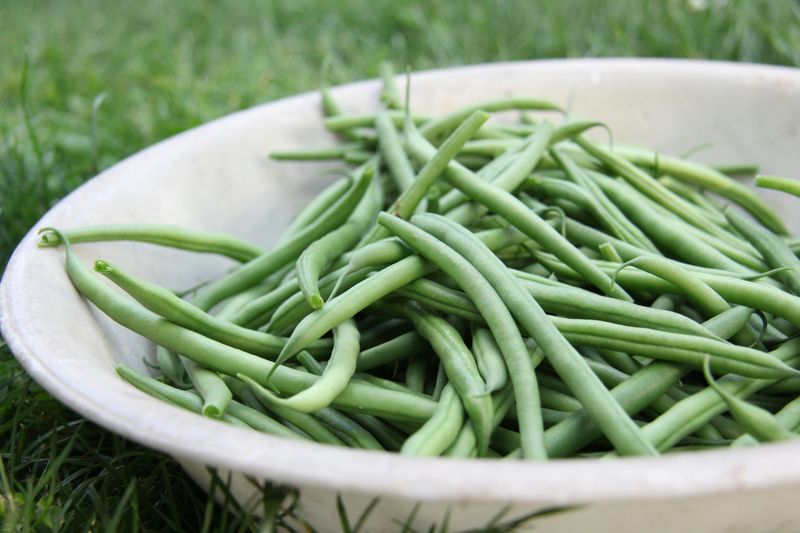
Green beans are a filling, low calorie add-in that can help dogs feel satisfied without packing on pounds. Choose plain beans without butter, salt, or seasoning.
Fresh, frozen, or no-salt canned options all work well.
Chop them to bite-size pieces to prevent choking and improve digestibility. Steaming or lightly boiling softens the fiber for sensitive bellies.
Some dogs love crunchy raw beans, so test a few to see which texture your pup prefers.
Introduce gradually to avoid gas. A small handful mixed with kibble can stretch meals during weight management.
If your dog has kidney issues, discuss sodium and phosphorus needs with your vet before making beans a daily staple.
Blueberries
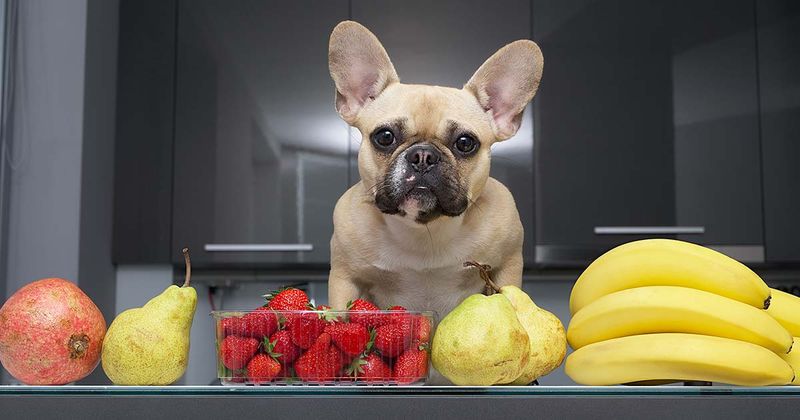
Blueberries are antioxidant-rich bites that many dogs adore. Their small size makes them perfect for training, and they add color and variety without many calories.
Wash thoroughly and serve fresh or frozen for a crunchy summertime treat.
Because blueberries contain natural sugars and fiber, introduce a few at a time. Too many can lead to soft stools.
If your dog is prone to choking or tends to gulp, mash or split the berries first.
Skip blueberry muffins or yogurt with added sweeteners. Stick with the whole fruit for the best benefits.
You can also blend a few into plain pumpkin or yogurt for a simple, cooling snack after a walk.
Apples (no seeds)
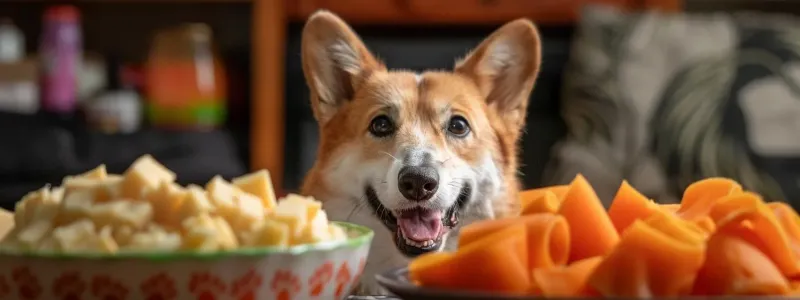
Apples, minus the seeds and core, make a juicy, fiber-rich snack many dogs enjoy. The crunchy texture can help freshen breath between brushings.
Always remove seeds because they contain compounds that are unsafe in quantity.
Peeling can help sensitive stomachs, though most dogs do fine with the skin. Slice thinly for small dogs to reduce choking risk.
A few wedges after dinner deliver sweetness without much fat.
Avoid apple desserts, syrups, or anything with added sugar or xylitol. If your dog has diabetes or digestive issues, discuss portions with your vet.
For a fun twist, freeze thin slices or bake apple chips with no spices for a light, crispy reward.
Plain cooked eggs
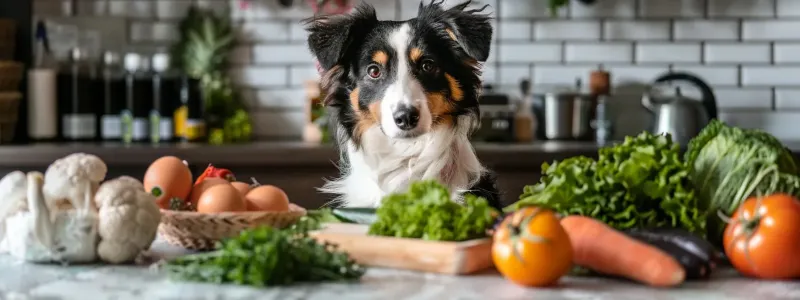
Plain cooked eggs provide complete protein and are usually easy for dogs to digest. Scrambled or hard-boiled without butter, oil, or seasoning works best.
They can be helpful when your dog needs a gentle meal after mild stomach upset.
Start with small amounts to ensure no egg sensitivity. Avoid raw eggs due to bacteria risk and potential biotin interference from raw whites.
Some dogs tolerate soft-scrambled eggs mixed with rice during recovery.
Keep portions modest to avoid extra calories. A small egg for a medium dog is plenty as an occasional topper.
Skip added salt, cheese, or onions. If your dog has pancreatitis history, confirm with your vet before introducing richer proteins like eggs.
Plain cooked chicken
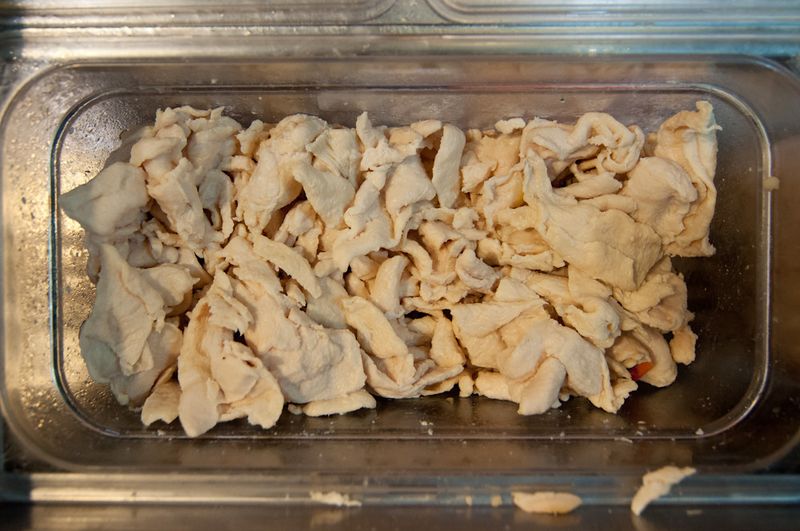
Plain cooked chicken is a classic lean protein for many dogs. Boiled or baked without skin, seasoning, or oil keeps it gentle on the stomach.
Shred or dice into small pieces to make mixing with kibble or rice easy.
Remove bones and skin completely to avoid choking and excess fat. Start small if your dog is new to chicken, watching for any signs of allergies like itchiness or ear issues.
Rotating proteins can help reduce sensitivities over time.
For upset tummies, chicken and rice often offer short-term relief. Do not rely on chicken alone for long-term balance.
Keep portions reasonable and consult your vet if digestive symptoms persist beyond a day or two.
Plain rice
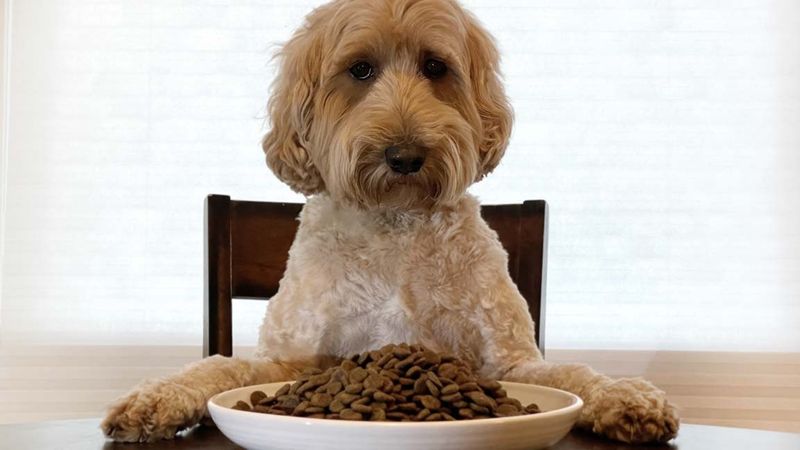
Plain white rice is a simple carbohydrate that can help settle mild stomach upset when paired with lean protein. It is easy to digest and can firm stools during short-term recovery.
Avoid added salt, butter, or seasonings.
Brown rice offers more fiber but may be tougher on sensitive bellies. Start with small portions and watch for bloating or gas.
For most dogs, a 50-50 mix with chicken over a day or two is sufficient.
Rice is not a complete diet, so do not use it as the main food long-term. Dogs with diabetes may need tighter portion control.
If vomiting or diarrhea continues, contact your vet before continuing any home remedy.
Plain oats
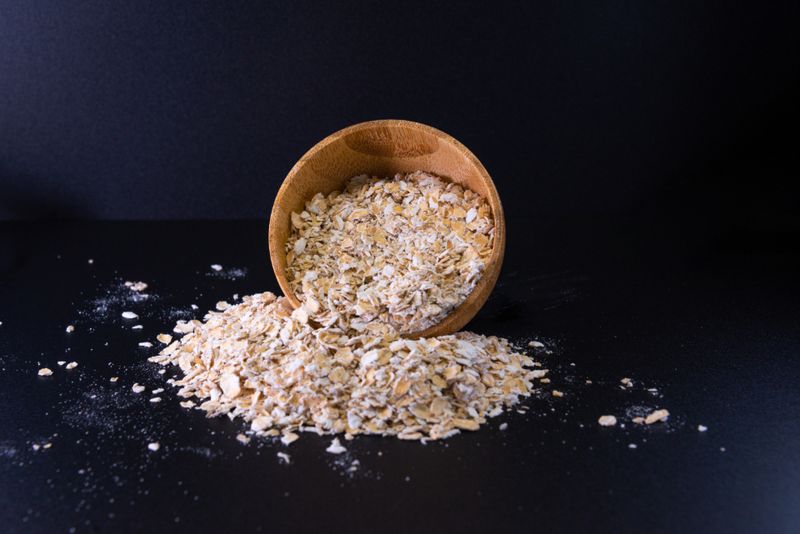
Plain oats can be a comforting, fiber-rich topper for some dogs. Cook them in water, not milk, and serve cooled to avoid mouth burns.
Unsweetened, unflavored oats keep things gentle and straightforward.
Introduce gradually to prevent gas, since fiber changes can surprise sensitive stomachs. A tablespoon or two mixed into regular food is usually enough for a medium dog.
Skip instant packets with sugar or artificial sweeteners.
If your dog is overweight, oats can add fullness without much fat. For itchy dogs, oats in baths are soothing, but that is external, not edible.
When in doubt, check with your vet, especially for diabetic or pancreatitis-prone pups.
Grapes and raisins
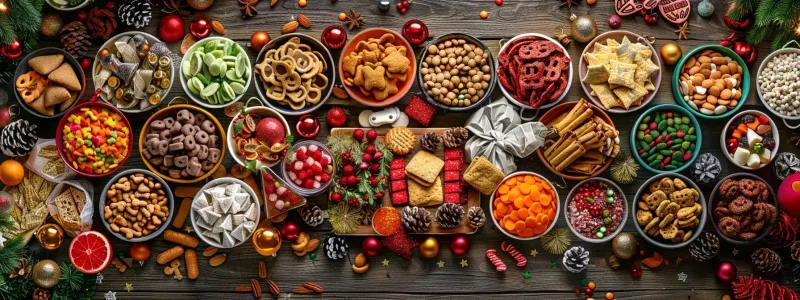
Grapes and raisins can be extremely dangerous for dogs, even in small amounts. They are linked to sudden kidney failure, and sensitivity varies between dogs.
Because the exact toxin is unknown, the safest approach is complete avoidance.
If your dog eats any amount, contact your vet or an emergency clinic immediately. Early action often includes inducing vomiting under professional guidance.
Bring packaging and estimate quantities to help the team make decisions.
Do not assume seedless or peeled grapes are safer. Raisins, currants, and foods containing them are also risky.
Keep trail mixes, baked goods, and snack boxes securely out of reach to prevent accidental exposure.
Onions and garlic
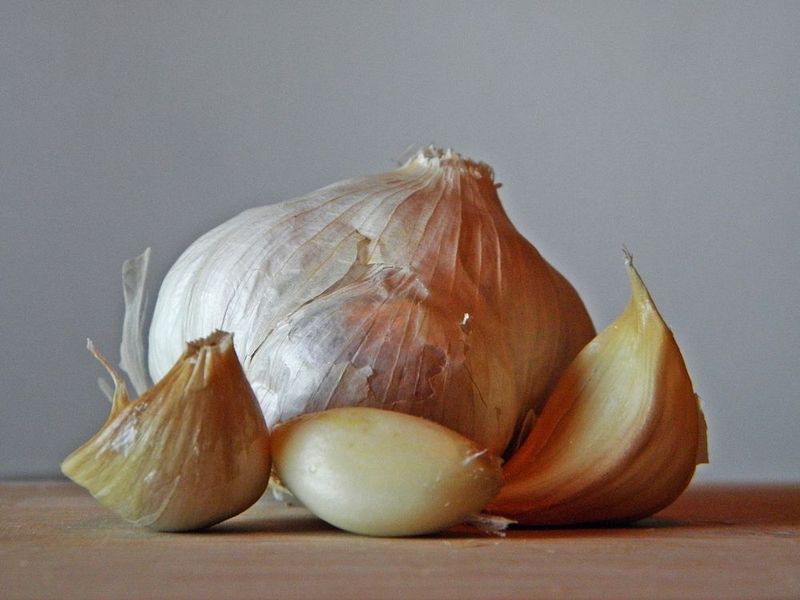
Onions and garlic, whether raw, cooked, powdered, or dehydrated, can damage a dog’s red blood cells. This can lead to anemia with weakness, pale gums, and lethargy.
Toxicity can build over time with repeated small exposures.
Avoid feeding table scraps seasoned with onion or garlic. Watch out for soups, sauces, baby food, and spice blends.
Even some pet foods or treats marketed as savory can include onion powder.
If your dog ingests a concerning amount, call your vet for guidance. Bloodwork may be needed to monitor red cell health.
Keep aromatics on high shelves and do not share onion-rich leftovers, no matter how persuasive those puppy eyes are.
Chocolate
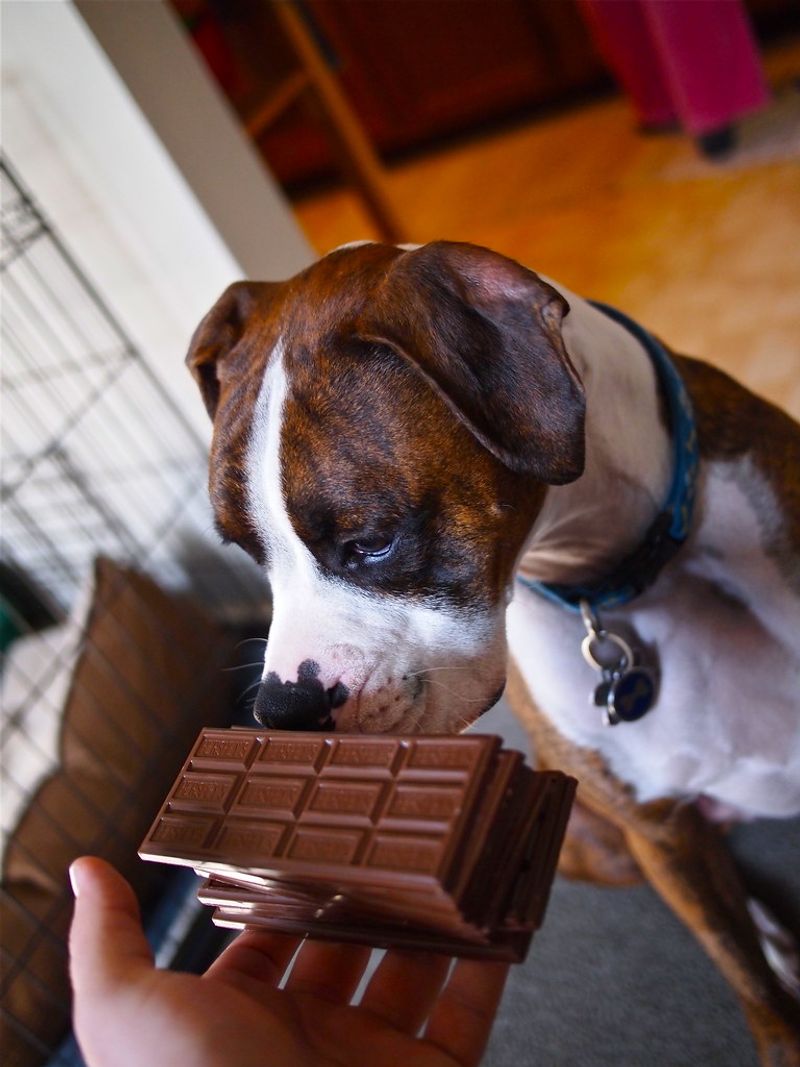
Chocolate contains theobromine and caffeine, stimulants that dogs cannot process well. Dark and baking chocolates are the most dangerous, but milk chocolate can still cause problems.
Symptoms include vomiting, restlessness, rapid heart rate, and tremors.
Toxicity depends on type and amount relative to your dog’s weight. If ingestion occurs, call your vet or a poison hotline with details about the chocolate and quantity.
Do not wait for symptoms to appear, as early treatment helps.
Keep candy bowls, trail mixes, and cocoa powder secured. Remind guests not to share desserts.
Safer treat alternatives exist, so reserve real chocolate for humans only and store it where inquisitive noses cannot reach.
Xylitol-sweetened foods
Xylitol, a common sweetener in sugar-free gum, mints, peanut butter, and baked goods, is highly toxic to dogs. It can cause a dangerous drop in blood sugar within minutes to hours and may lead to liver failure.
Even small amounts can be life threatening.
Check labels on “sugar-free” or “no added sugar” products carefully. If your dog ingests any suspected item, seek emergency care immediately.
Early decontamination and monitoring blood glucose can be lifesaving.
Store purses, gym bags, and car consoles out of reach, since gum is often tucked there. Choose dog-safe peanut butter without xylitol.
Make it a habit to scan ingredient lists before sharing any human treat.
Alcohol

Alcohol is unsafe for dogs in any form, including beer, wine, spirits, and fermenting dough. Dogs absorb alcohol quickly, leading to disorientation, vomiting, low body temperature, and potentially dangerous drops in blood sugar.
Small dogs are at especially high risk.
Clean spills immediately and keep drinks off the floor during gatherings. Remind guests not to offer tastes.
If your dog consumes alcohol or raw bread dough, contact a vet at once for guidance.
Some topical products and herbal tinctures also contain alcohol. Opt for pet-formulated alternatives when possible.
Prevention is straightforward here: no sips, no samples, and secure trash so curious noses do not find cocktail leftovers.
Macadamia nuts
Macadamia nuts can cause rapid onset toxicity in dogs, even in modest amounts. Signs include weakness, especially in the hind legs, tremors, vomiting, and a wobbly gait.
While many dogs recover with supportive care, it is still an emergency.
Keep mixed nuts, cookies, and white chocolate macadamia treats out of reach. Salt and fat content add extra strain on the pancreas and stomach.
If ingestion occurs, call your vet and provide an estimate of quantity and timing.
Because nuts are calorie dense and easy to drop during parties, prevention is key. Offer your dog a safe chew before guests arrive.
Clean floors and check couch cushions after snacks to catch stray nuts.
Fatty leftovers (greasy, fried foods)

Greasy leftovers like fried chicken skin, bacon fat, and pizza crust can upset your dog’s stomach quickly. High fat loads may trigger pancreatitis, a painful and potentially serious condition.
Even small bites can be too rich for sensitive dogs.
Skip sharing table scraps, especially after holidays or game days. If you want a treat, choose lean, plain pieces of chicken or veggies instead.
Keep trash secured so tempting aromas do not lead to scavenging.
Watch for vomiting, hunched posture, belly pain, or diarrhea after fatty foods. Call your vet if symptoms appear.
Consistency and moderation protect your dog’s gut far better than surprise greasy bites ever could.