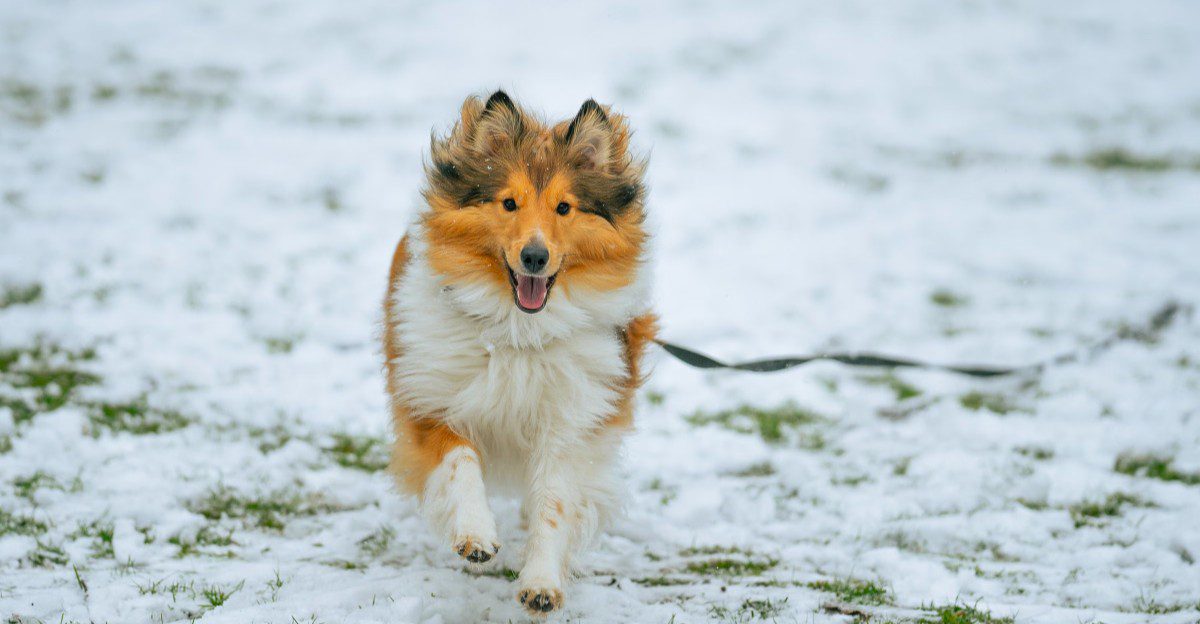
Have you ever felt sad and noticed your dog suddenly curled up beside you? Some dogs are amazing at reading our moods, faces, and even tiny shifts in how we move.
Knowing which breeds are the most tuned in can help you pick a pet that fits your family and your feelings. Here are the pups that seem to understand us almost better than we understand ourselves.
Rough Collie
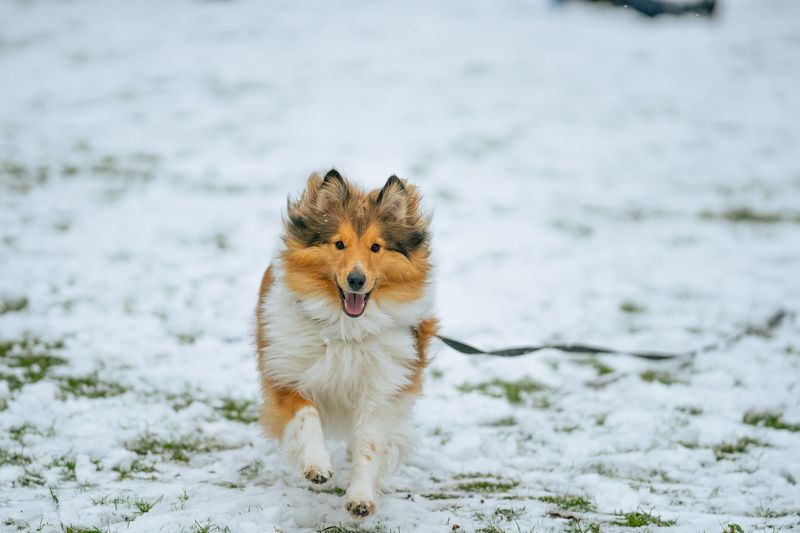
Thanks to Lassie, the Rough Collie became famous for sensing trouble before anyone else. That TV magic actually has some truth behind it.
Collies watch body language closely and often notice when a family member seems upset or unwell. Many owners say their collie nudges them gently when they feel stressed.
Want to build that bond? Spend quiet time together and talk to your collie often.
They love being part of every family moment.
Poodle
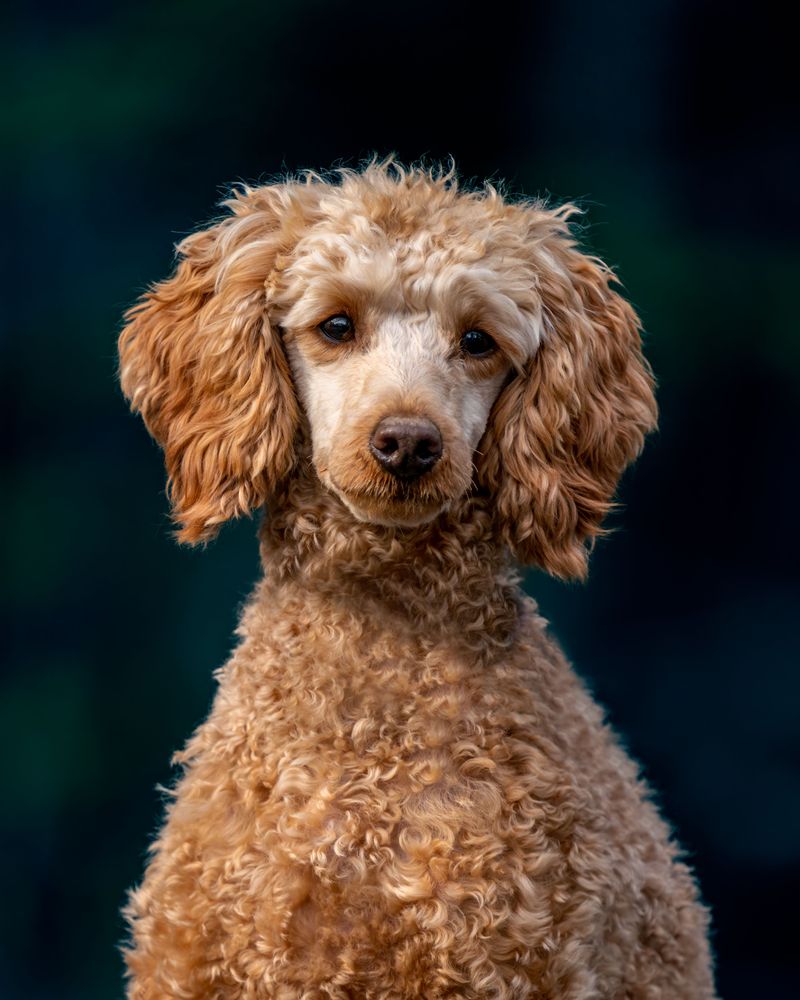
Don’t let the fancy haircut fool you. Poodles rank among the smartest dogs on the planet, and they use that brainpower to study people.
A Poodle can tell the difference between your happy voice and your worried one. Some even serve as service dogs, alerting owners to medical changes.
Fun fact: Poodles were first bred in Germany as water retrievers, not French lap dogs. Keep their clever minds busy with puzzle toys.
Boxer
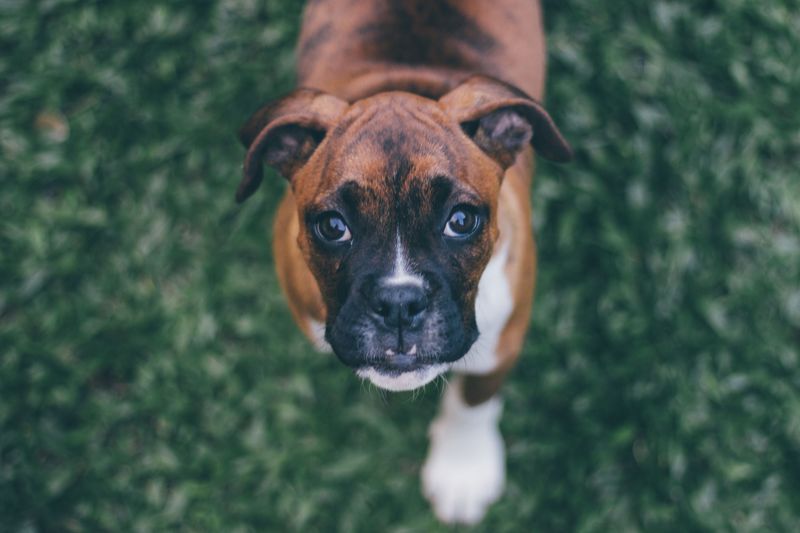
One minute a Boxer is bouncing around like a goofy kangaroo. The next, it is leaning against you because it noticed you seem down.
Boxers are wonderfully emotional dogs that respond to the energy in a room. If voices get tense, they may try to break the mood with silly antics.
Give them plenty of exercise and affection. A tired, loved Boxer pays extra attention to how you are feeling.
English Springer Spaniel
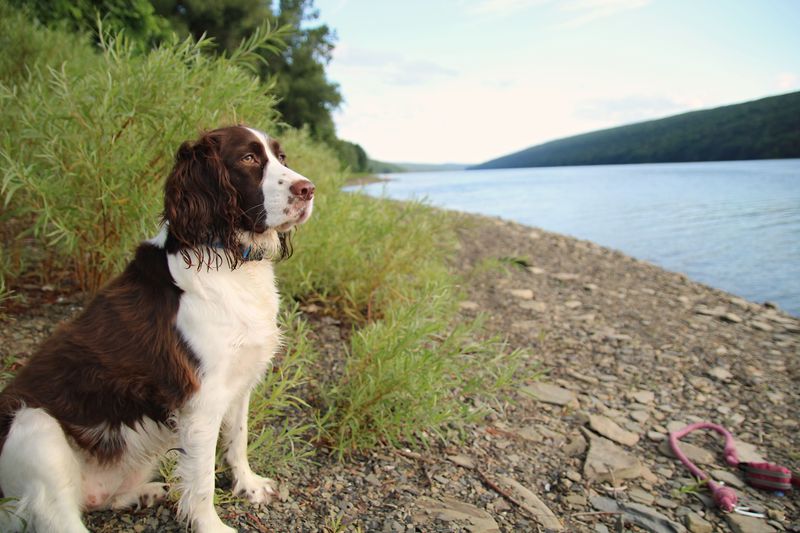
Picture a dog that can sniff out hidden items at airports and also tell when you had a rough day. Meet the English Springer Spaniel.
Springers pick up on scent changes in the human body, which may hint at stress or illness. They also watch your face for clues.
Because they are so eager to please, gentle training works best. Harsh words can hurt these sensitive pups more than you might expect.
Papillon
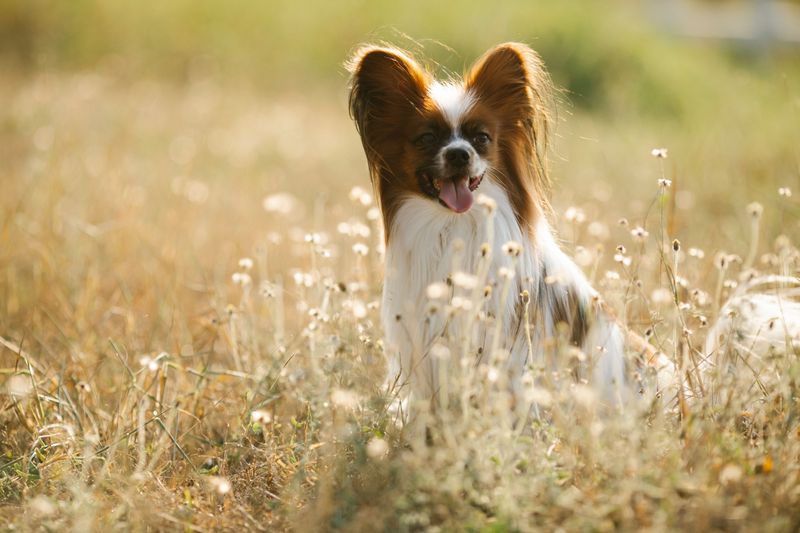
Those big butterfly ears aren’t just cute. They help the Papillon catch every sigh, sniffle, and change in your tone.
Small as they are, Papillons often act as excellent therapy dogs. They seem to know exactly when someone needs a little cuddle.
Did you know? Papillons appear in old European paintings, often sitting beside royalty.
Today they are happy to keep watch over anyone who offers a warm lap and kind words.
Golden Retriever
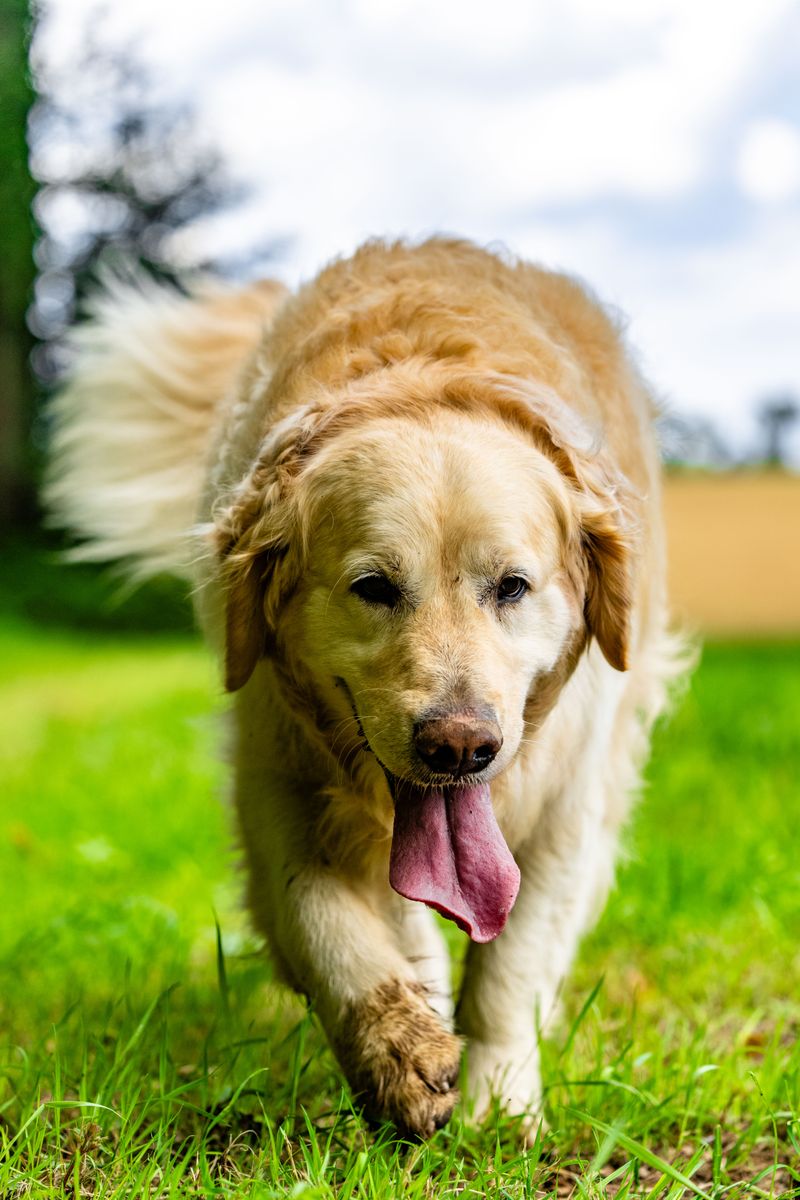
Ask any therapy dog handler, and many will point to the Golden Retriever as their top pick. There’s a good reason for that.
Goldens are experts at sensing sadness, nervousness, or excitement. Hospitals and schools often use them to calm people during stressful times.
If you bring one home, expect a furry friend who follows you from room to room. Daily walks and lots of praise help them stay balanced and joyful.
Doberman Pinscher
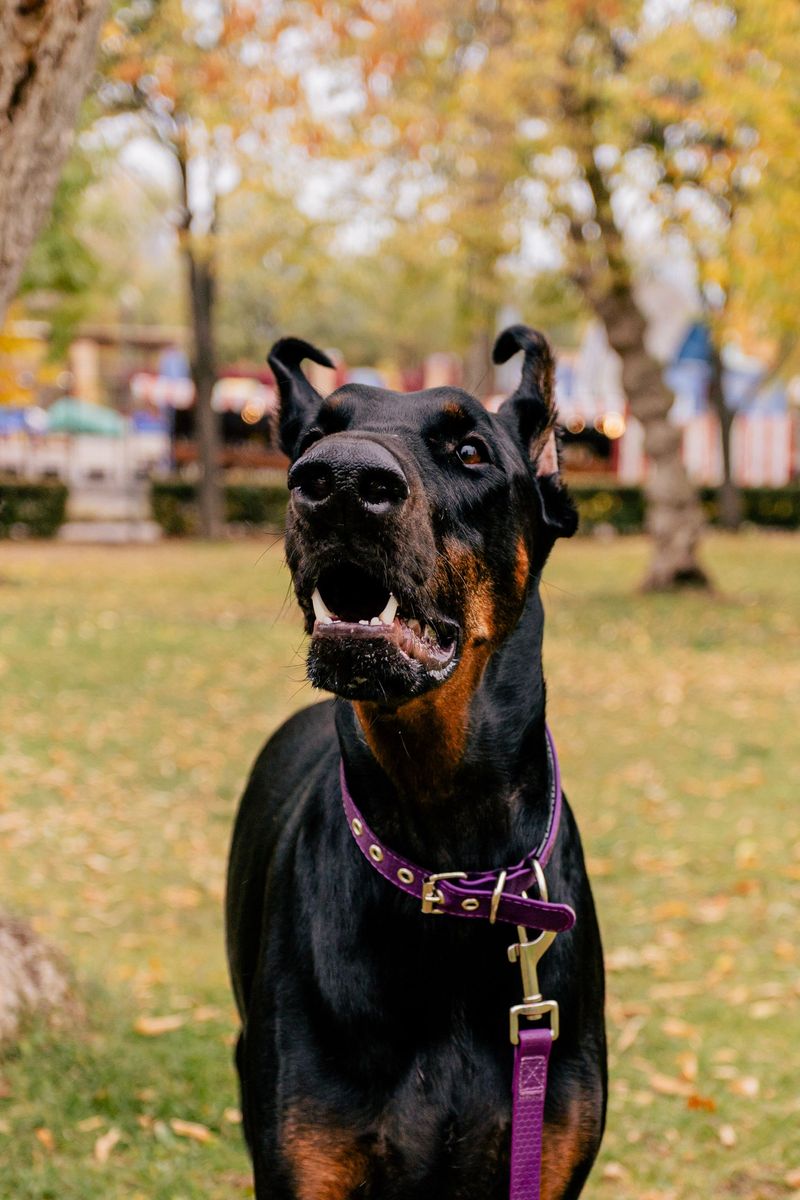
Here’s a surprise: the tough-looking Doberman is actually a big softie with its family. It just keeps a very close eye on everyone.
Dobermans notice changes in posture and voice quickly. If you feel scared, they often move closer to protect you.
Originally bred by a German tax collector named Louis Dobermann, these dogs were made for loyalty. Early socialization helps them stay calm and confident around new people.
Cocker Spaniel
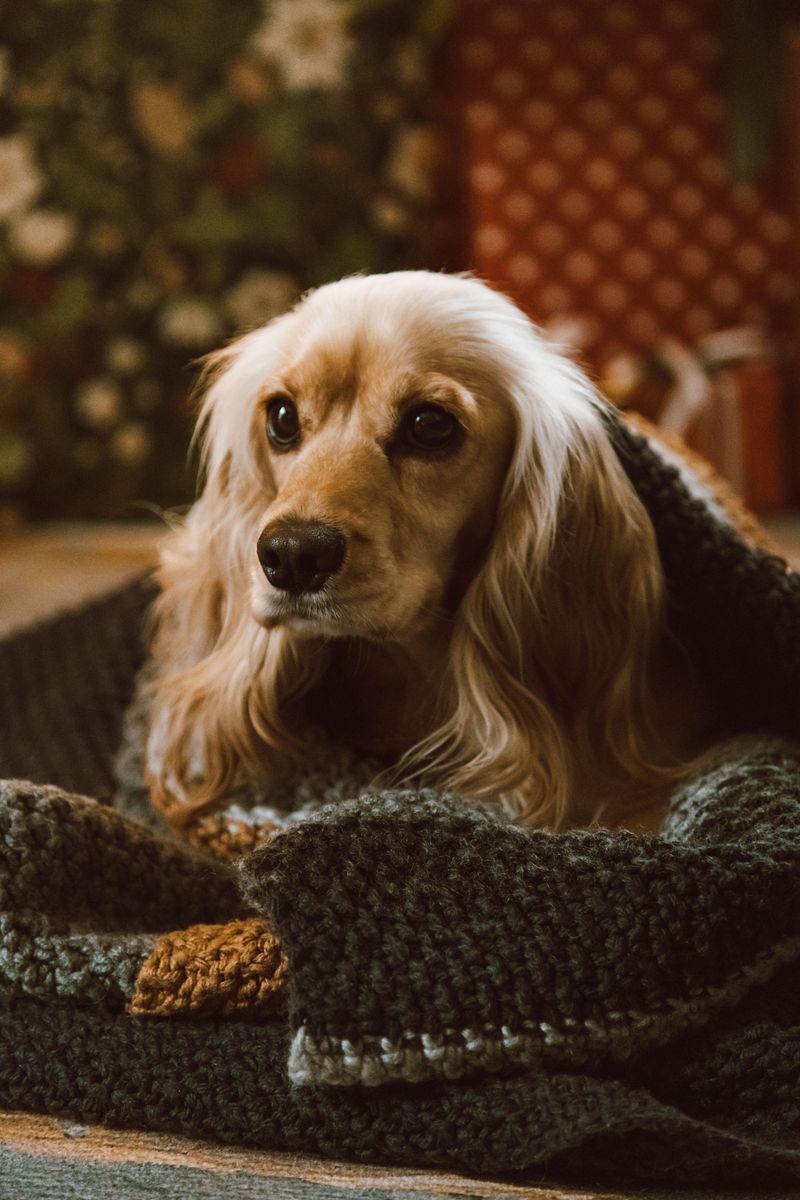
Gaze into a Cocker Spaniel’s big, soft eyes and you might feel like it can read your thoughts. Honestly, it is pretty close.
Cockers are tender pups that react strongly to the moods around them. A cheerful home makes them wiggle with joy, while tension can make them quiet.
Try speaking calmly and rewarding good behavior with treats. Regular brushing time also doubles as a sweet bonding moment.
German Shepherd
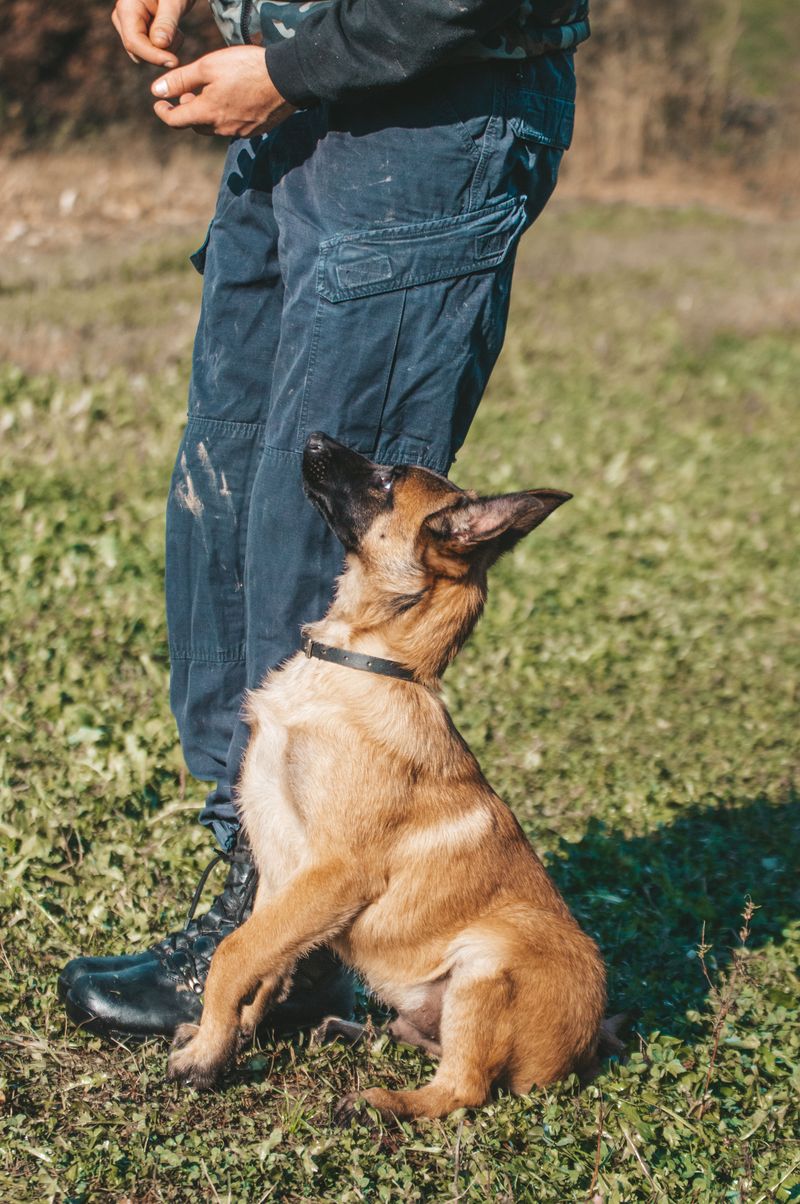
Police officers, search teams, and guide dog trainers all rely on one breed again and again: the German Shepherd.
Shepherds study their handlers carefully. A small hand signal or slight change in breathing can tell them what to do next.
At home, that same skill means they notice when you feel off.
Give them a job, like learning new tricks. A busy Shepherd is a happy, focused partner.
Bonus
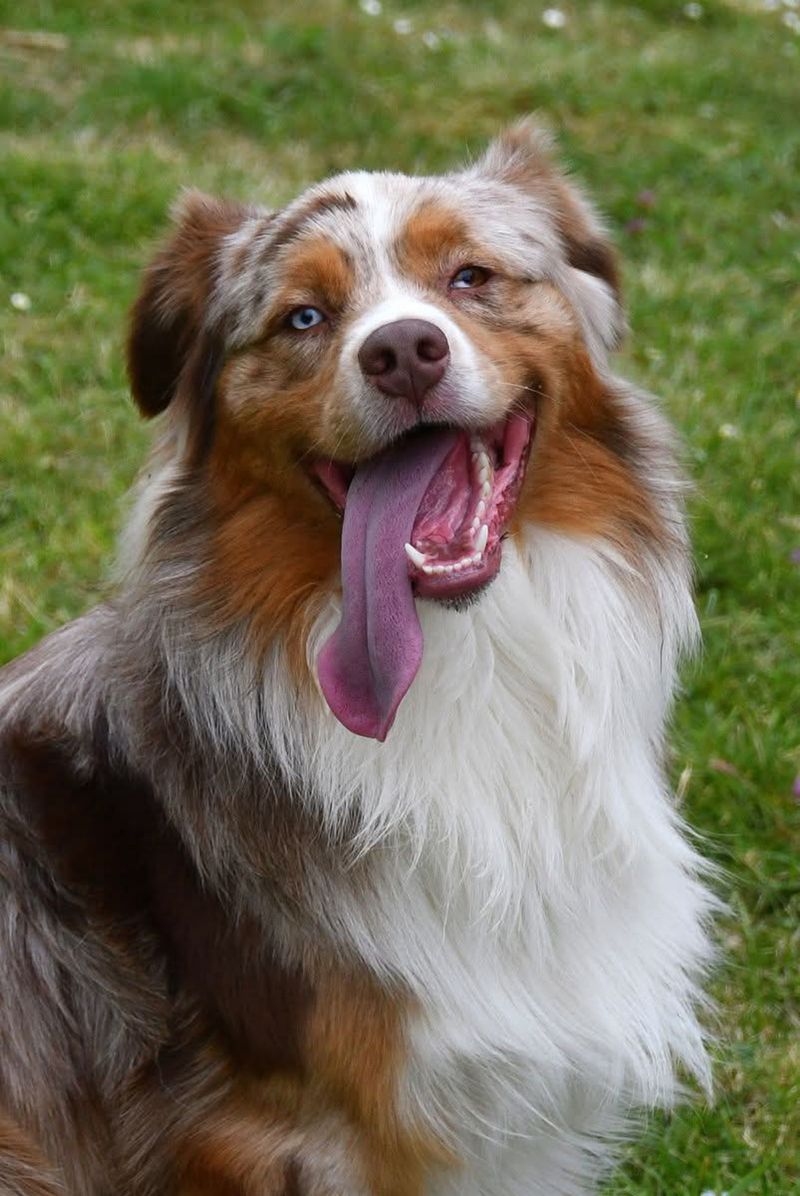
Funny enough, the Australian Shepherd was actually developed in the American West, not Australia. Ranchers loved how closely it watched both sheep and people.
Aussies track every move you make. Grab your shoes and they’re already at the door, ready to go.
That sharp focus needs an outlet. Agility courses, fetch, and training games keep an Aussie’s mind happy and stop boredom from turning into mischief.
Shetland Sheepdog
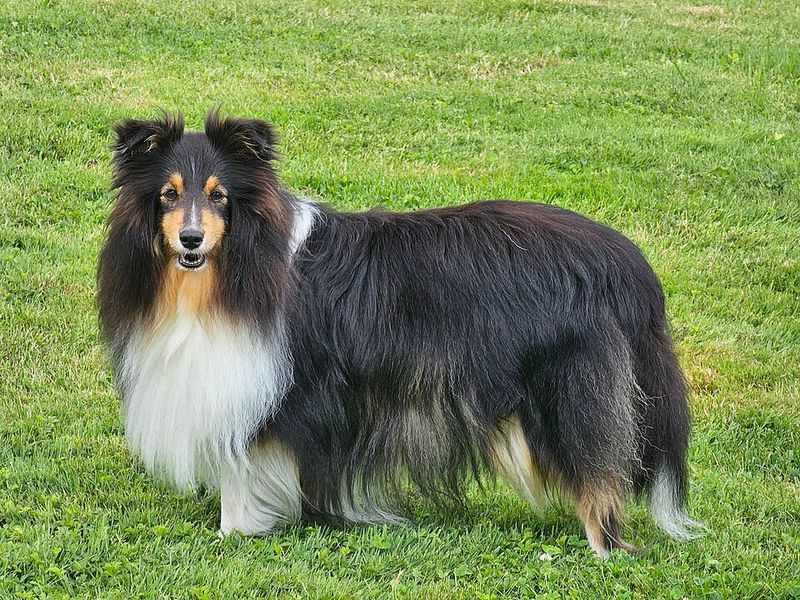
Sometimes called a mini Collie, the Sheltie comes from the rugged Shetland Islands of Scotland. Farmers there needed a small, sharp-eyed helper.
Shelties pay attention to the tiniest details, from a raised eyebrow to a new sound in the house. They often bark to let you know something changed.
Patient, kind training suits them best. Reward their alertness, and you’ll have a devoted little shadow for life.