
Dogs experience the world through scent, and everyday smells can feel overwhelmingly loud to them. What seems fresh, clean, or cozy to us might spike their heart rate and make home feel unpredictable.
When stress stacks up, behavior changes often follow, from pacing and whining to hiding and refusing food. Learn the surprising household scents that raise your dog’s anxiety and how to dial them down fast.
Citrus cleaners (lemon, orange)
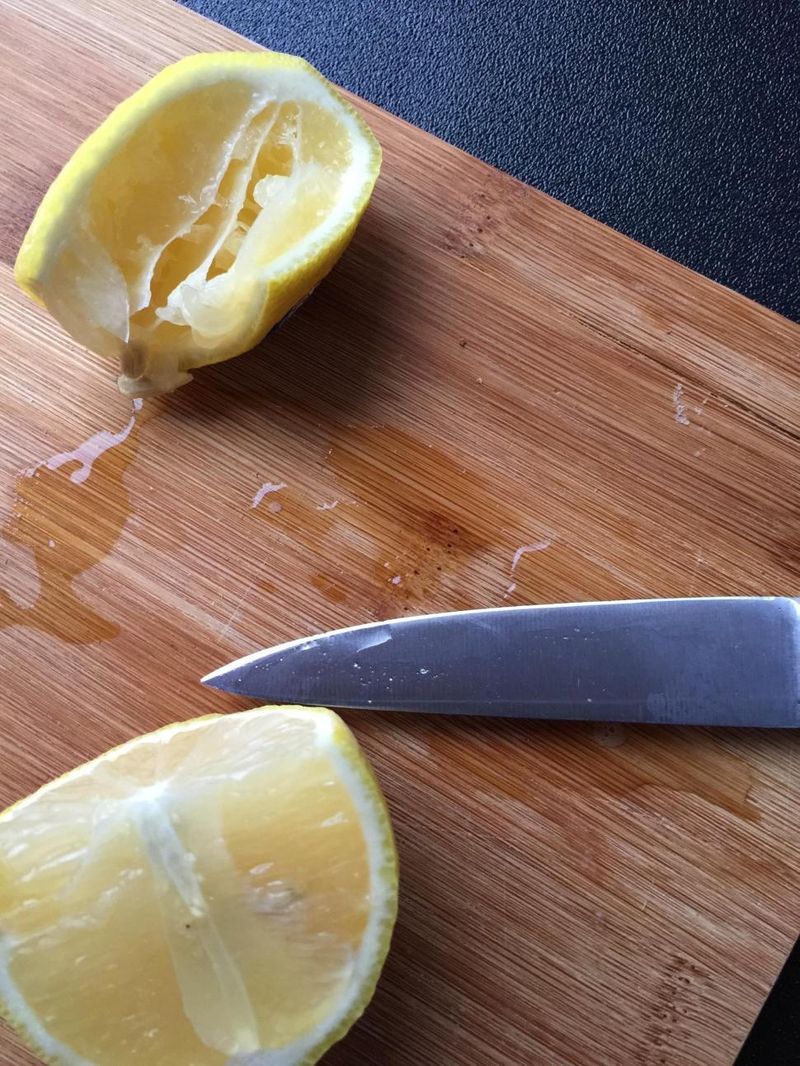
Citrus smells scream loud to dogs. Lemon and orange cleaners that smell bright and fresh to us can feel sharp and biting to sensitive noses.
You might notice your dog avoiding the room, licking lips, or yawning when you spray. Those are subtle stress signs, not stubbornness.
Even natural products can be intense.
To help, dilute cleaners more than you think and ventilate well. Wipe surfaces and let them dry before your dog returns.
Skip spraying near beds, bowls, and favorite resting spots. Consider unscented or pet safe formulations labeled fragrance free.
If you love a citrus sparkle, use it sparingly, then open windows and run a fan.
Vinegar
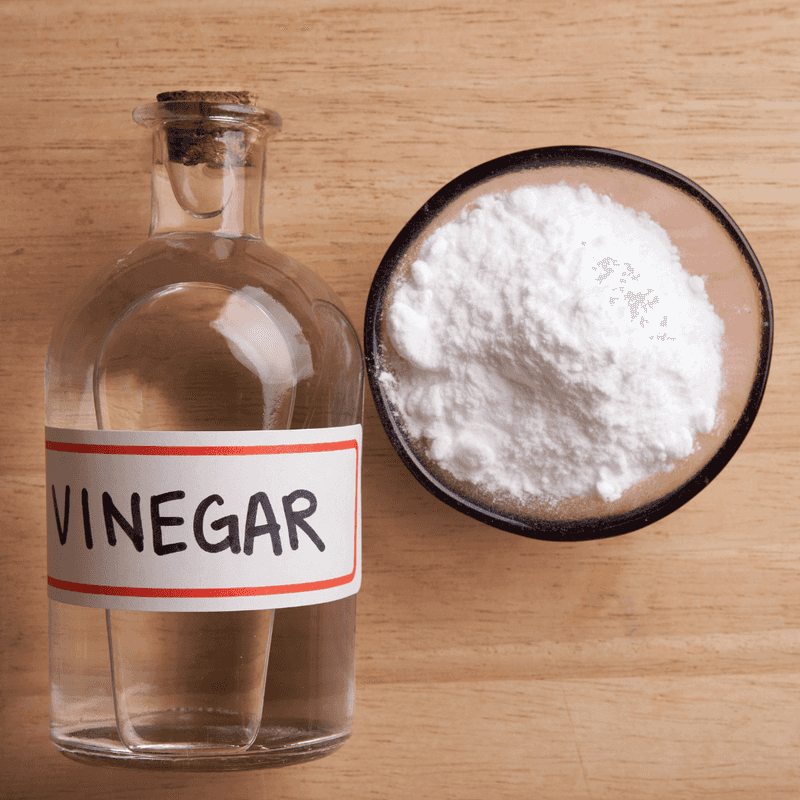
Vinegar might seem harmless, but its tangy bite travels far in a dog’s world. The acetic acid scent can sting sensitive noses and trigger avoidance.
You might catch head turns, quick retreats, or sudden scratching as your dog tries to cope. It is not danger, just discomfort made big by powerful scent receptors.
Even small spills linger.
To reduce stress, dilute stronger than recipes suggest and rinse thoroughly. Mop when your dog is outside or resting in another room.
Keep bowls, crates, and toys out of the cleaning zone. Add fresh air with open windows or a fan.
If vinegar is your go to, choose targeted spot cleaning instead of whole room mopping sessions.
Ammonia-based cleaners
Ammonia smells sharp, like a punchy wall of fumes to dogs. It can mimic urine notes, which may spark anxiety or territorial confusion.
Some dogs pace or over sniff, while others avoid the area completely. Watery eyes or sneezing can pop up, too.
Even tiny amounts create a harsh atmosphere in small rooms like bathrooms.
Choose non ammonia formulas whenever possible. If you must use them, ventilate aggressively and keep your dog well away until fumes fade.
Rinse surfaces to remove residue and prevent reactivating odor with moisture. Store bottles securely to avoid leaks and lingering scent.
Your dog will breathe easier, and you will likely notice calmer behavior after cleaning sessions.
Bleach
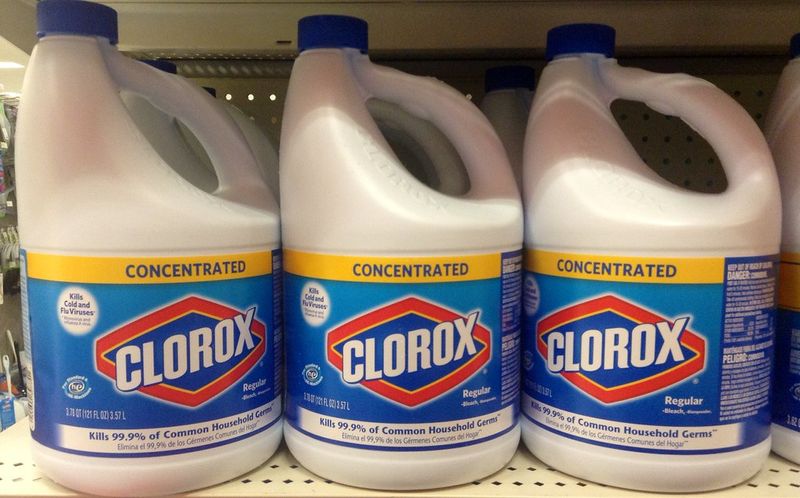
Bleach announces itself before the cap is off. For dogs, the chlorine bite is overwhelming and can irritate eyes and airways.
You might see squinting, sniffling, or quick exits as they search for fresher air. The sterile smell that signals clean to humans often signals threat to dogs.
Stress builds fastest in tight, unventilated spaces.
Swap to oxygen based cleaners or fragrance free disinfectants rated pet safe. If bleach is necessary, dilute carefully, apply sparingly, and flush with water.
Keep pets far away until everything is fully dry. Ventilation matters most, so open windows and run exhaust fans.
A calmer scentscape helps your dog settle and keeps cleaning days drama free.
Strong perfumes and body sprays
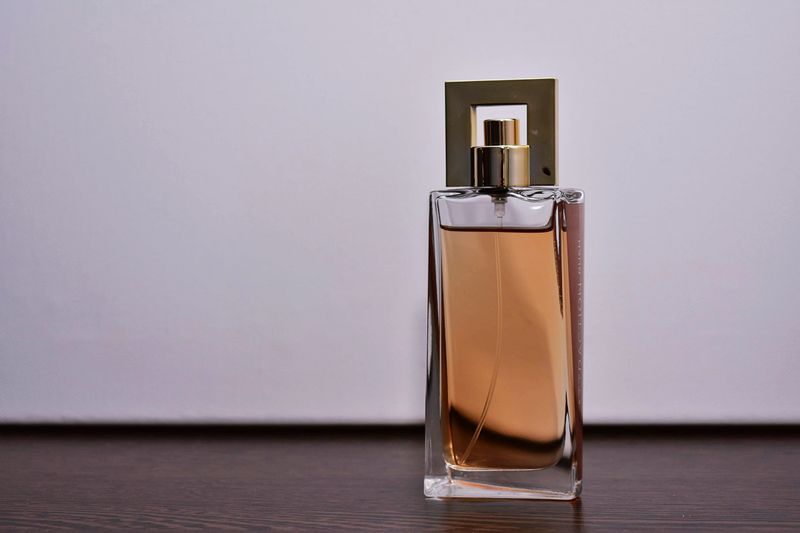
Perfumes are designed to project, which means dogs get a wall of layered notes. Musks, aldehydes, and fixatives linger on fabrics and hands your dog loves to sniff.
You might see sneezing, pawing at the face, or leaving the room after a spritz. Even friendly greetings can feel like an olfactory ambush.
Less is truly more around pets.
Apply fragrances outdoors or in a well ventilated bathroom, then wait before cuddling. Avoid spraying near beds, couches, and car seats where your dog relaxes.
Consider lighter, skin close scents or unscented toiletries. Wash hands before offering treats or grooming.
Small shifts preserve your style while giving your dog calmer, easier breathing space every day.
Essential oils (tea tree, peppermint, eucalyptus)

Essential oils feel natural but are intensely concentrated. Tea tree, peppermint, and eucalyptus can irritate canine airways and, in some cases, pose toxicity risks if ingested.
Diffusers spread scent fast, saturating cushions and coats. Watch for drooling, wobbliness, or lethargy, and stop exposure if anything seems off.
Even calm dogs can get overwhelmed quickly.
Skip passive diffusing where dogs rest. If using oils, keep them sealed, out of reach, and never apply undiluted to skin or collars.
Choose pet specific products vetted by your vet. Fresh air plus short, targeted cleaning beats continuous fragrance.
When in doubt, go scent light and focus on vacuuming and laundry for the freshest home vibe.
Nail polish remover (acetone)
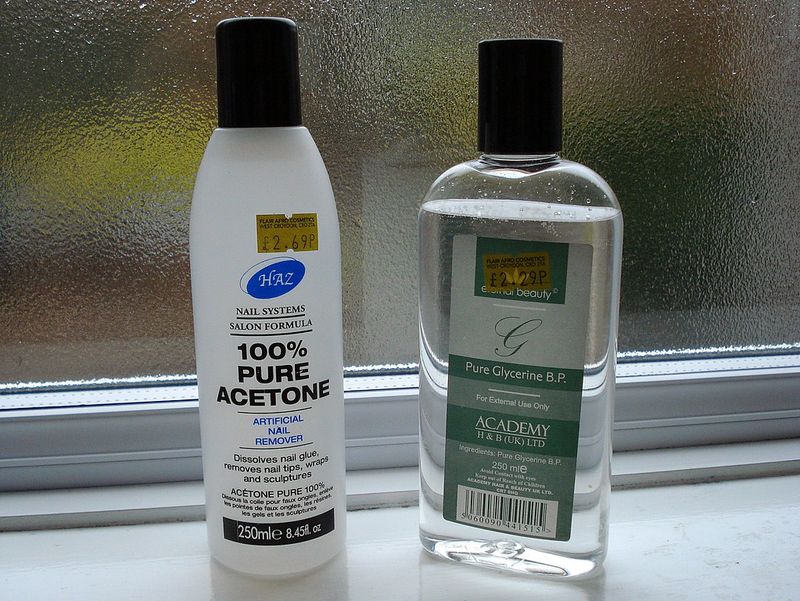
Acetone races through a room with crisp, cold intensity. Dogs catch that blast instantly, and many retreat or lick their lips from stress.
The fumes evaporate quickly but can still irritate eyes and noses. Spills soak into porous counters or towels, keeping the scent alive.
Your dog may avoid the bathroom for hours after a manicure session.
Cap tightly, use minimal amounts, and open a window or fan. Do nail care away from dog beds and food zones.
Dispose of pads in a sealed bag to contain residual odor. Non acetone removers can be gentler, though ventilation still matters.
A small setup tweak turns self care time into something your dog tolerates without worry.
Smoke (cigarette, vape)
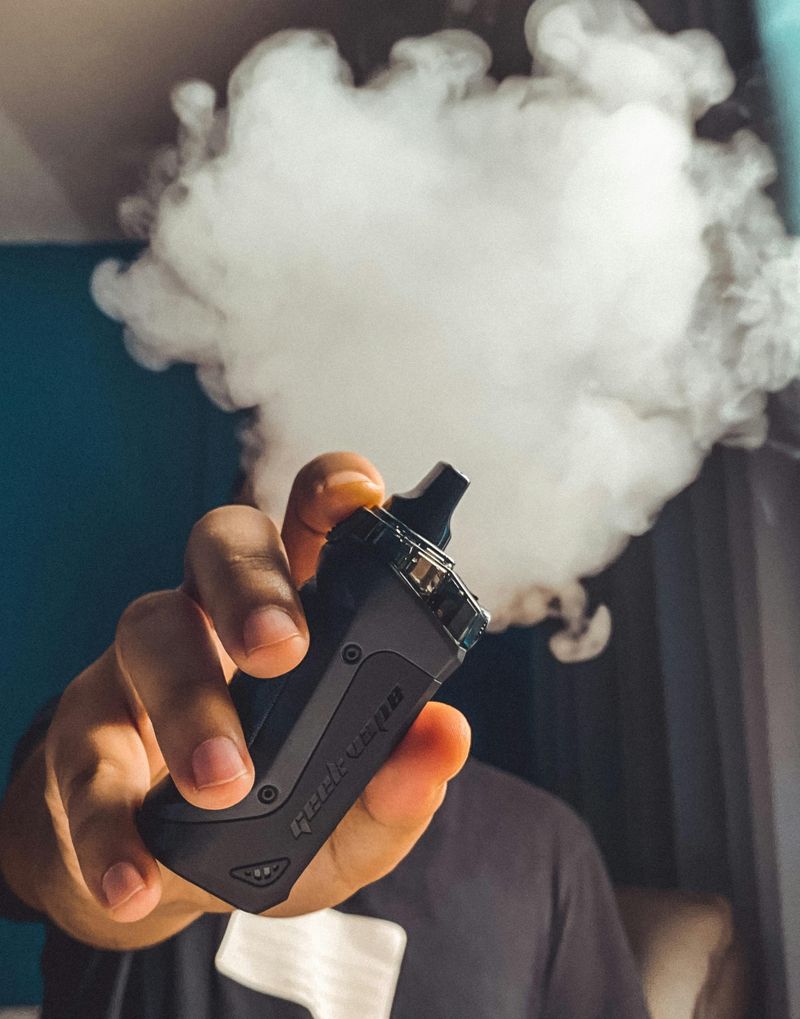
Smoke clings to everything, and dogs live nose level with carpets and cushions. Cigarette and vape aerosols can irritate airways and eyes, raising stress and potentially long term health risks.
You might see head shaking, squinting, or choosing another room. Even outdoor smoking can trail scent indoors on clothing and hair.
The smell lingers stubbornly.
Make a strict outdoor only rule and change layers before cuddling. Use HEPA filtration and open windows to clear the air.
Wash fabrics dogs sleep on more often. Skip scented cover ups that only stack odors.
Cleaner air helps sensitive pups breathe easier and rest more deeply, especially seniors and flat faced breeds that struggle most.
Strong cooking fumes (chili, heavy frying)

Cooking fills a home with comfort, but chili heat and heavy frying send bold signals to dogs. Capsaicin laden steam and oily aerosols ride low, right where noses work overtime.
Dogs may pace, leave the kitchen, or drool from sensory overload. The scent can linger in curtains and dog beds.
It is not misbehavior, just overwhelm.
Use lids, splatter screens, and the range hood on high. Crack a window and block kitchen access during intense sessions.
Wash textiles and wipe surfaces to break the lingering scent loop. Consider baking or simmering milder meals when your dog seems edgy.
A few small tweaks keep dinner delicious for you and peaceful for your pup.