
Some sounds you barely notice can send your dog’s stress soaring, while others work like a calming hug. Learning which is which helps you prevent meltdowns and build trust every day.
In this guide, you will spot the culprits behind anxious pacing and discover gentle audio that settles nerves fast. Stick around and you will leave with practical, dog-tested tips you can use tonight.
Fireworks

Fireworks arrive suddenly, blast unpredictably, and echo with sharp crackles that feel inescapable to sensitive ears. Your dog cannot predict when the next boom will happen, so adrenaline spikes and the nervous system stays on high alert.
You might see pacing, panting, drooling, or a desperate attempt to hide.
Prepare by creating a safe retreat with blankets, favorite chews, and a white-noise buffer. Start sound desensitization weeks ahead using low-volume recordings, nudging the volume up slowly while pairing with treats.
During the event, close curtains, play steady sounds, and offer calm reassurance without overreacting.
Consider a snug anxiety vest, long-lasting lick mats, and frozen food toys to encourage settling. If panics persist, talk to your vet about medication options.
Thunder

Thunderstorms bundle low rumbles, sudden cracks, and shifting barometric pressure that dogs detect long before you do. The build-up creates dread, so each rumble confirms their fear.
Some dogs associate the storm smell with previous scares, amplifying the cycle.
Close windows to reduce noise and static, then offer a cozy den away from exterior walls. Use counterconditioning: at the very first distant rumble, scatter tasty treats, then stop when quiet returns.
Over time, the dog links thunder to good things rather than panic.
Anti-static sprays, grounding mats, and cotton shirts can reduce prickly static that some dogs dislike. For severe cases, ask your veterinarian about situational medications or supplements like L-theanine, used alongside training.
Vacuum cleaner
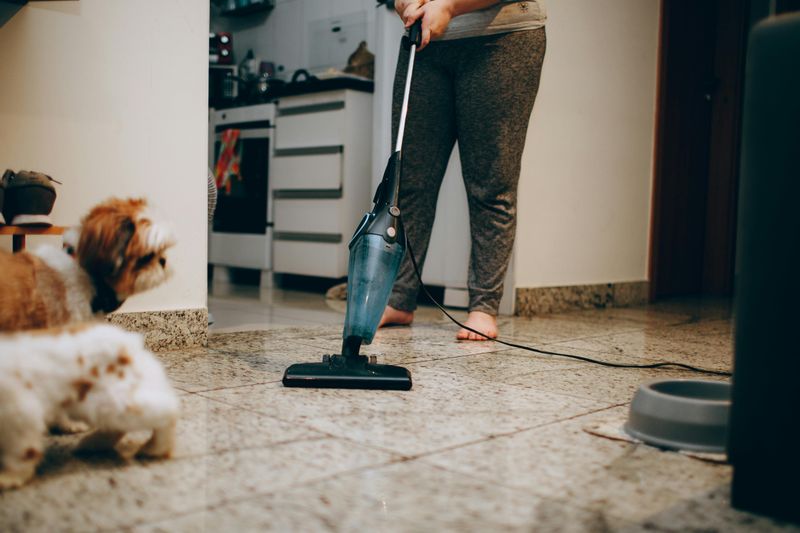
Vacuum cleaners roar, whine, and move unpredictably like a mechanical predator crossing territory. Your dog may lunge, bark, or flee because the machine invades space and emits harsh frequencies.
Even after it stops, residual stress can linger.
Desensitize gradually with the vacuum off, rewarding calm sniffing and proximity. Next, switch it on in another room for seconds, feed treats, then switch off.
Increase duration and closeness slowly across days, never pushing past comfort.
Offer a stuffed Kong in a separate safe room while you clean. Choose quieter vacuums or robot models run while you are out, if your dog handles separation well.
Practice mat training, teaching relax-on-cue behaviors to replace reactive patterns.
Smoke alarm beep
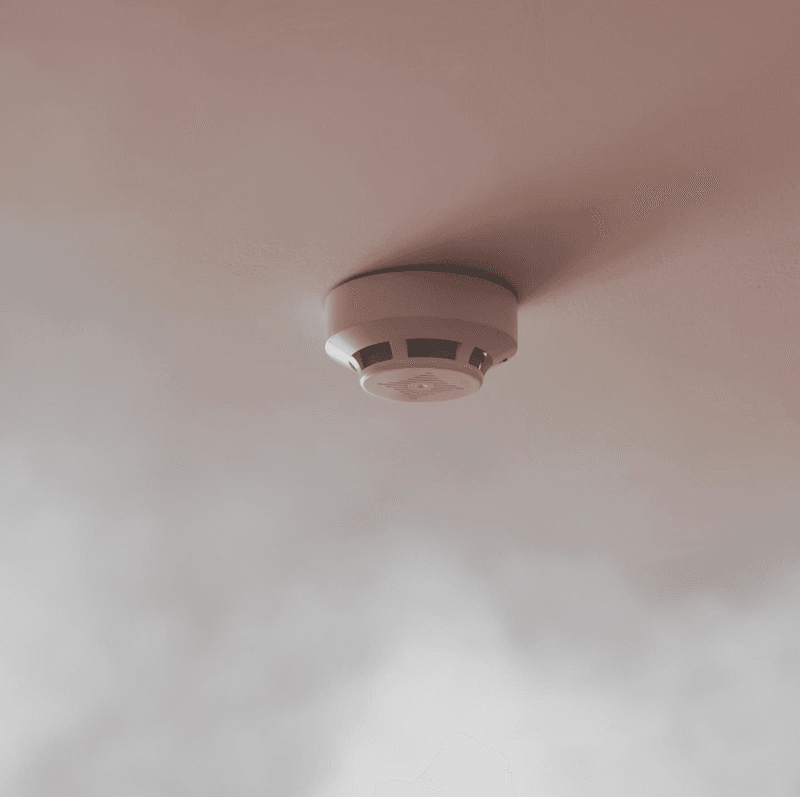
That random chirp from a low-battery smoke alarm pierces canine hearing and arrives without warning. Because it is intermittent, dogs cannot predict or habituate easily, which keeps cortisol elevated.
Many then avoid entire rooms or refuse to relax.
Fix the battery immediately to stop the surprise pattern. If chirps have created a fearful association with the space, rebuild confidence with gentle reintroduction, treat trails, and quiet activities like sniffing games.
Pair the room with calm routines so safety feels normal again.
For future testing, cue your dog to another area with white noise already playing. Practice brief beep recordings at low volume while feeding high-value snacks, expanding your dog’s resilience to sudden high-pitched tones.
Blender

Blenders generate piercing, high-frequency whines that cut through walls and jolt resting dogs. The sudden startle can create a pattern where stepping into the kitchen predicts a scare.
Some dogs will shadow you nervously or bolt for the hallway.
Start by parking your dog on a mat in another room with a chew before blending. Turn on the blender for a second, drop a treat, turn it off.
Repeat in short, sweet sessions, increasing time only when your dog stays relaxed.
Choose quieter settings or pulse in brief bursts. Consider adding a towel under the base to reduce vibration.
Over time, predictability and distance lessen the shock, and the kitchen becomes routine again rather than alarming.
Hair dryer

Hair dryers blast warm air while emitting a whine that shifts as you move, which feels like a chasing sound to sensitive dogs. The fluctuating pitch and airflow can trigger avoidance or barking.
Grooming then becomes a wrestling match instead of bonding time.
Introduce the dryer unplugged first, rewarding calm investigation. Next, run it on low behind a barrier for a few seconds while giving treats.
Gradually pair gentle brushing with the sound, keeping sessions short and upbeat.
Use lowest settings, diffuser attachments, and distance to soften noise. Some dogs prefer towel-drying paired with licky mats.
If grooming anxiety runs deep, schedule micro-sessions across days so confidence accrues instead of being drained all at once.
Construction drilling

Construction adds relentless drilling, hammering, and reverberation that seeps through floors and windows. Because it is out of your control, your dog cannot escape the onslaught or predict pauses.
Long days of racket can erode sleep and patience.
Relocate rest areas to interior rooms, add rugs and heavy curtains, and run a fan or white-noise machine to mask peaks. Schedule decompression walks to quiet parks during off-hours so the nervous system resets.
Offer sniffing games and calming chews to occupy the mind.
If noise is chronic, consider day care, a trusted sitter, or car rides to peaceful spaces during peak drilling. Prevent stacking stress by keeping training light and rewarding every sign of self-soothing.
Sirens

Sirens sweep through pitches that travel far and feel urgent, often triggering howling or frantic scanning. Because they approach, peak, then fade, the pattern teases nerves repeatedly.
Even calm dogs can spike when a fire truck screams past the sidewalk.
Begin at a distance, playing low-volume siren recordings during relaxed activities, then reward calm. On walks, step aside, feed steady treats, and turn your dog’s body away from traffic.
Pair the loudest moments with something wonderful, teaching that the sound predicts safety, not danger.
Keep gear snug and ID updated in case a spook happens. Gradual exposure and predictable routines help transform city soundscapes from threat to background hum over time.
Door slamming
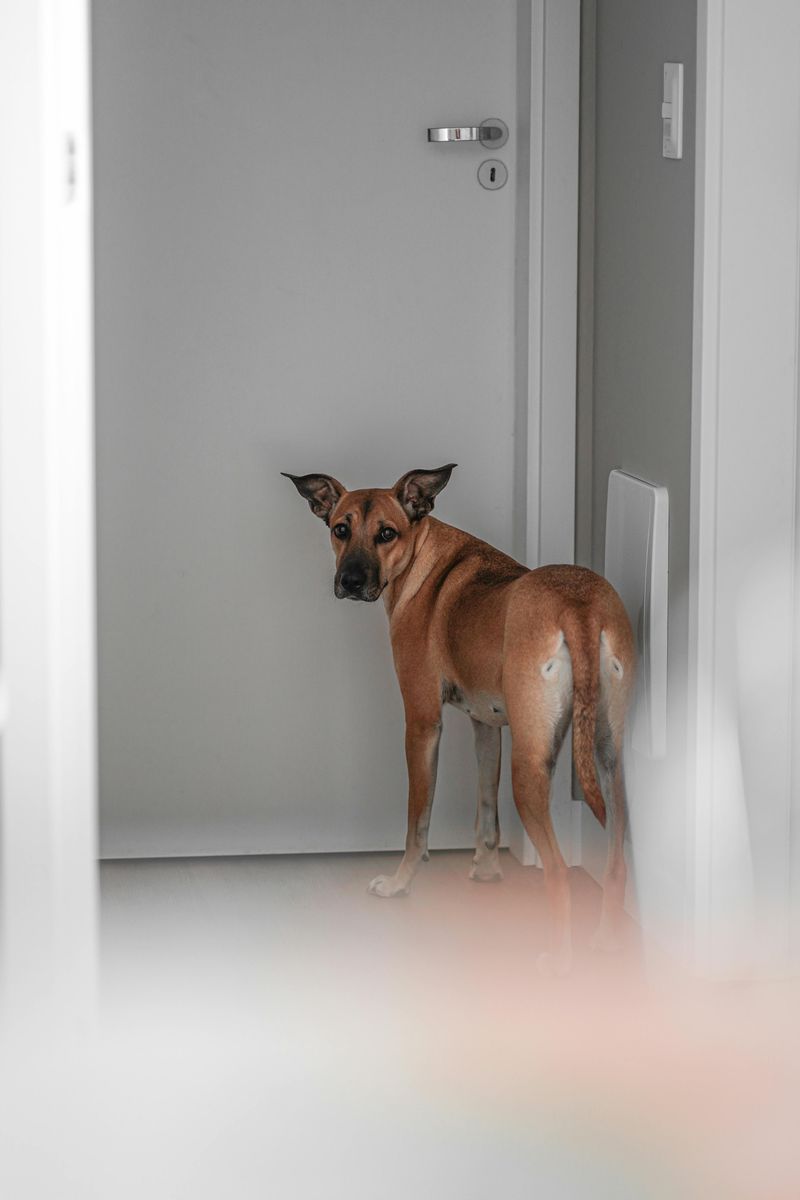
Door slams deliver a sudden crack that startles even steady dogs, especially when tied to people arriving or leaving. The sharp transient spike is hard to ignore and can trigger barking or rushing the entry.
Repeated surprises teach vigilance instead of rest.
Soften the trigger with felt pads, slow-close hinges, or mindful handling. Practice staged arrivals: lightly close, treat, wait, repeat, gradually increasing volume.
Ask guests to text first so you can prep your dog with a mat and treat scatter before the door moves.
Reward quiet ears and loose posture, not frantic greetings. Over time, neutral repetitions rewrite the script, and door sounds become everyday cues rather than alarms that jolt the household.
Soft music

Gentle, slow-tempo music at low volume can help many dogs settle after a busy day. Consistency matters more than genre, though softer acoustic patterns typically soothe better than heavy beats.
You are building a ritual your dog recognizes as time to exhale.
Choose playlists around 60 to 80 BPM and keep the volume below conversation level. Pair music with calm activities like lick mats, massage, or quiet tethered chews so the whole environment signals rest.
Over several sessions, your dog anticipates relaxation when the playlist starts.
Rotate a few albums to prevent boredom but keep the vibe consistent. If your dog sleeps, let the tracklist play through naps, supporting deeper, more restorative rest between outings and training.
White noise

Steady broadband sound masks random clatters that would otherwise jolt a sensitive sleeper. White noise helps blur unpredictable spikes like hallway footsteps or distant car doors.
The brain stops scanning for threats because the floor of sound stays constant.
Pick a machine or app with multiple profiles and test which your dog prefers. Keep volume comfortably low so it soothes rather than overwhelms.
Pair with a dim room, breathable bedding, and a predictable bedtime routine for the best effect.
Use during fireworks, construction, or guest visits to soften edges. Over time, the noise becomes a safety cue, telling your dog, it is okay to switch off, breathe slowly, and drift into deeper sleep.
Fan hum

The low, rhythmic hum of a fan creates a calming backdrop that masks tiny household sounds. Unlike abrupt noises, its gentle whoosh signals stability and safety.
Many dogs settle quickly under a ceiling or box fan because the pattern never surprises them.
Place the fan to avoid direct drafts on your dog’s eyes or ears, especially for short-coated breeds. Keep it on a consistent setting during naps and evenings.
Combine the hum with a comfortable mat and a chew to anchor relaxation.
Fans can also help during hot weather by improving comfort, which reduces irritability. If your dog startles easily, the steady sound offers a simple, budget-friendly tool to smooth the day’s rough audio edges.
Gentle rain sounds

Light rain offers soft, irregular patterns without harsh spikes, creating a soothing natural lullaby. Dogs often relax as the muted taps on windows blend into a consistent hush.
Unlike storms, there is no thunder to predict, only calm ambience.
Try high-quality rain recordings or crack a window during mild showers if your dog enjoys natural scents. Pair the soundscape with a dim lamp, slow petting, and a chew that lasts ten minutes.
Soon, rain becomes a cue for winding down.
For crate training, play rain tracks at bedtime so the crate predicts comfort. Maintain a low volume that fades into the background, helping your dog drift from alert to drowsy without effort.
Low-volume TV voices
Quiet conversational voices on TV create social ambience without the chaos of action scenes. The steady murmur signals that everything is normal at home, helping sensitive dogs settle.
Avoid sudden ads or sports spikes that undo the calm.
Pick predictable programming or streaming channels with minimal jump scares. Keep closed captions on so you can mute briefly if volume jumps.
Pair with a relaxation mat and a simple chew to associate the background chatter with cozy downtime.
Use this during mild separation practice too, stepping out for short intervals while the TV hums. Gradually extend duration as your dog naps, reinforcing confidence that departures are boring and safe.
Quiet classical music

Slow, quiet classical pieces with minimal percussion often reduce canine stress and barking. Studies suggest simpler arrangements and lower tempos are most effective.
When you keep volume gentle, the music invites deeper breathing and unhurried rest.
Create a short playlist of strings and piano, avoiding dramatic swells or sudden crescendos. Use it during grooming, crate time, or after energetic play to transition into recovery.
Over a week, your dog begins to associate these tracks with safety and comfort.
If your dog seems restless, try alternating classical with ambient soundscapes to prevent habituation. The goal is a sound cocoon that feels predictable, soft, and kind, giving the nervous system permission to power down.