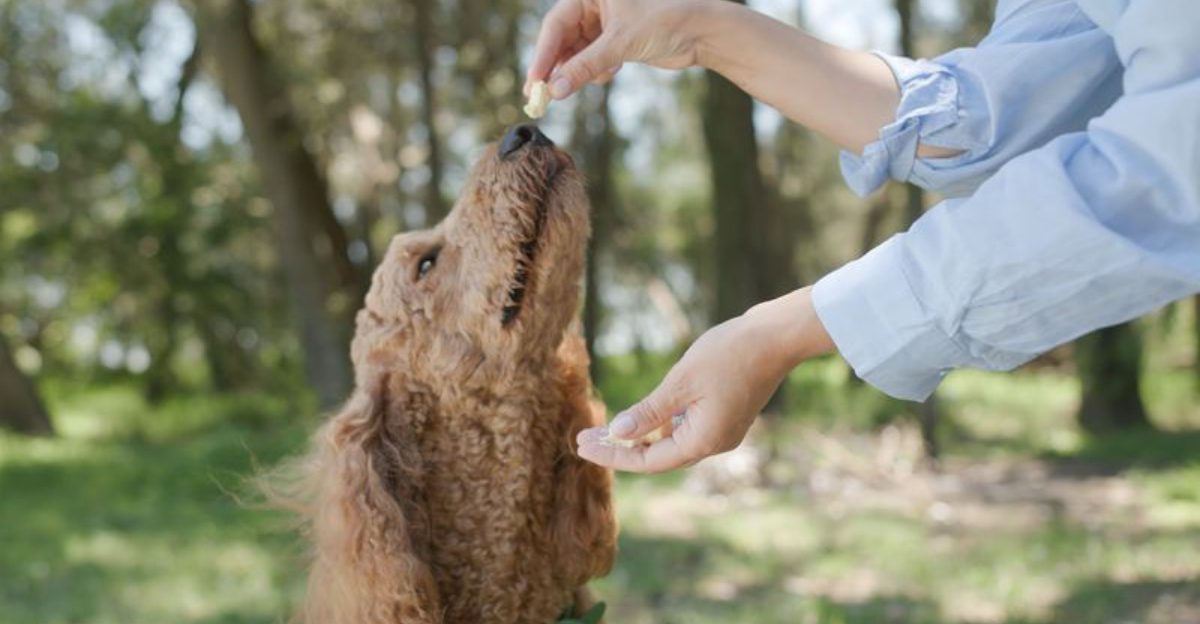
Your dog is telling you what they love in a hundred tiny ways each day. Many of those moments are quiet, easy, and often overlooked.
When you lean into them, behavior improves and your bond deepens fast. Here are nine small things that make a big difference.
Gentle eye contact
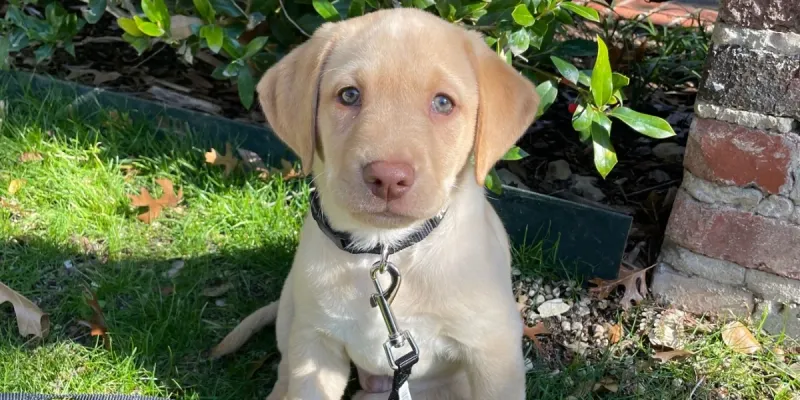
Soft, brief eye contact tells your dog they are safe without turning it into a stare. Hold their gaze for a second or two, then blink and look away to keep things friendly.
Your relaxed shoulders and calm breathing say more than any words.
Pair this moment with a soft smile or a gentle head tilt so your dog feels invited, not pressured. If they glance back and wag loosely, you nailed it.
Use these tiny check ins during training, greetings, and quiet couch time, because respectful connection builds trust. Keep sessions short, especially with shy dogs, and let them choose when to look away.
Over time, this quiet ritual becomes a steady anchor your dog seeks throughout daily life.
Calm praise instead of loud excitement
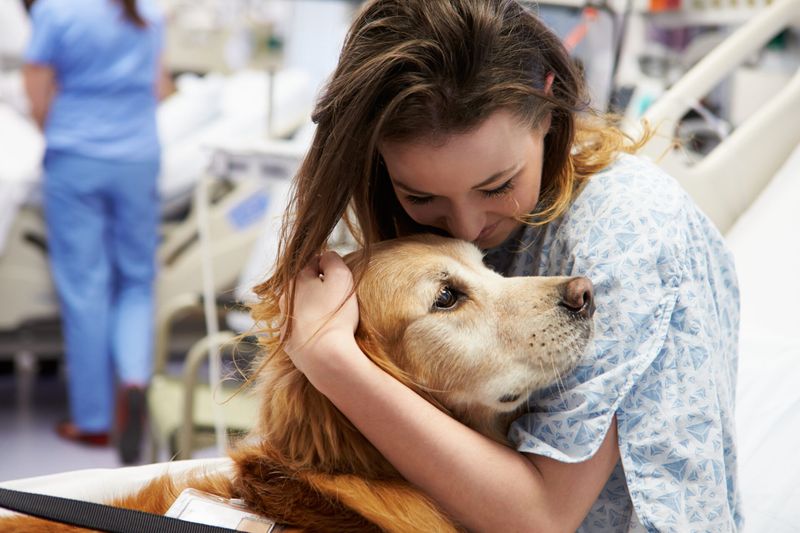
Big cheers can spike arousal and muddle your message. Calm, low voiced praise helps your dog understand exactly which behavior earned approval.
Say good softly right as the paw hits the mat, or when the leash slackens, and you capture the moment without chaos.
Pair it with a slow chest rub or a small treat, then pause. This keeps arousal from boiling over and preserves focus.
In busy places, your even tone becomes a lighthouse, guiding choices amid noise, kids, and squirrels. Over weeks, calm praise builds steadier responses and happier walks.
You will notice smoother greetings, easier recalls, and fewer frantic jumps because your feedback stays clear. Dogs relax into patterns that feel safe, and your voice becomes pattern.
Predictable daily routines

Dogs thrive when life makes sense. Predictable wake times, meals, walks, and rest windows lower stress hormones and curb reactivity.
You do not need perfection, just a steady rhythm your dog can count on most days.
Post a simple schedule on the fridge, and watch problem behaviors soften. Pawing at you during meetings often shrinks when exercise and enrichment are predictable.
Build in quiet decompression after busy outings so the nervous system resets. Small anchors across the day create big confidence and kinder choices.
Even a short morning sniff walk and evening puzzle toy can turn chaos into calm. Your dog will start anticipating needs being met, which reduces whining, door dashing, and stress spikes.
Consistency grows security and patience.
Soft places to rest nearby

Many dogs just want to be close without touching every second. A plush mat or bed placed near your desk or couch gives them comfort and choice.
They can stretch out, doze, and still keep an eye on you.
Add a light blanket, a chew, and water within reach. Praise them quietly when they settle on their spot so the area earns value.
If guests arrive, that familiar landing pad becomes a safe retreat. Over time, nearby rest prevents clinginess and builds calm independence without pushing your dog away.
Place it where sun warms the floor in mornings for extra cozy naps. Rotate covers weekly to keep scents fresh while still smelling like home.
Comfort invites deeper relaxation. Dogs notice.
Sniffing during walks
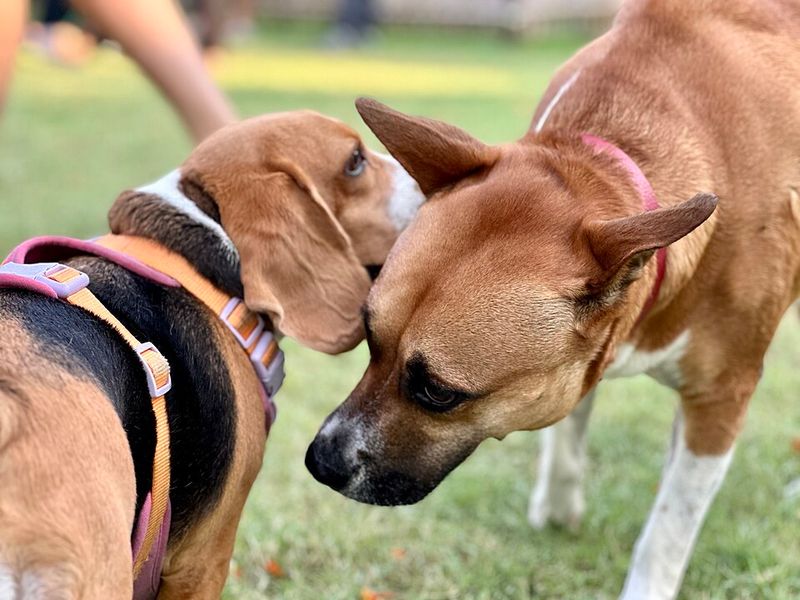
Noses power the canine world, and sniffing is brain work. Letting your dog investigate a fire hydrant or grassy verge is like reading headlines and deep articles.
Slow down, loosen the leash, and give a few minutes of free sniff time each block.
Use a cue like go sniff, then another like let us go to resume walking. This clear permission keeps manners intact while honoring needs.
Scenting drains mental steam, easing reactivity and leash frustration. After a solid sniff session, many dogs trot home calmer, nap longer, and greet neighbors with softer bodies.
Bring a longer line in safe areas, and avoid yanking them away from harmless smells. Curiosity satisfied today prevents fence running tomorrow.
Patience pays off. Always.
Quiet time with their owner
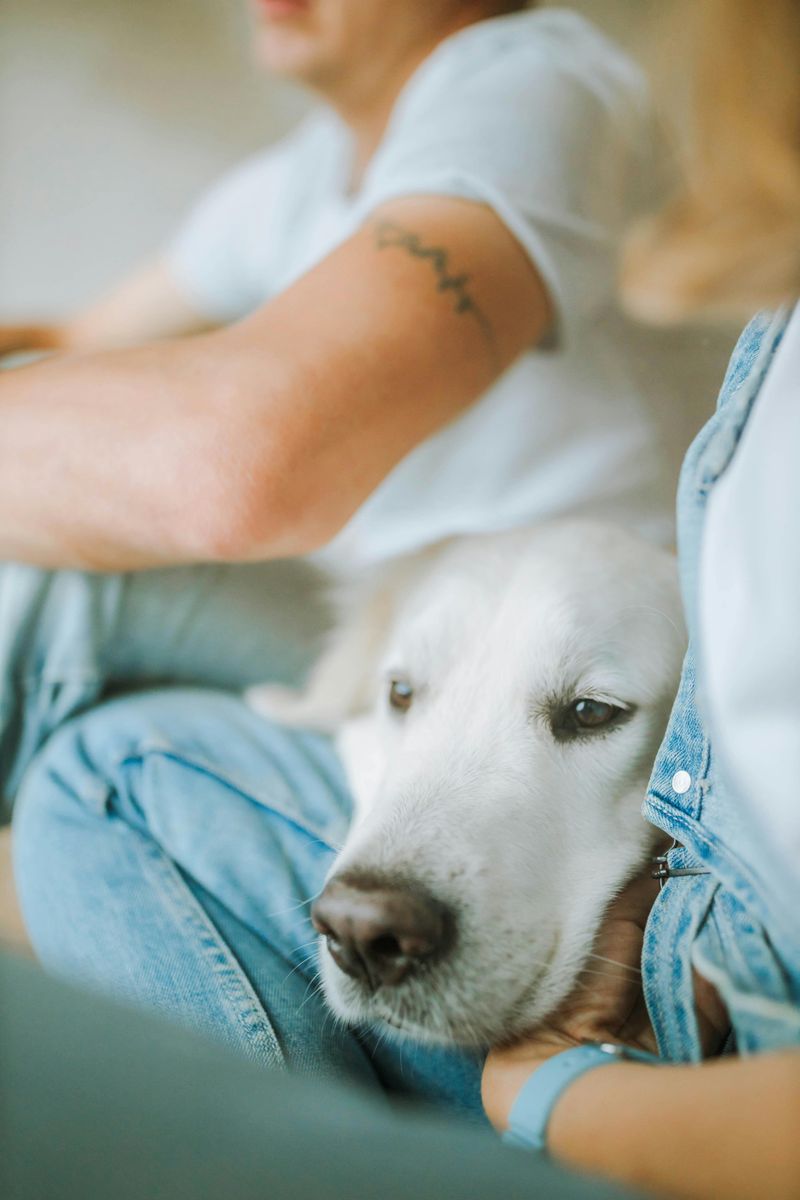
Dogs adore presence that feels easy. Sitting together while you read, watch a show, or sip tea tells your dog they belong without constant entertainment.
Set your phone aside, breathe slowly, and let the silence do the bonding.
Offer a gentle ear stroke or a slow back scratch every few minutes, then pause again. Quiet companionship reduces clingy behavior because needs get met proactively.
After busy days, this reset turns jittery energy into sighs and soft eyes. Make it a nightly ritual so your relationship deepens with almost no effort.
Some dogs prefer leaning against your leg, while others choose a nearby bed, so follow their lead. Comfort grows trust.
Quiet moments matter. Deeply.
Consistent training cues
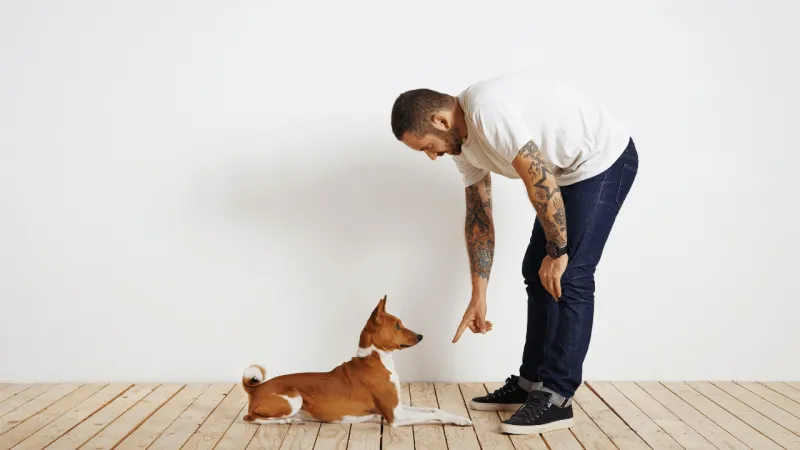
Dogs are pattern machines, so clarity beats volume every time. Use the same word, same hand signal, and same timing for each behavior you teach.
If family members wobble, write cues on a card and agree on exactly what each command means.
Consistency shrinks confusion and frustration for both ends of the leash. Mark success with yes or a click, then deliver the reward swiftly.
When mistakes happen, reset quietly instead of repeating cues louder. Over a month, you will see faster responses, fewer stalls, and confident body language during distractions.
Keep sessions tiny, like one minute sets, and end on a win so motivation stays high. Your dog will thank you with reliable skills.
Clarity creates joy. Truly so.
Small rewards and treats
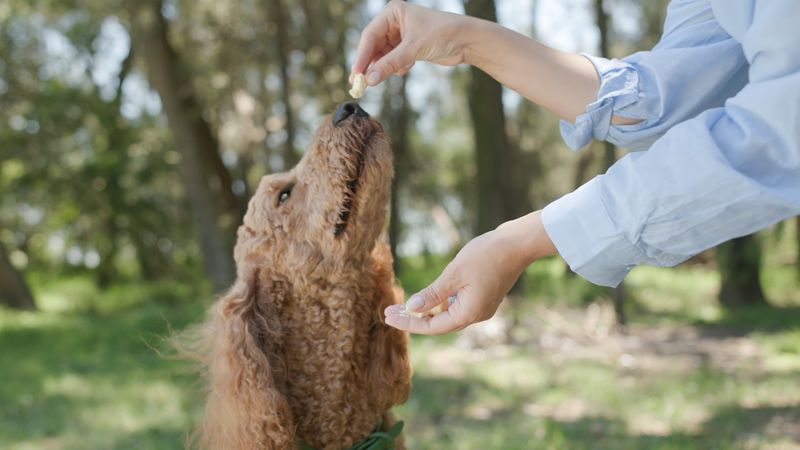
Reinforcement drives behavior, and tiny treats keep learning brisk without overfeeding. Use pea sized snacks or a single lick of a squeeze tube to mark choices you love.
Food is data for dogs, so deliver quickly while the decision is still happening.
Rotate flavors to maintain interest, and pair food with praise and touch. Scatter a few crumbs in grass for a quick sniff game between reps.
For sensitive stomachs, use part of their meal as training pay. Over time, small rewards shape big habits, and your dog offers good choices more often.
Measure portions so total calories stay balanced, and keep fresh water nearby during longer sessions. Motivation thrives when rewards feel timely and meaningful.
Make training fun. Always.
Being included in daily activities
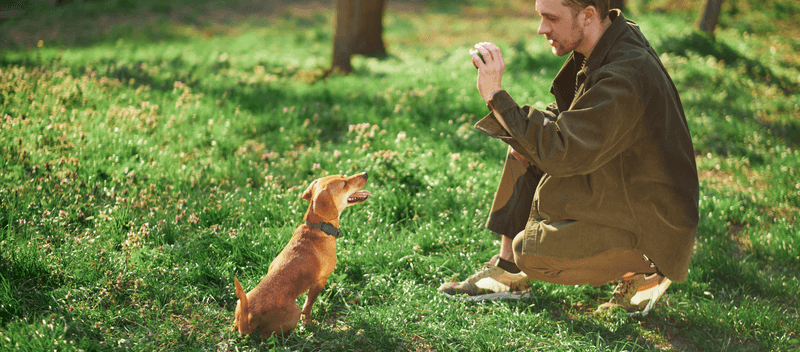
Dogs light up when they are part of the team. Invite them to hang while you garden, fold laundry, or run short errands where pets are welcome.
Inclusion offers stimulation without the overwhelm of constant play.
Give a job like carrying a soft toy, waiting on a mat, or checking the mailbox together. These mini roles build purpose and polish manners in real life.
Keep outings brief and positive, then debrief with water and a chew. Shared routines create belonging, and belonging turns into calm, secure behavior.
When storms or holidays add chaos, your dog will lean on these simple jobs to feel grounded. Inclusion reduces boredom and keeps trouble seeking at bay.
Invite help kindly. Praise steady effort.
Daily.