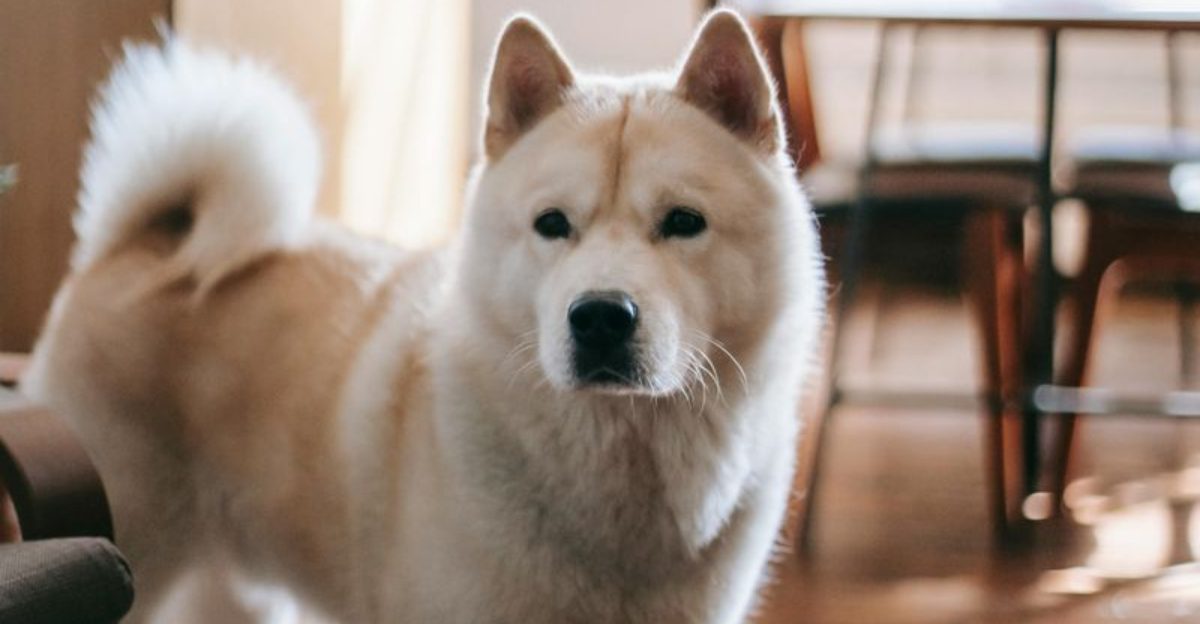
Spitz-type dogs are known for their distinctive appearance and vibrant personalities. These breeds, marked by their pointed ears and curled tails, bring a mix of energy and charm to any home. Below, explore nine unique spitz-type breeds and discover the training methods they thrive on.
Siberian Husky
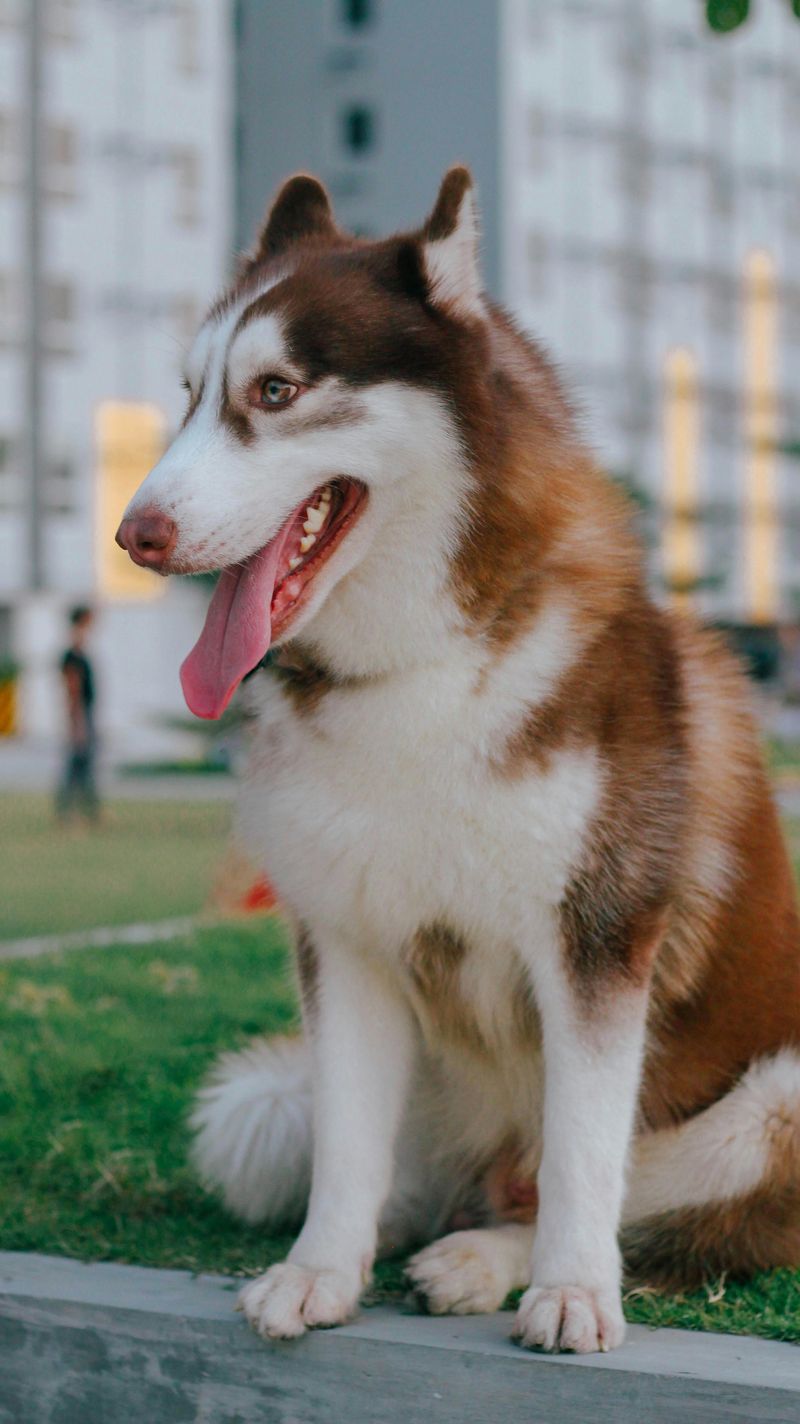
The Siberian Husky, with its piercing blue eyes and striking coat, is a breed that exudes energy. Known for their endurance, these dogs were historically used as sled dogs in Siberia.
Training a Husky demands consistency and patience. Positive reinforcement, such as treats and praise, works wonders. Their independent nature requires a firm but gentle hand.
Due to their intelligence and curiosity, Huskies benefit from varied activities. Incorporating games and challenges keeps them engaged and happy.
Alaskan Malamute
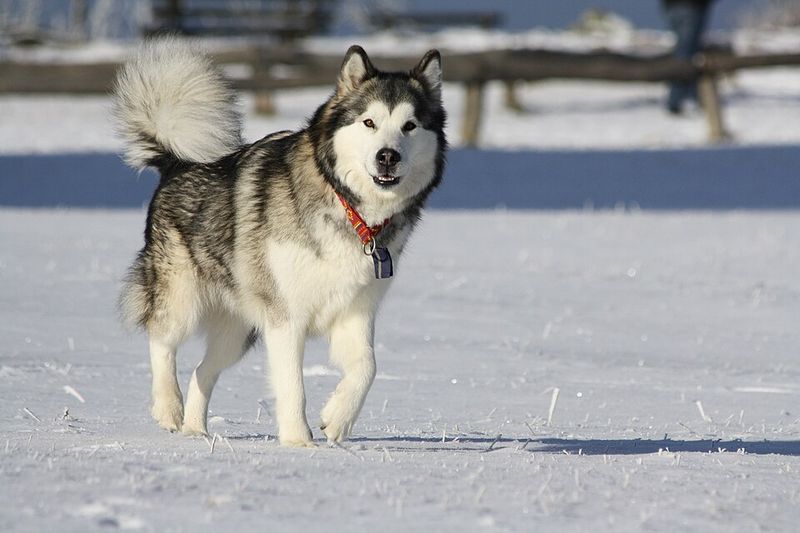
Alaskan Malamutes are powerful dogs, originally bred for heavy hauling. Their friendly demeanor often disguises their strength and endurance.
Training a Malamute requires an understanding of its pack mentality. They respond well to clear leadership and consistent boundaries.
Socialization is key for Malamutes. Exposing them to various environments early helps shape their confidence. A structured approach ensures they remain cooperative companions.
Samoyed
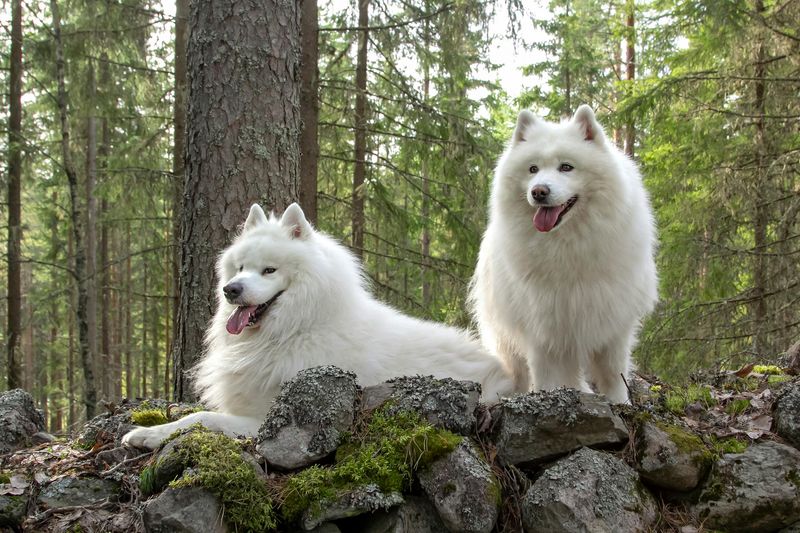
Samoyeds are known for their iconic “Sammy smile” and stunning white coats. Their cheerful nature makes them ideal family pets.
These dogs thrive on positive interactions. Gentle, reward-based training fosters their eagerness to learn. They are sensitive to harsh treatment.
Engaging Samoyeds in activities like agility or obedience can harness their energy. Their playful spirit is best matched with interactive training sessions.
Akita
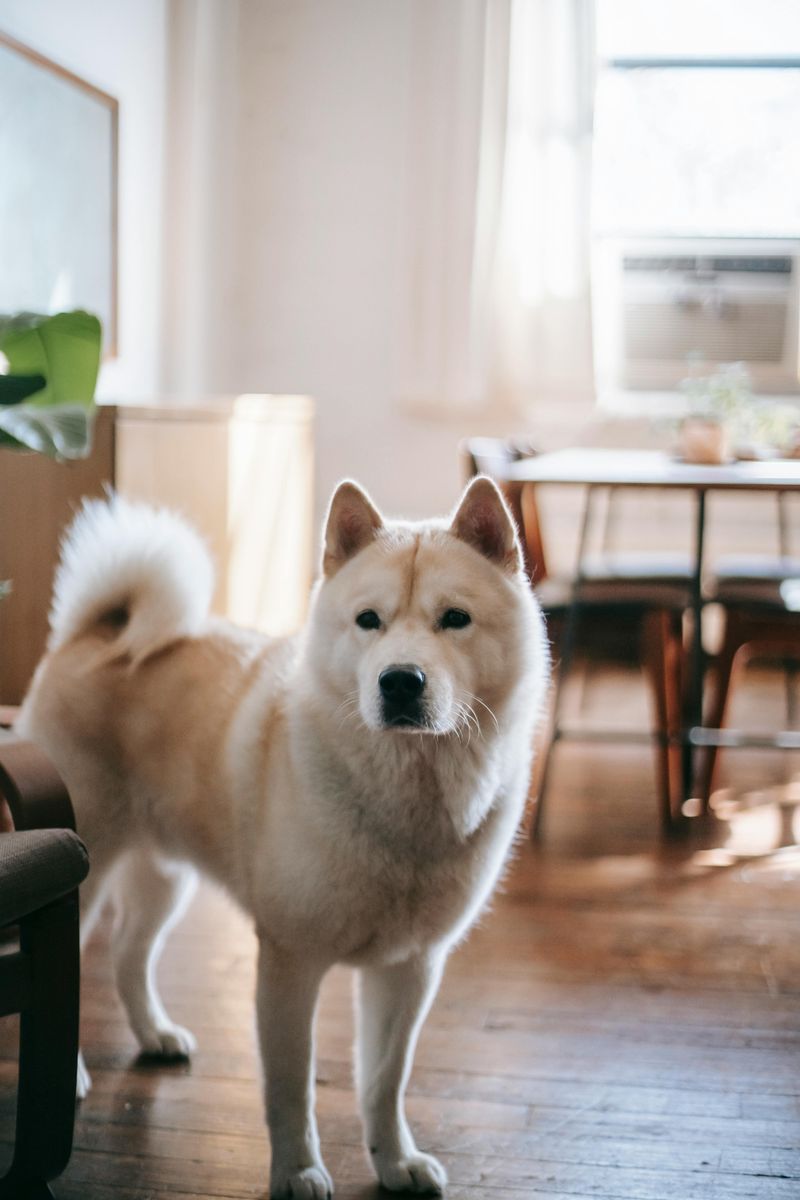
The Akita, with its noble presence, is a symbol of loyalty. Originally from Japan, they are guardians at heart, protective of their families.
Training an Akita involves building mutual respect. They respond well to consistent routines and clear commands.
Early socialization is crucial to prevent territorial behavior. An Akita’s training should focus on positive reinforcement to nurture its bond with the owner.
Shiba Inu
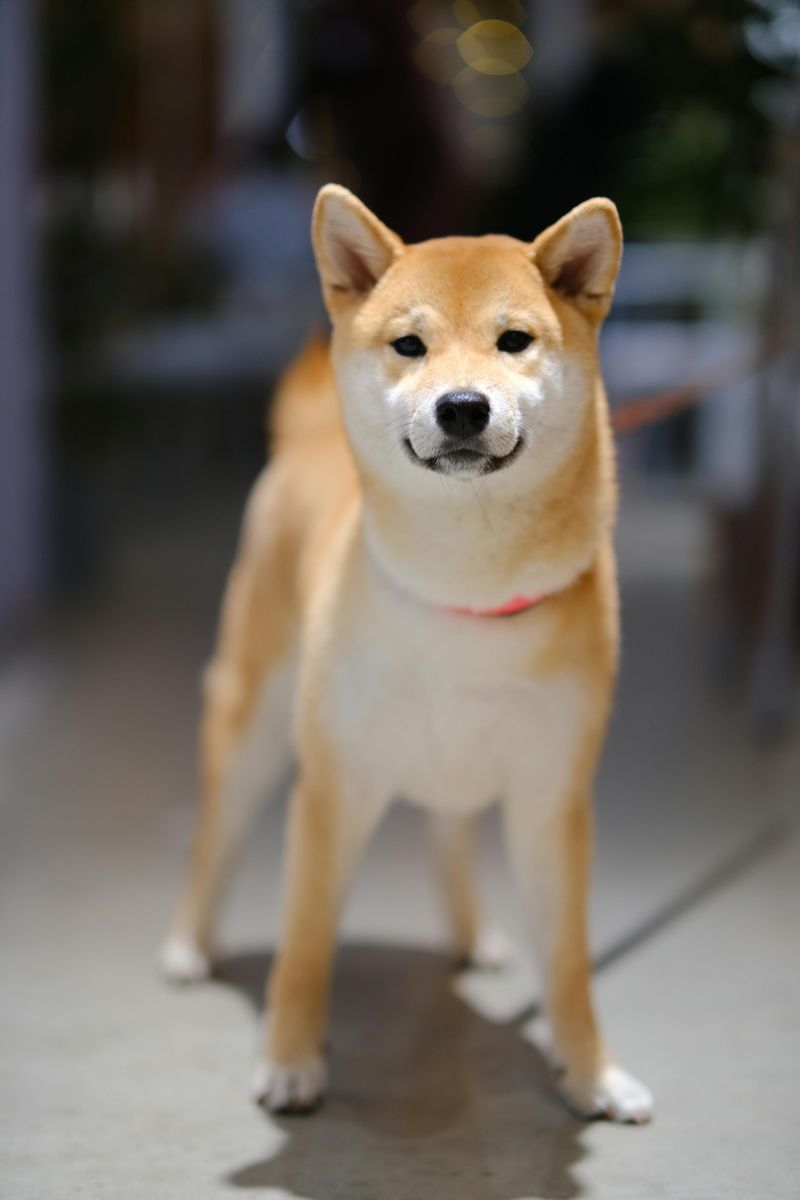
Shiba Inus, with their spirited personality, are often compared to cats due to their independence. This Japanese breed is agile and alert.
Training a Shiba requires patience and creativity. They respond best to varied, engaging sessions rather than repetitive drills.
Socialization from a young age is essential. Exposure to different environments helps them grow into well-rounded adults. Shibas thrive with an approach that respects their autonomy.
Finnish Spitz
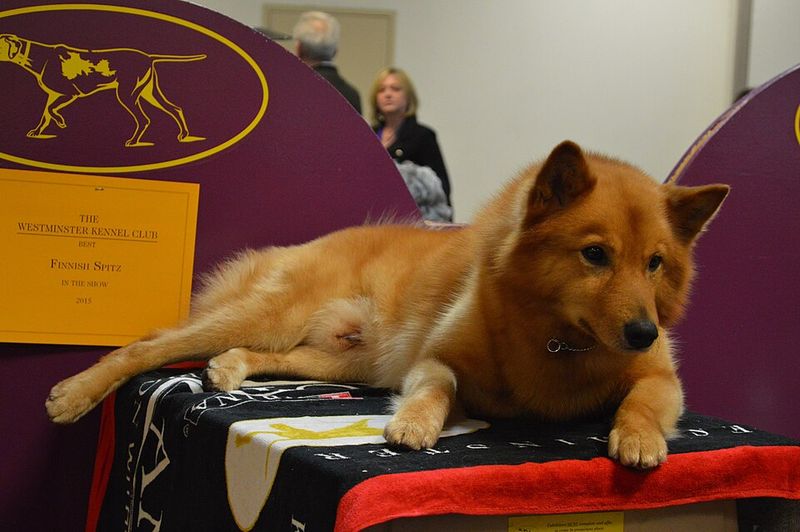
The Finnish Spitz is Finland’s national dog, known for its lively bark and fox-like appearance. These dogs are alert and friendly.
Training a Finnish Spitz should be upbeat and engaging. They excel with positive reinforcement and consistent praise.
Their keen sense of hearing makes them excellent watchdogs. Training should focus on harnessing this trait while ensuring they remain sociable.
Norwegian Elkhound

Norwegian Elkhounds, with their wolf-like look, are known for their bravery. Bred as hunting companions, they are loyal and courageous.
Training an Elkhound involves clear, consistent commands. They are eager learners and thrive on challenges.
Socialization is key to managing their protective instincts. Engaging them in varied activities ensures they remain balanced and content.
Keeshond

Keeshonds, affectionately known as “people’s dogs,” are sociable and affectionate. Their striking coats and expressive eyes make them stand out.
Training a Keeshond is a delight, as they are naturally eager to please. Positive reinforcement coupled with fun activities keeps them engaged.
Social creatures, they thrive on companionship. Regular interaction and varied training sessions help develop their vibrant personalities.
Icelandic Sheepdog
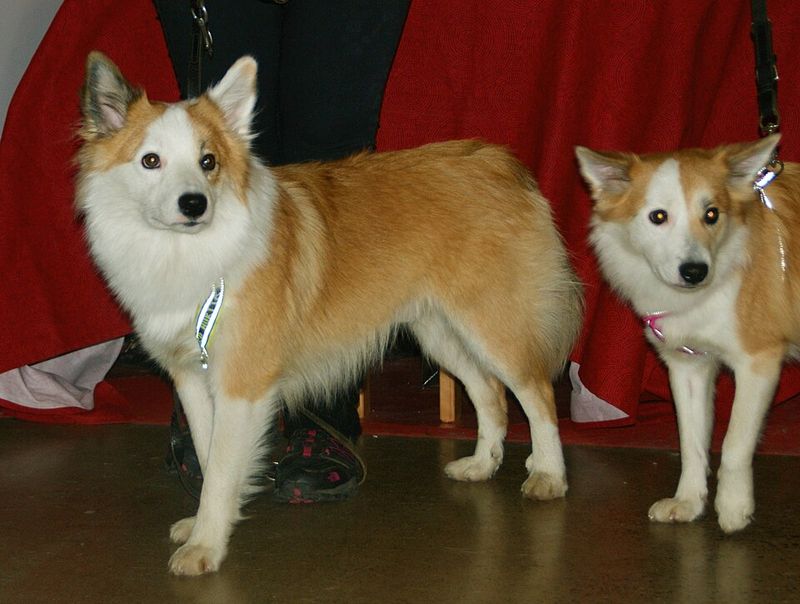
Icelandic Sheepdogs are lively, with a history of herding in harsh climates. Their cheerful disposition and adaptability make them wonderful companions.
Training should focus on interaction and mental stimulation. They excel in agility and herding exercises.
These dogs enjoy being part of a family and respond well to socialization. Exposure to diverse situations helps them build confidence.