
Dogs notice the little things you barely catch in yourself, from a tight breath to a tired pause. When your mood dips, their responses can feel like a warm hand on your shoulder.
You might see closeness, softer energy, or a toy gently dropped at your feet. Here are the subtle ways they show up when you are not quite okay, and how to lean into their support.
Staying unusually close to you
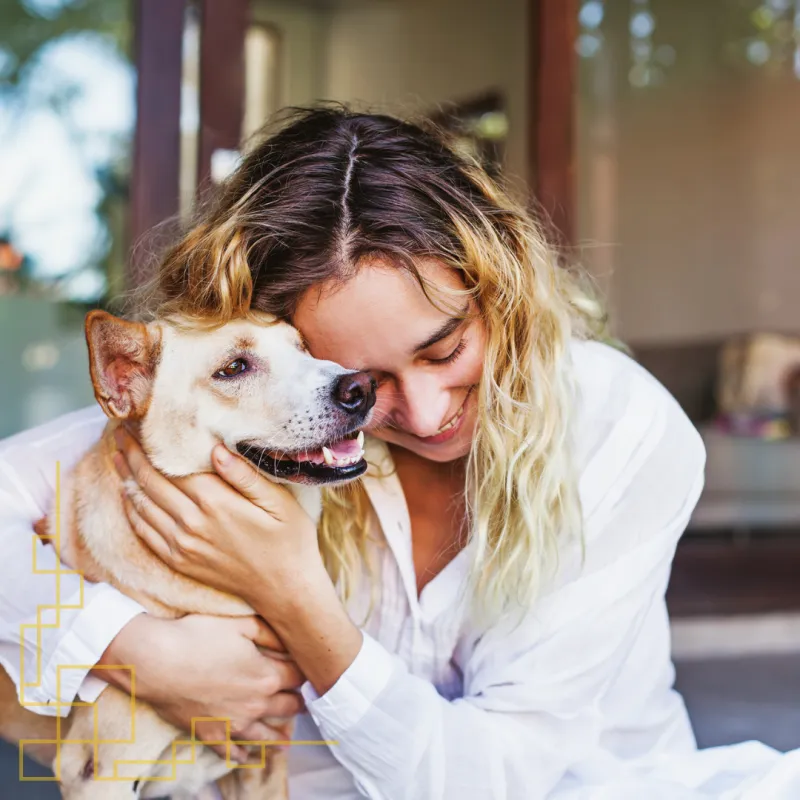
When you are off your usual rhythm, many dogs close the distance fast. They hover near your legs, curl on your feet, or squeeze onto the couch right beside you.
That closeness is their way of saying I notice something changed, and I am here. It is comforting pressure without words, a steady presence that slows your breathing.
You might feel them shift when your shoulders drop or a sigh escapes. Some dogs learn your micro-signals and choose proximity instead of playful energy.
If you try to move, they adjust like a furry shadow, careful and persistent. Let that closeness remind you to pause, sip water, and acknowledge your feelings, because your dog already did.
Resting their head or body against you
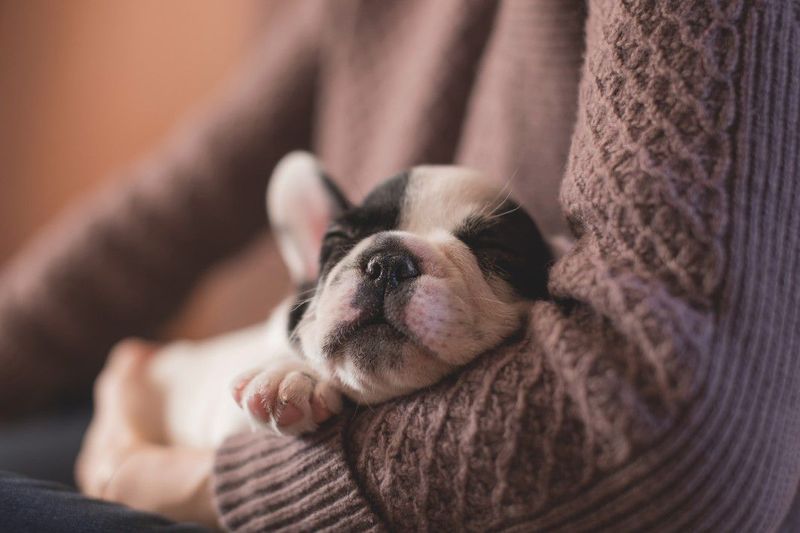
A gentle head pressed to your knee can feel like a small anchor. Dogs use body contact to ground you and themselves, syncing to your stillness and breath.
That warm weight says you are safe here, stay with me for a moment. It can interrupt spirals and bring you back to the room you are actually in.
Sometimes you will notice a slow lean followed by a contented sigh. Other times, they tuck under your arm, inviting a calm stroke that lowers both heart rates.
If you tense up, they may ease pressure and reposition, like a living weighted blanket. Accept the invitation, breathe deeply, and let that quiet contact help your nervous system reset.
Following you from room to room
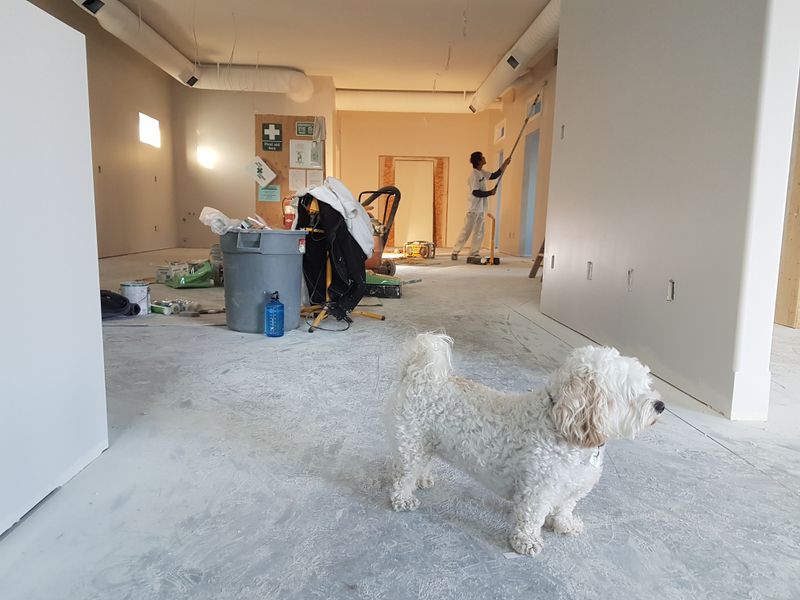
Shadowing your steps is a classic sign they sense something is off. You stand, they rise.
You wander to the kitchen, they pad behind and pause at the doorway, watchful. This gentle escort service is not about food or routine alone, it is about keeping eyes on your wellbeing until your energy steadies again.
Follow behavior can increase when your schedule shifts or sleep drops. They become your quiet perimeter, scanning hallways, then circling back to you.
If you close a door, they wait just outside like a soft security detail. Let their patient pacing remind you to slow down, hydrate, and choose one small task instead of juggling everything.
They keep you company without demanding anything.
Licking your hands or face more often
Increased licking can be a caregiving behavior, a way to check in and soothe. Moist noses press to your skin, and soft tongues follow, almost rhythmically.
It is not always about taste or salt, it is social grooming that says you matter. When you flinch or tear up, they often pause, reassess, and resume with gentler intent.
If it feels like too much, redirect with a calm cue and offer a chew or mat. Your dog is reading stress chemistry, posture, and breath, then trying to help.
Praise the check-in, then guide to a behavior that comforts you both. Consistent rituals turn those licks into connection while still respecting your boundaries and needs right now.
Becoming calmer and quieter than usual
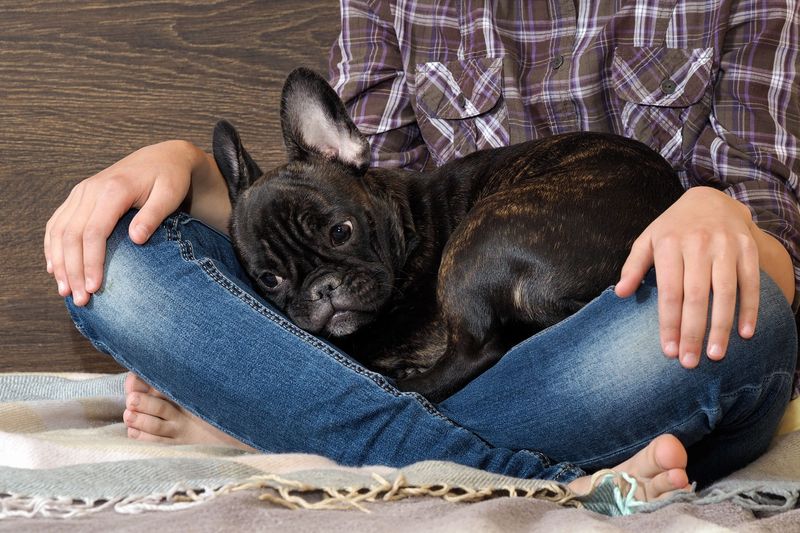
Some dogs lower their volume when you are overwhelmed, almost like adjusting a dimmer. Barking drops, movements soften, and their play invites turn into patient waiting.
This is emotional mirroring, a choice to meet your energy with steady calm. You will notice longer naps nearby and slower blinks that feel like reassurance across the room.
In those moments, try matching them back. Breathe low, speak softly, and let silence be friendly instead of tense.
Dogs are experts at reading micro-pauses, so your exhale is a message too. The quieter they become, the easier it is to hear your needs, choose a small reset, and return to the day with steadier footing.
They model balance you can borrow.
Watching you closely and maintaining eye contact
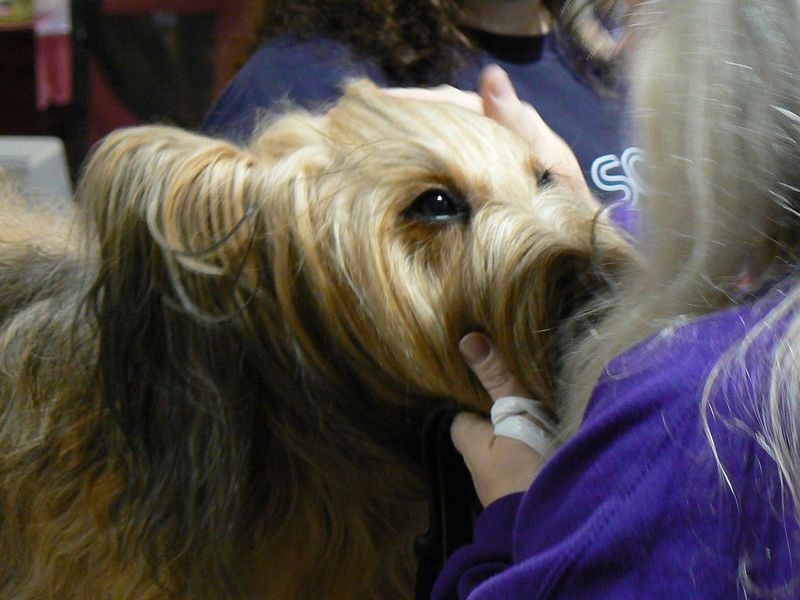
Soft, sustained eye contact is not a stare down, it is a check-in. You will catch those almond eyes flick to your face, then settle as if asking You okay.
That gaze triggers bonding chemistry for both of you, which can lower stress. Blinks, head tilts, and tiny ear shifts add punctuation to the conversation you are already having.
When you meet that look, soften your shoulders and breathe slowly. Say a gentle word or two, then reward calm with touch or a treat.
If it feels intense, look away briefly and blink, signaling all is fine. Over time, these exchanges build trust, making it easier for your dog to spot dips and support you sooner.
Bringing you toys or comfort items
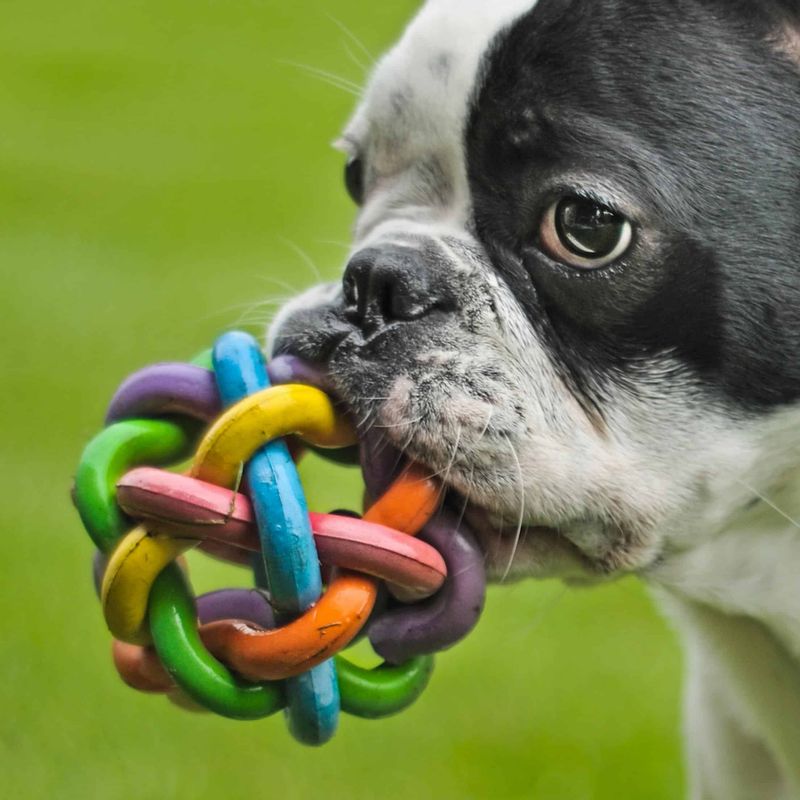
A dog arriving with a slobbery toy is not always asking to play hard. Sometimes they offer a stuffed friend, blanket, or even your slipper as a peace token.
It is their version of sharing resources during a tough moment. By placing something valuable near you, they say I want to help, even if I am not sure how.
You can accept graciously, name the item, and stroke calmly to reinforce the gesture. If play helps you reset, keep it gentle and short, then praise the offering.
When you are overwhelmed, cue a place or settle with that toy nearby. Over time, your dog links sharing to comfort, turning gifts into simple, practical emotional support.
Reacting to your tone of voice or mood shifts
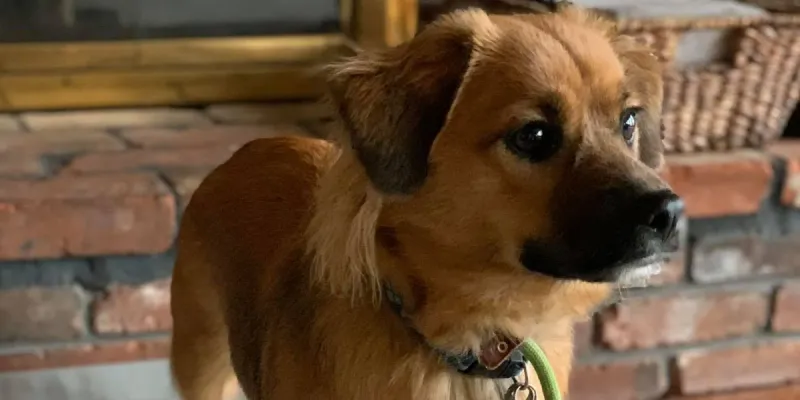
Your voice carries clues your dog catches faster than you do. Sharp edges, clipped words, or a tired hush can all trigger their concern.
You might see alert ears, a paused tail, and a tilt that says something changed. Even your footsteps tell a story, so they recalibrate in seconds and choose calm or closeness accordingly.
Try narrating kindly when stress spikes, using simple phrases and relaxed breathing. Your dog will follow that guidance, easing tension by matching your steadier rhythm.
If tone slips sharp, pause and reset rather than apologizing repeatedly. Clear, gentle sounds help them understand you are managing, and that confidence becomes a lighthouse for both of you.
Practice makes this easier over time.
Refusing to leave your side even when distracted
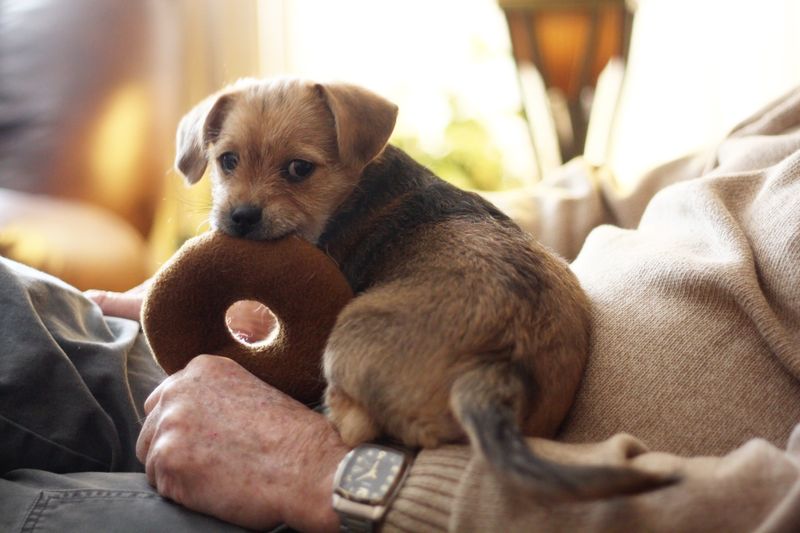
When normally tempting things fail to pull them away, your dog is making a decision. A squirrel zips, a toy squeaks, and they stay planted by your leg.
That steadfastness says your wellbeing outranks excitement today. They might shift weight, scan the scene, then settle again, committed to guarding your bubble while emotions pass.
If you need space, offer a clear cue and reward a short step away, then release back. Otherwise, let the loyalty work its quiet magic.
Their choice buys you time to breathe, text a friend, or finish a grounding exercise. When you finally exhale, thank them warmly so they learn that staying close helped more than they knew.
It becomes a practiced partnership.