
While many dogs make wonderful companions, some breeds present significant challenges as household pets. Due to their size, temperament, or specific needs, these eleven breeds are better suited for experienced handlers or specific environments.
Wolfdog (Wolf Hybrid)
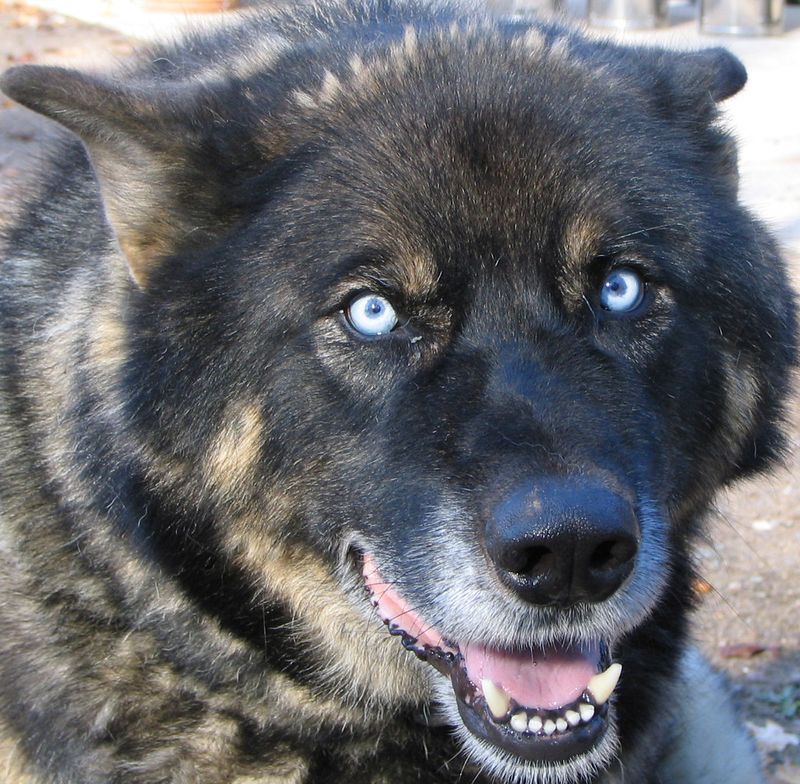
With the wild spirit of a wolf and the loyalty of a dog, Wolfdogs are captivating creatures. However, their strong instincts make them unpredictable in domestic environments.These hybrids often require vast spaces and special handling that typical households can’t provide.
Their socialization needs are complex, and they may not interact well with other pets.Wolfdogs are best suited to sanctuary environments or experienced, dedicated handlers who understand their unique needs.
Czechoslovakian Wolfdog
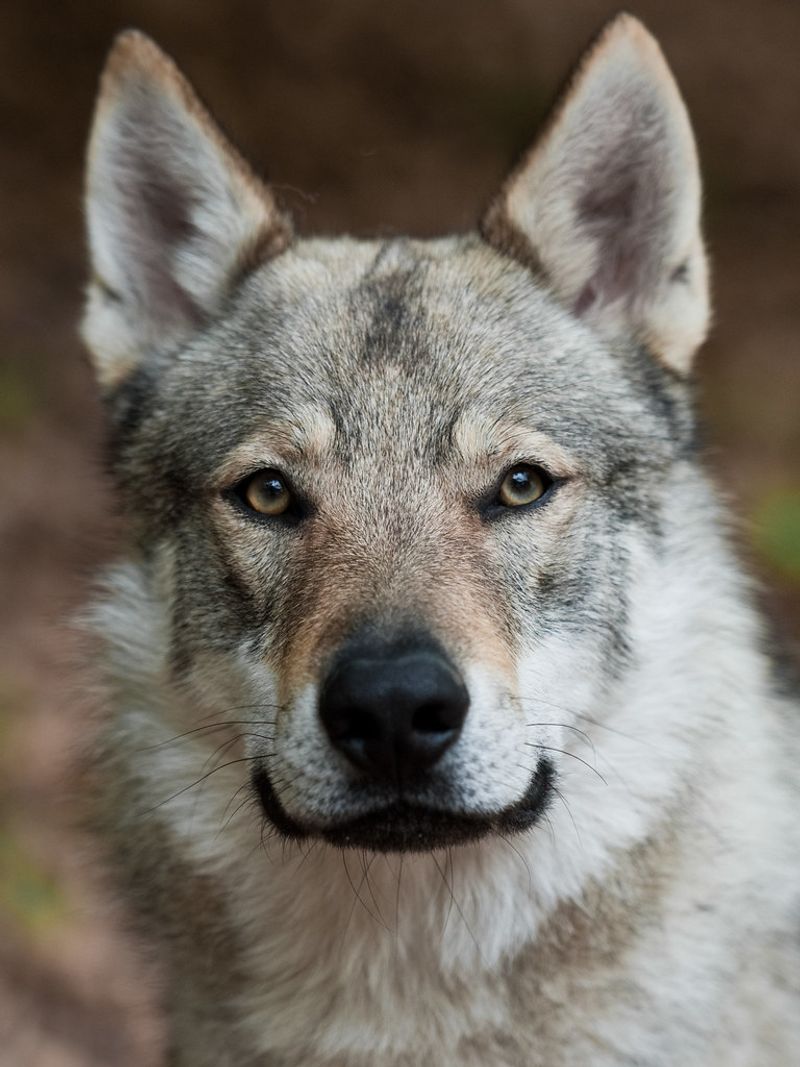
Born from a fusion of wild and domestic, the Czechoslovakian Wolfdog is both intriguing and challenging. Originally bred for military use, they possess high energy and intelligence.These dogs require extensive physical and mental stimulation, making them unsuitable for a typical home.
Without proper training and exercise, they can become restless.Their intense pack mentality might lead to behavioral issues if not managed correctly, demanding an owner with experience and commitment.
Saarloos Wolfdog
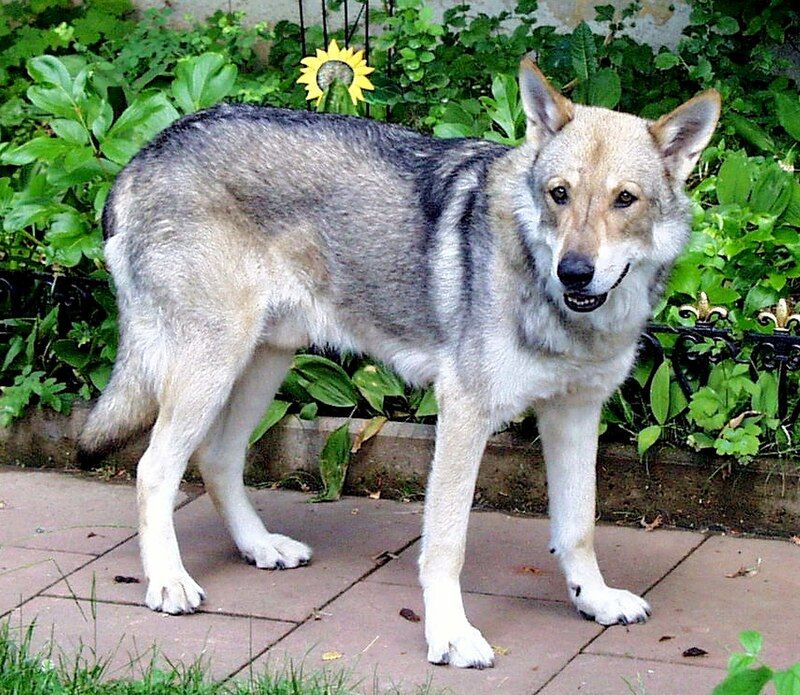
With a lineage linked to wolves, the Saarloos Wolfdog is a striking breed with a wild essence. Known for their independence, they often prefer solitude over constant human interaction.Their shy nature can lead to timidity in unfamiliar situations, requiring careful socialization.
This breed thrives in environments where they can explore and roam freely.Their unique temperament makes them a challenging pet, better suited to those with an understanding of canine behavior and a love for the wild.
Dingo
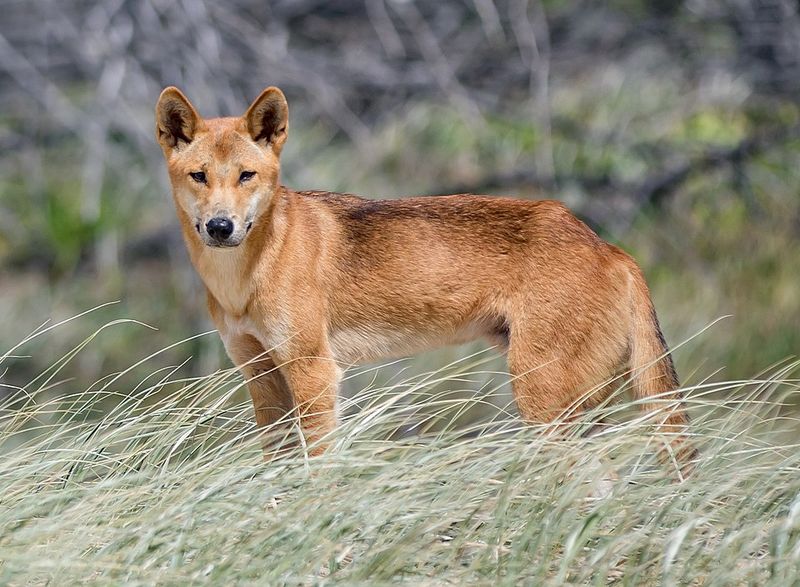
Native to Australia, Dingoes are wild at heart and not typical pets. They possess a strong hunting instinct and a need for vast territories.Their independent nature means they often resist training, making them difficult to manage in a household setting.
Dingoes require secure enclosures and are best left in their natural habitats.Due to their wild roots, they can be unpredictable, making them unsuitable for families or urban living.
New Guinea Singing Dog
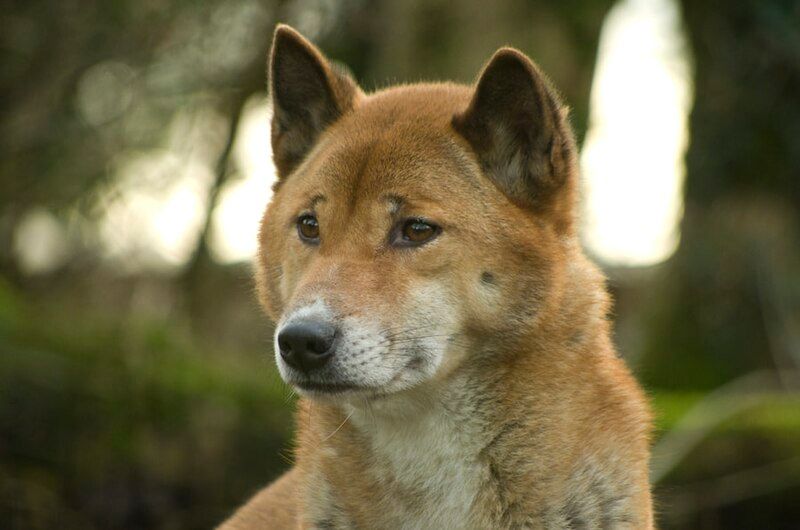
Famous for their melodious howls, New Guinea Singing Dogs are rare and captivating. However, their wild origins make them challenging as pets.They demand high levels of mental stimulation and can be escape artists if not properly contained.
These dogs thrive in environments that mimic their natural habitat.Their elusive nature and specific needs mean they are better suited to conservation efforts than domestic life.
African Wild Dog
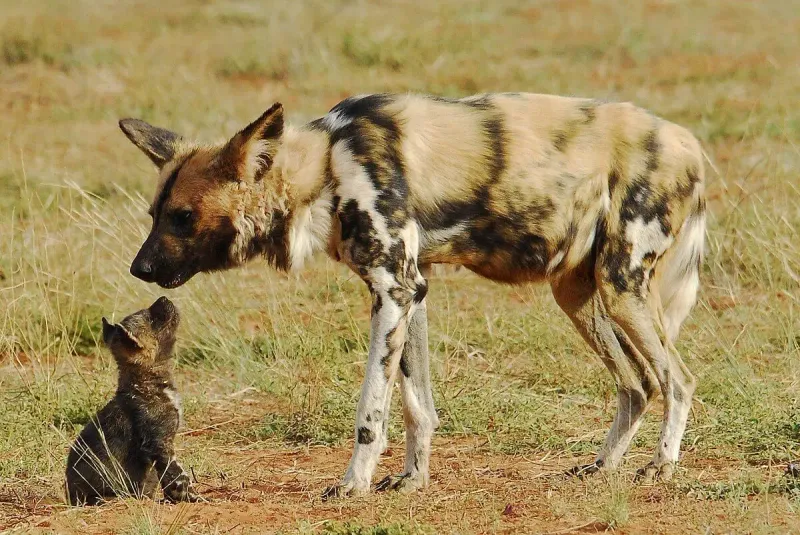
With their unique appearance and social structure, African Wild Dogs are fascinating but unsuitable as pets. They are highly social animals that live in packs.Their need for large territories and a complex social environment can’t be met in a household.
They rely on pack dynamics for survival, making isolation detrimental.Conservation efforts focus on preserving their natural habitat rather than domesticating them.
Jackal Hybrid
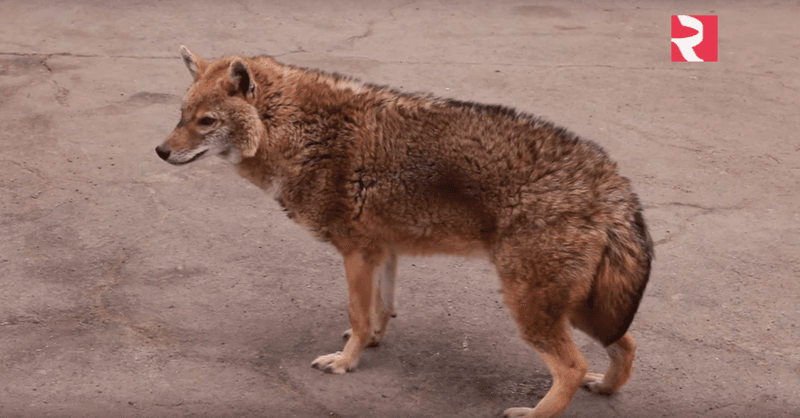
Merging domestic and wild traits, Jackal Hybrids are a rare and unpredictable breed. Their adaptability is remarkable, but it comes with challenges for pet owners.They inherit a strong prey drive and require vast spaces to roam.
Their wild instincts can surface unexpectedly, leading to behavioral concerns.These hybrids thrive in specialized environments where their needs are understood and met.
Coydog
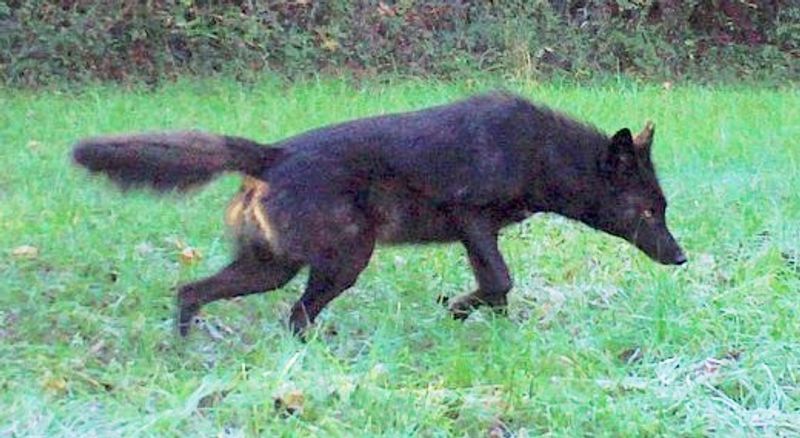
The Coydog, a mix between a coyote and domestic dog, possesses an intriguing combination of traits. Their wild ancestry brings a natural wariness and high intelligence.
This hybrid often displays behaviors that are challenging in domestic settings, such as strong territorial instincts and a need for space.
Coydogs require experienced handlers who can provide structured environments akin to their natural habitats.
Tibetan Mastiff
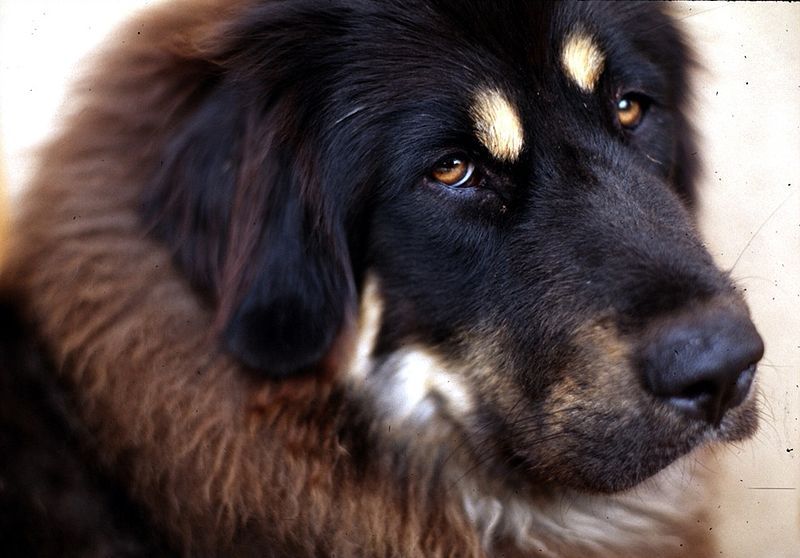
Guardians of the Himalayas, Tibetan Mastiffs are imposing and independent. Their size and strength make them formidable protectors.Bred to guard livestock, they have a strong territorial instinct and may not take well to guests or other pets.
Their aloof nature requires confident and consistent training.These dogs are best suited to environments where they have space to roam and a clear purpose.
Fila Brasileiro
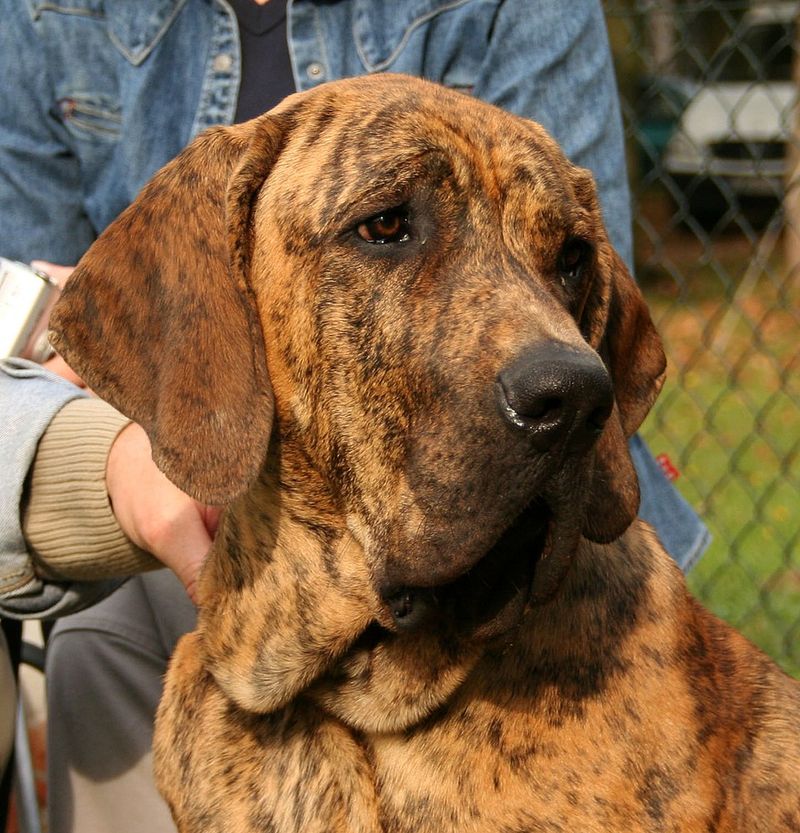
The Fila Brasileiro, known for its loyalty, also carries a strong protective instinct. This breed is naturally wary of strangers and requires firm leadership.Their size and strength make them difficult to control without proper training.
They need an experienced owner who can manage their dominant nature.Due to their guarding instincts, they are not ideal for urban settings or homes with frequent visitors.
Dogo Argentino
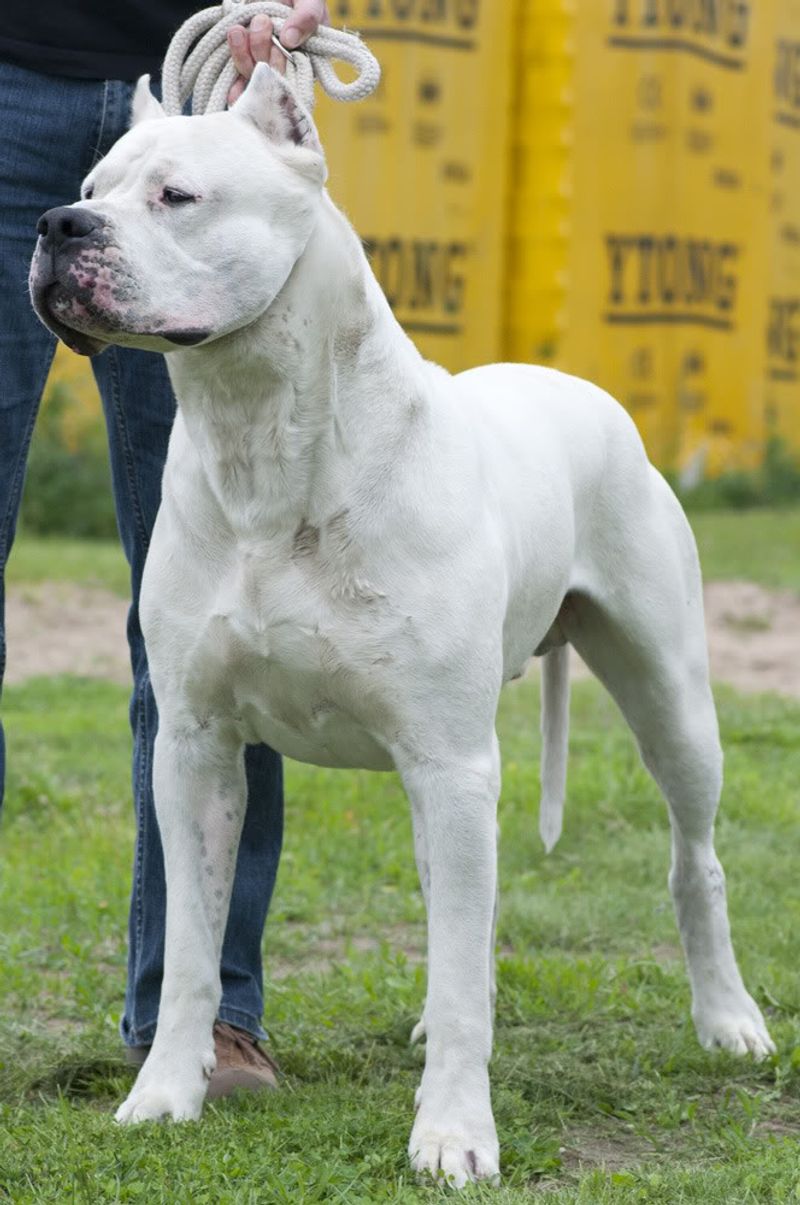
Bred for big game hunting, the Dogo Argentino is powerful and determined. Their muscular physique matches their strong-willed personality.This breed requires rigorous training and socialization to prevent aggressive tendencies.
They thrive in active households that can meet their exercise needs.Without proper guidance, their protective nature can become challenging, making them unsuitable for inexperienced owners.
Kangal
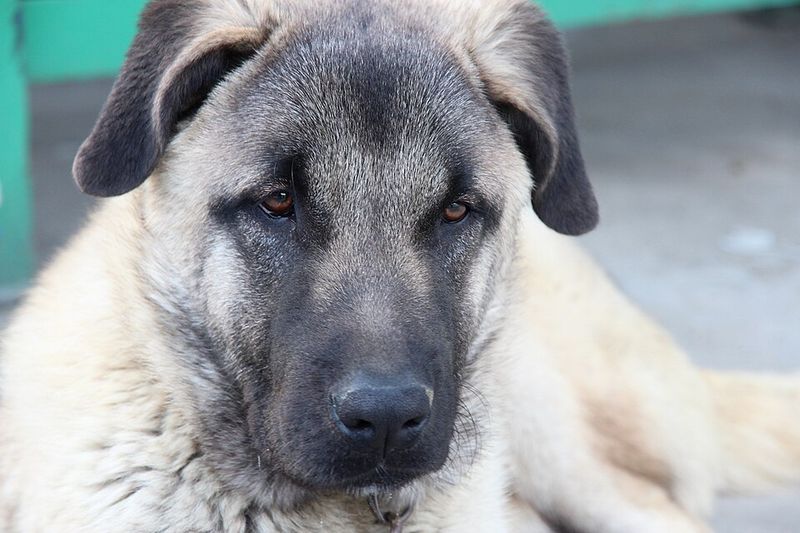
Powerful, vigilant, and deeply protective, the Kangal is a breed that takes guarding seriously. Bred to defend livestock against real predators, this dog does not naturally relax into the easy rhythm of suburban life.
In the wrong home, that constant watchfulness can quickly become a problem.
Kangals need experienced handling, firm boundaries, and plenty of space to work both body and mind. You are not just getting a large companion here, but an animal with intense instincts and a strong sense of territory.
Without proper structure and purpose, their size and defensive nature can overwhelm an ordinary household.
Presa Canario
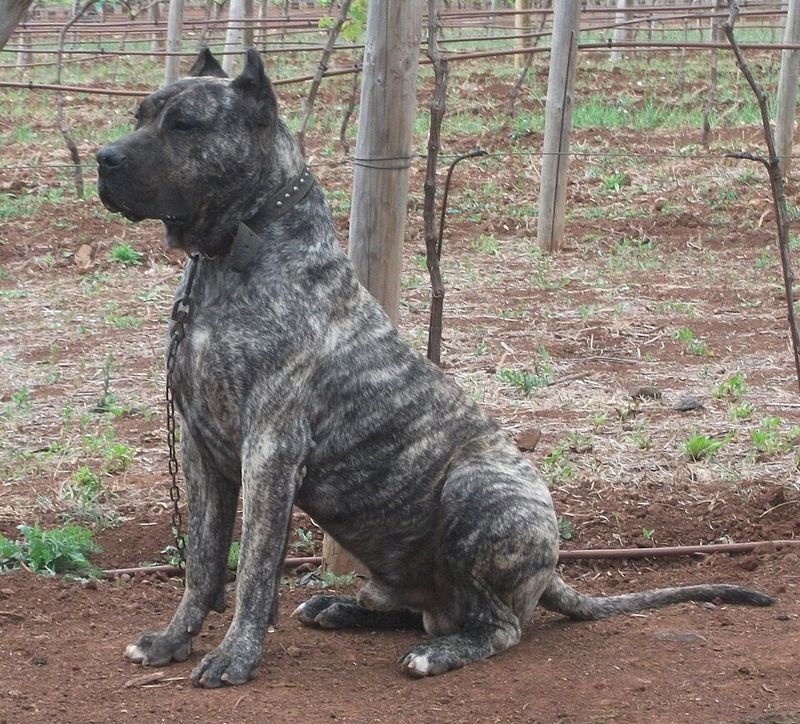
Muscular, confident, and intimidating at a glance, the Presa Canario was developed for control and protection, not casual family living. This breed carries a serious presence that demands respect from everyone around it.
When training, socialization, or leadership slips, the consequences can be hard to manage.
Presa Canarios are not the kind of dogs that adapt effortlessly to busy homes, frequent guests, or unpredictable routines. They need a calm, highly capable owner who understands powerful guardian breeds and never treats discipline lightly.
For most households, that combination of strength, dominance, and suspicion toward strangers creates more risk than comfort, no matter how impressive the dog may look.
Alabai
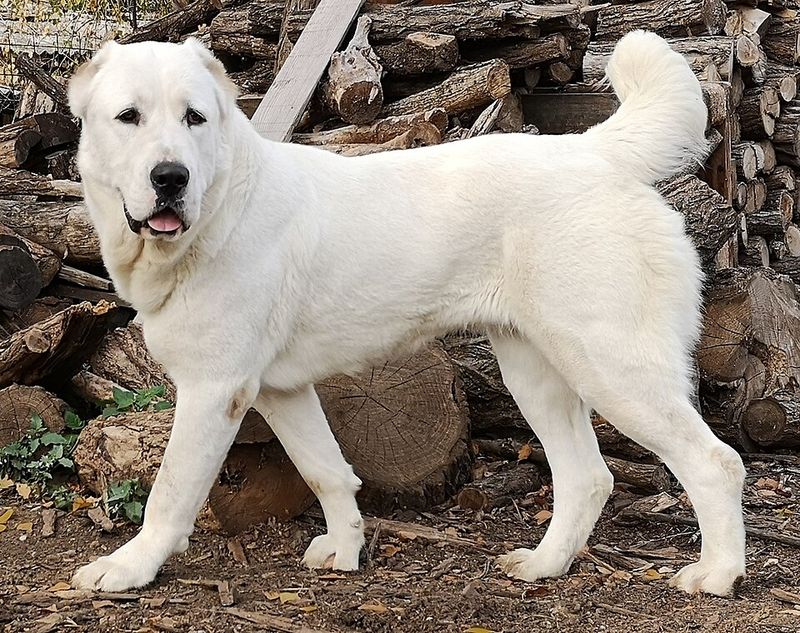
Also known as the Central Asian Shepherd, the Alabai is ancient, massive, and famously independent. This is a dog shaped by harsh landscapes and serious guarding work, which means it tends to make its own decisions instead of waiting for approval.
That trait may sound admirable, but it can be a nightmare in an average home.
Alabais need space, experienced guidance, and early socialization to keep their protective instincts from ruling every interaction. You cannot expect one to be easygoing with visitors, other animals, or changes in environment.
For pet owners, the breed’s immense power and self-directed temperament are too much dog to handle responsibly.
Tosa Inu
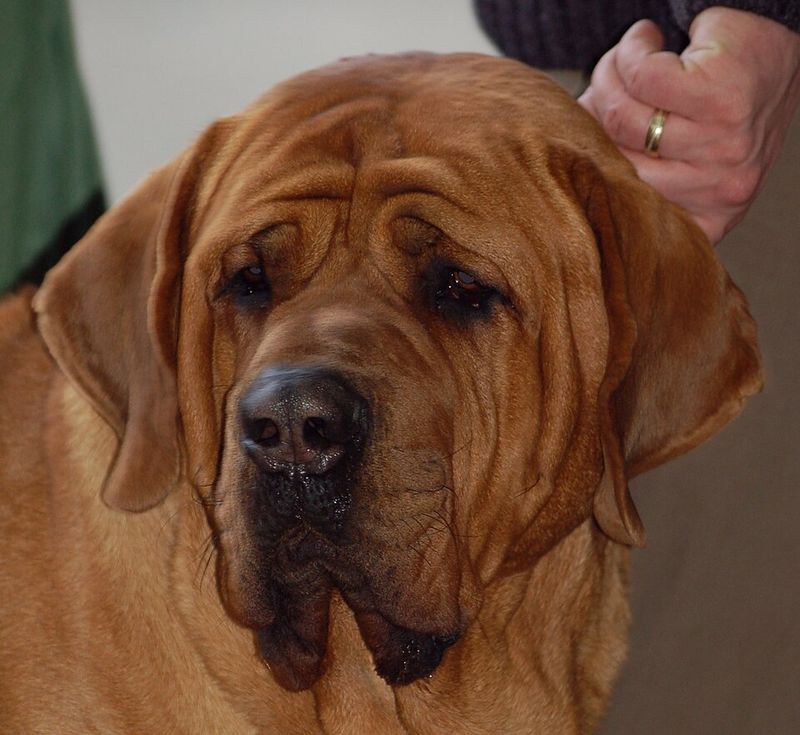
Quiet, stoic, and undeniably powerful, the Tosa Inu often seems calm until a situation challenges its boundaries. Originally bred for fighting, this dog carries a level of strength and seriousness that should never be underestimated.
In the wrong hands, that controlled nature can shift from manageable to dangerous with very little warning.
Tosas require confident training, careful socialization, and owners who understand how to read subtle canine behavior. They are not ideal for lively homes filled with chaos, unfamiliar visitors, or inexperienced handling.
When you combine their size, determination, and reserved temperament, it becomes clear why this breed belongs with specialists, not the average household.
Boerboel
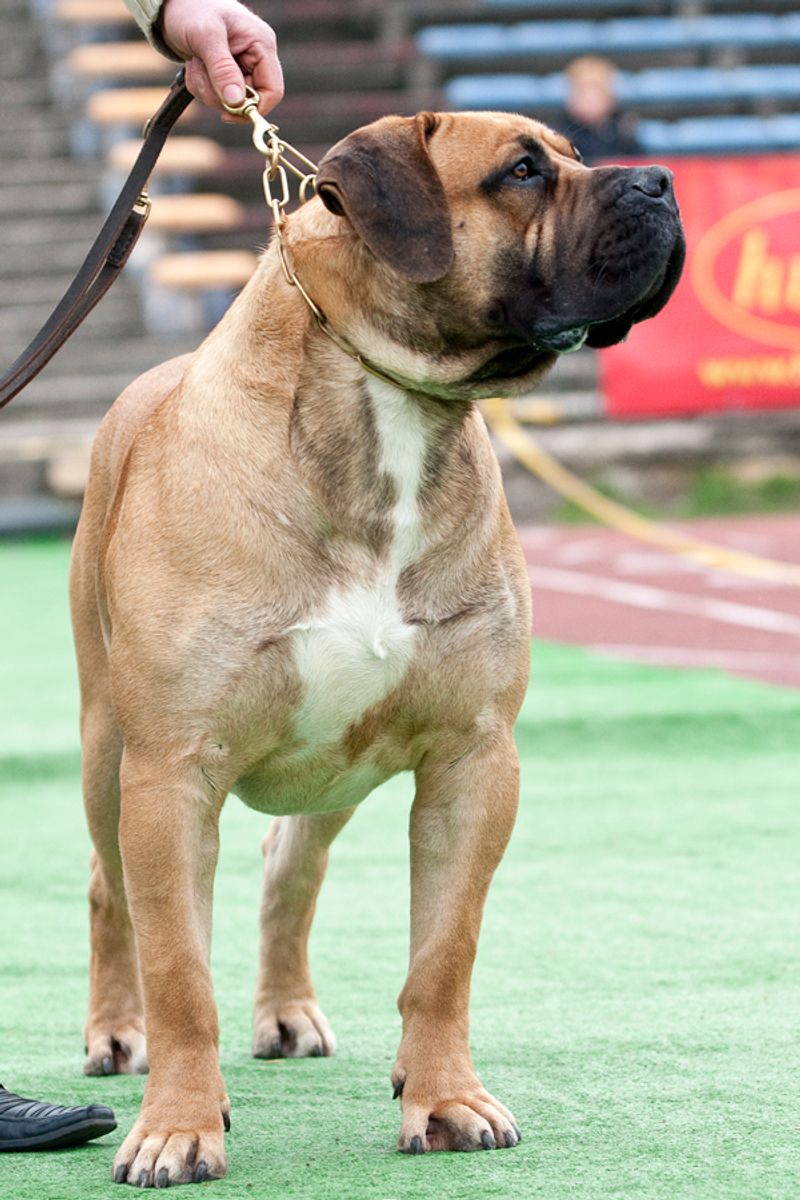
Steady, fearless, and hugely imposing, the Boerboel was bred to guard property with absolute commitment. That devotion can look impressive, but it also means this breed constantly assesses threats and reacts with confidence.
In a standard household setting, that level of protective instinct is often more burden than benefit.
Boerboels need structured training, strong leadership, and owners who can manage a dog that outweighs many people in sheer force. They do not thrive with inconsistent rules or casual handling, especially when strangers enter their space.
If you are looking for a family companion, this breed’s power, territorial nature, and intense loyalty can become overwhelming fast.
Siberian Husky
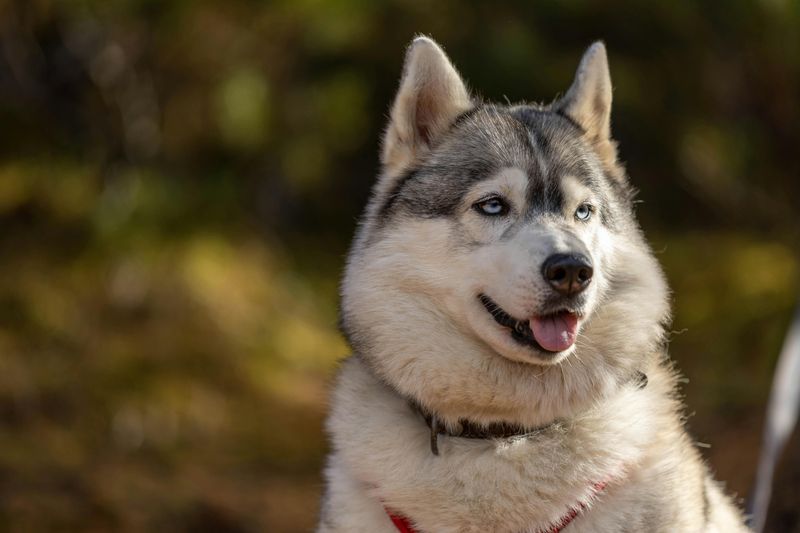
With their striking coats and playful energy, Siberian Huskies often seem like dream dogs. It is easy to fall for their wolfish beauty, outgoing personality, and reputation as friendly companions.
But once you bring one home, you quickly learn that charm comes with relentless stamina and a stubborn streak.
These dogs were built to run for miles, not lounge around the house all day. Many become escape artists, chronic howlers, or destructive chewers when bored.
If you cannot provide serious exercise, structure, and patience, a Husky can turn a peaceful home into a daily test of endurance.
Dalmatian
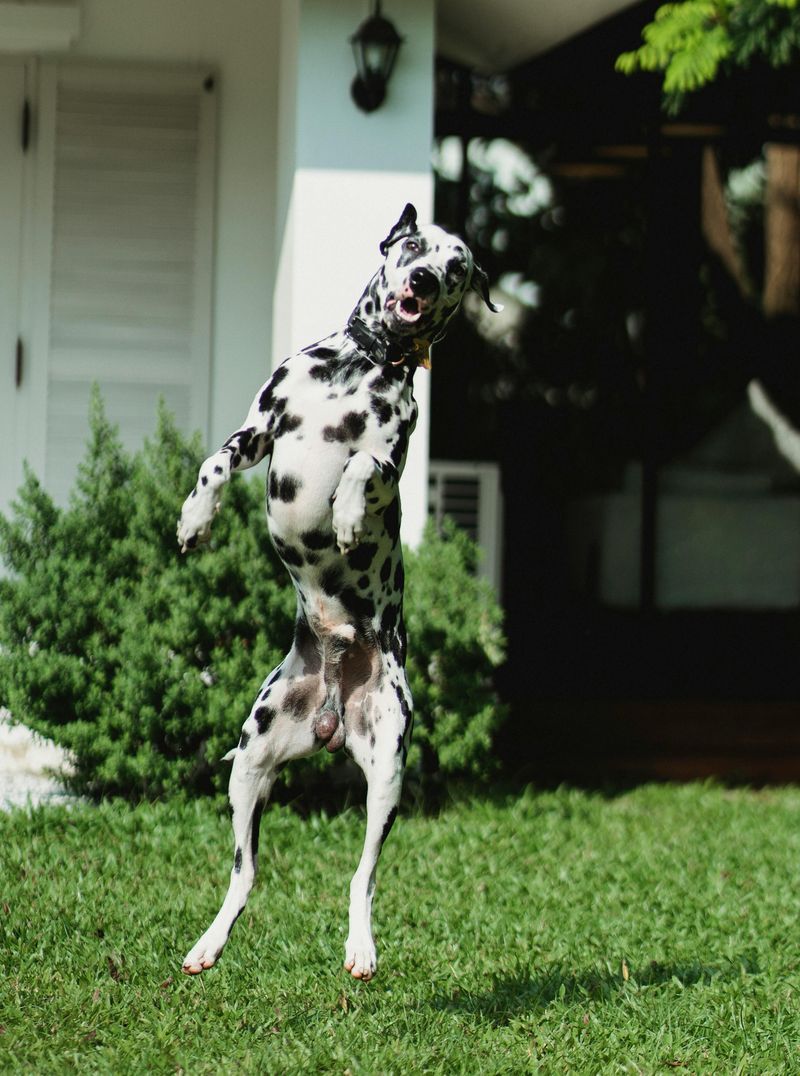
Dalmatians have a classic look that makes them seem polished, cheerful, and family ready. Their famous spotted coats and athletic build create an image of a fun companion that fits neatly into everyday life.
In reality, they can be intense, sensitive dogs with far more energy than most households expect.
Without enough exercise and engagement, they may become noisy, restless, and difficult to manage indoors. Some are also prone to anxiety and can react poorly to inconsistent training or chaotic environments.
If you choose a Dalmatian for looks alone, you may end up with a beautiful dog you are not prepared to handle.
Border Collie
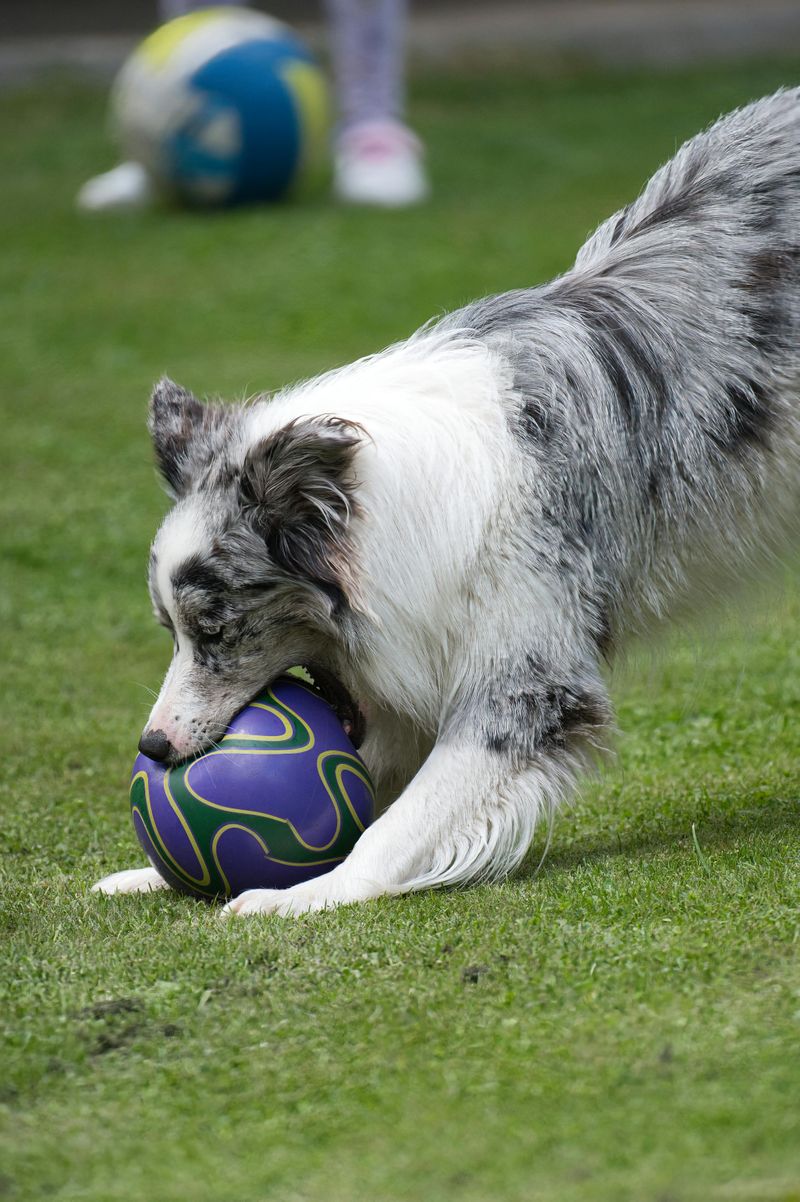
Border Collies are often praised as brilliant, obedient, and endlessly trainable dogs. That sounds perfect until you realize their intelligence is matched by an almost constant need for work.
They do not just want a walk and a toy – they want purpose, routine, and challenges that push their minds every day.
When that need is ignored, they may herd children, chase movement, obsess over shadows, or invent their own exhausting games. Their sensitivity can also make them harder to live with in loud or unpredictable homes.
A Border Collie is impressive, but for many owners, impressive quickly becomes overwhelming.
Shiba Inu
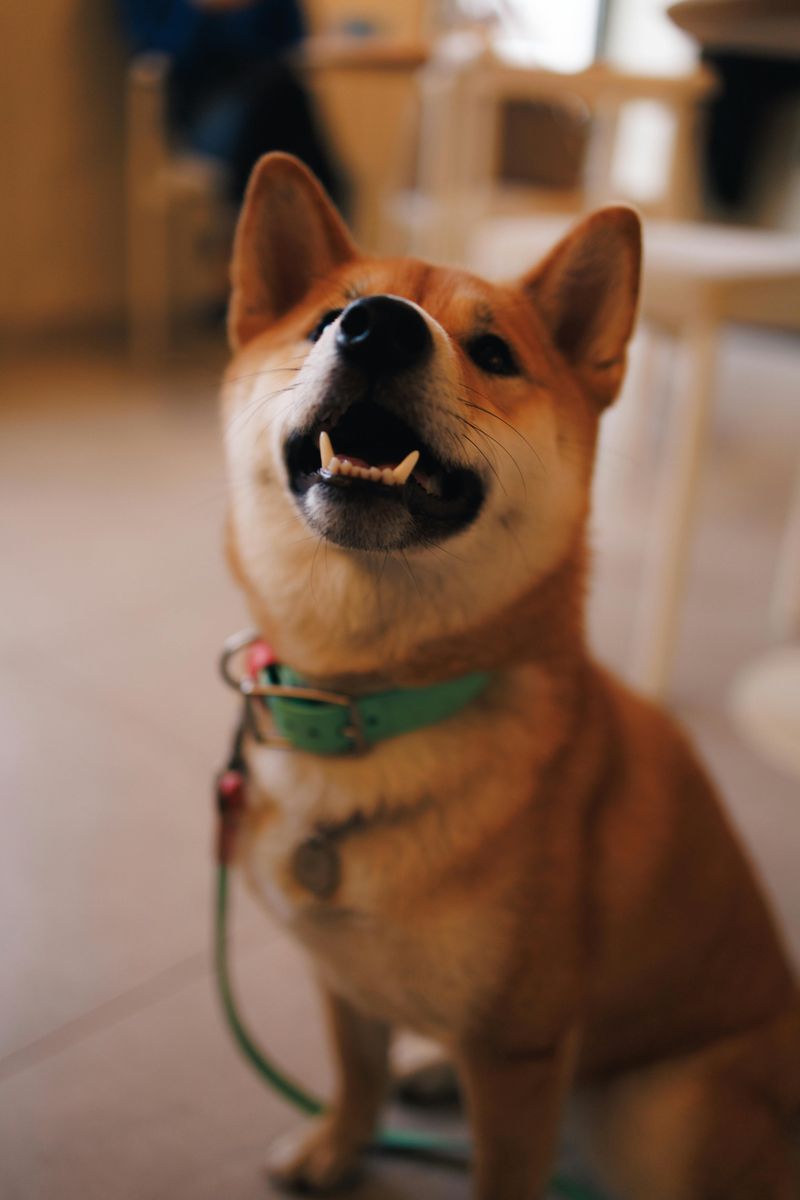
Shiba Inus win people over with their foxlike faces, compact size, and clean appearance. At first glance, they seem like ideal house dogs for someone wanting a smaller breed with a big personality.
Then you live with one and discover just how independent, stubborn, and emotionally reserved they can be.
These dogs often prefer doing things on their own terms, which can make training surprisingly frustrating. Many are escape prone, vocal in dramatic ways, and not especially eager to please.
If you expect easy affection and simple obedience, a Shiba Inu can feel less like a pet and more like a determined roommate.
Weimaraner
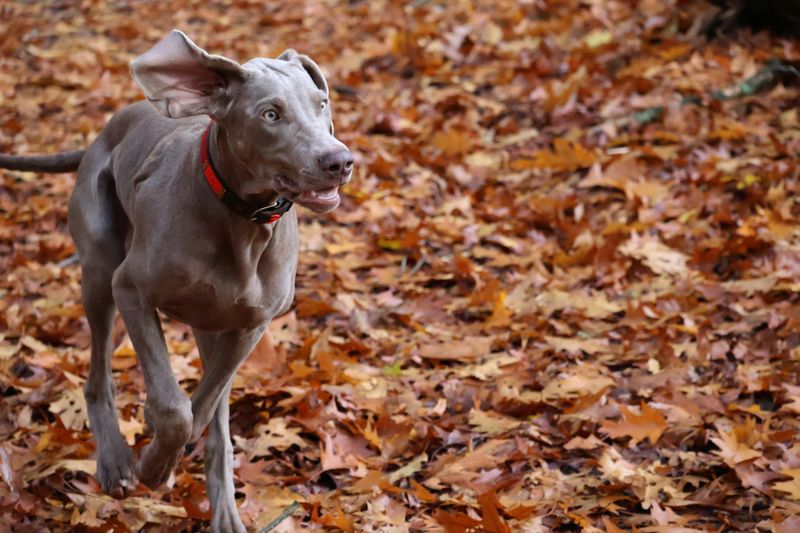
Weimaraners have an elegant look and affectionate nature that make them seem easy to love. They are often described as loyal family dogs, and that reputation pulls many people in quickly.
What surprises owners is how demanding they can be once daily life settles in and the novelty wears off.
These dogs crave constant activity, close companionship, and firm structure to stay balanced. Left alone too long, they can develop separation issues, destructive habits, and nonstop restlessness around the house.
Their size and intensity only magnify those problems. A Weimaraner may look graceful and polished, but living with one can feel like managing a permanent storm of energy.