
Discover some of the rarest and most intriguing wild dog species on our planet. From the highlands of Ethiopia to the forests of South America, these unique canines boast fascinating traits and histories.
Ethiopian Wolf
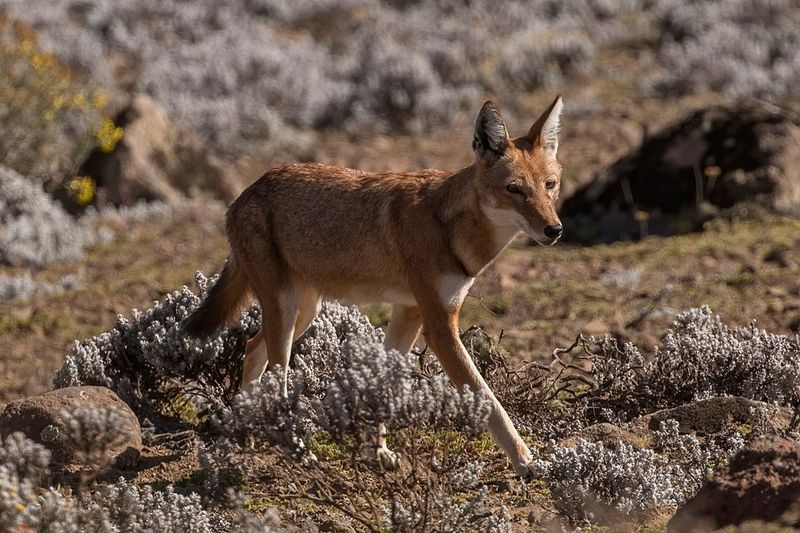
The Ethiopian Wolf, with its slender frame and striking red coat, roams the highlands of Ethiopia. Known for its specialized diet, this wolf primarily hunts rodents in the alpine meadows.
Though majestic, the species faces threats from habitat loss and disease. Conservation efforts are crucial to its survival.
These wolves are social creatures, living in packs of up to 20 members. Their distinct yipping calls echo across the rugged landscape, a testament to their adaptability.
African Wild Dog
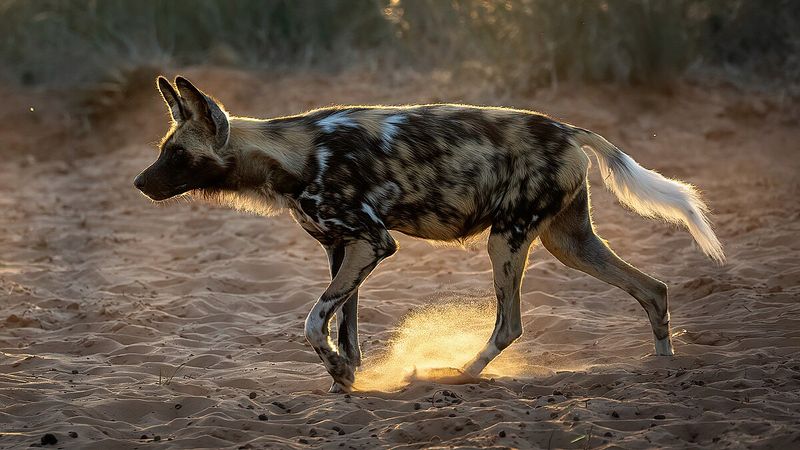
Imagine a creature with fur patterns as unique as a fingerprint. The African Wild Dog, with its mottled coat, is a master of teamwork.
These canines live in packs where cooperation is key, relying on coordinated hunts to capture prey. Each dog’s role is vital to the group’s success.
Sadly, habitat fragmentation threatens their existence. Conservation programs aim to protect their dwindling numbers, ensuring these remarkable hunters continue to roam the savannahs.
Dhole (Asiatic Wild Dog)
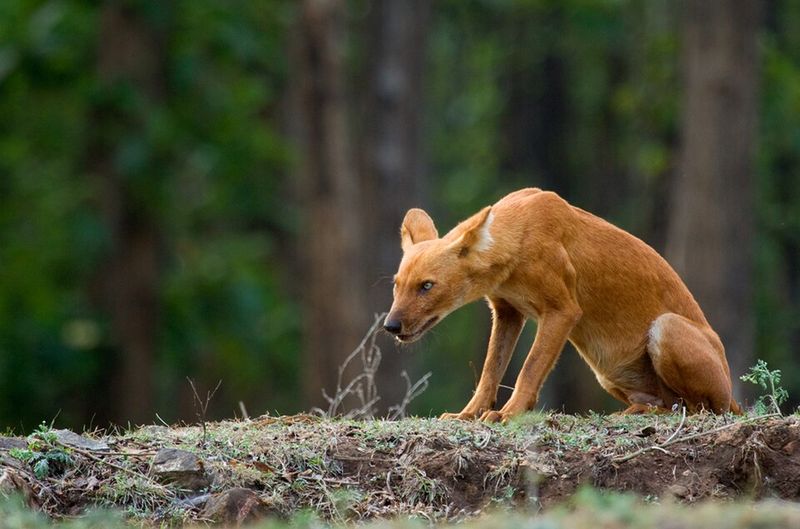
With a fiery red coat, the Dhole is a visual marvel of the Asian forests. These wild dogs are distinguished by their high-pitched whistles, used to communicate during hunts.
Living in social packs, dholes share the hunt’s spoils, showcasing a rare harmony in the animal kingdom.
Unfortunately, they face threats from habitat destruction and human conflict. Efforts are ongoing to preserve their natural habitats and ensure their survival.
New Guinea Singing Dog
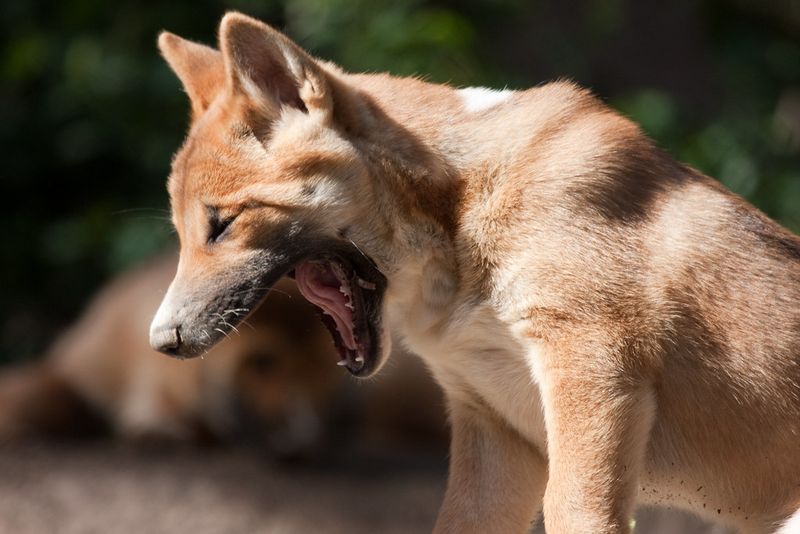
Known for its melodious howls, the New Guinea Singing Dog is a true musical marvel. Its unique vocalizations have captivated researchers and animal lovers alike.
These dogs are rarely seen in the wild, living in the dense forests of New Guinea. Their elusive nature adds to their mystique.
Captive breeding programs exist to maintain their population, allowing us to preserve their enchanting songs for future generations.
Maned Wolf
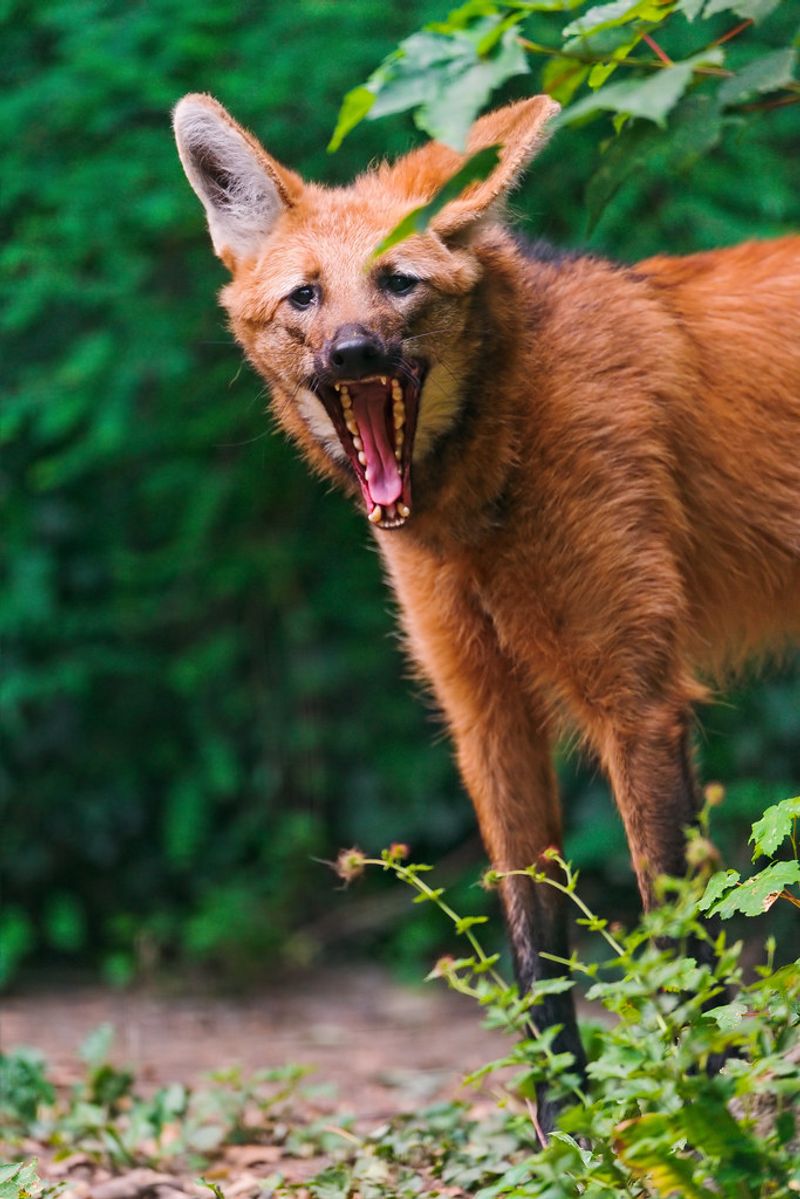
The Maned Wolf, with its long legs and striking mane, is often mistaken for a fox on stilts. This South American canine prefers the open savannahs of Brazil.
Unlike other wolves, it exhibits solitary behaviors, relying on its keen senses to hunt small mammals.
Sadly, habitat loss poses a significant threat. Conservationists are working tirelessly to protect these unique creatures, ensuring their place in the wild.
Bush Dog
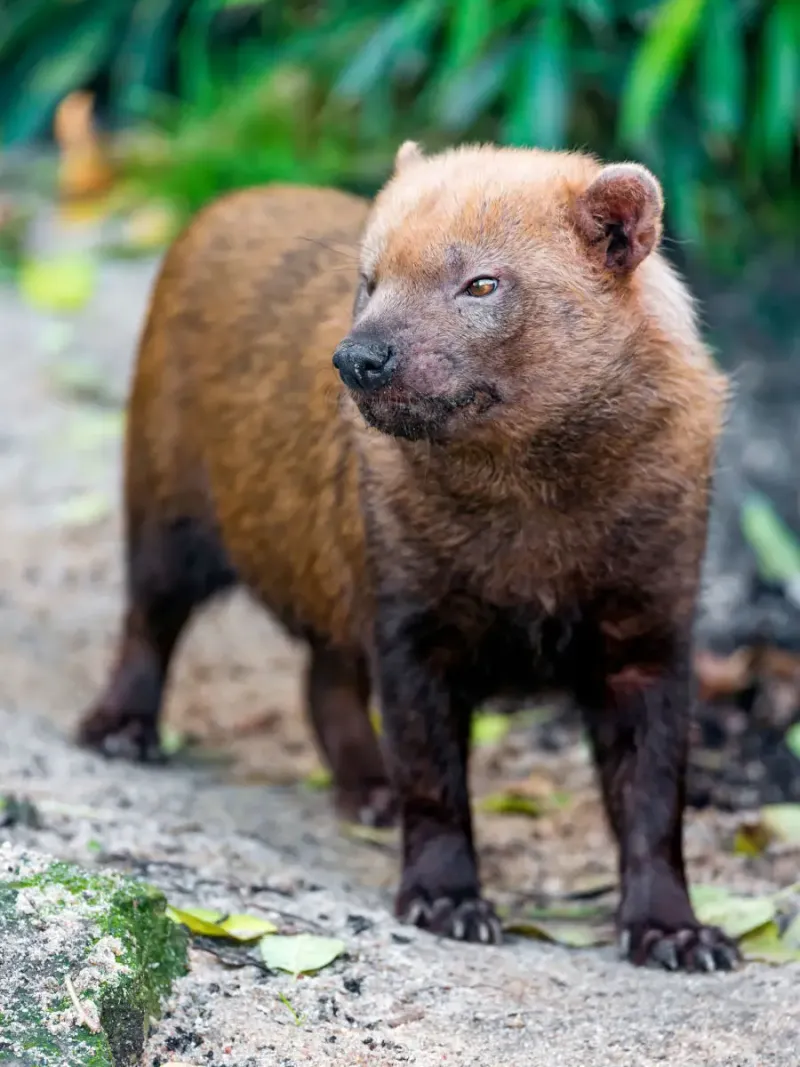
In the heart of South America’s tropical forests, the Bush Dog thrives. Known for its short, stocky build and webbed feet, it’s an adept swimmer.
These social animals hunt in family packs, using their keen sense of smell to track prey. Their cooperative nature enhances their hunting efficiency.
Loss of habitat and hunting have greatly reduced their numbers. Dedicated conservation efforts aim to safeguard their future.
Falklands Wolf (extinct, extremely rare historically)
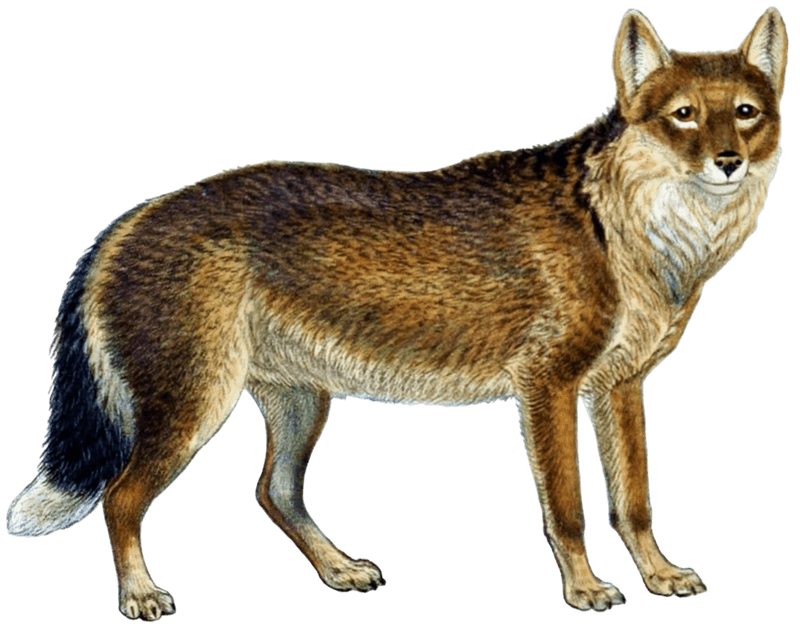
Once roaming the Falkland Islands, the Falklands Wolf now exists only in history. Early settlers documented this unique species, noting its curious yet shy nature.
Overhunting and habitat changes led to its extinction in the 19th century, making it a poignant symbol of lost biodiversity.
This wolf’s story serves as a reminder of the fragility of island ecosystems and the need for conservation awareness.
Golden Jackal (rare in certain regions)
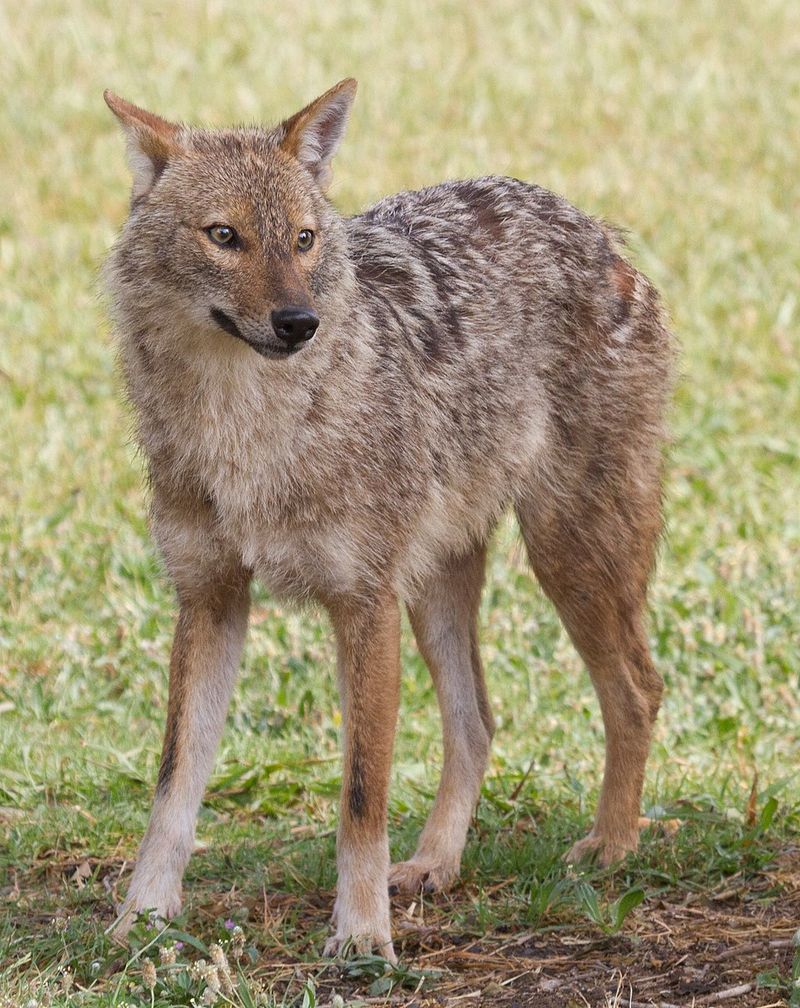
The Golden Jackal, with its shimmering coat, is a master of adaptation. While common in some areas, it remains rare in others, such as parts of Europe.
These opportunistic feeders play a vital role in their ecosystems, efficiently scavenging and hunting.
Conservationists monitor their populations closely, particularly in regions where their numbers are declining, to ensure ecological balance is maintained.
Bat-Eared Fox
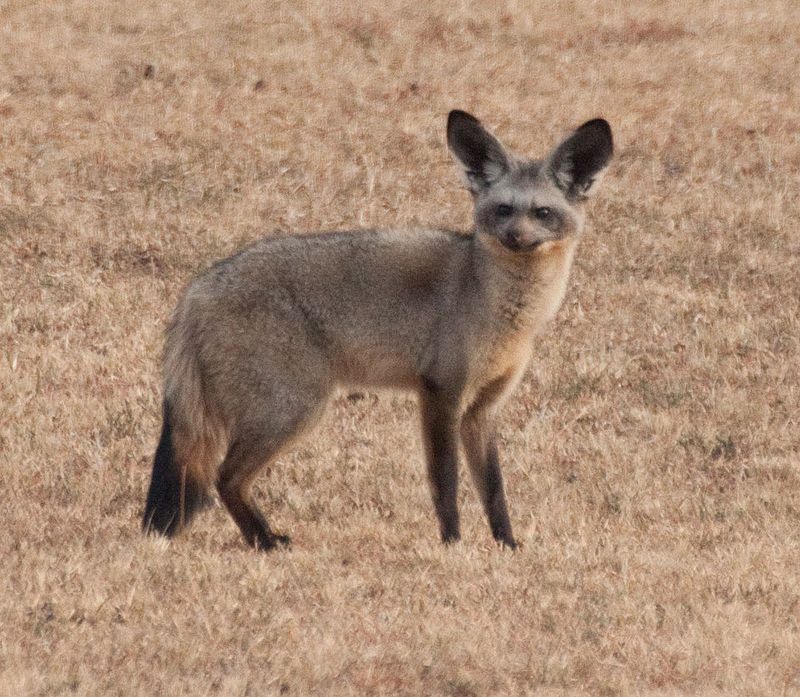
With ears like satellite dishes, the Bat-Eared Fox is an auditory specialist. Found in Africa’s savannahs, these foxes use their remarkable hearing to locate insects underground.
Their diet mainly consists of termites, making them essential for pest control. They often live in monogamous pairs, raising their young together.
Threats from habitat encroachment exist, but conservation efforts are helping ensure these fascinating foxes continue to thrive.
Crab-Eating Fox
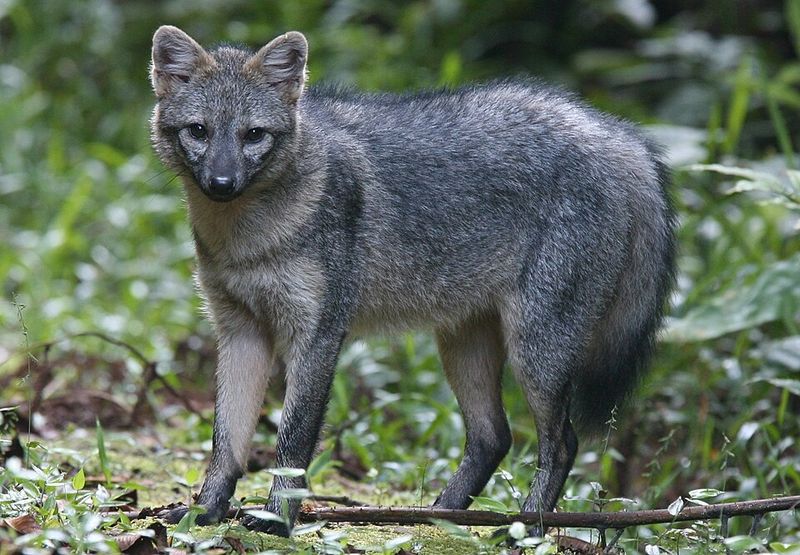
In South America’s wetlands, the Crab-Eating Fox forages along riverbanks. Its diet is diverse, including crabs, insects, and small mammals.
These foxes are highly adaptable, able to thrive in various environments, from forests to grasslands.
Efforts to preserve wetlands and natural habitats benefit their populations, allowing these resourceful canines to continue their ecological role.