Navigating the intricacies of canine behavior can be challenging. Often, well-intentioned actions may inadvertently provoke aggression in dogs. Understanding these common triggers is essential for peaceful coexistence with our furry companions.
Punishing Growling Instead of Respecting It as a Warning
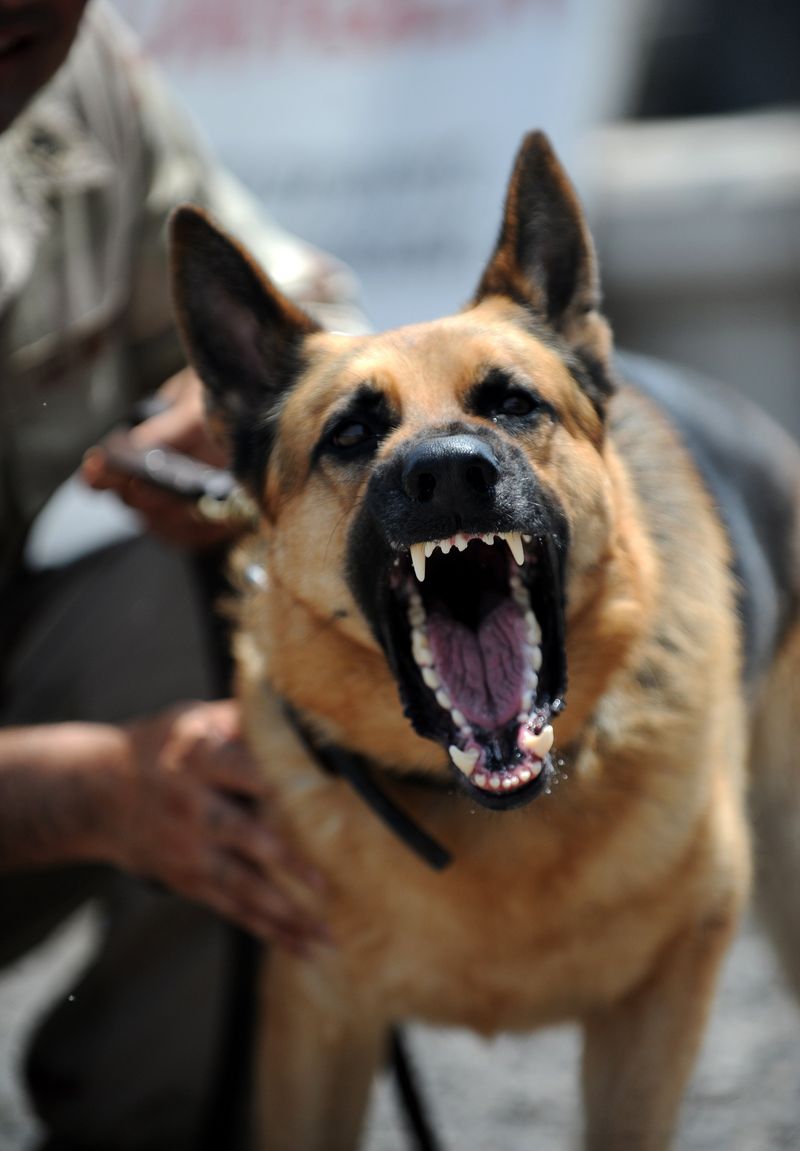
A growl is a dog’s way of saying, “I’m uncomfortable.” Misinterpreting this as defiance rather than a cautious signal can escalate unwanted behavior. By punishing growling, you risk removing a vital part of communication. Recognizing and respecting this warning can prevent future aggression.
Instead of reprimanding, assess the circumstances and address the root cause. Is the dog in pain, fearful, or feeling threatened? Addressing these issues can foster trust.
Listening to and respecting a dog’s growl can enhance understanding and strengthen your bond. Their voice, in whatever form it takes, deserves acknowledgment.
Inconsistent Rules and Boundaries
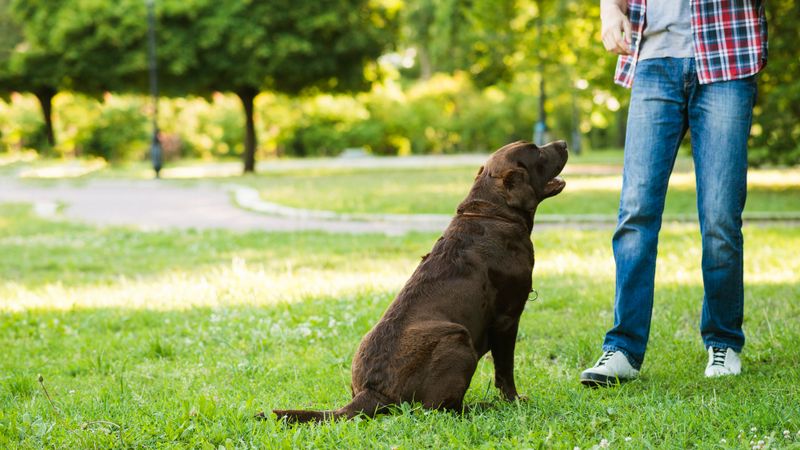
Dogs thrive on consistency. Imagine being given different instructions by various people daily. It’s confusing, right? A dog feels the same when faced with inconsistent rules.
Establishing clear boundaries and sticking to them helps a dog understand what’s expected. Consistent behavior from all household members provides clarity.
When rules change frequently, dogs can become frustrated or anxious, leading to aggression. Consistency not only makes training more effective but also ensures a happier, more secure pet. Make sure everyone is on the same page about what behaviors are acceptable.
Lack of Proper Socialization During Puppyhood
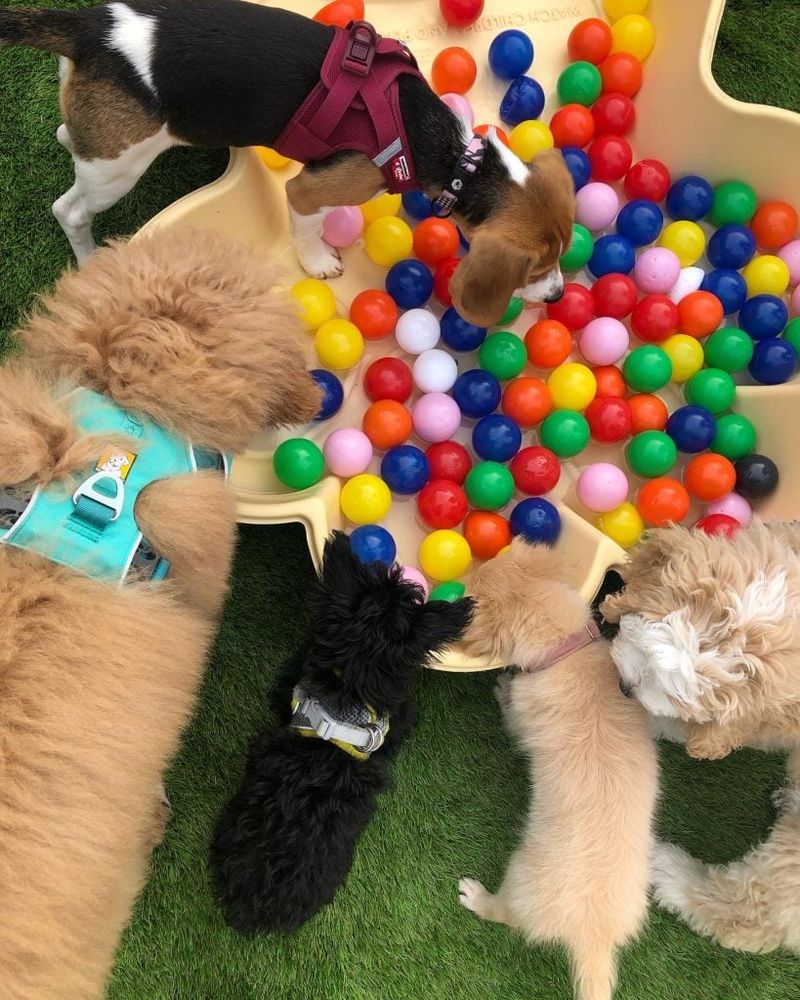
Puppyhood is a crucial period for social development. Without exposure to different environments, people, and other animals, a dog may grow fearful or aggressive.
Socialization helps puppies become well-adjusted adults, comfortable in diverse settings. A lack of early positive encounters can result in a dog that struggles to cope with new situations.
Introducing them gently to various stimuli can build confidence and reduce fear-based aggression. The experiences a puppy has during this critical phase can shape their behavior for life. Start early to foster a trusting and friendly pet.
Rough or Unpredictable Handling
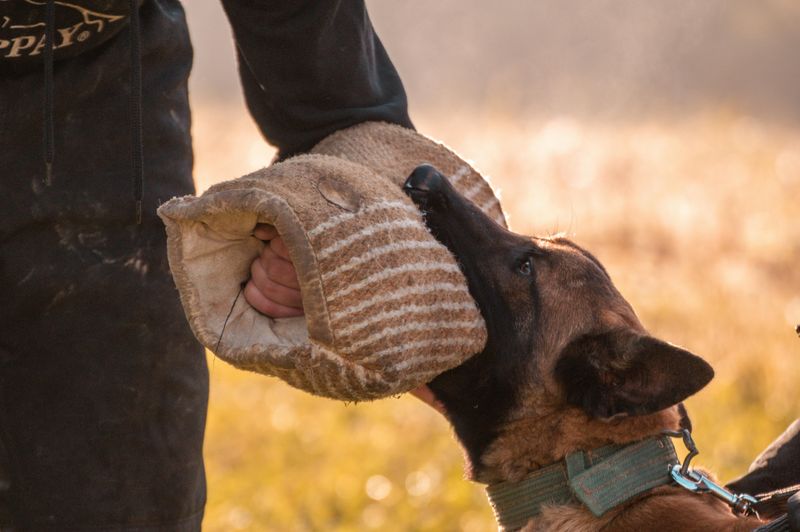
Imagine being handled unpredictably; it could be quite unsettling. Dogs, much like humans, appreciate kindness and predictability in interactions. Rough handling or sudden movements can cause discomfort or fear.
This can lead to a defensive response, often interpreted as aggression. It’s important to handle dogs gently, with respect for their personal space and comfort level.
Gentle handling fosters trust and reduces anxiety, making dogs more receptive to positive interactions. Ensuring a calm and predictable environment helps create a secure, happy pet. Treat them with the same care you’d expect for yourself.
Ignoring Early Signs of Fear or Stress
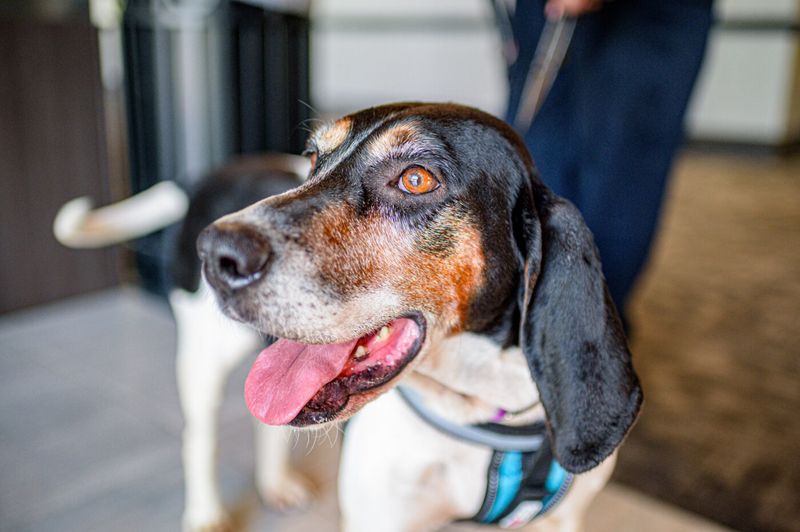
Dogs communicate distress through body language, yet often these signals go unnoticed. Signs such as cowering, excessive panting, or retreating are calls for help. Ignoring them can exacerbate a dog’s fear, leading to aggressive behavior.
Paying attention to these cues allows for timely intervention. Addressing a dog’s fears and providing comfort can prevent escalation.
Understanding these early warning signs helps maintain a positive environment. Acknowledging and acting on a dog’s communication fosters trust and reduces anxiety, contributing to a peaceful coexistence.
Allowing Resource Guarding to Escalate
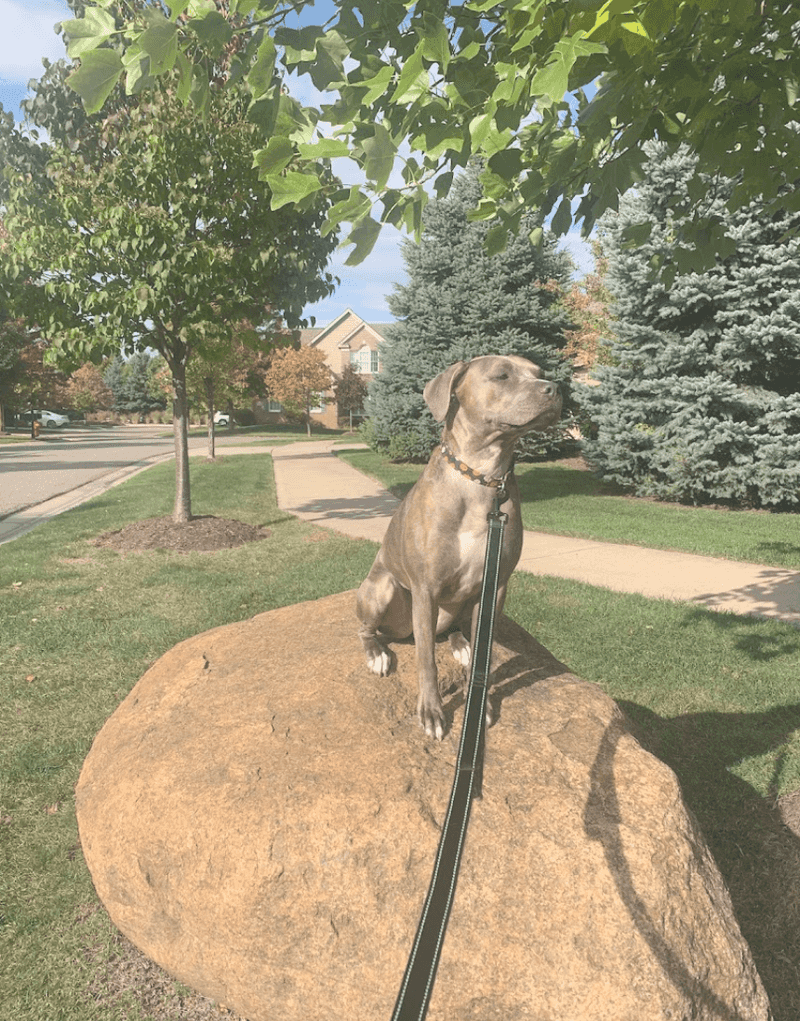
Dogs may guard food, toys, or resting spots. This behavior is natural but should be managed early. Allowing it to escalate can lead to severe aggression.
Implementing positive reinforcement techniques helps teach dogs that sharing isn’t a threat. Offering a trade or distraction can redirect their focus.
By acknowledging and addressing resource guarding promptly, you can maintain harmony. Building trust through consistent, positive interactions fosters a more relaxed and cooperative pet. It’s essential to understand and manage this behavior before it becomes problematic.
Forcing Interactions with Strangers or Other Dogs
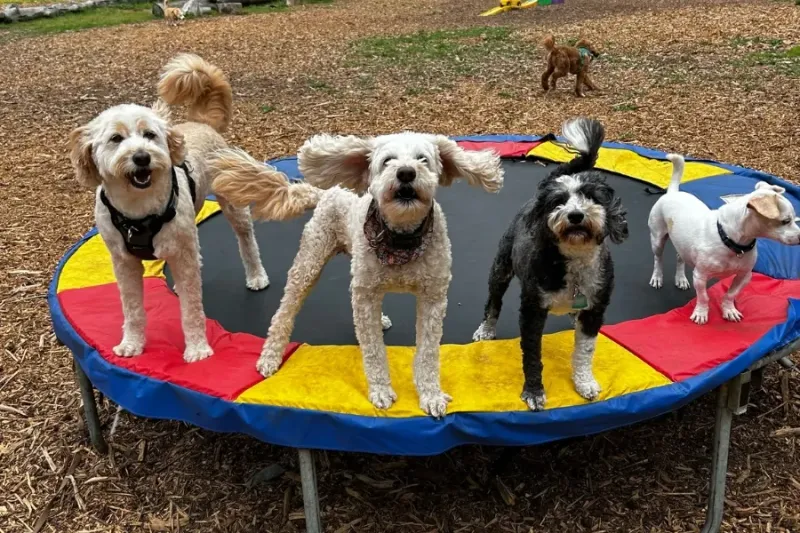
Not every dog loves socializing, and forcing interactions can backfire. Some dogs might be shy or have had negative past experiences.
Pushing them into unfamiliar situations can cause stress or provoke defensive behaviors. Allowing a dog to choose when and how to engage fosters confidence.
It’s vital to respect a dog’s comfort level, allowing them to approach at their own pace. By observing their cues, you can facilitate positive social experiences without pressure, enhancing their overall well-being.
Using Harsh Training Methods or Yelling
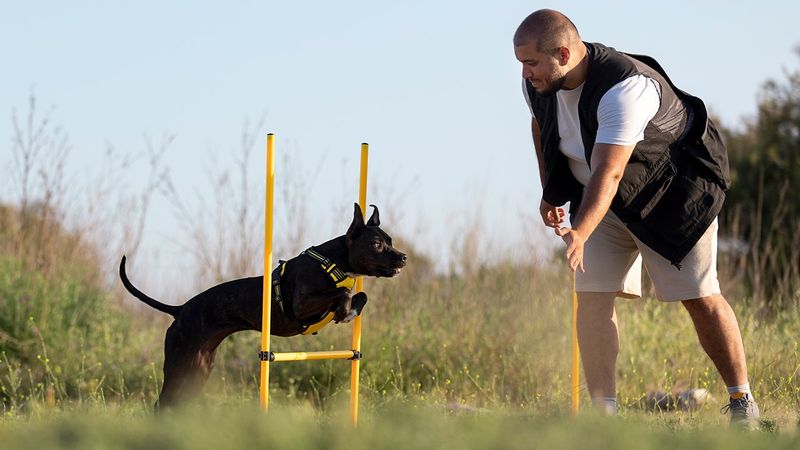
Harsh training methods can instill fear and confusion in dogs. Yelling or punitive measures might suppress behavior temporarily, but they don’t teach desired behavior.
Positive reinforcement, offering treats or praise, encourages learning and builds a trusting relationship. Dogs respond better to guidance and encouragement rather than fear.
Creating a supportive learning environment enhances training effectiveness and fosters a well-behaved pet. Avoiding harsh methods encourages a happier and more cooperative dog, eager to learn and please.
Not Giving a Dog Personal Space When They Retreat
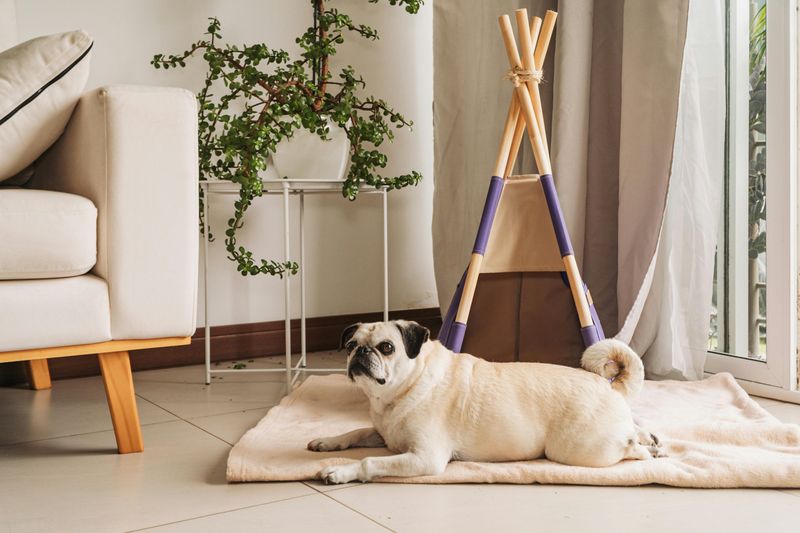
Dogs, like people, need personal space. When they retreat, it signals a need for solitude or time to decompress. Ignoring this can cause stress or defensive reactions.
Allowing a dog to have its quiet moments helps it feel secure and respected. It’s a simple way to show understanding and care.
Respecting a dog’s need for space strengthens trust and reduces anxiety, leading to a more relaxed and happier pet. Recognize these moments as part of a healthy human-canine relationship.
Reaching Over a Dog’s Head or Leaning Into Their Face
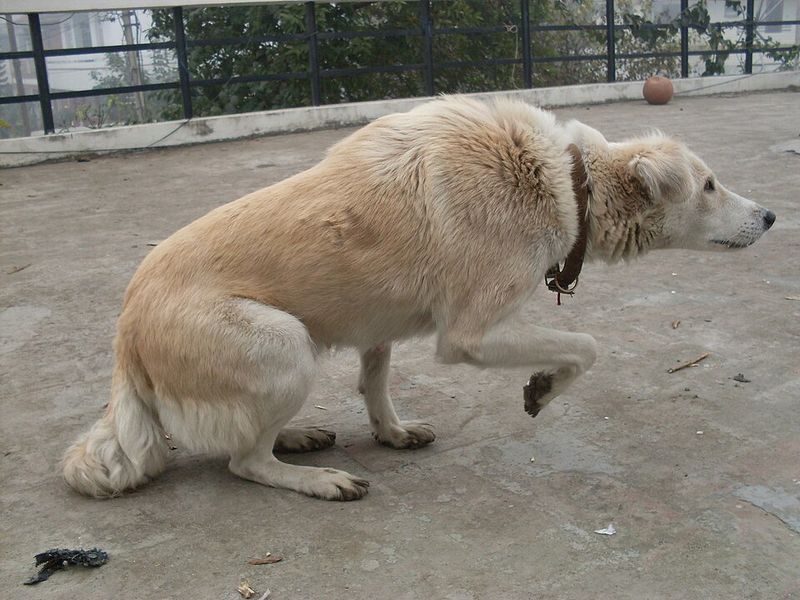
Reaching over a dog’s head or getting too close to their face can feel threatening. Many dogs perceive this as a dominant or aggressive gesture.
Approaching from the side or crouching to their level is less intimidating and more respectful.
Understanding how dogs perceive body language can prevent misunderstandings. Adapting our approach to their comfort ensures a positive interaction. Building trust means respecting their perspective and ensuring interactions are stress-free.
Interrupting Meals, Sleep, or High-Value Play
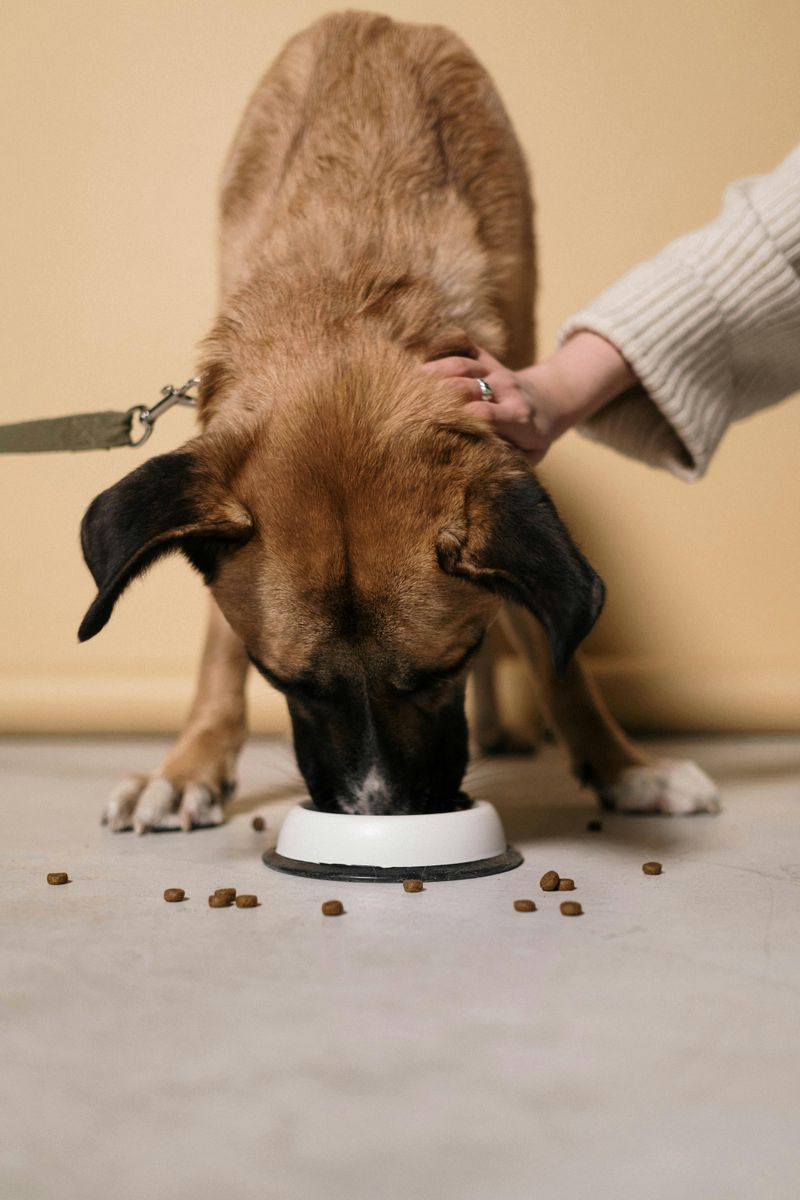
Dogs appreciate routine and respect during certain activities. Interrupting meals, sleep, or play can cause irritation or anxiety.
Allowing them to engage fully in these moments fosters a sense of security. Recognizing the importance of uninterrupted time helps maintain a dog’s trust and peace.
Providing a stable environment where dogs can enjoy their meals and rest peacefully promotes overall well-being. Ensuring these activities remain undisturbed is a simple yet effective way to show care and understanding.
Failing to Provide Enough Mental and Physical Stimulation
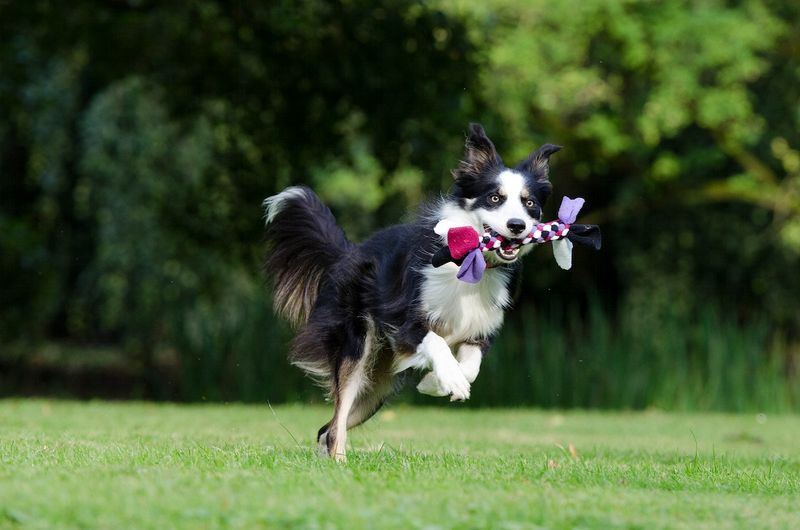
Boredom can lead to behavioral issues in dogs. Without adequate mental and physical stimulation, they may become restless, anxious, or even aggressive.
Interactive toys, regular walks, and engaging activities stimulate a dog’s mind and body. Keeping a dog busy helps harness its energy positively.
By enriching a dog’s environment, you reduce the likelihood of unwanted behaviors. A well-exercised dog is a happy and content one, eager for companionship and play. A balanced routine keeps their mind and body healthy, ensuring a joyful pet.