
When it comes to choosing a dog, health is a major factor to consider. Some breeds are naturally more resilient, leading to a happier and more active life for your furry friend.
Here’s a look at 12 dog breeds that often enjoy better health compared to others.
Australian Cattle Dog
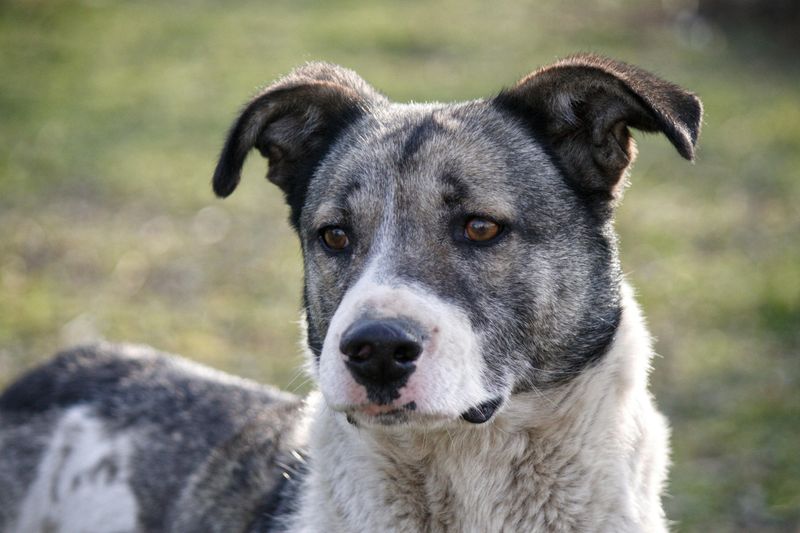
The Australian Cattle Dog is known for its boundless energy and intelligence. Originally bred for herding cattle in the harsh conditions of the Australian Outback, this breed has developed a robust and sturdy constitution.Their agility and resilience make them one of the more durable dog breeds, often living well into their teens.
Regular exercise and mental stimulation are key to maintaining their health.Their short coat is easy to care for and is resistant to weather extremes, further contributing to their overall health.
Border Terrier
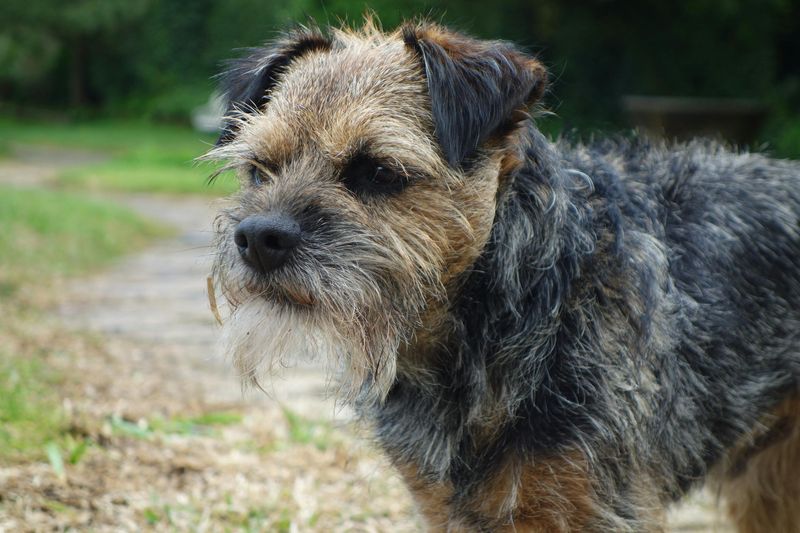
Small in stature but big in personality, the Border Terrier is a charming companion. Known for their resilient nature, these dogs have fewer genetic health issues compared to other terriers.Their energy and love for adventure keep them in good shape, and they thrive with regular outdoor activities.
Their wiry coat is low-maintenance, adding to their appeal.A fun fact: these dogs were originally bred to hunt foxes, which speaks to their tenacity and strength.
Basenji
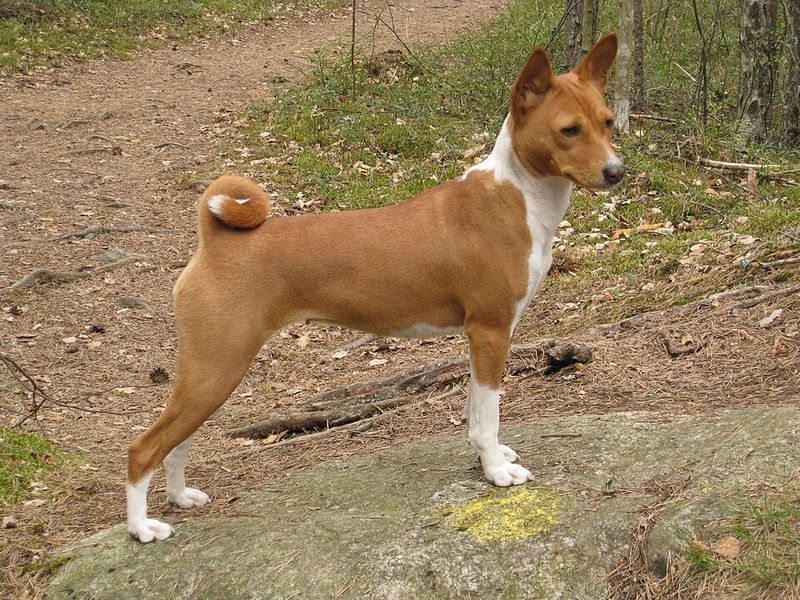
Famous for not barking, the Basenji communicates with yodel-like sounds. This ancient breed from Africa is remarkably healthy, with a lean build and keen senses.Their grooming needs are minimal, thanks to their short coat, and they are quite clean, akin to cats.
Regular exercise helps them stay fit and content.This breed’s unique vocalizations and independence make it a distinctive and delightful pet.
Dalmatian
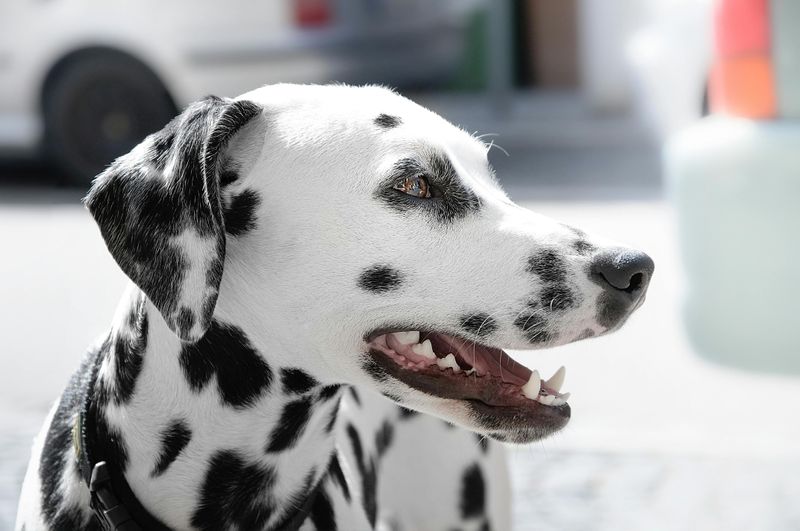
Recognizable by their iconic spots, Dalmatians are more than just a pretty face. Known for their stamina and strength, they are a robust breed.Originally bred as carriage dogs, they have a natural affinity for exercise and require plenty of it.
Their sleek, short coat is easy to maintain.An interesting tidbit: Dalmatians have a unique relationship with horses, stemming from their historical role alongside fire brigades.
Miniature Pinscher
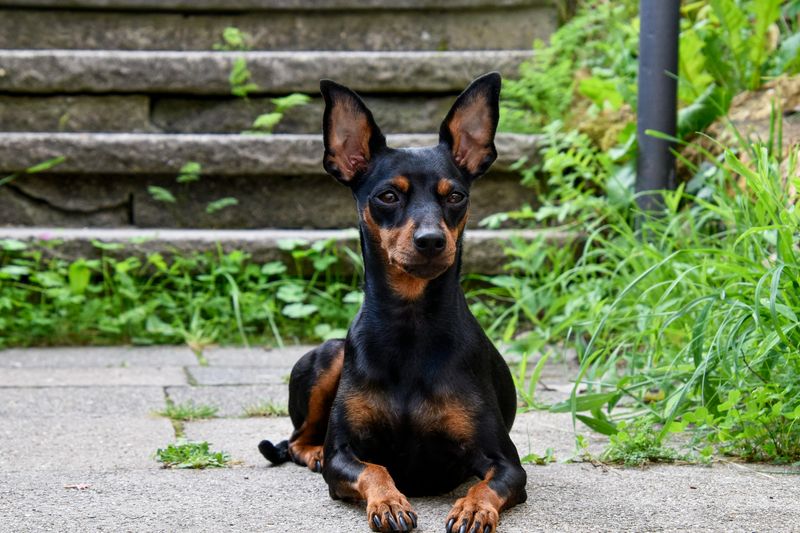
Often mistaken for a small Doberman, the Miniature Pinscher is a spirited and sturdy breed. Their sleek appearance is matched by impressive agility and energy.With minimal health concerns and a zest for life, they are a lively addition to any family.
Regular playtime keeps them healthy and happy.Their fearless attitude and curious nature make them both entertaining and endearing.
Siberian Husky
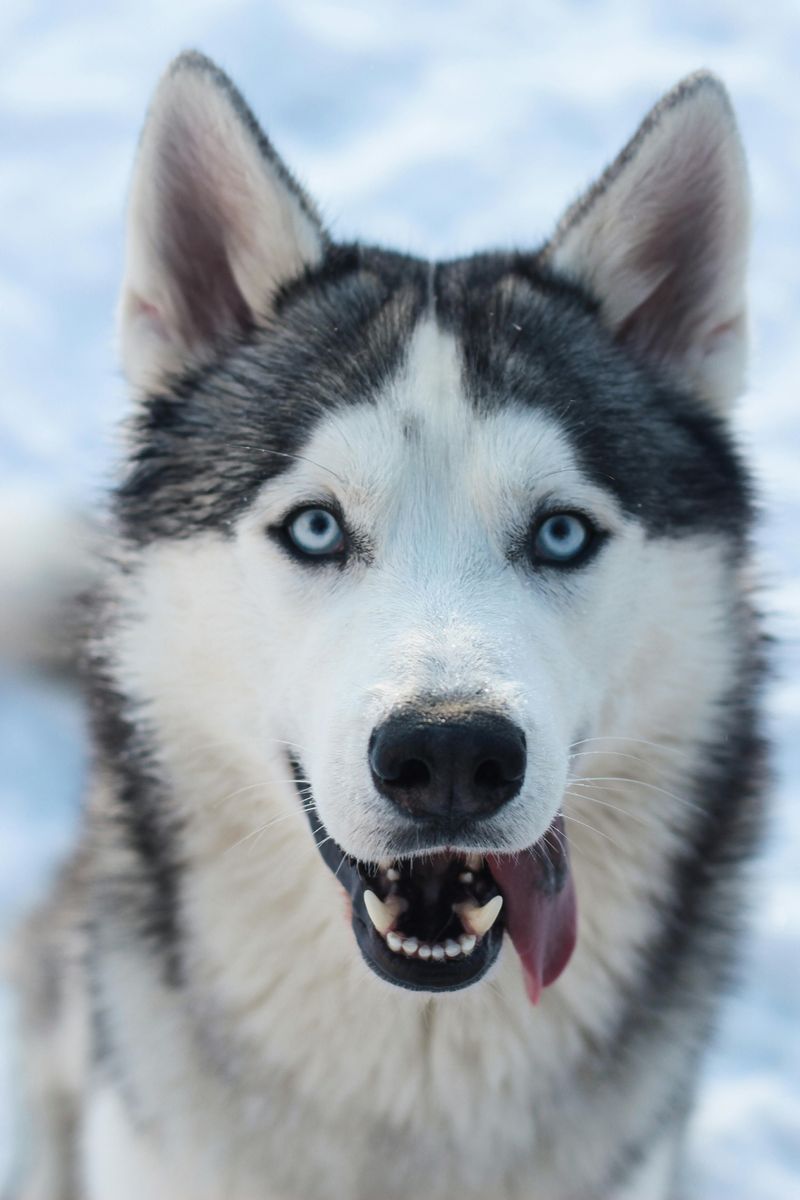
The Siberian Husky, with its piercing eyes and wolf-like appearance, is known for its endurance and vitality. Bred for sledding, they boast strong cardiovascular health.These dogs require a lot of physical exercise and mental stimulation to thrive.
Their thick double coat, while a bit more work to maintain, protects them in harsh climates.Their friendly demeanor and striking looks make them a favorite among dog enthusiasts.
Rhodesian Ridgeback
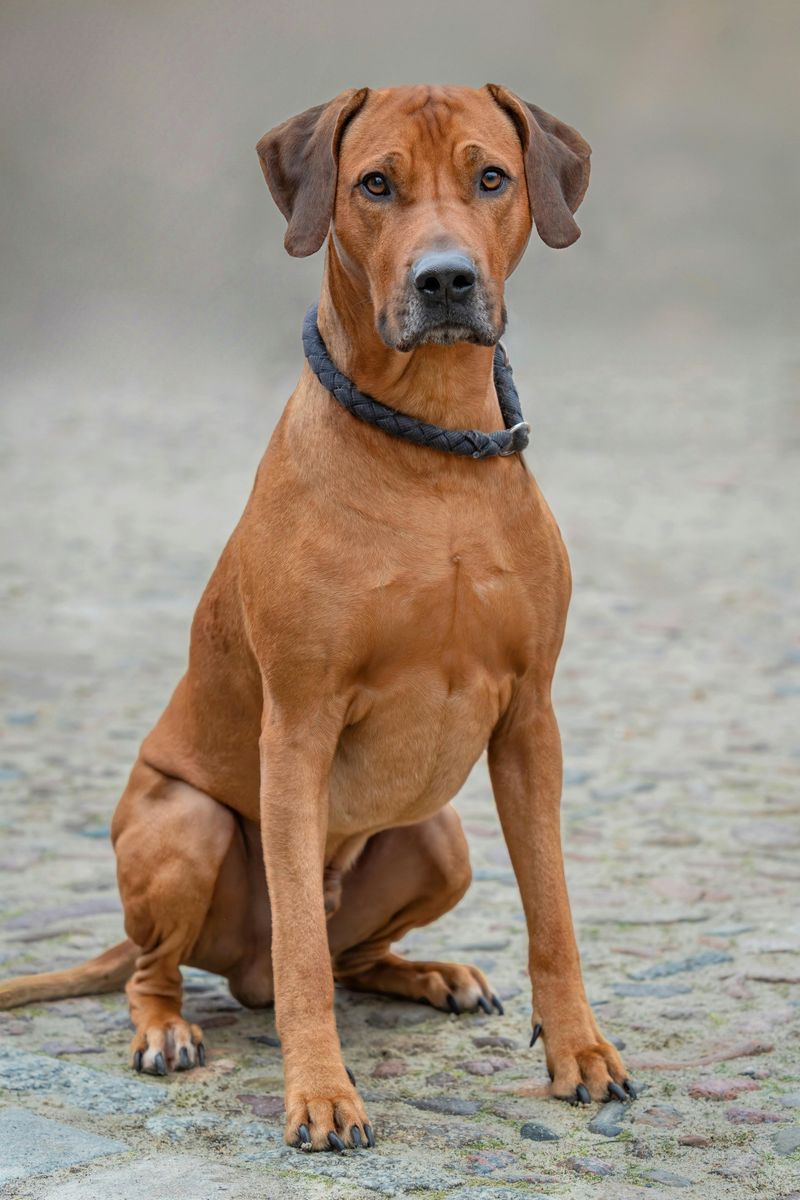
Once used for hunting lions, the Rhodesian Ridgeback is strong and dignified. Their unique ridge of hair along their spine is a notable feature.They typically enjoy good health and have a lifespan longer than many large breeds.
An active lifestyle suits them best, keeping them in peak condition.Their affectionate nature and strength make them wonderful companions for those who can match their energy levels.
Queensland Heeler
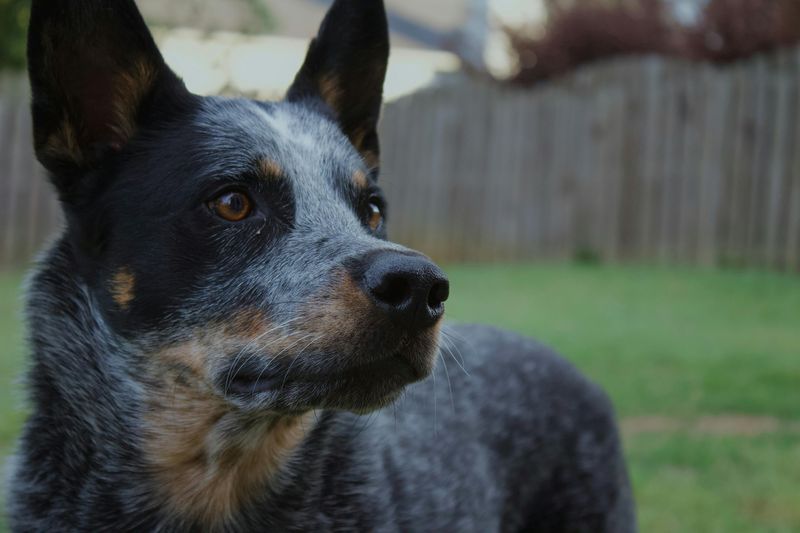
Closely related to the Australian Cattle Dog, the Queensland Heeler is a tenacious herding breed. Known for its perseverance, this dog is both agile and strong.Their active nature requires regular exercise and engagement, which helps maintain their health.
With a hearty constitution, they often avoid many genetic issues.The breed’s loyalty and intelligence make them both reliable workers and loving family members.
Bearded Collie
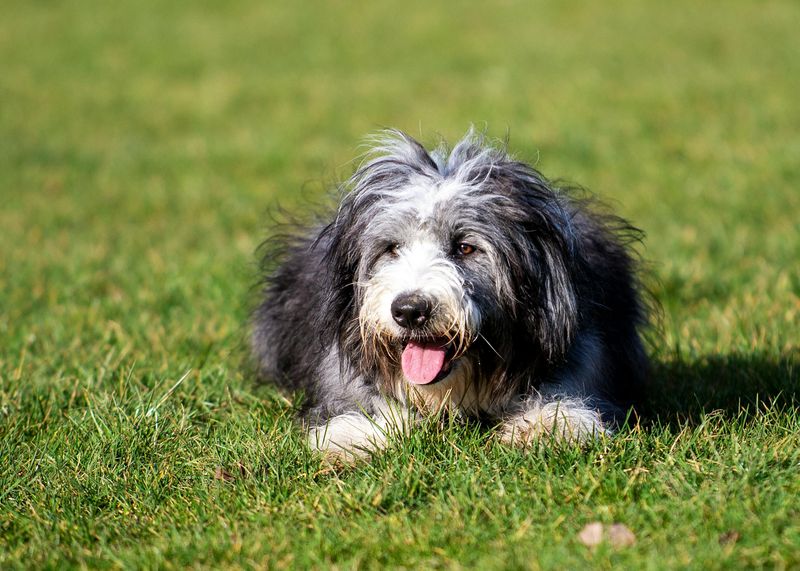
Affectionately known as Beardies, Bearded Collies are sociable and active dogs. Their shaggy coats require regular grooming but are part of their unique charm.Generally healthy, these dogs thrive on companionship and physical activity.
Their playful nature keeps them youthful and energetic.Their origins as herding dogs in Scotland give them a resilient and adaptable nature, perfect for various environments.
Belgian Sheepdog
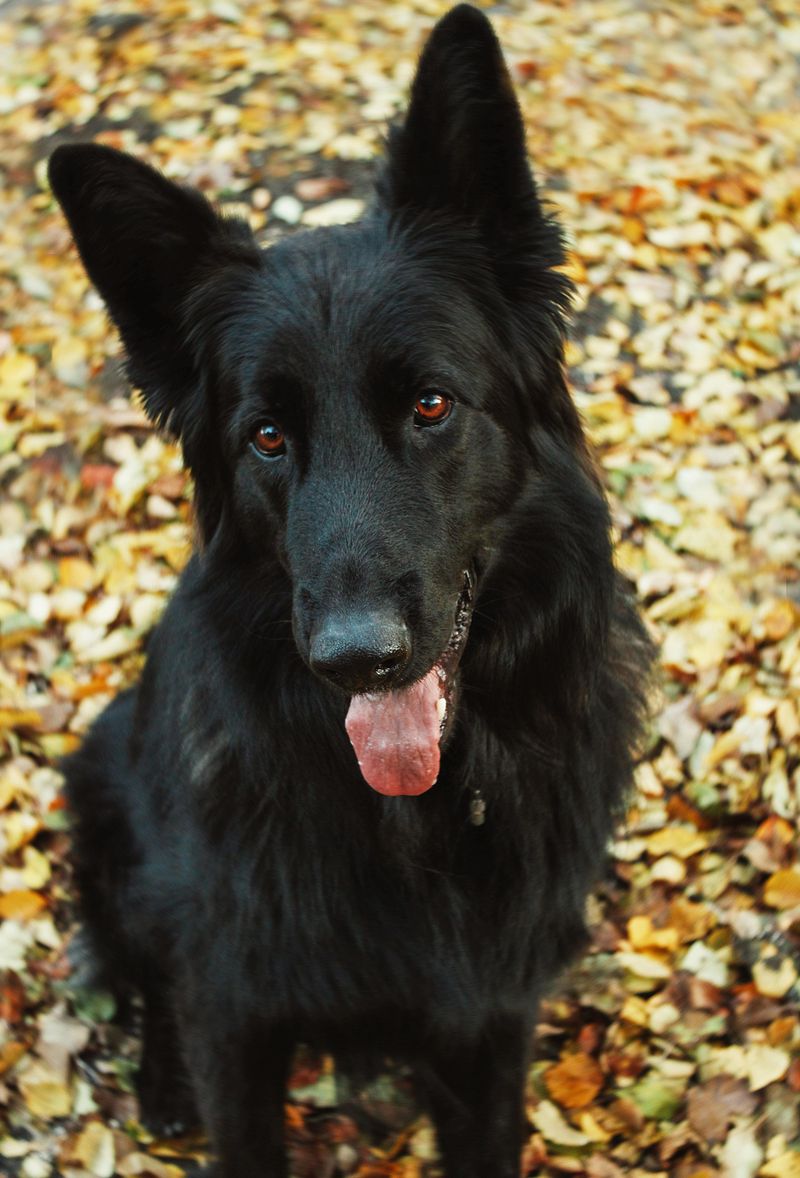
Elegant and intelligent, the Belgian Sheepdog is a picture of grace and strength. With proper care, they are often free from severe health issues.Their intelligence requires mental challenges, and they excel in obedience and agility activities.
A healthy diet and exercise regime keep their coat glossy and physique fit.Their protective instincts and loyalty make them both excellent workers and loving family pets.
Manchester Terrier
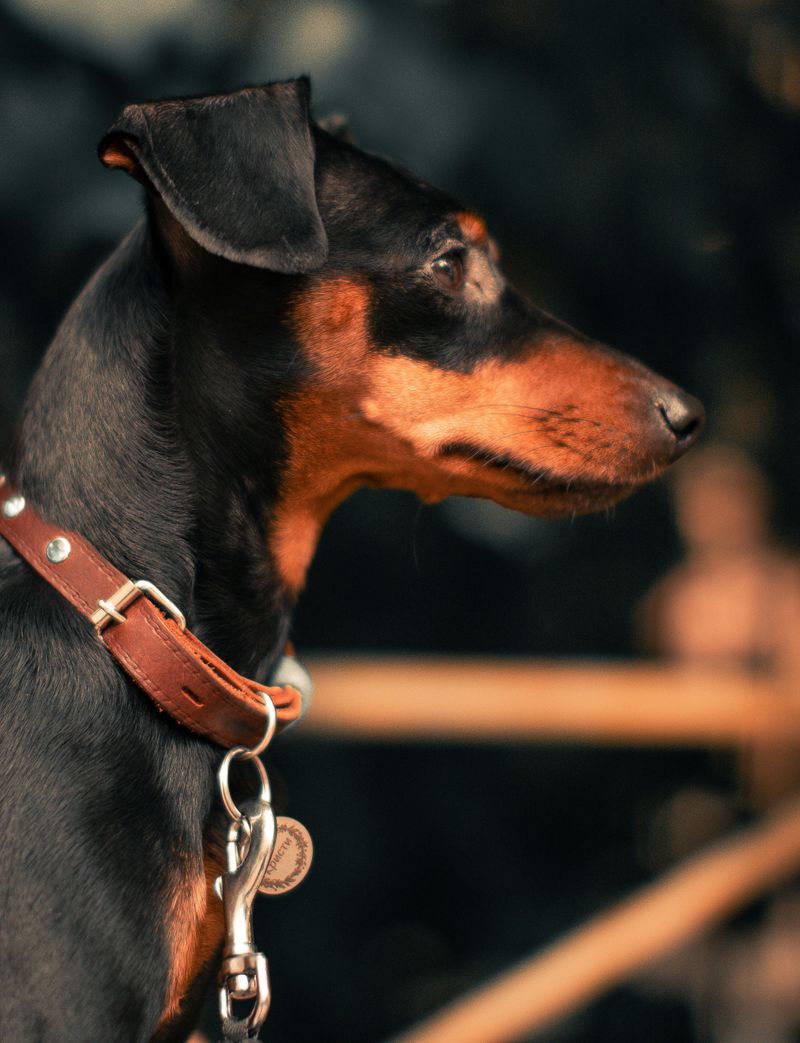
The Manchester Terrier, with its sleek and compact physique, is known for its agility and alertness. These dogs enjoy a robust constitution, with few health challenges.They thrive in active environments, making them perfect for families who enjoy outdoor activities.
Minimal grooming is needed for their short, glossy coat.This breed’s keen hunting instincts and spirited personality make them both entertaining and dependable companions.
Standard Schnauzer
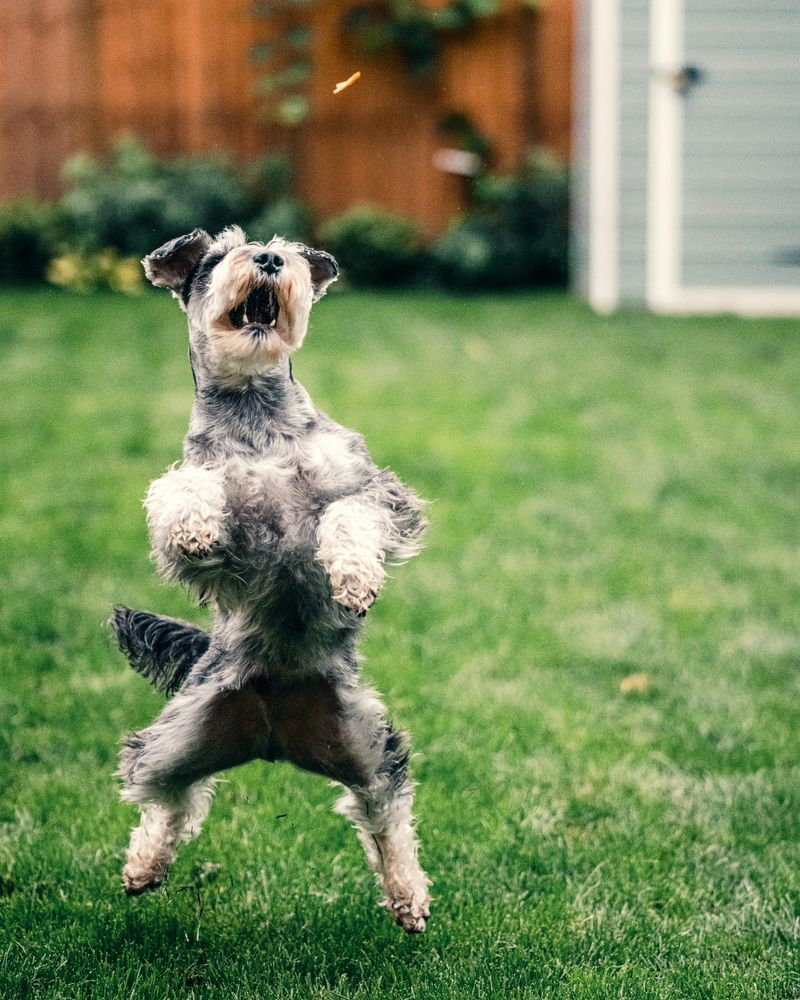
With unmistakable whiskers and a lively personality, the Standard Schnauzer is both intelligent and strong. Generally healthy, they are known for their longevity.Regular exercise and mental stimulation are vital to their well-being, fostering their natural curiosity.
Their wiry coat requires frequent grooming but is hypoallergenic.This breed’s versatility and spirited nature make them a cherished choice for many dog lovers.
Pug
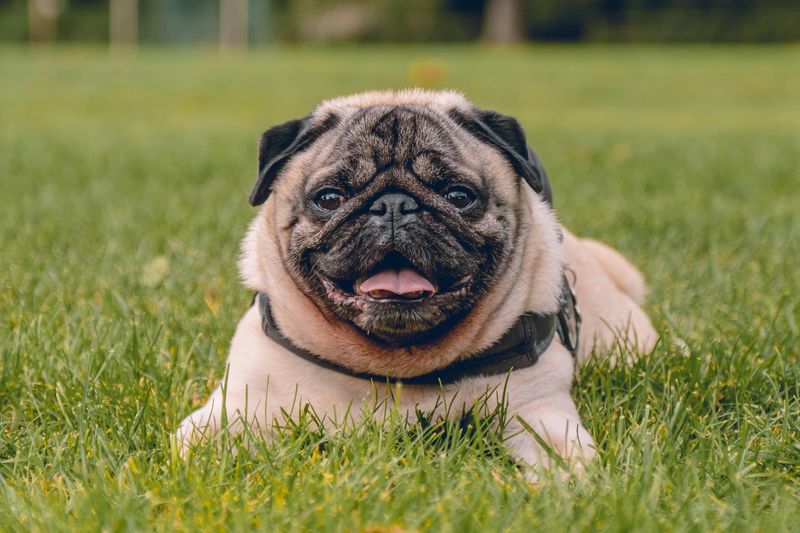
The Pug may be charming, affectionate, and endlessly entertaining, but this is one breed that often racks up frequent vet visits. Their flat faces can lead to chronic breathing trouble, overheating, and noisy airways, especially in warm weather or after even mild exercise.
On top of that, Pugs are prone to eye injuries, skin fold infections, and weight-related strain on their joints. If you love this breed, you need to go in with open eyes, because keeping a Pug comfortable and healthy can take consistent management, regular checkups, and sometimes expensive long-term care.
Dachshund

The Dachshund is bold, funny, and full of confidence, but that famously long back comes with real risks. This breed is especially vulnerable to intervertebral disc disease, a painful spinal condition that can lead to mobility problems or even paralysis if it becomes severe.
Jumping off furniture, using stairs, or carrying extra weight can all make those issues worse over time. Many Dachshunds live happy lives, but they often need careful handling, weight control, and close monitoring, which means more than a few owners find themselves making repeated trips to the vet for back pain, injuries, or neurological concerns.
Shar-Pei
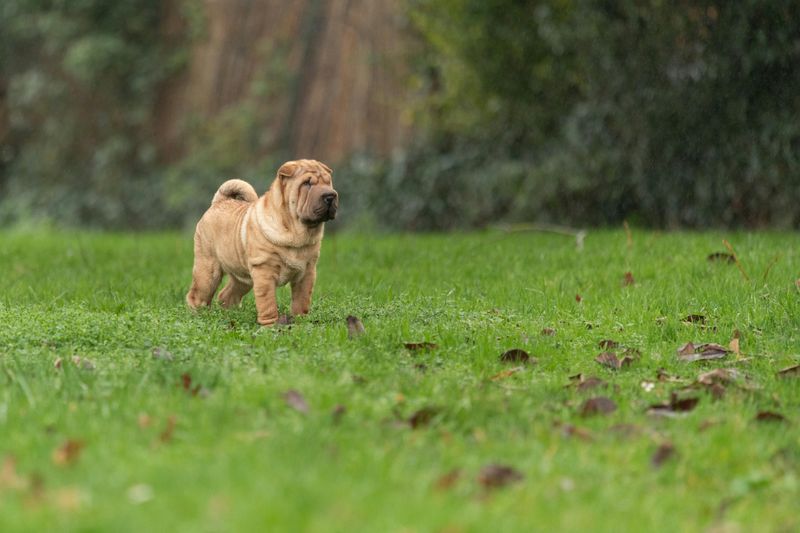
The Shar-Pei has a striking look and a loyal personality, but beneath those signature wrinkles is a breed with a fairly long list of potential health concerns. Skin infections are common, and those folds can trap moisture and bacteria if they are not cleaned and monitored carefully.
This breed is also known for recurring ear problems, eye issues like entropion, and a hereditary condition often called Shar-Pei fever. Because these problems can appear early and sometimes become chronic, owners may find that routine care quickly turns into frequent appointments, medications, and ongoing management to keep their dog comfortable.
Boxer
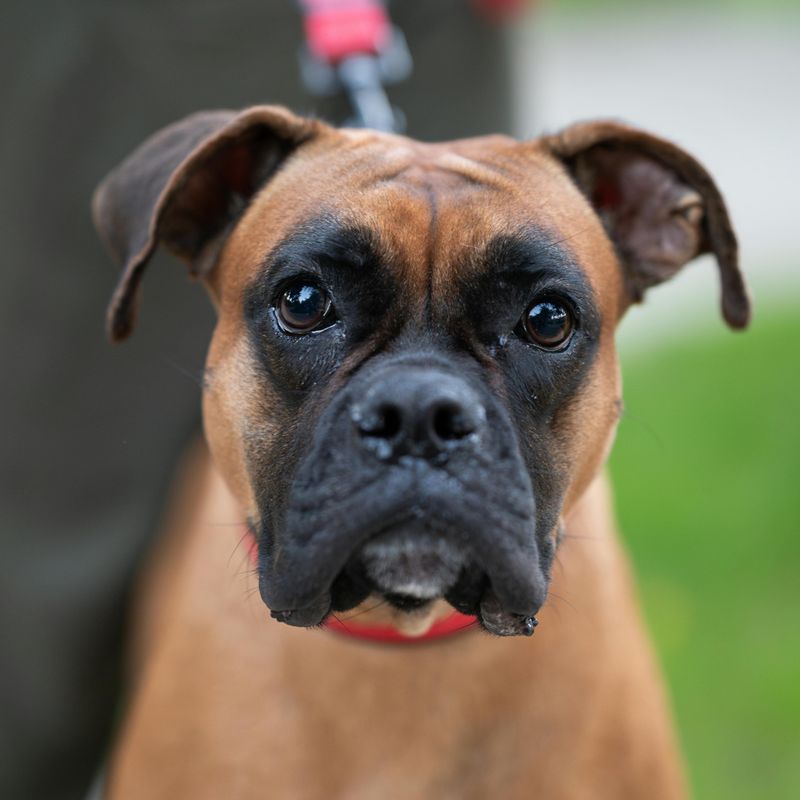
The Boxer is athletic, affectionate, and wonderfully expressive, but this breed can come with more medical baggage than many people expect. Boxers are unfortunately predisposed to certain heart conditions, cancers, and digestive troubles, which can make routine health monitoring especially important as they age.
Even young adults can develop issues that require testing, medication, or specialist care, and that can add up quickly. They are deeply lovable dogs with big personalities, but if you bring home a Boxer, you should be prepared for the possibility that veterinary visits may become a regular part of life rather than an occasional inconvenience.
Bernese Mountain Dog
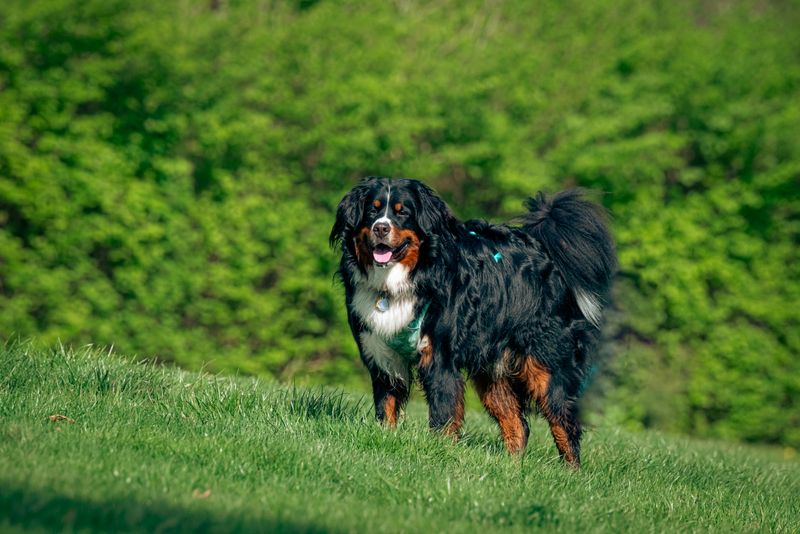
The Bernese Mountain Dog is gentle, beautiful, and easy to adore, but health-wise, this breed has a reputation that gives many owners pause. They are prone to joint problems, certain cancers, and other serious conditions that can shorten their lifespan compared with many other large dogs.
Because of their size, even common orthopedic issues can become costly and difficult to manage over time. These dogs can be wonderful companions, but they often need careful screening, thoughtful breeding, and proactive veterinary care, which is why so many people who love the breed also know that the vet’s office may become a familiar stop.