
Ever wonder why a well loved dog suddenly acts out at home or on walks? Often it is not stubbornness, it is tiny daily habits that quietly shape behavior. Fixing them does not require harsh tools or complicated methods, just clearer communication and better timing. Spot the common mistakes below and you will see calmer, more confident choices from your dog.
Inconsistent rules
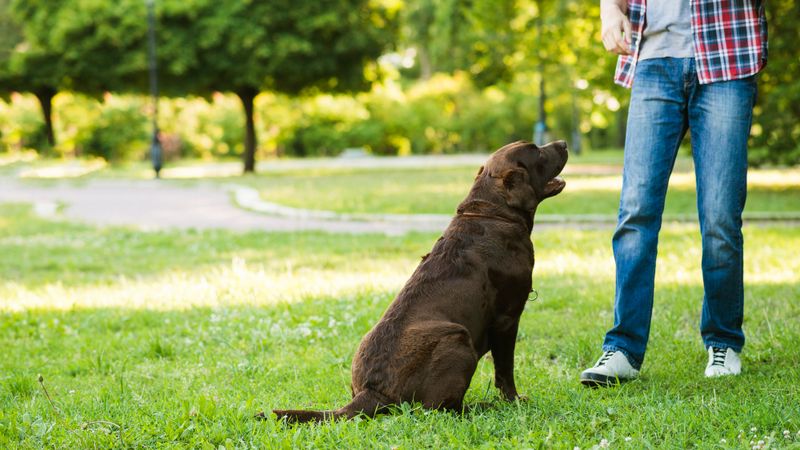
When rules change day to day, dogs guess and gamble. One evening they are allowed on the couch, the next they get scolded for jumping up. That uncertainty creates stress that leaks into barking, guarding, or pushy behavior.
Pick simple rules and stick with them across family members. If the couch is sometimes access by invitation only, make that consistent with a clear cue. Reward correct choices every time they happen, not just when it is convenient.
Consistency does not mean rigidity. You can build flexible rules by adding cues like “okay” for permission and “off” for ending access. The key is predictable patterns that help your dog understand how to earn what they want.
Late rewards
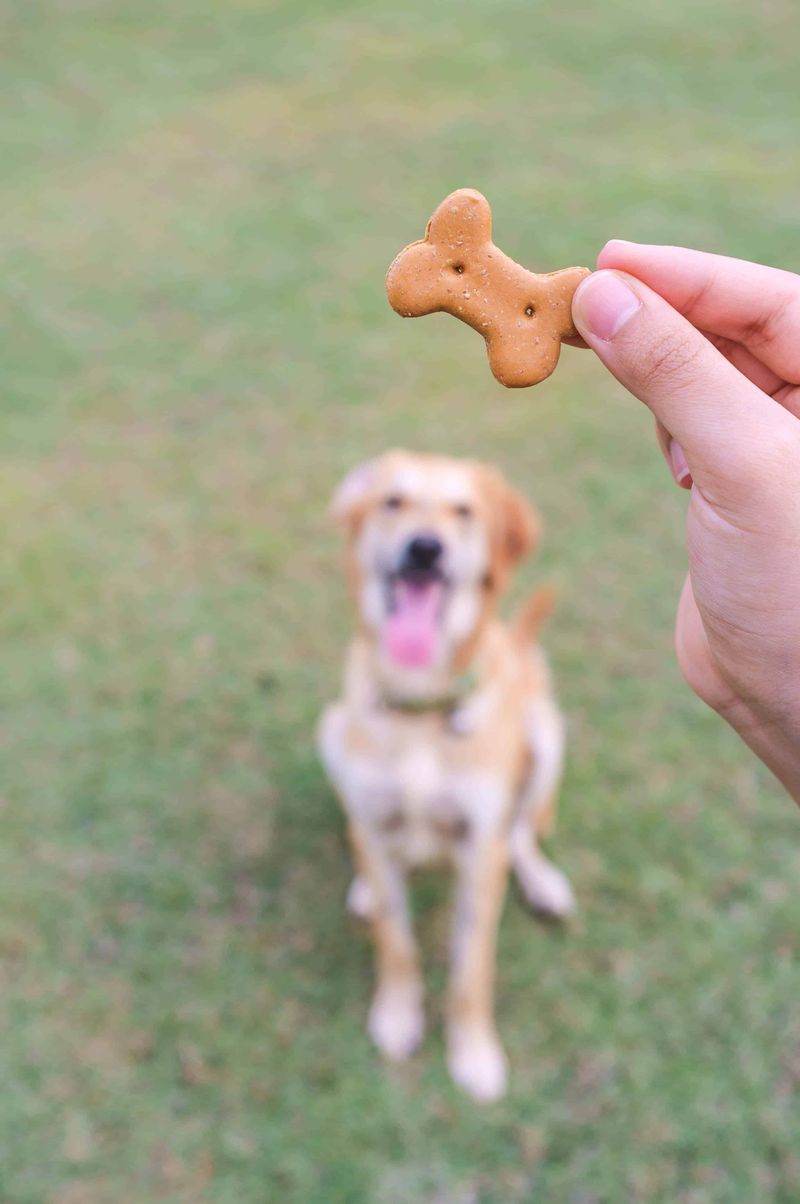
Timing is training. When rewards arrive seconds after the behavior, your dog connects the treat to whatever they did last, not the thing you meant to reinforce. That is how sit turns into jumping or barking because the payoff came too late.
Keep treats handy and mark moments fast. A clicker or a crisp “yes” can pinpoint the exact second your dog succeeds. Then deliver the food right after the marker to bridge the gap.
Good timing also prevents frustration. When your dog understands precisely what earned rewards, they repeat it with confidence. Practice in short sessions so your reflexes improve. Soon, everyday life becomes a stream of well timed wins.
Overlong walks
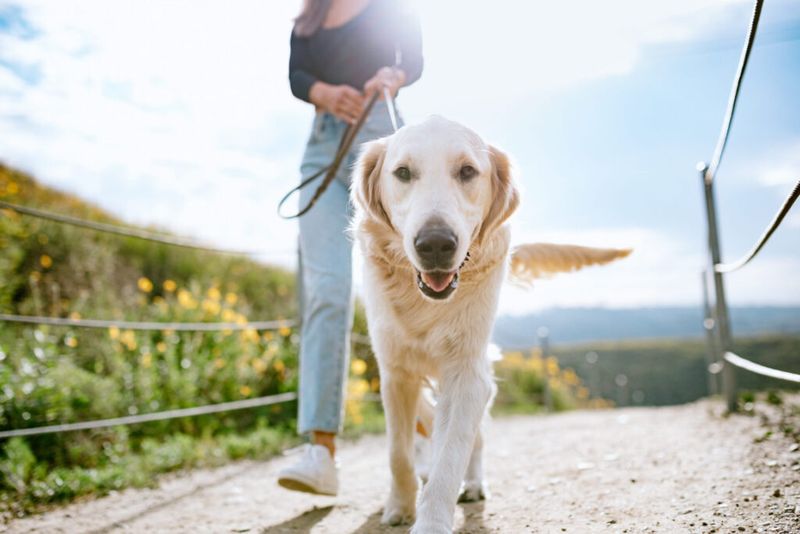
More distance is not always better. Long, aimless walks can push a dog past their stress threshold, especially in busy areas with constant triggers. Exhaustion does not equal satisfaction, and overtired dogs often become reactive later.
Think quality over quantity. Mix short sniff stops, training breaks, and calm pauses. End the walk while your dog is still coping well instead of when they are fried.
Watch for signals like heavy panting, scanning, or slower responses. Those are signs to shorten the route or switch environments. A well planned, shorter walk with enrichment beats a marathon march every time. Your dog returns home regulated and ready to relax.
Skipped rest time
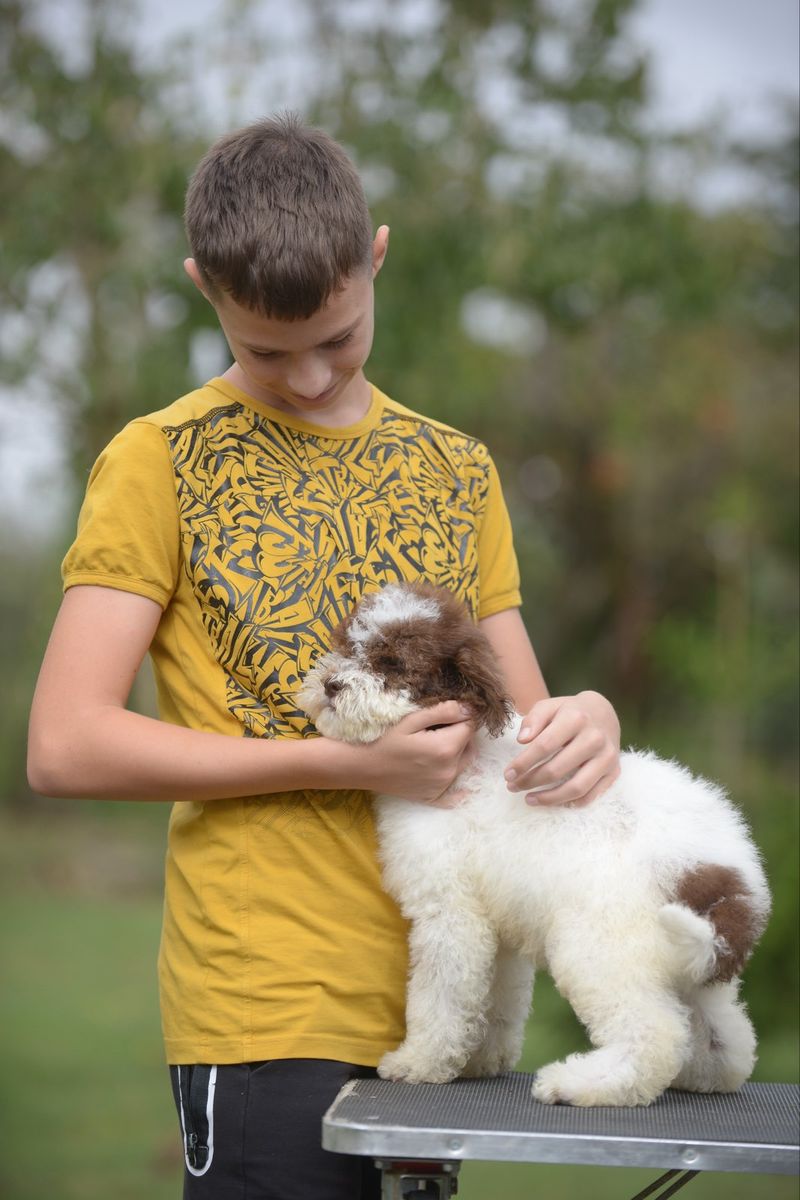
Dogs need real downtime to process experiences and reset their nervous system. Skipping structured rest can spiral into hyperactivity, grabby behavior, or over sensitivity. Puppies and adolescents especially crash hard without predictable naps.
Build rest into your routine like any other skill. Use a mat, pen, or open crate as a chill zone. Pair it with chews or soft music so relaxation feels rewarding.
After exciting outings, schedule decompression and quiet. Your dog is not being “lazy” when they sleep, they are consolidating learning. Protect that rhythm and you prevent meltdowns later. Rested brains make better choices, and you will notice smoother responses in training and daily life.
Tight leash tension
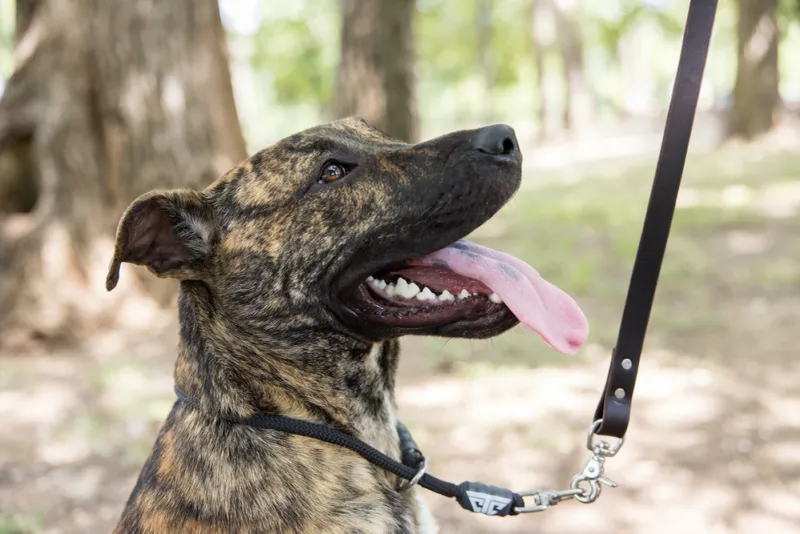
Constant pressure on the leash teaches dogs to lean into it. Tension becomes background noise, so pulling feels normal and frustration builds near triggers. Your shoulders ache and your dog never truly learns to follow.
Loosen the line and coach position with timely rewards. Reinforce when your dog checks in or walks by your side. Use a harness that clips at the chest to reduce leverage without pain.
Practice in low distraction spaces before busy streets. If the leash goes tight, stop, reset, and pay for slack returning. With repetition, your dog discovers that a soft leash unlocks forward motion and treats, turning walks cooperative instead of combative.
No decompression time

Dogs need time to sniff, meander, and make choices without constant cues. That decompression lowers arousal and builds confidence. Without it, stress stacks up and shows as reactivity or restlessness at home.
Find safe places for slow sniff walks on a long line. Let your dog investigate smells and set the pace. Step in only for safety and celebrate curiosity.
Ten minutes of free exploration can outvalue an hour of structured heeling. Watch your dog’s body unwind as breathing slows and movement loosens. Bring water, keep sessions short and pleasant, and end before fatigue. You will see better focus later because their brain had space to settle.
Too many verbal cues

Words pile up fast and blur together for dogs. Rapid fire cues like sit sit sit create white noise, not clarity. When unsure, dogs guess wildly or shut down, which looks like stubbornness.
Say one cue once, then pause. If needed, prompt with a hand signal or reset the picture. Mark and reward the instant your dog gets it right so the cue gains value.
Keep language simple and consistent across the household. Retire filler chatter that does not help. Clear, single cues paired with clean reinforcement teach faster and reduce stress. Your dog will respond sooner because they finally understand what you actually mean.
Interrupting calm behavior
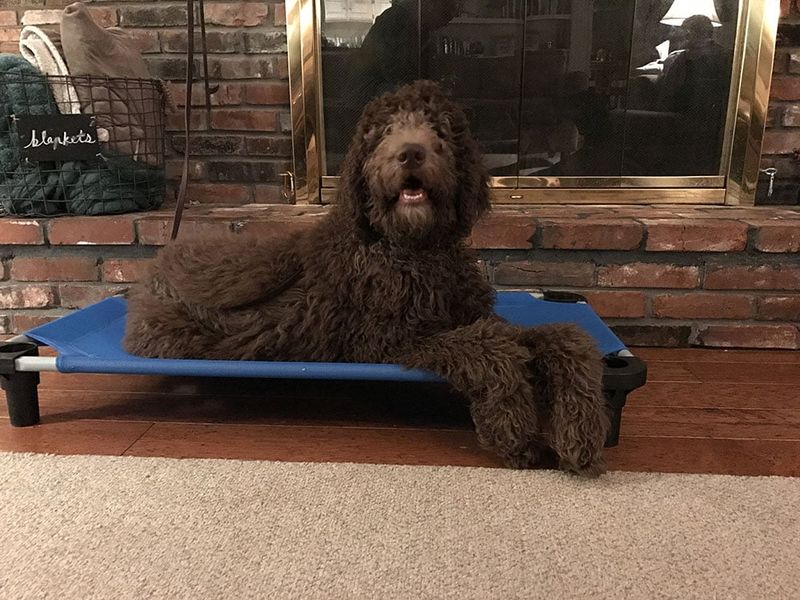
Calm is precious, so do not break it. Petting or calling your dog every time they settle teaches them that quiet rest predicts interruption. Soon they wander, seek attention, and struggle to relax.
Capture calm instead. Drop a treat near the mat when you notice soft eyes and loose posture. Reward the state without demanding interaction.
Teach a station cue and pay generously when your dog chooses it on their own. Over time, relaxation becomes self reinforcing because it brings tiny, predictable rewards. You will get more peaceful evenings and fewer attention seeking antics. Protect those quiet moments like gold.
Unclear boundaries
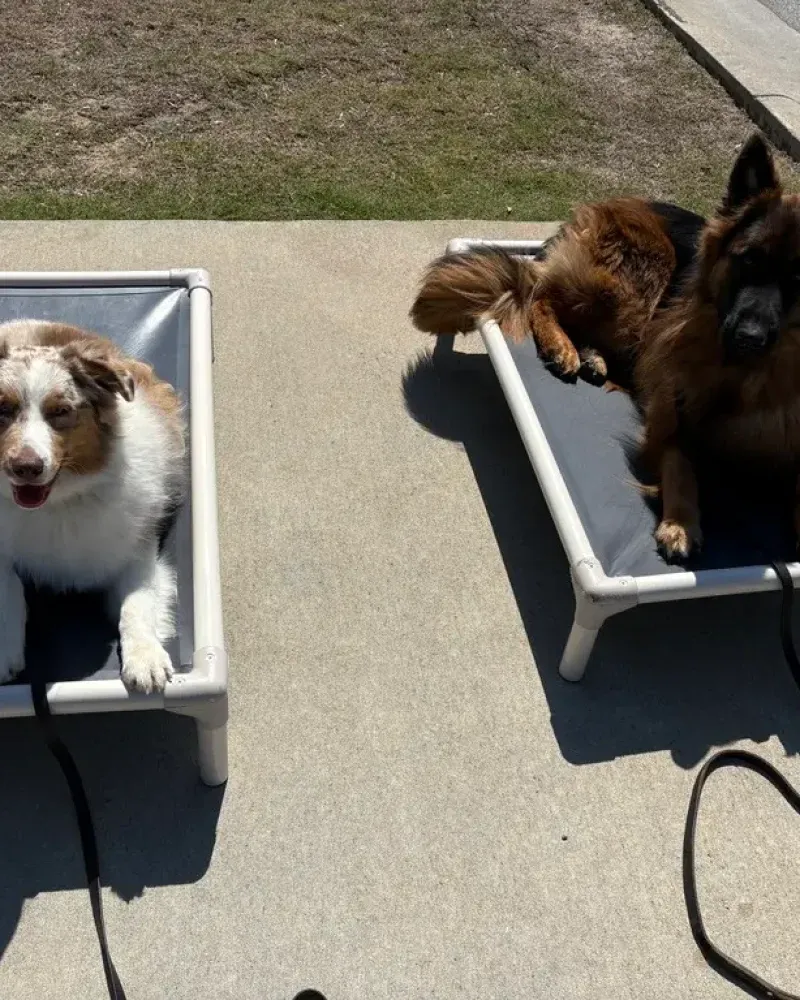
When boundaries shift, conflict grows. A dog allowed to bolt through doors one day and blocked the next will test harder. Without clear criteria, they cannot predict what keeps them safe and successful.
Define zones and permissions. Use visual markers like mats or baby gates, plus simple cues like wait and free. Rehearse calmly with small rewards for staying put.
Teach alternative behaviors that earn access, like sitting before exiting. Keep responses the same across people. Consistency turns boundaries into guidance, not punishment. Your dog stops arguing because the path to yes is obvious and reliable, which dramatically reduces pushy or anxious behavior.
Lack of routine
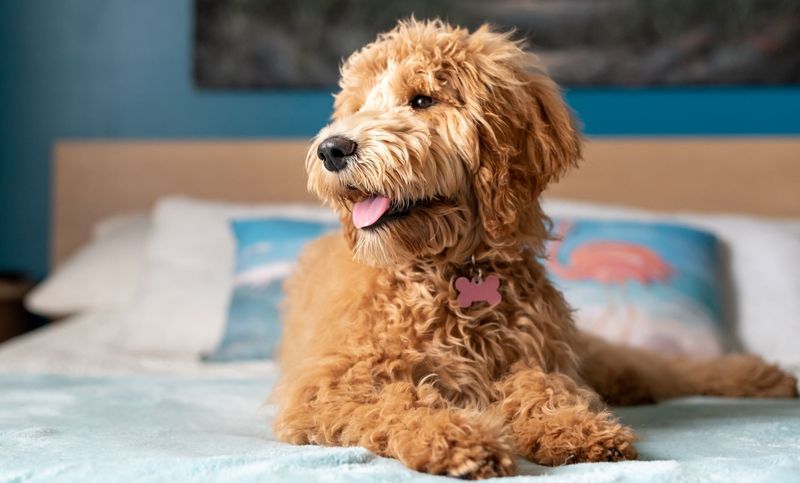
Unpredictable days make coping harder. Dogs thrive on rhythms that meet needs before stress spikes. Without a loose schedule, they can become clingy, vocal, or hyper vigilant.
Build anchors: morning potty, short training, a sniff walk, naps, play, and evening wind down. Keep meal times and decompression consistent. Small rituals create security and better behavior.
Routines do not need to be rigid. Aim for consistent order more than exact minutes. Track patterns for a week and adjust where your dog struggles. When needs are reliably met, your dog stops guessing and starts relaxing, and you will notice smoother transitions all day.