
Bringing home a second dog can feel exciting and a little nerve wracking. You want a friendly companion that blends quickly with your resident pup and your routine. The breeds below are known for social smarts, adaptable energy, and steady temperaments that help them fit in fast. Browse with your lifestyle in mind so your new addition feels like the missing puzzle piece from day one.
Beagle

Beagles are social sniffers that tend to get along with nearly everyone, especially other dogs. Their even temper and playful curiosity make introductions smoother, because they prefer investigating rather than posturing. You will notice the classic nose-down stroll, which helps diffuse tension and create parallel play opportunities.
They do best with routine walks, scent games, and a bit of structure to prevent mischievous digging or counter surfing. Food motivation makes training a breeze, and sharing rewards encourages friendly group sessions. Keep recall tight, since interesting smells can hijack attention swiftly.
Expect moderate shedding, easygoing grooming, and a sturdy companion for kids. With patience and boundaries, a Beagle settles in quickly and bonds beautifully with resident pets.
English Springer Spaniel
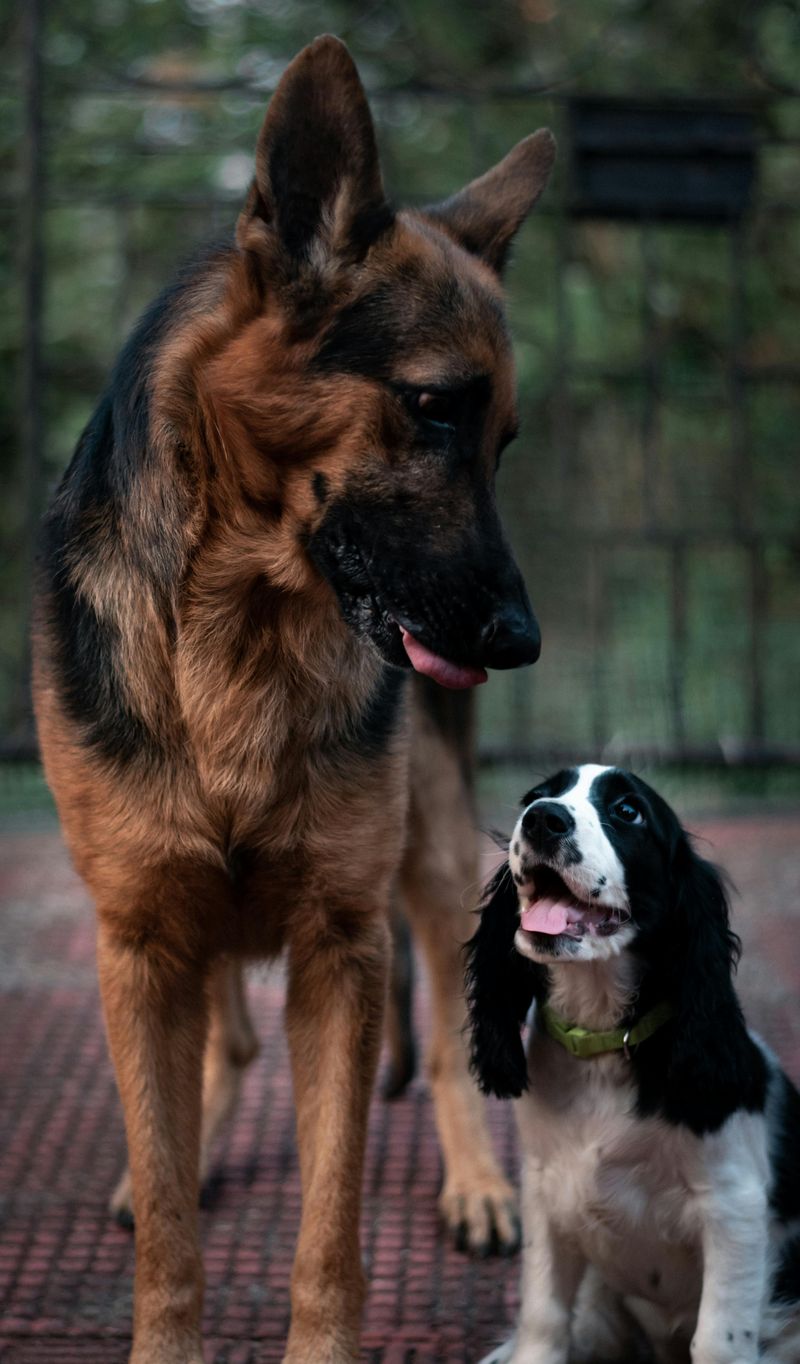
English Springer Spaniels bring a people pleasing attitude and balanced energy that helps them mesh quickly with household dogs. They love games, fetch, and field style play, which creates neutral bonding opportunities. Their affectionate nature means they often defer politely, especially when introductions are calm and structured.
Daily exercise is essential to prevent boredom and exuberant jumping. Training clicks because they are responsive to praise and consistent cues, making multi dog routines easier. Grooming requires regular brushing and occasional trims to keep feathering tidy and mats at bay.
Expect a dog that thrives on inclusion, from hikes to couch time. With outlets for their energy and mental work, Springers settle smoothly and become joyful teammates for your current pup.
Cocker Spaniel
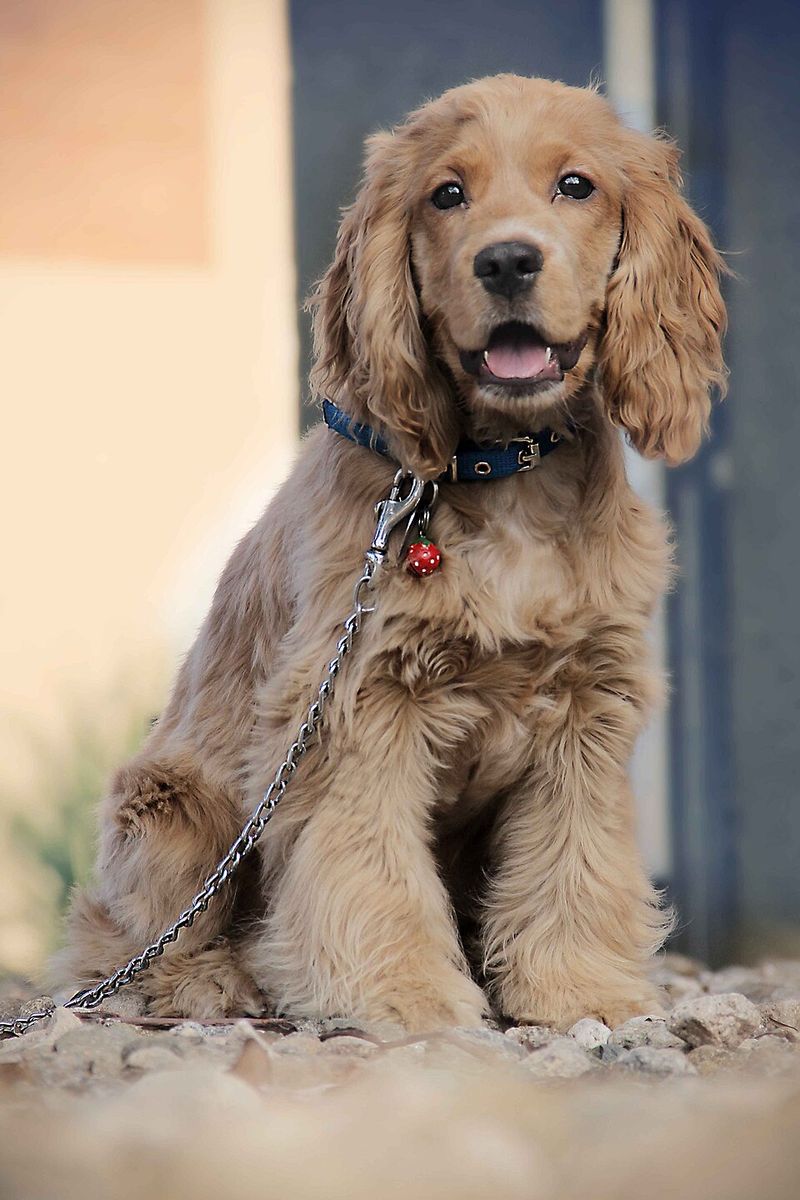
Cocker Spaniels tend to be sweet natured companions that blend into families with grace. Their size and softness make introductions less intimidating, and they usually enjoy gentle play that respects older or smaller dogs. Ears and coat need regular care, but the grooming routine can actually become shared quiet time for both pets.
They respond beautifully to positive reinforcement and predictable schedules. Short training sessions, polite greetings, and supervised toy time reduce resource guarding. Cockers appreciate moderate exercise paired with sniffy walks and enrichment puzzles.
Watch for sensitivity to loud chaos and protect them from roughhousing. With kindness and clear boundaries, a Cocker quickly becomes a cuddly, respectful roommate who mirrors the resident dog’s routine and mood.
Brittany
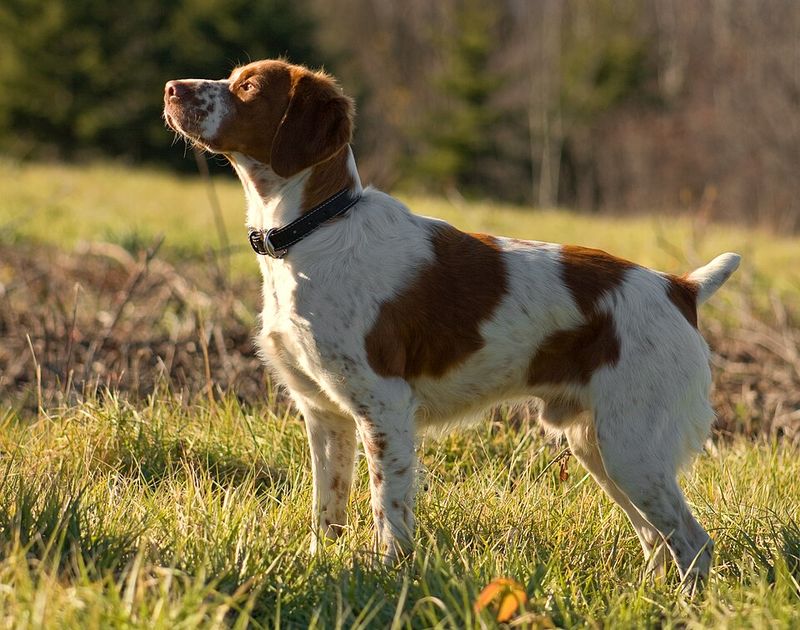
Brittanys are upbeat, athletic, and eager to collaborate, which helps them bond quickly with an active resident dog. They thrive on structured outlets like fetch, field games, and recall drills, turning shared exercise into friendship. Their medium size and biddable nature make house rules stick fast.
Expect a dog that needs daily mental work, from nose games to short training sprints. Positive reinforcement keeps them focused without overwhelming sensitivity. Grooming is simple, with regular brushing and checkups after adventures to remove burrs.
Because Brittanys love having a job, pairing them with a playful dog creates instant synergy. Provide decompression time, water breaks, and calm indoor routines so excitement does not spill into chaos after outdoor fun.
Nova Scotia Duck Tolling Retriever

Tollers mix retriever friendliness with sharp intelligence, making them quick to learn household dynamics. They often mirror other dogs’ energy, so a well mannered resident pup helps them fit in fast. Enthusiastic play, dock dives, and retrieves channel their drive into cooperative fun.
They can be a touch reserved with strangers, but they warm swiftly with familiar faces and routines. Use positive training, clear boundaries, and quiet settle cues to avoid overstimulation. Daily training games prevent vocal frustration and keep brains busy.
Grooming is moderate with seasonal shedding. Offer structured introductions, shared sniff walks, and tandem recalls to build trust. With thoughtful guidance, Tollers become affectionate teammates who respect space yet bring contagious enthusiasm to the pack.
Finnish Spitz
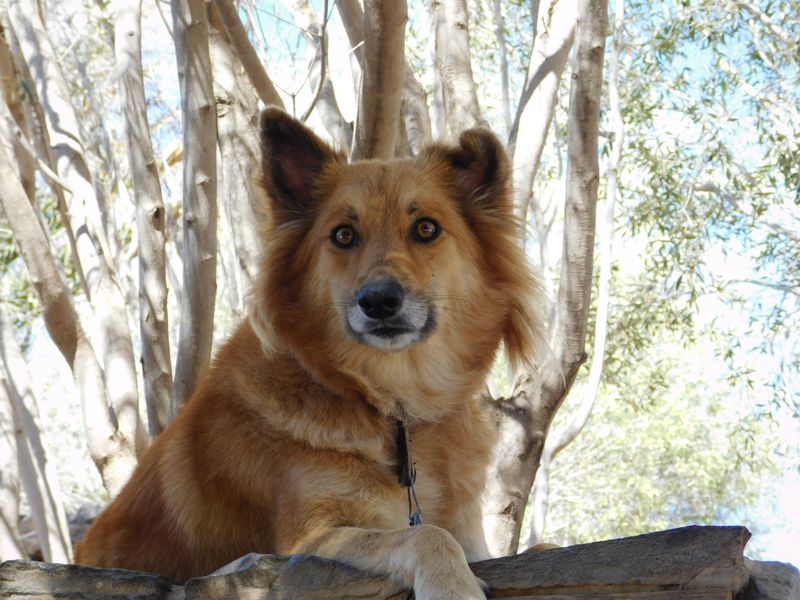
Finnish Spitz are lively, vocal companions with a foxlike look and charming confidence. Their alert nature makes slow introductions important, but once comfortable they play fairly and enjoy parallel adventures. Expect a musical bark, so teach quiet cues and reward calm behavior early.
They appreciate brisk walks, trail time, and sniff breaks, which help reduce overarousal indoors. Positive reinforcement training keeps them engaged without power struggles. Grooming is straightforward, with seasonal shedding and regular brushing to manage fluff.
These dogs pair well with confident, polite canine friends who respect boundaries. Build routines around decompression and shared activities like sniffari walks. With structure and patience, Finnish Spitz integrate nicely and bring spirited joy to a two dog household.
Swedish Vallhund
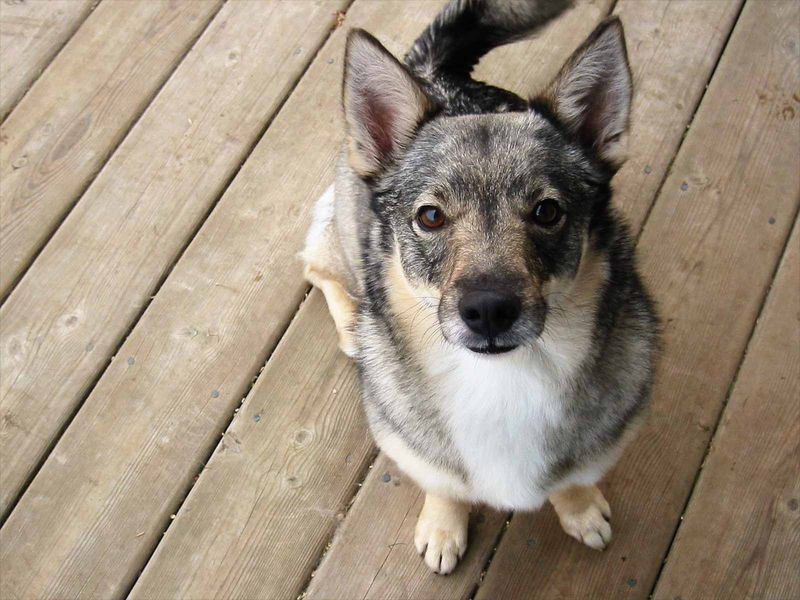
Swedish Vallhunds are bold, bright herders in a compact package, often blending well with dogs who enjoy play and structure. They are confident without being overbearing when guided, making group training sessions productive. Short legs do not slow their zest for games, nose work, and learning tricks together.
They can be vocal, so build quiet cues and reinforce calm door greetings. Mental workouts like shaping and platform training help them settle indoors. Grooming is easy with regular brushing and routine nail care.
Vallhunds appreciate clear rules and predictable schedules. Pair with dogs that enjoy cooperative activities rather than rough brawling. With fair leadership and shared adventures, they slide into the household quickly and become cheerful partners in crime.
Icelandic Sheepdog
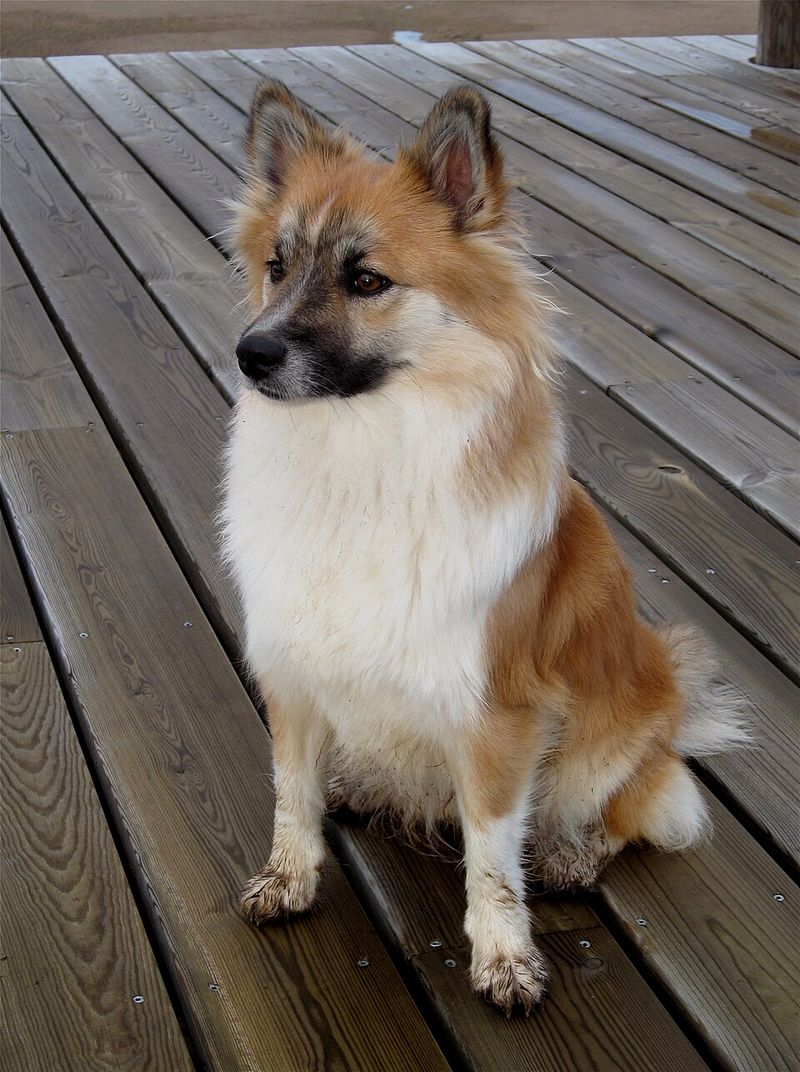
Icelandic Sheepdogs radiate friendliness and bounce, often making fast friends with other social dogs. They are attentive and trainable, so group sessions with the resident dog can reinforce harmony. Expect some vocal excitement, which you can channel into cues for settle, place, and quiet.
Daily exercise mixed with puzzle feeders and scent games keeps minds calm. Their double coat needs brushing, especially during seasonal sheds, but grooming time also builds bonding. They love being part of everything and wilt if isolated.
Introduce through parallel walks, then supervised play with frequent breaks. Reward polite sharing and disengagement. With patience and consistent routines, Icelandics become sunny, cooperative roommates that match energy while respecting boundaries in a multi dog home.
Norwegian Buhund
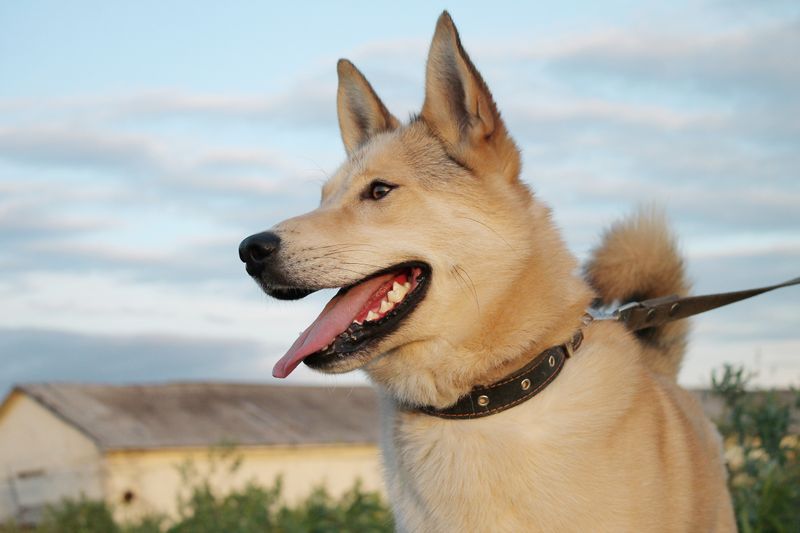
Norwegian Buhunds are spirited, eager learners that thrive on structure and teamwork. Their cheerful confidence helps them integrate quickly, especially with dogs who enjoy training games and outdoor fun. They can be chatty, so reinforce quiet and calm door routines from day one.
Daily exercise, agility style play, and brain games keep energy in check and reduce friction. Buhunds shed seasonally, but grooming is manageable with regular brushing. They bond closely and do best when included in family life.
Plan gradual introductions with parallel walks, toy rotation, and frequent breaks. Reward polite sharing and impulse control. With clear expectations and plenty of enrichment, a Buhund becomes a respectful, upbeat companion who syncs smoothly with your resident dog.
Shetland Sheepdog
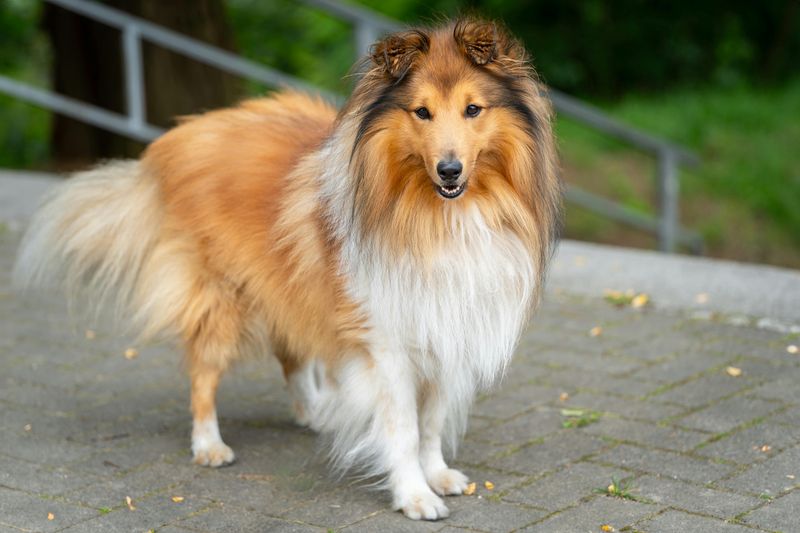
Shetland Sheepdogs bring keen intelligence and a sensitive, cooperative spirit that eases multi dog living. They tend to follow house rules quickly, mirroring the resident dog’s rhythms. Because they can be noise sensitive, slow introductions and predictable routines build confidence fast.
They love training, tricks, and nose work, turning shared learning into bonding. Regular brushing keeps the coat beautiful while also creating calm connection time. Mindful decompression after exciting outings prevents herding nips or anxious pacing indoors.
Use positive reinforcement, clear boundaries, and structured play with breaks. Pair them with friendly, respectful dogs that enjoy teamwork. With patience and gentle guidance, Shelties integrate gracefully, becoming affectionate, attentive partners that make a second dog feel like an easy yes.