Smart does not mean identical. Different breeds pick up skills in wildly different ways, and knowing that can make training feel easier and more humane. If you match your teaching style to your dog’s learning style, progress happens faster and stress drops. Let’s explore ten sharp breeds and how to help each one truly thrive.
Border Collie
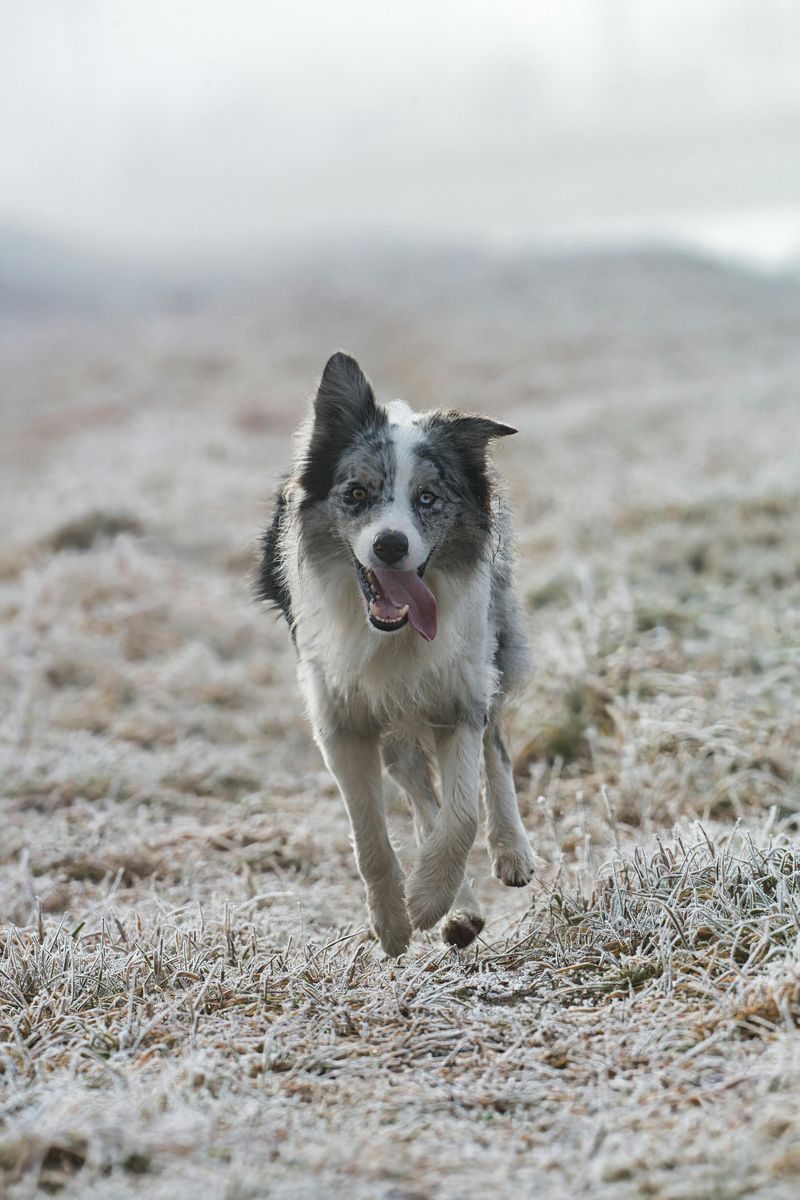
Border Collies learn fast but thrive on clarity and motion. You will see their eyes lock onto tasks, so use brief, purposeful drills with precise cues. Keep sessions varied and channel that intensity into herding games, scent puzzles, or directional fetch.
Because they anticipate, you must reward timing early and often. Break complex behaviors into tiny slices, and let them reset with calm sniffing as a decompression. Without outlets, they invent jobs you might not love.
Teach impulse control through start-line waits and clear release words. Short training bursts beat marathons for this mind. If frustration appears, drop difficulty and add movement. They learn best when the brain and body work together.
Belgian Malinois
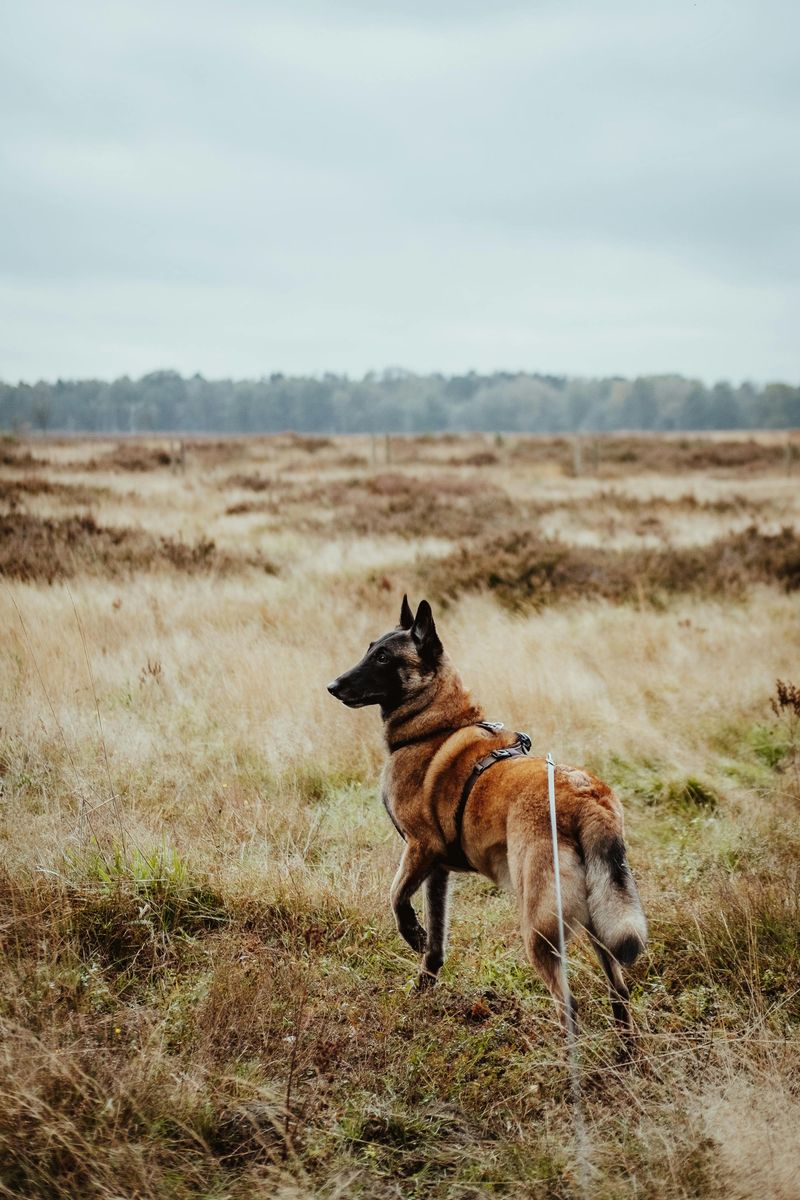
Malinois learn through drive and purpose. You will make the most progress by pairing clear markers with high-value play, like tug or frisbee. Keep arousal in the workable zone by interspersing calm positions between explosive skills.
They excel when jobs feel real. Use scent work, bite-sport foundations, or structured obedience that includes strategic rests. If you rush steps, they might power through errors, so slow down and reinforce accuracy before speed.
Teach off switches early with stationing and predictable routines. Rotate tasks to prevent edgy overarousal. Consistency matters more than marathon sessions. With fair boundaries and focused outlets, a Malinois becomes a precise partner who channels intensity into brilliance.
Australian Cattle Dog
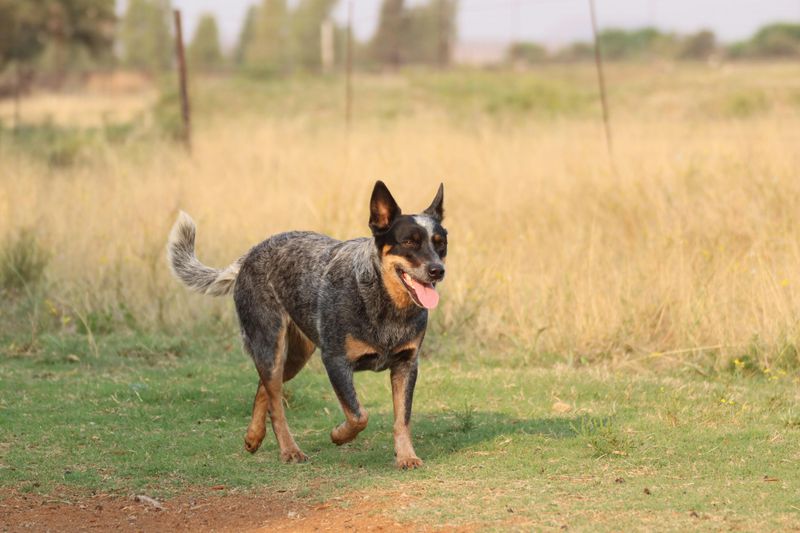
Cattle Dogs are problem solvers who like jobs with visible payoffs. You will get buy-in through practical tasks like boundary games, moving targets, and controlled herding simulations. Reinforce steadiness as much as speed.
Because they can be headstrong, make rules consistent and rewards meaningful. Use food for precision and toy play for grit. Break patterns occasionally so they do not predict and shortcut steps.
Teach body awareness on balance props and directional cues for real-world work. Short, purposeful drills prevent overarousal. If pushback appears, clarify criteria rather than escalating pressure. When effort reliably leads to outcomes, this breed leans in, learns quickly, and sticks with you.
Standard Poodle
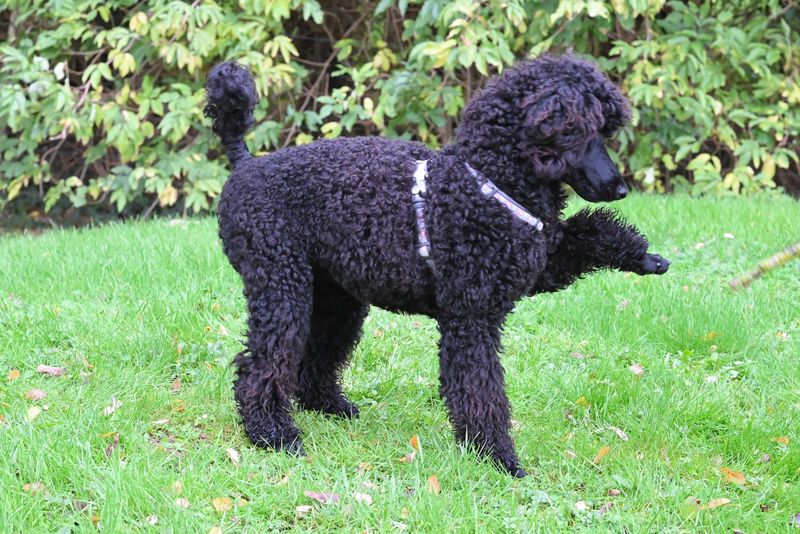
Standard Poodles are sharp, sensitive, and socially tuned. You will see them read body language instantly, so keep signals tidy and tone warm. They blossom with concept games that build memory, discrimination, and focus.
Use shaping to let them offer ideas and grow confidence. Rotate nosework, obedience, and trick chains to prevent boredom. If emotions wobble, simplify and celebrate small wins to restore momentum.
Teach duration through calm stationing and include gentle novelty to fortify resilience. They excel when thinking feels playful, not pressured. Balanced enrichment, clear markers, and predictable routines turn this thinker into a joyful, stylish teammate who learns elegantly and remembers for life.
Papillon
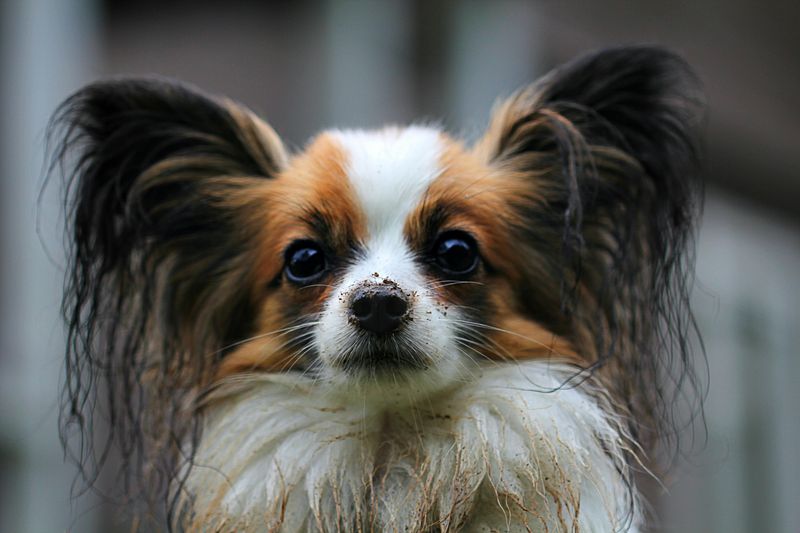
Papillons learn quickly when cues stay crisp and fun. You will get big results from tiny sessions that end on success. Use light, fast rewards and upbeat markers to keep enthusiasm high without overfilling little stomachs.
They thrive on precision games like agility foundations, platform targeting, and trick chaining. Because they can be sensitive, warm feedback matters. Avoid drilling past freshness and sprinkle generous breaks.
Teach confidence with low-impact obstacles and gradual novelty. Social play and gentle handling help them generalize skills to busy places. With structure, patience, and cheerful pacing, this pocket rocket becomes a polished performer who loves to show off and learn more.
Shetland Sheepdog
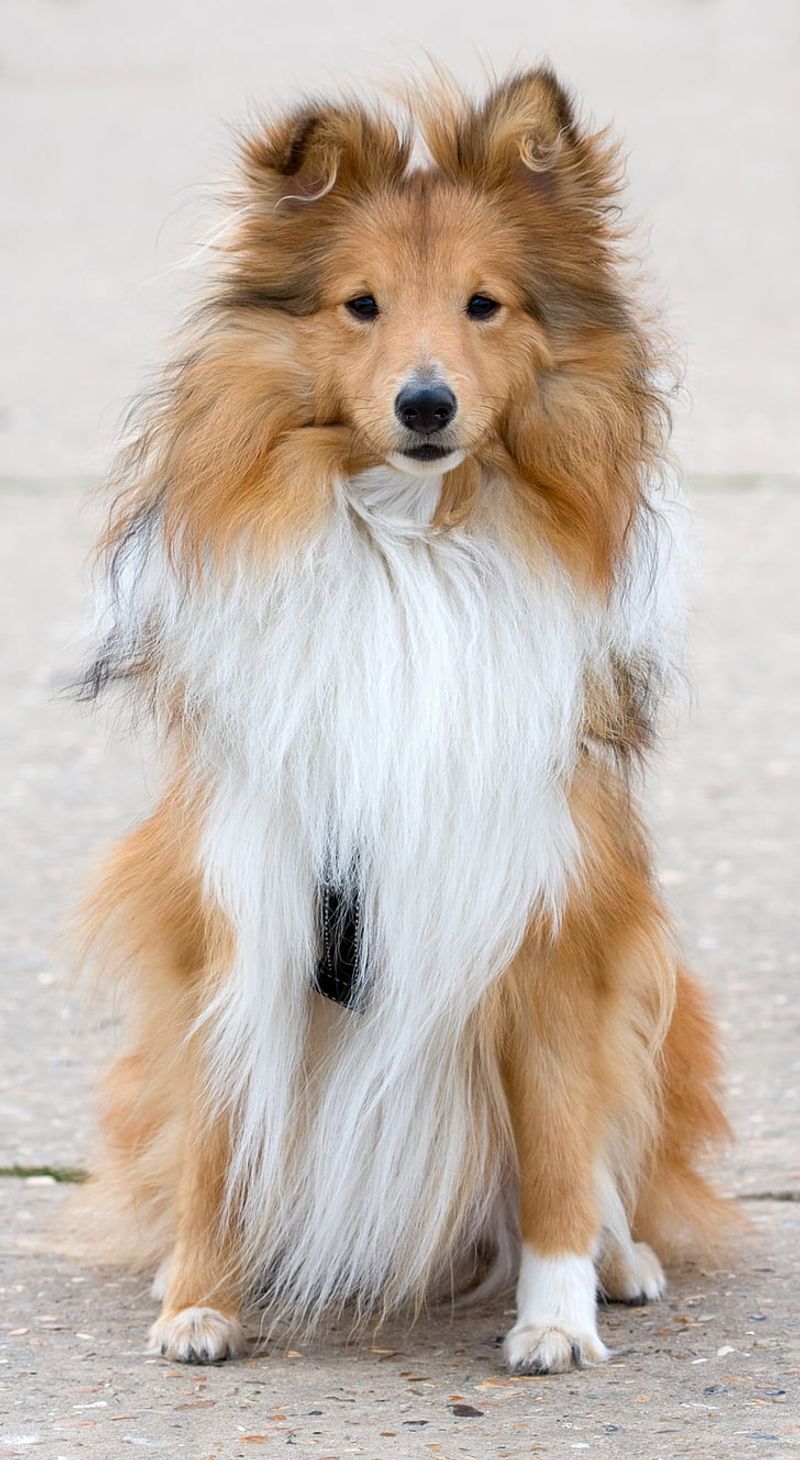
Shetland Sheepdogs are careful thinkers who appreciate predictability. You will see best results with structured plans, gentle reinforcement, and gradual difficulty. They notice subtle changes, so keep criteria consistent and communication clear.
Use rally patterns, distance targeting, and motion cues to channel their herding heritage. Short warmups help build confidence before harder tasks. If they worry, split steps smaller and reward brave attempts.
Teach resilience with controlled novelty and decompression walks. Reinforce calm check-ins and polite attention. They learn wonderfully when success feels safe and frequent. With reliable routines and kind coaching, a Sheltie becomes an attentive, diligent learner eager to collaborate.
German Shepherd
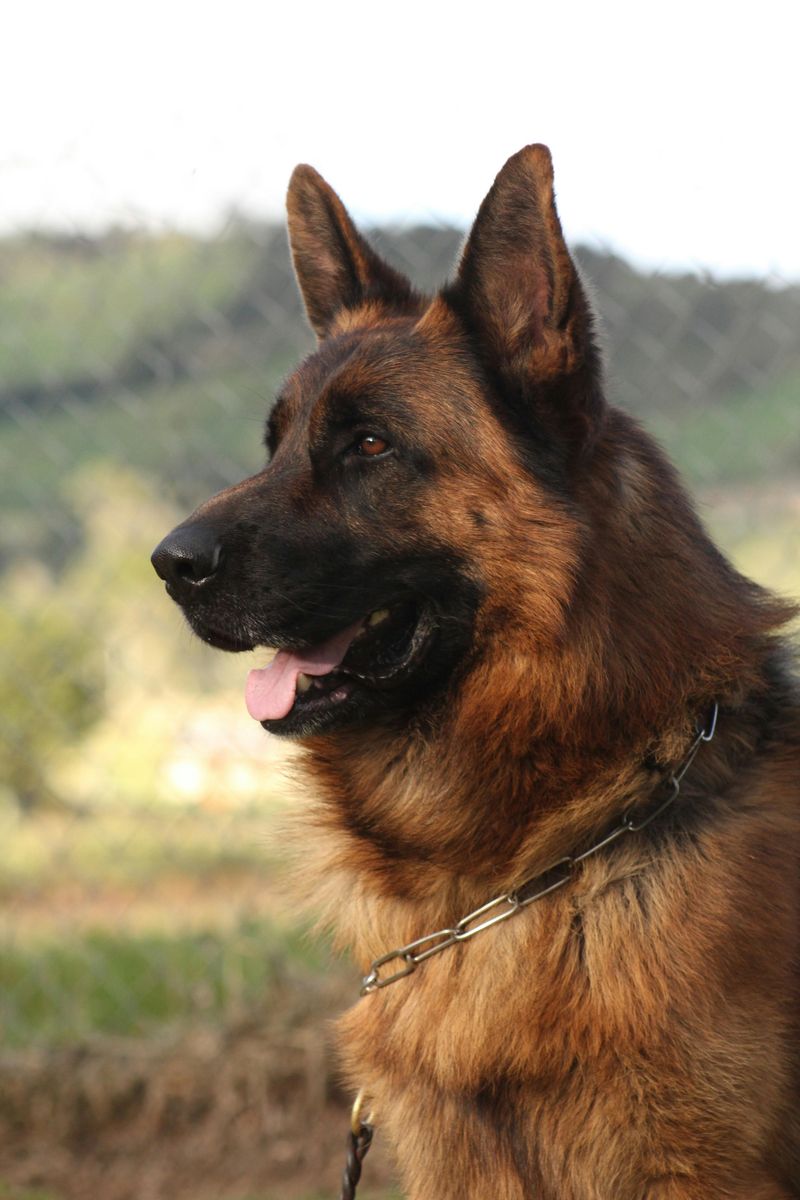
German Shepherds learn best with clear jobs and thoughtful pressure-release strategies. You will combine food, toys, and markers to reinforce accuracy, not just intensity. Teach position changes, heel work, and object carries with systematic criteria.
Because they generalize quickly, vary environments early while keeping tasks simple. Balance power with impulse control through place training and clean release cues. If frustration shows, reduce conflict and shape calmer choices.
Add scent work and tracking to satisfy their investigative brains. Predictable routines and ethical boundaries build trust. When communication stays consistent and fair, a Shepherd becomes a steady, versatile partner who takes pride in learning.
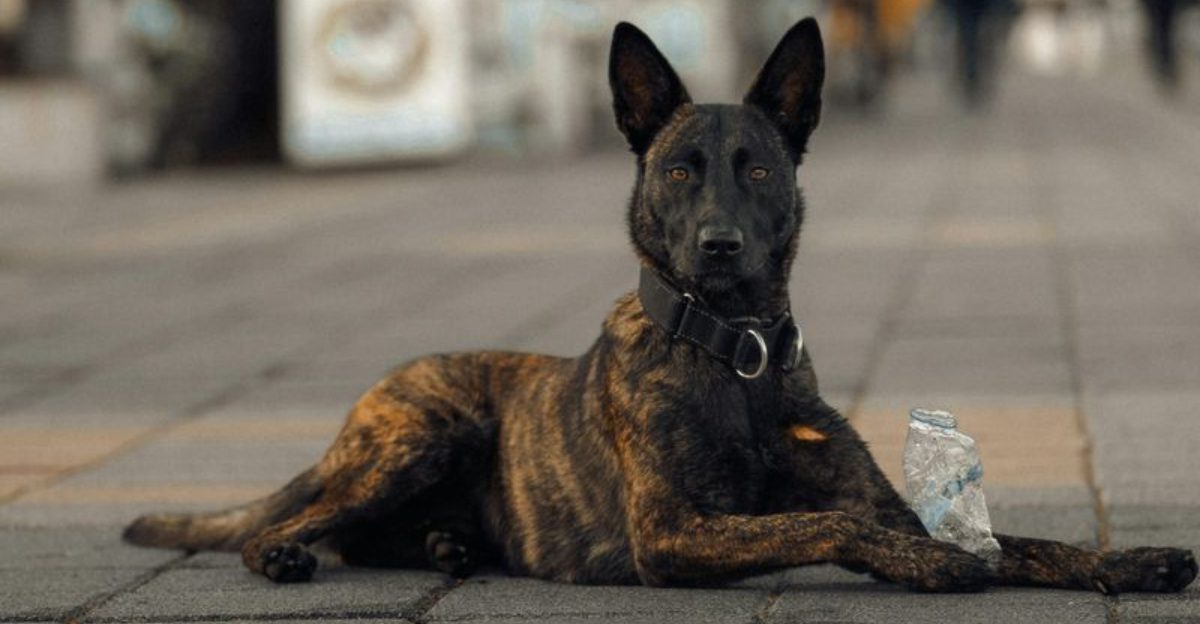
Dutch Shepherd
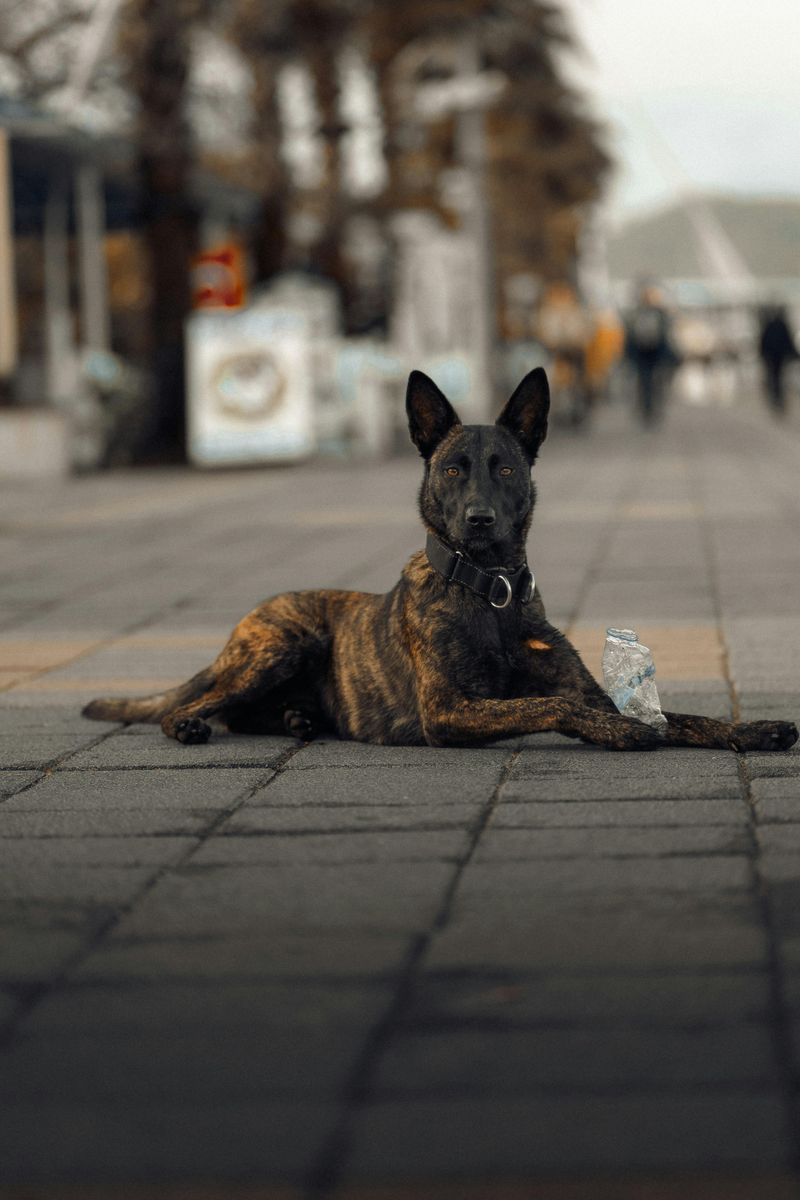
Dutch Shepherds are intense, creative problem solvers. You will make progress by pairing high-drive games with crisp criteria and frequent decompression. Keep sessions short, mixing stationary focus with explosive movement.
Introduce shaping so they think before leaping. Use tug strategically, inserting calm positions to regulate arousal. If they start freelancing, clarify the picture and pay heavily for correct first reps.
Teach environmental confidence through surface changes, mild noise, and novel props. Routine does not mean boring, so rotate skills while keeping rules stable. With fair structure and purposeful outlets, a Dutch Shepherd channels bold energy into disciplined learning that lasts.
Beauceron
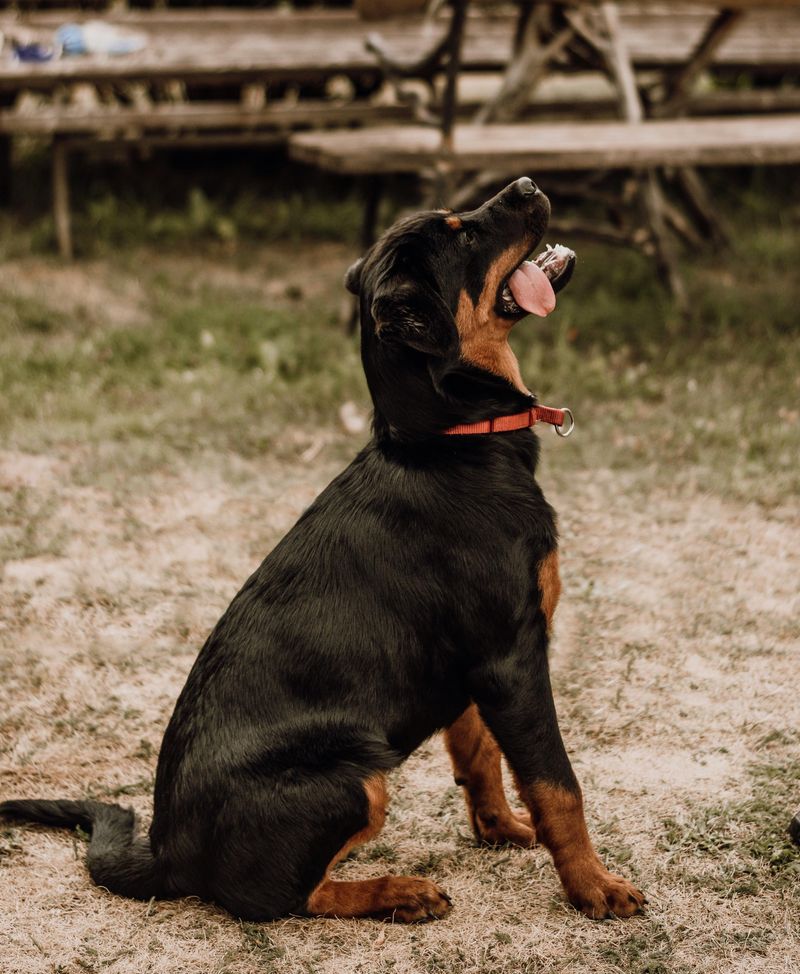
Beaucerons are thoughtful workers who value steadiness over flash. You will succeed by reinforcing calm, deliberate choices and building duration early. Use food for precision and measured play to keep confidence strong.
Break big behaviors into dependable routines and reward relaxed posture. They can test boundaries if criteria drift, so keep expectations consistent. Rotate tracking, scent discrimination, and structured hikes to satisfy their practical mindset.
Teach polite neutrality around distractions and give clear release words. Decompression walks help maintain balance. When training feels fair, predictable, and purposeful, this breed becomes a loyal, methodical learner who truly shows up for the work.
Miniature American Shepherd
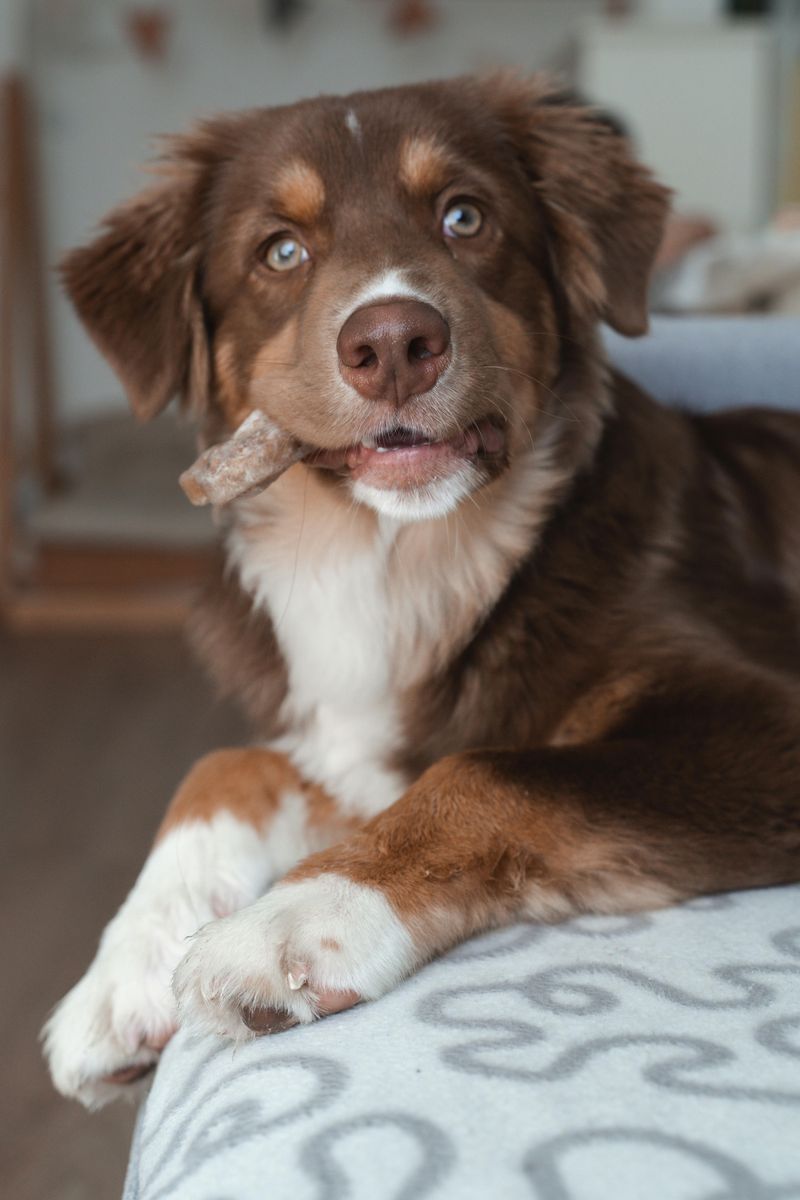
Miniature American Shepherds are nimble thinkers who love clear games. You will get reliable results with platform work, hand targets, and simple chains that grow gradually. Keep sessions brisk and upbeat to match their enthusiasm.
They can overguess, so slow the rhythm and mark only the exact moment. Sprinkle easy wins between challenges to protect confidence. Socialization with gentle novelty prevents reactivity from brewing.
Teach start-line waits, directionals, and impulse control through patterned play. Rotate enrichment like nosework, puzzle feeders, and short hikes. With consistent structure and fun problem solving, this compact herder learns quickly and happily repeats success.