
Getting your first dog feels magical until real life sets in. The right breed can make the journey joyful while the wrong fit can leave you overwhelmed and second guessing everything. You deserve honest, friendly guidance that helps you pick a dog matching your time, space, and lifestyle. Let’s walk through popular breeds people often skip and why that might actually be a smart move for first timers.
Standard Poodle
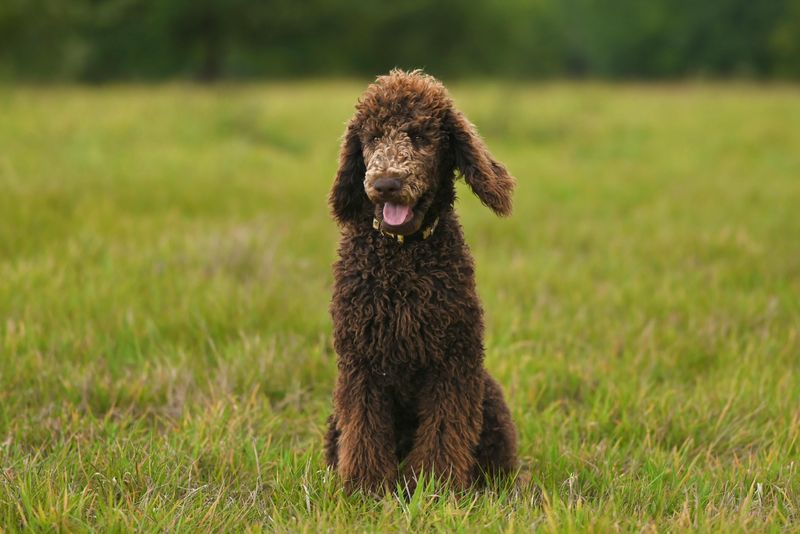
Standard Poodles are brilliant and athletic, which is both thrilling and demanding. Intelligence means they learn fast, but also notice every inconsistency. If you do not provide mental challenges, they will invent their own, often inconvenient ones.
Grooming is a real commitment even with simple clips. Expect regular professional visits or learn to trim at home, along with brushing to prevent mats. Their athleticism requires structured exercise and brain work every day.
They read your emotions and respond, so clear communication matters. Agility, scent games, and obedience keep them happy and polite. Without that structure, a Poodle can feel like managing a whip smart toddler who is bored and mobile.
Golden Retriever
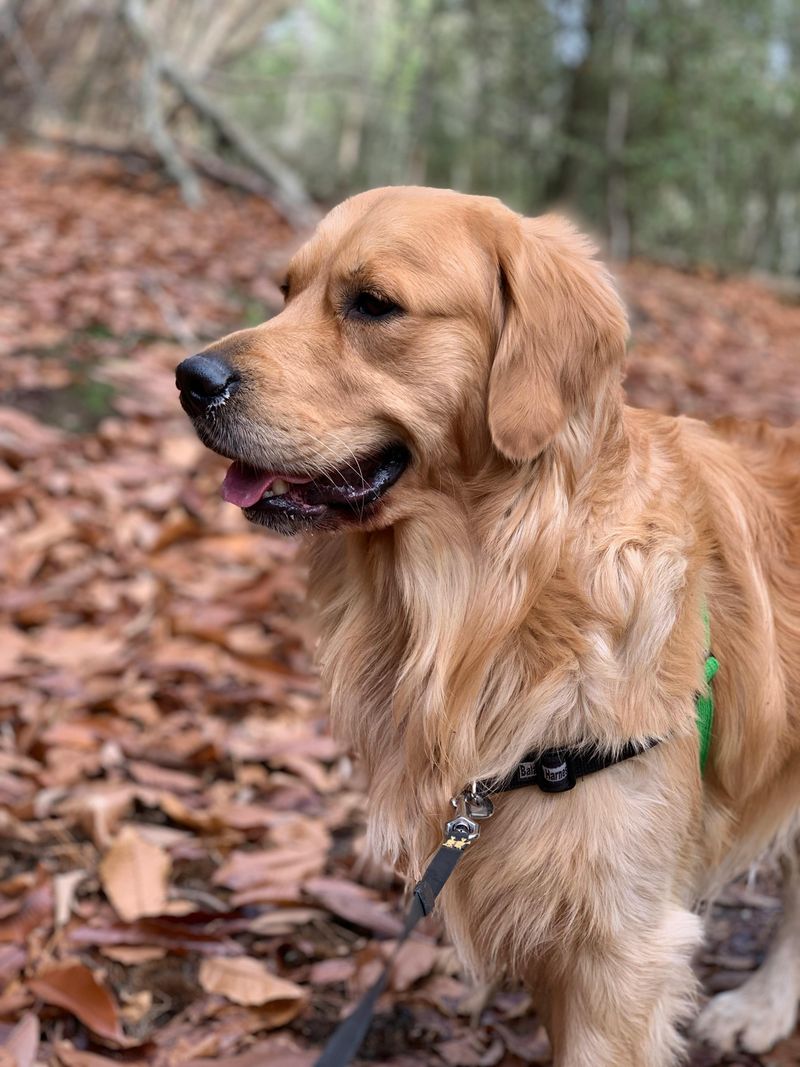
Goldens are famous for being sweet, patient, and photogenic, but they are maintenance heavy. That luxurious coat sheds relentlessly and mats if you slack on grooming. They also crave near constant companionship, which can surprise busy first time owners.
Training is rewarding because they are sensitive and responsive, yet that sensitivity can turn into anxiety without guidance. You will need to manage excitement, mouthing, and adolescence with calm repetition. Exercise should be daily and meaningful, not just a quick loop.
Expect big vet bills if genetics are ignored, so choose reputable breeders or rescues. Hip, elbow, and cancer risks are real. If you cannot commit to grooming, training, and quality time, a Golden may become overwhelming fast.
Rough Collie
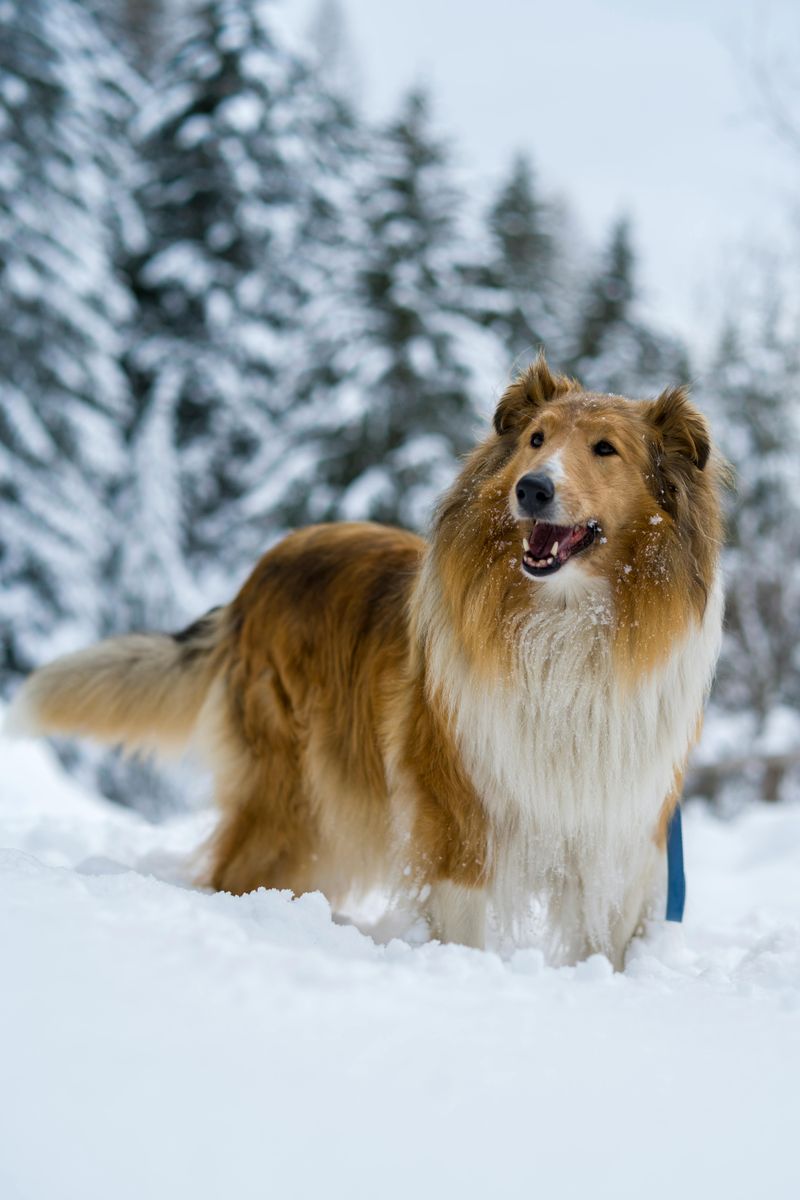
Rough Collies look gentle and storybook perfect, yet they are sensitive herding dogs with specific needs. That glorious coat demands persistent brushing and a tolerance for seasonal blowouts. Noise sensitivity and motion chasing can surprise new owners in busy neighborhoods.
They thrive with calm structure, fair training, and steady routines. Overly harsh methods backfire quickly because these dogs remember. Exercise should include controlled herding outlets or focused games, not just free running.
Expect watchful behavior and vocal alerts at unfamiliar sounds. Socialization is crucial so caution does not become reactivity. If you love grooming, quiet leadership, and predictable schedules, a Rough Collie can be wonderful, but impulse buyers often struggle.
Cavalier King Charles Spaniel
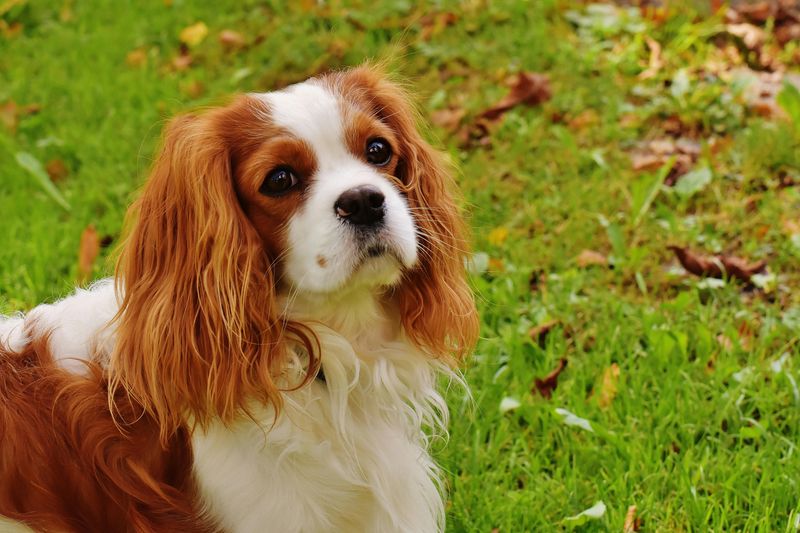
Cavaliers are affectionate lapdogs who bond intensely, which sounds dreamy until separation anxiety kicks in. They want to be near you almost all the time, making long workdays tough. Grooming and ear care are ongoing, and weight gain creeps up fast without vigilance.
Health screening is non negotiable due to heart disease concerns. Choose ethical sources that perform cardiac and MRI checks when possible. Training is gentle and consistent because these pups wilt under pressure.
Daily walks and play are necessary despite their cuddly vibe. They are small, not low maintenance. If your lifestyle includes frequent travel or long absences, a Cavalier might break your heart and your schedule.
Boxer
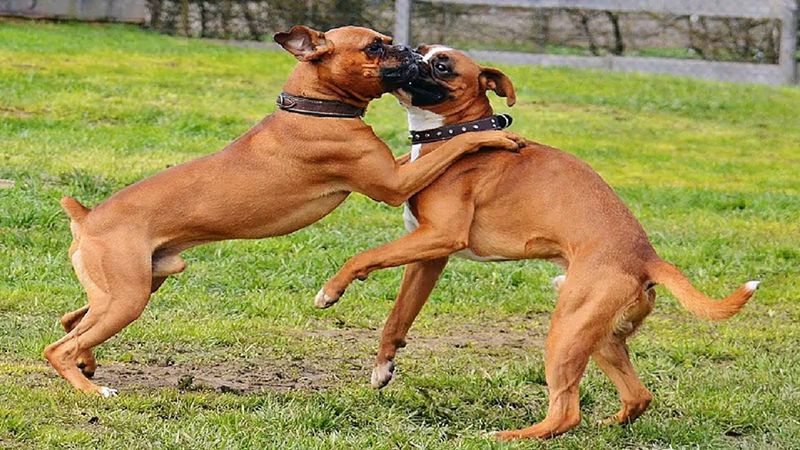
Boxers are clowns with rocket fuel engines. They box, bounce, and barrel into life with infectious joy, but that power needs outlets. Without structured exercise, you get jumping, destruction, and frustrated zoomies that rattle apartments.
Training is non negotiable because adolescence lasts and impulse control is not innate. Expect drool, snorts, and some stubborn streaks that require humor. Health wise, heart and cancer concerns mean careful breeder selection and insurance.
Daily cardio, flirt pole sessions, and obedience games keep them centered. They love people but can be too much for small kids if untrained. First timers often regret the chaos when time, space, and patience are limited.
English Springer Spaniel
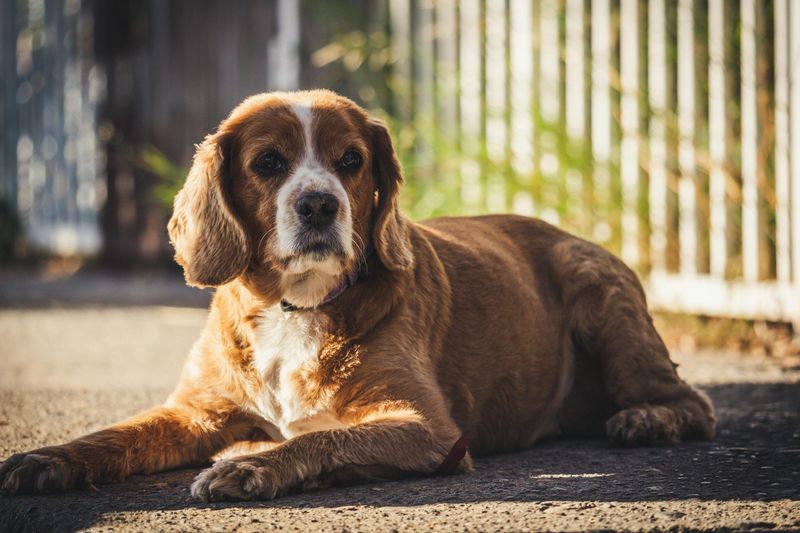
Springers are cheerful, birdy athletes with a work ethic that outpaces many first time owners. That means relentless energy, sniffy enthusiasm, and a coat that collects burrs. If you skip exercise and training, they will create jobs like counter scouting and fence patrolling.
Grooming involves regular trims, ear care, and detangling after field play. Their brains need problem solving, not just fetch. Channel instincts with recall work, scent games, and structured retrieves.
They adore family time but can become velcro and vocal without boundaries. Early socialization helps prevent resource guarding or nervousness. A Springer feels magical when needs are met, but beginners often underestimate the lifestyle shift required.
Labrador Retriever
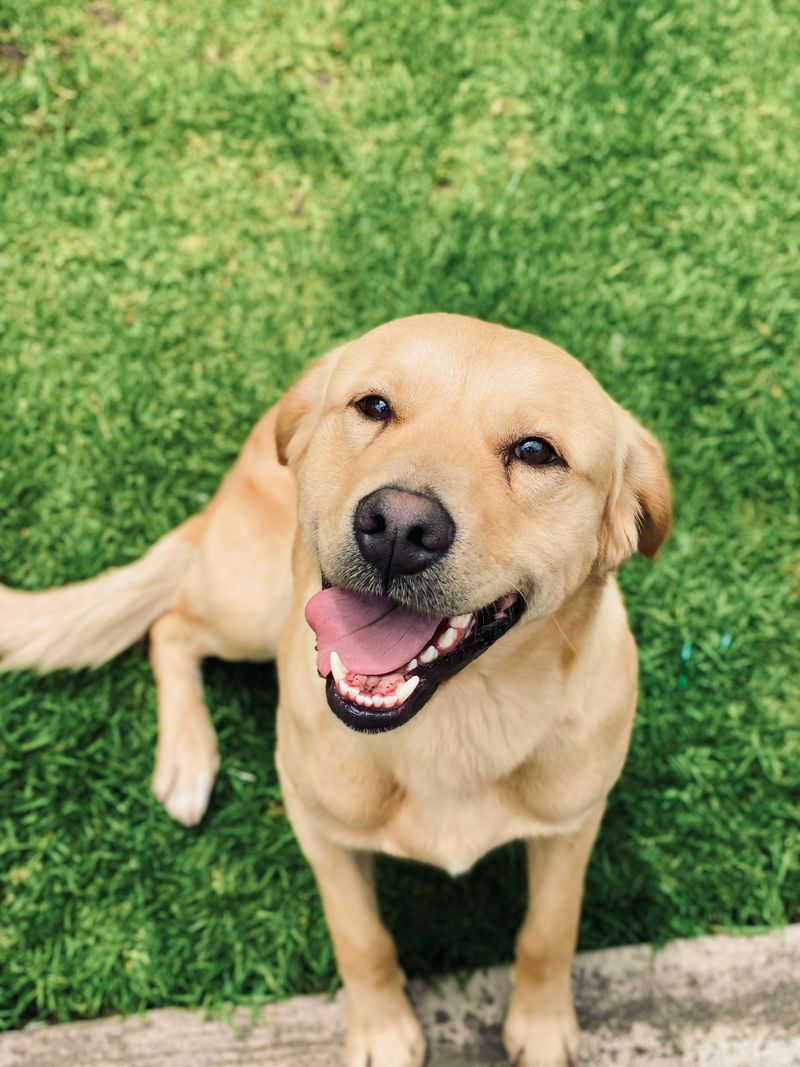
Labs are lovable and eager to please, but their energy is no joke. Daily exercise needs are high, and without it you get chewed shoes, zoomies, and counter surfing. Beginners can feel blindsided by the nonstop enthusiasm and shedding that never seems to end.
Training is essential and consistent, with boundaries from day one. Labs mature slowly, so that puppy energy can last longer than expected, testing patience. If you can commit to long walks, mental games, and structure, life gets easier.
They are social butterflies who despise boredom, so plan adventures often. Think hiking, retrieving games, and puzzle toys. Skip a Lab if your schedule is packed and your tolerance for fur tumbleweeds is low.
Brittany
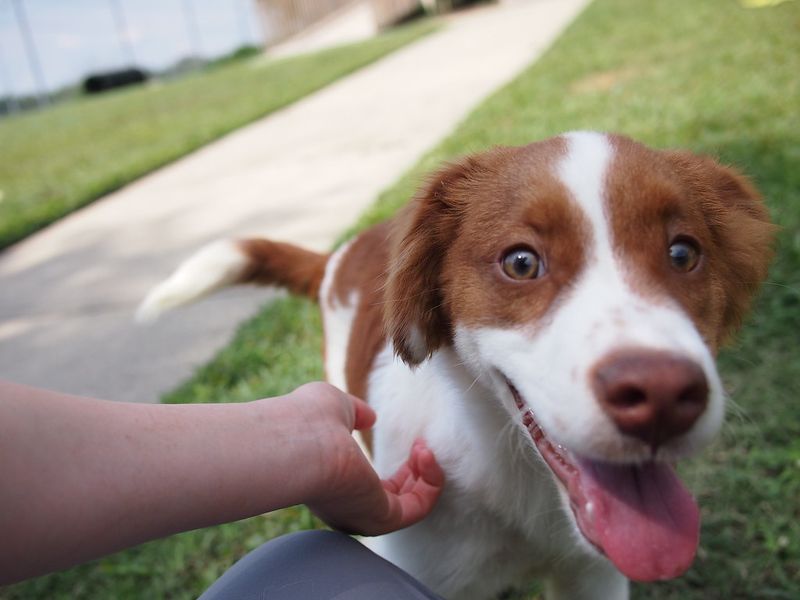
The Brittany is a compact field powerhouse that rarely sits still. Expect obsessive sniffing, sprinting, and a radar for birds on every walk. Apartment life works only with serious enrichment and a training plan you actually follow.
They bond closely and read your mood, yet independence appears outdoors when scent takes over. Reliable recall is a project, not a weekend fix. Grooming is lighter than some spaniels, but burrs and foxtails still demand attention.
They thrive with running, canicross, or agility, plus daily nosework puzzles. If you love active weekends, they will be your happiest teammate. First timers who prefer chill evenings usually tap out fast.
Havanese
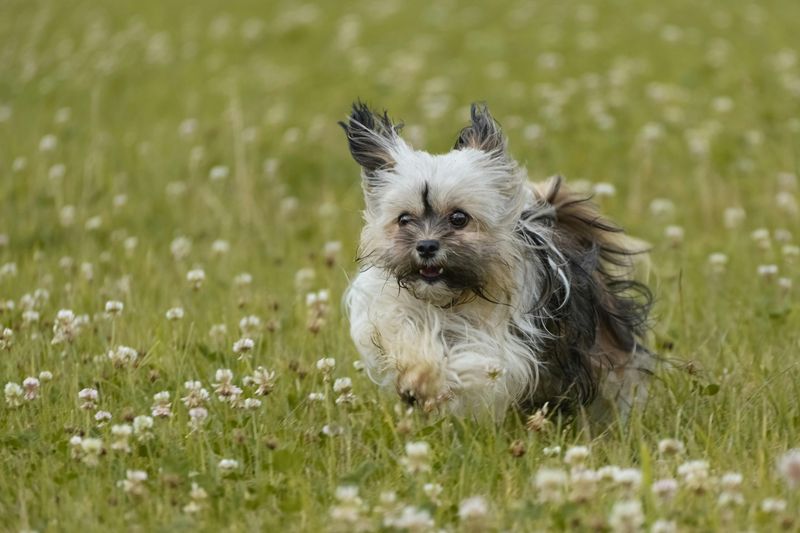
Havanese are delightful companions with sunny attitudes, but they are not low effort fluff balls. That silky coat tangles quickly and needs routine brushing and professional grooming. They thrive on closeness, so long days alone can spark barking or mischief.
Training is fun because they are clever, yet they can become picky eaters and pampered negotiators. House training sometimes takes longer, so patience helps. Moderate exercise and upbeat games keep behavior in check.
Socialization is important to avoid clinginess and startle reactions. Think puppy classes, gentle exposure, and calm visitors. If you want a portable pal and are willing to groom and guide consistently, a Havanese fits beautifully.
Bichon Frise
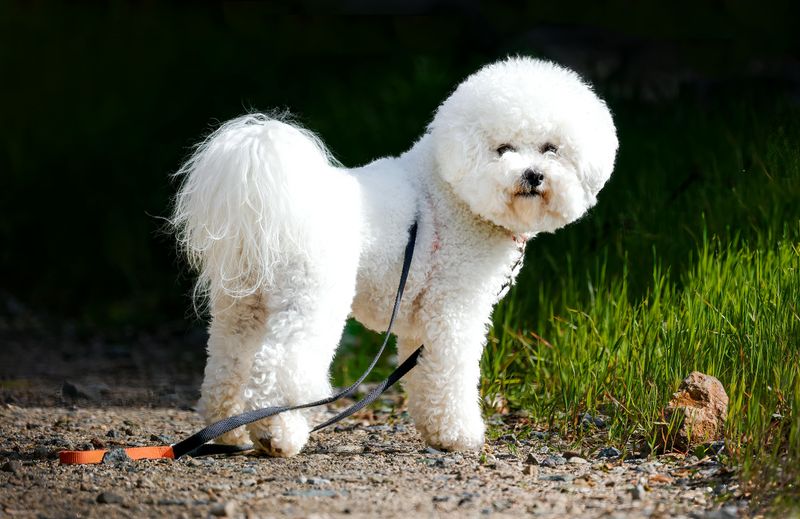
Bichons look like plush toys but require serious coat care to prevent matting. Regular brushing plus professional grooming is the baseline, not the bonus. They are social entertainers who dislike solitude and may bark if ignored.
Training should be upbeat and consistent, with extra patience for house training. Allergies are less triggered for some people, but hypoallergenic is never guaranteed. Energy is moderate, yet mental engagement matters to prevent nuisance habits.
They shine in apartments when schedules allow companionship and routines. Think short walks, trick training, and play dates. If you want cute without grooming or time commitments, the Bichon will quickly challenge expectations and your calendar.