Ever called a dog stubborn, only to realize it just had its own plan? Some breeds are wired to think for themselves, and that can look like defiance if you expect instant obedience.
Once you see their independence as intelligence, training feels more like a conversation than a command. Let’s explore ten brilliant free thinkers and how to work with their minds, not against them.
Shiba Inu
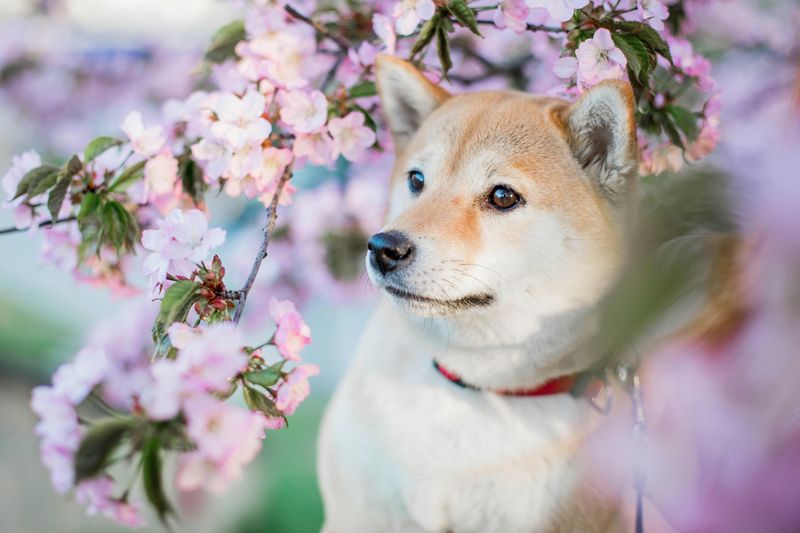
Shiba Inus read the room before they decide you are worth listening to. They are observant, catlike, and surprisingly sensitive to tone, which means praise matters more than pressure.
When you keep sessions short and upbeat, their curiosity clicks, and progress arrives fast.
Give them choices and they will meet you halfway. Use games that reward initiative, like scent work or problem solving puzzles.
If you label them stubborn, you will miss how quickly they connect cause and effect.
Build trust through predictable routines and respectful handling. Teach a reliable recall with high value rewards and generous practice in low distraction spaces.
You will get compliance not through force, but because following you feels smart.
Basenji
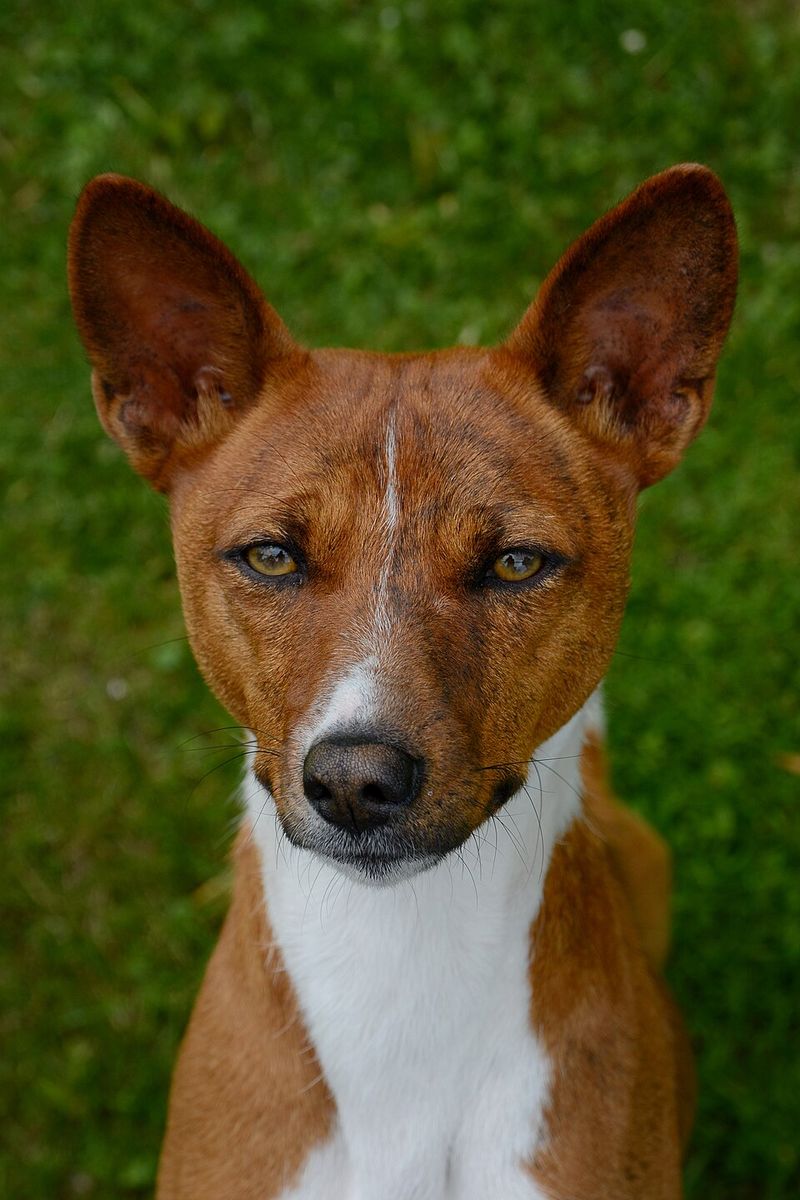
Basenjis think in straight lines and dislike repetitive drills. If a cue seems pointless, they pivot to something more interesting.
Lean into their hunting heritage with scent games and brisk, varied routes that let them scan, listen, and decide.
Silence is not disobedience. They often pause to problem solve, so give them a beat to choose the correct action.
High value treats plus a novel challenge will outcompete stubbornness every time.
Focus on impulse control through fun, like flirt pole sessions with clear start and stop rules. Reinforce calmly when they check in with you unprompted.
Do that consistently, and your Basenji will choose teamwork because it pays and respects their brain.
Chow Chow
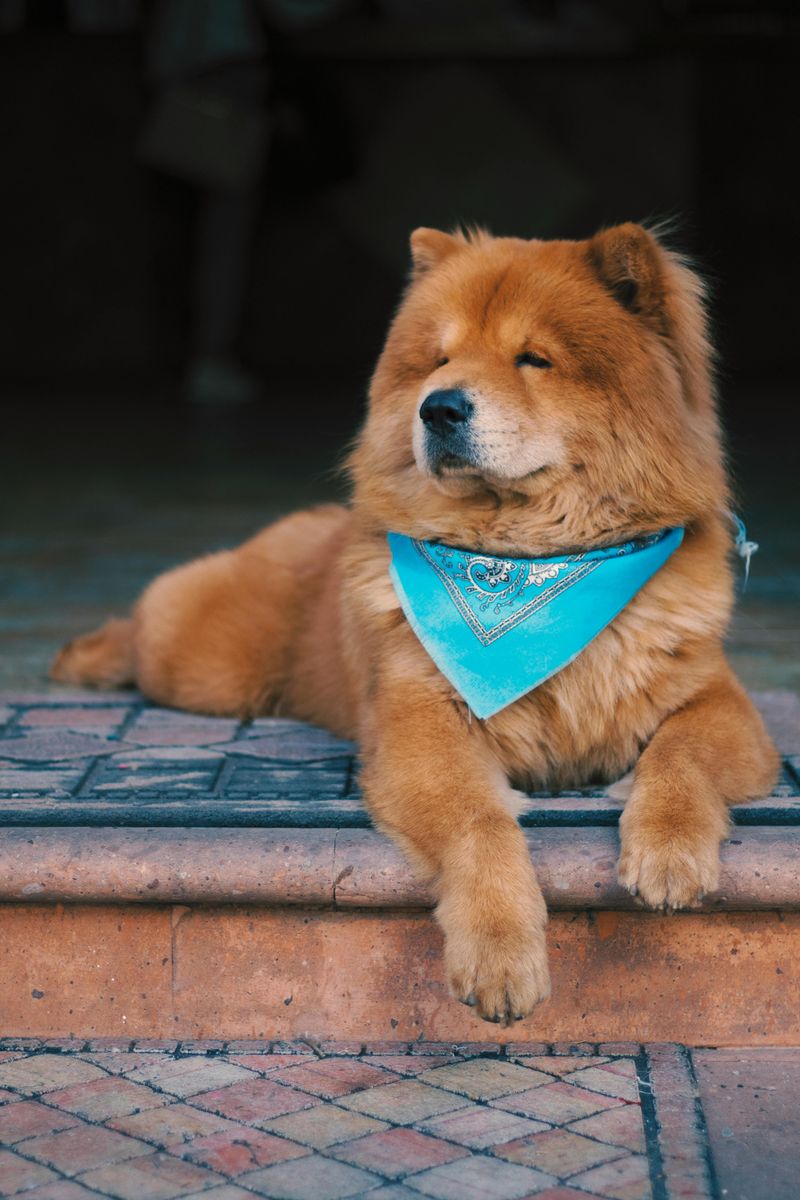
Chow Chows are dignified decision makers. They bond deeply yet guard their autonomy, so heavy handed methods backfire fast.
Set clear boundaries, then invite cooperation with calm routines and generous reinforcement.
They respond to respect before affection. Keep cues low key, use a neutral voice, and reward compliance with both treats and space.
Slow introductions, thoughtful socialization, and predictable handling build trust over time.
Mental work beats endless fetch. Try pattern games, platform training, and polite leash drills with frequent breaks.
When you treat a Chow like a partner, they perform with quiet reliability. Call them stubborn and you will miss their steady, thoughtful loyalty.
Akita
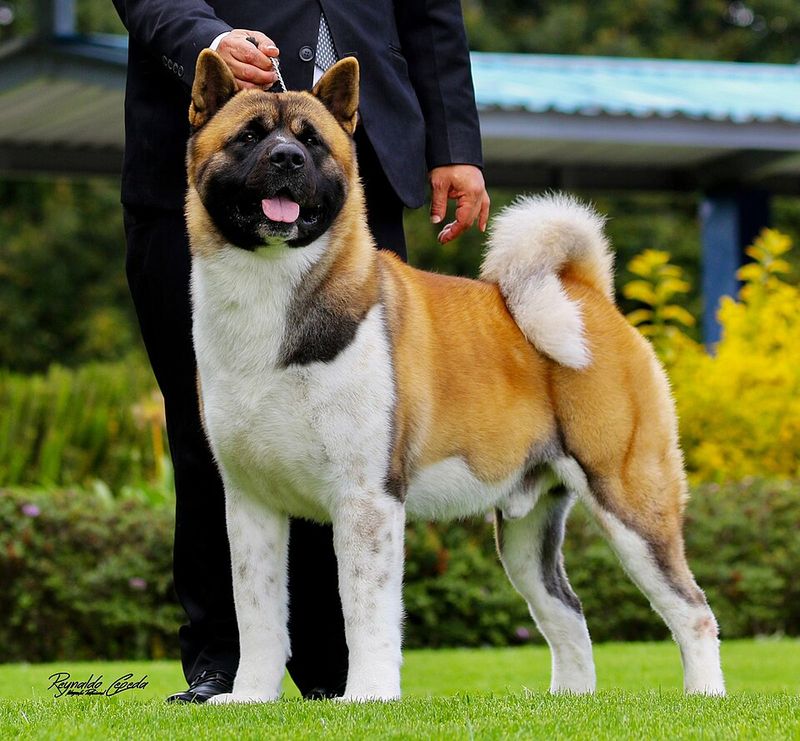
Akitas are strategic and self possessed, bred to make serious choices without constant direction. They thrive on structure, clarity, and consistent leadership that never slips into force.
Keep sessions purposeful and brief, and they will meet you with impressive focus.
Socialization is non negotiable. Introduce new people, dogs, and places at a respectful distance with steady reinforcement for calm behavior.
Clear rules around greeting, thresholds, and recall keep everyone safe.
They love jobs. Try nosework, tracking, or purposeful obedience circuits that feel like missions.
Pay well for correct decisions and maintain your cool. With that formula, an Akita follows because it trusts your judgment, not because you overrule theirs.
Afghan Hound
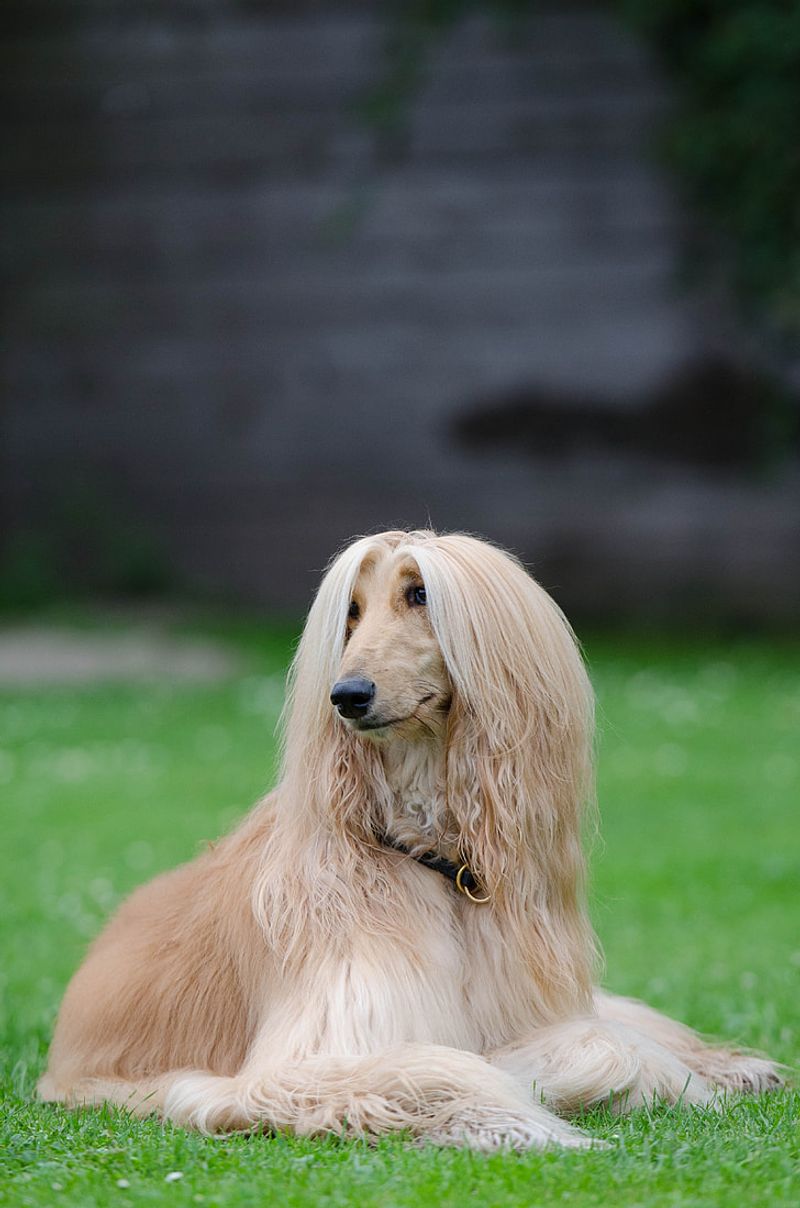
Afghan Hounds are poetry in motion and philosophy at rest. Their independence comes from centuries of coursing game over vast terrain.
Slow, punitive drills feel meaningless, but fluid training that mirrors movement captures their interest.
Use long lines in open spaces and reinforce check ins with top tier rewards. Keep cues crisp and let them express speed safely.
Grooming time can double as bonding if you go patiently and reward calm cooperation.
Mental enrichment matters as much as sprinting. Mix recall games with chase alternatives and obstacle weaving.
Treat them like artists, not soldiers, and you will see attentive elegance rather than aloof refusal.
Saluki
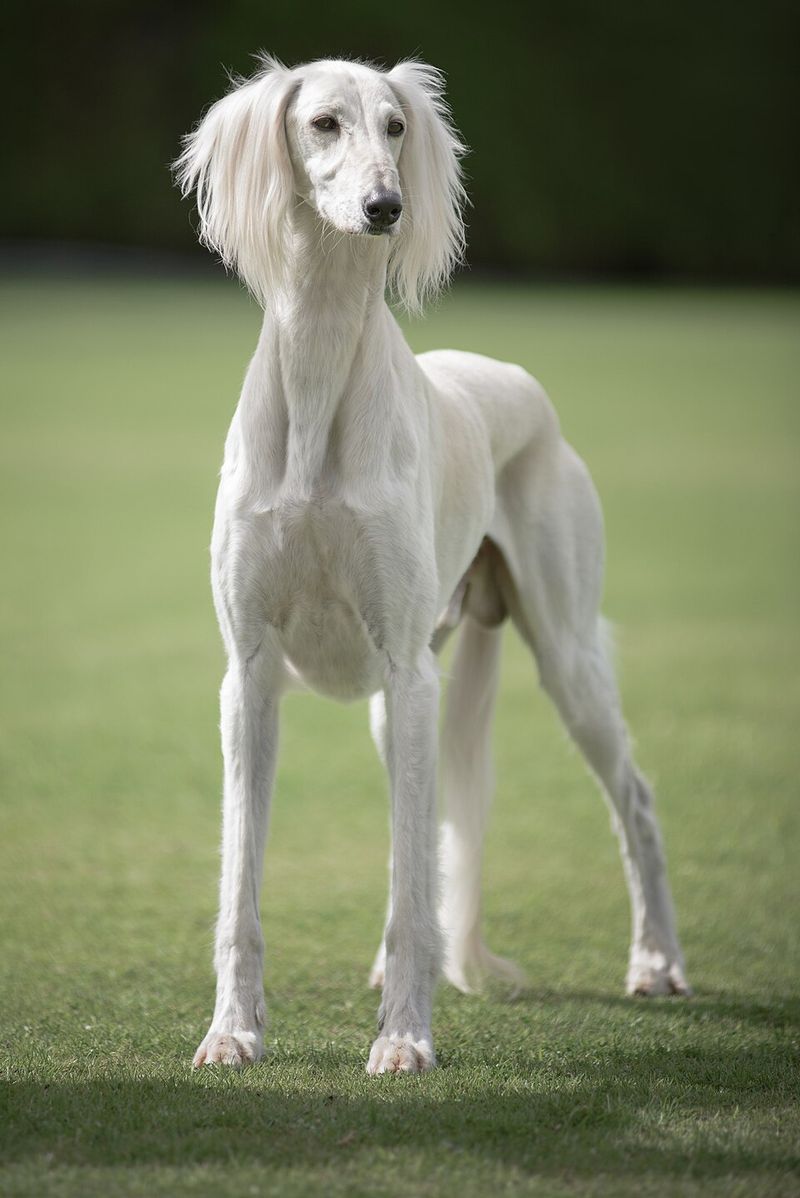
Salukis carry ancient desert wisdom. They track motion and evaluate risk before committing, which looks like hesitation to the untrained eye.
Give them time and a clear reason to say yes, and they move with breathtaking precision.
Long line freedom is essential. Practice recall against mild distractions and reward with food and controlled sprint games.
Fair boundaries plus respectful handling turn their selective hearing into attentive partnership.
They prefer calm over chaos. Keep training quiet, predictable, and brief, then let them rest someplace comfy.
When you honor their thoughtful nature, your Saluki will surprise you with consistent, graceful cooperation.
Borzoi
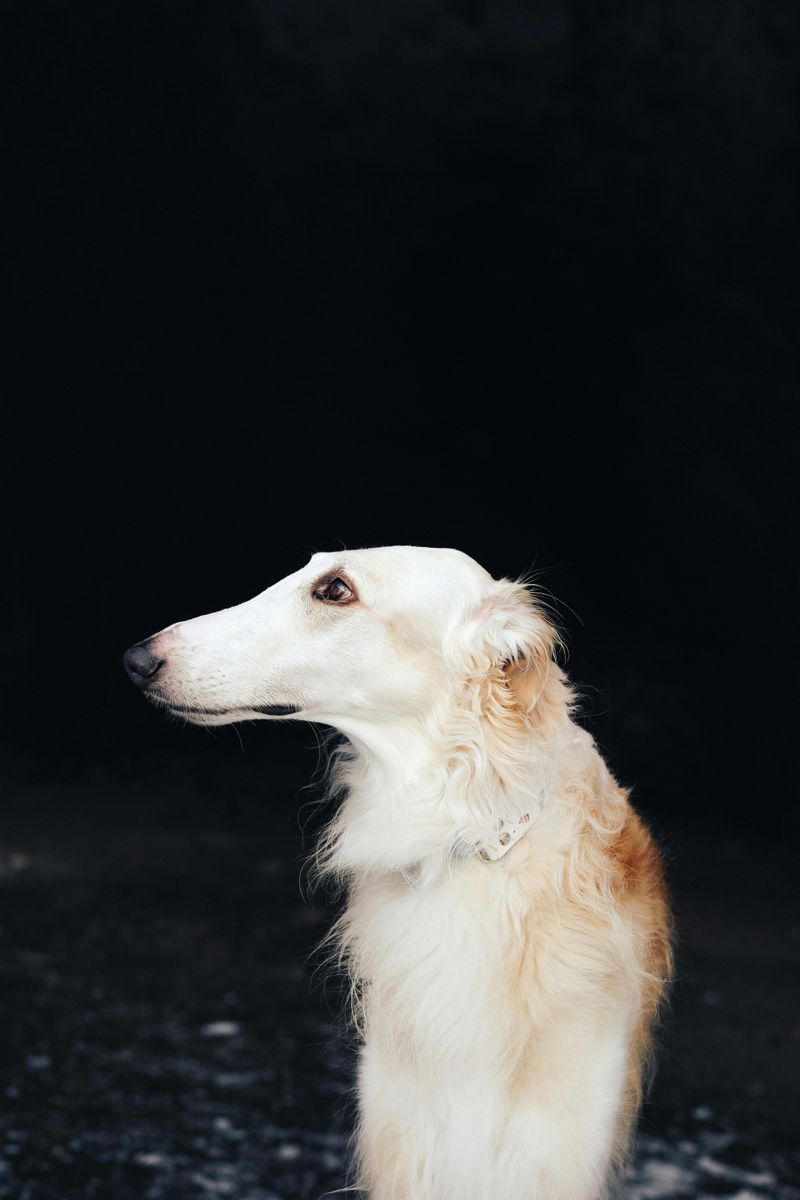
Borzoi are thinkers with a romantic streak. They scan, calculate, and then commit, especially when movement triggers instinct.
Traditional heel heavy sessions bore them, but precision games with choice points keep their attention.
Start indoors with treat targeting and platform work to build foundation skills. Fade food gradually and reward with short sprint releases when safe.
They shine when reinforcement matches their sighthound heart.
Gentle consistency is your superpower. Quiet handling, predictable cues, and generous decompression time bring out their best.
Call them stubborn and you will miss a highly trainable dog that values fairness and meaningful work.
Shar Pei
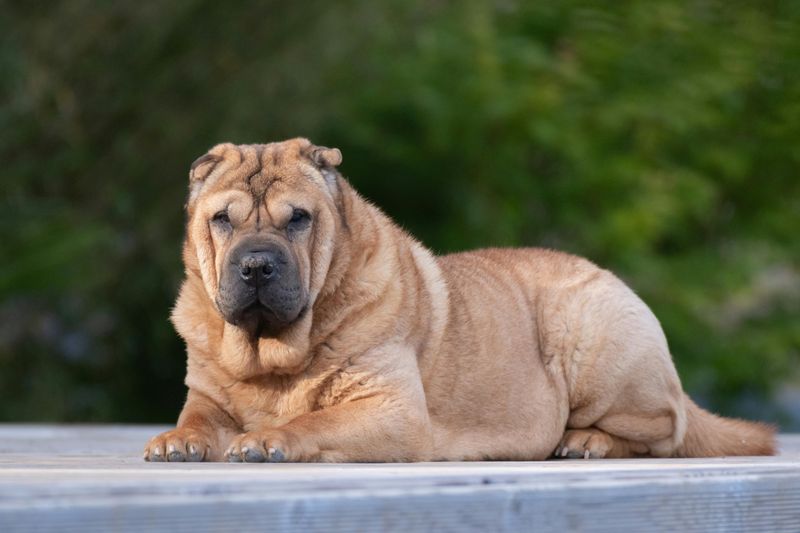
Shar Pei dogs are pragmatic and private. They respond best to steady routines, gentle boundaries, and trainers who listen.
Pushing harder makes them push back, but clear choices with consistent payoffs unlock impressive reliability.
Keep sessions short and purposeful. Teach impulse control around doors, food, and greetings, reinforcing calm sits and downs.
Introduce new people and dogs gradually, pairing distance with rewards to build confidence.
They excel at pattern games where success feels predictable. Use marker training, hand targets, and cooperative care for vet prep.
Respect their space, reward thoughtful decisions, and watch cooperative independence replace supposed stubbornness.
Whippet
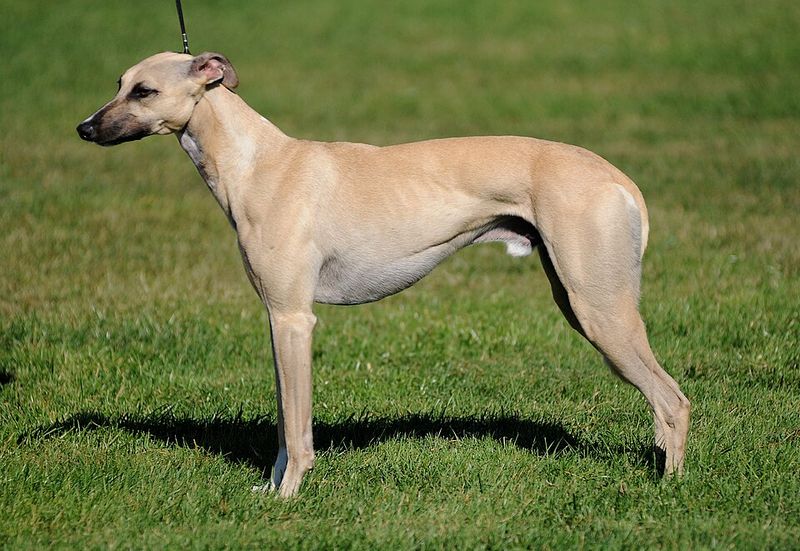
Whippets are gentle problem solvers who value comfort and clarity. Yelling shuts them down, but kind structure turns them into eager partners.
They learn fast when cues are simple and reinforcement is timely.
Use short, playful sessions with plenty of movement breaks. Reinforce check ins, loose leash skills, and recall using food plus tug or quick chases with a toy.
Warm layers and soft beds keep their brains available in cooler weather.
Confidence grows through wins. Set easy thresholds, then gradually increase distractions.
You will see a dog that chooses you over the environment because the partnership feels safe, fun, and fair.
Standard Schnauzer
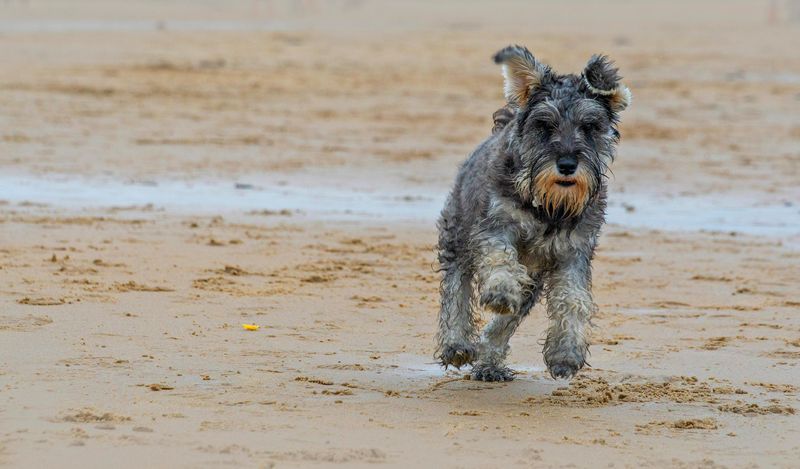
Standard Schnauzers are witty and procedural, always looking for the rule behind the rule. If you get sloppy, they write their own policy.
Clear criteria, clean timing, and rotating challenges keep them engaged and honest.
They love jobs with structure. Try scent detection, rally, or farm chores that deliver measurable wins.
Reinforce generously for attention and impulse control, then let them solve puzzles for bonus rewards.
Fair corrections and abundant feedback make the difference. Keep sessions brisk, alternate skills, and end on a laugh.
Treat them like junior managers and they will run your playbook with cheerful, independent competence.