
Quiet does not mean silent, especially when you share life with a clever dog. Some breeds hardly bark, yet they still chat through trills, yodels, head tilts, and laser sharp eye contact.
Once you learn their language, every wiggle, sigh, and paw tap makes perfect sense. Ready to hear what the so called quiet dogs are saying to you every day?
Basenji
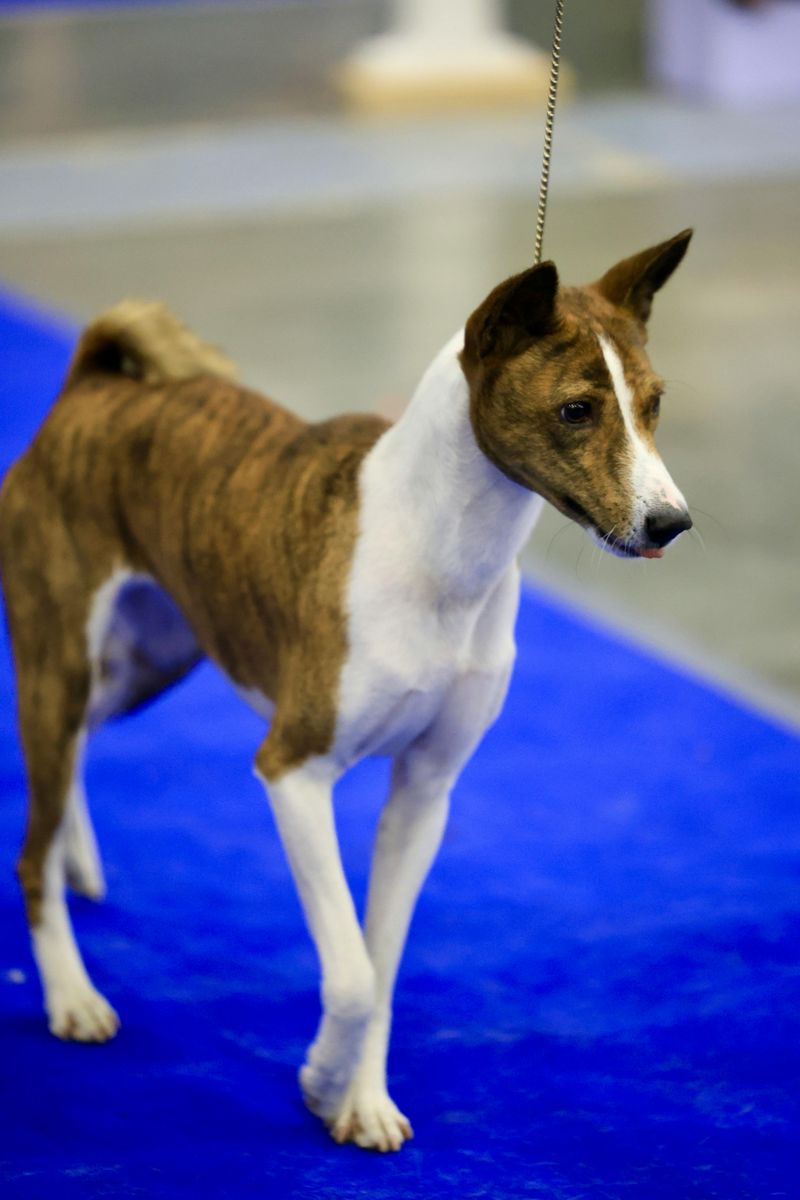
The Basenji is famous for being barkless, but that only tells half the story. Instead of barking, they yodel and chortle, a tonal vocabulary that feels almost musical.
Watch the ears flick and the eyes narrow, and you will know you are being heard.
Communication shows up in motion, too. A Basenji will freeze, lean forward, or paw delicately to ask for something without a sound.
Tail curls tighten with curiosity, while a soft huff signals impatience.
Training works best with clarity and humor. Reward quiet focus, and your Basenji will mirror it back.
Offer a puzzle, and those bright eyes light up like a switch. They are quiet, yes, but conversationalists at heart.
Shiba Inu
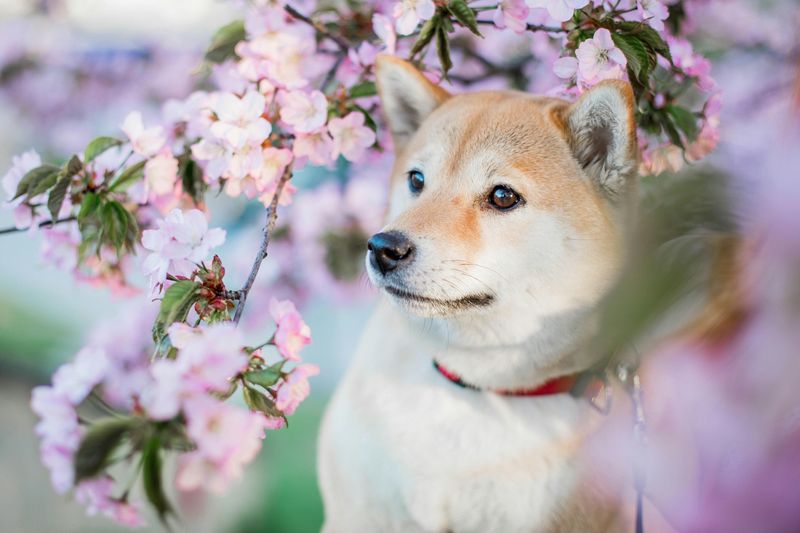
Shiba Inus have a reputation for being reserved, but they speak volumes with expression alone. The famous Shiba scream comes out during big feelings, yet daily communication is quieter.
A side glance, a slow blink, and a purposeful head turn all carry meaning.
You will notice the tail. When relaxed, it drapes like a soft question mark.
When alert, it tightens into a perfect curl, broadcasting curiosity or concern.
They appreciate respectful space. Offer choices and they volunteer attention that feels precious.
Use calm reinforcement and they give crisp engagement in return. With Shibas, less noise means more nuance.
You learn to hear the language of posture, timing, and subtle confidence.
Siberian Husky
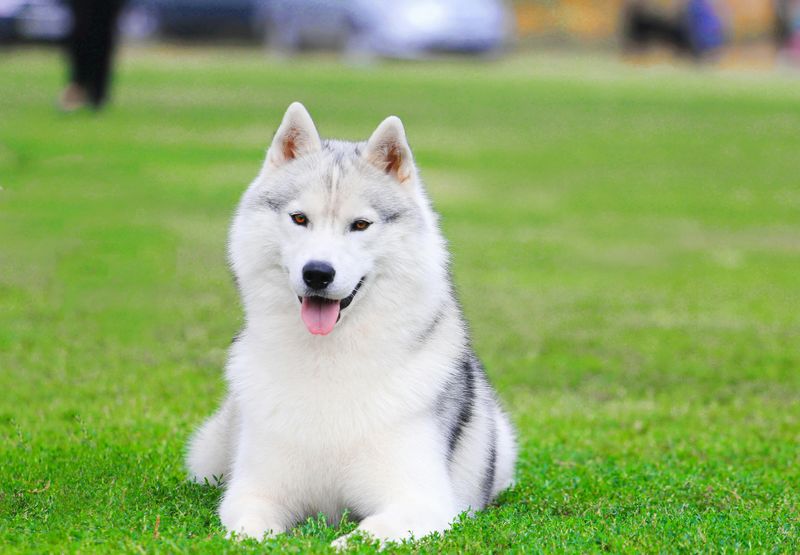
Huskies may not bark relentlessly, yet they love to talk through howls, warbles, and chatty murmurs. You will hear opinions about everything from walk times to bedtime.
Their vocal range is theatrical, but it is also informative if you listen closely.
They gesture with their whole body. Play bows, paw taps, and bouncing steps cue you into their mood.
A quiet Husky is often focused, ears forward, eyes scanning for the next adventure.
Channel that voice into useful cues. Reward calm check ins and brief pauses before opening doors or clipping leashes.
When energy has a job, the commentary softens into cooperative conversation. They are dramatic storytellers who thrive on structure and shared goals.
Alaskan Malamute
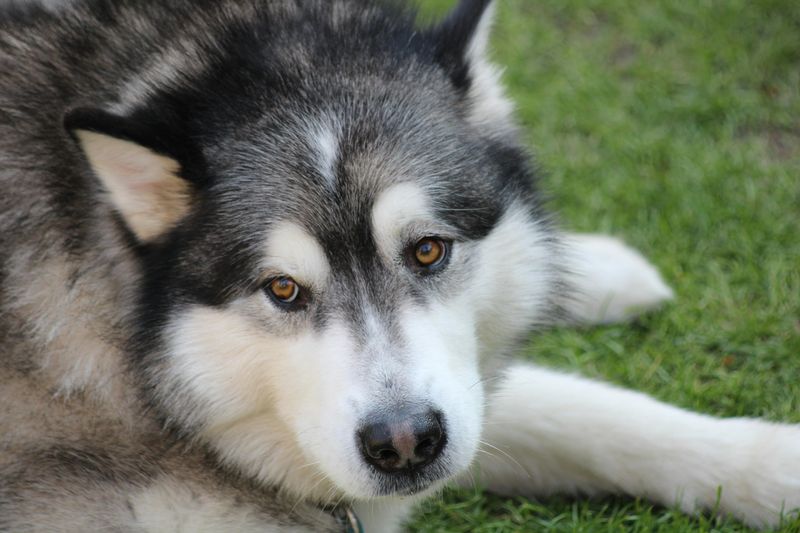
Malamutes are dignified and often quieter than their Husky cousins, but you will still get plenty of conversation. Expect low woos, soft grumbles, and thoughtful eye contact.
They use weight shifts and a patient stare to ask for guidance or connection.
Their communication is rooted in teamwork. A Malamute leans into you to offer support or request reassurance.
Tail sways in slow arcs when content, then stills when evaluating a choice.
They flourish with routines that feel collaborative. Invite them into tasks and they answer with steady attention.
Reward purposeful pauses and controlled strength. The volume stays low, yet the message is big: we are in this together, step by step.
Beagle
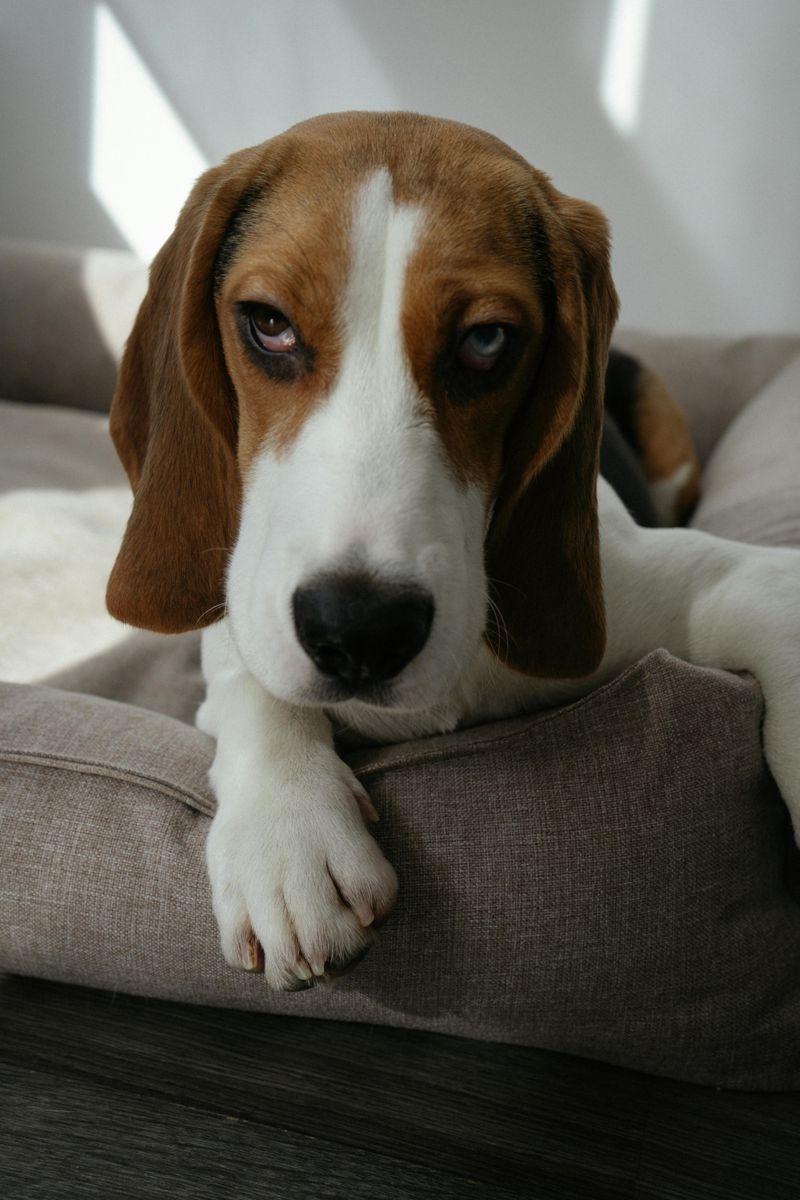
Beagles are often quiet indoors, but the nose drives the narrative outside. You will hear a melodious bay when scent gets exciting.
Indoors, communication shifts to eye contact, nudges, and patient sits that say please.
They read routines like a book. The moment you grab shoes, a Beagle sidles up with a hopeful tail.
A tilted head means tell me more, while a soft whine asks for a sniff break.
Use scent games as conversation. Hide treats, scatter feed, and reward check ins.
The bay becomes a victory song rather than a demand. With structured sniffing, your Beagle talks in cooperative beats, turning curiosity into teamwork.
Dachshund
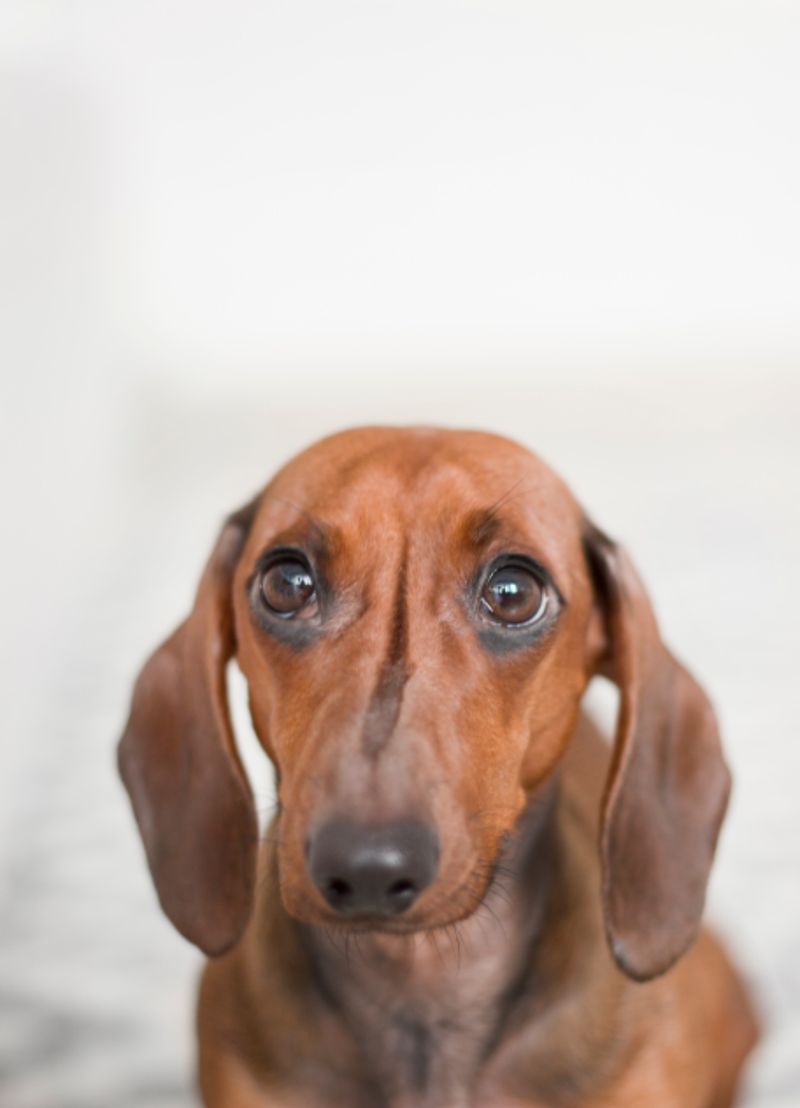
Dachshunds are storytellers with a low center of gravity and a big personality. Even when not barking, they communicate in chuffs, snorts, and decisive foot stamps.
A pointed nose and narrowed eyes say there is something under that couch and it matters.
They are brave and specific in asking for things. A paw on your ankle says follow me.
A still, waiting posture says your turn, please respond.
Work with their investigative spirit. Offer dig boxes, nose games, and clear yes or no cues.
Celebrate short wins and the commentary turns cooperative. You will be surprised how quietly a Dachshund negotiates when the job feels understood.
Miniature Schnauzer
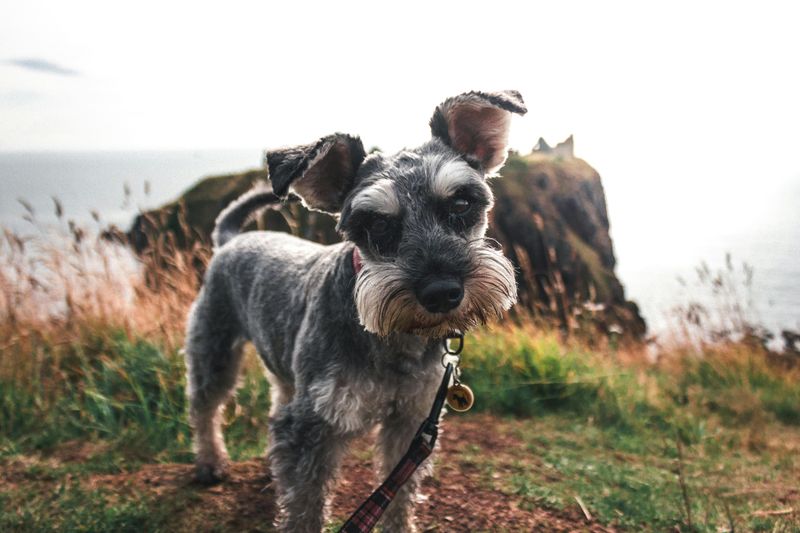
Miniature Schnauzers have a businesslike approach to conversation. They may not bark nonstop, yet they deliver pointed huffs, polite rumbles, and precise looks that mean listen up.
Eyebrows do half the talking, flicking like punctuation marks.
They thrive on clarity. Give a job, and you get focus.
A deliberate sit or heel says message received, while a quick paw raise asks what next.
Use marker training and short missions. Door sentry moments become structured check ins.
Reward quiet observation, and your Schnauzer offers crisp cooperation. The tone stays calm, but the communication is efficient and charming, like a tiny manager with a wagging tail.
Cairn Terrier
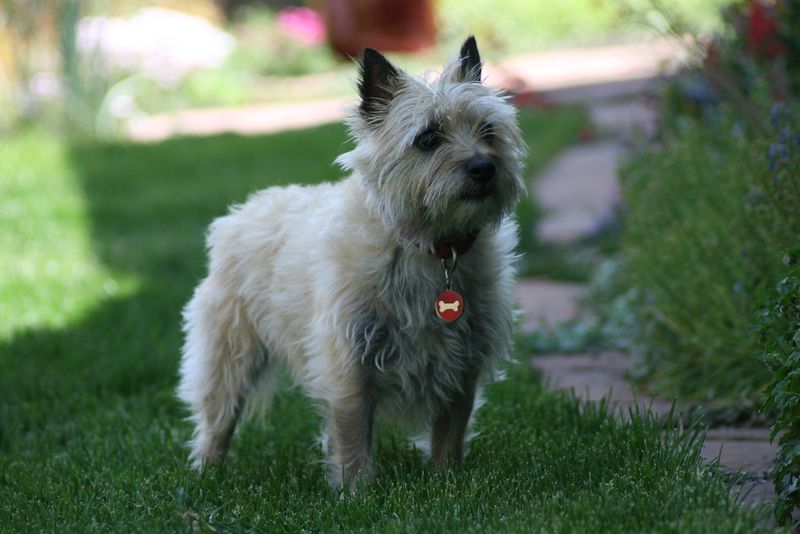
Cairn Terriers may seem quiet until you tune into their quicksilver signals. They communicate with prancing feet, a jaunty head tilt, and a lively tail metronome.
You can almost hear a cheerful hey, look at this carried on the wind.
They are problem solvers who enjoy being included. A steady stare means I have an idea, while a swift sit says ready when you are.
Little gruffs act like commas, not exclamation points.
Offer novelty and short discovery tasks. Celebrate the check in, and you will get more thoughtful pauses.
With this breed, conversation is movement, curiosity, and kindness. Keep it light, and the quiet turns into sparkling dialogue.
Chihuahua
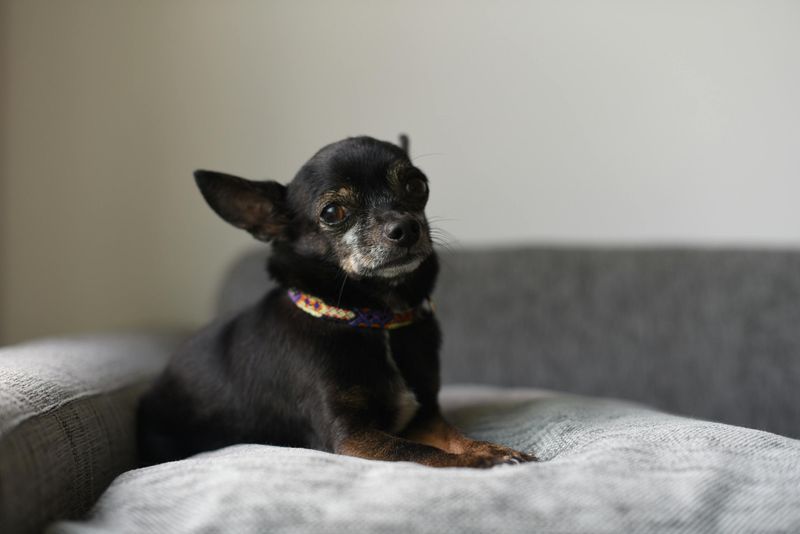
Chihuahuas often save their voices for important announcements, but they constantly communicate through presence. A tucked paw says I am settling, while a lifted chin requests attention.
Watch the ears switch channels like tiny satellite dishes.
They bond deeply and learn your routines fast. A soft nose boop asks for a blanket.
A sudden stillness signals I am watching the hallway, please confirm we are safe.
Build trust with predictable steps and cozy nests. Reward calm check ins, and your Chihuahua answers with steady companionship.
Less noise, more meaning. You will feel the conversation in tiny gestures that say I see you and I am here.
Papillon
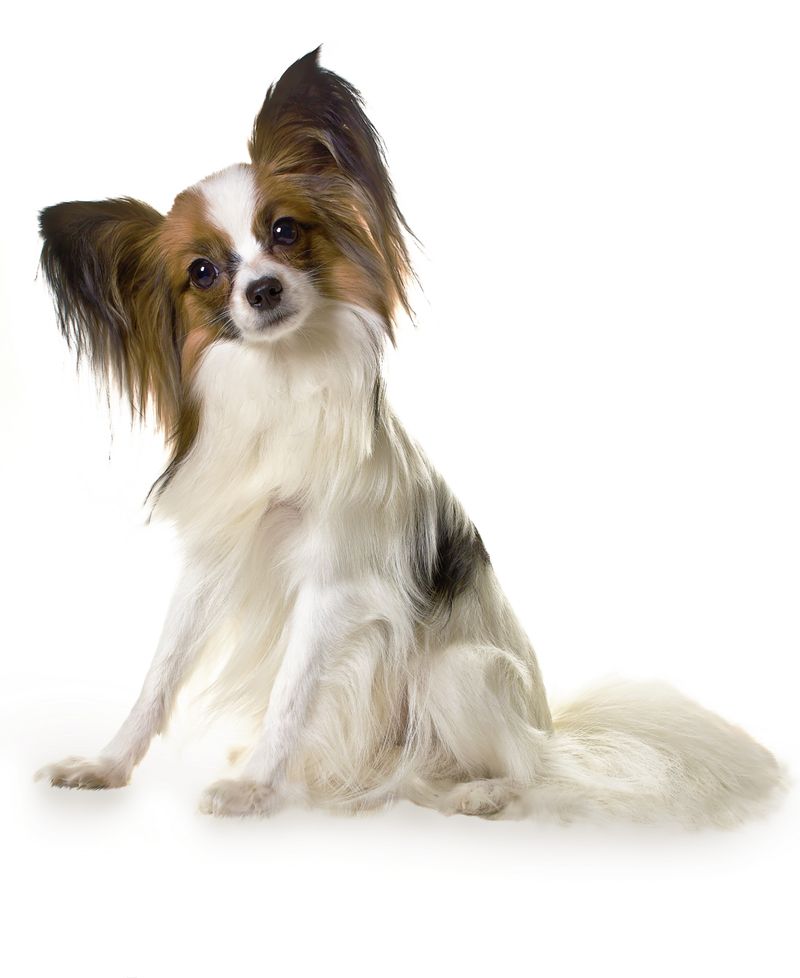
Papillons are refined communicators with ears that frame every emotion. They seldom need to bark when a tilt, prance, or purposeful stare will do.
You will notice how their feathered ears act like flags, broadcasting curiosity and delight.
They love learning and offer clean, quiet focus. A Papillon will float into heel position with barely a whisper.
A tiny paw touch says ready for the next cue.
Use trick training as conversation. Reward lightness and precision, and they respond with sparkling engagement.
The result feels like a dance you choreograph together. Little voice, huge dialogue, all carried on those beautiful butterfly wings.