
You have probably heard the phrase just socialize them, like it is a magic fix. Socialization truly helps, but some breeds still need thoughtful boundaries to thrive.
These dogs are brilliant, intense, and loyal, which means they can also be determined and protective. If you want a confident companion instead of chaos, keep reading to learn what structure really looks like for each breed.
German Shepherd
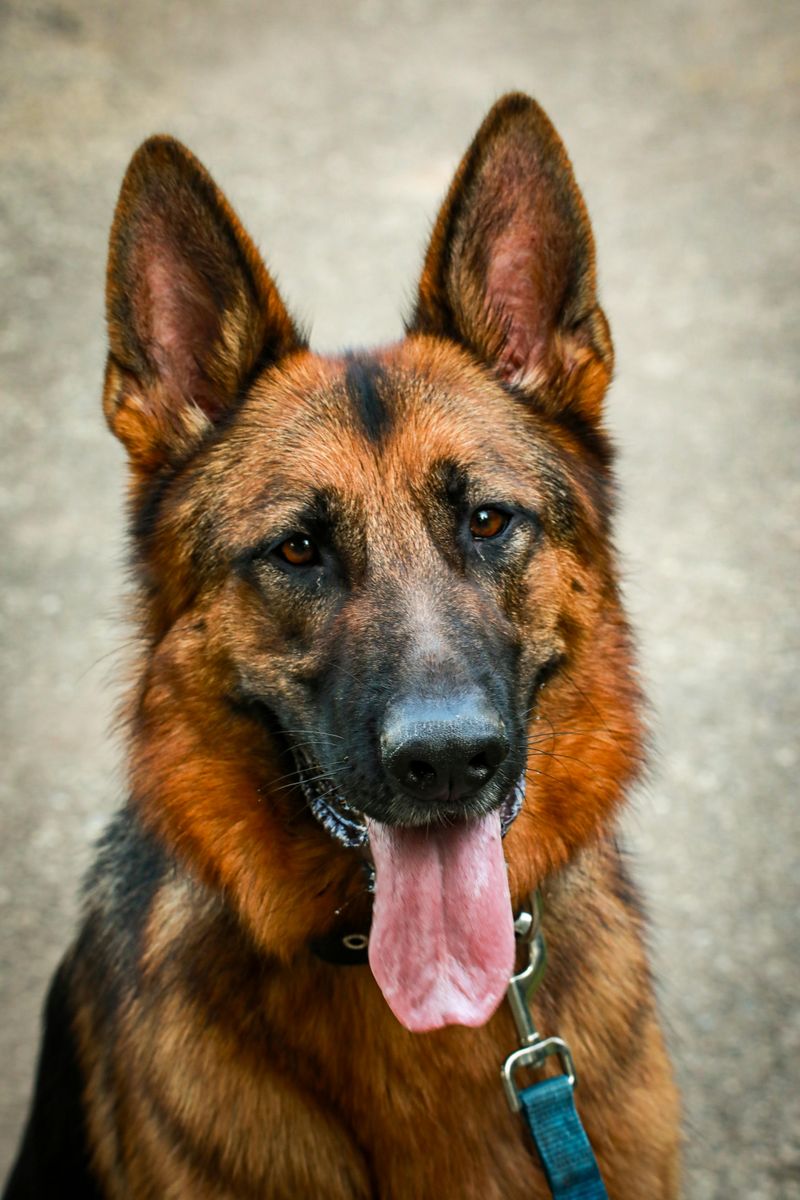
German Shepherds are sharp problem solvers who notice everything. That makes them incredible partners, yet also quick to overstep when rules are fuzzy.
Socialization introduces the world, but boundaries teach what to do about it, especially around guests, kids, and other dogs.
Use calm structure and predictability. Rotate enrichment like tracking games, obedience drills, and decompression walks to drain mental steam.
Reward neutrality around distractions more than flashy tricks.
Practice impulse control at doors, car exits, and feeding time. Supervise play to prevent herding or body checking from escalating.
With clear jobs and consistent limits, you unlock their loyalty without letting vigilance turn into reactivity.
Doberman Pinscher
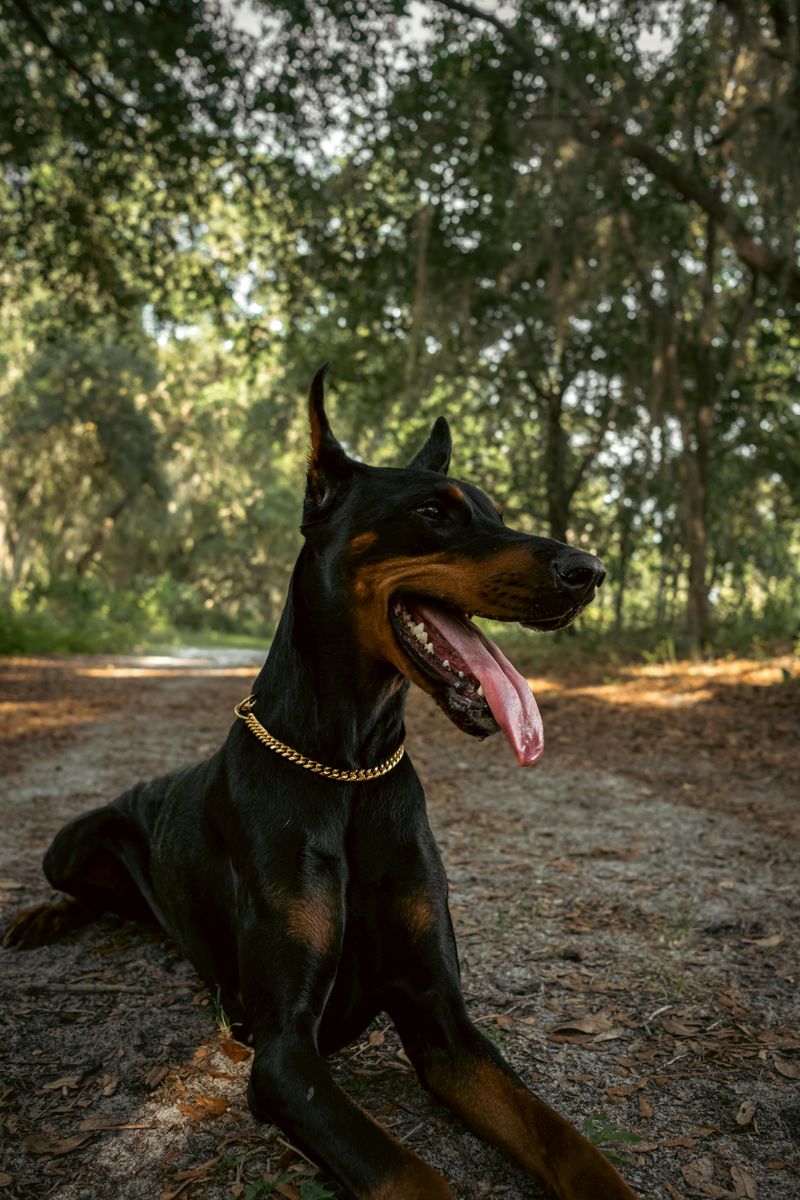
Dobermans are sensitive guardians who read your mood. They bond intensely and can overprotect if leadership is inconsistent.
Socialization alone does not explain when to switch off. Boundaries give them relief by defining what is yours to handle and what is theirs to ignore.
Rehearse calm greetings with distance, then shorten as neutrality holds. Teach place, out, and leave it to keep arousal in check at home.
Daily heeling resets focus and strengthens communication.
Limit roughhousing that spikes drive. Prevent window patrol by managing sightlines.
When rules are fair and predictable, a Doberman relaxes into confident companionship instead of anxious micromanaging of every shadow.
Rottweiler

Rottweilers are thoughtful workers with a slow burn. They do not forget lessons, good or bad, so inconsistency backfires.
Social experiences help, but they also need clear permissions for doorways, food, toys, and space. Boundaries prevent resource guarding and pushy leaning.
Use structured walks and obedience before play. Break up sessions to avoid fatigue that can turn stubborn.
Practice relaxed neutrality in public rather than constant petting from strangers.
Teach clean outs from toys and effortless returns to place. Mind adolescence, when power grows faster than judgment.
Firm but kind limits shape a mellow house companion who saves intensity for appropriate jobs.
Belgian Malinois
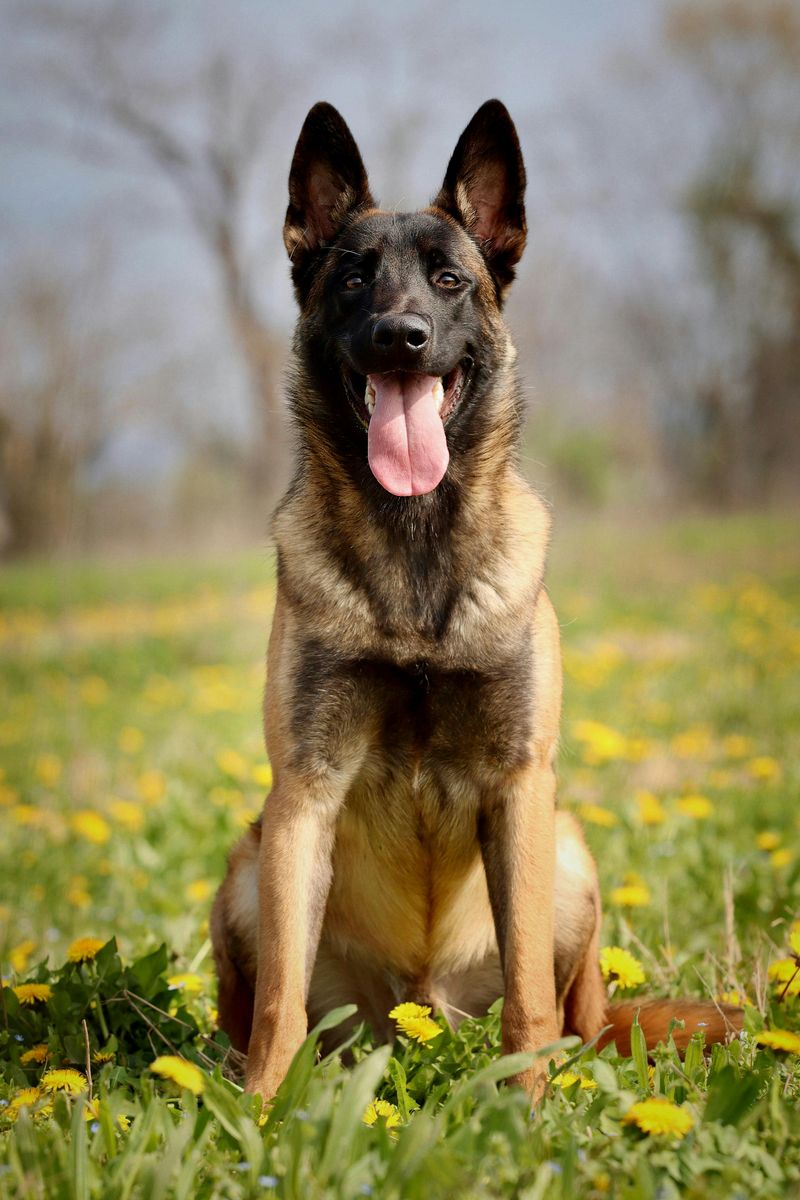
Malinois are rockets with brains. Socialization without structure creates a thrill seeker who invents jobs, like herding strollers or nipping sleeves.
Boundaries channel drive into tasks you choose. Plan daily outlets: obedience, scent work, or controlled tug with clear start and stop cues.
Use short, purposeful reps and generous decompression after. Teach settle on a mat so off switch becomes real.
Manage doorways, car exits, and greetings to prevent launch behavior.
Reward neutrality around kids, bikes, and dogs. Rotate equipment to avoid cue dependence.
With consistent expectations, their intensity becomes laser focus instead of chaos, and life together feels athletic yet peaceful.
Cane Corso
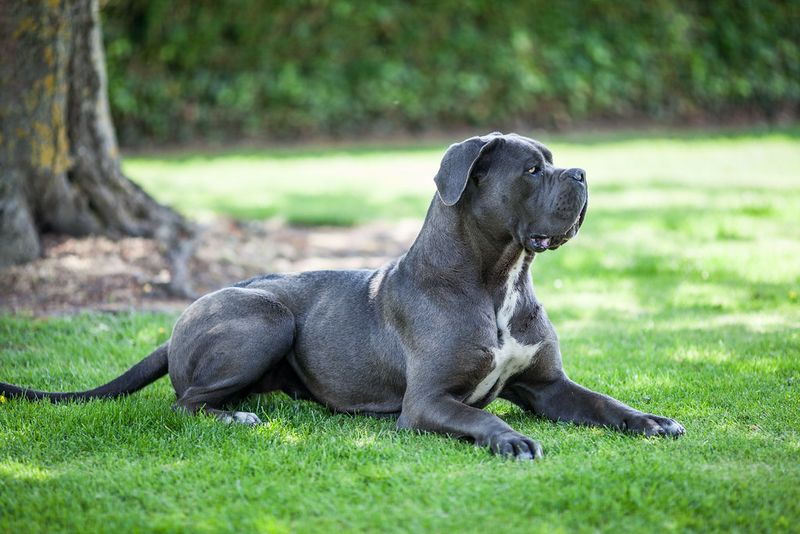
The Cane Corso is a steady guardian who reads territory and routine. Socialization opens horizons, but boundaries decide access and responsibility.
Control thresholds like gates, hallways, and porches where ownership feelings spike. Teach calm stationing when deliveries or guests arrive.
Keep handling predictable, clear, and low drama. Reward soft eyes and slow breathing.
Avoid constant on duty patterns like window sentry duty that inflate suspicion.
Use structured heel, recall, and place to move through crowded spaces without intimidation. Advocate for your dog by refusing pushy greetings.
With fair leadership and limited choices, a Corso relaxes, trusting you to manage the world.
Akita
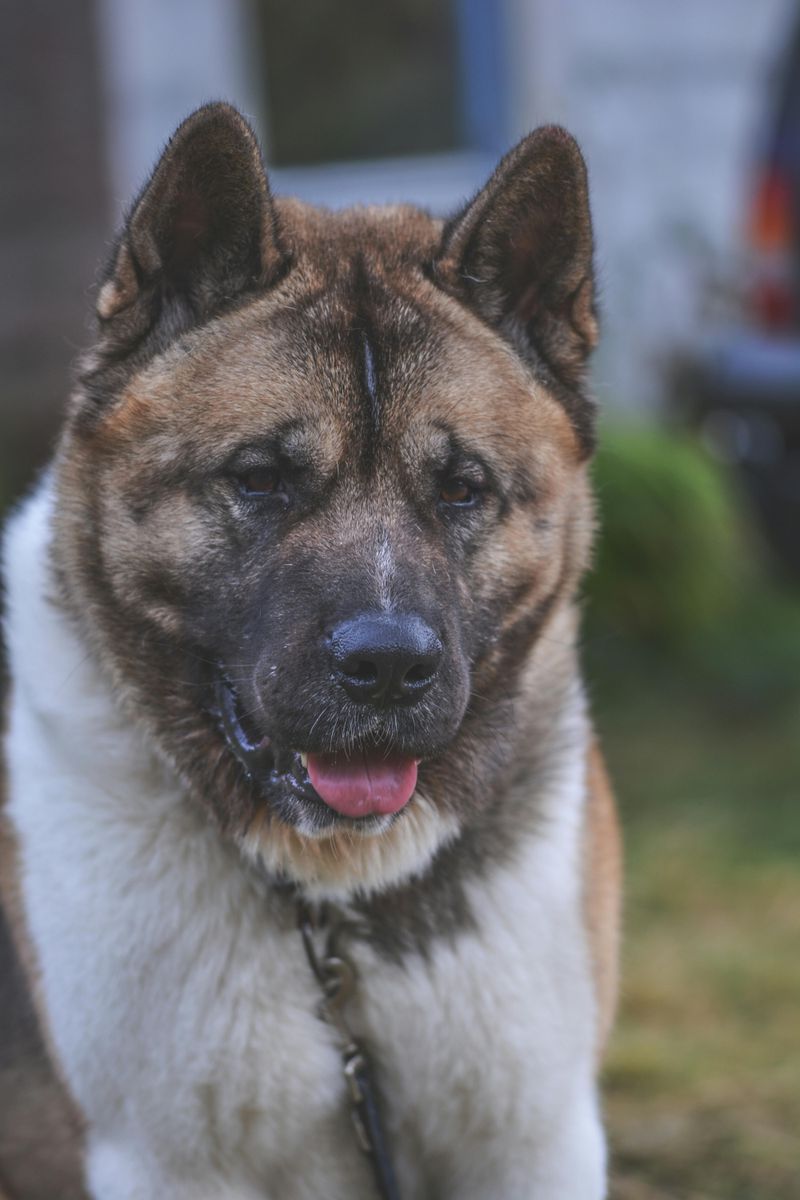
Akitas are independent thinkers with catlike dignity. Socialization helps them tolerate novelty, yet boundaries define respectful interactions and prevent selective hearing.
Limit chaotic dog parks. Prefer parallel walks and calm exposure where choice is to ignore, not engage.
Teach reliable recalls with long lines, then practice in safe fenced areas. Respect stoic signals and avoid crowding.
Consistent routines around feeding and doorways reduce pushiness.
Grooming and handling should be cooperative, not wrestling. Build value for muzzle conditioning and vet prep.
With patient structure and clear rules, an Akita offers quiet loyalty and chooses peace over confrontation.
Chow Chow
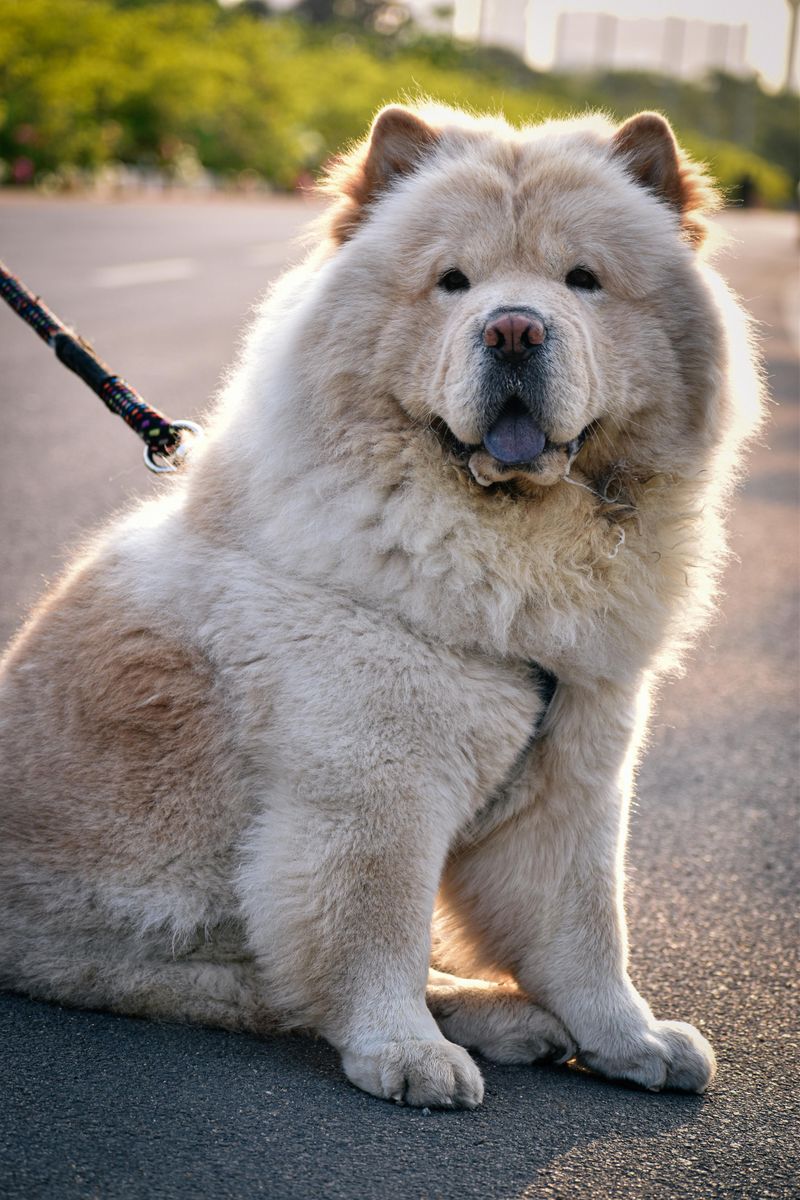
Chow Chows are reserved and dignified. They value personal space, so socialization must be respectful, not forced cuddles.
Boundaries protect them from unwanted handling and protect others from grumpy feedback. Teach a chin rest and consent cues for grooming, brushing, and vet care.
Reinforce neutral walks through busy places without stopping for strangers. Use place training during visitors to avoid crowding.
Keep routines predictable and avoid rough play that breaches trust.
Practice muzzle conditioning as a life skill. Reward soft body language and calm disengagement.
With clear limits and gentle advocacy, a Chow becomes a pleasant roommate who offers affection on its own terms.
Shar Pei
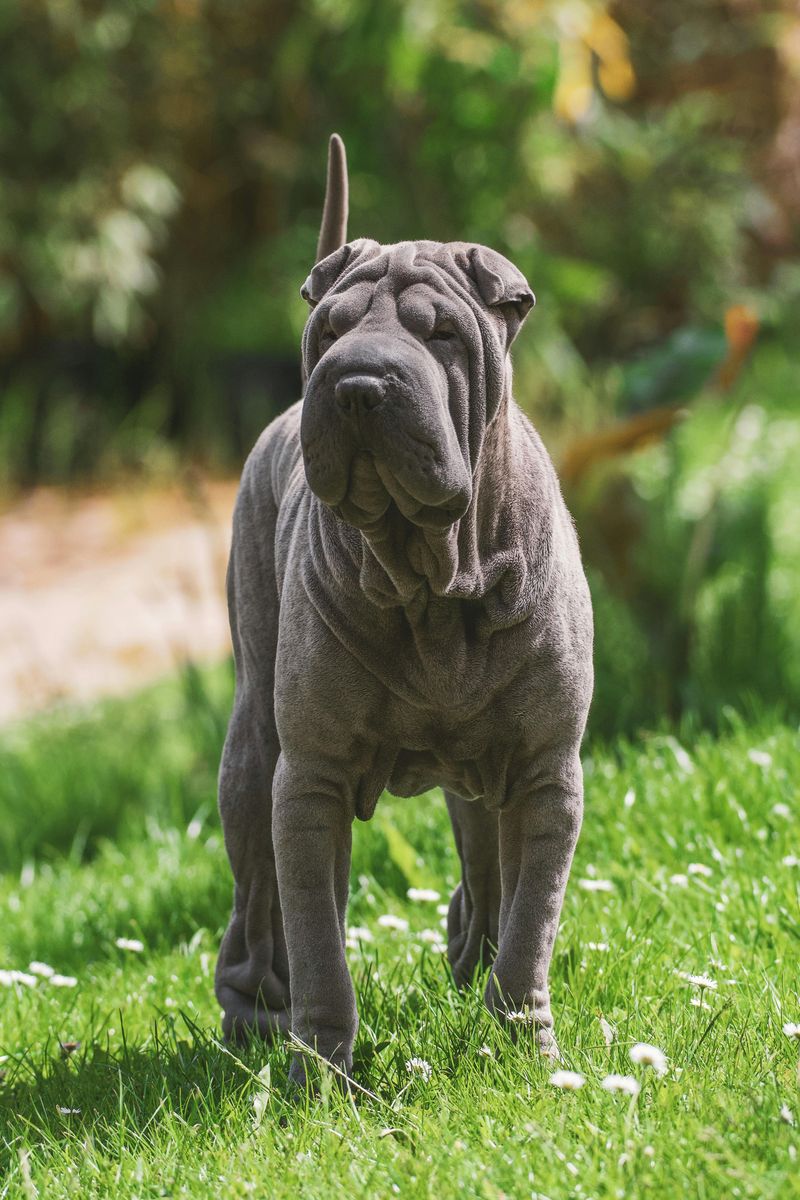
Shar Pei can be aloof and sometimes prickly with other dogs. Socialization helps, but tight boundaries around greetings and resources are essential.
Teach default ignore for unknown dogs, focusing on you instead. Keep equipment simple and fit well to protect sensitive skin.
Set routines for feeding, resting, and outside time. Use crate or room rotations to prevent conflicts.
Reward calm behavior near doorways and windows to avoid territorial rehearsals.
Groom gently, watching for signs of discomfort. Practice cooperative care and muzzle training long before vet visits.
With thoughtful structure and advocacy, a Shar Pei stays composed and comfortable, choosing neutrality over drama.
Dutch Shepherd

Dutch Shepherds are clever and athletic, often thriving with a job. Socialization opens doors, but boundaries prevent rehearsed chaos like chasing bikes or crowd herding.
Blend brain work with physical tasks: scent games, precise heel, and impulse control drills.
Teach a reliable off switch with mat training and patterned relaxation. Use long lines to proof recalls without nagging.
Reward neutrality near playgrounds, joggers, and other dogs, then release to play when appropriate.
Rotate enrichment to avoid boredom digging holes in your schedule. Keep sessions short, crisp, and upbeat.
With consistent expectations, their drive becomes teamwork instead of tornado energy.
Beauceron
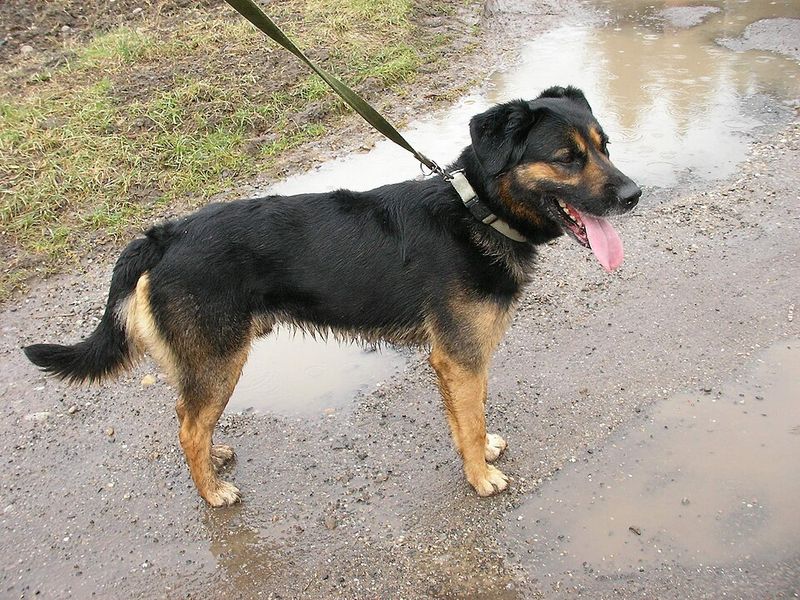
Beaucerons are steady herding guardians with big presence. Socialization alone is not enough because they test clarity.
Boundaries make decisions easy: where to rest, how to greet, when to work. Use place training, thoughtful heeling, and patterned decompression walks.
Proof calm around livestock smells, joggers, and strollers. Limit rehearsals of perimeter patrol that feed suspicion.
Reward soft attention and slow breathing as much as obedience precision.
Build cooperative care habits like nail trims and muzzle conditioning. Provide varied jobs to satisfy the thinking brain.
With firm kindness and consistent routines, a Beauceron becomes a reliable partner who chooses steadiness over intensity.