
Apartment friendly does not mean effort free. Even the calmest breeds thrive when your day has structure and your expectations are clear.
Set a rhythm for walks, meals, play, and quiet time, and you will unlock their best behavior in tight spaces. Let’s look at ten beloved small breeds that shine when your schedule does the heavy lifting.
French Bulldog
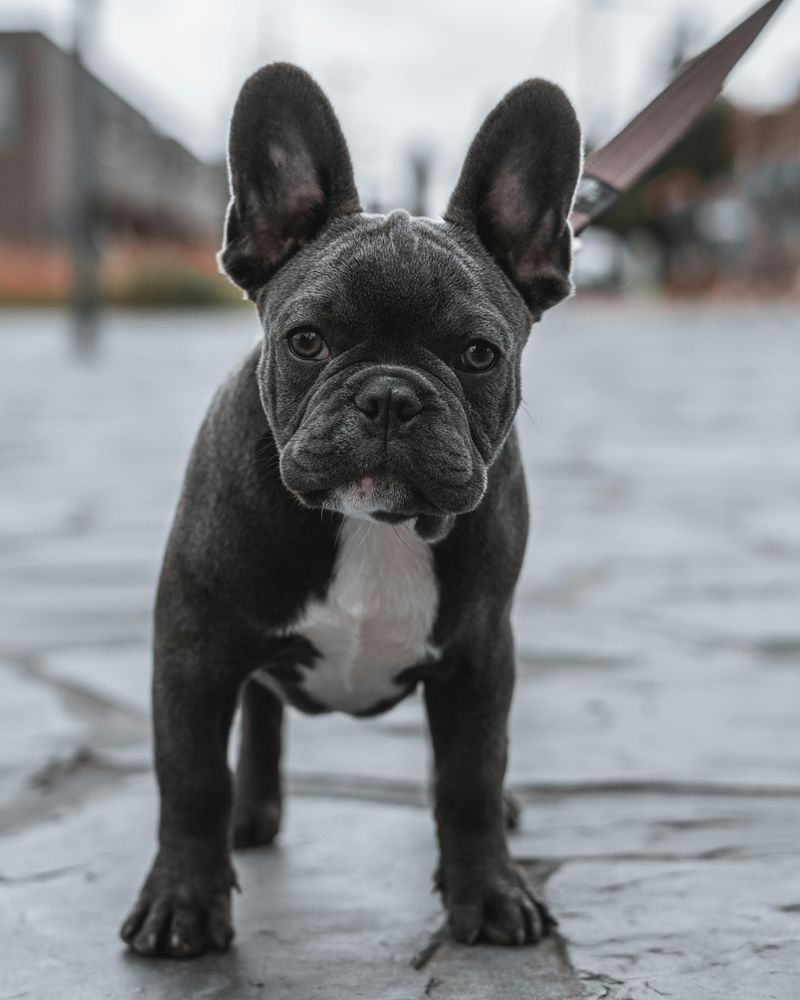
French Bulldogs do wonderfully in apartments when your routine supports them. Short, consistent walks beat occasional long adventures because their breathing makes intense exercise tough.
Plan two brief strolls daily, plus predictable indoor play, and you will see calmer behavior and fewer zoomies.
Meal times on schedule prevent begging and digestive upset. Keep naps predictable too, since overstimulation leads to stubborn moments.
A potty routine after waking, after meals, and before bed helps avoid accidents.
They crave companionship, so build in cuddle windows. Rotate puzzle toys during work blocks to curb boredom.
With consistent timing and gentle training, your Frenchie becomes a relaxed shadow, not a noisy neighbor.
Boston Terrier
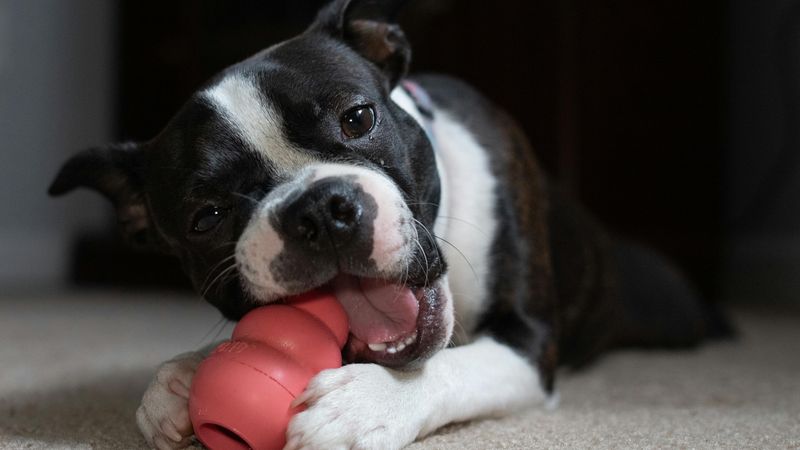
Boston Terriers are bright, clownish companions who need structure to channel their energy. Schedule two to three short exercise bursts daily instead of one big outing.
Short training sessions after walks keep their minds focused and prevent mischief.
Because they can be sensitive, predictability reduces anxiety when you leave for work. Practice a consistent departure routine with enrichment toys introduced only at that time.
Keep feeding times steady to manage gassiness.
Use quiet periods after dinner to help them wind down. Regular nail care and brief grooming fit nicely into weekly slots.
When your days are patterned, your Boston will settle quickly, bark less, and nap happily in your tiny living room.
Pug
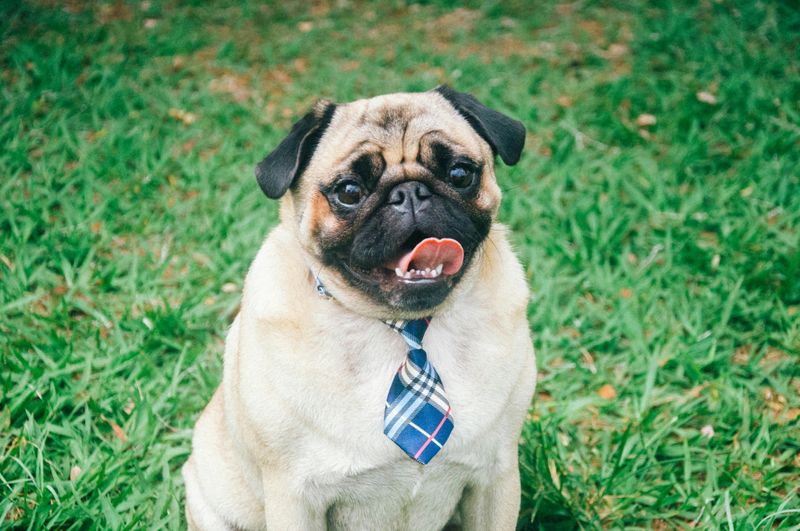
Pugs adore people and snacks, so routine keeps weight and mood balanced. Plan three short potty walks, morning and evening strolls, and a gentle midday loop.
Use a measured feeding schedule and slow feeder to curb gulping.
They overheat easily, so time walks during cooler hours and schedule inside snuffle-mat sessions midday. Predictable grooming for facial folds prevents irritation and odors.
Set quiet time after activity to avoid overstimulation.
Crate or bed time at the same hour helps prevent midnight zoomies. Rotate breathable toys during work calls to reduce boredom barking.
With consistent rhythms, your Pug becomes an easygoing roommate who snores softly while you binge your favorite show.
Shih Tzu
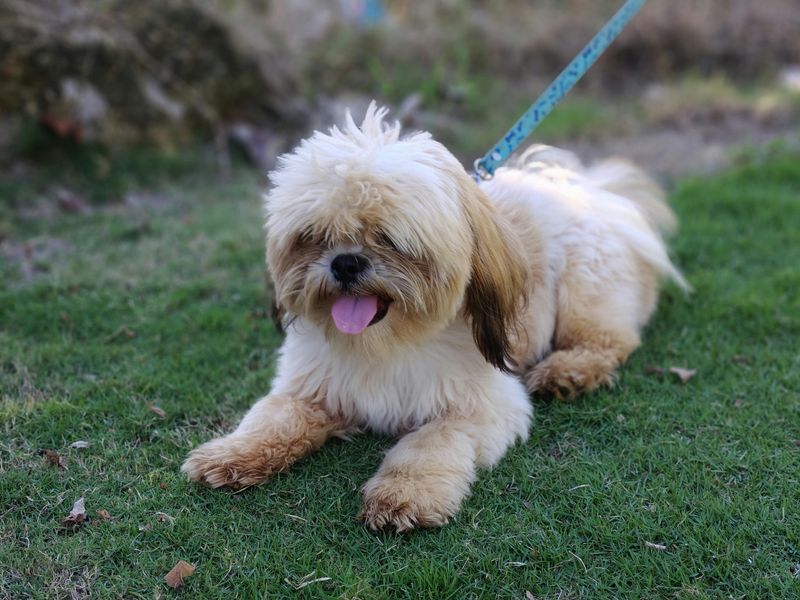
Shih Tzus thrive on gentle predictability. Their exercise needs are modest, but they still benefit from morning and evening walks plus playful hallway fetch.
Schedule daily brushing to avoid matting, especially around ears and tail.
Potty routines after meals keep accidents rare in carpeted spaces. Quiet crate or bed periods teach relaxation, useful when deliveries and neighbors get noisy.
Keep training sessions short and sweet to avoid frustration.
Arrange their feeding and grooming at consistent times so they anticipate what happens next. Puzzle feeders add mental challenge without overexertion.
With steady rhythms and soft guidance, your Shih Tzu will nap peacefully while the city hums outside your window.
Maltese

Maltese dogs are cuddly and clever, which means routine keeps them confident and clean. Schedule brisk but short walks at consistent times to maintain stamina.
Daily brushing becomes easier when it follows exercise and a brief training session.
Use regular potty breaks after meals and naps to prevent indoor accidents. Because they can be vocal, plan mental games during known trigger hours like mail delivery.
Consistent quiet time teaches them to settle beside you.
Feed on a set schedule to avoid picky habits and tummy upset. Rotate chew options during your work blocks to protect shoes.
With clockwork care, your Maltese glides through apartment life, sparkling coat and calm manners on full display.
Havanese
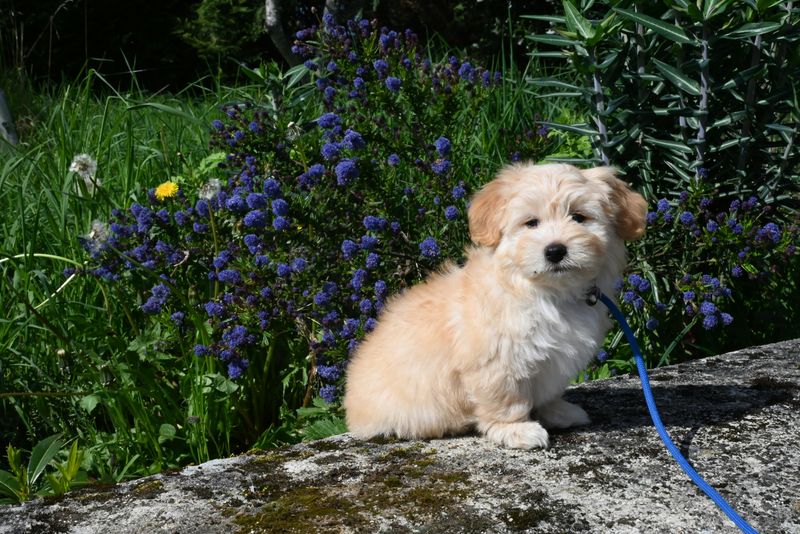
Havanese are social butterflies who need reliable structure to prevent clinginess. Plan three bite-sized play or training sessions daily to channel their zest.
Morning walk, midday sniffari, and evening stroll set a dependable rhythm.
Predictable alone time builds independence, especially in apartments with thin walls. Offer a special stuffed Kong only when you leave, and pick it up on return.
Weekly grooming slots keep the coat mat free and comfortable.
Feed on schedule and practice calm door routines to curb excited barking. Short trick training before dinner satisfies their bright minds.
With a steady timetable, your Havanese becomes a polite, joyful companion who handles city life with ease.
Bichon Frise
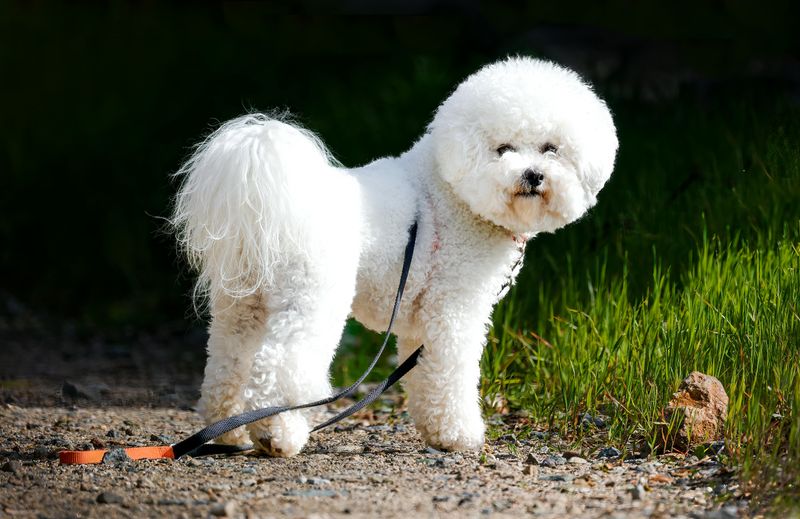
Bichons are upbeat charmers who flourish when their day has clear beats. Schedule brisk walks morning and evening, with a midday sniff and potty break.
Keep short training games before meals to reinforce manners and mental focus.
Regular brushing several times a week prevents mats, especially around the harness area. Predictable quiet periods help reduce demand barking for attention.
Rotate safe chews to occupy them during your Zoom calls.
Use a consistent bedtime routine with dim lights and a calm settle cue. Track water and feeding to avoid tummy troubles.
When your Bichon can trust your schedule, the apartment feels larger, the barking shrinks, and those bright eyes stay relaxed.
Toy Poodle
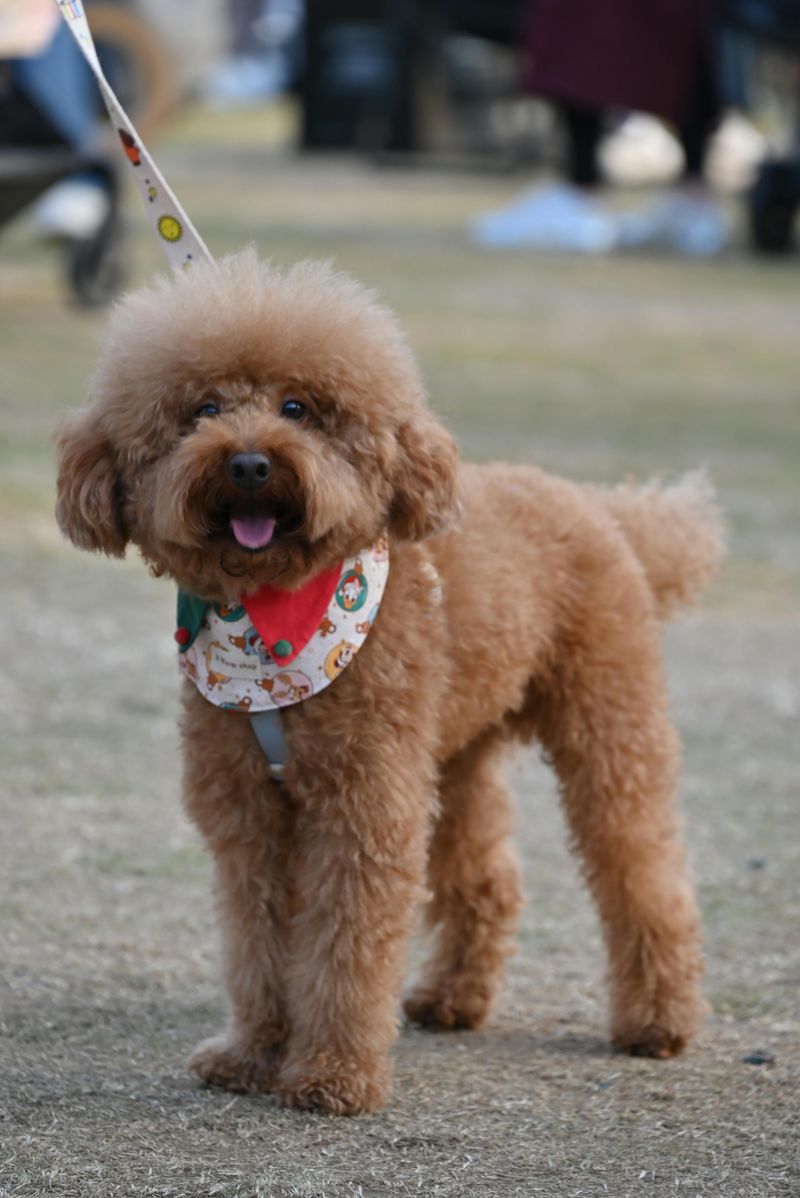
Toy Poodles pack big brains into tiny frames, so structure is your best friend. Plan daily brain workouts alongside two short walks.
Five minute trick sessions sprinkled through the day keep boredom at bay.
A consistent potty schedule prevents indoor accidents, especially after play. Regular grooming appointments or at home brushing fit well into weekly routines.
Predictable solo time with puzzle feeders reduces separation stress.
Feed at set times and log treats from training to control calories. Rotate enrichment to challenge their curiosity without chaos.
When the clock stays steady, your Toy Poodle channels that sharp mind into dazzling obedience and gentle apartment manners.
Papillon
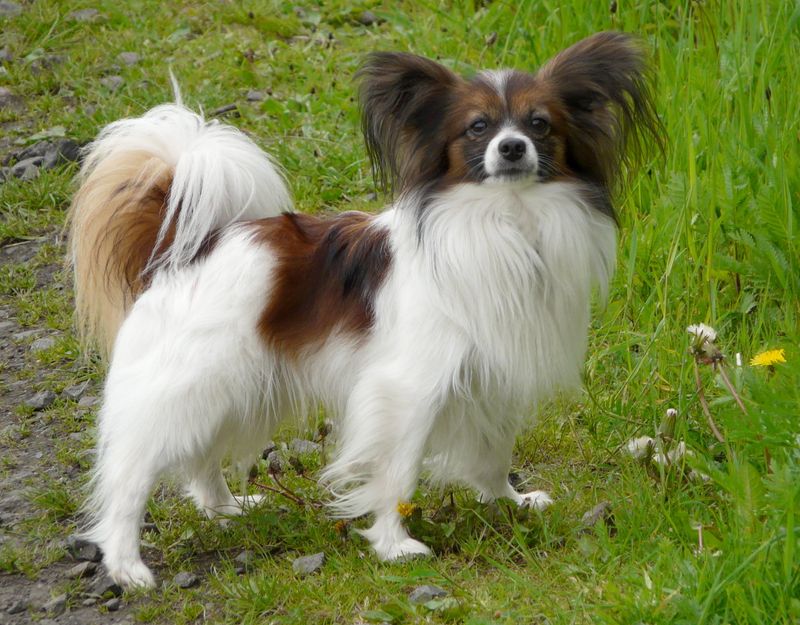
Papillons are lively and eager to learn, making routine essential for harmony indoors. Short, frequent training bursts work better than marathon sessions.
Schedule two brisk walks plus a midday sniff break to satisfy curiosity.
They can become vocal without structured outlets, so plan trick practice when deliveries typically happen. Consistent meal times reduce scavenging and keep energy steady.
Crate or mat training at predictable hours supports calm relaxation.
Weekly grooming checks for ears and feathering avoid tangles. Rotate tiny fetch games in hallways to burn steam safely.
With time blocks you actually follow, your Papillon turns from fluttery whirlwind into a delightful, polite housemate.
Italian Greyhound
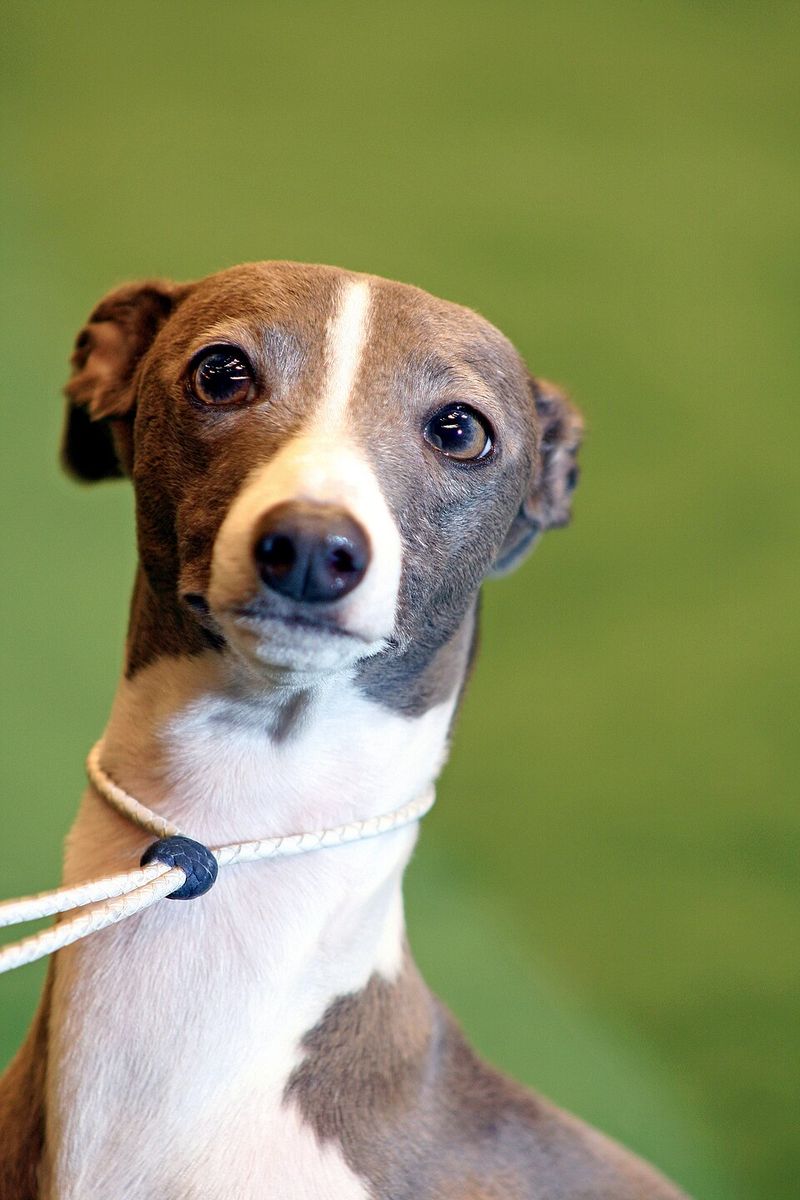
Italian Greyhounds are delicate sprinters who love a predictable life. Schedule quick potty breaks after sleep, meals, and play to prevent accidents.
Two short, brisk walks and a brief sprint in a safe area satisfy their need to move.
They chill hard too, so build consistent warm rest periods with blankets or sweaters in cooler weather. Gentle training blocks improve confidence and reduce startle reactions.
Keep nails trimmed weekly to protect their fine feet.
Use calm departures and returns at set times to reduce anxiety. Rotate light indoor games to avoid slips on smooth floors.
With a steady routine, your IG becomes a graceful, quiet companion perfectly suited to apartment rhythms.