
Big dogs have a reputation for chaos, but some of the gentlest couch companions come in giant sizes. If you love a calm presence, these breeds deliver big hearts with surprisingly low indoor demands.
You will still meet their needs, but daily life can feel peaceful, tidy, and slow. Let’s explore ten large breeds that fit beautifully into relaxed, indoor routines.
Great Dane
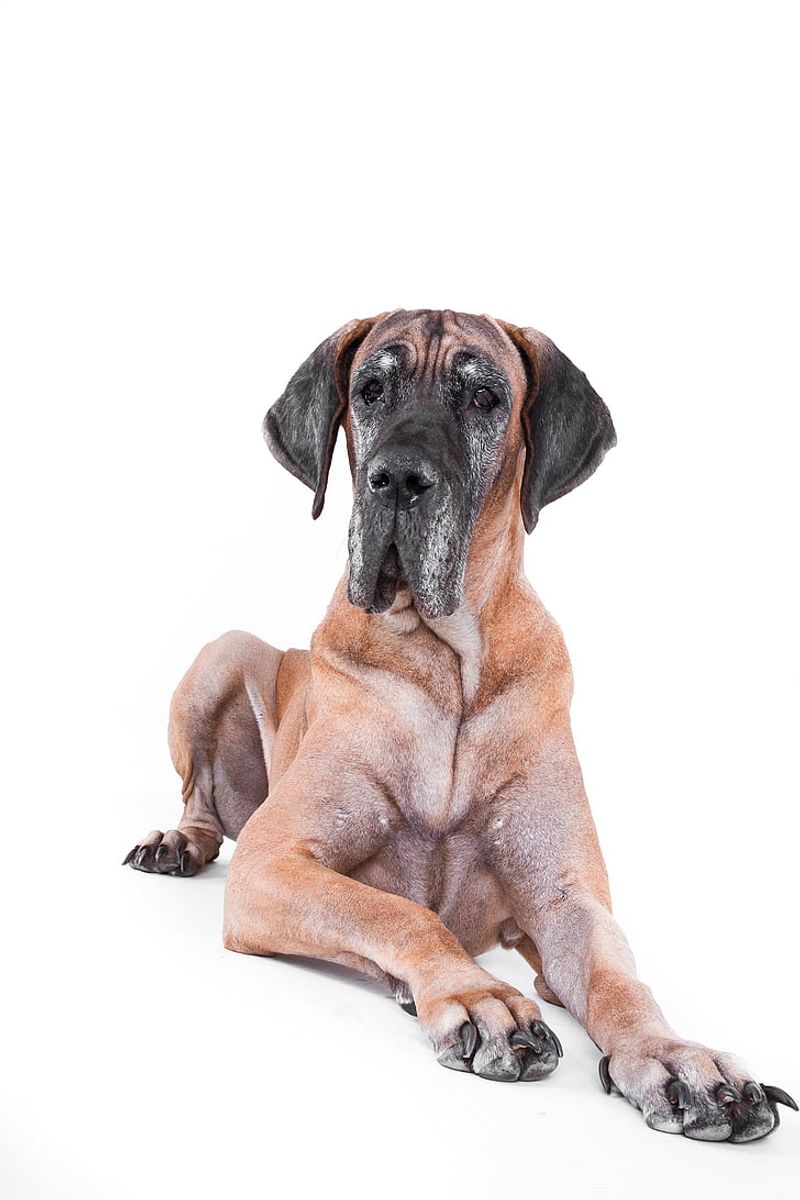
Despite their towering size, Great Danes are famously mellow indoors. They adore sprawling on soft beds and often match your energy, which makes them excellent apartment companions when exercised thoughtfully.
Keep walks consistent and brief play sessions satisfying, and they will happily snooze beside you.
Grooming is simple with their short coat, though they shed seasonally. Training should emphasize polite leash manners and gentle greetings, because their size can startle guests.
Provide a supportive bed and monitor joints as they mature, since fast growth needs careful nutrition and limited rough activity.
They thrive on affection and routine. With calm leadership, you get a gentle giant who wants companionship more than chaos.
Expect big love in a surprisingly low-fuss package.
Greyhound
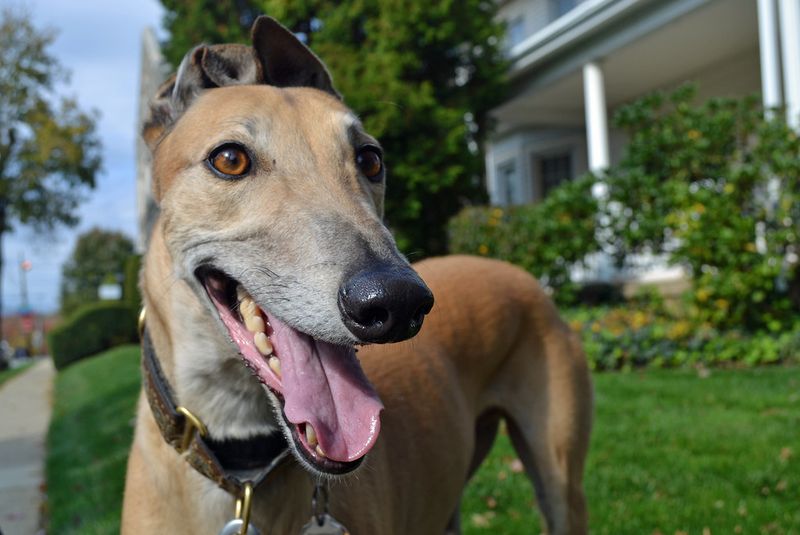
Known as the 45-mile-per-hour couch potato, the Greyhound is remarkably relaxed indoors. Short bursts of exercise satisfy them, then they lounge quietly for hours.
Their thin skin and low body fat make them heat and cold sensitive, so soft blankets and cozy spaces are essential.
They are polite, sensitive dogs who respond best to gentle training and predictable routines. Minimal grooming is needed, and their short coat keeps shedding manageable.
Many retired racers transition beautifully into home life with patience and slow introductions to stairs, mirrors, and slick floors.
Leash walks and occasional sprints in a secure area keep them content. Expect a graceful, affectionate companion who values stillness.
If serenity is your vibe, a Greyhound fits wonderfully.
Newfoundland
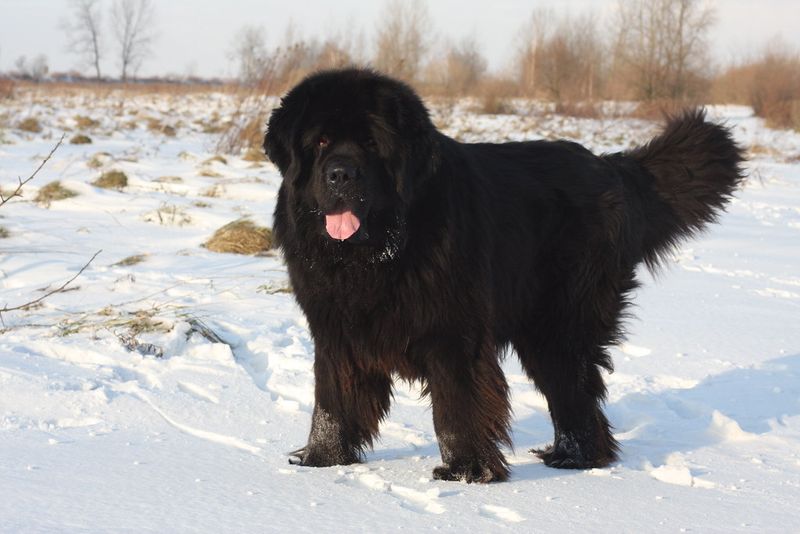
Newfoundlands are giant teddy bears with a famously sweet, patient nature. Indoors, they move slowly and settle easily, happy to nap near your feet.
Daily walks and mental enrichment are enough for most families, provided you manage their weight and joint health carefully.
Their thick double coat requires routine brushing to control shedding and matting. A sturdy grooming routine, regular nail trims, and ear care keep them comfortable.
Training should be positive and steady, emphasizing calm greetings and reliable recalls due to their strength.
They adore children and can be wonderfully nurturing companions. Provide cooling mats in warm weather, since they overheat.
With structure and affection, a Newfoundland becomes a gentle, low-drama presence in your home.
Bernese Mountain Dog
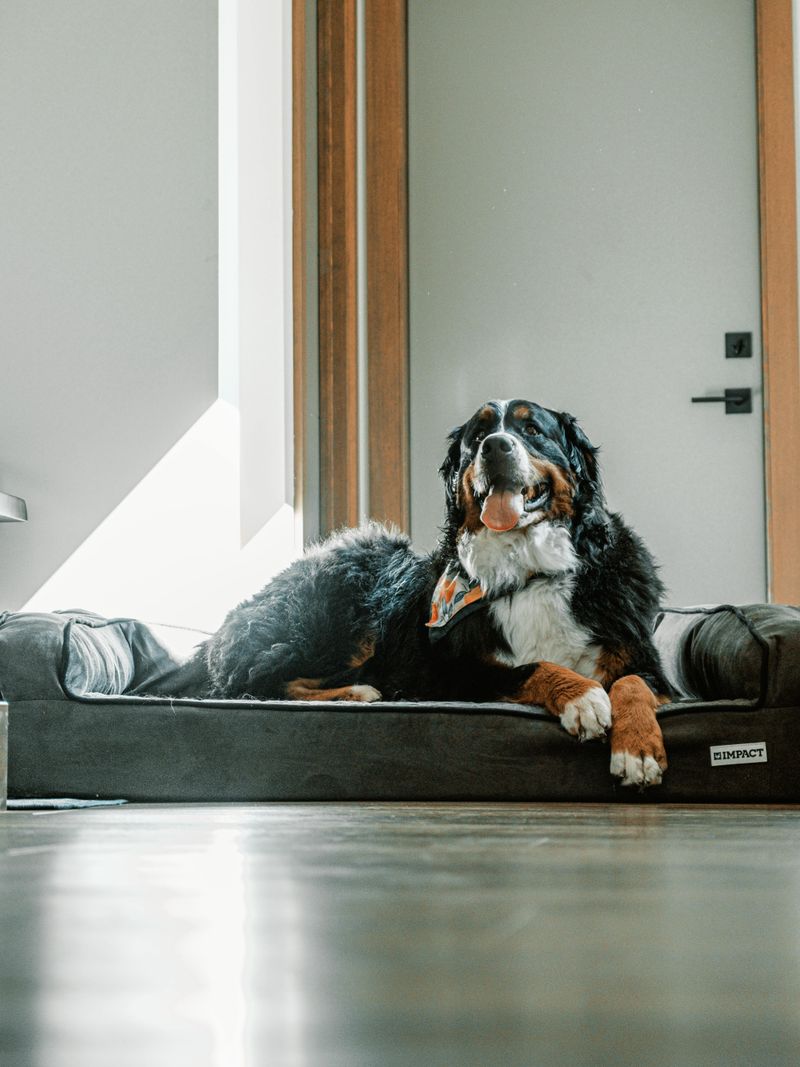
Bernese Mountain Dogs are affectionate, steady companions who value closeness more than constant activity. Indoors, they tend to relax after moderate exercise, preferring soft spots to stretch out.
A predictable schedule and gentle training keep their brains engaged and manners polished.
Their luxurious coat needs regular brushing to manage seasonal shedding. Focus on joint-friendly activities while they grow to avoid strain.
They respond beautifully to praise and kindness, making household training feel smooth and cooperative.
Expect loyalty and a comforting presence, not frantic energy. Provide puzzle feeders, short walks, and occasional adventures for balance.
With thoughtful care and climate awareness, a Berner makes a surprisingly calm housemate for families who cherish quiet companionship.
Saint Bernard
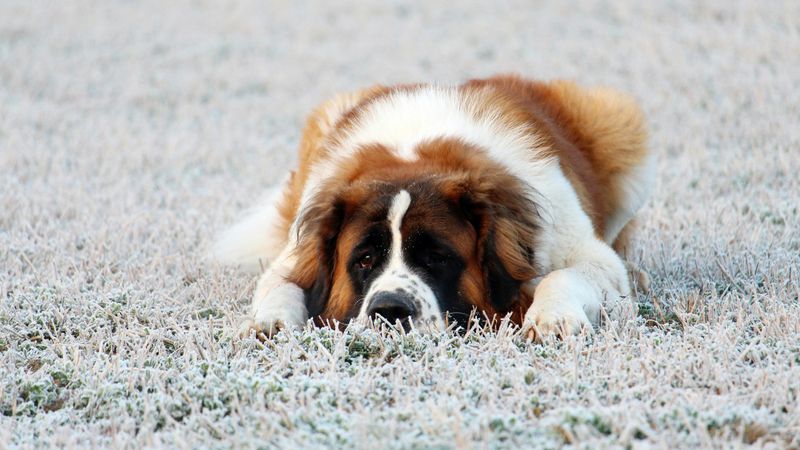
Saint Bernards are gentle guardians with a famously calm indoor demeanor. After modest daily exercise, they are content to snooze near the family and soak up affection.
Their size demands space awareness, but their hearts are pure marshmallow.
Expect drool and seasonal shedding, so keep towels and a brushing routine ready. Positive, consistent training is essential because a friendly body-check can topple stuff.
Joint supportive beds, measured feeding, and careful growth management protect their frames.
They respond to kindness and steady routines. With socialization and leash manners, they become dependable, low-drama companions.
If you want a big, cozy presence who prioritizes cuddles over chaos, a Saint Bernard delivers that calm, homely magic.
Irish Wolfhound
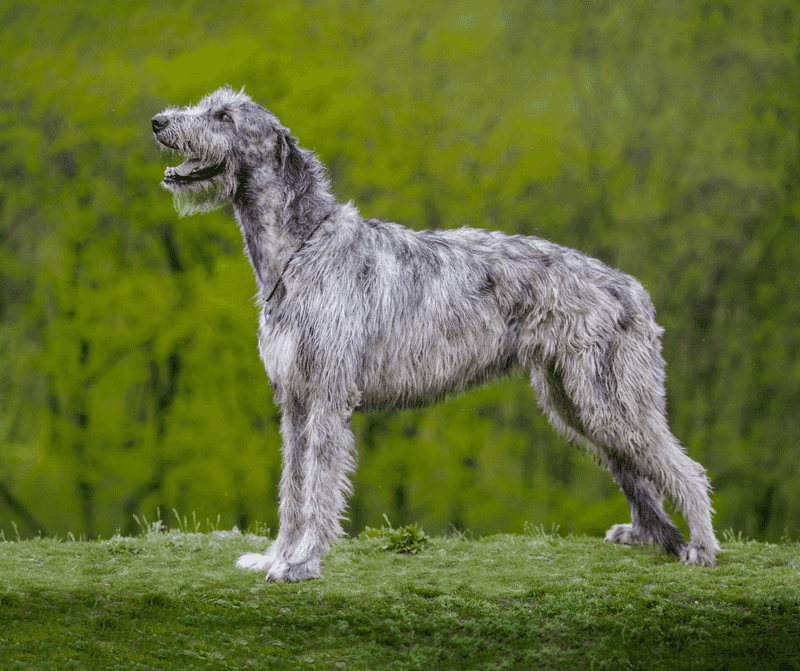
Irish Wolfhounds are dignified giants known for quiet grace indoors. They need daily strolls and occasional free runs in a secure area, then they settle remarkably well.
Their gentle nature makes them pleasant roommates who prefer soft communication over stern corrections.
Rapid growth means careful nutrition and avoiding strenuous jumping while young. Their rough coat needs routine brushing, but overall grooming is reasonable.
Training should prioritize leash skills, recall, and polite door behavior, since their height reaches countertops effortlessly.
Provide large, supportive bedding and protect bony elbows from hard floors. They cherish companionship and will shadow you calmly.
With respectful handling, an Irish Wolfhound offers a tranquil, affectionate presence that fits beautifully into relaxed households.
Scottish Deerhound
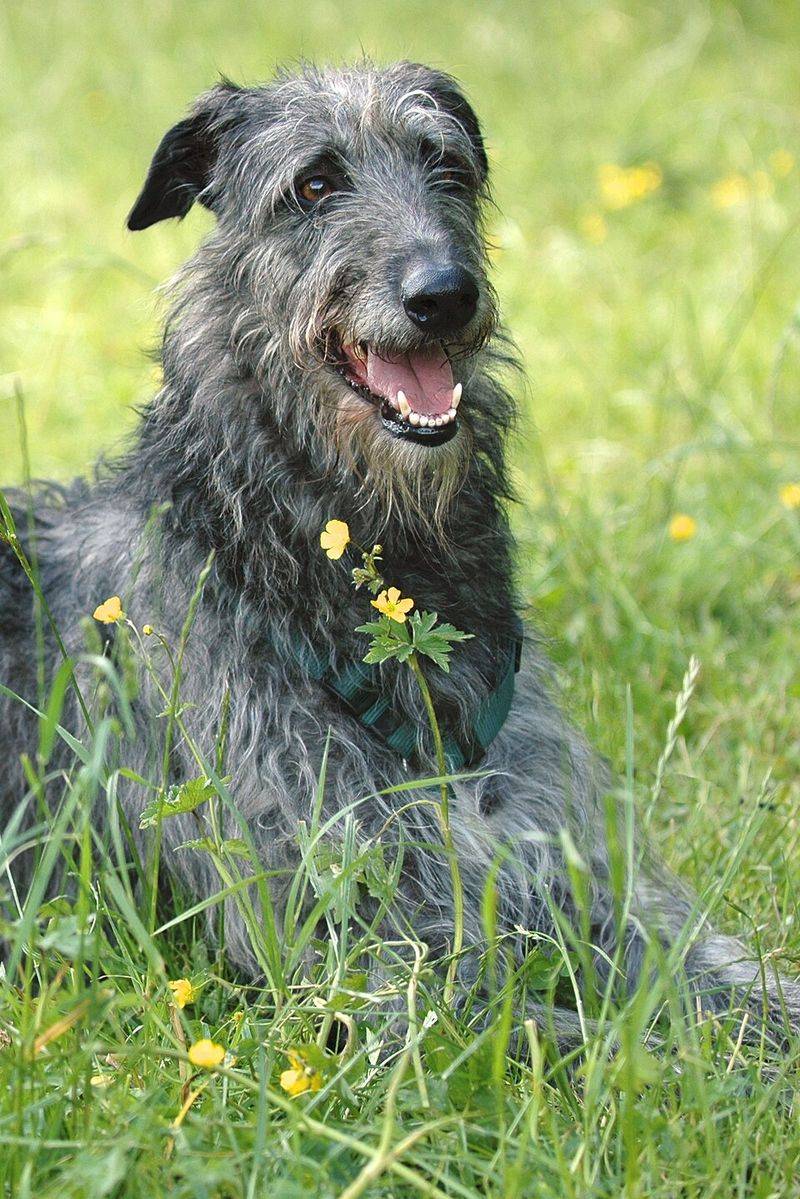
Scottish Deerhounds bring a serene, old-world calm to the home. They enjoy gentle wanders and occasional sprints, then transform into soft, quiet loungers.
Their polite temperament and low indoor intensity make living spaces feel peaceful and unhurried.
Coat care is manageable with weekly brushing and occasional stripping. Training works best with patience and light pressure, focusing on recall and door etiquette.
Like other sighthounds, they appreciate comfy bedding and warm corners away from drafts.
They coexist well with respectful children and prefer predictable routines. Secure fencing is essential due to chase instincts outside.
If you want a tall, graceful companion who values calm over commotion, a Deerhound offers dignified sweetness and surprising ease indoors.
Bullmastiff
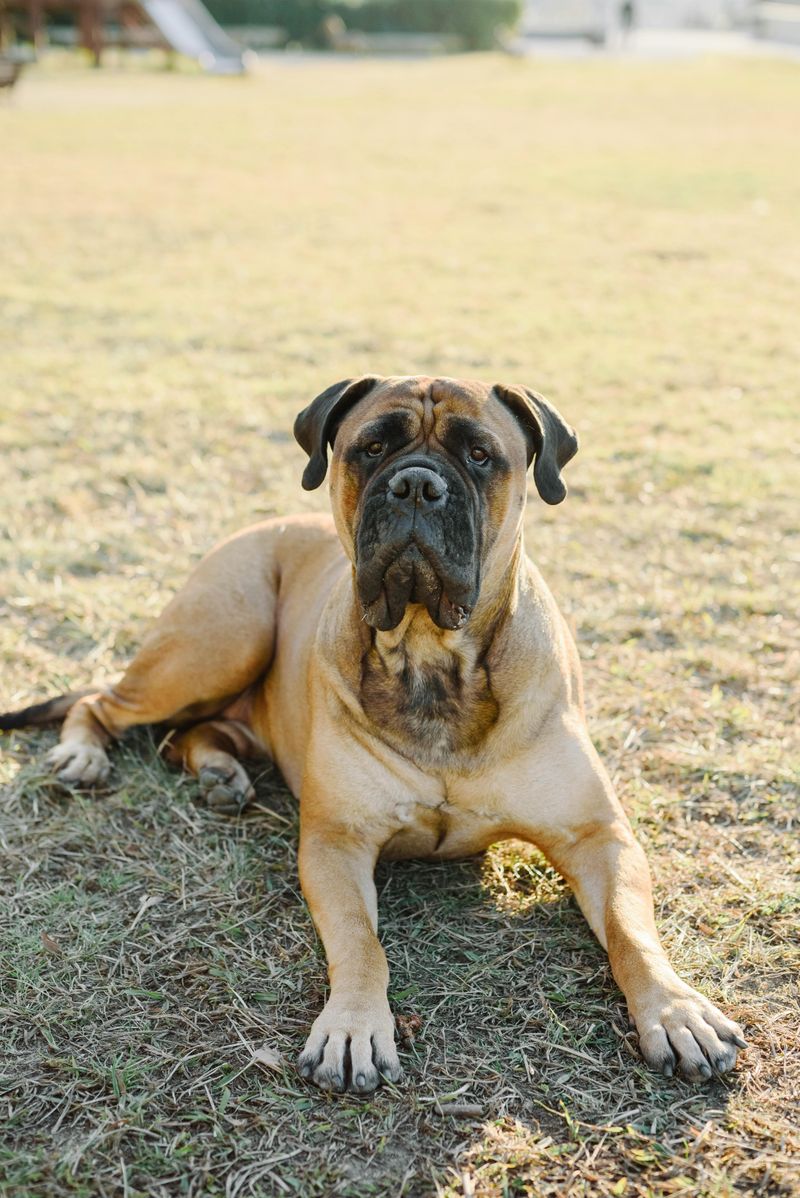
Bullmastiffs were bred to be quiet, observant guardians, and it shows indoors. After structured walks, they prefer to settle and keep watch with impressive self-control.
Their short coat simplifies grooming, and their steady temperament suits calm households beautifully.
Training should reinforce boundaries, polite greetings, and reliable recalls, since their strength is significant. Socialization ensures confidence without defensiveness.
Provide joint support, weight management, and moderate exercise to keep them comfortable and balanced.
They attach deeply and enjoy relaxed togetherness. Expect a velvety head on your knee more than nonstop motion.
For those wanting a confident, low-clutter companion, the Bullmastiff’s hush-and-cuddle lifestyle can be surprisingly easy to manage indoors.
English Mastiff
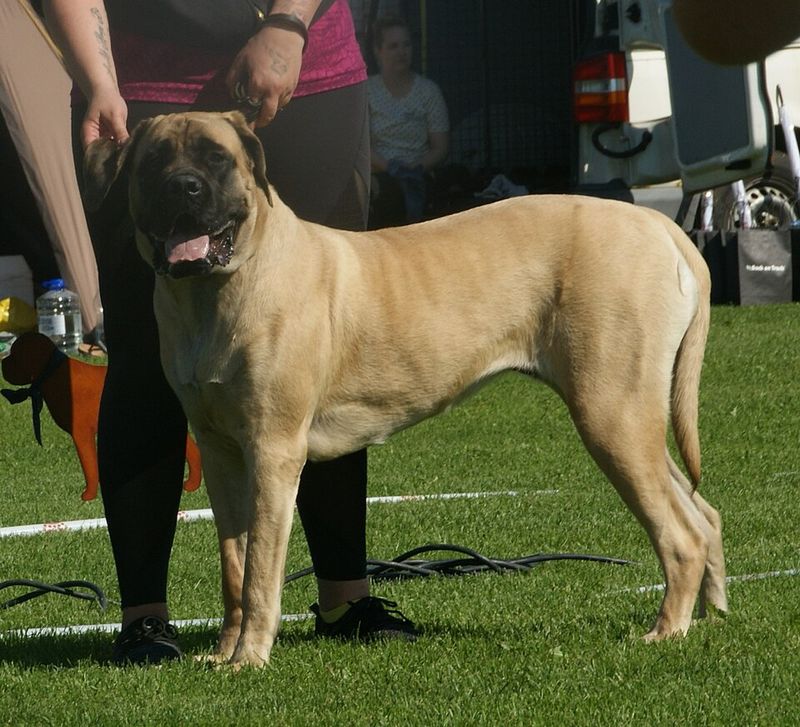
English Mastiffs are monumental in size yet famously docile. They thrive on consistent routines, short daily walks, and lots of lounging.
Indoors, they move deliberately and quickly find their favorite resting spot, transforming big spaces into serene retreats.
Their short coat requires basic brushing and drool management. Early training centered on leash skills, impulse control, and calm greetings is vital, given their mass.
Focus on joint care, slow-growth diets, and supportive beds to protect their frames.
They adore steady companionship and will follow you room to room. Minimal chaos, predictable schedules, and gentle guidance bring out their mellow best.
Expect a tender, quietly loyal giant that prefers naps over nonstop activity.
Leonberger
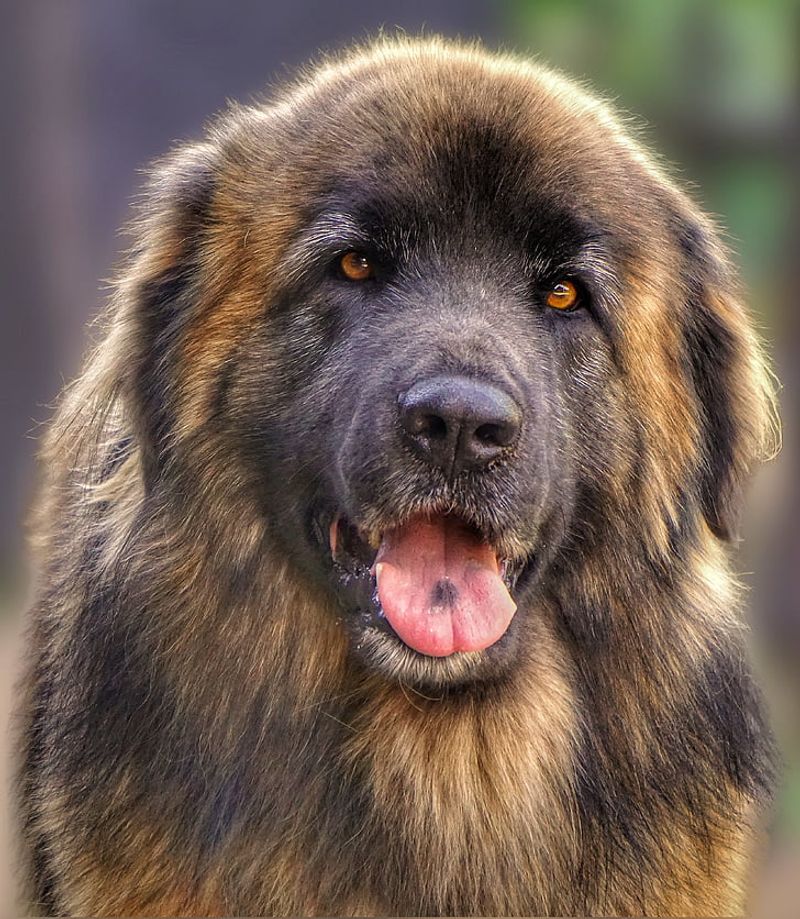
Leonbergers combine grandeur with a surprisingly easygoing indoor presence. After reasonable exercise and mental games, they settle sweetly and enjoy family time.
Their gentle nature and balanced energy fit households that value harmony and routine.
Their dense coat needs consistent brushing and seasonal de-shedding. Prioritize early training for polite leash work and greeting manners, since their enthusiasm can be substantial.
Support hips and elbows with good nutrition and comfortable bedding to protect developing joints.
They form strong bonds and respond beautifully to kindness. Provide cooling options in warm weather, as heavy coats trap heat.
If you want a majestic companion who brings calm, affectionate steadiness to everyday life, the Leonberger is an excellent choice.