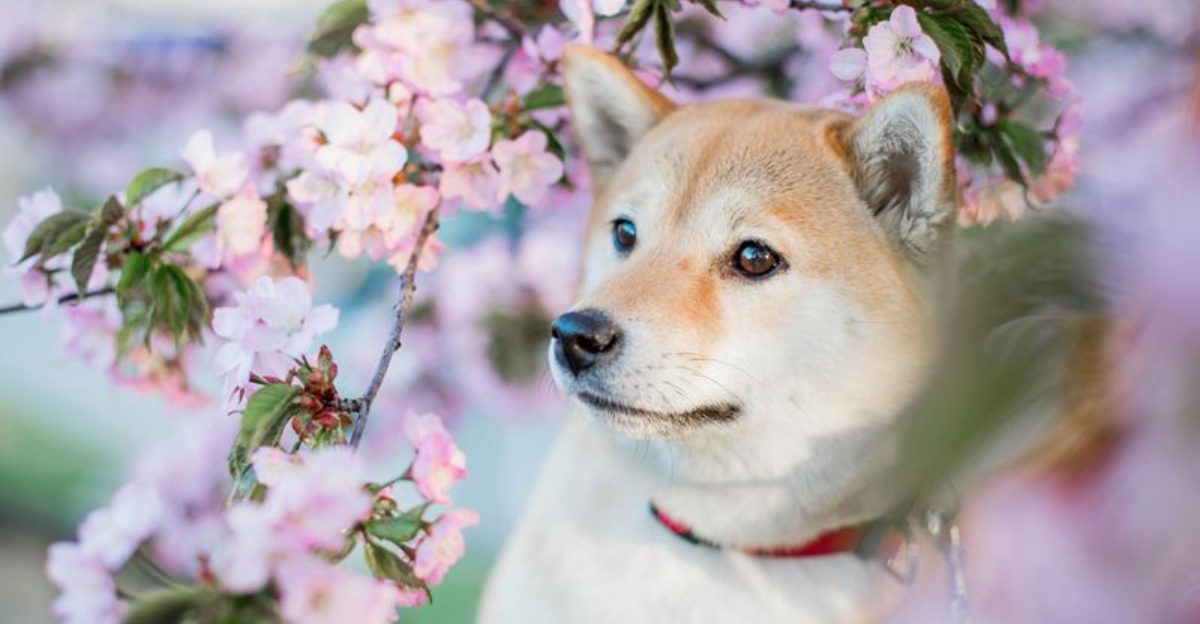
Obedience looks impressive, but some dogs are wired to question rather than comply. These breeds are clever, independent, and often decide whether your request actually makes sense.
If you love personality, problem solving, and a little mischief, you will adore how they keep you on your toes. Ready to meet the free thinkers who value partnership over blind following?
Shiba Inu
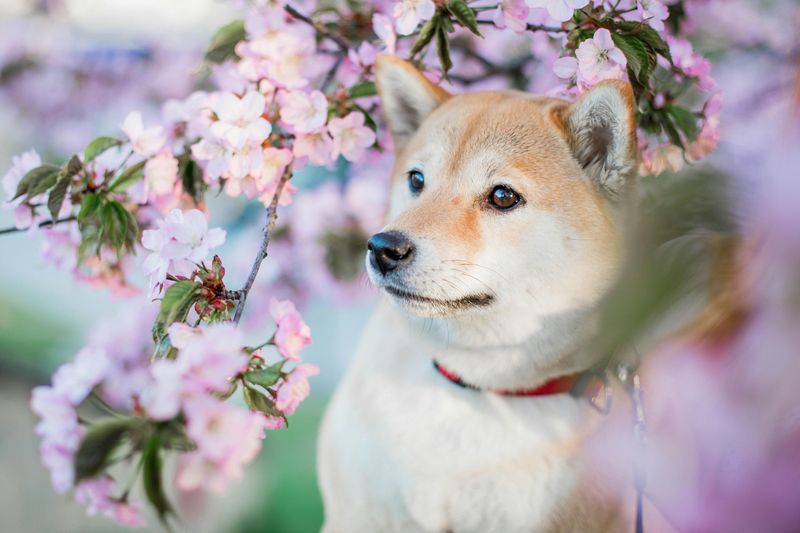
Shibas are spirited minimalists who prefer making their own calls. You will see it in the confident trot, the side eye when you repeat a cue, and the sudden decision to improvise.
They are clean, catlike, and loyal once you earn trust, but they will not tolerate pushy handling.
Positive training with high value rewards turns negotiations into progress. Give clear boundaries, predictable routines, and puzzle toys to satisfy their quick minds.
Leash skills and reliable recall require extra patience, plus safe, fenced play areas.
Early socialization reduces reactivity and resource guarding. Respect their space, avoid rough handling, and keep sessions short.
With humor and structure, you get a witty companion who chooses cooperation because it benefits both of you.
Basenji
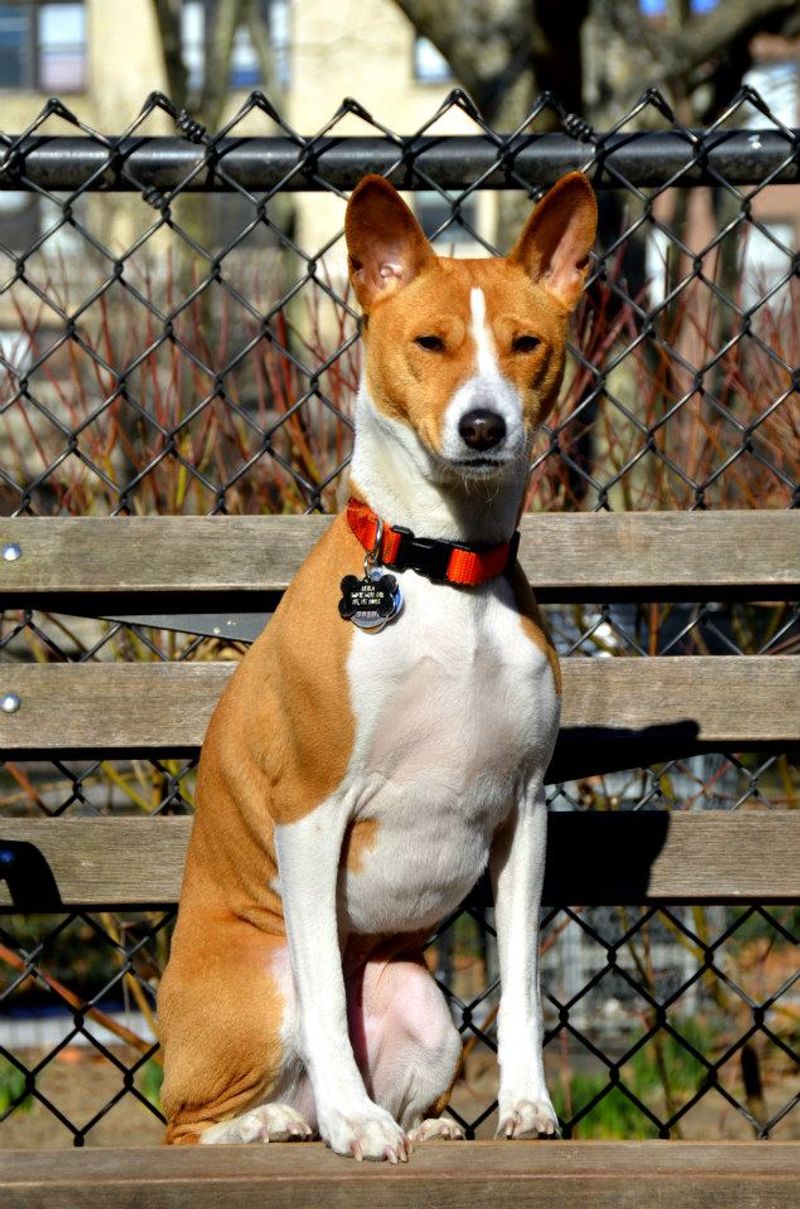
Nicknamed the barkless dog, Basenjis communicate with yodels and expressive eyes. They are agile, fast, and endlessly curious, which means doors and counters are invitations.
Compliance depends on whether your request aligns with their current plan.
Short, upbeat training prevents boredom and zoomies. Reinforce calm behavior with sniff walks and chase games controlled by a flirt pole.
Crate training helps protect both your shoes and their safety during unsupervised moments.
Expect a creative escape artist who learns patterns frighteningly fast. Rotate puzzles and scent work to engage their hunting heritage.
Respect their independence, keep cues concise, and you will earn a partner who performs because you made the smartest option irresistible.
Afghan Hound
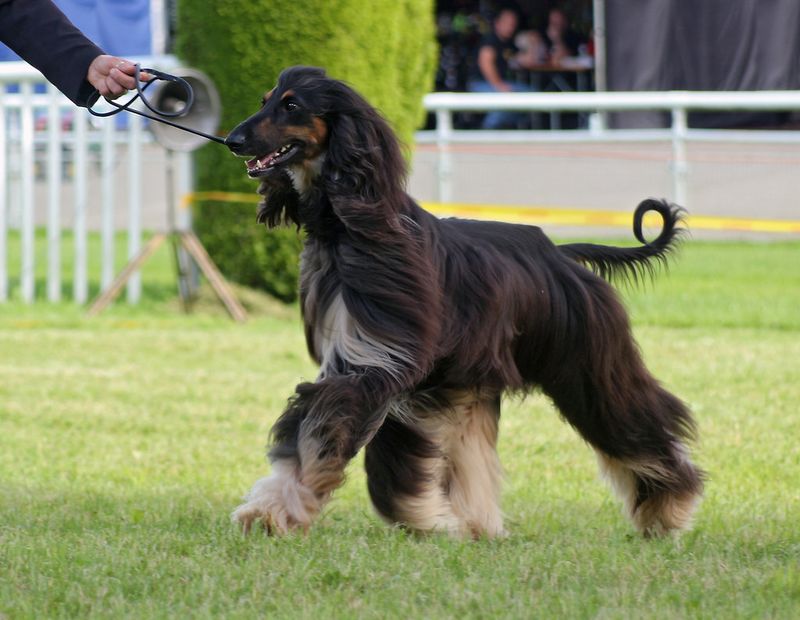
Afghan Hounds are living artwork with a sly sense of humor. They float when they run, and they listen when it suits their elegant agenda.
Affectionate in their own time, they prefer gentle guidance over pressure and thrive when you respect their sensitivity.
Use soft voice, tasty rewards, and short sessions. Grooming is a lifestyle, so start cooperative care early with mats, brushes, and calm conditioning.
Off leash freedom requires secure areas because that sighthound chase drive overrides recall.
Mental enrichment matters as much as beauty. Practice impulse control through games, not drilling.
When you honor their dignity and reduce friction, you will discover a thoughtful athlete who chooses partnership and dazzles with intentional effort.
Saluki
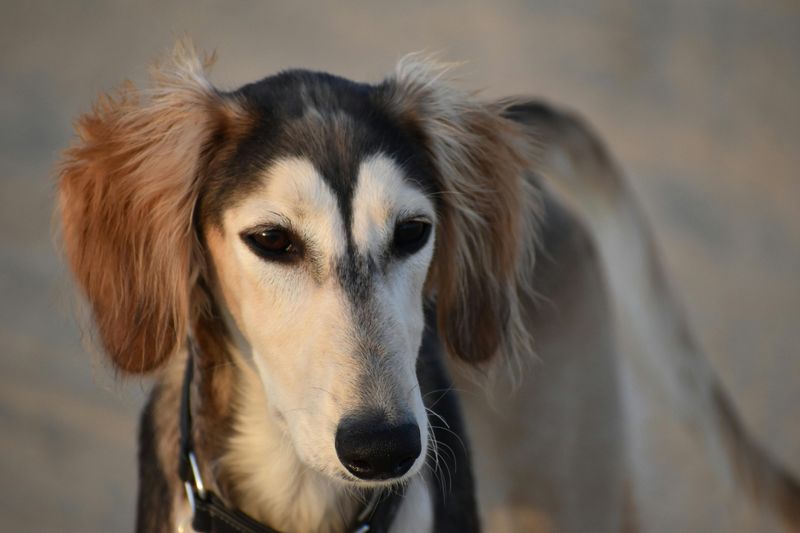
Salukis are ethereal athletes built for distance and speed. They are gentle at home yet driven outdoors, filtering instructions through a calm, discerning mind.
Loud corrections shut them down, while kindness and consistency unlock beautiful cooperation.
Prioritize secure exercise with fenced fields or long lines. Train recall using chase games where returning restarts the fun.
Soft bedding, quiet spaces, and predictable routines help sensitive souls relax and bond.
They appreciate choice and respect during grooming and handling. Enrichment like lure coursing and scent games channels instinct productively.
With thoughtful management, you get a serene companion who listens because your requests feel fair, safe, and aligned with their graceful nature.
Borzoi
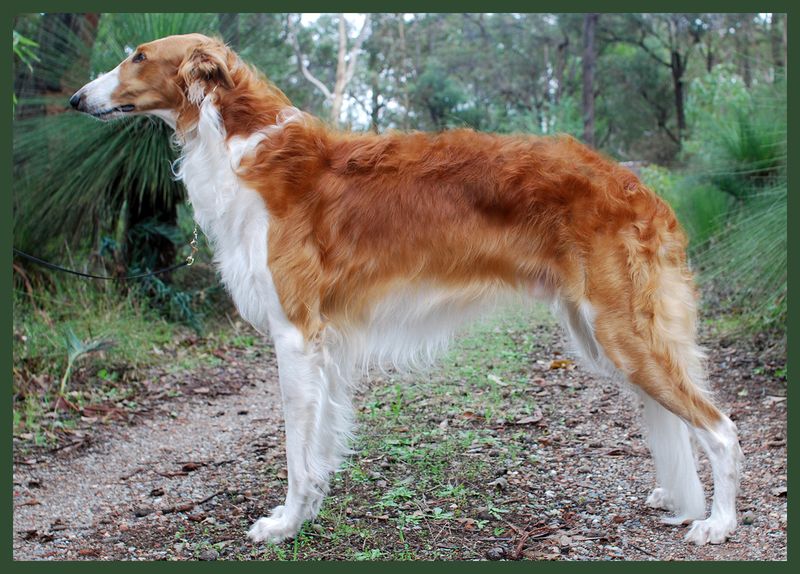
Borzoi carry quiet nobility and the keen eyes of a hunter. They evaluate requests like contracts and prefer collaboration to commanding.
Indoors they lounge like art pieces, but outside they explode into breathtaking speed.
Use low pressure training with food and play, not repetition. Long lines maintain safety while you build a thoughtful recall.
Introduce calm handling for nails and brushing, pairing with treats to make care cooperative.
They are sensitive to chaos and harsh voices. Provide soft surfaces, respectful kids, and gentle introductions to new places.
Give them room to sprint securely, and your Borzoi will return with a dignified smile that says you negotiated correctly.
Chow Chow
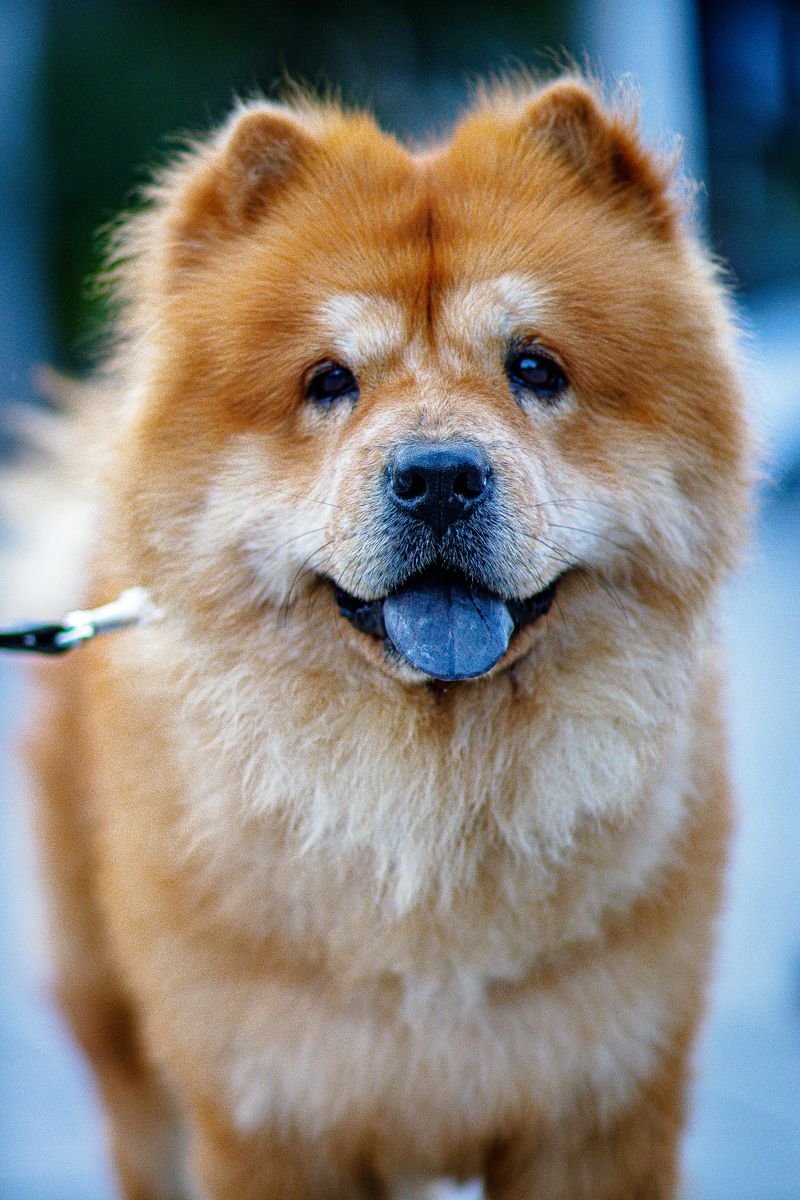
Chows are dignified guardians with a catlike approach to affection. They respect calm leadership and clearly defined boundaries, not constant fussing.
A solid socialization plan is essential so their natural reserve does not slide into suspicion.
Train with food rewards, short sessions, and neutral exposure to people and dogs. Cooperative care is crucial because their dense coat needs consistent grooming.
Teach consent cues for brushing and handling to prevent conflict.
Chows value structure, routine, and confident owners who do not micromanage. Leash manners, place training, and quiet settling create harmony.
Earn their trust, and you will have a devoted companion who chooses to follow rules because the household feels predictable and respectful.
Akita
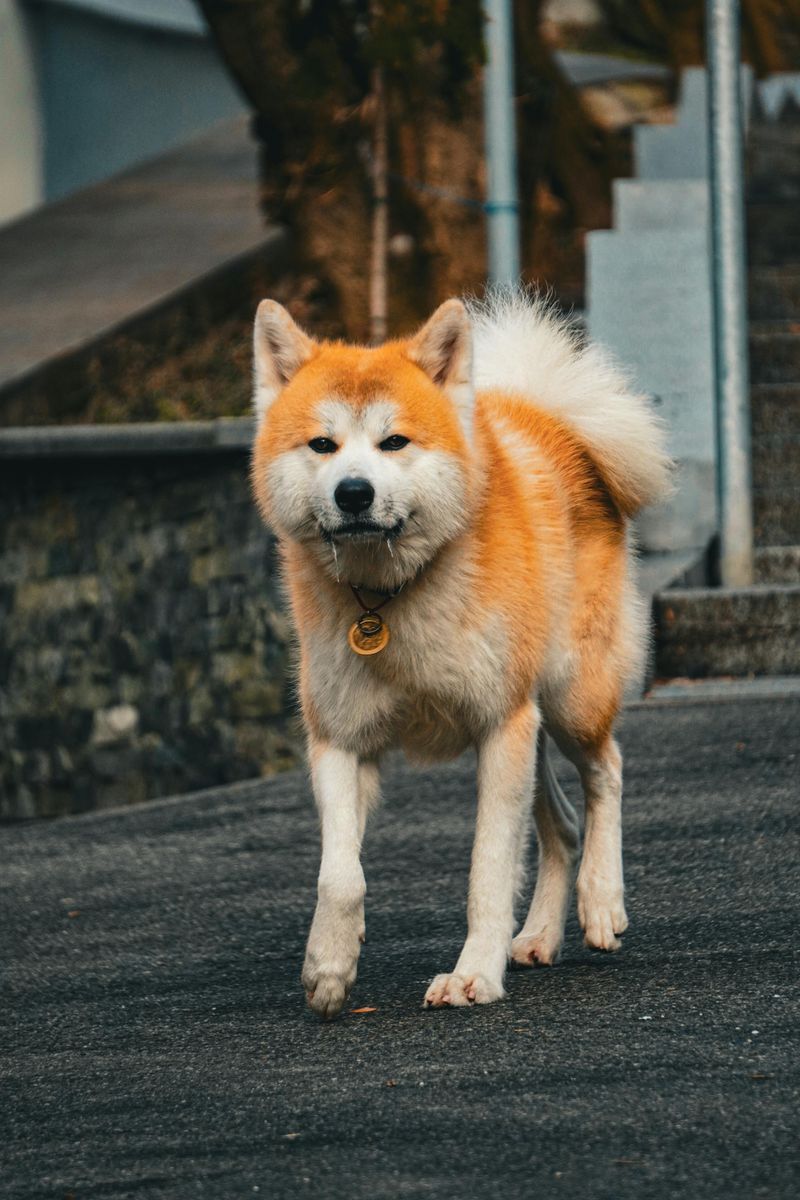
Akitas are powerful, thoughtful protectors with big feelings beneath a steady exterior. They read your body language, notice inconsistencies, and ignore cues that lack purpose.
Early socialization and clear rules are nonnegotiable to guide that confidence responsibly.
Use reward based training with firm fairness. Practice impulse control, polite greetings, and solid leash skills.
Provide jobs like scent work or carting to channel strength and brainpower.
Respect thresholds around food and space, and supervise interactions with unfamiliar dogs. Grooming is regular, especially during seasonal blowouts.
When you blend empathy with structure, an Akita becomes a loyal partner who selects cooperation because your leadership feels trustworthy and balanced.
Shar Pei
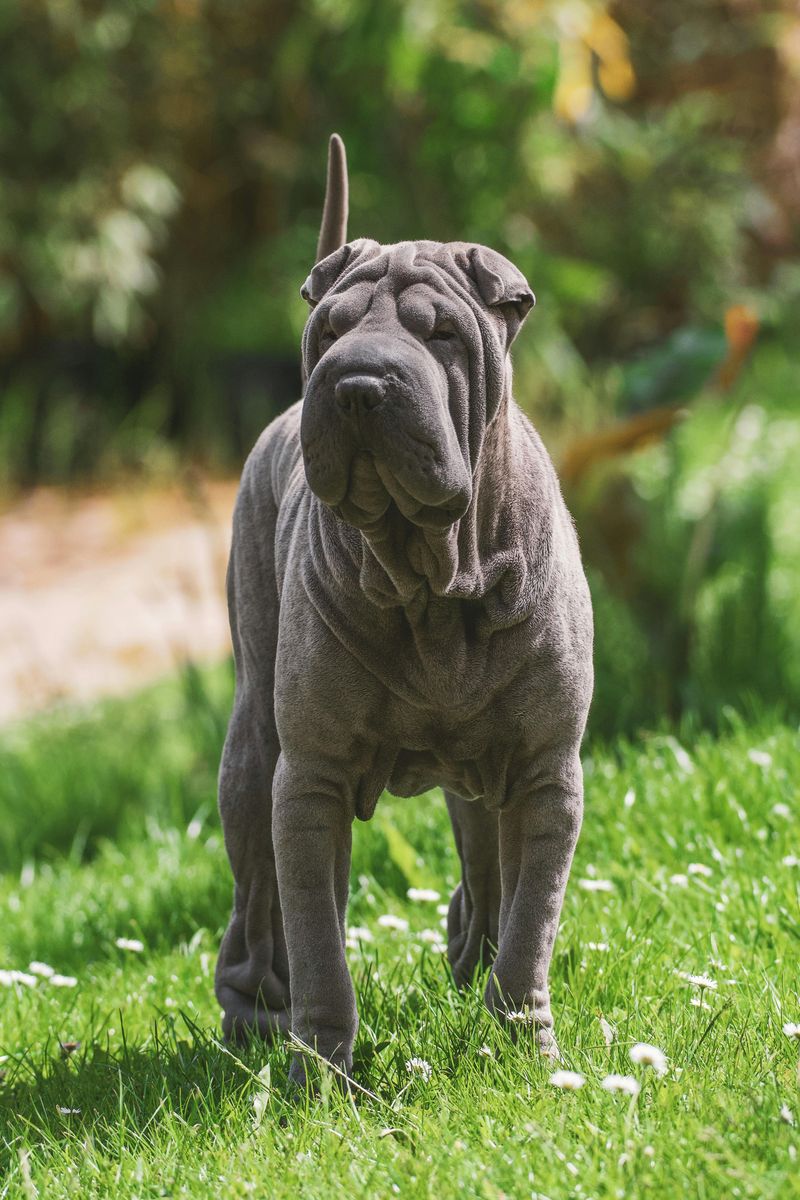
Shar Pei bring quiet confidence and a wrinkle of skepticism to every request. They thrive with owners who set consistent rules without drama.
Sensitive skin and ears mean cooperative care is a top priority as you build trust.
Use calm, reward based training and keep sessions brief. Socialize thoughtfully with neutral exposures rather than forced interactions.
Teach stationing on a mat so vet visits and grooming become predictable routines.
Exercise should be measured to protect joints and skin health. Mental games like nose work and shaping build engagement without pressure.
Treat them like a thinking partner, and your Shar Pei will offer steady, voluntary compliance that comes from comfort, not compulsion.
Standard Schnauzer
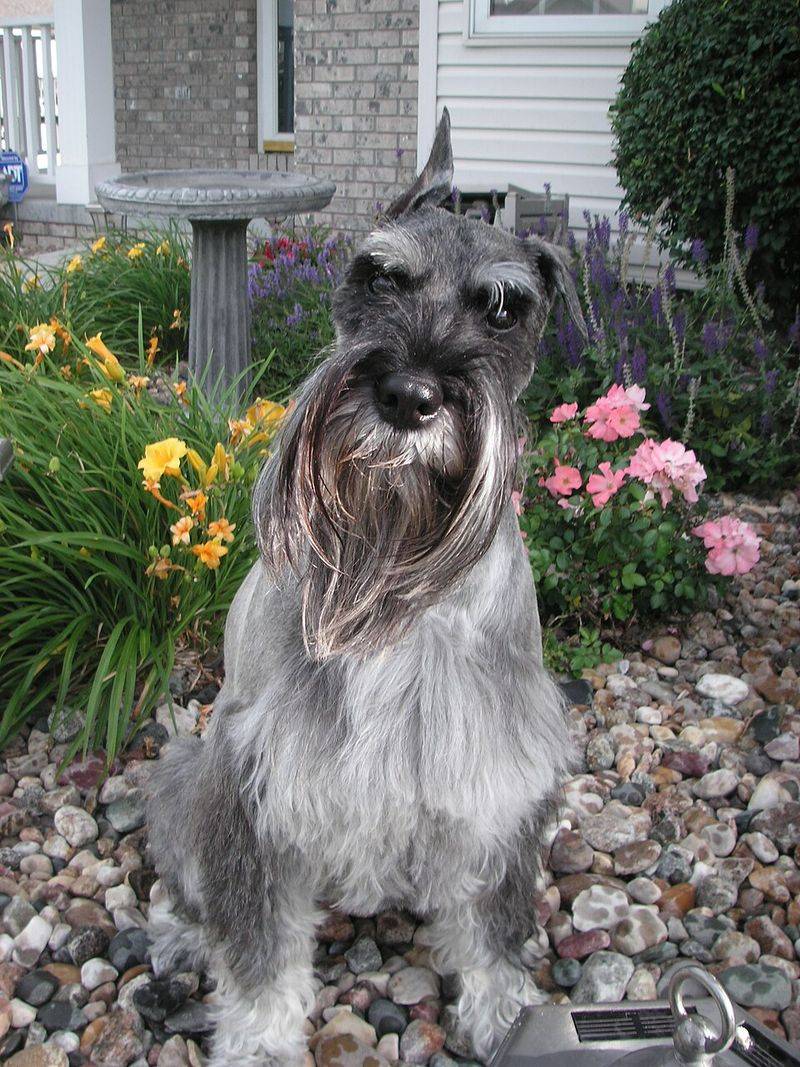
Standard Schnauzers are sharp, mischievous problem solvers with watchdog instincts. They question orders, then propose their own solutions, often hilariously.
Channel that brain with structured games and clear rules so creativity does not become chaos.
Positive reinforcement paired with impulse control produces magic. Teach retrieve, scent work, and trick chains that let them think.
Grooming requires regular hand stripping or clipping, so start cooperative handling early.
They bond deeply but expect fairness and consistency. Rotate puzzles, practice off switch training, and provide athletic outlets like agility.
When you guide rather than micromanage, a Standard Schnauzer transforms into a witty teammate who loves working because the work finally makes sense.
Whippet
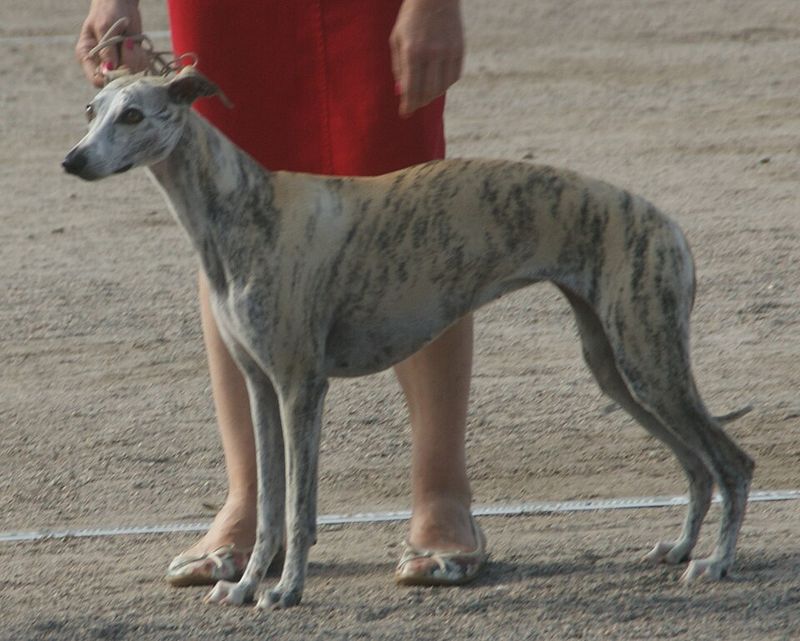
Whippets are gentle house sprites who sprint like lightning. They prefer cooperation over confrontation and may shut down under pressure.
Indoors they are cuddly and quiet, conserving energy for joyful zooms outside.
Use soft encouragement and food rewards, never heavy handed tactics. Long lines and fenced fields let them practice recall safely.
Cozy beds and warm jackets matter because their slim frames chill quickly.
They enjoy lure coursing, nose work, and short training bursts. Teach a solid settle so excitement does not spill over.
Earn their trust and keep things kind, and your Whippet will respond beautifully, choosing to listen because the relationship feels safe and fun.
Finnish Spitz
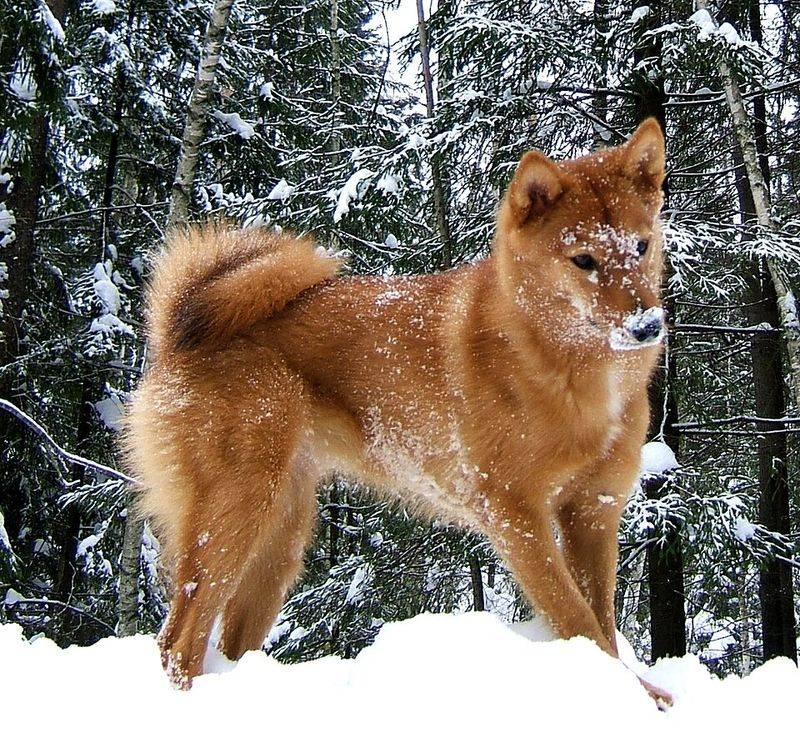
Finnish Spitz are lively, vocal hunters with keen observation skills. They are affectionate with family yet independent thinkers in the field, deciding quickly whether your cue matters.
Barking is part of the package, so channel it with trained speak and quiet cues.
Positive reinforcement and variety keep them engaged. Provide sniffy walks, tracking games, and recall that pays big.
Early socialization ensures confidence without pushiness around strangers and other dogs.
Grooming is easy, but shed cycles require brushing. Mental enrichment prevents nuisance habits like excessive alerting.
Treat them as collaborators, offer choices, and celebrate problem solving. When respected, a Finnish Spitz delivers cheerful cooperation because you turned training into a meaningful conversation.