
Some dogs learn new cues before you finish saying them, and that is not always easy to live with. Quick learners get bored fast, inventing hobbies like redecorating your shoes or herding your guests.
If you want a couch buddy, these brainy breeds will call your bluff. Read on so you can pick a partner who matches your energy, not outsmarts it.
Border Collie
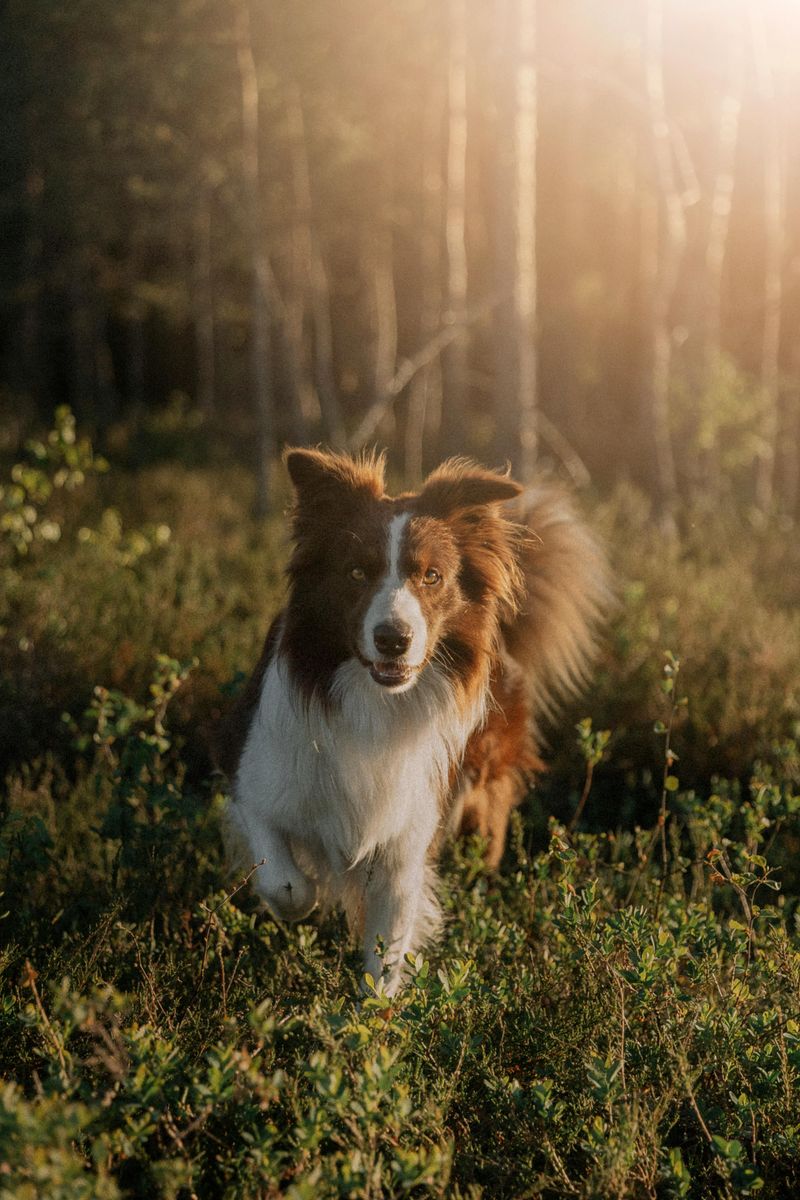
The Border Collie does not just learn your commands, it anticipates them and raises the stakes. You will get a dog that watches you like a hawk, cataloging patterns, schedules, and slipups.
Skip mental work, and you will see creativity explode in questionable directions.
Daily herding games, structured fetch, scent puzzles, and off switch training keep that turbo brain satisfied. You need clear cues, consistent boundaries, and variety to prevent frustration.
Living with this dog feels like managing a gifted child who needs projects.
Agility, flyball, and trick training are ideal outlets for their energy and precision. Without those jobs, they may herd kids or chase cars.
Brilliant, loyal, and intense, they demand your full attention.
Belgian Malinois
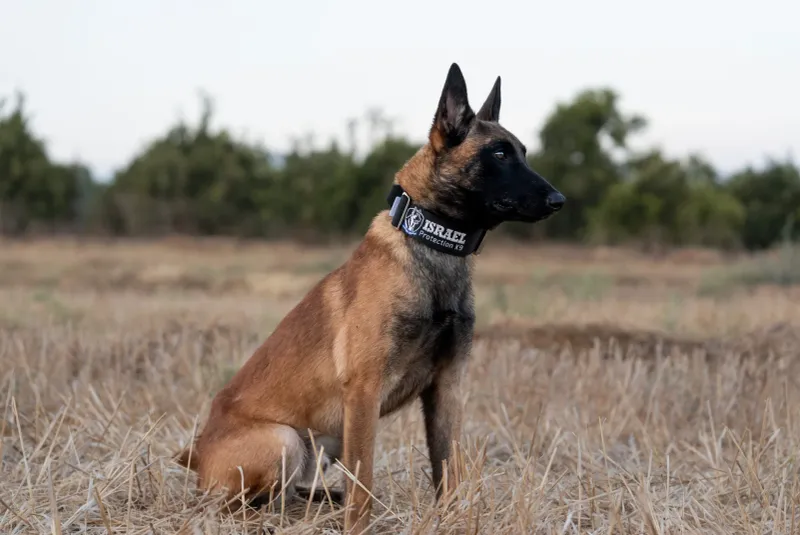
The Belgian Malinois is a working athlete with a brain wired for tasks that matter. This dog thrives on precision, structure, and accountability.
If you coast, the Malinois will not, channeling intensity into pacing, nipping, or self assigned security patrols.
You need purposeful jobs: obedience drills, bite sports, tracking, or advanced detection games. Sessions should be short, frequent, and crystal clear.
Mistakes get learned as fast as correct behaviors, so your timing must be sharp.
Exercise alone is not enough. They require control practice under arousal, calm crate skills, and real recovery time.
In the right hands they are astonishing partners. In casual homes, their drive and suspicion can become a management problem.
Poodle
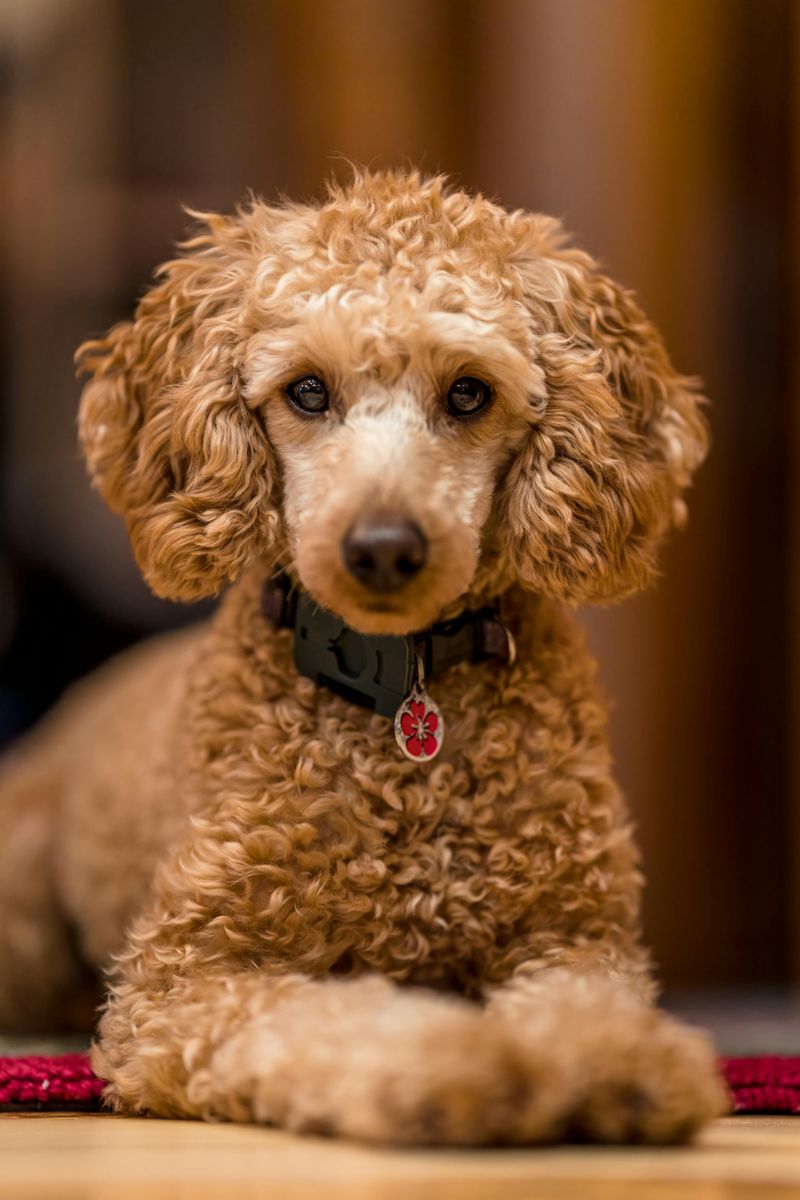
Poodles learn patterns quickly and read micro body language like pros. That means they master cues but also absorb unintentional habits, like door bolting if you once rushed.
Their brains crave novelty, puzzles, and social engagement, not just a pretty haircut.
Rotate trick chains, scent games, and retrieve variations to keep momentum. Use clean reinforcement and clear criteria or they will experiment creatively.
Mental fatigue makes them mischievous, not tired, so add decompression walks and settle training.
They are sensitive, witty, and people focused, which makes sloppy handling backfire. Give consistency and you get a dazzling partner across sports and therapy work.
Give boredom and they will decorate your home with inventiveness you did not request.
Australian Shepherd
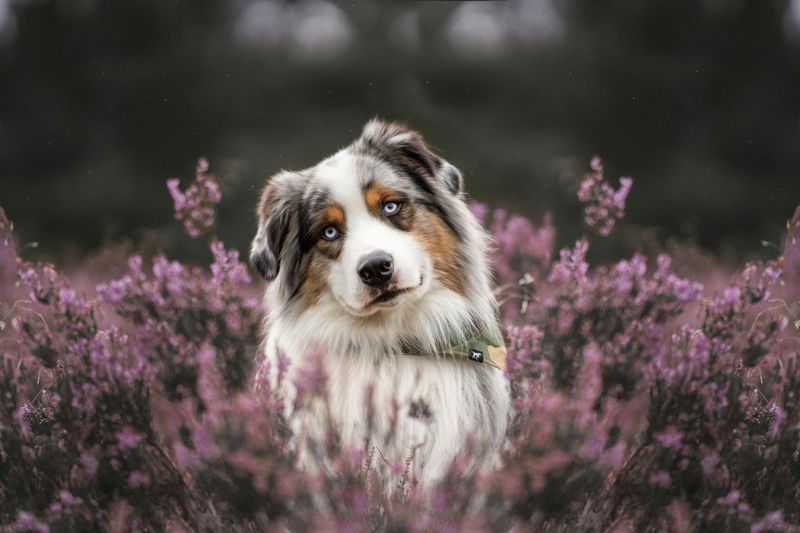
The Australian Shepherd is a mover and a thinker, built to clock decisions all day. You are training a dog who will test your plan and fill gaps with their own solutions.
Without structure, herding instincts can turn into heel nipping and perimeter patrols.
Provide outlets like agility, rally, or chore based tasks at home. Teach impulse control through start line stays and release cues.
Puzzle feeders, hide and seek, and farm style obedience keep them balanced.
They bond deeply and can become vocal project managers if ignored. Clear schedules help channel intensity into cooperation.
Expect a teammate that challenges you to be consistent, fair, and interesting, or they will rewrite the agenda.
German Shepherd
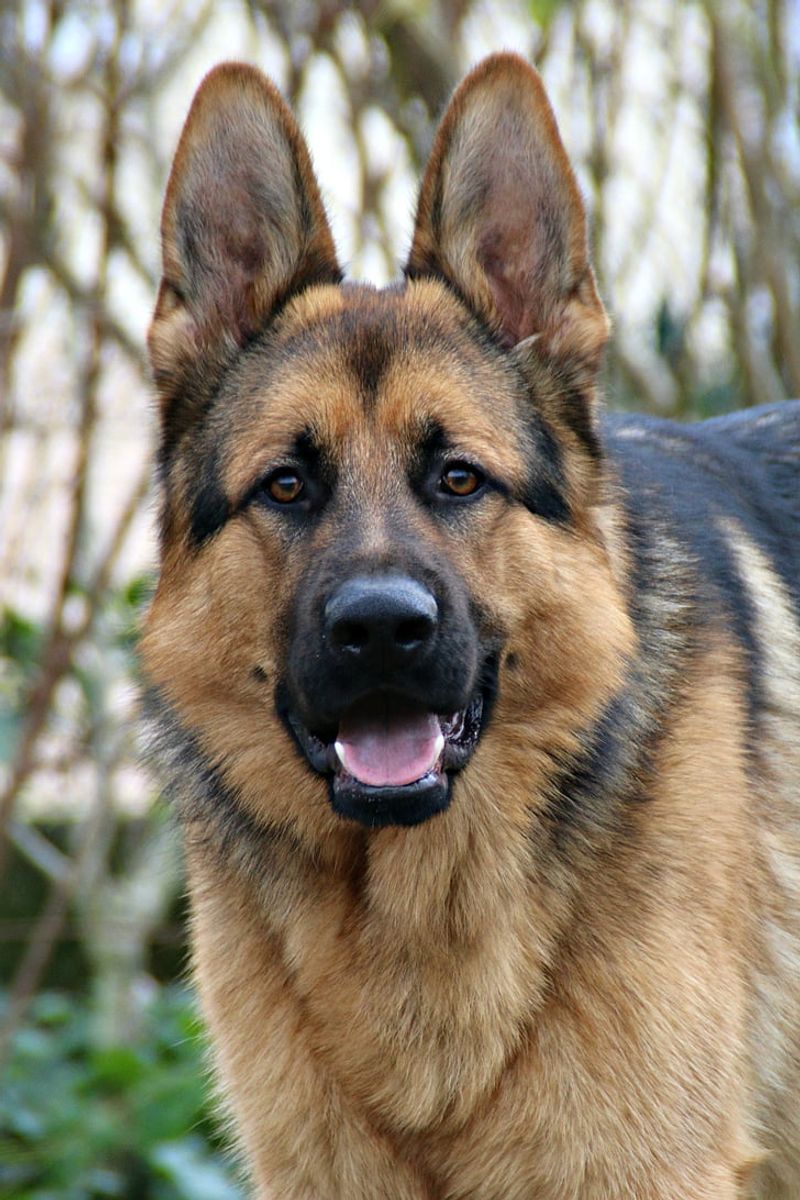
German Shepherds are strategic learners with a strong sense of purpose. They soak up patterns and environmental cues, so sloppy routines become rules.
Without tasks, they may develop territorial habits and self directed guarding.
Balanced training blends obedience, tracking, and scent work with clear neutrality practice. Teach on and off switches: intense engagement, then calm stationing.
Consistency matters because they generalize quickly, for better or worse.
Mental stimulation should include problem solving rather than endless fetch. Strength work, platform games, and environmental confidence sessions build stability.
Give them leadership through predictable structure and they shine as loyal, versatile partners. Neglect the mind and that power pivots into anxiety and reactivity.
Papillon
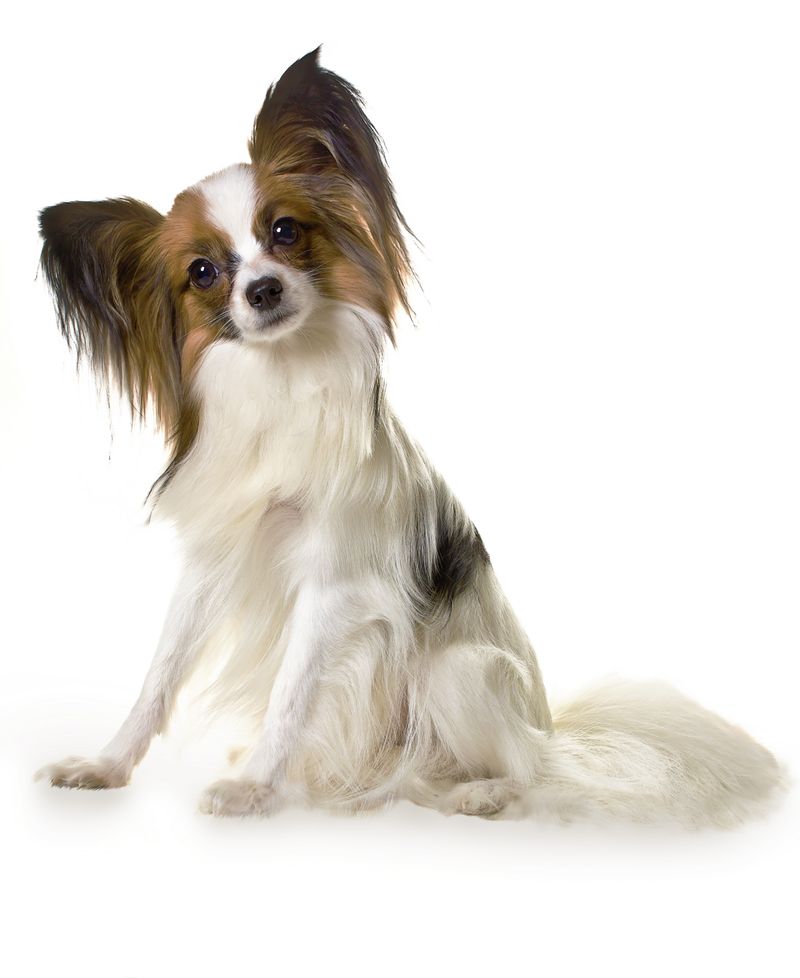
Do not let the size fool you. Papillons are sharp, spirited learners that devour training sessions and spot loopholes instantly.
They love to work, and they love to be right, which can make inconsistency messy.
Short, brisk training with rapid reinforcement suits their pace. Teach impulse control around doors, laps, and food, because they will self reward quickly.
Trick training, rally, and agility are perfect outlets for their brains and athleticism.
They read your mood and mirror it, so handle with cheerful clarity. Overpampering creates tiny tyrants with giant opinions.
Treat them like a real sport dog in a small package, and you will get brilliance without the bratty side effects.
Shetland Sheepdog
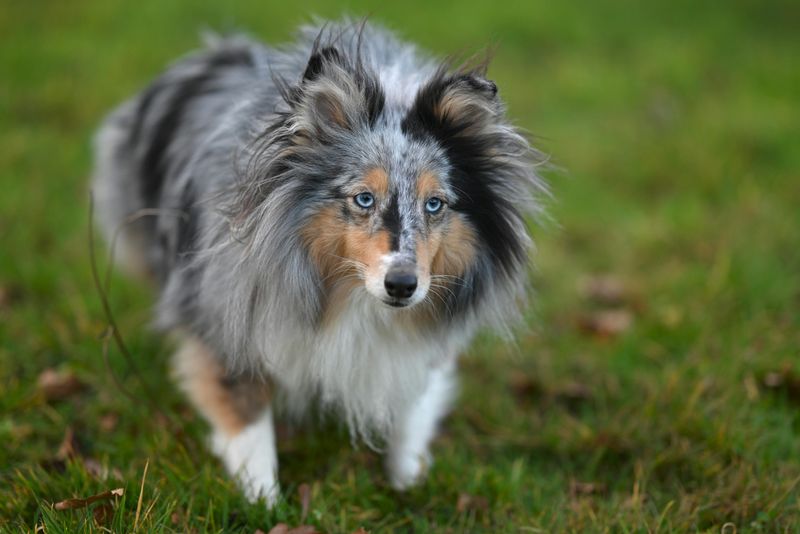
Shetland Sheepdogs are sensitive overachievers that memorize everything, including your mistakes. They live for clarity and rhythm, and they panic when the rules change midweek.
Leave them understimulated, and you may get barky micromanagement of your household.
Layer skills with target work, distance cues, and obedience games. Use soft handling and predictable routines to build confidence.
Countercondition environmental triggers because they notice every leaf and sound.
They excel in sports where precision meets speed. Teamwork thrives when you reward thoughtful choices, not just frantic movement.
Give them puzzles, mindful heeling, and calm mat work, and they will channel brilliance into harmony rather than noise.
Standard Schnauzer
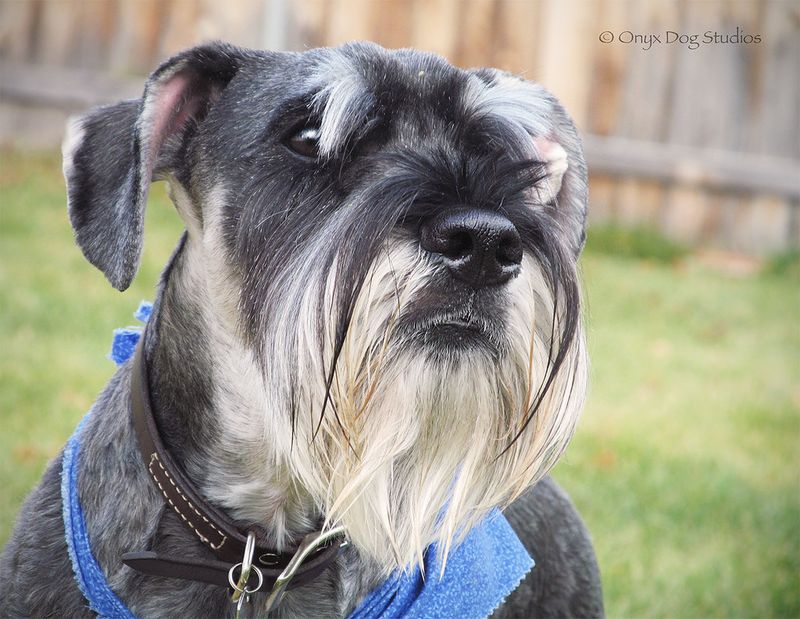
The Standard Schnauzer is clever, independent, and a touch opinionated. They learn patterns fast but also question your criteria, which can frustrate casual handlers.
Without mental jobs, they will repurpose intelligence into gatekeeping and prankster antics.
Teach through short shaping sessions, urban nosework, and rock solid recalls. Vary reinforcement so they do not game the system.
Clear boundaries around guests, counters, and doorways keep their watchdog instincts in check.
They adore meaningful work with you, not endless repetition. Give them challenges that require focus and restraint, followed by real downtime.
With consistent rules and humor, you get a witty, hardy partner who thrives on cooperation rather than constant negotiation.
Doberman Pinscher
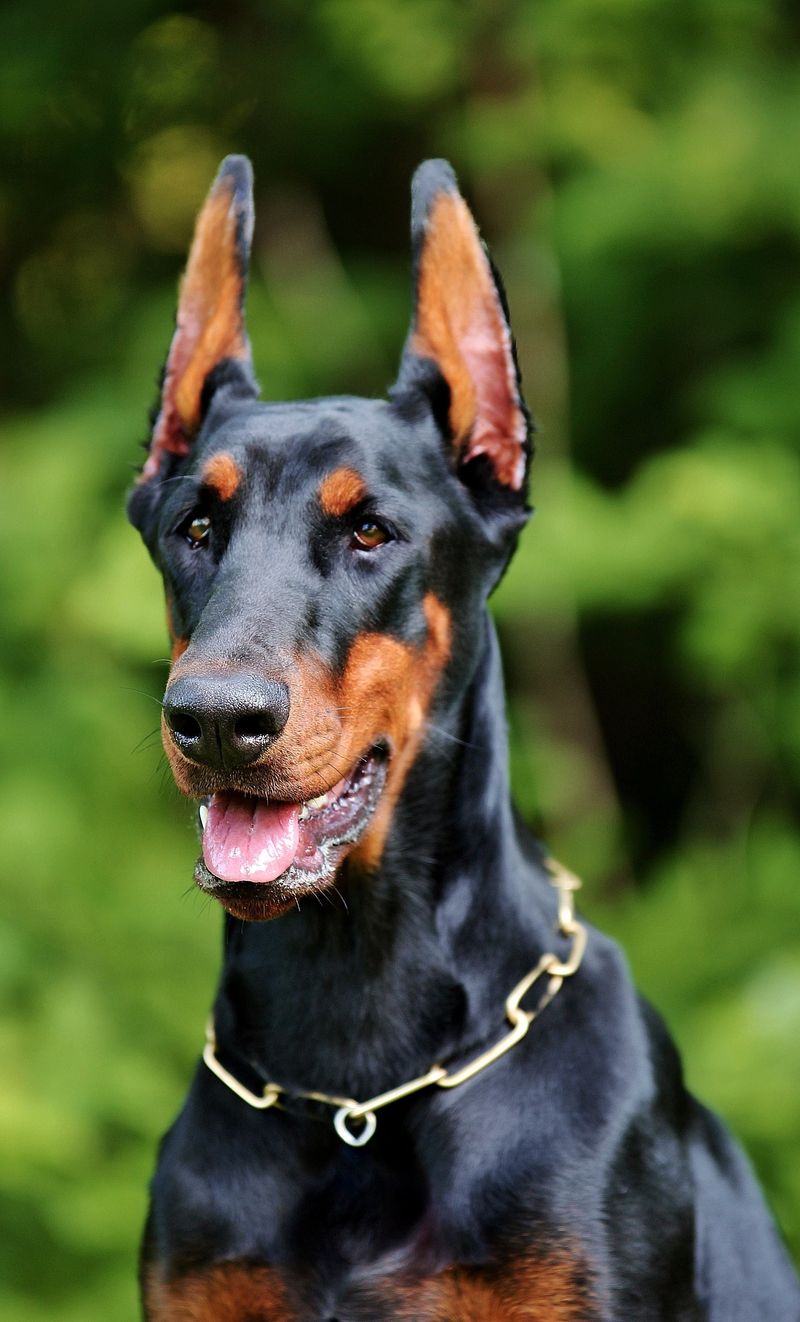
Dobermans are fast thinkers with high social awareness and a need for purpose. They will decode your routines and guard your feelings if you do not provide direction.
That sensitivity fuels brilliant obedience but also anxiety when left underworked.
Mix precision heelwork, scent articles, and place training to build balance. Teach neutrality around strangers and stimuli so confidence trumps suspicion.
Keep sessions engaging but not chaotic, with generous reinforcement for calm choices.
They crave closeness and can become velcro shadows. Structure independence through crate naps and settle cues to prevent clingy behaviors.
Given fair leadership and mental jobs, they are elegant, affectionate problem solvers rather than overprotective project managers.
Australian Cattle Dog
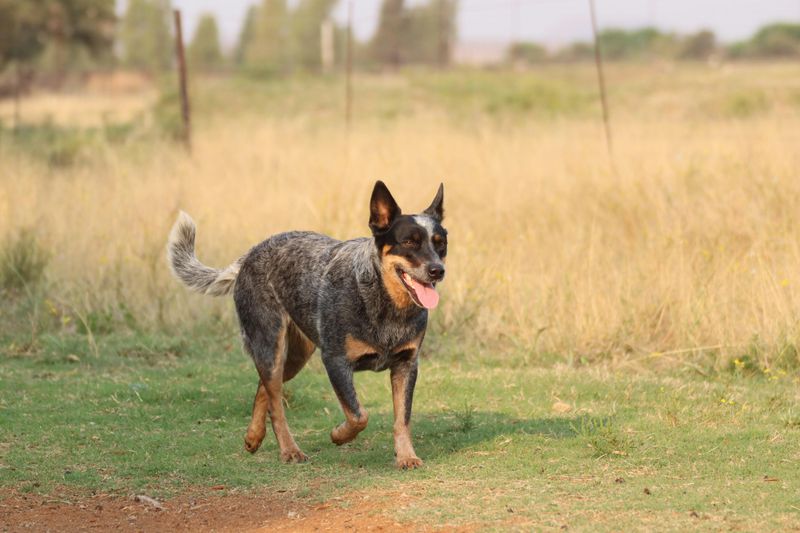
The Australian Cattle Dog operates like a tactical foreman with turbo stamina. They notice everything, solve problems fast, and push for control if you hesitate.
Underworked, they invent jobs like herding joggers or dismantling sprinklers.
Channel that drive into stockwork foundations, frisbee with rules, and long line tracking games. Prioritize impulse control and bite inhibition because their grip is no joke.
Clear expectations and durable toys save your furniture and your sanity.
They thrive on honest work and straightforward communication. Keep training fair, consistent, and varied to prevent conflict.
Provide real decompression in nature, and you will get a gritty, loyal teammate who puts brains and brawn to productive use.