
You already know smart dogs can learn tricks fast, but the real plot twist is how they learn you. Some breeds read your routines like a playbook and steer outcomes without a sound.
They do not bully or beg. They nudge, redirect, and make you think it was your idea all along.
Border Collie
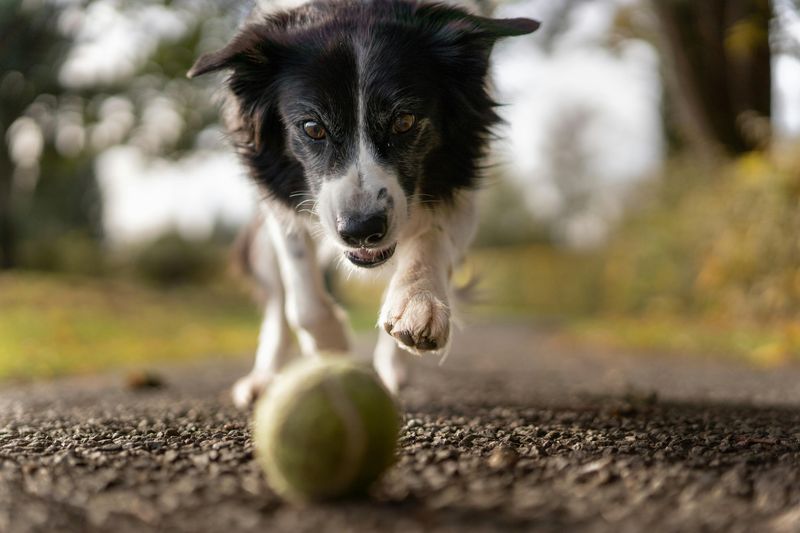
The Border Collie watches your morning steps like a chess master, adjusting angles until you “choose” the route it wanted. A glance becomes a suggestion, a flank becomes a plan, and suddenly you are tossing a ball.
You think it is playtime by choice, but the timing was set hours ago.
Inside the home, it positions toys along pathways you will not ignore. It uses stillness, then a stare, to make the next move feel inevitable.
Boundaries require structure and jobs, or it will invent them without asking.
Give clear tasks, varied drills, and decompression walks. Reward calm decisions.
You will feel proud, and it will quietly run the show.
Poodle
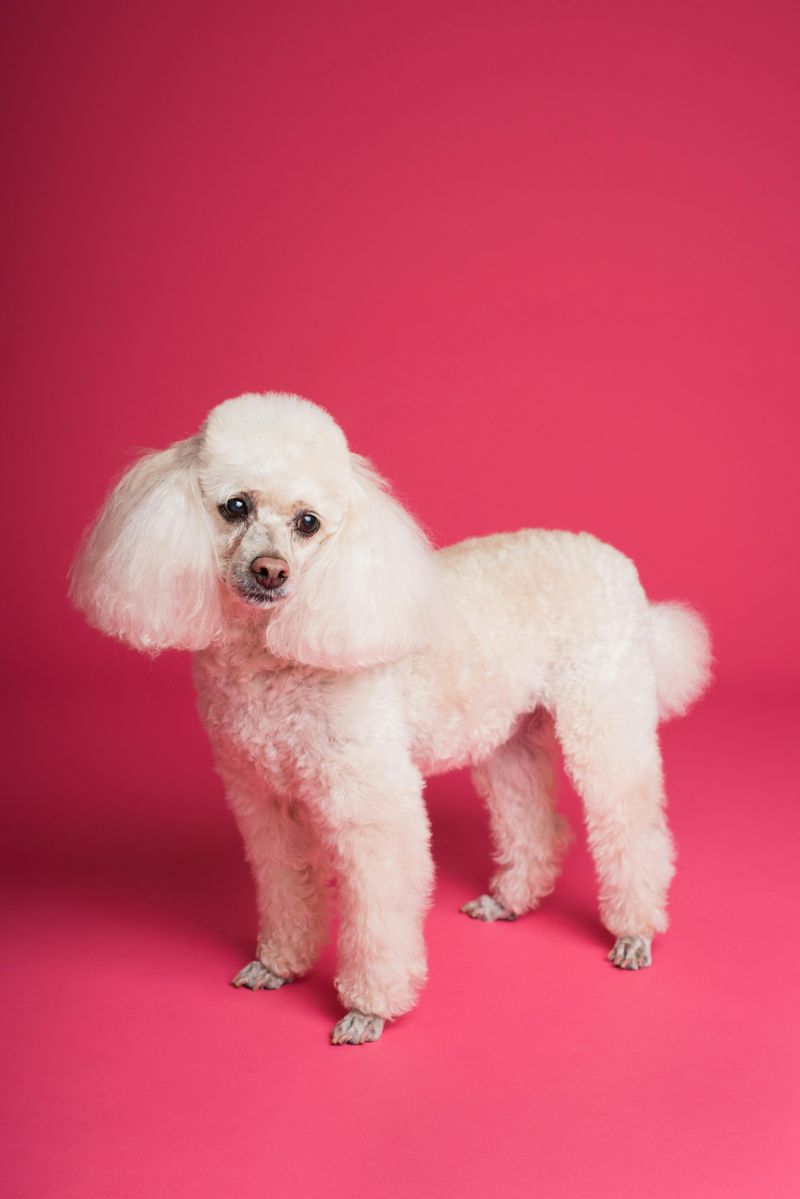
Poodles notice which tone gets you moving and mirror it back with precision. A tiny sigh, a poised sit, and you are reaching for the leash like it was your idea.
They place themselves in doorways at transition moments, shaping your schedule with polite posture.
Groomed looks distract from tactical minds. They cache toys in sightlines you scan most, and hover near the closet before you remember training time.
It feels cooperative because it is elegantly staged.
Rotate puzzles, reinforce impulse control, and mark quiet offers. Teach off switch cues.
You will admire the manners while the Poodle subtly curates the whole vibe.
Australian Shepherd
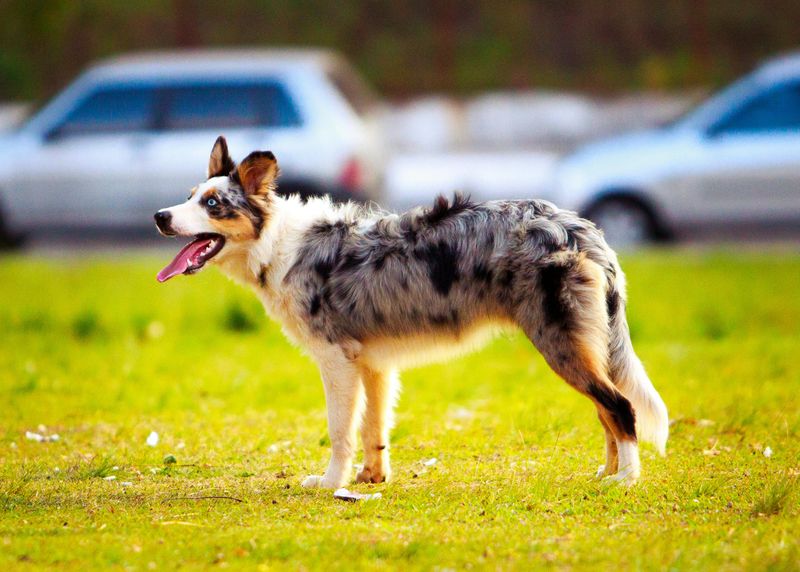
The Australian Shepherd nudges movement through arcs, not orders. You will feel guided, not pushed, as it shifts to the side that turns you toward the car or the trail.
It anticipates your choice and gets there first, making the path look obvious.
In the house, it corrals family energy by filling gaps in your flow. It brings the missing shoe, blocks the chaotic hallway, and “escorts” kids to settle.
There is no bark, just perfect placement.
Provide herding outlets, scent games, and criteria for calm. Reinforce breaks as strongly as tasks.
When structure arrives, manipulation softens into partnership.
German Shepherd
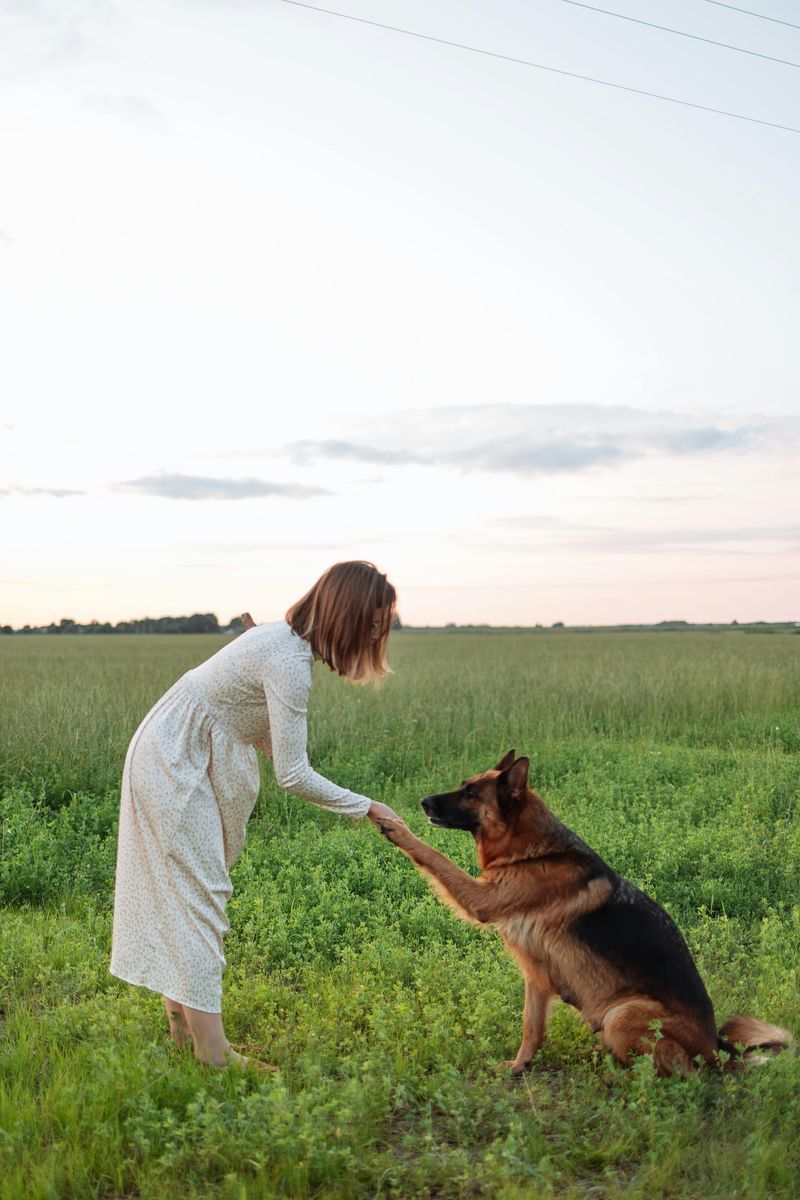
German Shepherds influence by managing access. They park between you and the door until you acknowledge their plan, then step aside like a butler.
You think you chose to grab the keys, but their body placement framed the scene.
They track patterns of risk and comfort. Without noise, they redirect guests by escorting them to preferred seats.
Pressure is light, eyes are measured, decisions look mutual.
Train neutral stationing, release cues, and cooperative handling. Offer clear jobs that end.
When you reward check ins and calm stands, the guidance becomes teamwork rather than quiet control.
Belgian Malinois
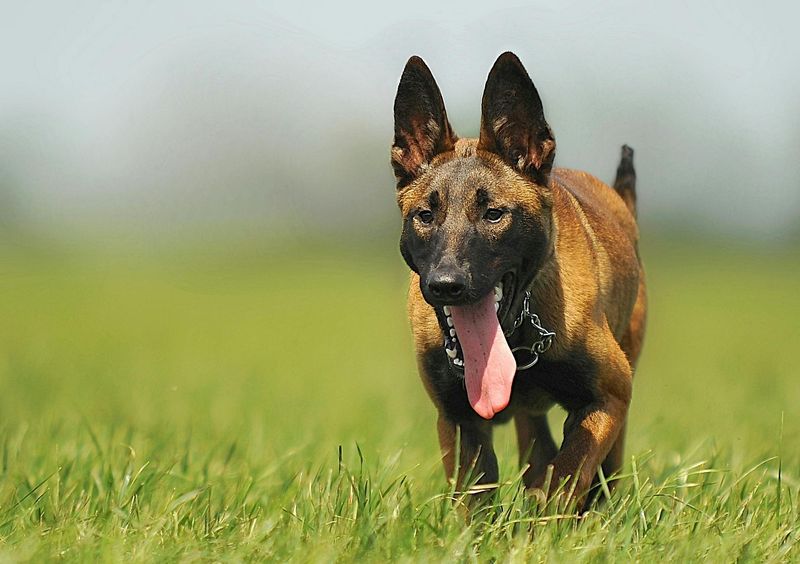
The Malinois runs persuasion at high speed. It hovers where momentum lives, near the gate or training bag, and waits you out.
When you glance, it springs into perfect heel, turning attention into authorization.
Inside, it cycles toys beside your chair until you stand, then offers sits so clean you feel compelled to reward. Silence, precision, and timing create your next move.
The dog wrote the choreography hours ago.
Balance drive with decompression, scatter feeding, and mat work. Cap arousal, then pay stillness.
With structure, this strategist becomes your sharpest collaborator, not your quiet boss.
Shetland Sheepdog
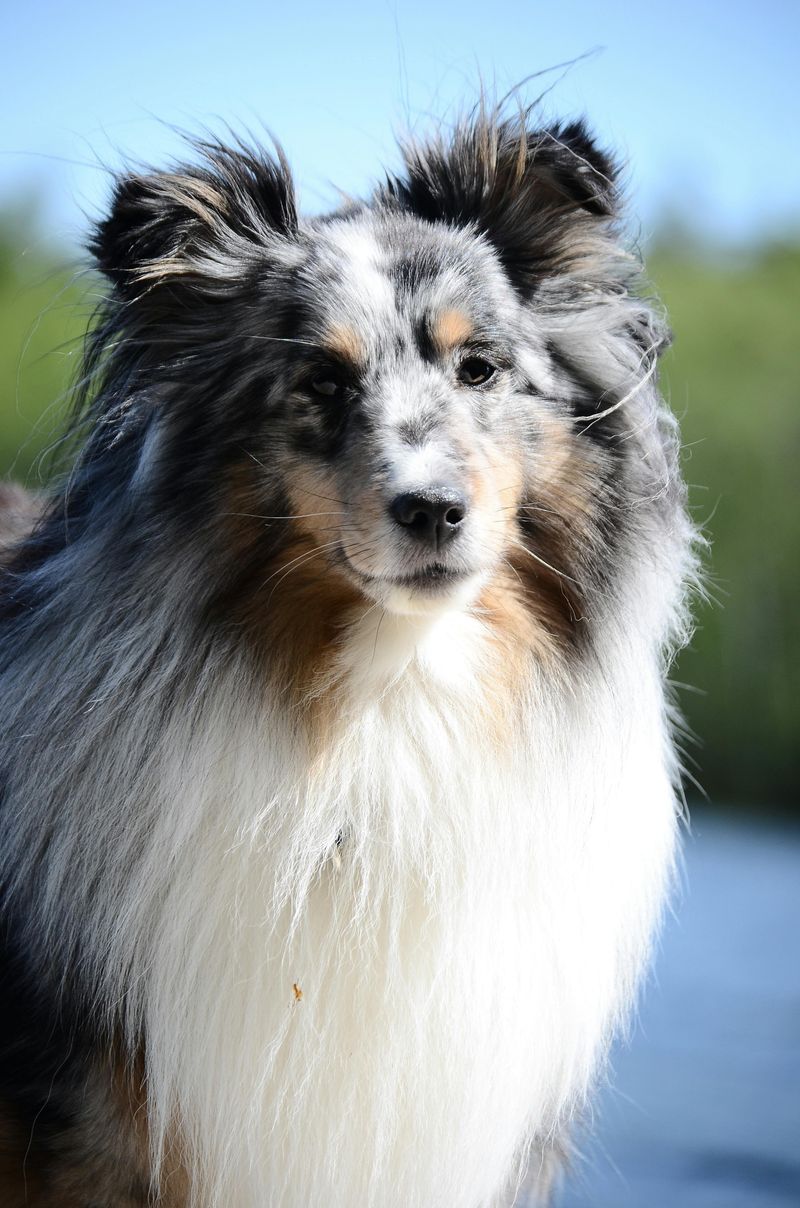
Shetland Sheepdogs float through rooms like soft magnets. They shape group movement with micro curves and well timed pauses.
You think the family settled naturally, yet the Sheltie drew a circle and everyone stepped inside it.
They stage reminders by placing a favorite toy near your coffee mug. A head tilt, a feather light paw, and suddenly training happens.
It is polite theater with perfect cues.
Short games, trick chains, and calm stations keep the script healthy. Reinforce breaks, not just bounces.
When you set boundaries kindly, the Sheltie becomes a graceful guide rather than a silent director.
Papillon
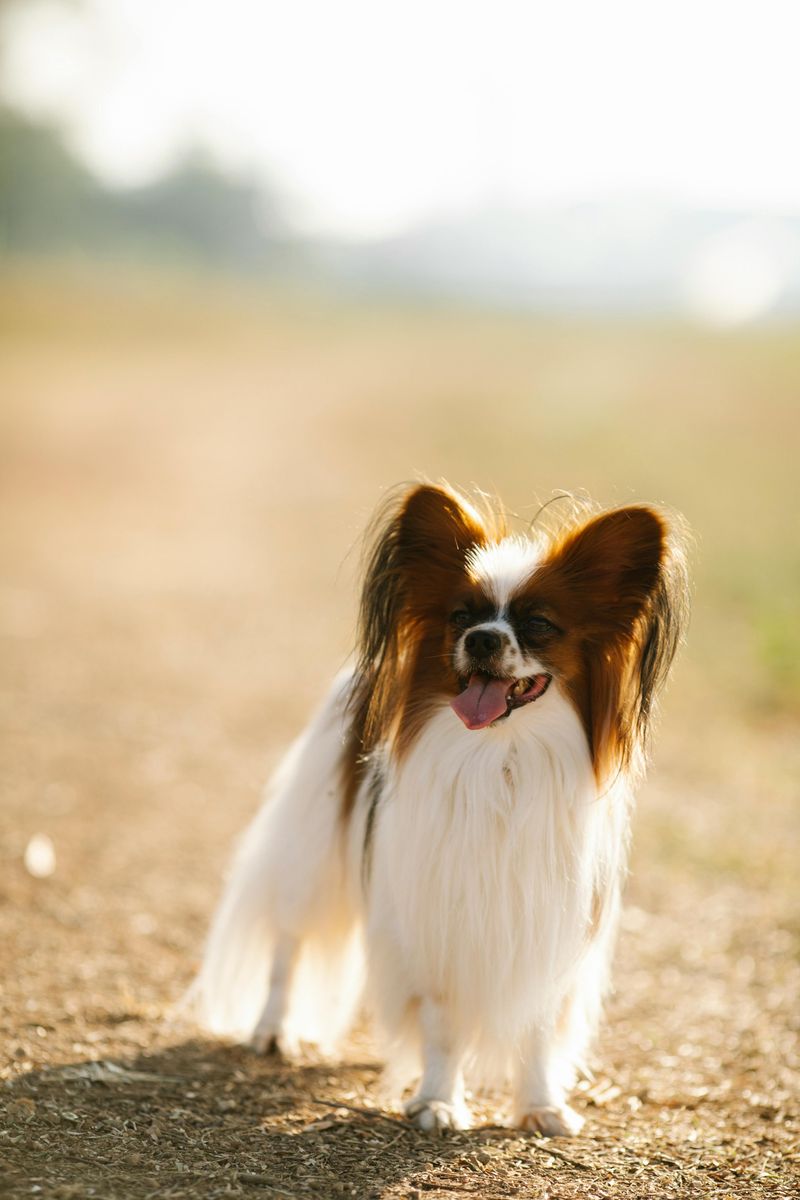
Papillons manipulate with charm and timing. They position themselves where your attention naturally lands, like laptop edges and window light.
A tidy sit with bright eyes flips your focus, and you reward focus like it was your plan.
They stash small toys where you step gently, never annoyingly. You notice, laugh, and play, reinforcing the setup.
It feels spontaneous, but the staging was careful.
Use micro sessions, platform games, and release cues. Reinforce quiet settles as much as cute offers.
With structure, the Papillon becomes a witty partner who edits the day rather than steals it.
Standard Schnauzer
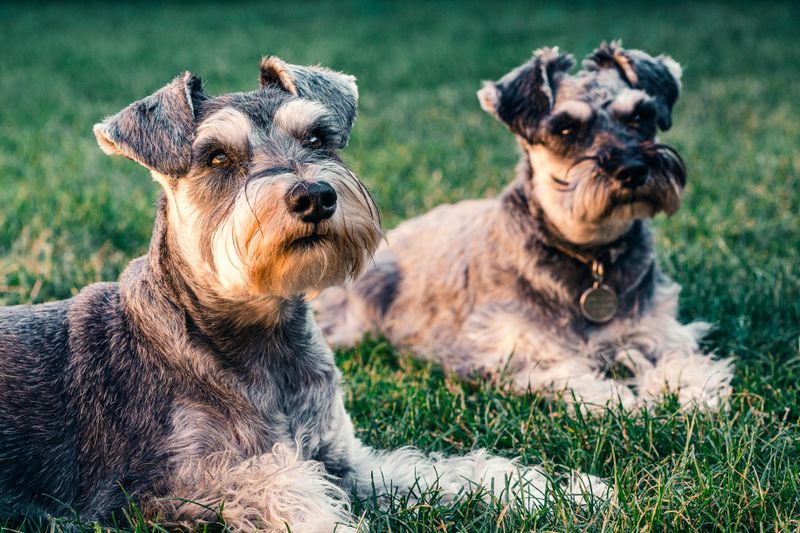
The Standard Schnauzer negotiates like a union rep with eyebrows. It parks near the schedule and proposes breaks by nudging the leash at precise minutes.
You feel responsible, not pressured, for honoring the plan it wrote.
They test boundaries with silent stands that block cluttered hallways until things are tidied. Then they release, rewarding your compliance.
It is structured, dry humor in dog form.
Trade games, scent work, and reset cues build cooperation. Pay for patience and tidy disengagements.
When expectations are clear, this breed becomes your most practical coworker, not your subtle supervisor.
Doberman Pinscher
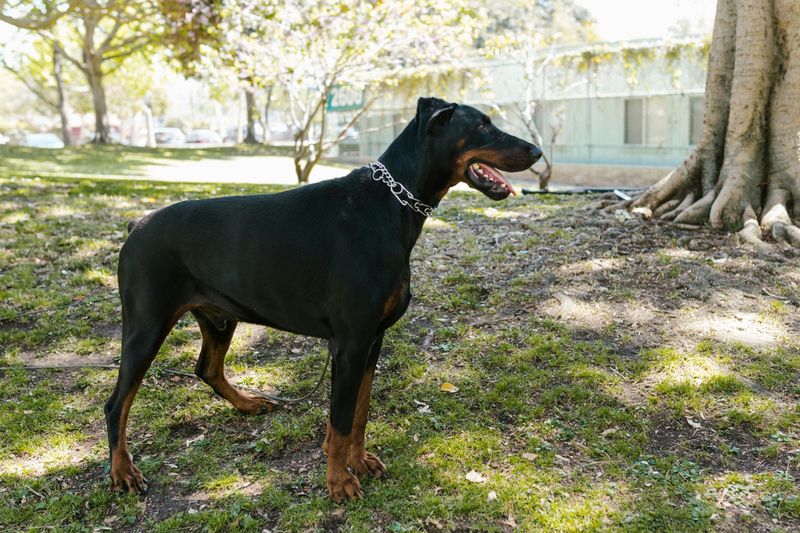
Dobermans steer outcomes by managing proximity. They place themselves between you and distractions, making the peaceful choice shortest.
You think you chose rest, but the path was cleared by intent.
Guests get routed gently with a quiet stand and a slow blink. No drama, just curated flow.
The dog feels like ambiance and ends up running the scene.
Teach place, release, and consent based handling. Reward calm advocacy, not pushiness.
With predictable structure, a Doberman becomes a reassuring guide who helps you choose well without saying a word.
Dutch Shepherd
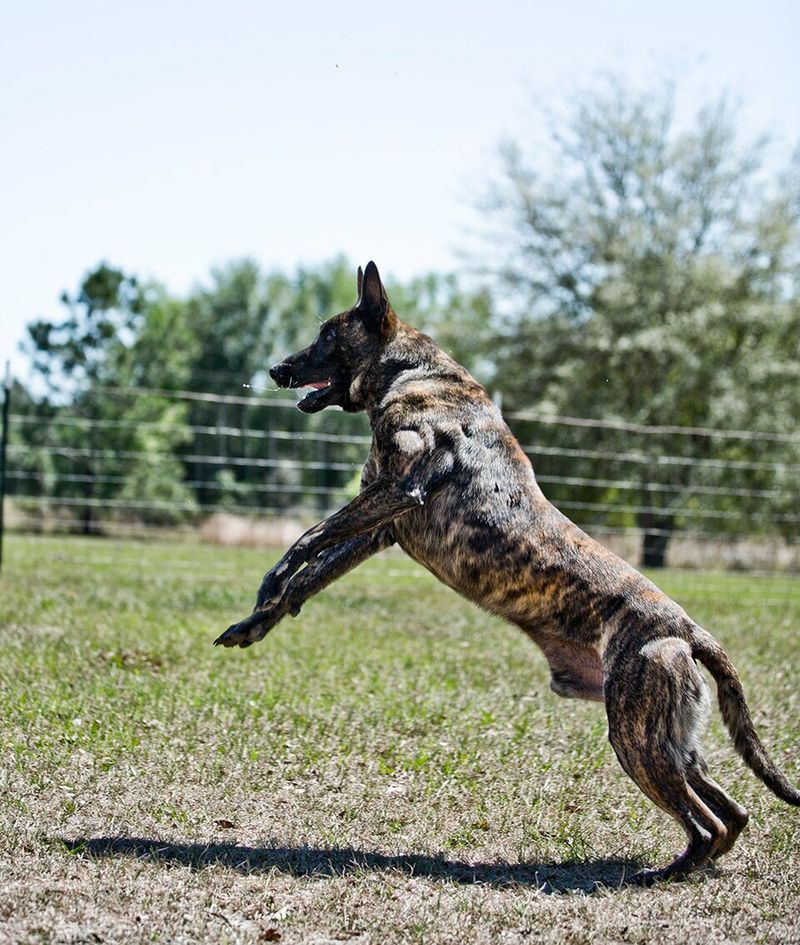
The Dutch Shepherd reads micro timing like sheet music. It appears at thresholds just as you stand, then angles its shoulder to align you with the stairs.
You walk, thinking it was spontaneous, but the cue was placed.
In small spaces, it channels energy by ferrying toys to the mat you forget. It rewards you for noticing by settling, making compliance feel like relief.
Quiet tactics, big influence.
Blend tracking, gripless tug rules, and long decompressions. Reinforce neutrality in public spaces.
With clear outlets, this breed becomes your smoothest co pilot rather than your silent stage manager.