
If your dog melts down on a walk, it is not always stubbornness or spite. Many powerful, brilliant breeds are wired for jobs that city sidewalks do not satisfy, and that mismatch shows up at the end of the leash.
With a few changes in handling, training structure, and enrichment, those frantic lunges can turn into focused partnership. Let’s unpack the breeds that get mislabeled the fastest, and how you can set them up to win.
Belgian Malinois
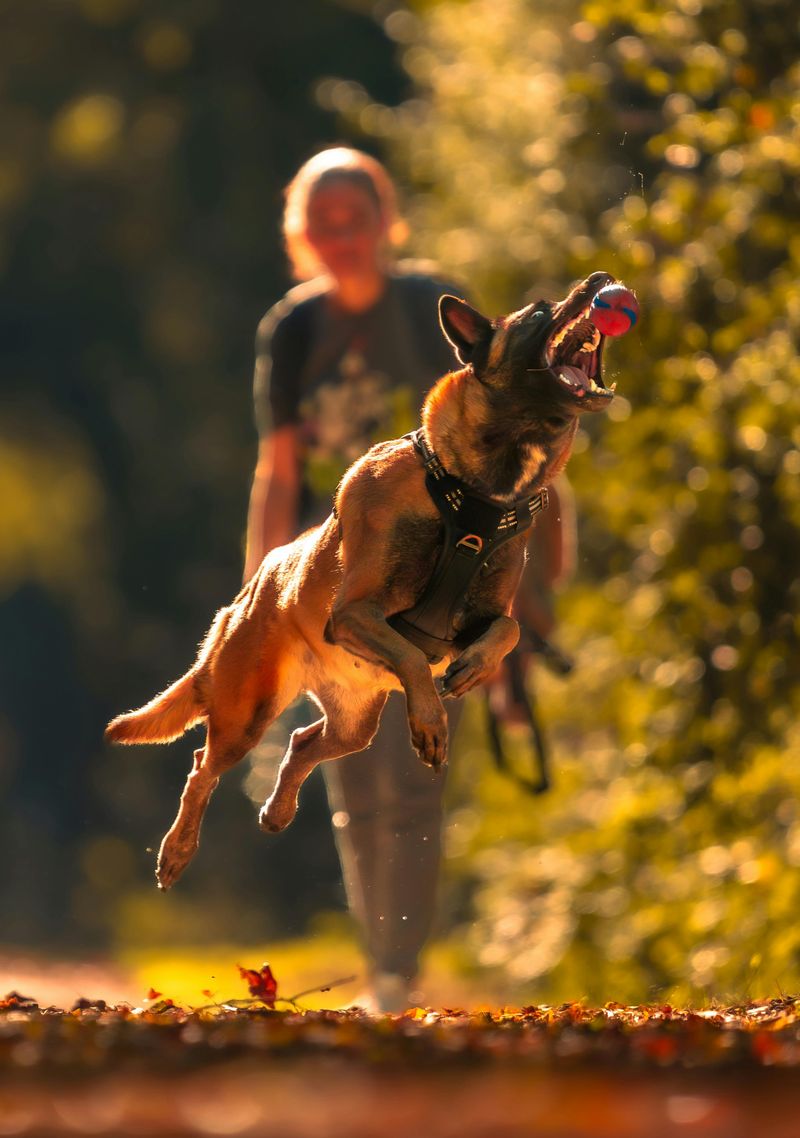
The Malinois is a working rocket built for speed, precision, and purpose. Without a job, that intensity often detonates at the end of your leash.
What looks like reactivity is frequently frustration plus caffeine-level arousal in a body that hates idle time.
Replace frantic pacing with structured tasks on walks. Use a long line, orbit drills, and quick pops of engagement like hand targets, middle position, or scent searches.
Reward calm eye contact before motion so the dog learns stillness opens doors.
Daily decompression is non negotiable. Layer bite-safe tugs, spring-pole alternatives, and flirt pole rules with off switch training.
Teach clear start and stop cues, then channel the fire into bite pillows, obedience patterns, and nosework to create predictably tired, thoughtful strides.
German Shepherd
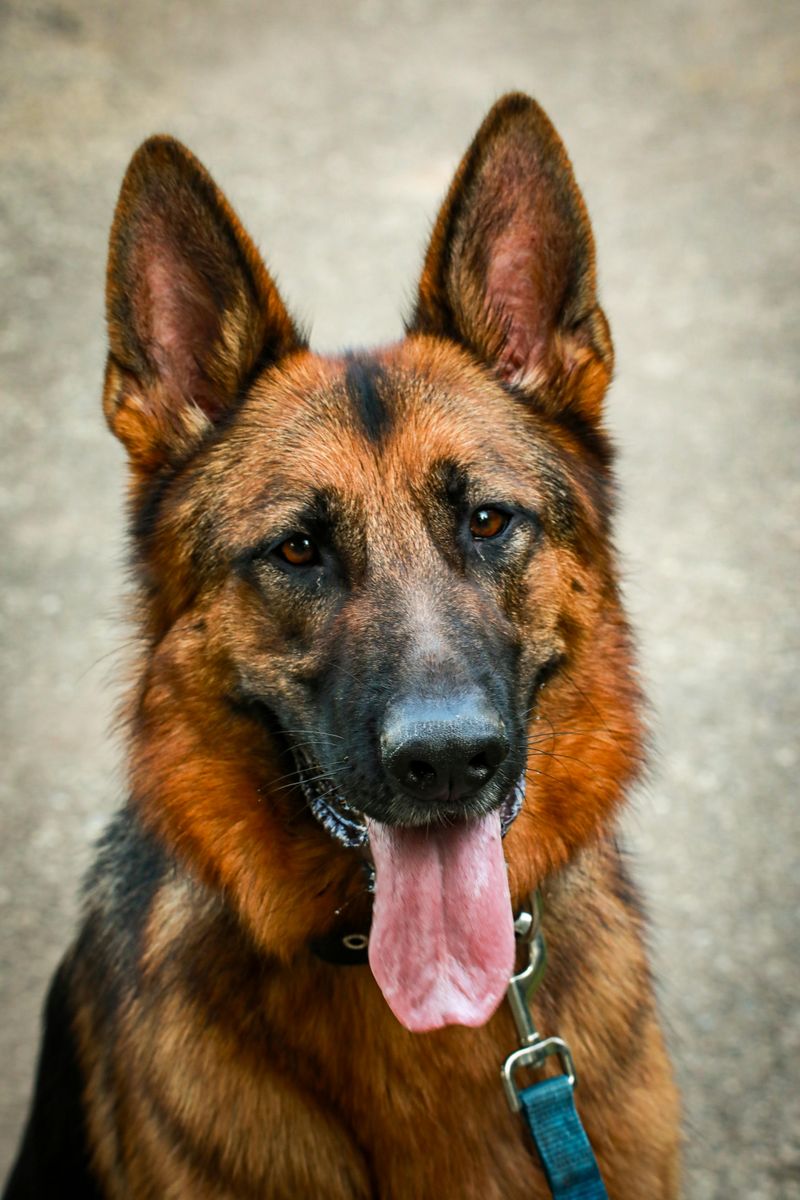
German Shepherds juggle biddability with strong environmental awareness. On leash, that vigilance can become scanning, pulling, and barking when patterns feel chaotic.
Your job is to shrink the world and provide a plan the dog can follow.
Start with predictable routes and rehearsed landmarks for check ins. Use pattern games like 1-2-3 treat and find-it resets when traffic spikes.
Reinforce nose-down sniffing as a default decompression behavior, then release to explore after a calm sit.
Mind the back and hips with proper equipment. A well-fitted Y harness, two points of contact, and smooth arcs reduce tension.
Train a stationing behavior at corners, and practice decoy setups with distance to rehearse quiet observation before closing gaps.
Dutch Shepherd
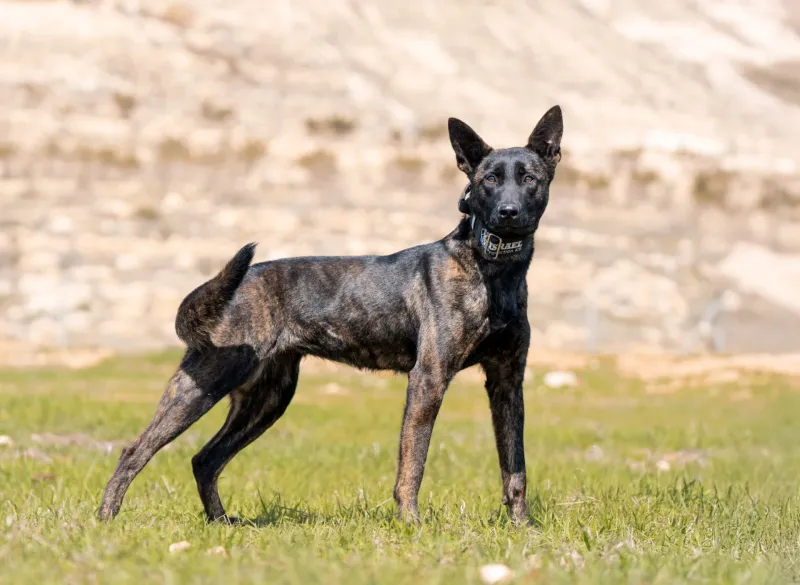
Dutch Shepherds bring Malinois-like drive with a thoughtful edge. Their leash trouble usually stems from overarousal mixed with curiosity.
If you do not give them puzzles to solve, they will create their own chaos across the pavement.
Use short, strategic workouts. Layer tug markers, two toy games, and quick positions like sit-down-stand to discharge energy while keeping brain online.
Anchor calm with a mat in your bag for micro decompression stops.
Build resilience around triggers by rehearsing look at that followed by nose-to-ground searches. Let the nose clock mileage, not the legs.
Rotate routes, sprinkle urban agility like hops and platform perches, and end walks with predictable sniff zones so the dog can land softly.
Beauceron
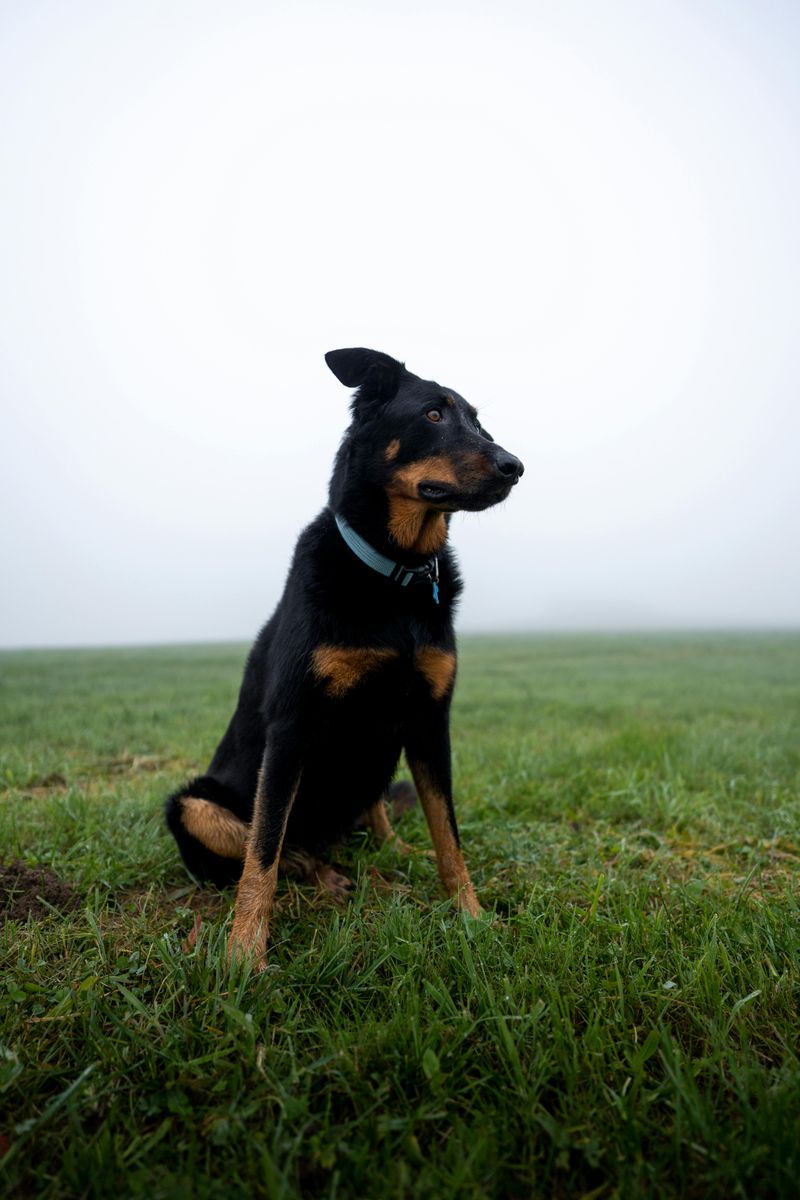
The Beauceron is a thinking herder built for endurance and boundary work. On leash, they can look aloof, then explode when their personal space is breached.
That sudden switch is breed typical, not bad behavior.
Teach bubble awareness with yield games and U-turn cues. Reward calm advocacy when the dog chooses to follow you away from pressure.
Use wider paths and arc past dogs rather than insisting on tight meet and greets.
Structured long line hikes shine for this breed. Practice slow tracking-style walks where the nose leads and the leash floats.
Add checkpoint sits, then release forward. The pattern communicates safety and purpose, reducing the urge to patrol every approaching silhouette.
Doberman Pinscher
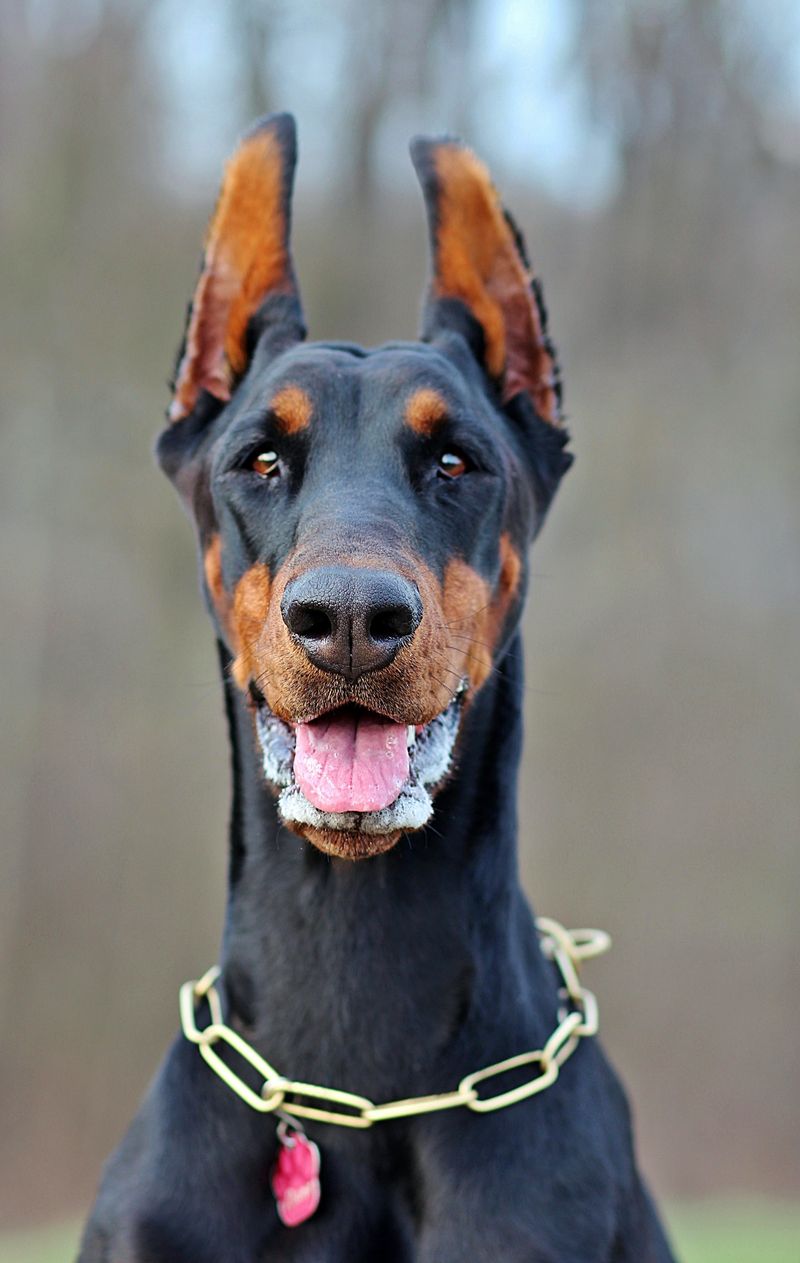
Dobermans are sensitive sprinters who read your mood like a headline. Leash outbursts often mirror handler tension plus surprise stimuli.
When pressure spikes, they default to big feelings expressed loudly.
Switch to proactive engagement. Before leaving the house, rehearse a two minute attention routine, then walk out on a reinforcement schedule.
Use figure eight routes, soft arcs around triggers, and check-in markers on trees or benches.
Fitness matters for joints and confidence. Combine interval trotting with sniff breaks and settle cues on a portable mat.
Teach a chin rest for equipment handling so harnessing lowers arousal. Calm, consistent feedback turns that dramatic flair into elegant, connected movement beside you.
Rottweiler
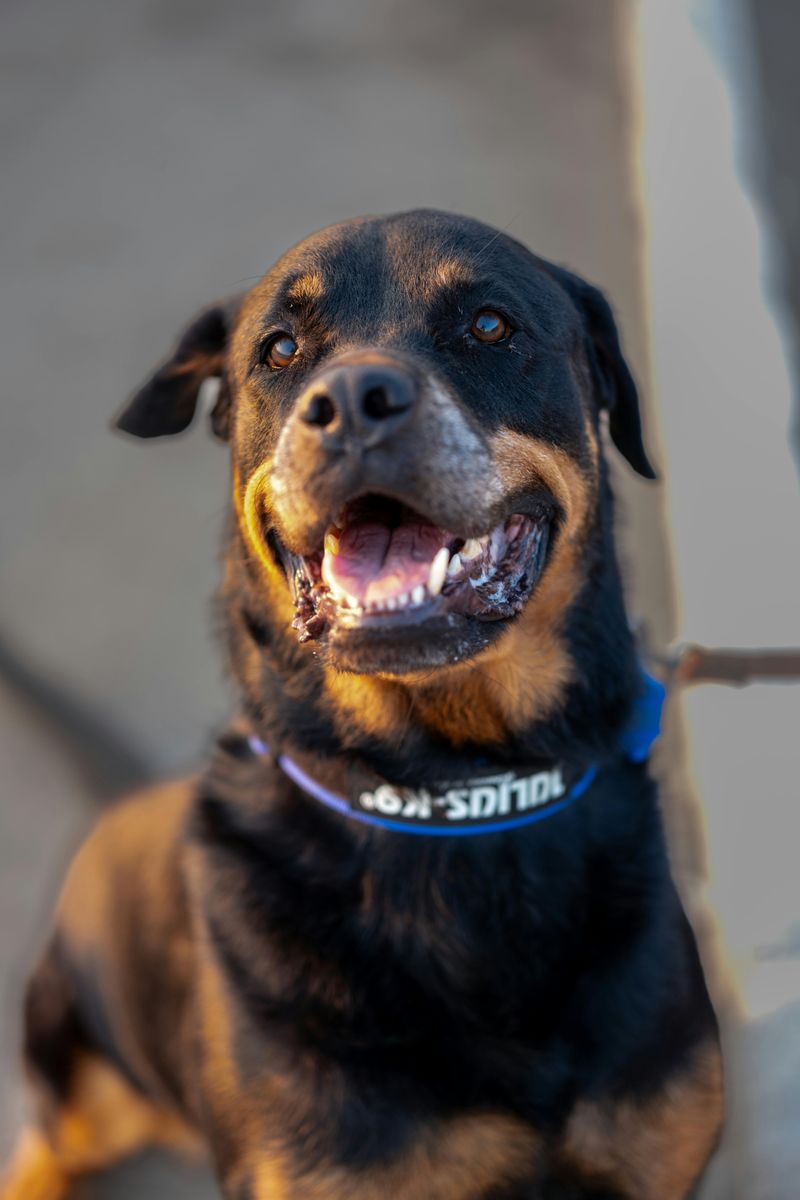
Rottweilers are deliberate, powerful, and perceptive. On leash, they can plant, pull, or posture if expectations are unclear.
Because they feel big feelings slowly, people sometimes miss the early whispers before the boom.
Build a shared language. Teach weight shifts, slow turns, and “with me” as moving meditation.
Reinforce neutrality by paying generously for closed mouth, soft eyes, and head turns away from triggers.
Use equipment that protects shoulders and your hands. A padded Y harness with a double clip spreads force.
Walk wider paths and practice parked dog drills near calm, stationary distractions. Predictable patterns and calm handling convert that mass into steady, confident companionship.
Cane Corso
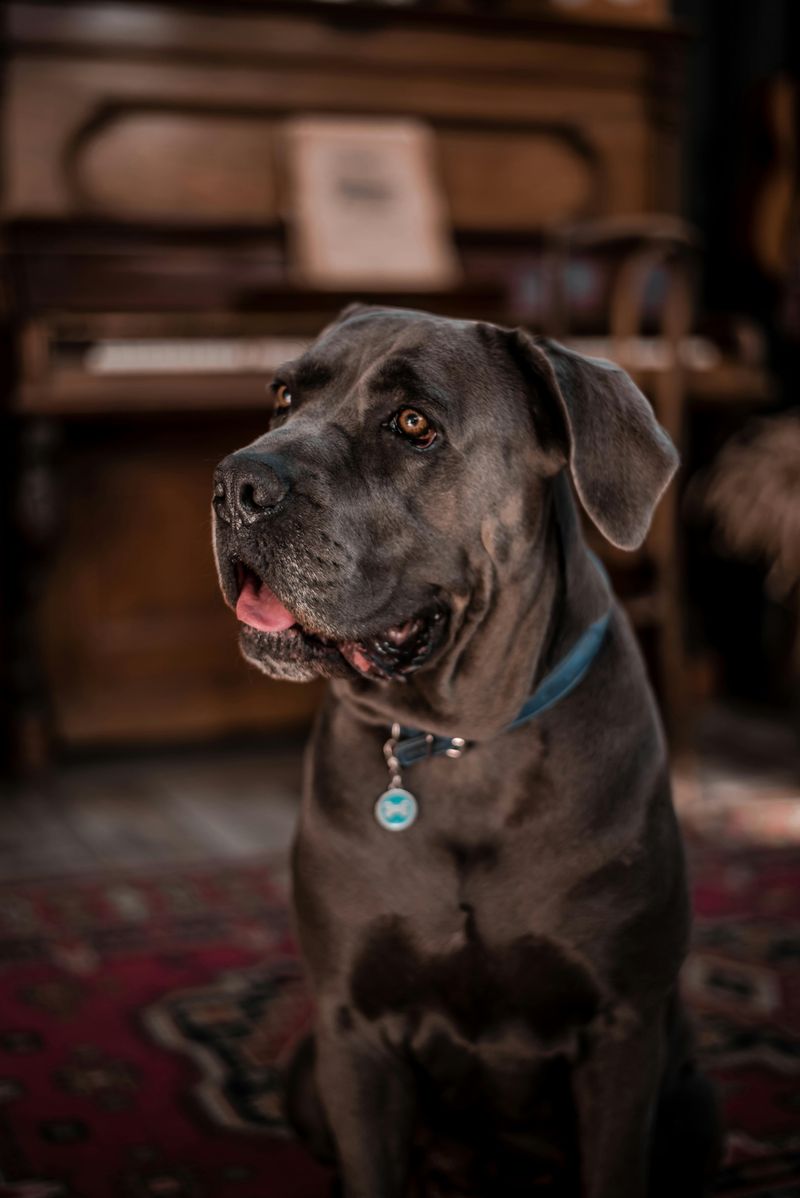
The Cane Corso is guardian first, athlete second. On leash, crowded spaces compress their comfort zone, and they signal with subtle tension before vocalizing.
Respecting that bubble prevents escalations and preserves trust.
Train distance as a skill. Choose routes with sight lines and practice stop, observe, then pay for head turns and exhalations.
Reinforce heel starts and controlled off ramp sniffing so the dog learns structure brings access.
Condition equipment positively and avoid frantic corrections. Use a long line in open fields to practice recall and orientation games.
Short, quality reps beat marathon walks. Mental tasks like article search and platform work create clarity, leaving you with a steady shadow instead of a freight train.
Australian Cattle Dog
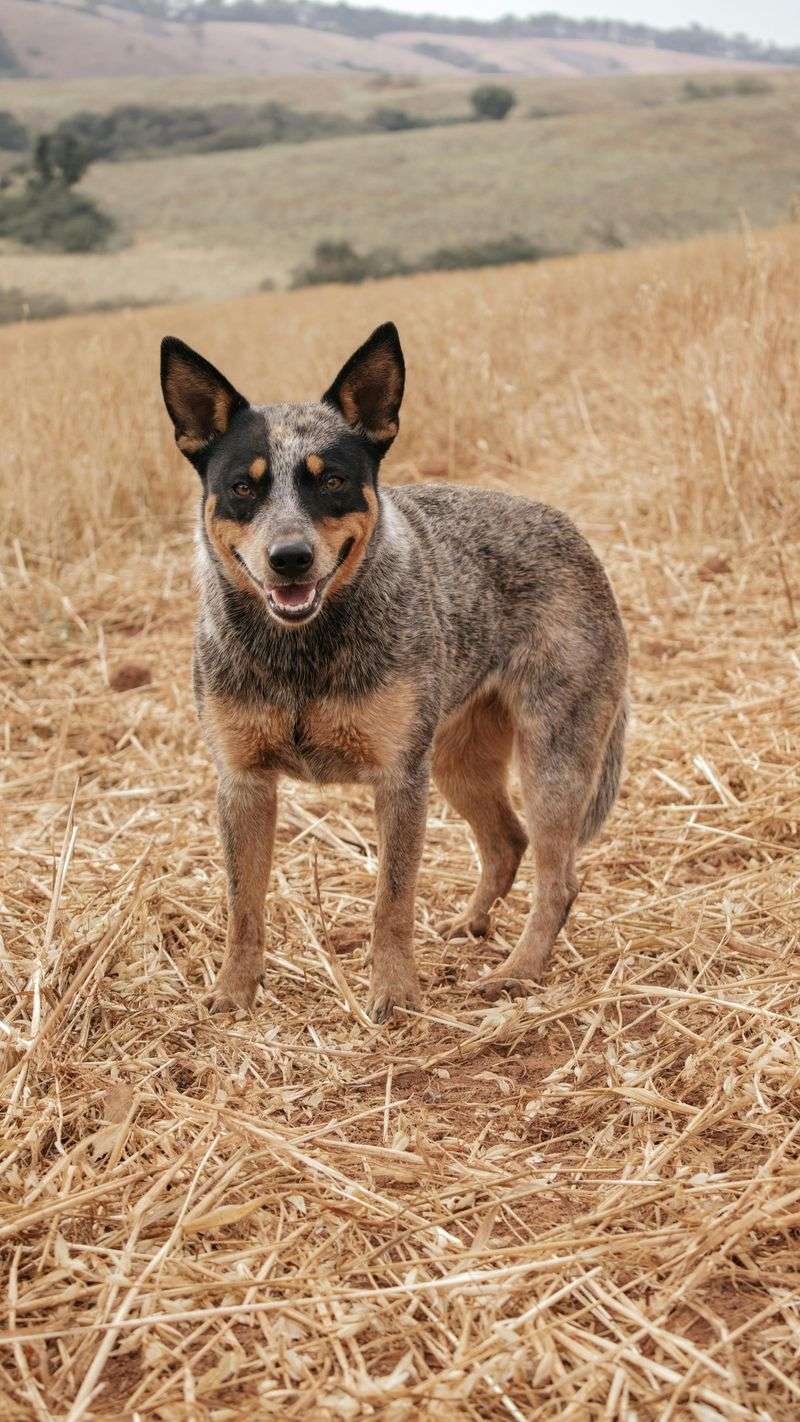
Heel-nipping heritage meets boundless grit in the Australian Cattle Dog. On leash, that grit becomes towing, spinning, and scanning for motion to control.
They need jobs and micro-challenges every few minutes.
Use scatter feeding hunts and change direction games. Pair movement with rules: trot, sniff, then perform a quick task like perch pivot or side switch.
Reinforce stillness by delivering treats to a grounded chin-on-hand station.
Let them problem solve. Hide toys along the route and cue searches.
Long lines on open trails beat tight sidewalks. Provide bite-safe outlets, then finish with quiet decompression sniffing.
Balanced outlets turn that steel spring into a cooperative, witty hiking partner instead of a wheeled bulldozer.
Border Collie
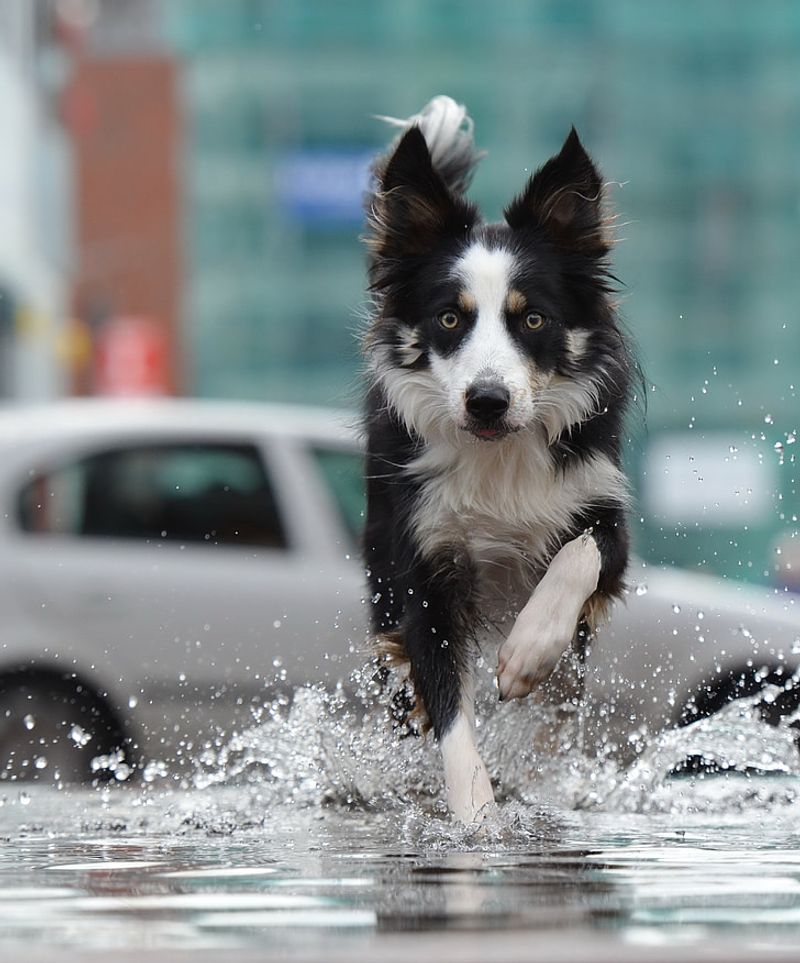
Border Collies are motion magnets. Bikes, joggers, and fluttering leaves pull their eyes and bodies like gravity.
On leash, that herding instinct becomes stalking, lunging, and yodeling when they cannot control the scene.
Give the eyes a job. Use look at that with rapid reinforcement, then channel energy into heelwork intervals and nose-down decompression.
Teach a middle position for passing tight spaces so the dog feels protected and purposeful.
Predictable patterns reduce scanning. Alternate engagement bursts with sniff walks and boundary games using curbs.
Trick training sprinkled into routes keeps the brain busy. When the world speeds up, you will already have a script the dog trusts, turning chaos into choreography.
Australian Shepherd
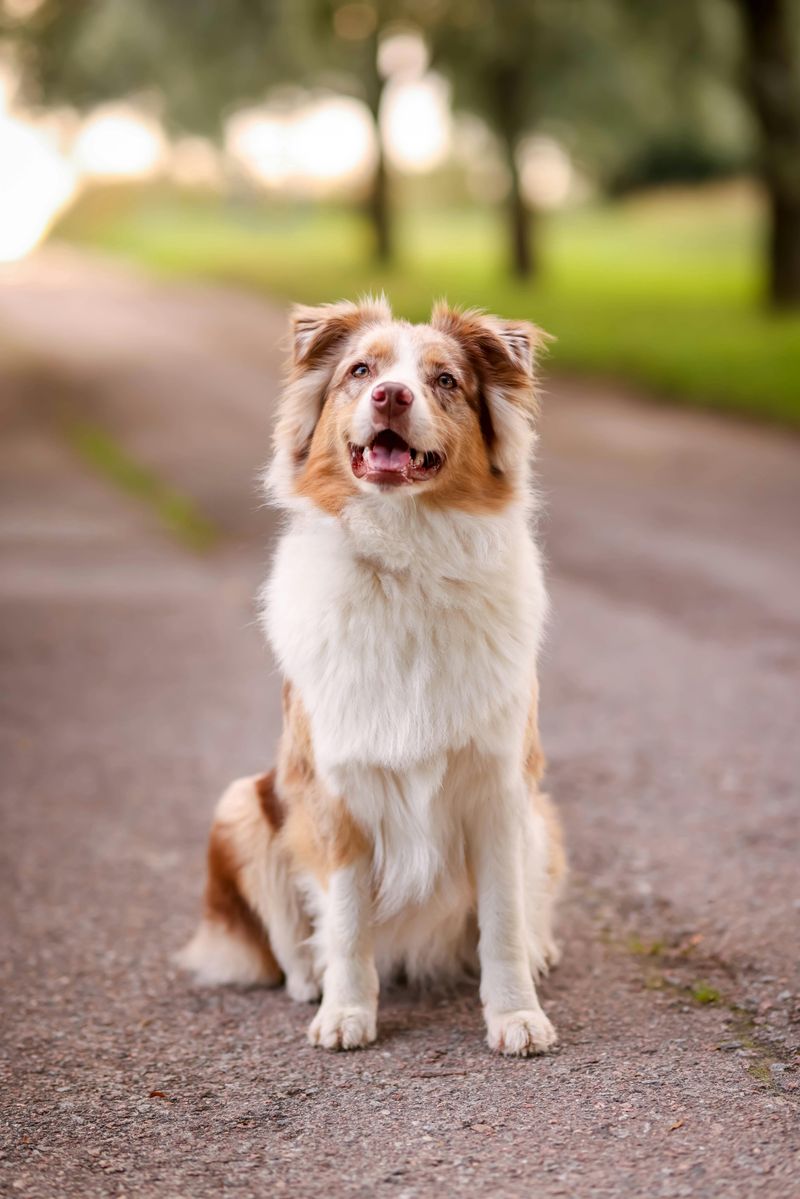
Australian Shepherds combine herding brains with social enthusiasm. They often greet on a pogo stick, then spiral when restrained.
That frustration reads as naughty, but really it is unmet need for structure and clarity.
Install start buttons. Ask for a sit and eye contact before moving toward anything exciting, then release.
Use hand targets to navigate past pressure and reward calm sniffing as the default decompression behavior.
Vary terrain and tasks. Curb checks, platform perches, and side switches drain mental energy quickly.
Keep sessions short and finish with a settle on a portable mat. With predictable rules and outlets, the bouncy greeter becomes a thoughtful partner at your knee.
Vizsla
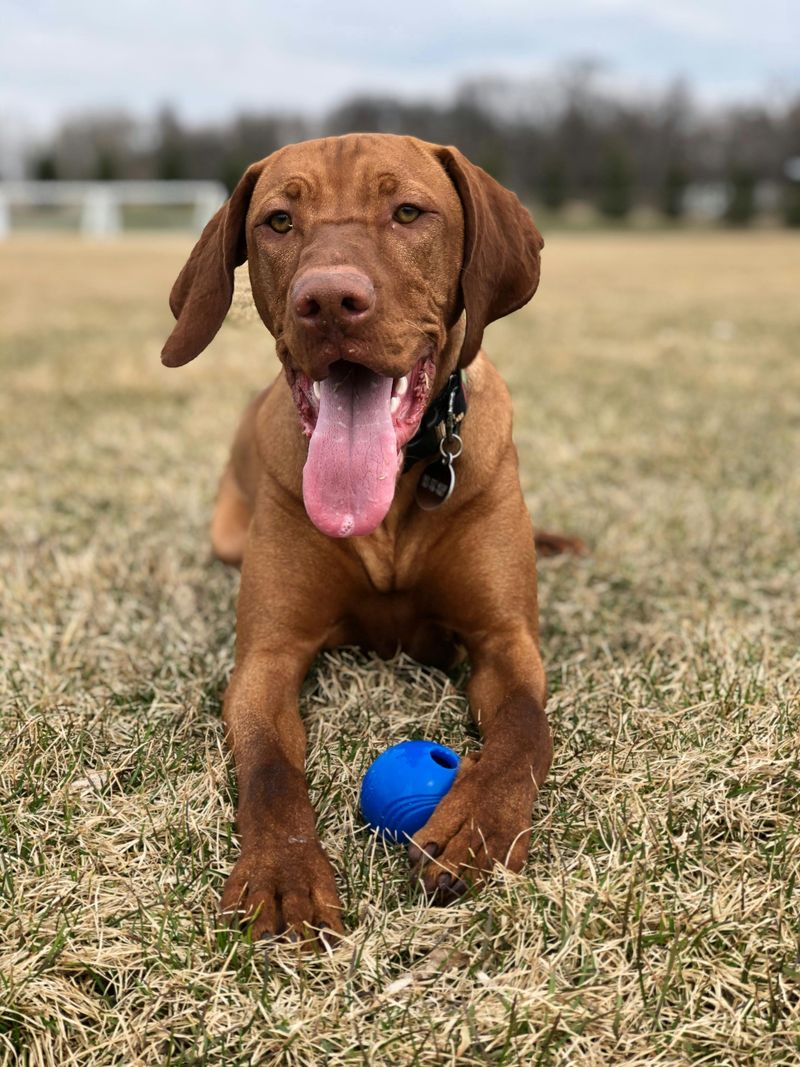
Vizslas are affectionate athletes with jet engines for hearts. Confinement on a short leash can flood them with frustration that looks like shrieking, kangaroo hops, and yo yo pulling.
They thrive on connection and rhythm.
Build that rhythm with jog-walk intervals, then stop for nosework pockets. Teach a close cue for passing people and a go sniff release as a paycheck for cooperation.
Keep reinforcement light and frequent, like a metronome.
Warmups matter. Do quick spins, hand targets, and a bow to prime focus before hitting busy paths.
End with calm cuddles on a mat. When emotional buckets are filled, that sticky velcro temperament translates into beautiful, elastic leash work.
Weimaraner
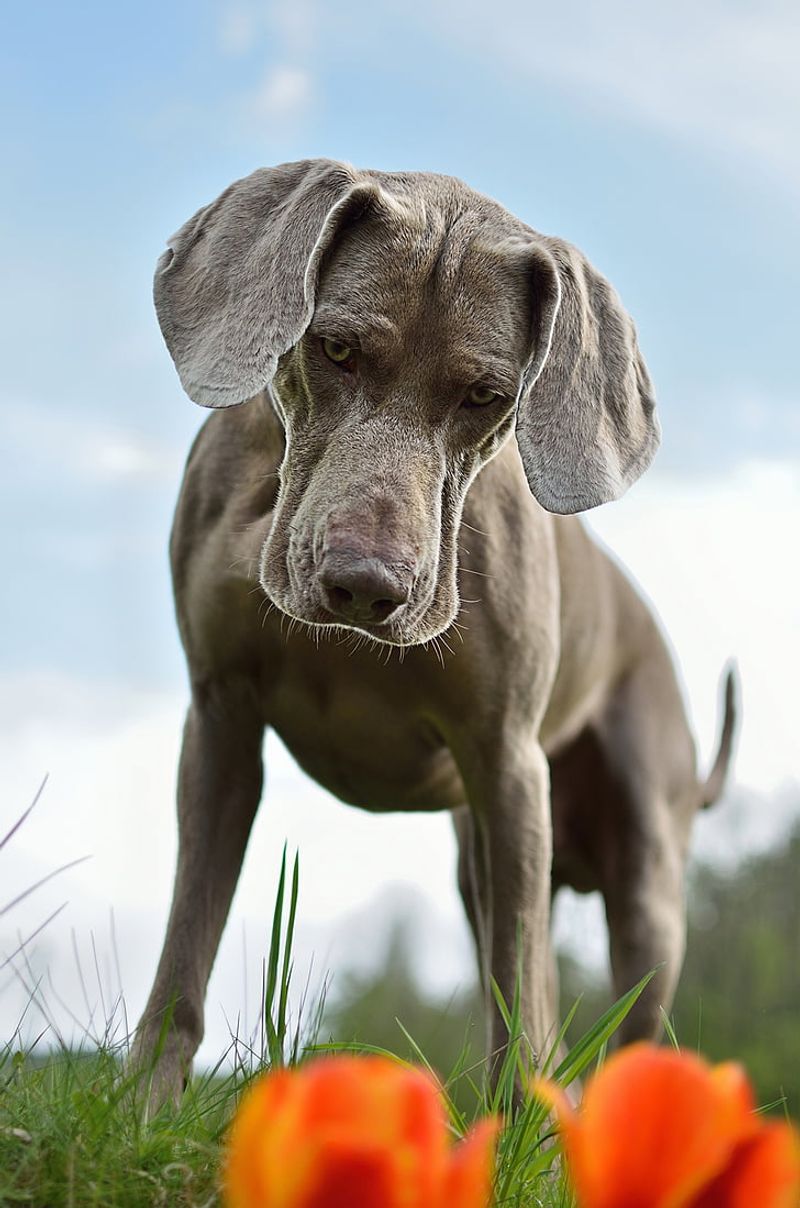
Weimaraners are intense, opinionated hunters with feelings on loudspeakers. On leash, the world becomes a scent radio that your dog cannot turn down, so they pull toward every headline.
Punishing that drive backfires.
Harness it. Use a scent-first walk where the dog earns forward motion by offering orientation and slack.
Plant cookies in grass and cue searches, then ask for heel sprints between hide zones.
Teach a chill protocol after excitement spikes. Step off the path, feed steady breaths, and wait for soft eyes before moving.
Long lines in open spaces beat crowded sidewalks. Rotate routes to keep novelty high while rehearsing manners, and you will watch the pressure valve open.
German Shorthaired Pointer
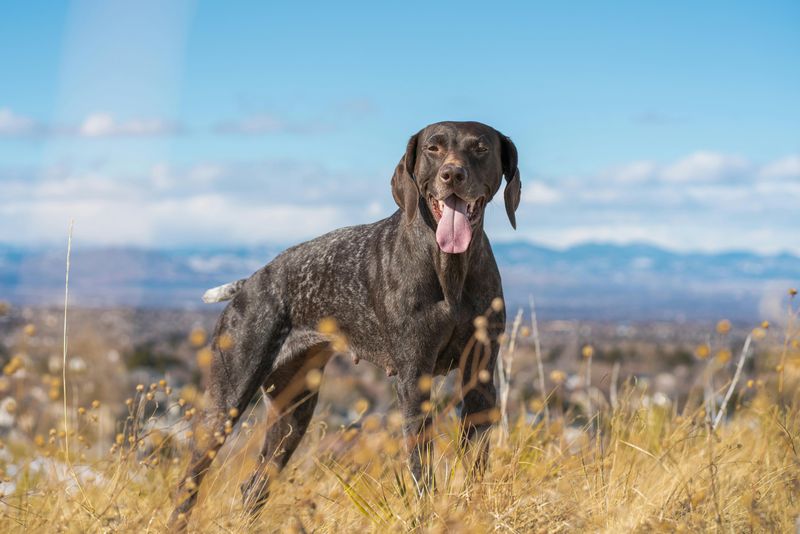
The GSP is a kinetic compass needle that swings toward birds, wind, and horizon lines. On leash, that compass drags you along if you lack a plan.
Correcting the body without engaging the nose misses the point.
Make scent the paycheck. Run hide-and-seek with feathers or kibble in brush.
Ask for orientation and soft leash, then pay by releasing to a search. Build heel sprints between sniff zones for satisfying contrast.
Condition impulse control around wildlife with look at that plus downshifts to nosework. Long line safety is non negotiable.
Keep sessions short, reset often, and finish with quiet decompression. You will feel the engine purr instead of redline.