
You do not need acres of pasture to keep a working dog fulfilled. What these breeds crave most is a daily job that challenges their minds and bodies.
With smart routines, city sidewalks and suburban parks can become training grounds. Let’s match that sharp brain to real world activities you can do almost anywhere.
Dutch Shepherd
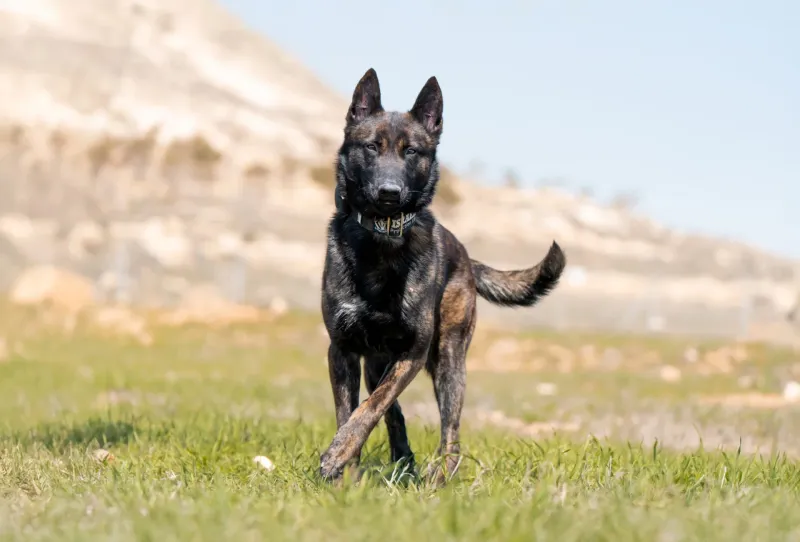
Dutch Shepherds thrive when their routine mixes structure and novelty. You can swap herding for urban jobs like scent games on walks, platform training in a hallway, and precise heelwork around neighborhood obstacles.
Short but frequent sessions let them practice impulse control and pattern recognition without burning out.
Turn errands into training missions. Ask for sits at crosswalks, focus amid scooters, and slow turns around planters.
Layer in tug as a paycheck, then end with a decompression walk to lower arousal.
On rainy days, teach scent discrimination with tea bags and labeled containers. Practice place work while you cook.
These dogs do best when you plan tomorrow’s training today, so their brilliant brain always has something constructive to bite into.
Beauceron
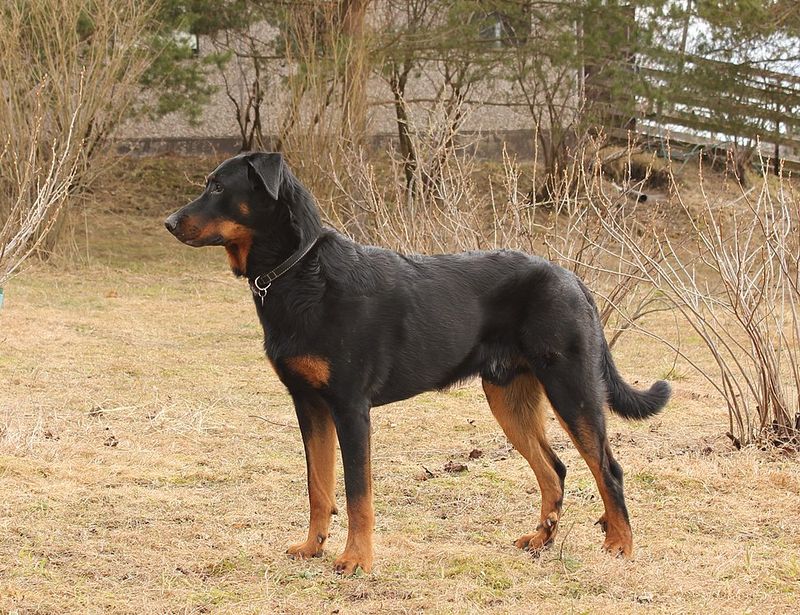
Beaucerons are big brained problem solvers that shine with clear rules and purposeful practice. Replace pasture miles with structured neighborhood patrols using pattern games, directional changes, and obedience around distractions.
Mental workouts like tracking lines in a quiet field or parking lot satisfy their serious working style.
Teach controlled protection style skills without contact, such as targeting, outs, and neutrality to strangers. Pair that with cooperative care routines so vet visits feel like training, not chaos.
They love jobs with responsibility. Try advanced fetch with directional cues, scent articles, and long duration place while life happens.
Keep feedback crisp and rewards meaningful. A calm Beauceron is not bored, just confident that you have the plan and they have the job.
Standard Schnauzer
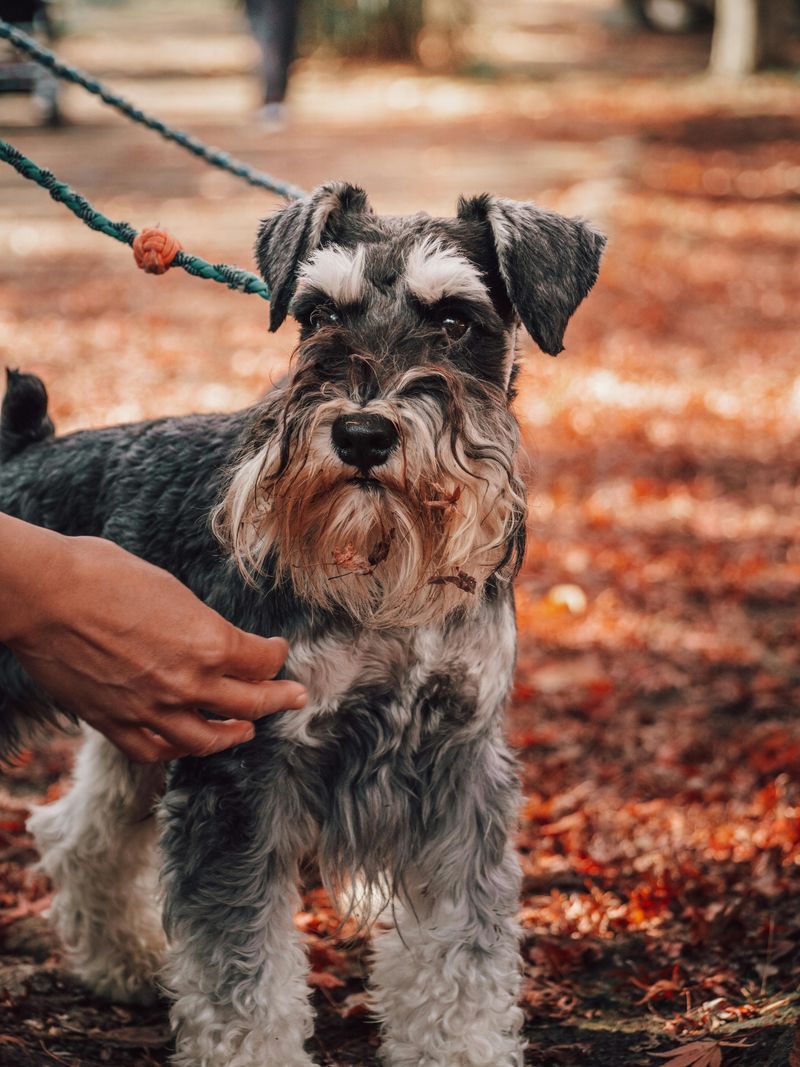
The Standard Schnauzer is a witty generalist that loves variety and conversation. Urban agility with park benches, curbside pivots, and ladder rungs becomes a daily brain teaser.
Mix in nosework hides under planters and behind signs to channel their investigative streak without chaos.
They respond well to clever routines like moving stands, formal fronts, and backing up narrow hallways. Keep sessions brisk and humorous, because this breed notices when you get repetitive.
On rest days, rotate puzzle feeders, foraging boxes, and trick chains like paw targets to bow to roll. Grooming becomes training with chin rests and handling games.
Give them a task, give them agency, and they repay you with sparkling attentiveness anywhere you happen to live.
Giant Schnauzer
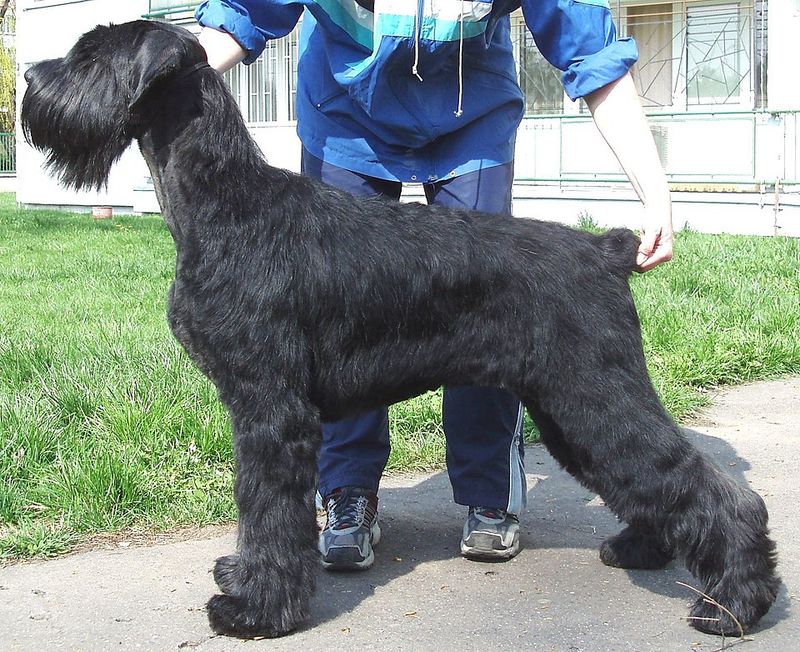
Giant Schnauzers need structure, purpose, and sweat equity, but not necessarily farmland. Swap herding pressure for controlled power work like sled pulls with weight checks, precision heel turns, and impulse control near crowds.
Short, intense sessions followed by calm decompression walks keep their engine balanced.
Teach real life utility tasks: carrying a soft grocery bag, closing cabinets, or anchoring in a down while deliveries happen. Scentwork and tracking add focus and satisfy their serious nature.
Use a weekly plan with strength days, brain days, and skills days. Rotate tug, food, and toy chases so reinforcement stays fresh.
When given a job and boundaries, a Giant Schnauzer becomes a thoughtful city teammate rather than a restless powerhouse.
Standard Poodle
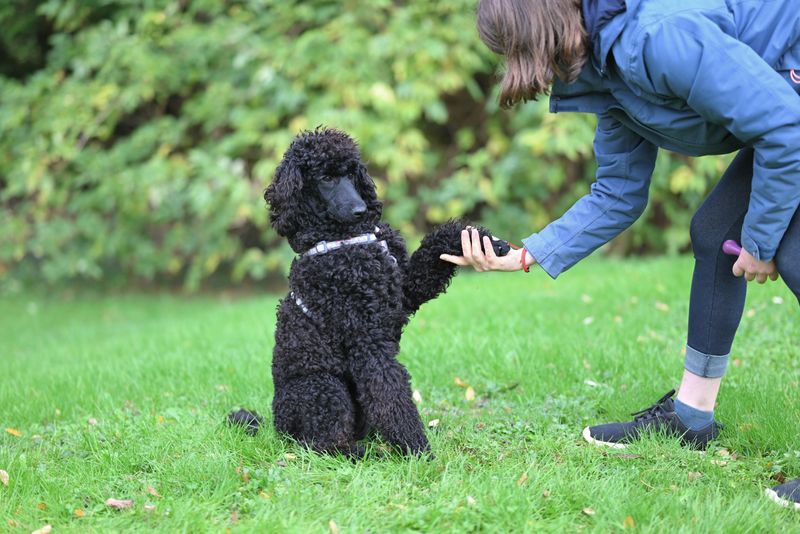
Standard Poodles are elegant athletes with goofy grit. Brain games come alive with shaping tricks, platform pivots, and retrieve chains that turn household items into props.
Nosework fits perfectly in apartments because hides can be tiny and sessions short, yet the mental burn is real.
Teach cooperative care like chin targets for grooming and nail trims, which doubles as bonding. Practice water retrieves at safe urban lakes or indoor pools, then cool down with loose leash strolls.
They love patterns. Use weekly themes like rear end awareness week or article indication week.
Keep the vibe upbeat and witty, and watch that sensitive enthusiasm blossom. With structure and novelty, a Poodle’s brain stays bright without needing fields or flocks.
Papillon
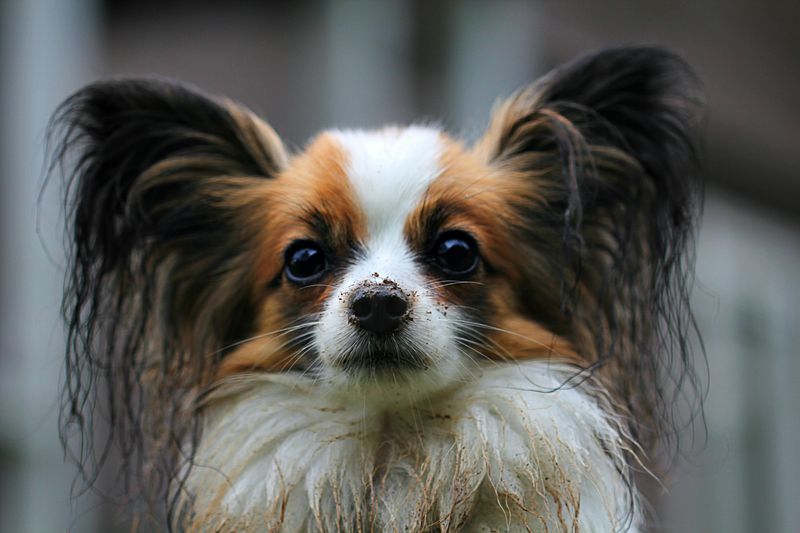
Papillons pack border collie level zest into a portable frame. You can work their minds anywhere with micro agility using broomstick jumps, foot targets, and tiny weave channels.
Keep intensity high and durations short to protect joints while satisfying their keen problem solving instincts.
Trick training shines: rebound to hand touches, spin cues, and retrieve small objects. Nosework hides in bookshelves or under chairs turn rainy days into thrilling treasure hunts.
They adore precise communication and clicker timing. Build miniature fitness circuits with balance discs, perch pivots, and backing between chair legs.
Public manners practice at cafe patios doubles as distraction training. A well planned Papillon routine is like espresso for the brain without requiring a big backyard.
Shetland Sheepdog
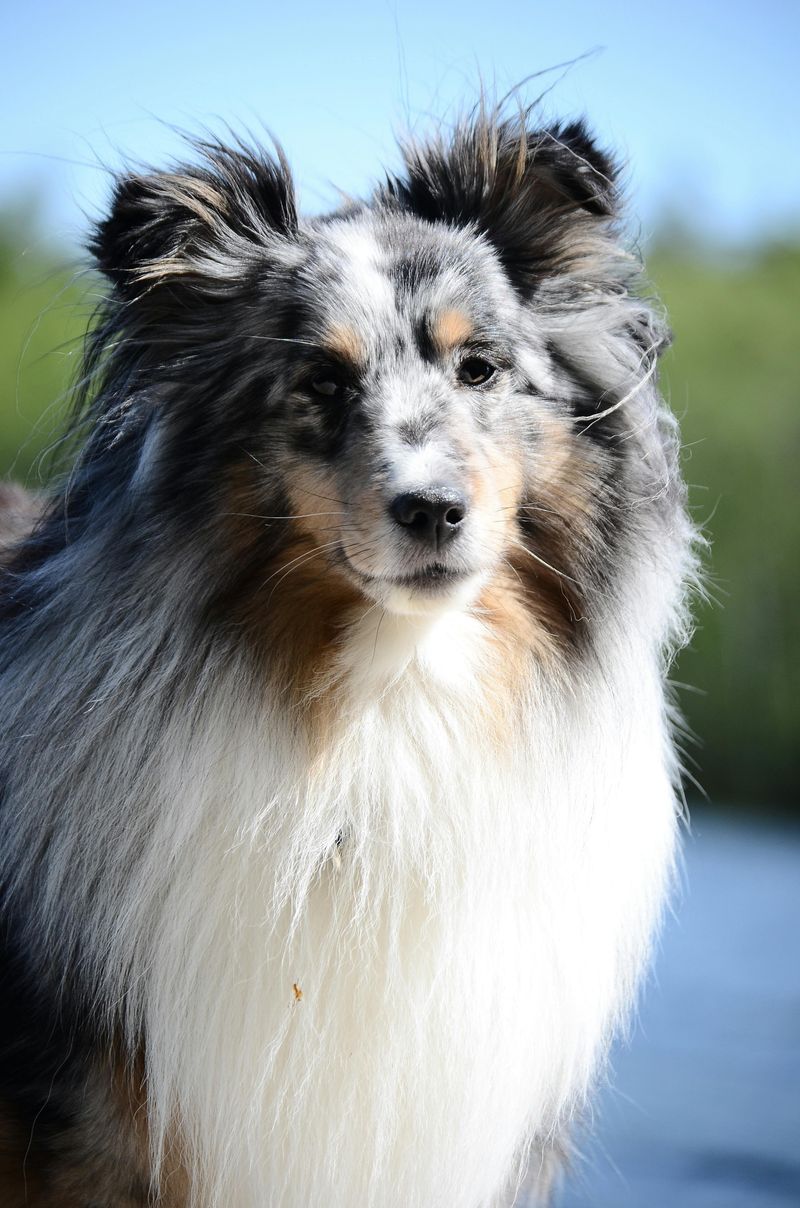
Shetland Sheepdogs love thoughtful structure and clear feedback. Channel herding brainpower into precision heelwork, figure eights around cones, and distance cues across a living room.
They excel at pattern games that lower reactivity, like 1-2-3 walking and predictable reward stations on quiet streets.
Nosework is magic for confidence. Start with easy box searches, then move outdoors to vehicles and planters.
Pair this with cooperative care and gentle decompression so their sensitive side stays balanced.
Teach verbal directionals for fetch, moving stands, and stays while scooters whiz by. Keep sessions upbeat and frequent, not long.
When given a predictable plan and a soft voice, a Sheltie can thrive in apartments and suburbs while keeping that sparkling work ethic alive.
Miniature American Shepherd
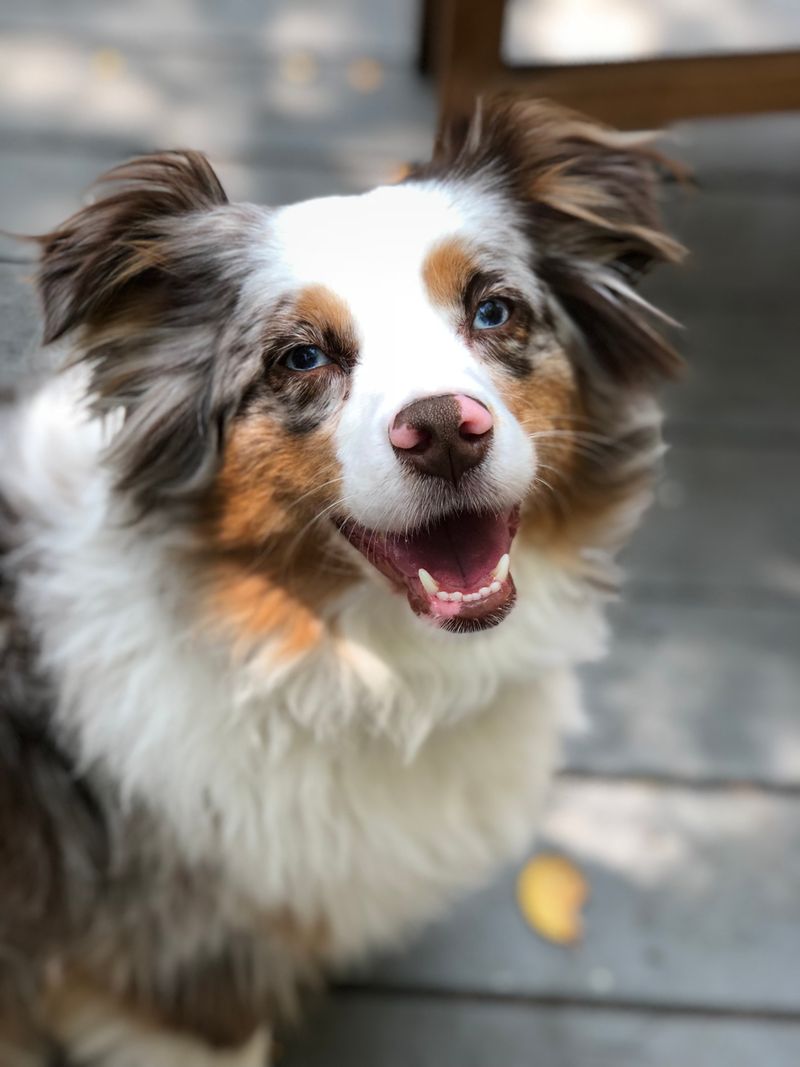
Miniature American Shepherds are pocket herders with big dog minds. Replace farm chores with tight urban agility, scooter heelwork, and retrieve games that include directionals and impulse control.
They shine when daily tasks feel like missions with starts, checkpoints, and celebrations.
Use nosework to satisfy curiosity, then add trick chains like closing doors, leg weaves, and perch spins. Keep arousal balanced by sandwiching intense work between calm sniffari walks.
They love clarity and variety. Build a weekly plan: skills day, scent day, fitness day, field trip day.
Reinforce generously for neutrality in crowds. With consistent structure and play fueled learning, this breed slots comfortably into city life while keeping that eager can do spark blazing.
Brittany
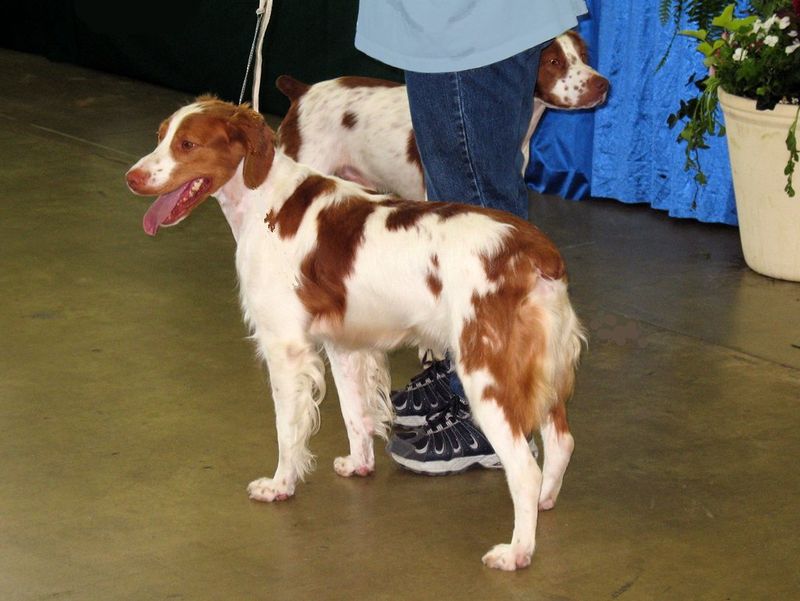
Brittanys are birdy athletes who crave motion and meaningful searches. Even without fields, you can build search patterns in parks, hide scented q tips under leaves, and practice recall drills between trees.
Interval runs mixed with obedience stations burn energy while keeping their brain engaged.
Indoors, teach settle on a mat after excitement peaks. Use retrieve chains, directional casts, and place to crate to simulate hunting structure without birds.
They thrive on optimism and quick feedback. Keep sessions short, celebrate focus, and end with sniffing privileges.
Add balance work for hip health and polite leash skills for crowded paths. A Brittany given routine searches and rules transforms from restless to radiant, even in the heart of the city.
English Springer Spaniel
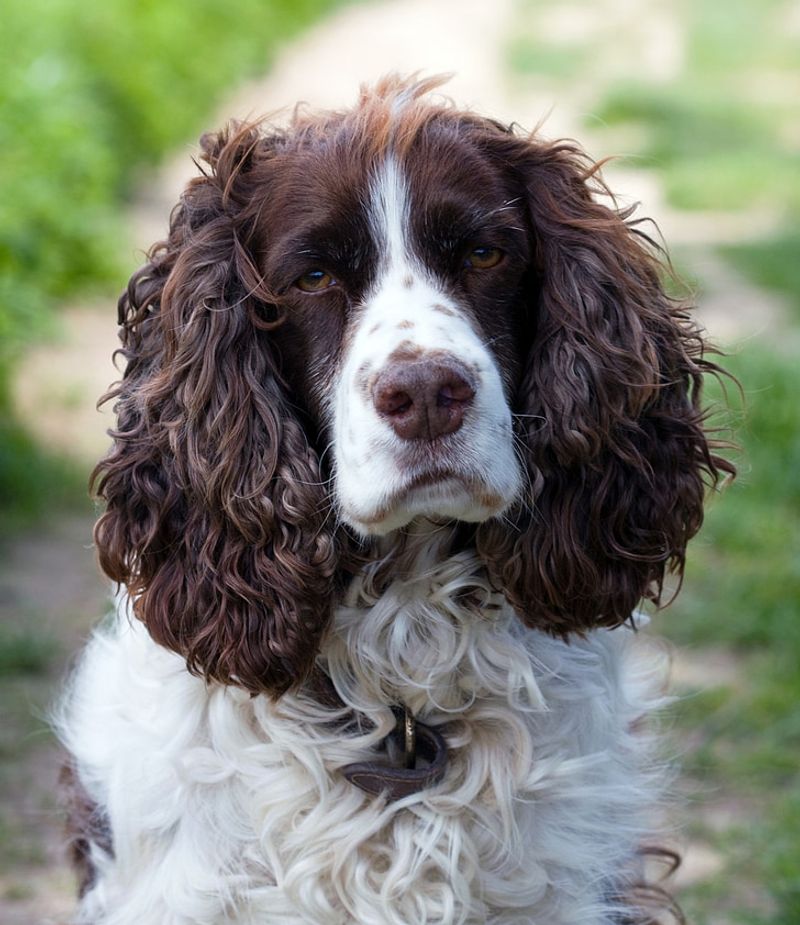
English Springers are enthusiastic workers that adore purposeful tasks. Build urban flushing style games by hiding toys in shrubs and rewarding for controlled approaches, sit to flush, and retrieve to hand.
Mix in heelwork and steadiness drills near pigeons when safe and legal.
Nosework adds satisfying structure on rainy days. Use variable heights, wind, and lingering odor to challenge that keen nose indoors and out.
They benefit from clear off switches. Practice settle after excitement, calm car crate entries, and polite greeting routines.
Keep play joyful but bounded. A Springer with predictable outlets becomes a steady companion who can flip from turbo to thoughtful anywhere life takes you together.
German Shorthaired Pointer
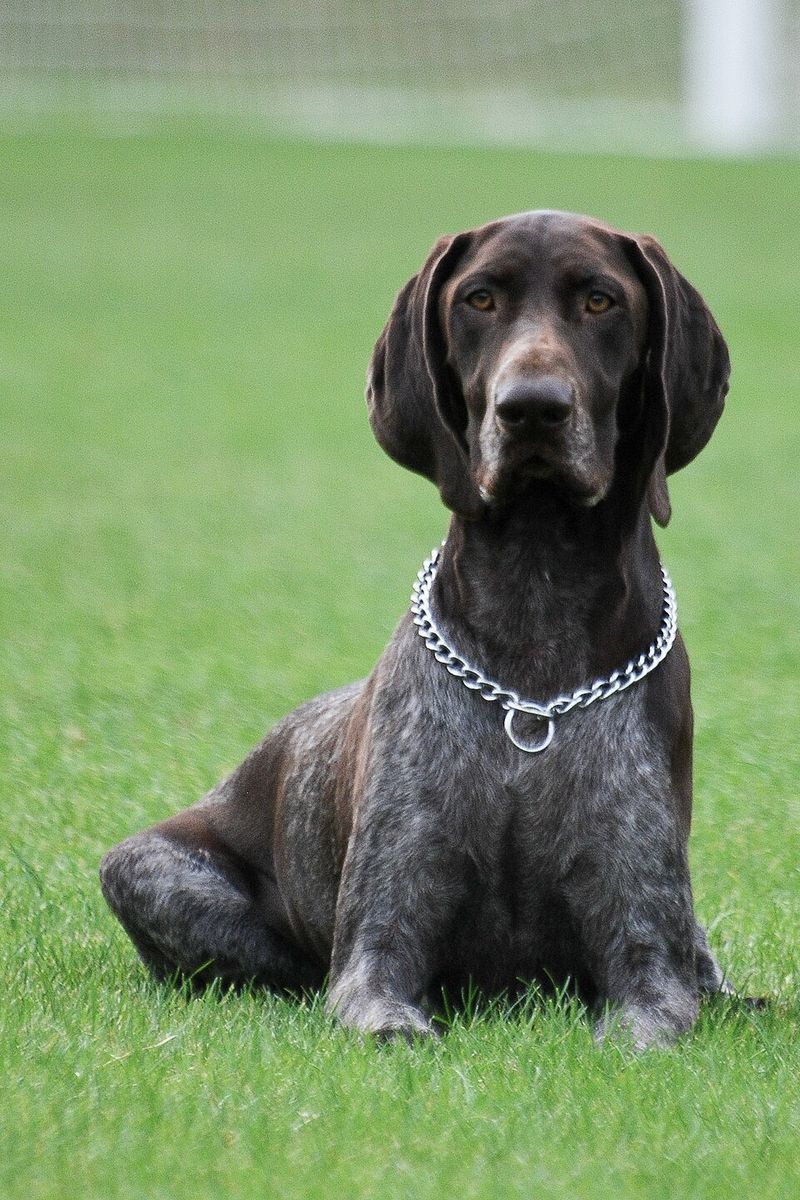
German Shorthaired Pointers are exuberant thinkers who need channeling, not acres. Replace big runs with interval sprints, bike jogs at safe speeds, and structured search patterns in parks.
Teach steadiness to birds by proxy using toy flushes, remote sits, and retrieve delivery to hand.
Scentwork builds patience. Use tiny hides, aged odor, and vehicle searches to stretch focus.
Balance arousal with long down stays and mat work after workouts.
They love clear criteria and athletic goals. Add balance discs, cavaletti, and jump grids to protect joints while building control.
Keep training brisk and fair, and you will have a GSP who can swap fields for sidewalks without losing that brilliant drive.
Vizsla
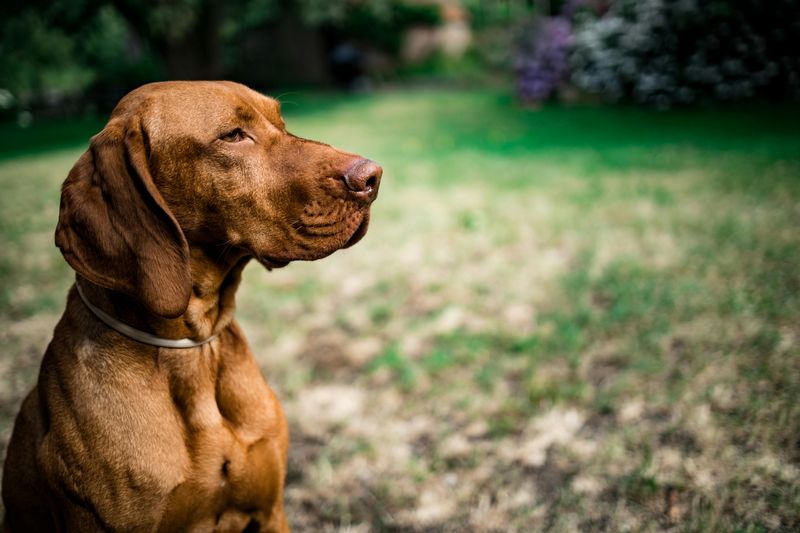
Vizslas are velcro athletes who run on connection and clarity. Build daily rituals: warm ups, brief focus drills, sprint intervals, then decompression sniffing.
Use recall to hand touches, sit to flush simulations, and scent games in planter boxes to replace upland fields.
They are sensitive to tone, so reward often and keep corrections minimal. Cooperative care and massage help them downshift after excitement and strengthen your bond.
Tricks like bow, spin, and perch pivots keep rainy days interesting. Add light retrieving with directional cues for mental challenge.
With a plan and gentle structure, a Vizsla can thrive in apartments, meeting big needs through small but thoughtful sessions.
Weimaraner
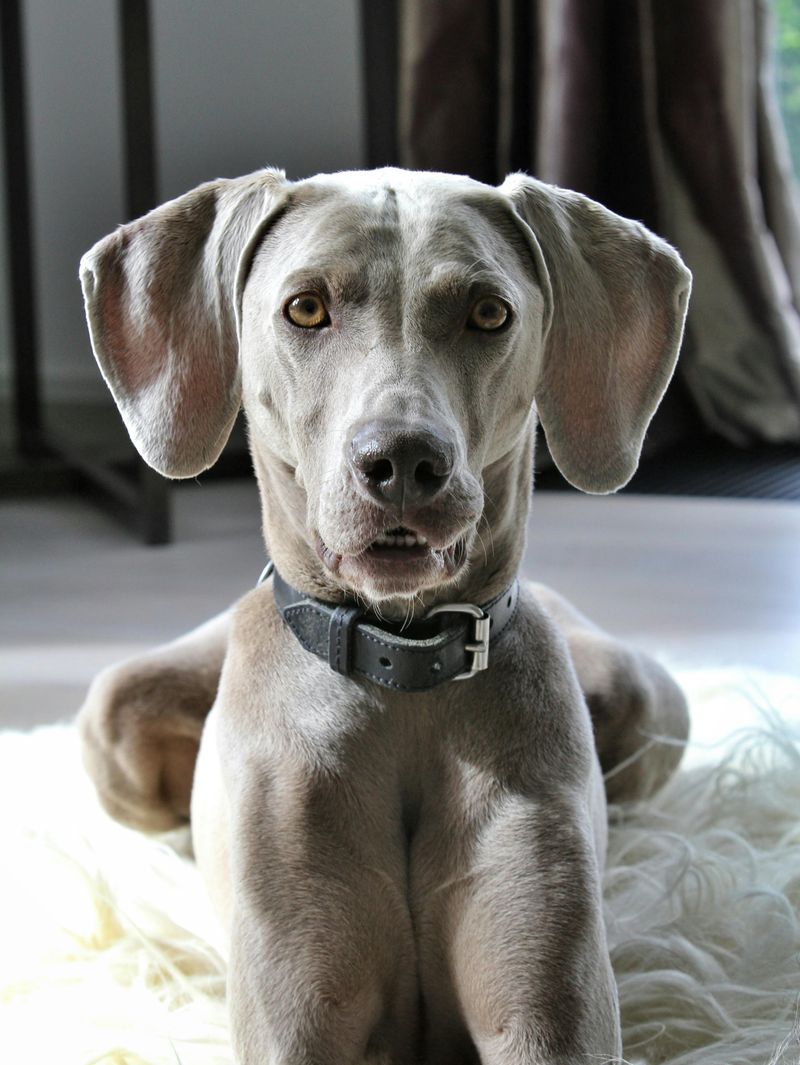
Weimaraners bring intensity and humor that benefit from smart channeling. Trade endless miles for quality intervals: sprint, obedience station, sniff, repeat.
Use hide and seek recalls with family members to leverage their people focus while building reliable response under distraction.
Scentwork gives purpose on quiet mornings. Practice vehicle searches, elevated hides, and long duration settle after success to prevent the zoomies from returning.
Teach cooperative tasks like holding a soft basket, nudging doors closed, and finding dropped keys using a scent cue. Keep reinforcement big and criteria clear.
With consistency and decompression built in, a Weim manages city life and keeps that silver rocket energy pointed in the right direction.
Doberman Pinscher
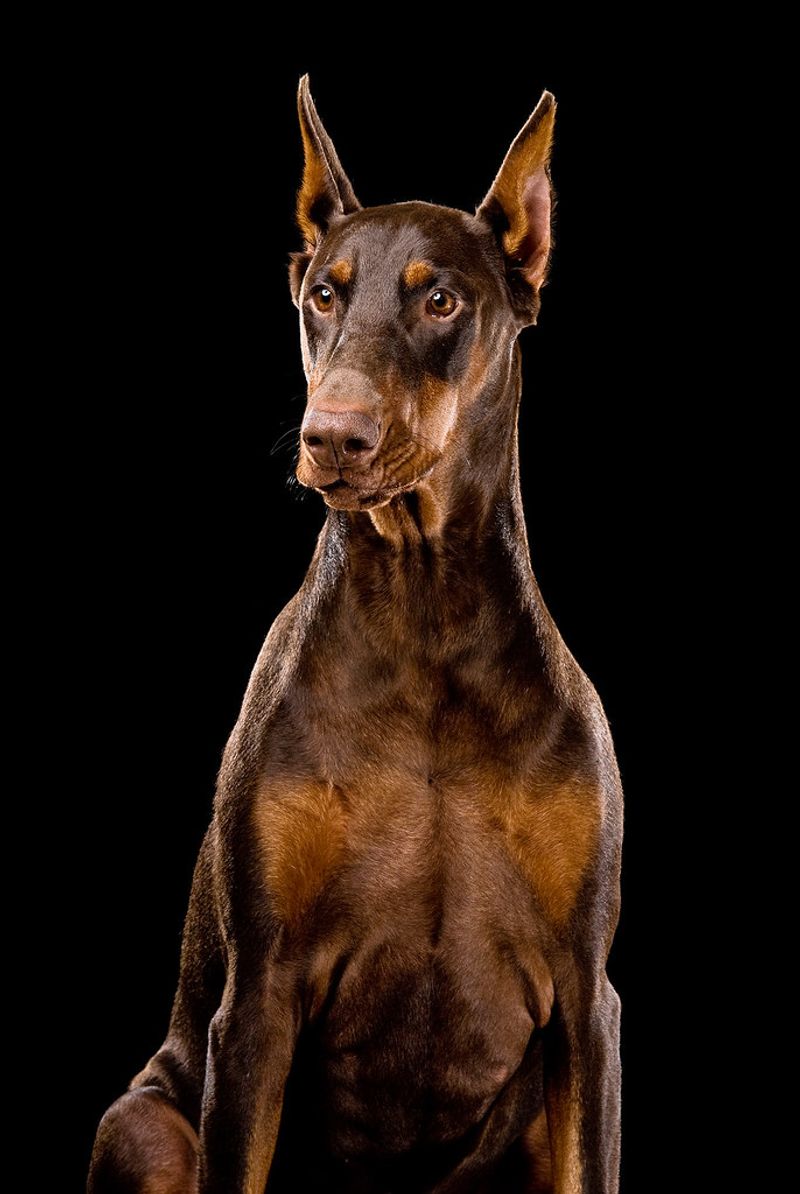
Dobermans thrive on clarity, neutrality, and meaningful effort. Build daily jobs like precision heel, position changes at distance, and silent down stays in busy spaces.
Use tug as payment and practice quick arousal up then down with mat work and breathing rituals.
Teach targeting tasks, platform sends, and carry items on cue to satisfy their purpose driven nature. Scentwork and tracking tap into focus while avoiding over arousal from constant motion.
They read your confidence. Set criteria, be consistent, and end while the dog still wants more.
With thoughtful edges on exercise and clear social rules, a Doberman becomes a polished urban professional whose brain is happily on the clock.
Belgian Sheepdog (Groenendael)
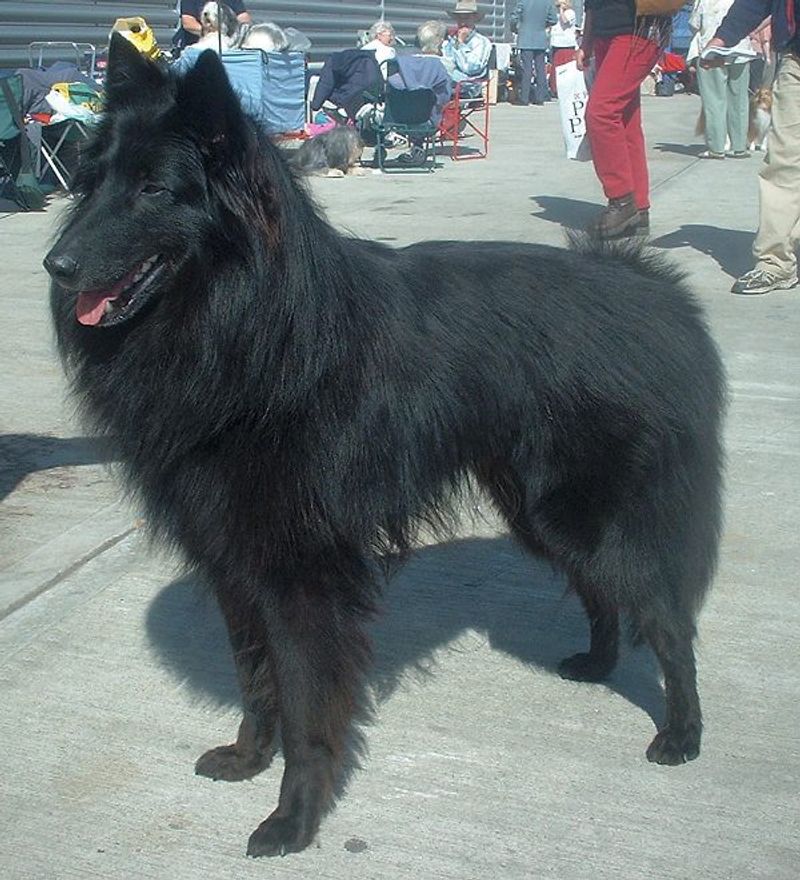
Groenendaels are sensitive, brilliant, and motion charged. Replace livestock with choreographed routines: heeling patterns, positions, and impulse control through doorways.
Use scentwork to lower arousal and tracking lines in quiet parks to give their brain a clean task.
Teach boundary games around benches and curbs so they learn to self regulate in busy spaces. Add trick sequences like leg weaves, perch pivots, and backing up to warm the mind without frantic energy.
They flourish with predictability, decompression, and a trusted handler. Plan short sessions scattered across the day and protect sleep.
When the world feels structured and kind, a Groenendael’s work ethic focuses beautifully, even far from any farm.