
Some dogs seem to have their own bold opinions about everything, including your commands. If you have ever felt outsmarted by a four legged friend, you are not alone.
The good news is that stubborn does not mean impossible, it often means smart, independent, and deeply motivated by the right rewards. Let’s decode that independence together so you can build trust, cooperation, and real results.
Dachshund
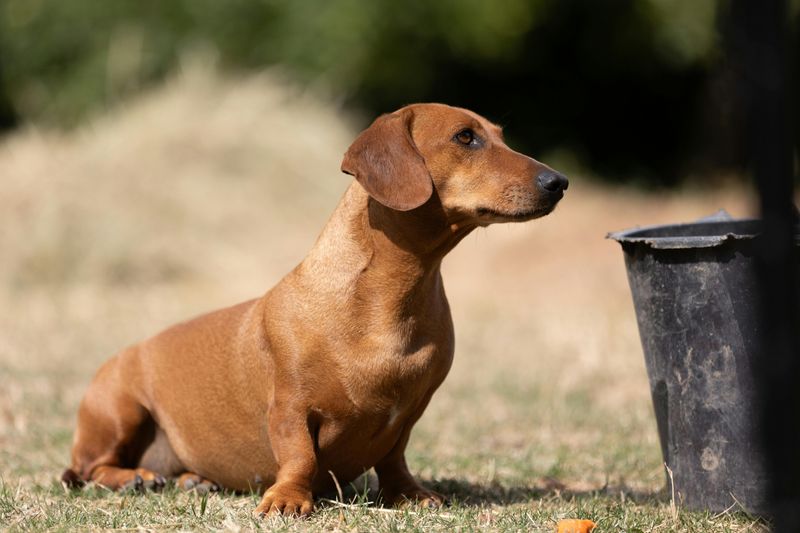
Dachshunds were bred to hunt underground, so they think for themselves and commit hard to a plan. That independence can look like selective hearing when you call.
Channel it with short, playful training bursts and plenty of scent games that let them use their nose.
Keep rewards high value, like tiny cheese bits, and rotate toys to stay interesting. Avoid repeating cues, and instead reset, help them succeed, and mark the moment.
Use long lines outdoors to practice recalls safely without nagging.
Back health matters, so use low impact exercises and ramps. Mental enrichment reduces stubborn streaks by meeting their hunting brain needs.
When they feel understood and challenged, cooperation stops being a fight and becomes a fun partnership.
Beagle
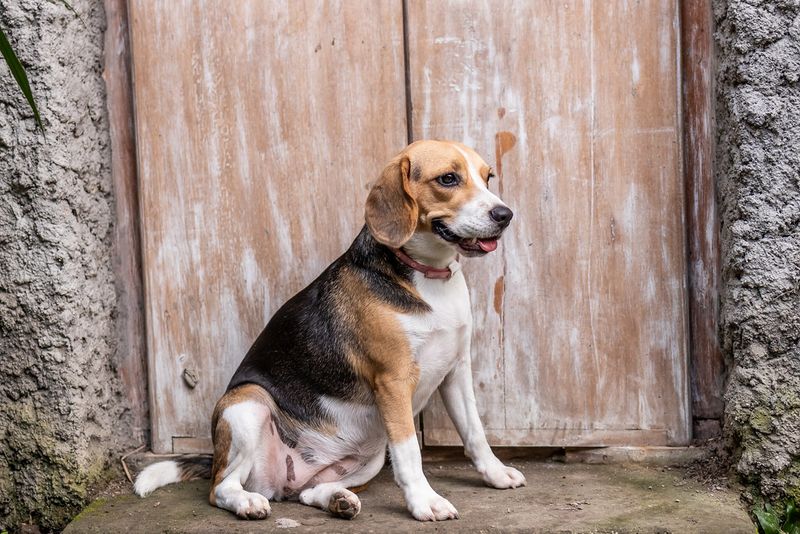
Beagles follow their noses like a hobby and a job rolled into one. If you compete with a scent, you will lose.
Instead, use it by building recall games where coming back unlocks a chance to sniff a marked patch.
Food rewards work, but vary texture and flavor to keep motivation sharp. Practice loose leash walking by reinforcing near you whenever the leash softens.
Scatter feeding in the yard channels sniffing without chaos.
Be patient during adolescence, because distraction peaks then. Train before walks, not after, to capture focus while energy is manageable.
When sniffing becomes part of the plan rather than a distraction, your Beagle chooses you more often and with enthusiasm.
Bulldog
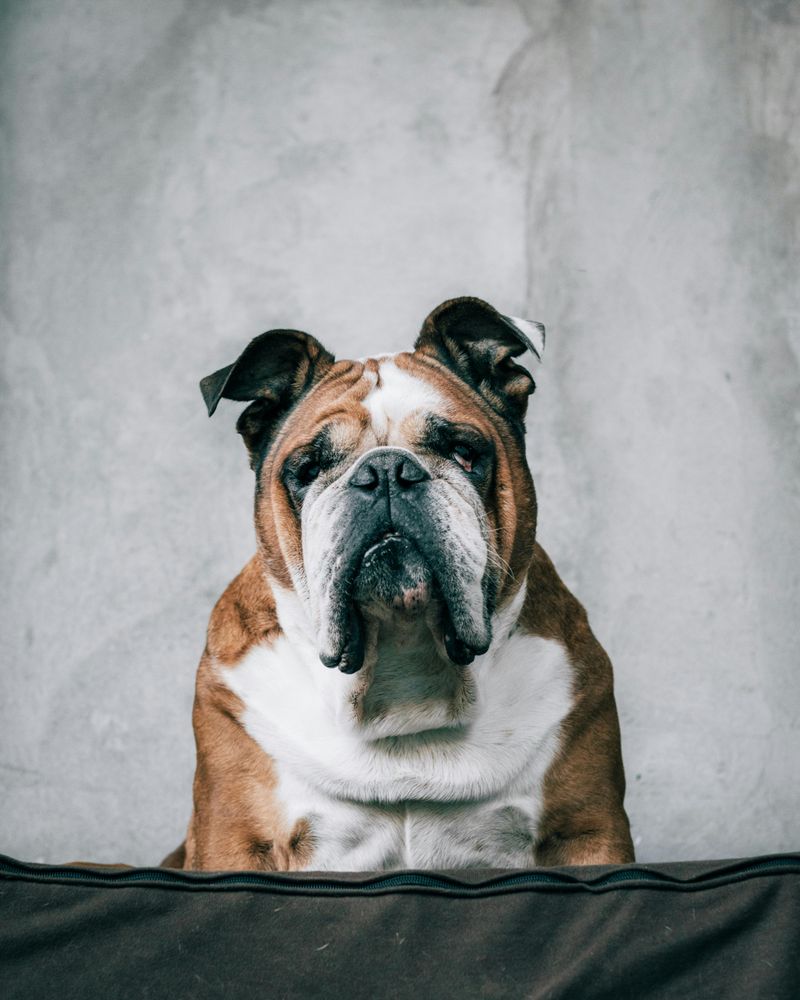
Bulldogs can look obstinate, but often they are just thoughtful and energy efficient. Heat sensitivity and joint concerns make slow, short sessions smartest.
Use comfy surfaces, low intensity games, and gentle handling to keep buy in high.
Motivation spikes with soft, easy to chew treats and clear timing on your marker word. Keep reps to five or fewer, then break for water or snuggles.
Teach cooperative care like chin rest and harness on as trained behaviors.
Bulldogs respond well to predictable routines and clear choices. Offer simple cue chains and celebrate small wins.
When comfort and clarity lead, your Bulldog shows surprising willingness, trading the famous stubborn streak for calm, steady cooperation.
Shiba Inu
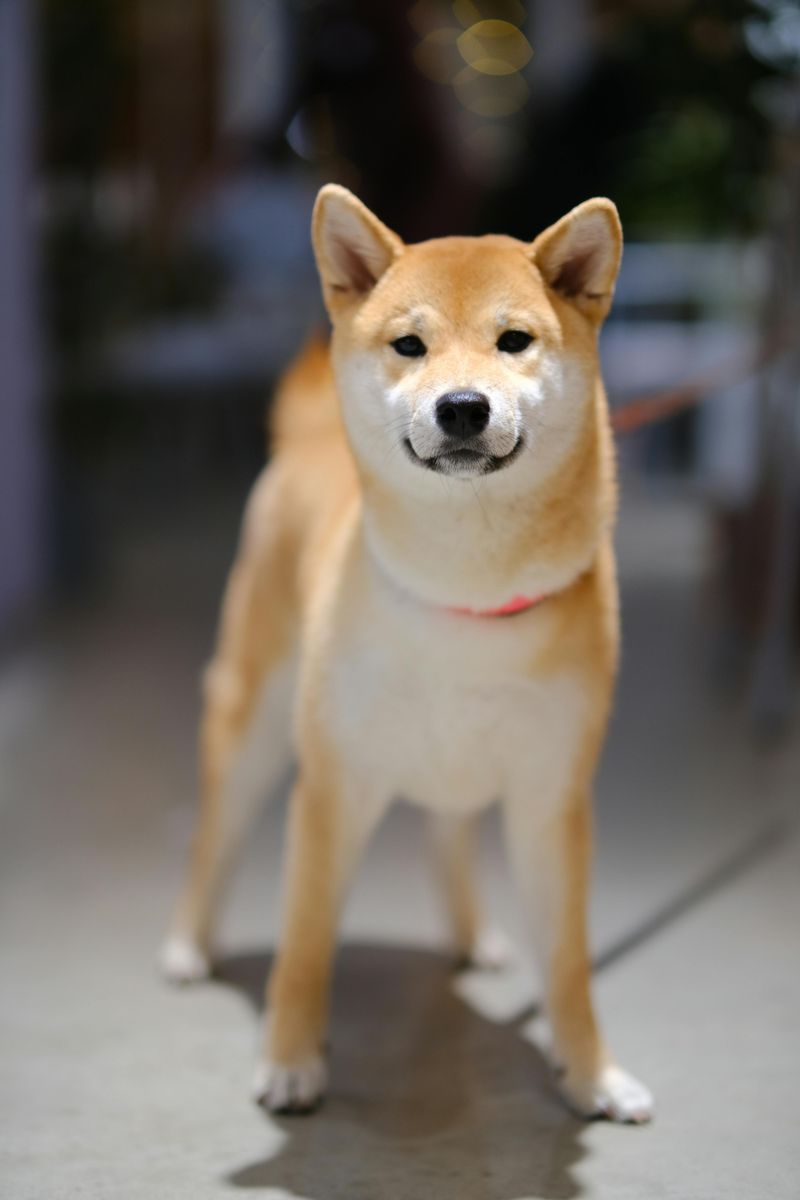
Shibas are independent and stylishly aloof, often weighing options before complying. That is not defiance, it is calculation.
Make the math easy by paying well and ending sessions on a high note before disengagement appears.
Focus on consent based handling and cooperative care, because restraint can trigger resistance. Use hand targets, platform training, and flirt pole play to build impulse control.
Long line recalls with food chases turn running away into running back.
Keep novelty moderate, because Shibas notice everything. Reinforce calm observation and let them opt in frequently.
With predictable choices and rich rewards, you will see that signature Shiba cool transform into thoughtful participation and confident reliability.
Chow Chow
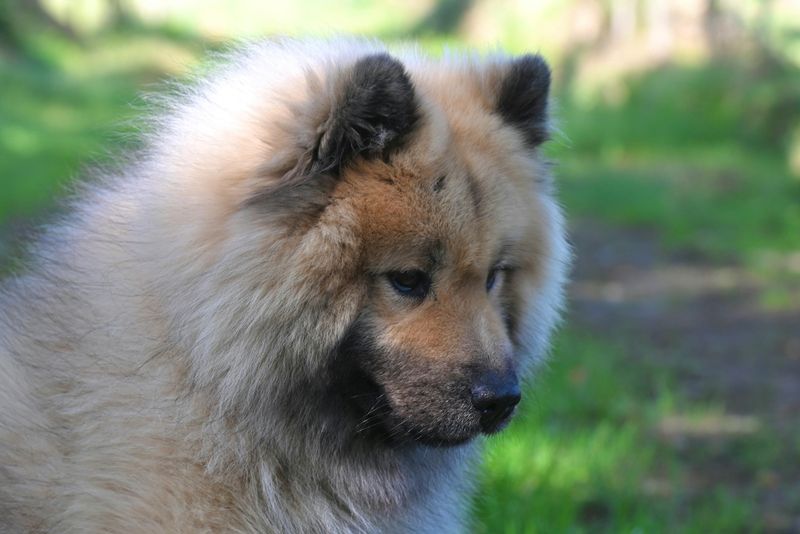
Chow Chows are dignified guardians who prefer calm leaders and clear boundaries. Harsh corrections backfire, eroding trust.
Instead, use structured routines, predictable cues, and generous reinforcement for neutral behavior around triggers.
Teach a strong stationing behavior on a mat to manage greetings and doorways. Keep sessions quiet and purposeful, avoiding chaotic environments early.
Grooming cooperation is essential, so condition brushes and handling slowly with high value rewards.
Socialization should be thoughtful, not pushy, focusing on distance and choice. Advocate for your dog and allow space when they ask.
Respect earns buy in, and that steady relationship turns perceived stubbornness into composed, reliable responses.
Basset Hound
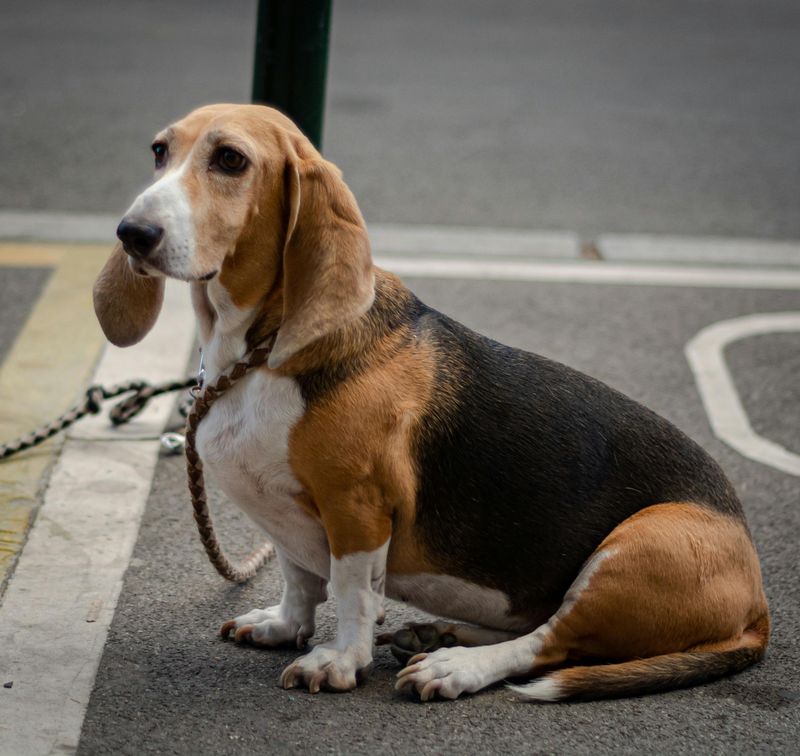
Bassets are mellow scent hounds with surprising stamina for following trails. They can ignore you if the nose is engaged.
Use that drive by setting up scent games where checking in earns permission to continue the track.
Keep cues short and distinctive, and avoid nagging repeats. Reinforce any offered attention with snacks or sniff breaks.
Low impact exercise supports joints, so combine short walks with rich indoor enrichment.
Long ears need regular care, so pair handling with treats and calm praise. Practice recalls on long lines in safe spaces.
When their nose has a job and their body feels good, a Basset becomes far more responsive than their sleepy vibe suggests.
Afghan Hound
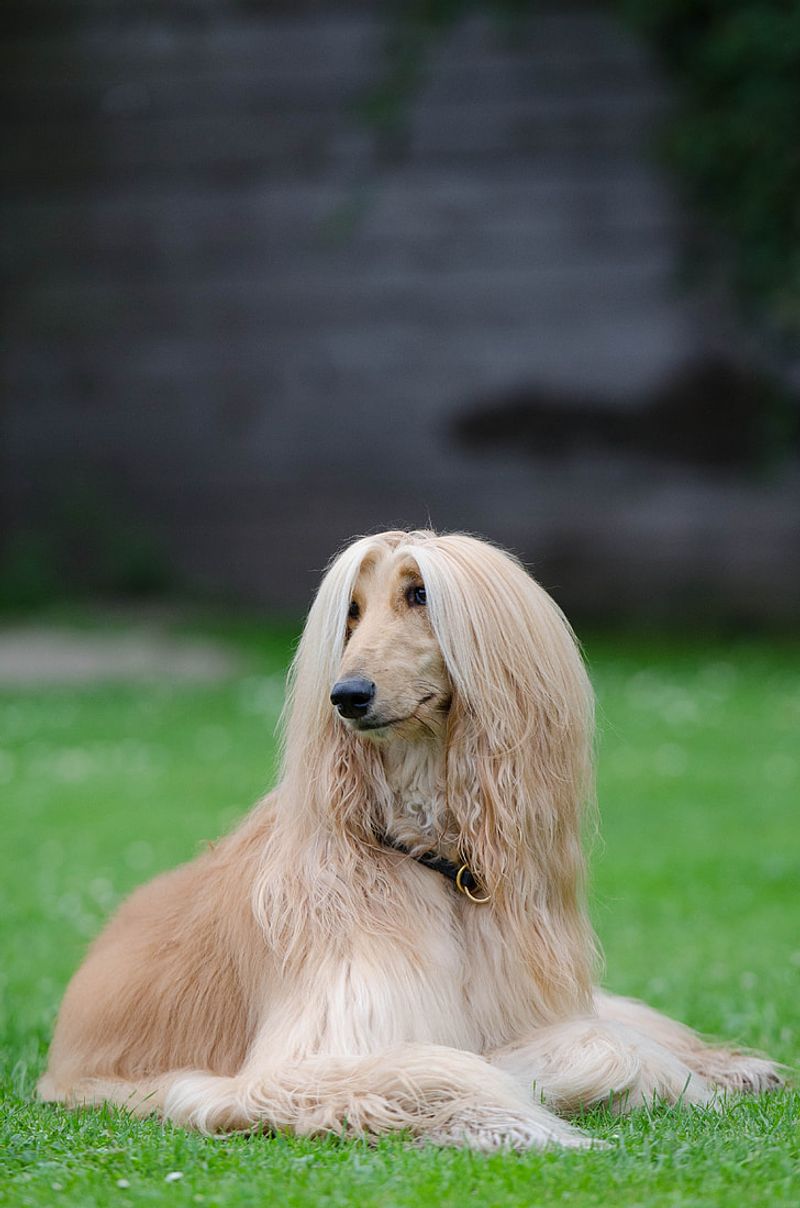
Afghan Hounds are elegant sighthounds with deep independent streaks. They were bred to make decisions at a distance, so micromanagement fails.
Use freedom thoughtfully with secure fields, long lines, and jackpot rewards for speedy recalls.
Grooming is a lifestyle, so train cooperative brushing and bathing with platforms and breaks. Keep training light, fast, and game based, emphasizing chase to toy then return to hand targets.
Build value for you through frequent engagement rewards.
Because they notice movement, practice calm settling after arousal spikes. Teach a relaxed down on a bed with soft reinforcement.
When engagement becomes valuable, their aloofness softens, and you will see flashes of brilliant responsiveness.
Scottish Terrier
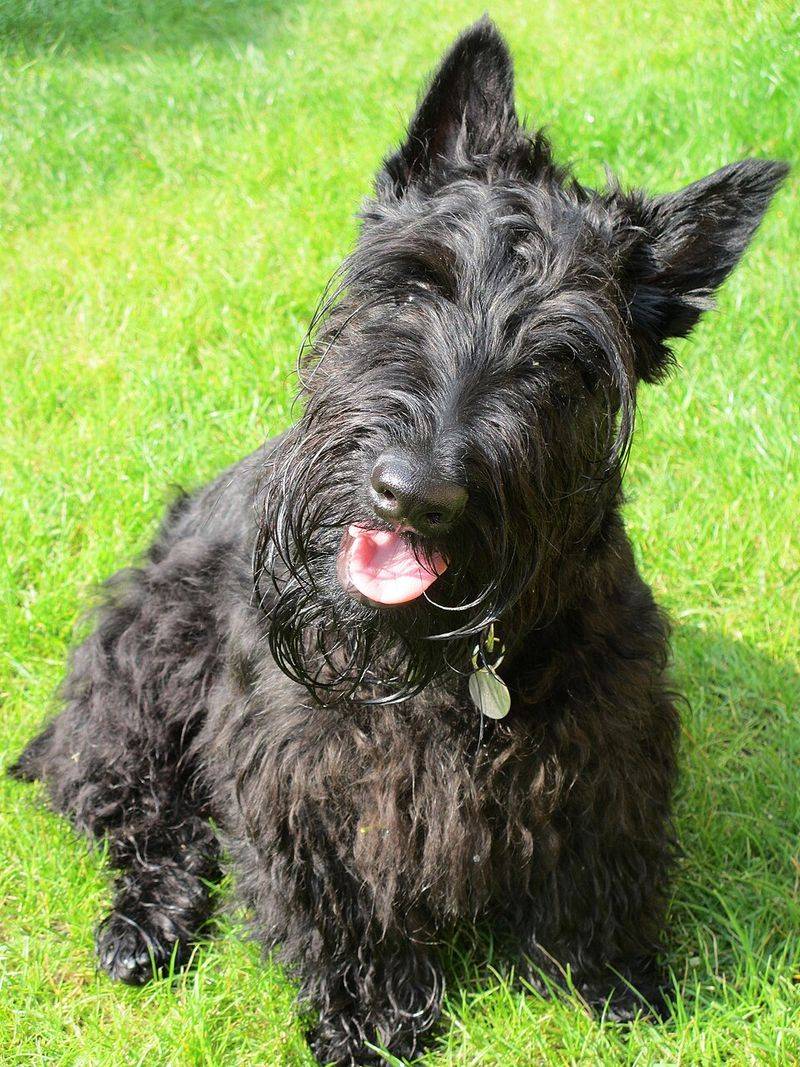
Scotties are bold little hunters with opinions. They thrive on clear jobs and fair rules.
Use platforms to define positions, and reinforce holds with tug or tasty treats for sturdy focus.
Short, purposeful sessions beat long lectures. Practice door manners, polite passes, and a rock solid wait at curbs.
Give appropriate outlets for digging with a sandbox so they choose the right place to excavate.
Grooming and handling should be trained as tricks to keep cooperation upbeat. Avoid confrontation by setting predictable boundaries and rewarding effort.
When their confidence is channeled into structure, Scottish Terriers trade stubborn standoffs for enthusiastic, dependable performance.
Basenji
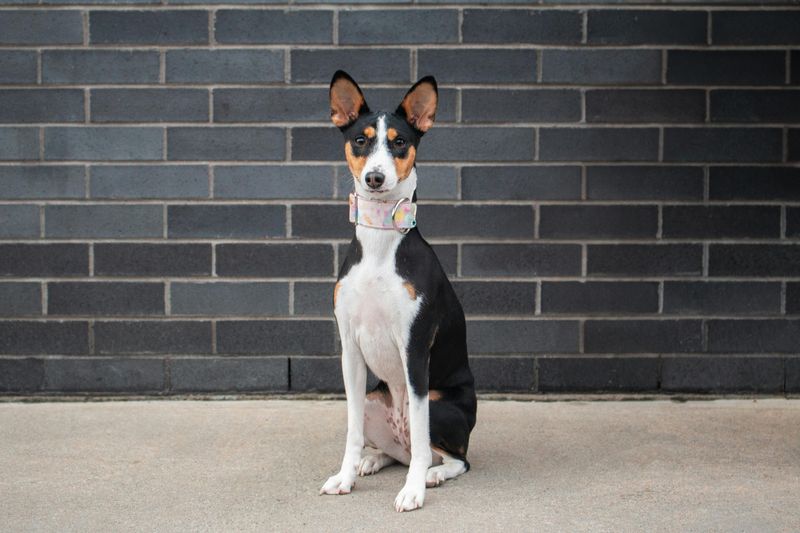
Basenjis are clever, catlike problem solvers with a love of novelty. They test systems and learn fast, so stale routines lose them.
Keep sessions varied with trick chains, scent work, and quick retrieve to hand games.
Use food chases and toy swaps to reinforce returns and reduce keep away. Teach a strong place cue for visitors and deliveries.
Because they can be noise sensitive, introduce sounds at low volumes paired with rewards.
Exercise brain and body early in the day to reduce chaos later. Offer choices and pay generously for engagement.
When you make yourself the most interesting puzzle in the room, a Basenji chooses you over mischief surprisingly often.
Shar Pei
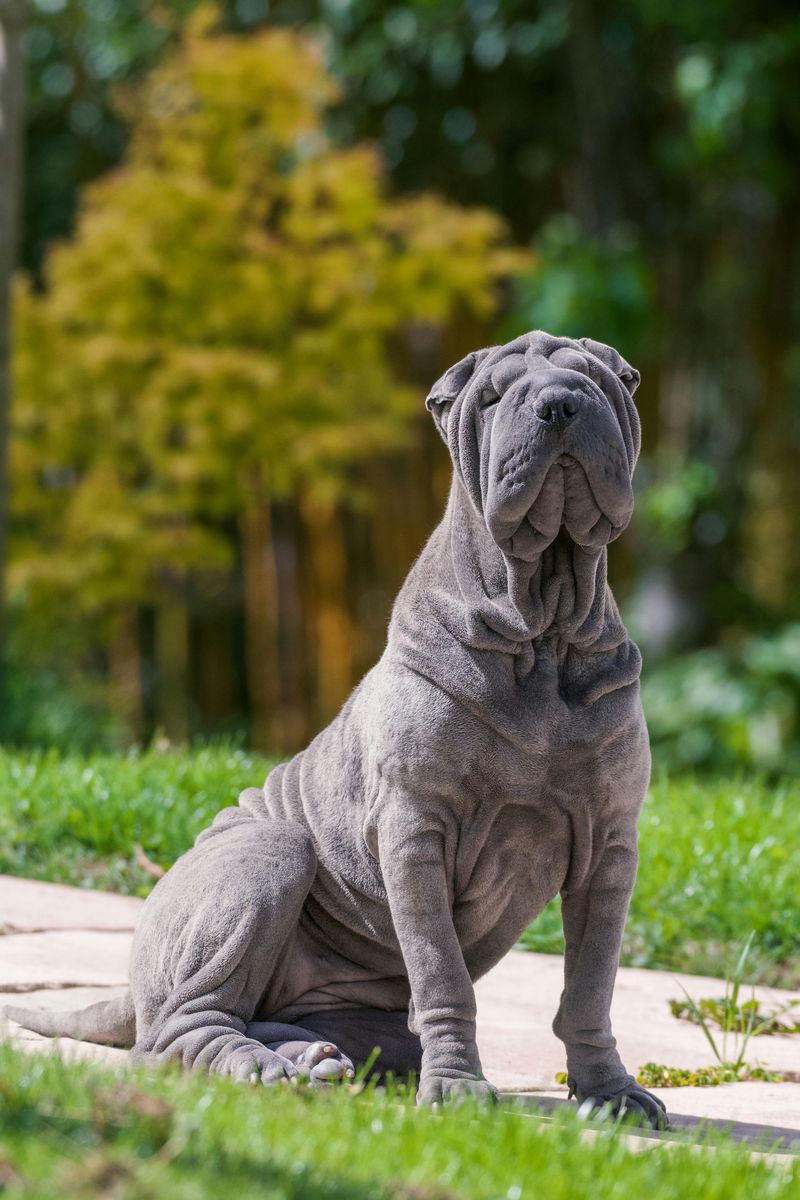
Shar Pei dogs are loyal, reserved, and sometimes skeptical of new demands. Rushed handling can create resistance.
Build trust through slow intros, choice rich sessions, and predictable routines that respect personal space.
Teach a chin rest for exams and daily care, rewarding duration. Use calm, low distraction environments for teaching, then carefully add challenges.
Reinforce neutral responses around strangers rather than forcing interactions.
Walks should be structured but unhurried, with decompression sniffing breaks. Clear cues, generous reinforcement, and fair expectations melt stubborn vibes into steady cooperation.
When they feel understood and safe, Shar Pei partners show quiet, impressive reliability in everyday life.