
Backyard breeding can look harmless on the surface, but the damage runs deep for certain beloved breeds. When demand spikes and standards slip, dogs pay the price with fragile health, unstable temperaments, and heartbreaking vet bills.
If you love these breeds or plan to bring one home, knowing the risks helps you spot red flags and protect yourself. Let’s uncover which dogs are hit hardest and how you can choose more responsibly.
French Bulldog

French Bulldogs are adorable, but backyard breeding pushes their limits. You see the flat face and big eyes and think cute, yet that short muzzle can make breathing a daily struggle.
Poorly bred Frenchies often battle heat intolerance, airway obstruction, and chronic skin infections. When corners get cut, puppies suffer, and you inherit the vet bills.
Responsible breeders test parents, avoid extreme features, and prioritize wide nostrils and open airways. You should ask about health screenings, including airway evaluations and spine checks.
Meet the parents if possible, and walk away from quick cash deposits or no questions asked sales. Choose thoughtfully, and your Frenchie has a better chance to breathe, play, and nap comfortably.
English Bulldog

English Bulldogs are lovable clowns, but reckless breeding magnifies their vulnerabilities. Short muzzles and heavy builds can make simple walks exhausting.
You might notice snoring, panting, and overheating far too easily. Add in skin fold infections and joint issues, and careless breeding becomes painfully obvious.
A reputable breeder aims for healthier airways, athletic structure, and balanced wrinkles. Ask for trachea, cardiac, and orthopedic clearances, plus proof of thoughtful pairings.
You should also see puppies raised indoors with socialization and temperature management. When sellers dodge questions or push cheap puppies fast, that is a red flag.
Choose carefully and your Bulldog has a better chance at a comfortable, joyful life.
Pug

Pugs steal hearts instantly, which fuels careless breeding and serious problems. The short muzzle strains breathing, while those expressive eyes are prone to injury and ulcers.
You might see corneal scratches from minor bumps, or hear loud snorts during sleep. Poor breeders chase tiny noses and bulging eyes, ignoring comfort and longevity.
A responsible breeder prioritizes open nostrils, moderate features, and routine eye exams. Ask about BOAS assessments, patella checks, and family histories of airway surgery.
You should expect detailed puppy socialization plans and honest talk about weather safety. Avoid sellers who will not discuss health tradeoffs.
With thoughtful selection and daily care, your Pug can zoom, cuddle, and snooze without constant distress.
German Shepherd Dog
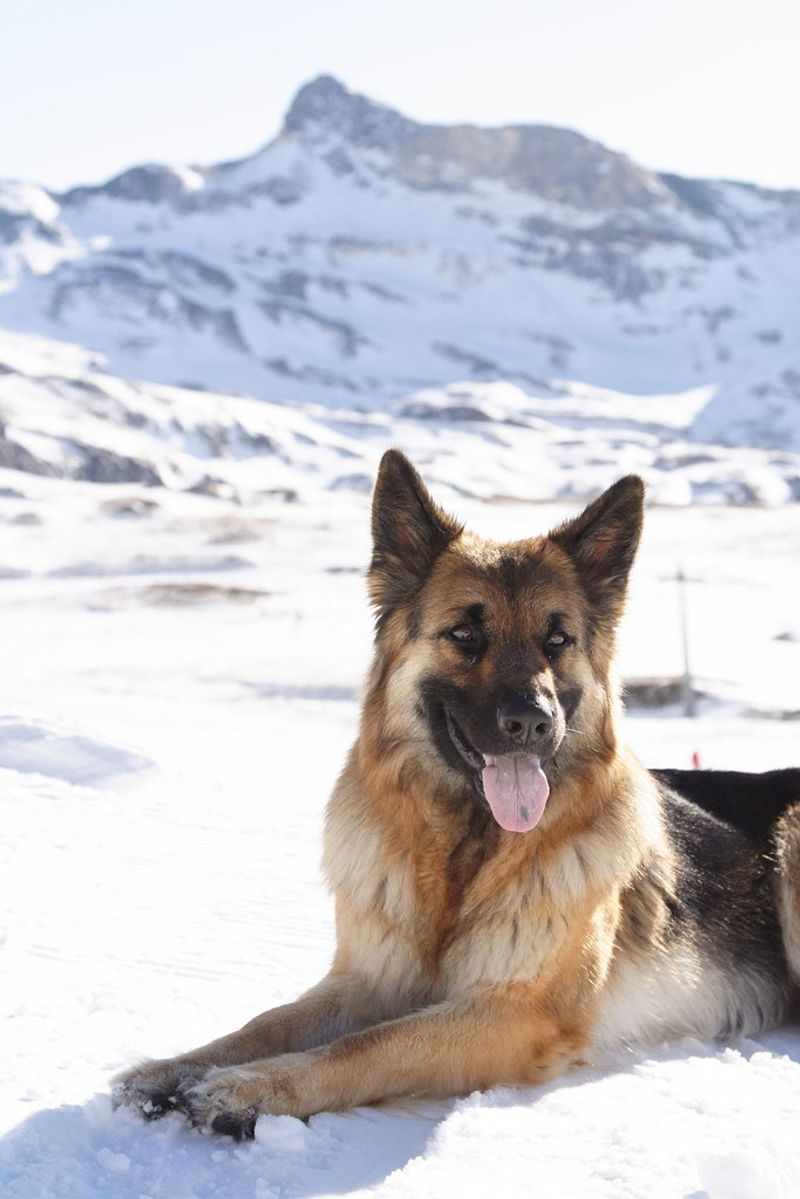
German Shepherd Dogs are brilliant and versatile, which draws irresponsible breeders chasing quick demand. Exaggerated slopes and weak hips turn agility into pain.
You might notice bunny hopping, stiffness, or reluctance to jump. Backyard pairings often ignore hip and elbow scores, temperament, and working ability, producing anxious or reactive dogs.
Look for breeders who value straight, functional toplines and certified hips and elbows. Ask about temperament testing, nerve strength, and stable drives.
You should see thoughtful placement, lifetime support, and contracts that protect you and the dog. If bite work talk overshadows stability, walk away.
With careful selection and training, your GSD can be confident, athletic, and a steady partner.
Rottweiler
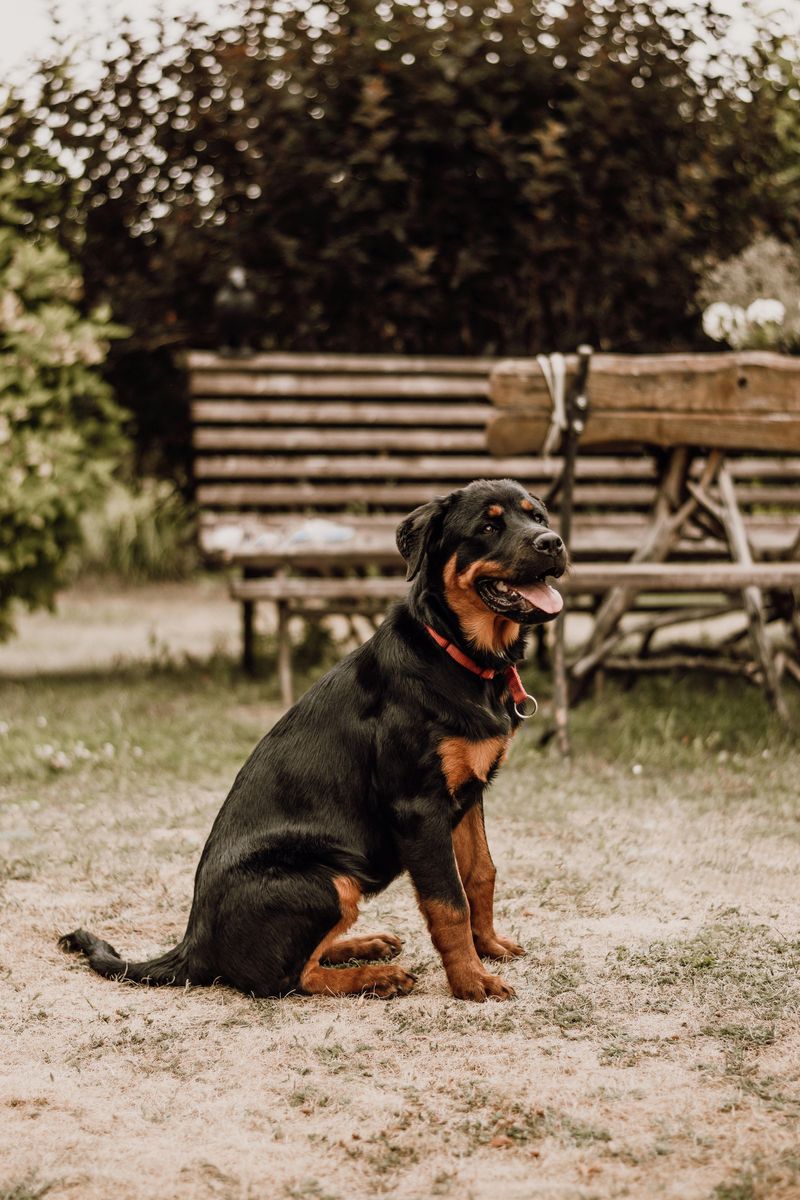
Rottweilers are often bred for size and intimidation instead of health and stability. That shortcut can yield bad hips, weak hearts, and unreliable temperaments.
You might see overgrowth, sloppy movement, or pushy behavior without impulse control. Backyard breeding often skips OFA evaluations and temperament assessments entirely, leaving families vulnerable.
Seek breeders who emphasize balanced structure, cardiac and joint clearances, and consistent socialization. Ask about longevity in the line, working titles, and calm, confident parents.
You should be guided on training, diet, and boundaries from day one. If someone sells huge puppies with no health proofs, pass.
Chosen wisely, your Rottweiler becomes a steady, affectionate guardian who thrives in everyday life.
Doberman Pinscher
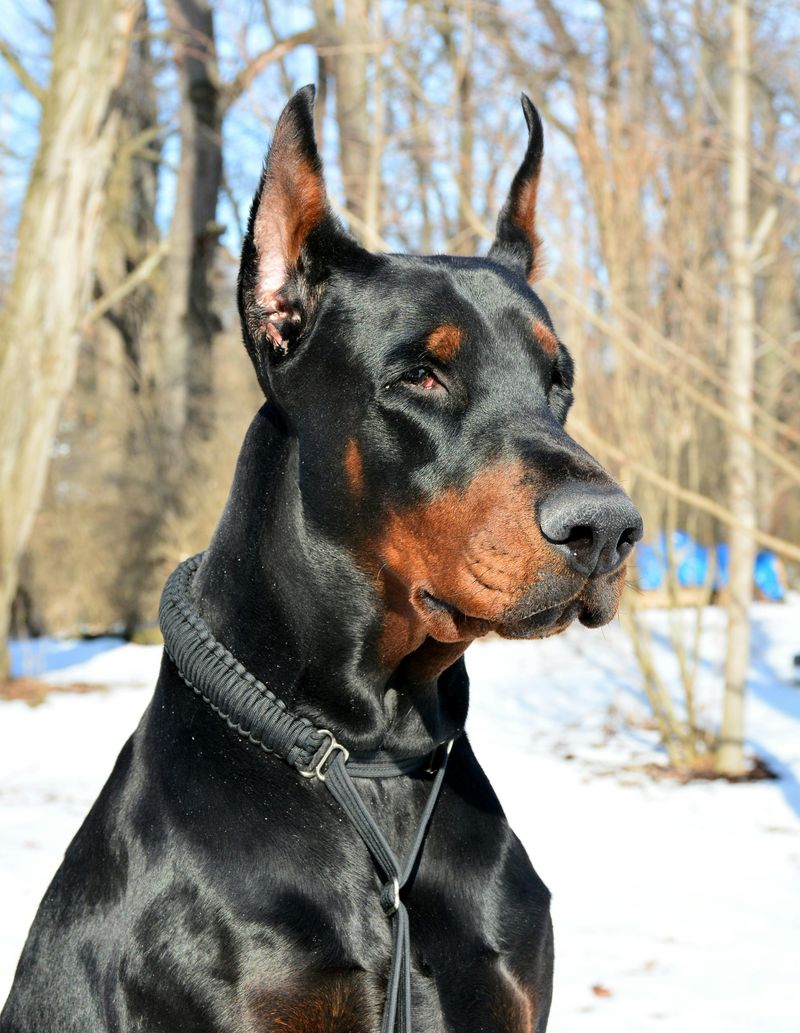
Dobermans are sleek athletes, but careless breeding magnifies serious risks. Dilated cardiomyopathy can strike young, and weak temperaments lead to anxiety or reactivity.
You might notice thin structure or poor nerve strength under stress. Sellers who promise oversized or ultra rare colors often skip real health testing.
Choose breeders who perform cardiac echoes, Holter monitoring, and genetic screenings. Ask about longevity, stable drives, and clear-headed parents around strangers.
You should receive guidance on socialization, fitness, and mental engagement. Contracts should include health guarantees and breeder support.
Walk away from quick cash deals or limited transparency. Selected well, a Doberman can be confident, affectionate, and athletic for years, with risks carefully managed.
Cane Corso

Cane Corsos are powerful guardians, and backyard breeding can produce oversized, unstable dogs. You might see weak hips, entropion, or fear aggression from poor selection.
Irresponsible sellers push intimidation over temperament and structure, risking lawsuits and heartbreak. Without mentorship and health testing, families can be overwhelmed quickly.
Look for breeders who prioritize nerve stability, clear eyes, and athletic movement. Ask for hip and elbow scores, cardiac checks, and proof of real socialization.
You should meet confident, biddable parents that recover quickly from stress. Expect contracts, lifetime support, and training guidance.
Skip sellers advertising giant heads and quick protection. Chosen carefully, a Corso can be a loyal, thoughtful guardian who fits real life.
Belgian Malinois
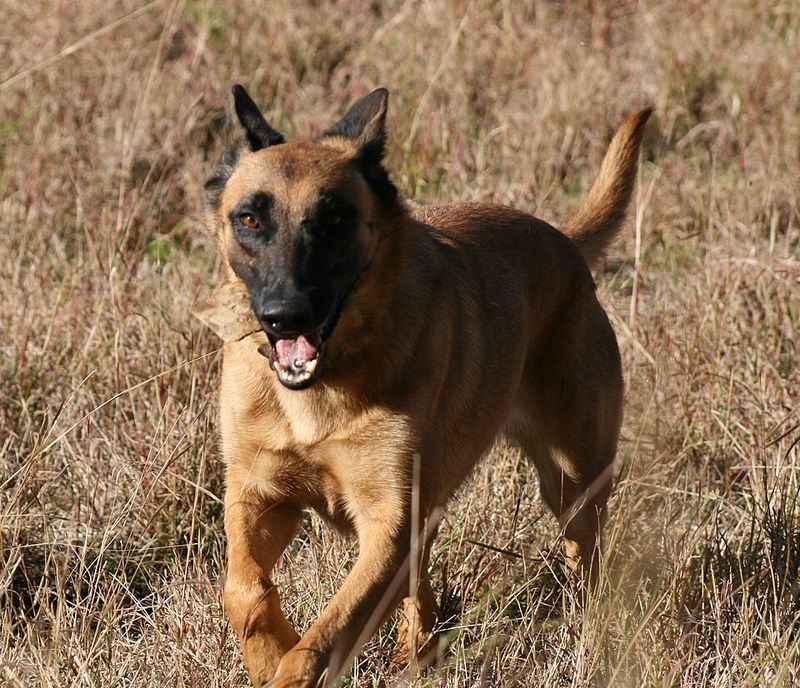
Belgian Malinois explode in popularity with viral videos, drawing reckless breeders and unprepared buyers. These dogs need jobs, structure, and skilled handling.
Without that, you might see frantic energy, destructive behavior, and bites from frustration. Backyard breeding rarely considers nerve strength or resilience, amplifying anxiety and reactivity.
Seek breeders who title dogs in sport or real work and prove stable temperaments. Ask about environmental exposure, recovery time under stress, and balanced drives.
You should receive a training plan and honest expectations about energy needs. If a seller markets them as easy family pets, run.
With the right match, your Malinois becomes a brilliant teammate who thrives on purpose and clarity.
American Bully
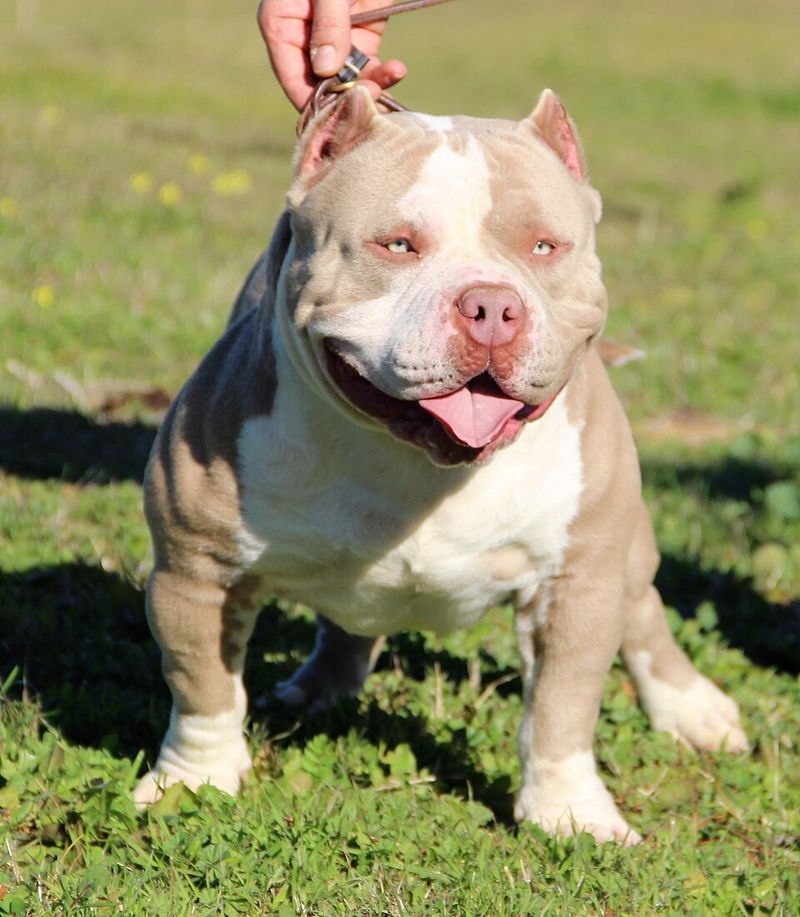
American Bullies get targeted by fad breeders chasing extreme heads and ultra wide chests. That often means compromised breathing, joint strain, and poor stamina.
You might notice waddling gait or nonstop panting after minimal activity. Backyard operations frequently skip genetic screening and honest temperament evaluation, leaving families with costly challenges.
Choose moderate, functional structure and parents with clear health tests. Ask about cardiac evaluations, patellas, and honest movement videos.
You should meet stable, friendly adults that recover quickly from excitement. Avoid sellers pushing exotic colors and oversized features.
Transparency, contracts, and support matter. With responsible choices and sensible conditioning, an American Bully can be a cheerful companion with fewer preventable issues.
Chihuahua

Chihuahuas are tiny, but their problems are not small when backyard breeding cuts corners. Overly fragile frames and poor patellas make daily movement risky.
You might notice trembling from both nerves and low blood sugar. Casual sellers often skip dental concerns and socialization, leading to reactivity and costly cleanings.
Find breeders who prioritize sturdy structure, stable temperaments, and proper bite alignment. Ask about patella grades, dental plans, and early enrichment activities.
You should see confident puppies exposed to everyday noises and handling. If someone sells purse size as a feature, walk away.
With thoughtful selection and training, your Chihuahua can be brave, playful, and easier to care for long term.
Dachshund

Dachshunds tempt backyard breeders who overlook spinal health and temperament. Overlong backs and poor structure raise the risk of IVDD, turning stairs into hazards.
You might see reluctance to jump or sudden pain after play. Irresponsible pairings also ignore reactivity, making handling and grooming stressful.
Seek breeders who select for strong toplines, moderated length, and proven backs in relatives. Ask about IVDD incidence, patella checks, and careful conditioning.
You should receive guidance on ramps, weight management, and core strength. Avoid sellers pushing extreme mini sizes or unsupported claims.
With mindful care and ethical breeding, your Dachshund can enjoy snuggles and adventures without constant back scares.
Shih Tzu

Shih Tzus suffer when backyard breeding chases flatter faces and fluffy coats over function. Breathing can be noisy, and eyes are vulnerable to injury.
You might also wrestle with dental crowding and chronic tear staining. Poor socialization leads to fear during grooming, multiplying stress for both of you.
Choose breeders who aim for open nostrils, moderate muzzles, and healthy eyes. Ask about BOAS risk, dental planning, and social grooming from early weeks.
You should expect transparency, contracts, and ongoing support. Skip sellers promising tiny teacups or instant pickup.
With thoughtful grooming, training, and health screening, your Shih Tzu can be a cheerful, comfy companion who enjoys pampering without constant discomfort.
Pomeranian
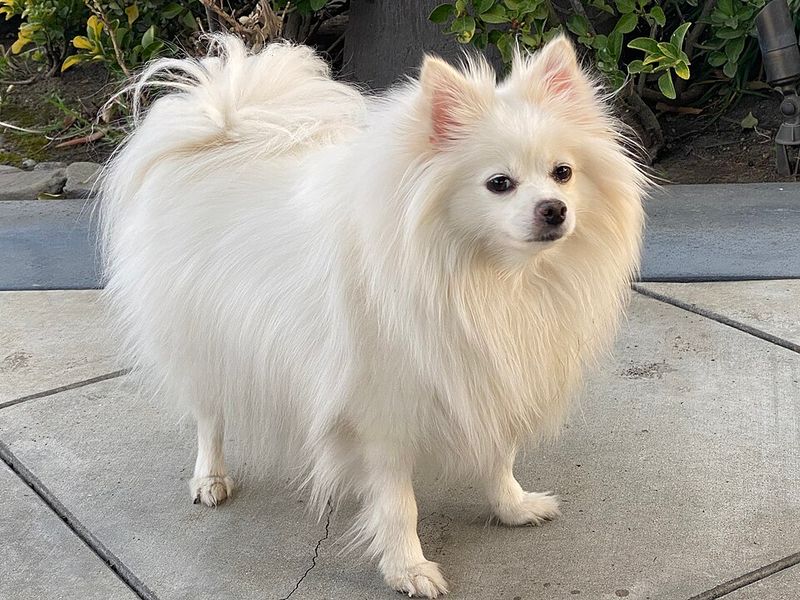
Pomeranians look like tiny clouds, which encourages careless breeding for excessive fluff and tininess. That often brings fragile bones, dental issues, and collapsing trachea.
You might hear honking coughs or see reluctance to wear a collar. Backyard breeders also skip socialization, producing nervous barkers that struggle with change.
Find breeders who prioritize sturdy frames, moderate coats, and clear airways. Ask about patellas, tracheal history, and bite alignment.
You should see confident puppies handled by different people and exposed to household sounds. Harness training and dental plans should be discussed early.
If size alone is the sales pitch, pass. Chosen wisely, your Pom can be bold, cuddly, and healthy enough to enjoy daily adventures.
Yorkshire Terrier

Yorkshire Terriers get marketed as tiny glamour dogs, inviting shortcuts that harm health and behavior. Fragile bones, dental crowding, and tracheal issues are common when breeding favors size over structure.
You might notice picky eating, coughing, or anxiety in new environments. Poor socialization amplifies barking and sensitivity to handling.
Look for breeders prioritizing stable temperaments, strong knees, and sensible size. Ask about patella grades, tracheal history, and dental plans.
You should see enrichment, crate conditioning, and gentle grooming practice in early weeks. Contracts, health guarantees, and ongoing mentorship are essential.
Avoid teacup hype and cash only sales. With deliberate selection, your Yorkie can be confident, portable, and resilient in everyday life.