
Fireworks, thunder, even the clatter of a dropped pan can rattle certain dogs far more than others. If you start early with training and calm routines, you can help your pup handle life’s surprising sounds with more confidence.
This guide spotlights breeds that are famously sensitive and what that means for your home. Stick around, and you will learn where to focus prep so scary noises stop stealing your dog’s peace.
German Shepherd Dog
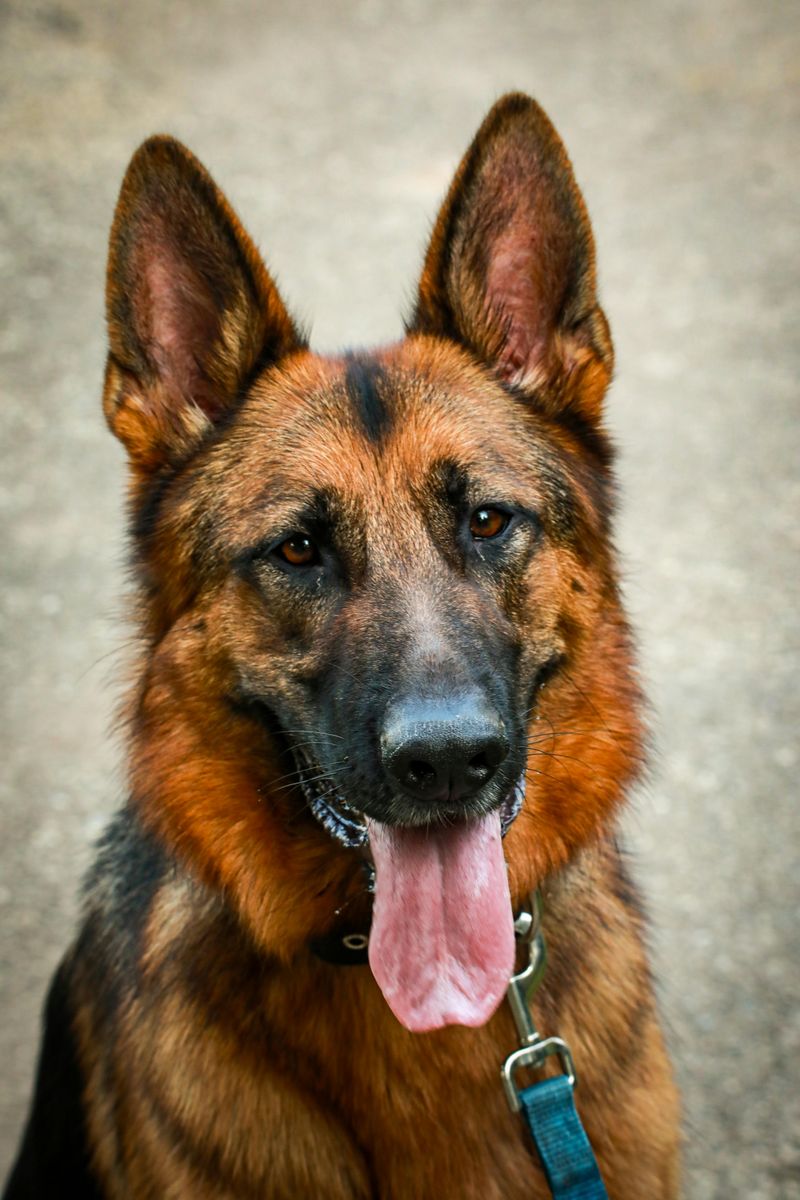
German Shepherds are brilliant, watchful, and always scanning for changes. That alertness can tip into anxiety when thunder rumbles or fireworks crack.
You might see pacing, yawning, and that famous pricked ear posture harden with worry.
Prep early with calm exposure to recorded storm sounds, starting low and pairing with treats. Build a safe den with a crate or covered nook, and keep routines reliable.
Daily exercise plus sniffy mental games siphon off stress.
White noise, snug vests, and predictable cues help during noisy events. Teach a stationing mat as a go-to place.
If reactivity spikes, contact your vet about supplements or medication. Confidence grows when you break noise into small, winnable moments.
Border Collie
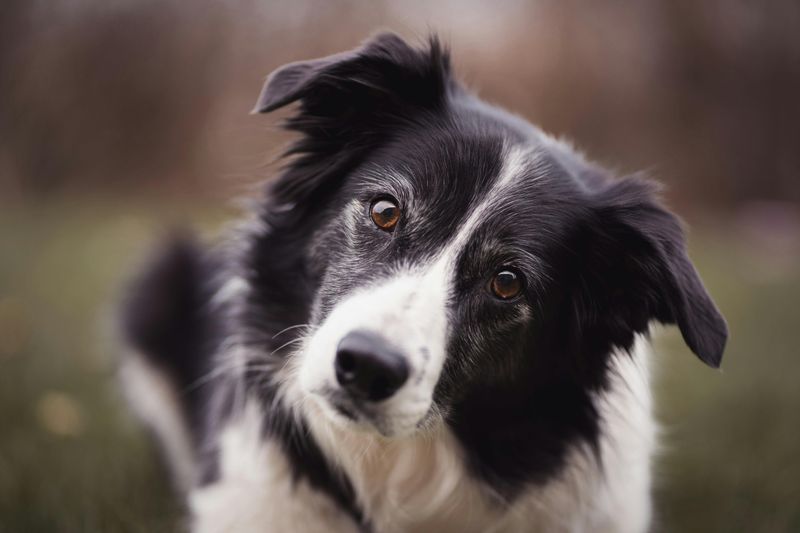
Border Collies notice everything, including sounds you barely register. Their herding brains predict patterns, so random booms feel especially unsettling.
You may see the classic stare shift into hypervigilance, with pacing or hiding under tables.
Start young with gentle sound desensitization and counterconditioning. Play low-volume thunder recordings during meals and gradually raise volume over weeks.
Mix in trick training to give that sharp mind a productive outlet.
Before holidays, tire them with agility or nosework so arousal sits lower. Offer a cozy den and a chew they adore.
Cue calm behaviors like settle on a mat. If the world gets loud, keep your voice soft, dim lights, and celebrate small wins.
Australian Shepherd
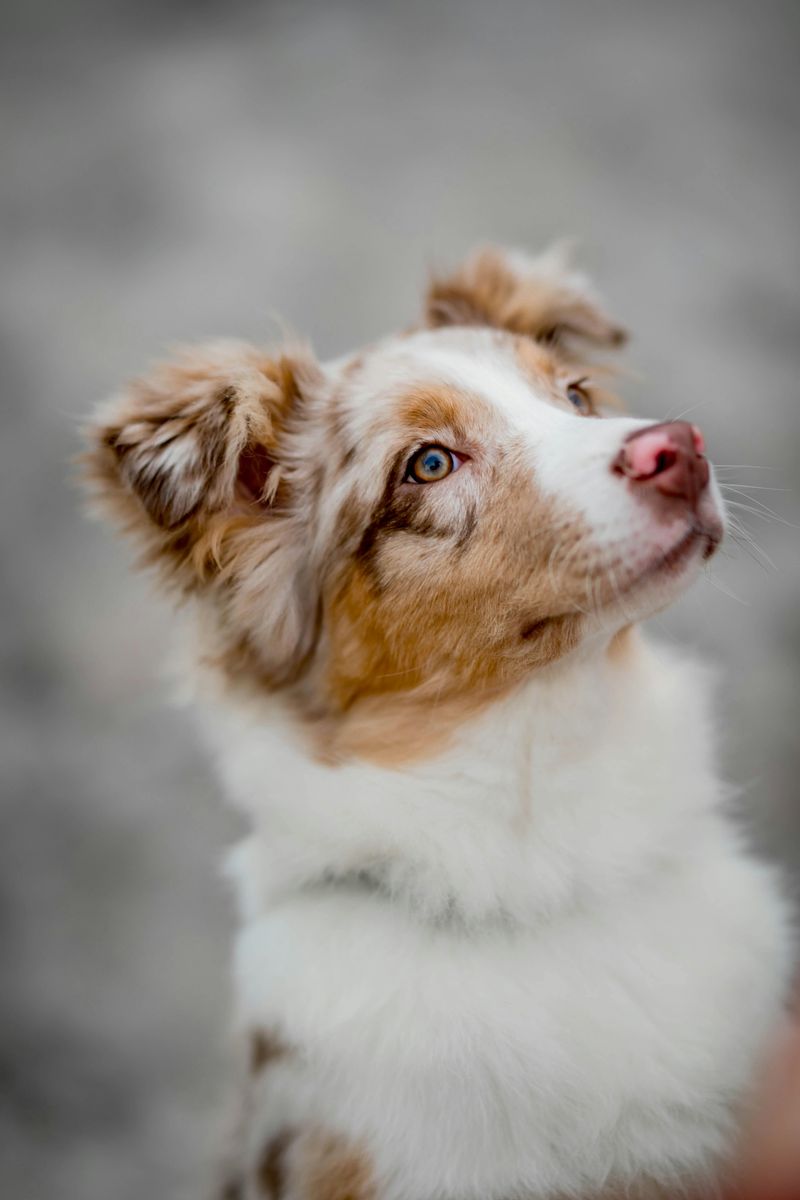
Australian Shepherds thrive on structure and jobs, yet unpredictable noises cut through their focus. Sudden bangs can trigger scanning and frantic movement.
Without early prep, stress may snowball into barking or escape attempts.
Build a daily rhythm with exercise, brain games, and predictable decompression. Introduce controlled sound sessions paired with jackpot treats.
Mat training becomes a lifesaver, giving them a task when thunder hits.
On noisy nights, close curtains, add brown noise, and offer a food puzzle. A fitted calming vest may help some dogs feel secure.
Keep your demeanor steady and matter of fact. Consistency and patient practice transform spooky sounds into manageable background life.
Shetland Sheepdog
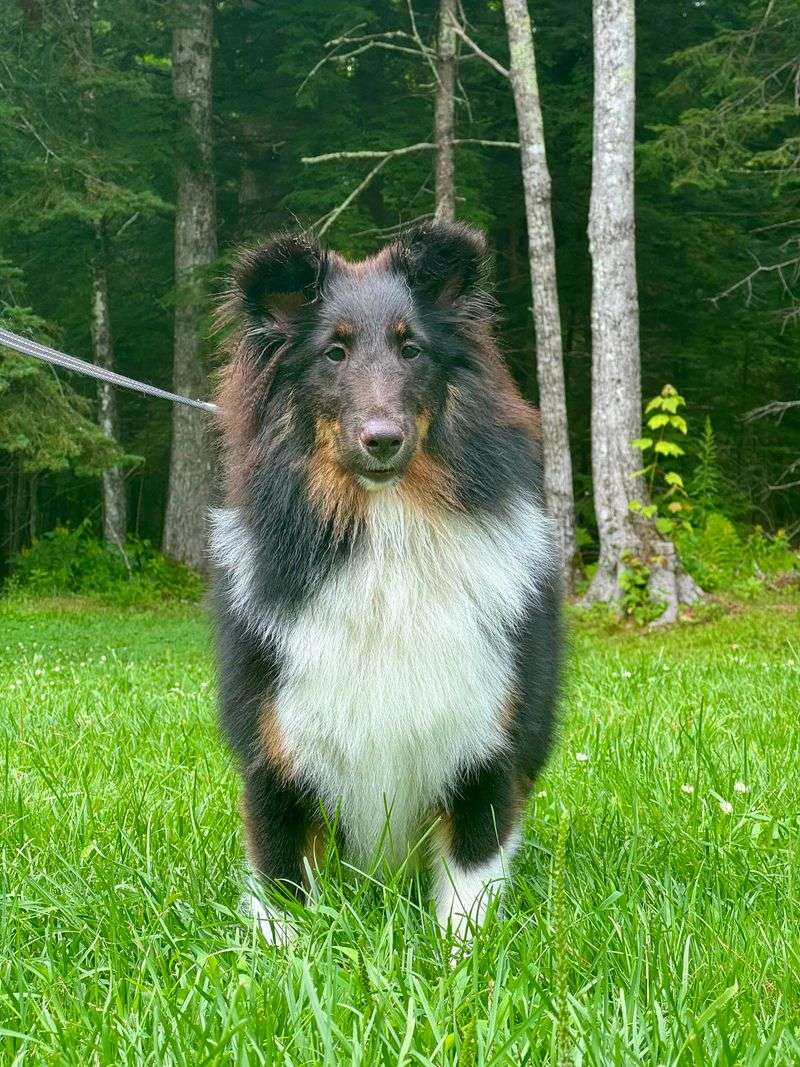
Shetland Sheepdogs are sensitive, communicative, and quick to alert. Their fine-tuned hearing makes sudden claps or sirens feel massive.
You might notice panting, trembling, or clustering to a preferred human for security.
Set up a sanctuary early, complete with a covered crate, chew items, and calming music. Practice entering that space on cue with treats so it becomes a happy refuge.
Gradual sound exposure builds resilience without flooding.
During storms, keep play simple and rewarding. Avoid scolding vocalization; teach a quiet cue paired with calm reinforcement.
If fear persists, collaborate with your vet or a trainer. Small, consistent steps create a steady ladder out of noise worry.
Papillon

Papillons are bright, dainty companions with radar-like ears that catch every clink. Sudden bangs can spark shivers or frantic darting between rooms.
Their small size does not shrink big feelings, especially around fireworks.
Prep with tiny, tasty rewards during low-volume sound sessions. Keep sessions short and cheerful, then end with a quick game.
Create a soft den with blankets, a familiar scent, and steady background sound.
Teach a settle cue on a mat to anchor them when life pops. On noisy nights, dim lights, close windows, and offer a gentle chew.
Your calm voice matters. If anxiety escalates, ask your vet about adjunct supports to keep progress steady.
Cocker Spaniel

Cocker Spaniels are affectionate and expressive, often tuned to your mood. Loud, unpredictable sounds can tip them into worry or clinginess.
You might see drooling, lip licking, or an urgent need to be close.
Begin early with gentle recordings of thunder and celebratory pops while feeding. Introduce puzzle feeders and scent games to redirect energy constructively.
A snug vest and massage strokes can settle frazzled nerves.
When noise starts, run a fan, cue their mat, and reward slow breathing moments. Keep outings brief if a storm is brewing.
Pair calm with consistent routines and sleep. If fear remains intense, consult your veterinarian to tailor a plan.
Doberman Pinscher
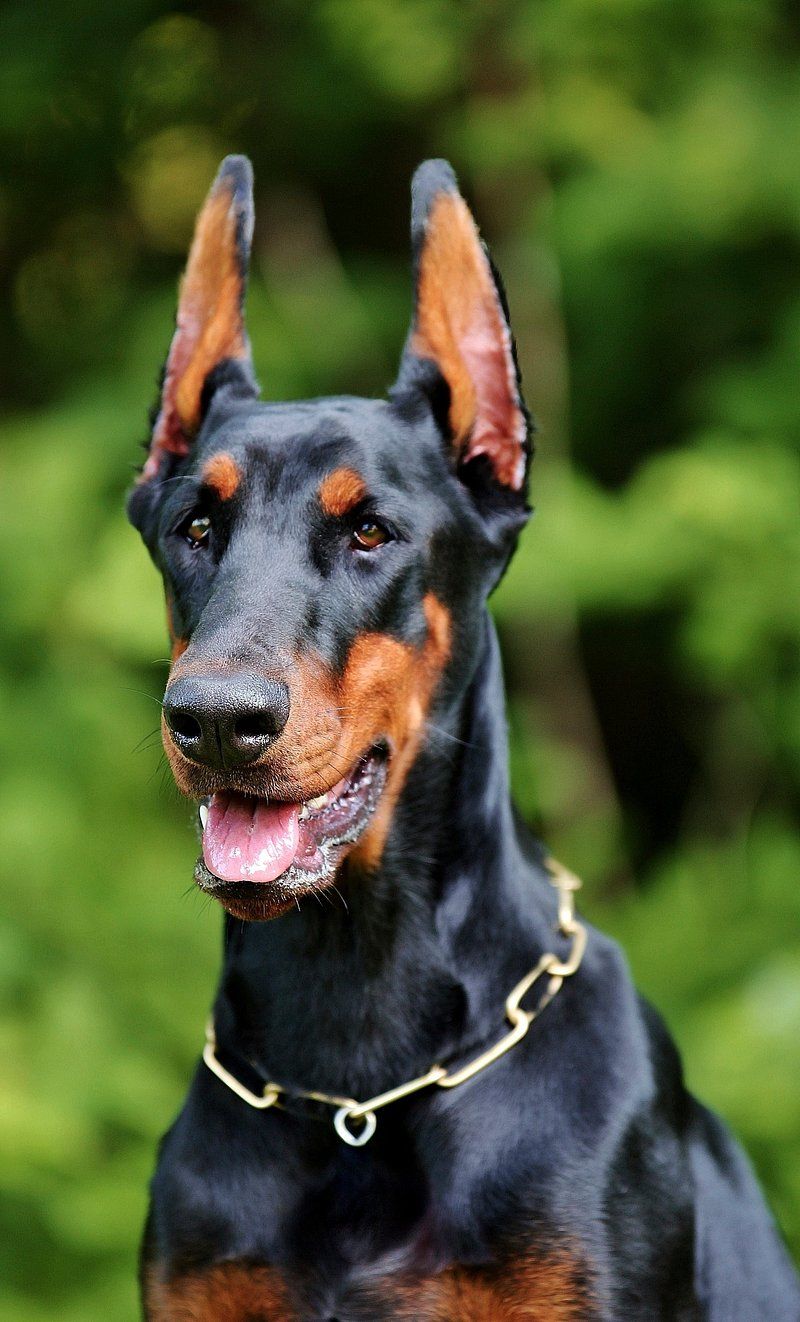
Dobermans are loyal guardians with big hearts and keen senses. Random bangs can feel like threats without context.
Signs include pacing, dilated pupils, or clinging to a trusted person.
Channel that intensity into training games that reward stillness. Teach a rock-solid mat stay with gradual distractions, then layer in low-volume soundtracks.
Combine exercise with decompression walks to buffer stress.
On noisy evenings, close blinds, play brown noise, and offer a long-lasting chew. Keep greetings neutral and confident, not overly soothing.
When needed, consult a vet about adjunct aids. With early prep and consistency, these sensitive athletes can learn that booms predict treats and rest.
Belgian Malinois
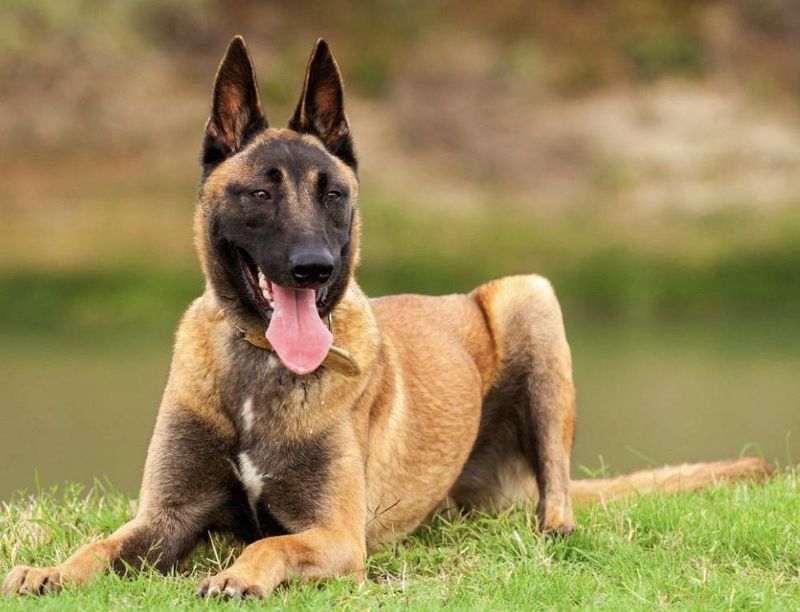
Belgian Malinois are high-drive problem solvers that excel with jobs. Unpredictable noise can spike arousal quickly, then tumble into frantic behavior.
Early prep helps convert that energy into focus.
Build a routine of nosework, place training, and decompression hikes. Start sound desensitization under threshold and pair with food or play.
A covered crate becomes a performance recovery zone, not a punishment.
When storms roll in, cue place, add white noise, and bring out a food puzzle. Keep body language relaxed and movements deliberate.
If reactions escalate, pause, reduce intensity, and return to basics. With structure and patience, scary sounds start signaling safety and earned rewards.
Italian Greyhound
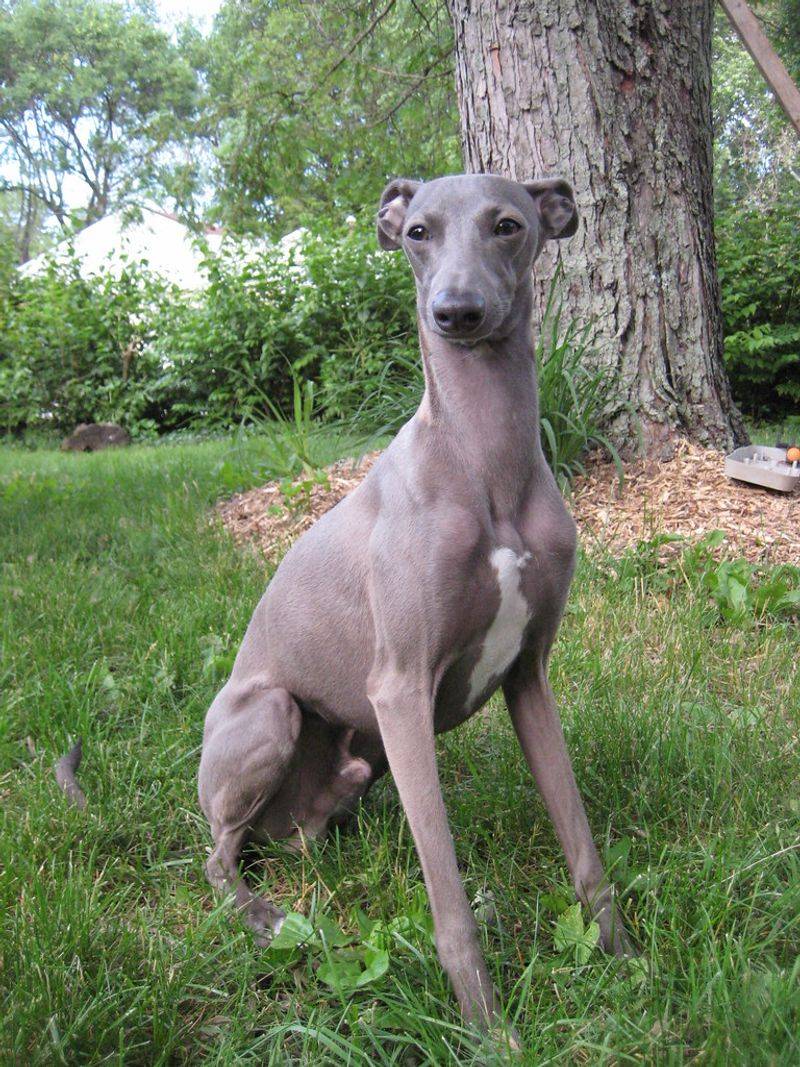
Italian Greyhounds are delicate, sensitive, and deeply bonded to their people. Sudden noises can feel huge to such a slender, alert dog.
Shivering, hiding in blankets, and clinging are common tells.
Introduce soothing routines and predictable quiet zones. Play low-level soundtracks while offering tiny treats or a lick mat.
Gentle body wraps and warm layers can make them feel more secure.
During fireworks, keep windows shut, run fans, and dim the room. Cue a relaxed settle on their favorite blanket.
Reward calm micro-moments and keep sessions brief. Talk to your vet if fear persists so progress stays kind and steady.
Whippet
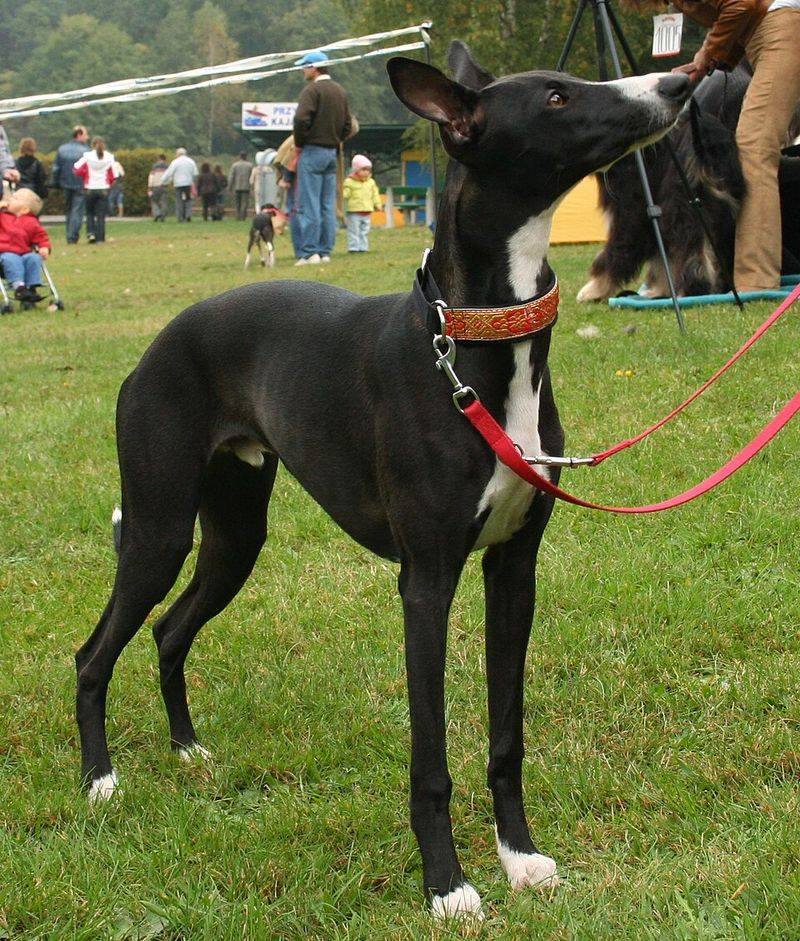
Whippets have gentle temperaments and quick startle reflexes. Loud pops can send them skittering if unprepared.
You might see lip licking, tucked tail, or seeking a bathroom or closet hideout.
Start early with calm, positive sound pairings. Feed or play while subtle recordings run, then increase volume slowly across weeks.
Build a quiet nest and reinforce resting on cue after activity.
Before noisy events, give a sprint or scent game to drain the fidgets. Add white noise and a chew to occupy their mouth.
Stay composed and predictable. If worries stick, a vet consult can layer in supplements or medication alongside training.
Greyhound
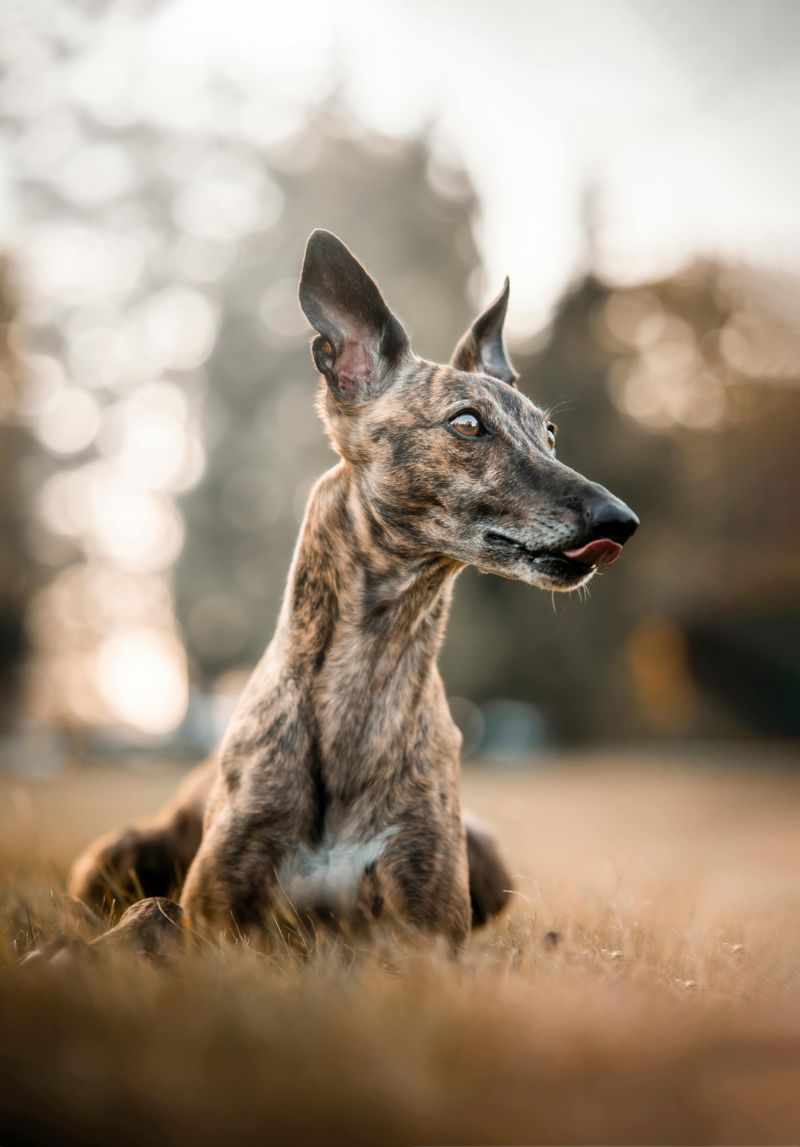
Greyhounds are sensitive souls that often relish quiet. Sudden booms can feel jarring, especially for newly retired racers.
Freezing, trembling, or avoiding open spaces are common signs.
Build trust with predictable schedules, soft bedding, and gentle enrichment. Pair recorded thunder with meals to rewrite the soundtrack.
Teach a settle on a thick mat and reward slow blinks and relaxed posture.
On noisy nights, lower lights, close curtains, and keep movement minimal. Offer a stuffed Kong or lick mat to soothe.
Speak calmly and avoid pressure. If fear remains stubborn, your vet can tailor a plan so progress feels safe and steady.
Miniature Schnauzer
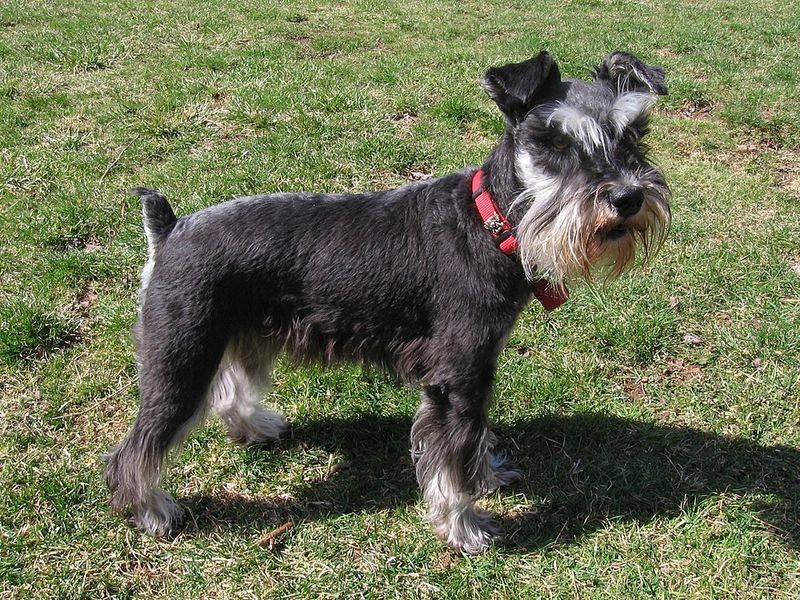
Miniature Schnauzers are bold, vocal, and quick to alert. Random bangs can trigger barking or restless pacing.
Without early practice, that big personality may escalate when thunder rolls.
Teach a quiet cue and reinforce check-ins with you. Run gentle noise sessions during meals, increasing volume gradually.
Provide a covered crate or corner nook that smells familiar and safe.
Before holidays, add exercise and puzzle games to lower arousal. Turn on a fan or white noise, close curtains, and cue a mat settle.
Reward calm breaths and soft eyes. If anxiety lingers, work with your vet and trainer for a combined plan.