
If every hike ends with you tweezing burrs from your dog’s fur, you are in the right place. Some breeds are basically magnets for foxtails, seeds, and clingy field debris.
Understanding why certain coats grab everything helps you prevent tangles and discomfort. Let’s break down the worst offenders and how you can keep adventures fun without bringing the whole trail home.
Cocker Spaniel
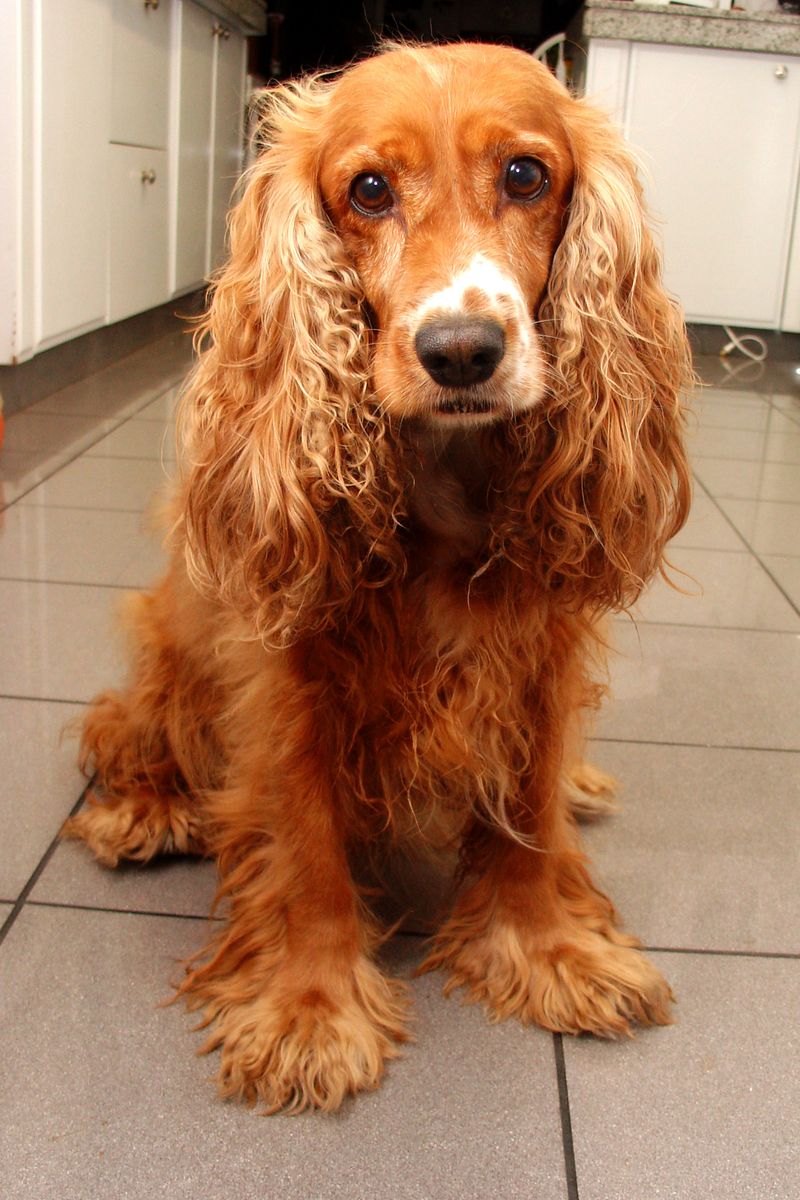
Cocker Spaniels have silky feathering on ears, chest, belly, and legs that acts like nature’s Velcro. Those long, draping fringes sweep low brush and scoop up burrs with every step.
You will notice seeds nestle behind the ears and mat quickly if ignored.
Before heading out, mist the coat with a light detangling spray and use a fine-tooth comb to smooth feathering. After walks, do a quick hands-on sweep, then a slicker brush pass.
Keep sanitary trims tidy and shorten leg feathering slightly during peak burr season.
Check armpits, ear edges, and undercarriage daily. A snood can help protect ears on trails.
Consistent maintenance means fewer painful mats and far less time plucking stickers afterward.
English Springer Spaniel
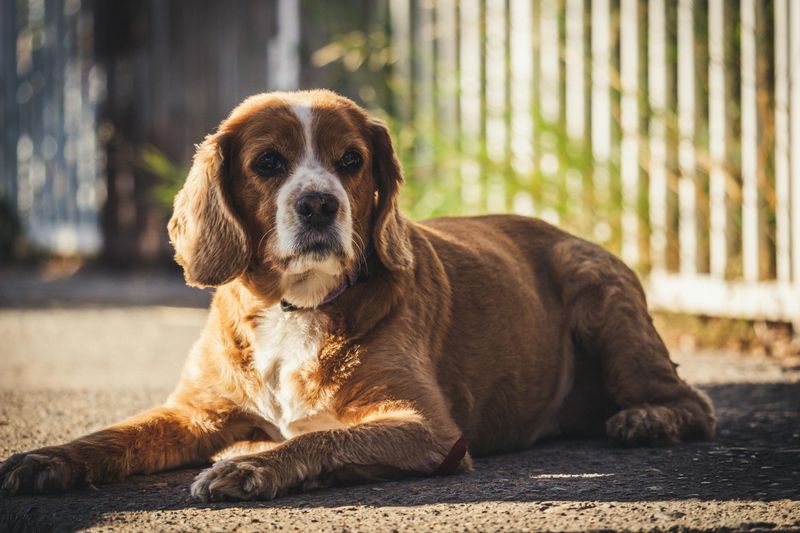
Springers live for cover busting, which is exactly where burrs thrive. Their medium length double coat with generous feathering along chest, ears, and legs snares seeds as they charge through brambles.
Those fringes twist together, turning tiny stickers into stubborn mats fast.
Prep with a silicone-free conditioning spray and blow out the coat before hunting days. Post-outing, line-brush from skin outward with a slicker and follow with a metal comb.
Trim foot feathers and keep chest fringe manageable without losing that classic look.
Focus on belly, groin, and behind the ears. Consider a lightweight field vest to shield the front.
With routine care, you can keep your Springer burr-ready and still enjoy that bold, birdy drive.
Golden Retriever
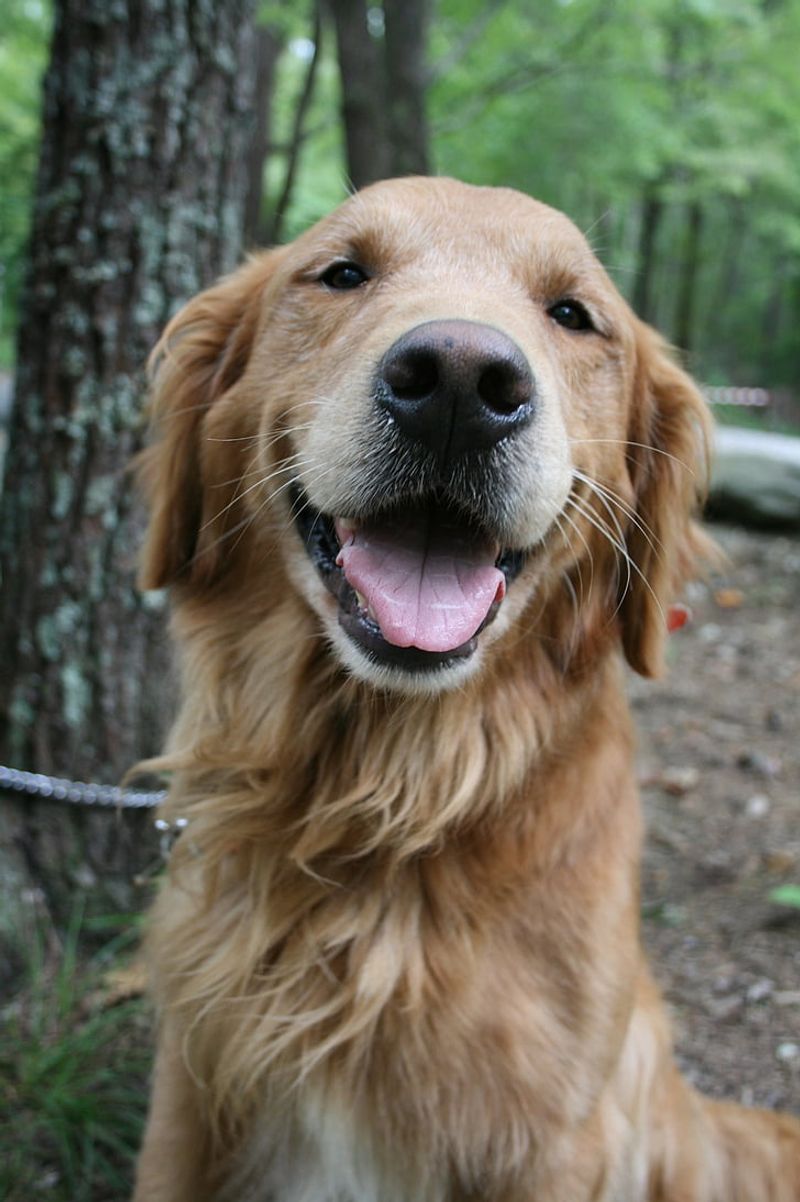
Goldens carry flowing feathering on the tail, legs, and chest that looks gorgeous but catches everything. Their undercoat grips debris while the longer guard hairs tangle around burrs.
After romps through meadows, you will find clusters along the fringes and behind the ears.
Use a force dryer to blow out loose seeds before brushing. Work section by section with a slicker, then a greyhound comb to confirm everything is out.
Keep feathering slightly shortened in peak seed months and trim the tail plume to a manageable length.
Check the armpits and pants daily. A light coat conditioner helps reduce static and sticking.
Consistent maintenance keeps your Golden comfortable without sacrificing that iconic, flowing look.
Irish Setter
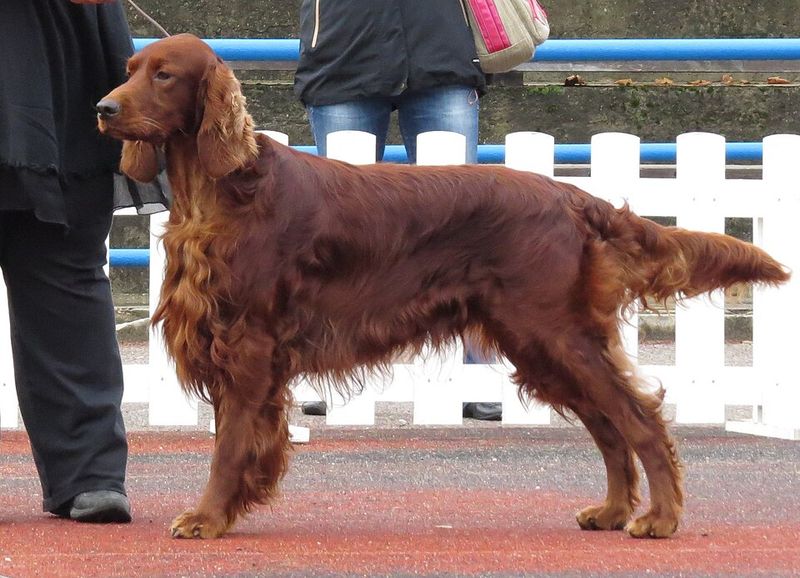
Irish Setters boast glamorous, silky curtains of feathering that trail through grass like nets. That elegant coat snags burrs, awns, and sticky seeds with ease.
Left unchecked, the fine hair mats quickly, especially behind ears, under the collar, and along the pants.
Before outings, apply a light anti-static spray and run a comb through the feathering. After adventures, use a slicker to lift debris, then a rotating-tooth comb to tease apart snags.
Maintain neat trims on feet, pasterns, and tail fringe during heavy burr seasons.
Part the coat to inspect the skin and catch hidden awns. A breathable field shirt can protect the chest.
With daily touch-ups, you preserve shine and avoid painful matting issues.
Brittany
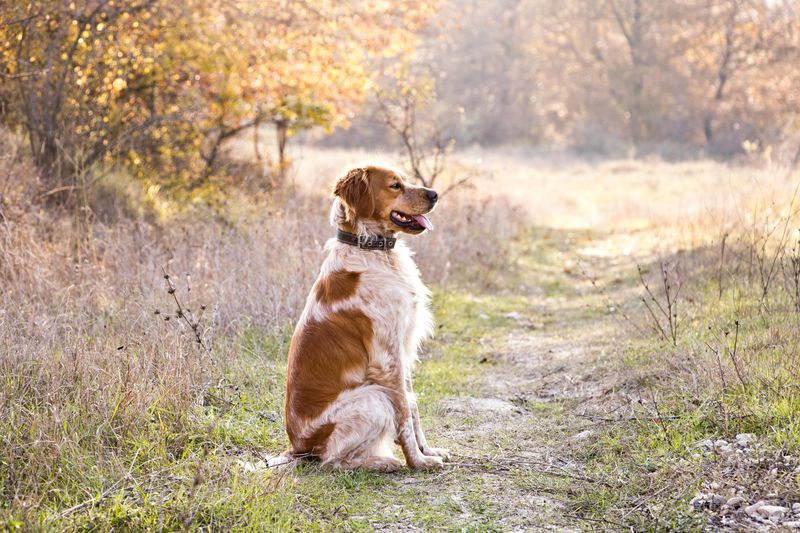
Brittanys have lighter feathering than many spaniels, but their active, brush-charging style means seeds still stick everywhere. The medium, slightly wavy coat traps burrs at the shoulders, chest, and breeches.
You will often find tiny awns tucked in the armpits after long hunts.
Pre-hunt prep: quick blowout, spritz of detangler, and a thorough comb-through. Post-field, line-brush and use a metal comb to confirm clean sections.
Keep feathering tidy without overstripping the coat, and trim between toes to reduce sticker buildup.
Check flanks, ear fringes, and tail base closely. A lightweight vest helps shield the chest from burr-heavy cover.
Regular maintenance keeps your Brittany fast, comfortable, and ready for the next cast.
Nova Scotia Duck Tolling Retriever
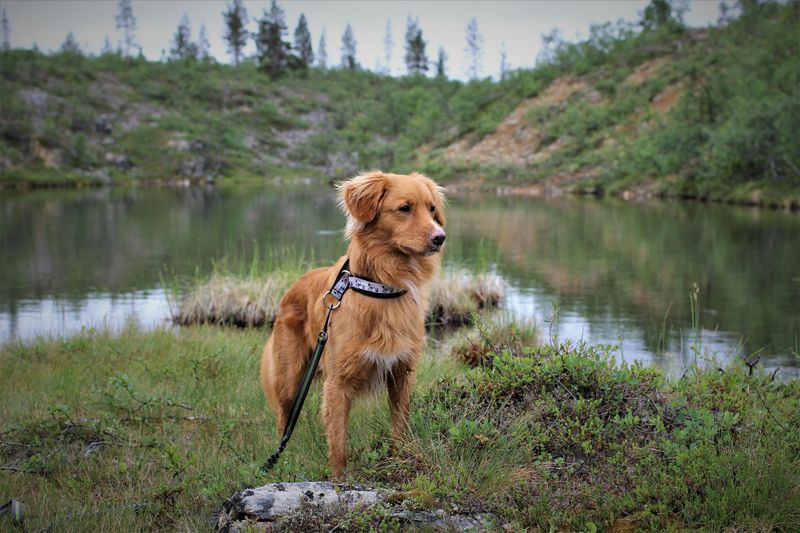
Tollers sport a dense double coat with moderate feathering, perfect for water but also a magnet for shoreline seeds. After marsh retrieves, burrs and reed fragments stick to the feathering on tail and britches.
Wet debris sinks deeper, tightening as it dries and forming mats.
Rinse promptly after swims to float out grit and seeds, then towel and blow dry on cool before brushing. Use a slicker followed by a stainless comb, checking under tail and behind ears.
Keep tail and pant feathering neat during peak seed times.
Inspect webbed feet and between toes for embedded awns. A lightweight water vest can reduce chest snags.
Consistent post-dock care prevents hidden mats and keeps performance high.
Australian Shepherd
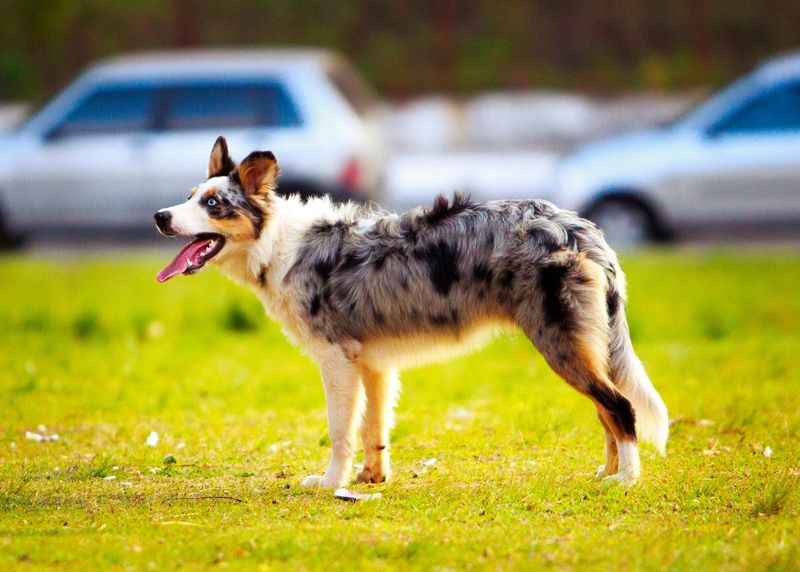
Aussies have a weather-resistant double coat with a dense underlayer that traps tiny burrs. The feathered britches and mane-like ruff gather seeds as they weave through brush.
Active herding instincts mean nonstop contact with sticker-filled grasses.
Before hikes, mist with a light leave-in conditioner and brush to reduce static cling. Afterward, use a high-velocity dryer to blow out debris, then line-brush from skin outward.
Keep britches and tail tidy with conservative trims that preserve function.
Check behind ears, under the collar, and in the armpits. Paw pads and feathered hocks deserve a careful once-over.
With quick daily touch-ups, your Aussie stays trail-ready without hauling home half the hillside.
Border Collie
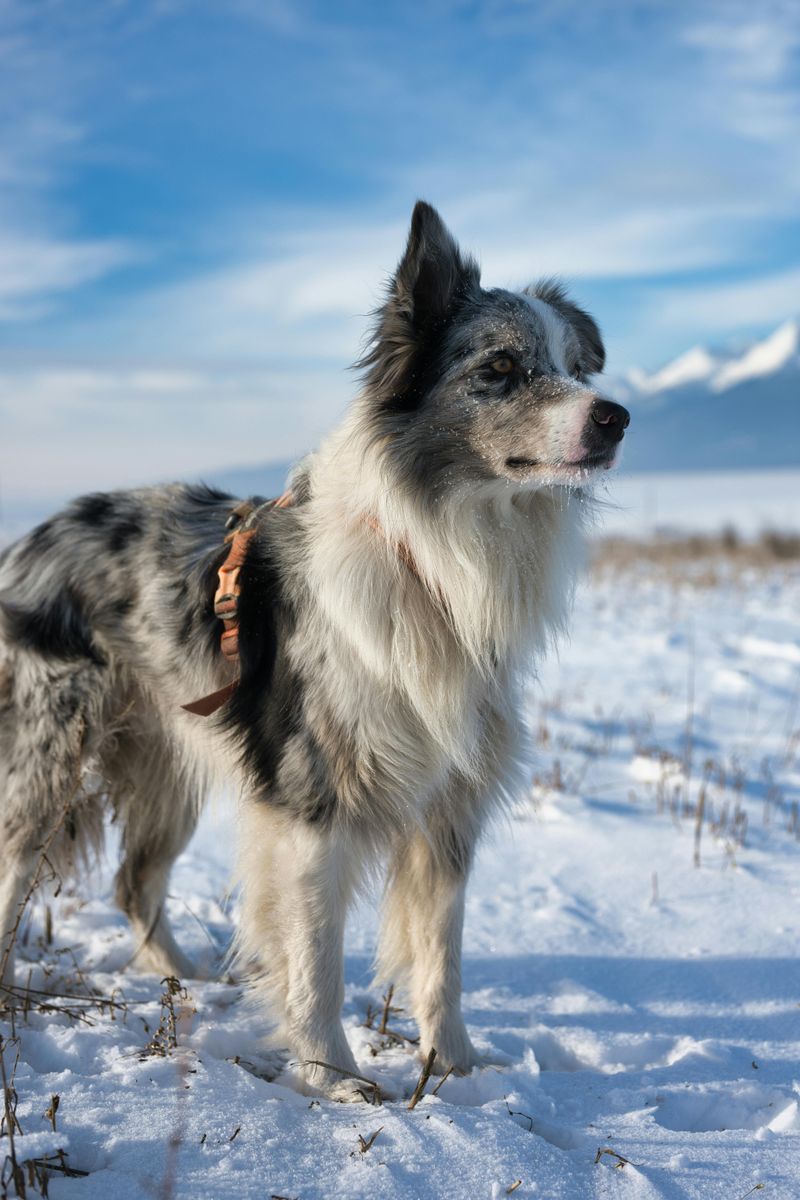
Rough-coated Border Collies sport a medium length outer coat with feathering that brushes through weeds all day. Their nonstop work ethic guarantees contact with burrs and grass awns.
Seeds hide in the tail, behind ears, and the soft belly coat.
Keep a pocket comb on walks to snag stickers early. At home, use a slicker and a long-tooth comb, and blow out the undercoat weekly.
Trim feet and tidy tail feathering during peak burr months without losing the functional silhouette.
Inspect flanks, armpits, and under the harness. Avoid heavy oils that attract more debris.
With routine field checks, you keep your Collie comfortable, fast, and focused on the job instead of itching.
Old English Sheepdog
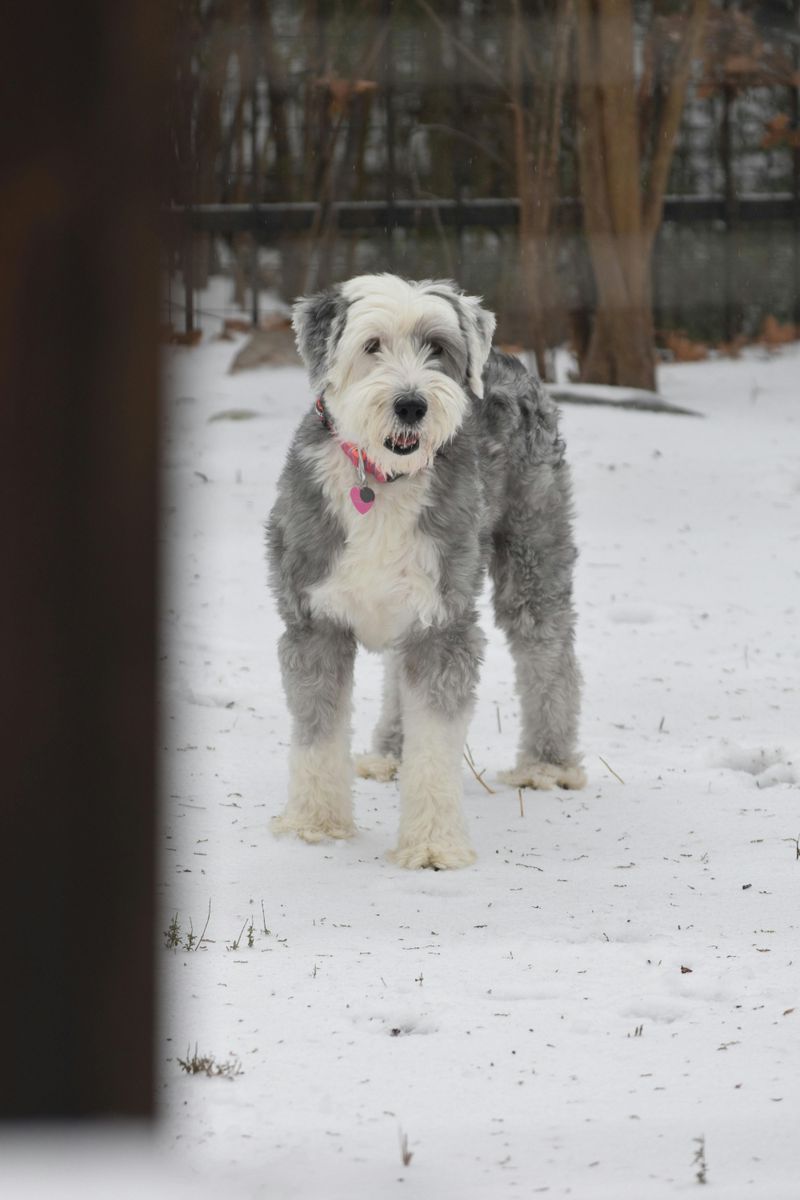
That shaggy, profuse coat is charming and a burr trap. The textured outer coat and dense undercoat tangle around thistles and hook tight.
Skipping even a day makes little burrs turn into big knots, especially in friction zones like armpits and behind ears.
Commit to sectioned line-brushing, starting at the skin and moving outward. A detangling spray plus a slicker and sturdy comb are essential.
Keep sanitary areas clipped and consider seasonal scissoring to shorten lengths during burr-heavy months.
Check beard, chest, and the heavy fall over the eyes. Remove twigs before they tighten.
Consistency is everything with this breed, preventing painful mats and keeping that iconic, teddy-bear silhouette manageable.
Bernese Mountain Dog

Berners carry a heavy double coat with long furnishings that rake through meadow brush. Burrs nestle into the thick chest, breeches, and tail, where undercoat grips them tightly.
Without daily checks, small stickers become dense mats that tug at the skin.
After outings, blow out the coat to lift seeds before brushing. Use a slicker on furnishings and a wide-then-narrow tooth comb sequence to finish.
Keep feathering neat and trim between toes to prevent painful clumps.
Focus on the neck ruff under collars, behind ears, and the tail base. A breathable hiking vest can shield the chest.
With steady maintenance, your Berner stays comfortable, handsome, and ready for another mountain stroll.