
Herding dogs are incredible, but nobody tells you how instinctive their nipping and circling can be around kids, guests, and even skateboards. If you have ever wondered why your dog shadows your heels or gathers people like a fuzzy traffic cop, you are about to get answers.
These breeds were built to control movement, and that habit does not switch off at your doorstep. Learn what to expect and how to channel that energy so life feels harmonious, not hectic.
Border Collie
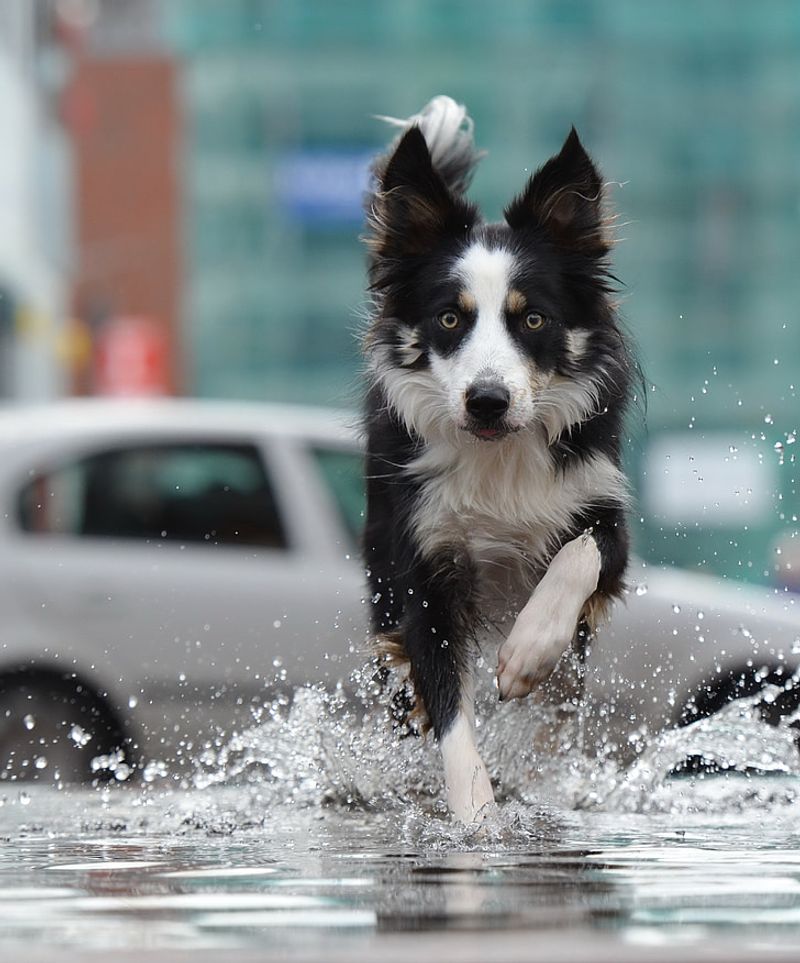
The Border Collie is a genius at reading motion and reacting faster than you can blink. That legendary eye is not just a look, it is a steering wheel, guiding sheep, toys, and sometimes your ankles.
If you do not give them a job, they will invent one and recruit your household into it.
Nipping is a communication tool for them, a quick reminder to move here or there. You can redirect with tug games, scent work, or structured fetch that ends on cue.
Mental puzzles, trick chains, and off switch training help balance their turbo focus.
Teach impulse control with start stop games and reward calm decisions. Expect brilliance, honesty, and a sincere need for meaningful work every day.
Australian Shepherd
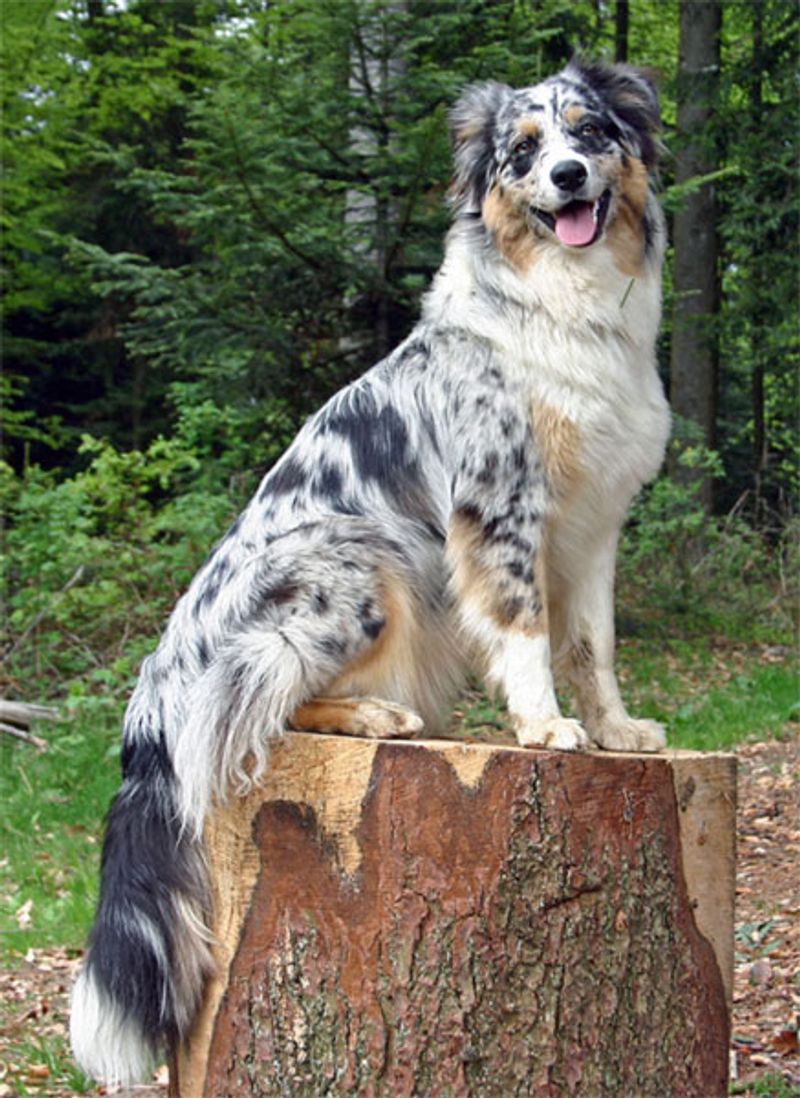
Australian Shepherds are motion magnets that lock onto movement and manage it with style. They whirl, flank, and use quick nips to reset position, because that is how stock learns to cooperate.
Around the house, that can look like circling kids or herding visiting friends toward the kitchen.
Channel the drive with agility, disc, or urban herding games using cones and targets. Reinforce quiet stations like place mats and settle on leash in exciting environments.
Reward orientation and loose leash walking whenever joggers or bikes pass.
Teach a reliable leave it for heels and clothing. Give daily brain work, like shaping sessions and pattern games, so that energy lands somewhere productive and kind.
You will see their brilliance shine without the chaos.
Shetland Sheepdog
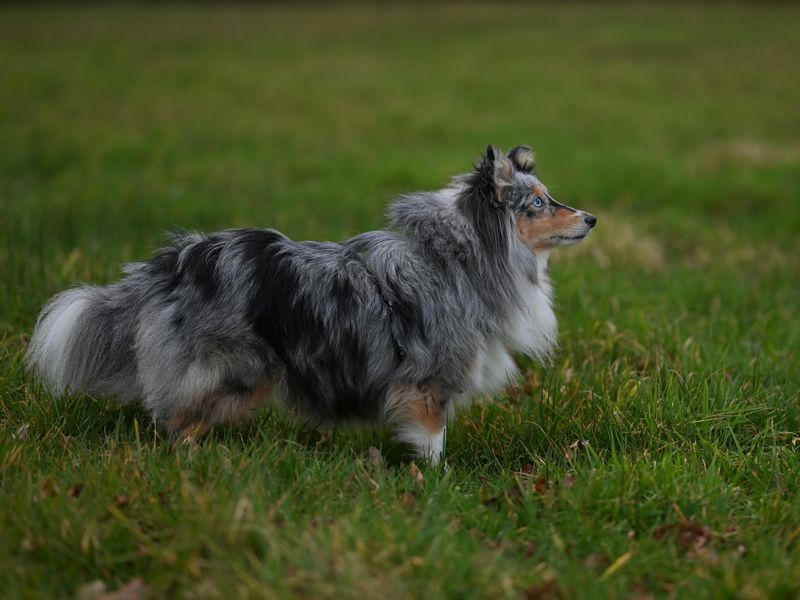
Shetland Sheepdogs are tiny conductors with big opinions about order. The quick bark and light nip are their punctuation marks for movement.
They patrol hallways, escort guests, and often aim to collect excited children when games get loud.
Because they are sensitive, reward based training works beautifully. Use nosework, rally, and trick routines to satisfy their bright minds.
Short, frequent sessions keep confidence high and reduce frantic micromanagement around home.
Teach go to mat when doorbells ring and reinforce quiet watching instead of shrill alerts. Manage motion triggers with distance and treats for looking away.
When given structure and a daily job, they transform into polite, sparkling companions that still love to organize the fun.
Welsh Corgi (Pembroke)
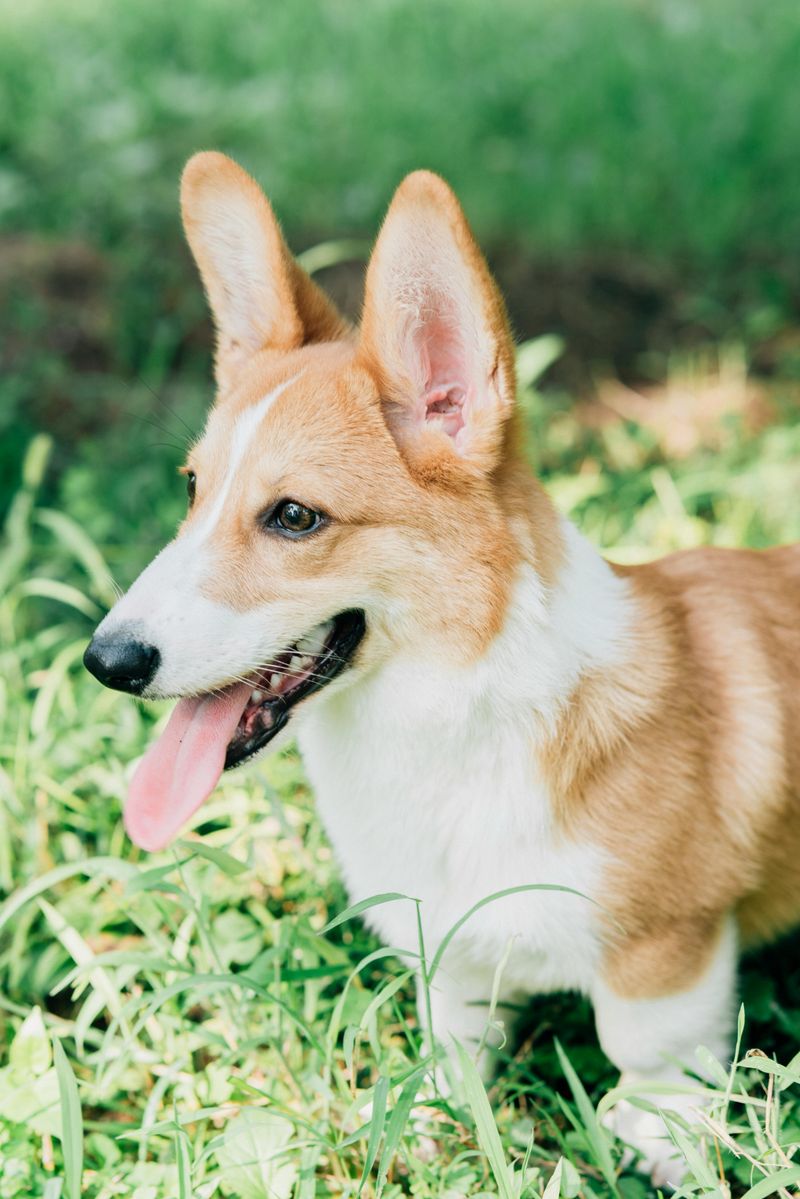
Pembroke Welsh Corgis are low to the ground and lightning quick with their heels. Historically they nipped cattle to move heavy bodies without getting kicked, so that quick pinch still appears around running feet.
In homes, they may circle, bark, and reorganize playtime like foremen.
Give clear rules about chasing and teach a strong drop and leave it on toys. Structured fetch with pauses and hand targets channels the drive without grabbing ankles.
Exercise their brains with puzzle feeders, position changes, and simple rally patterns.
Use gates and mats to manage doorways where motion spikes. Pay generously for calm while people run or kids scoot by.
With consistency, that bold manager energy becomes hilarious charm rather than bossy chaos.
Welsh Corgi (Cardigan)
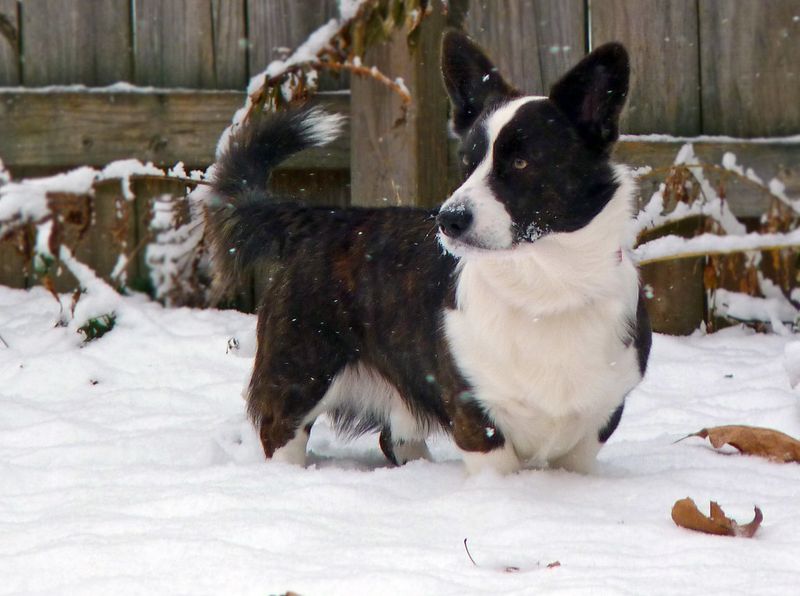
Cardigan Welsh Corgis bring a heavier bone and a thoughtful, steady approach to control. Their sweeping tail and keen eyes steer movement with surprising authority.
Expect circling, stance changes, and quick nudges when excitement spikes around the house.
Prevent ankle nips by rehearsing slow, deliberate movement games. Teach middle position between your legs as a safe anchor in busy spaces.
Introduce stock stick targeting or cone flanks to satisfy their pattern loving brains.
Reinforce quiet observation and send to place before guests arrive. Mix nosework with short obedience bursts to ease controlling impulses.
With daily mental outlets and fair boundaries, their management style feels like calm leadership rather than hallway policing.
Australian Cattle Dog
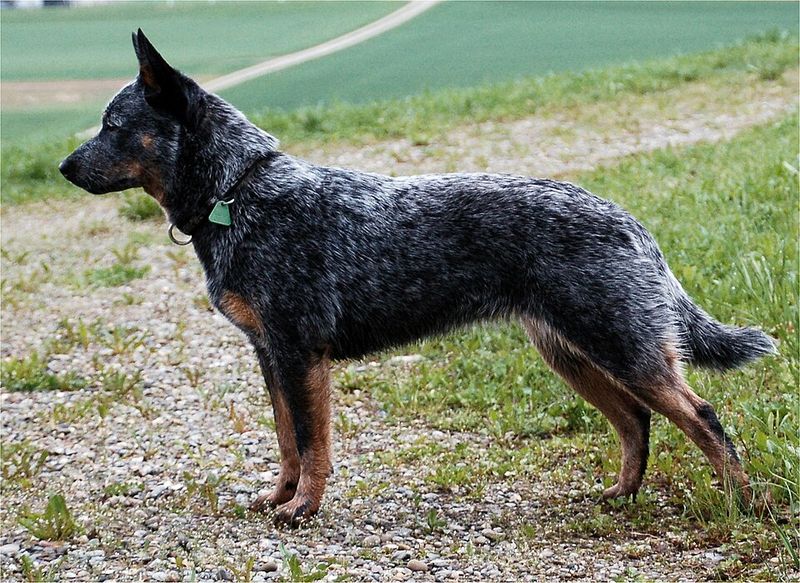
Australian Cattle Dogs are heelers by name and by nature. They control tough stock with forceful heel nips and explosive acceleration, which can translate into chasing joggers or bikes.
Without outlets, they will create jobs, like patrolling windows and reorganizing everyone.
Use bite appropriate toys, tug with rules, and structured fetch that ends on cue. Teach emergency stops and a rock solid recall with long line practice.
Agility, parkour, or herding lessons are perfect for satisfying their steel nerve.
Manage windows and reinforce neutrality around motion with look at that games. Keep training crisp, fair, and consistent.
When you meet their need for hard work, they deliver unbelievable loyalty, grit, and sparkling focus in daily life.
Belgian Tervuren
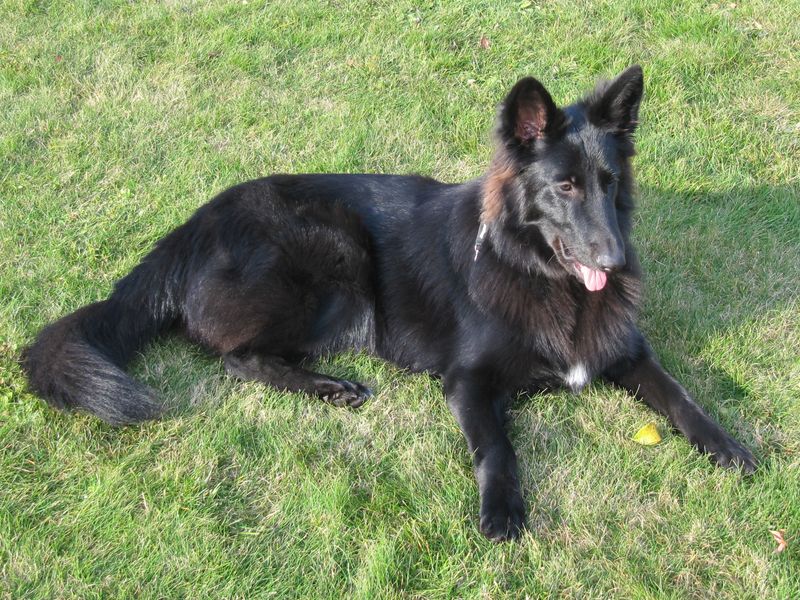
The Belgian Tervuren is elegant intensity wrapped in a rich coat. Their herding style relies on agile flanks, penetrating eye, and precise nips to dictate speed and direction.
In a neighborhood, that can become patterning joggers or circling family during backyard games.
Build impulse control with start stop play, send to target, and stationing under distraction. Teach a meaningful out cue from toys and add calm defaults after exciting work.
They thrive when thinking, so include heelwork, scent puzzles, and trick sequences.
Socialize carefully without rewarding hypervigilance. Reward neutrality, scanning briefly, then checking in.
With structure and daily brain work, the Tervuren’s commanding presence becomes focused partnership instead of restless micromanagement.
Belgian Sheepdog (Groenendael)
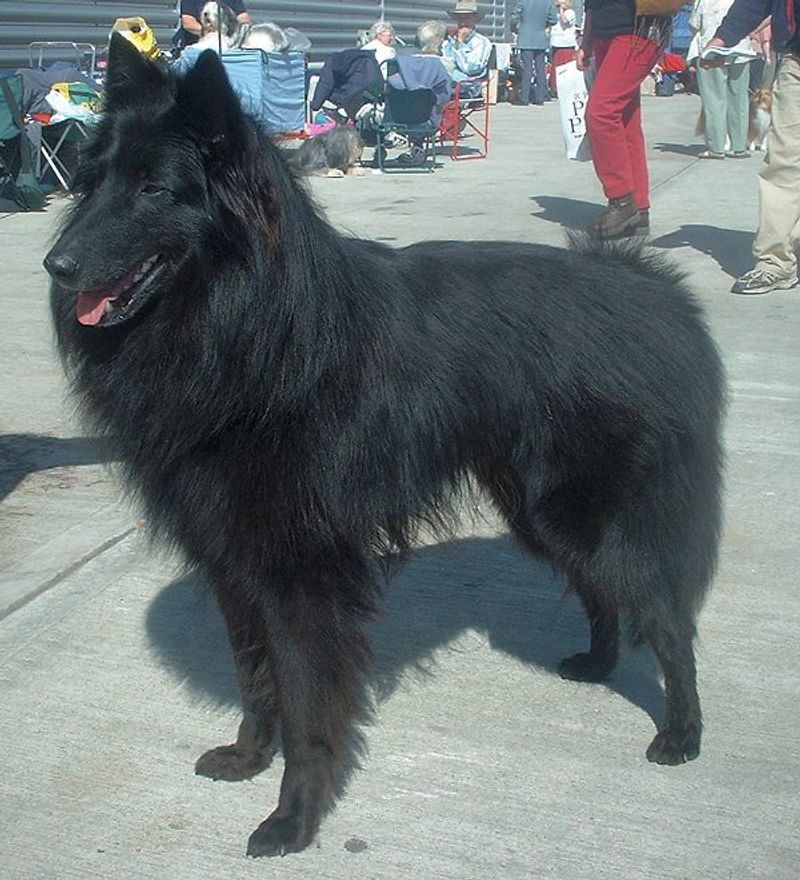
The Groenendael blends finesse with watchful intensity. Their herding toolkit includes arcing flanks, pressure with eye, and quick touches that shift a flock’s line.
At home, that can look like guiding guests along hallways or circling kids during fast games.
Teach settle on mat and reinforce quiet check ins during motion heavy moments. Layer in scentwork, precision heelwork, and platform targeting to satisfy the mind.
Reward looking away from stimuli, then coming back for pay.
Practice controlled play with clear start and end cues. Use barriers to prevent rehearsal of hallway drive bys.
With consistent outlets and thoughtful boundaries, this black coated strategist turns from movement cop into a refined, responsive teammate.
Collie
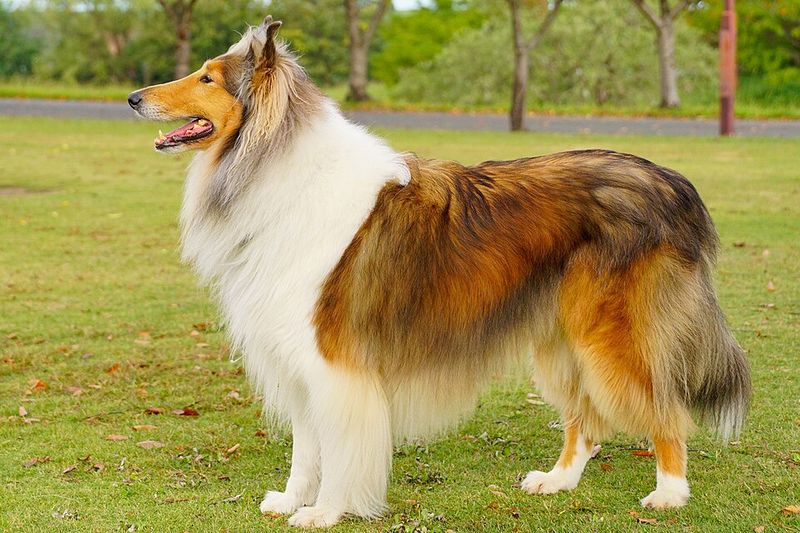
Rough or Smooth, the Collie brings a softer mouth but a decisive sense of order. They prefer body blocking and sweeping arcs over hard heel nips, though quick touches still happen when excitement spikes.
Expect gentle circling and strategic positioning around children and guests.
Teach boundary games, door manners, and calm greeting rituals. Use long line hikes, rally patterns, and trick ladders to give that beautiful brain work.
Reinforce stillness and eye contact when joggers pass, paying for quiet decisions.
Collies thrive on kindness and clarity. Keep sessions short, thoughtful, and upbeat.
With predictable routines and motion outlets, they become courteous guides who keep the household flowing without bossy interference or fuss.
Old English Sheepdog
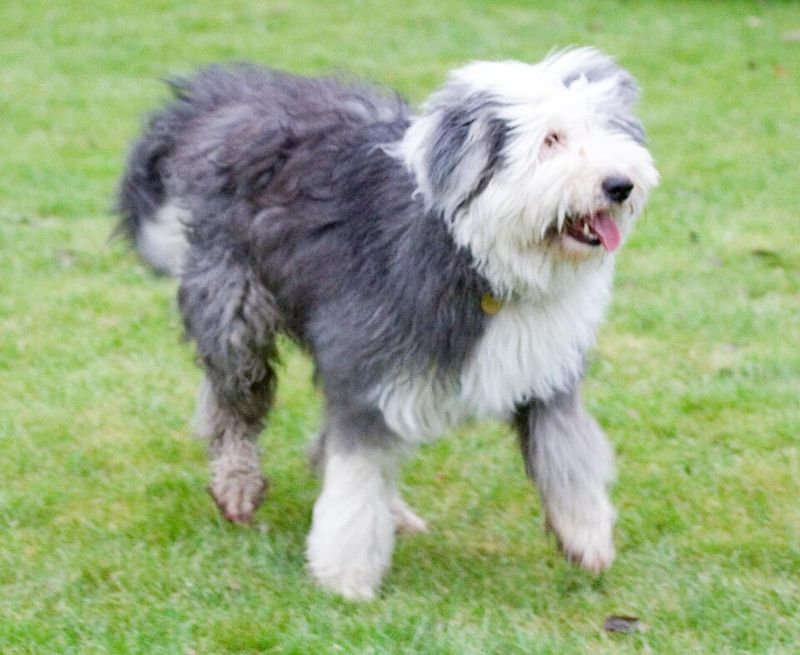
The Old English Sheepdog is a bouncy cloud with a traffic controller’s brain. Historically they pushed droves along roads, using shoulder pressure, arcs, and occasional nips.
In modern homes, that translates to bum nudges, curtain patrol, and enthusiastic rounding up during play.
Groom the brain as much as the coat with shaping games and platform work. Teach move with me cues so they can help without bulldozing.
Practice settle on mat while family moves around, paying generously for calm.
Short conditioning walks, hide and seek, and trick sessions keep them satisfied. Prevent rehearsals of door dashes with gates and stationing.
With structure and humor, they channel clownish charm into helpful, low drama household management.
German Shepherd Dog
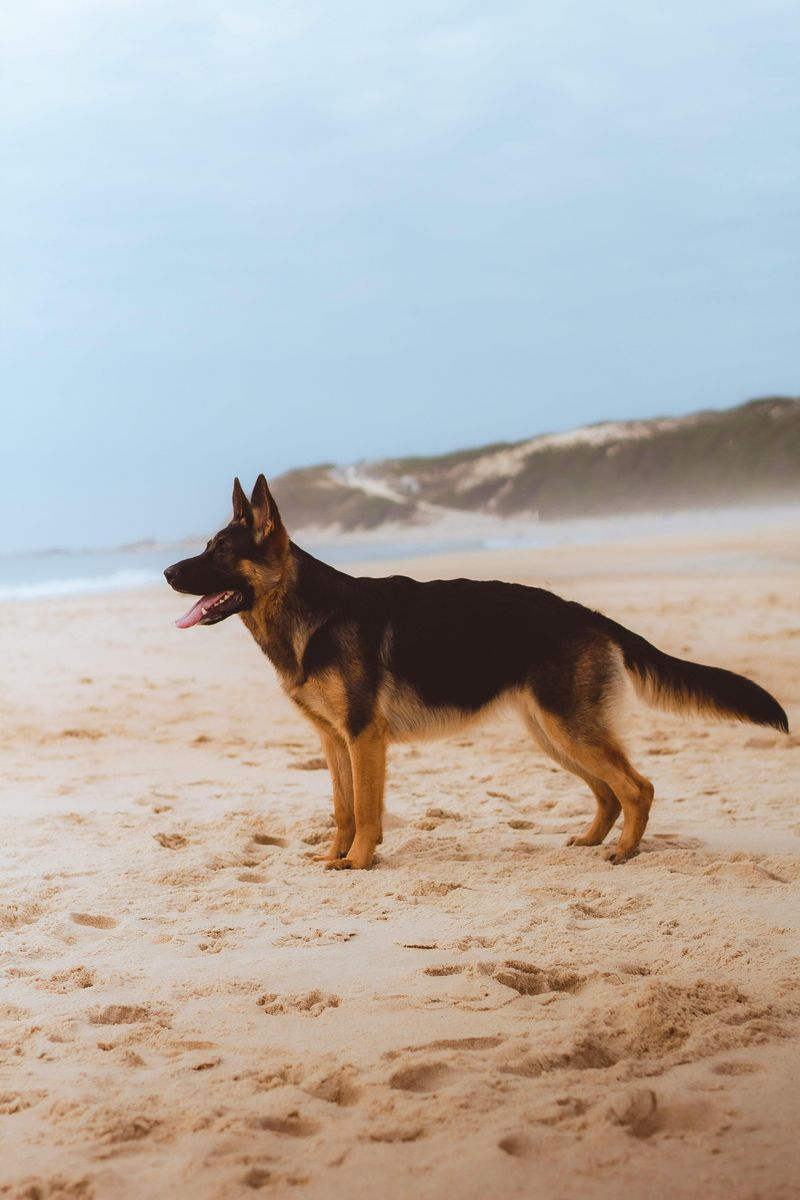
The German Shepherd blends herding heritage with modern versatility. Their control style often includes body blocking, strategic flanks, and quick touches to redirect motion.
In daily life, they may shadow family, escort strangers, and organize chaotic play with earnest precision.
Prioritize neutrality training around joggers, bikes, and doorways. Build rock solid obedience with recalls, downs at distance, and place under distraction.
Add tracking, scent games, and protection sport foundations to satisfy their powerful mind.
Reward calm choices and confident disengagement. Teach off switch routines after high arousal play.
When given fair jobs and predictable structure, the GSD’s need to manage becomes thoughtful guidance rather than overbearing control.
Bouvier des Flandres
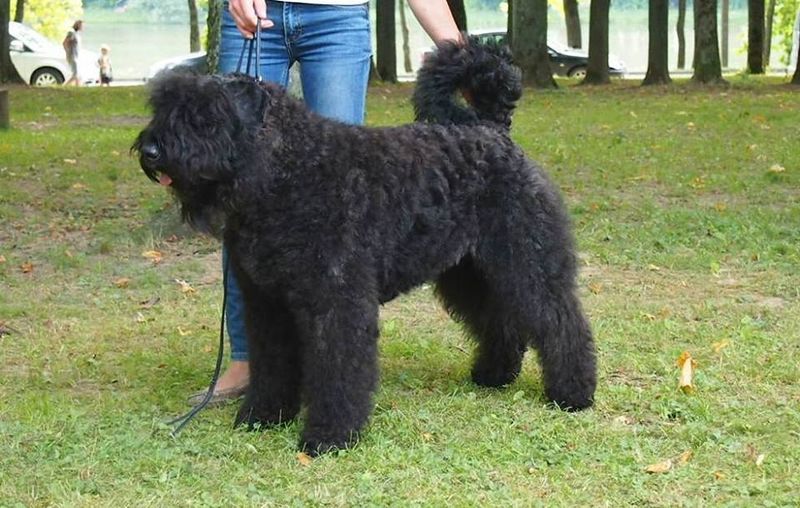
The Bouvier des Flandres is a rugged, deliberate manager built for tough work. Their control uses shoulder pressure, blocking, and well timed nips that move stubborn stock.
In homes, that can look like escorting guests, steering kids, and quietly correcting bursts of motion.
Teach impulse control with start stop games and precise heelwork. Use tug, drag weights, and scent tasks to satisfy their need for meaningful labor.
Reinforce calm door routines and place while visitors settle.
They respond best to confident, fair leadership and clear boundaries. Keep sessions purposeful and end on success.
With outlets for strength and brains, the Bouvier becomes a steady partner who maintains order without slipping into pushy micromanagement.