
If your dog grazes all day, you are missing the easiest training tool you already own. Turning meals into rewards can unlock focus, speed up learning, and make practice feel like a game.
Some breeds respond especially well when every bite has purpose. Ready to trade the food bowl for better manners and reliable cues?
Labrador Retriever
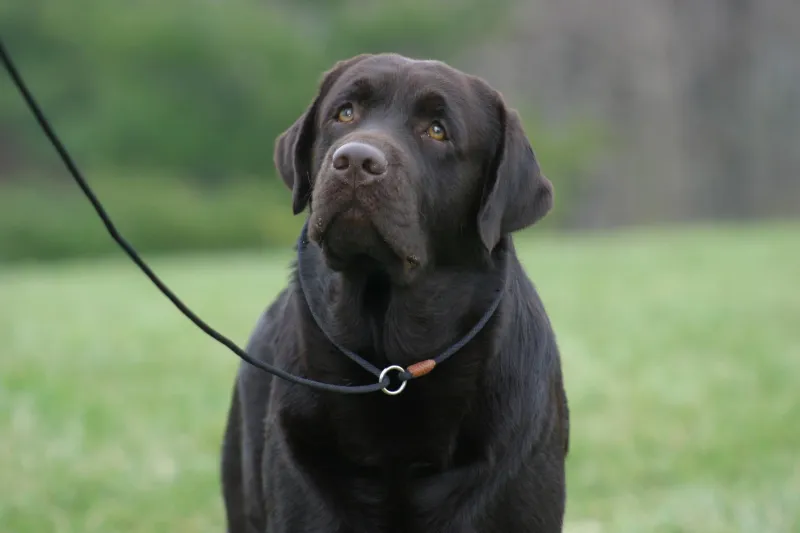
Labs live to eat, which makes them perfect candidates for meal based training. Instead of free feeding, use their daily ration to reward sits, downs, and calm waits at doors.
You will see faster engagement because every piece of kibble now has meaning.
Start with short sessions, five minutes sprinkled throughout the day. Ask for behaviors you want in real life, like loose leash steps and polite greetings.
Their enthusiasm is your fuel, so keep reps quick and end while they still want more.
Measure the full daily amount, then pay from that pile during walks and play. If you need jackpots, mix in a few higher value bits.
Your Lab will gladly trade grazing for a fun, focused job.
Golden Retriever
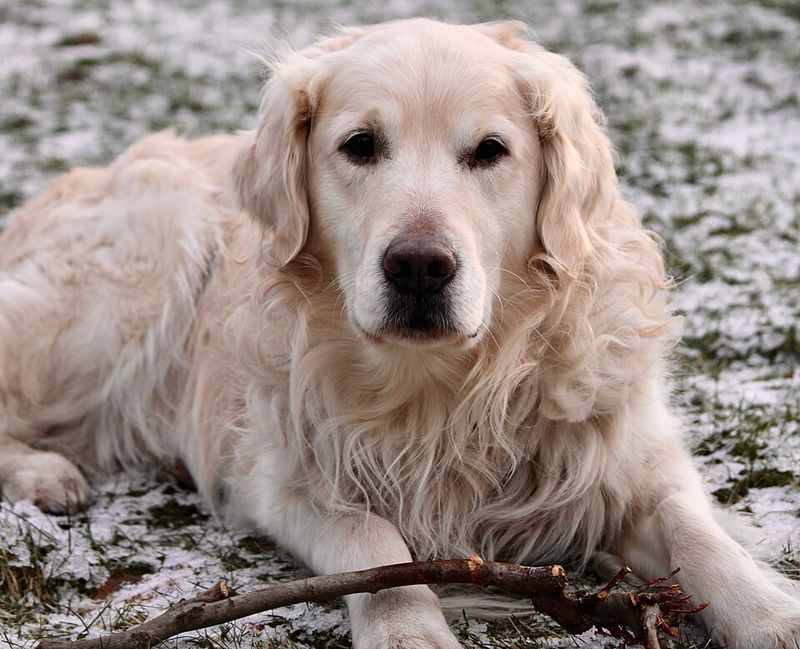
Goldens are people pleasers, but free feeding can dull motivation. Shift to hand feeding and you will see brighter eyes and quicker responses.
Use calm, clear cues, and pay frequently for loose leash walking and quiet settles.
Break meals into multiple micro sessions across the day. Practice impulse control games like wait at bowl, then reward with a few bites for patience.
Keep the mood upbeat and conversational, and your Golden will blossom.
Track portions so the full ration comes through training. Sprinkle in scatter searches on grass to satisfy sniffing needs.
With meals as currency, your sweet Golden learns that listening closely makes the world, and dinner, arrive sooner.
German Shepherd Dog
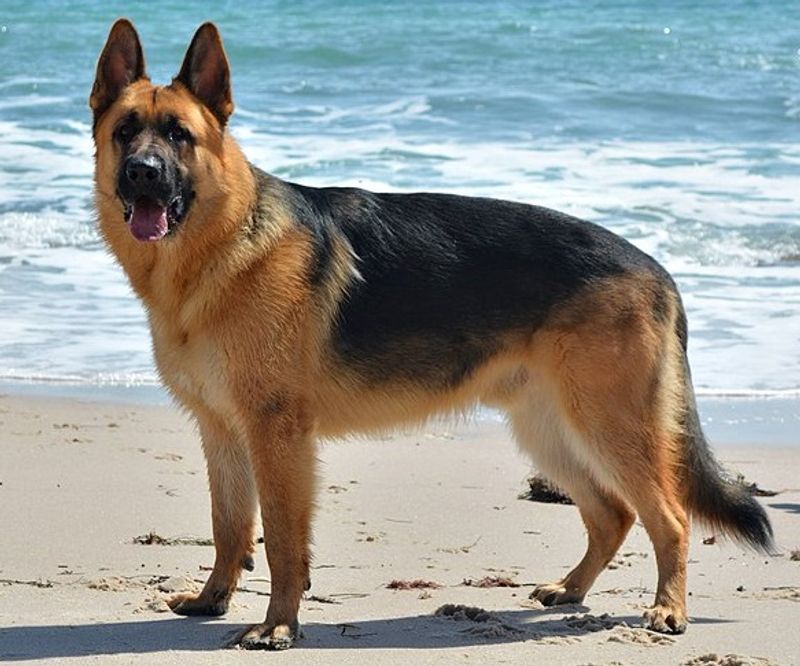
German Shepherds thrive on structure and jobs. When meals become payment for heeling, recalls, and position changes, you channel that intensity into clarity.
Retire the free buffet and watch precision sharpen alongside confidence.
Use marker training to pinpoint correct moments, then pay one or two pieces. Build duration gradually on stays, and reward calm neutrality around distractions.
Short, purposeful sessions keep arousal steady without losing drive.
Divide the daily ration into training kits: home obedience, outdoor focus, and decompression searches. Add brief problem solving, like platform pivots and position cues.
Your GSD will learn that thinking hard and staying composed earns every bite, forging reliability you can trust anywhere.
Belgian Malinois
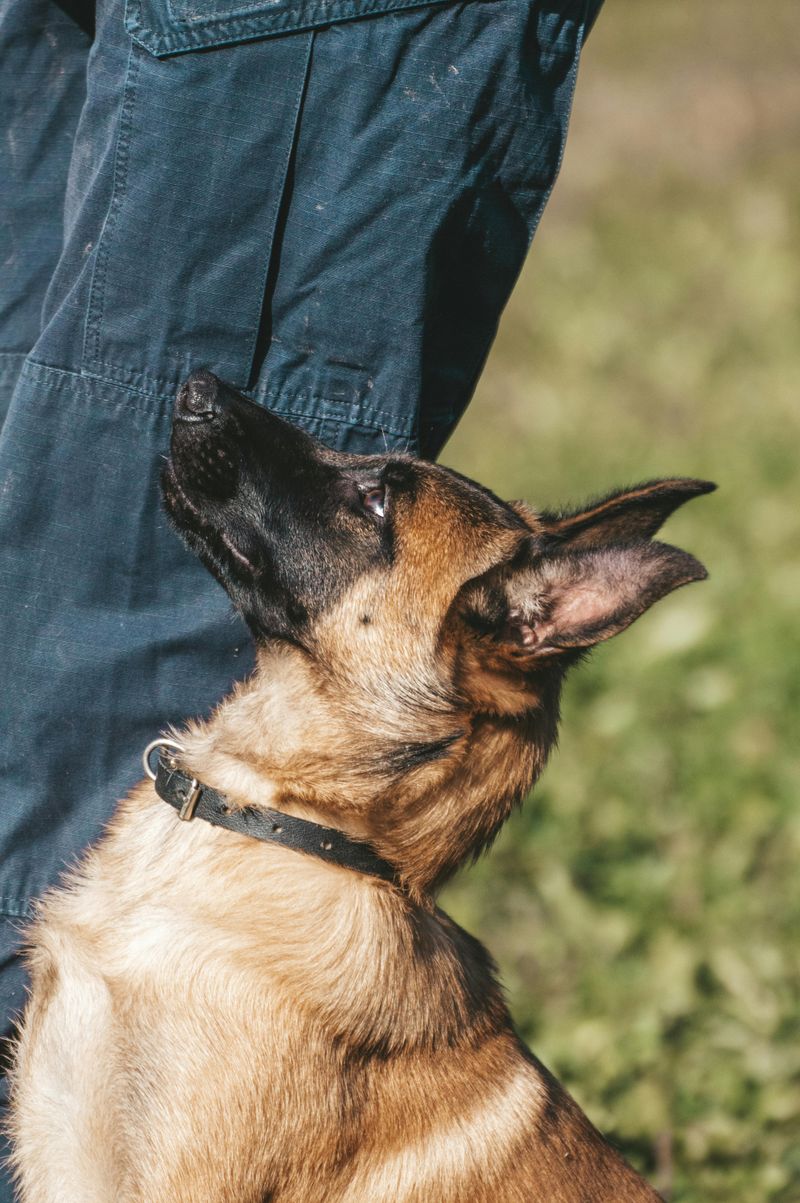
Malinois are intensity in motion, so free feeding wastes an incredible resource. Convert meals into frequent, tiny payments for clarity, neutrality, and off switches.
Reward stillness as much as action, making calm the gateway to fun.
Use structured patterns: heel for three steps, sit, eye contact, pay. Layer in impulse control near decoys like toys and bikes.
Keep sessions brisk with clear markers so the dog understands exactly what earned food.
Split rations across two to three training blocks daily, ending before frustration rises. Mix in scenting tasks and platform work to channel energy.
Your Malinois will start choosing focus over frenzy because that is how dinner appears, one earned bite at a time.
Border Collie
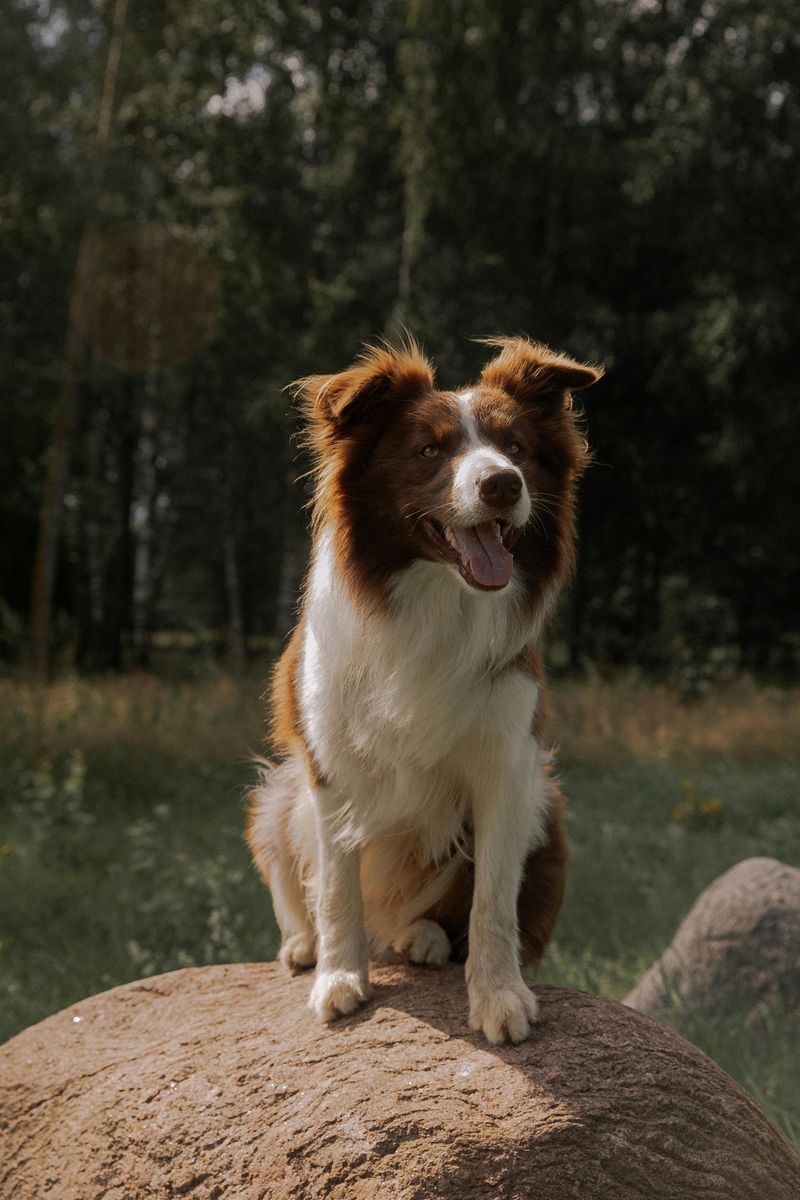
Border Collies love problem solving, so make meals a daily puzzle worth cracking. Use kibble to build shaping sessions for spins, targets, and precise foot placement.
Free feeding robs you of this amazing focus tool.
Offer clear criteria, mark small wins, then string behaviors into tidy chains. Pay generously for head-up heeling and calm starter routines, curbing frantic patterns.
Keep novelty high by rotating environments and props.
Reserve the entire ration for training, with occasional sniff breaks as bonus pay. A few higher value crumbs can rescue tougher moments.
Your Border Collie will begin checking in automatically because attention opens the vault, turning mealtime into the best brain game.
Australian Shepherd
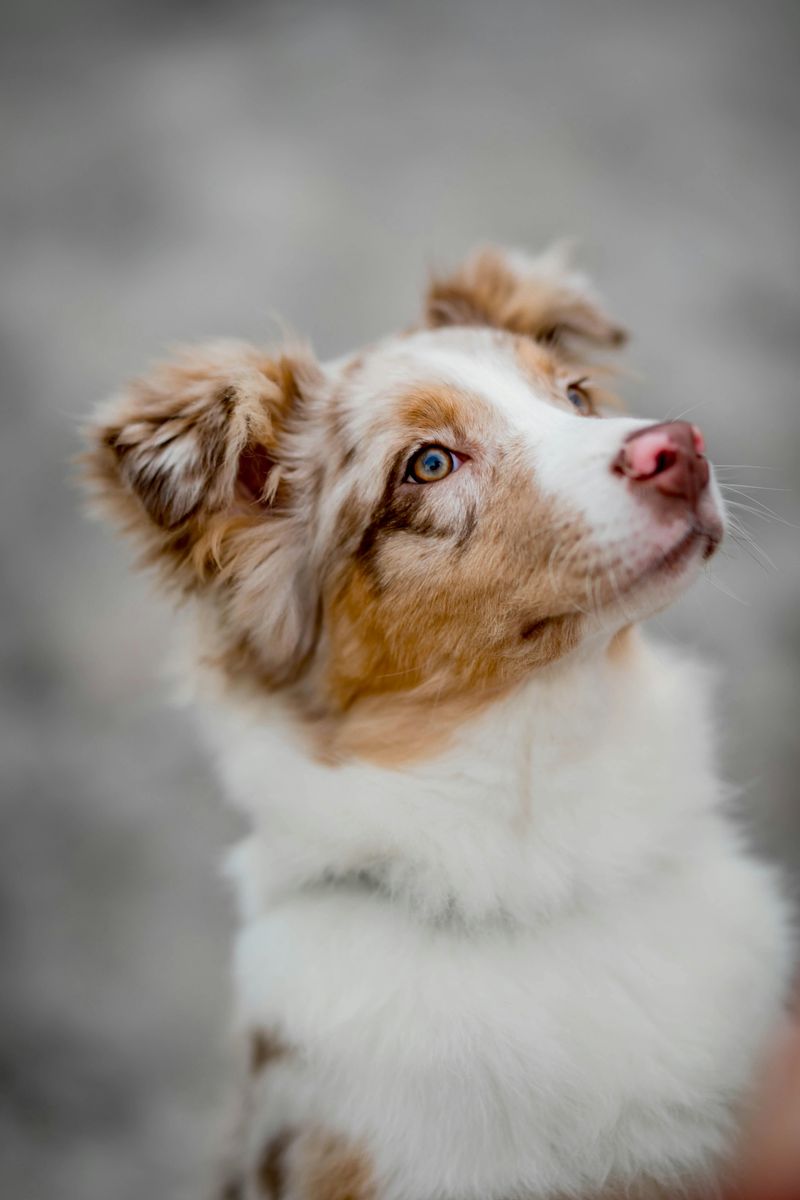
Aussies are bright and busy, so channel that buzz with meal based training. Retiring the full bowl lets you reinforce heeling, polite doorways, and quiet crate time.
Keep sessions playful to match their bounce, but enforce simple criteria.
Pair markers with tiny portions, and sprinkle easy wins between harder asks. Practice stationing on a mat while life happens around you, then pay for relaxation.
Rotate tricks to relieve pressure and prevent sticky obsessions.
Divide the ration across morning and evening routines, plus a sniff walk jackpot. Track intake to maintain condition during active weeks.
Your Australian Shepherd will pour energy into listening because every bite is earned, building focus that holds when distractions explode.
Doberman Pinscher
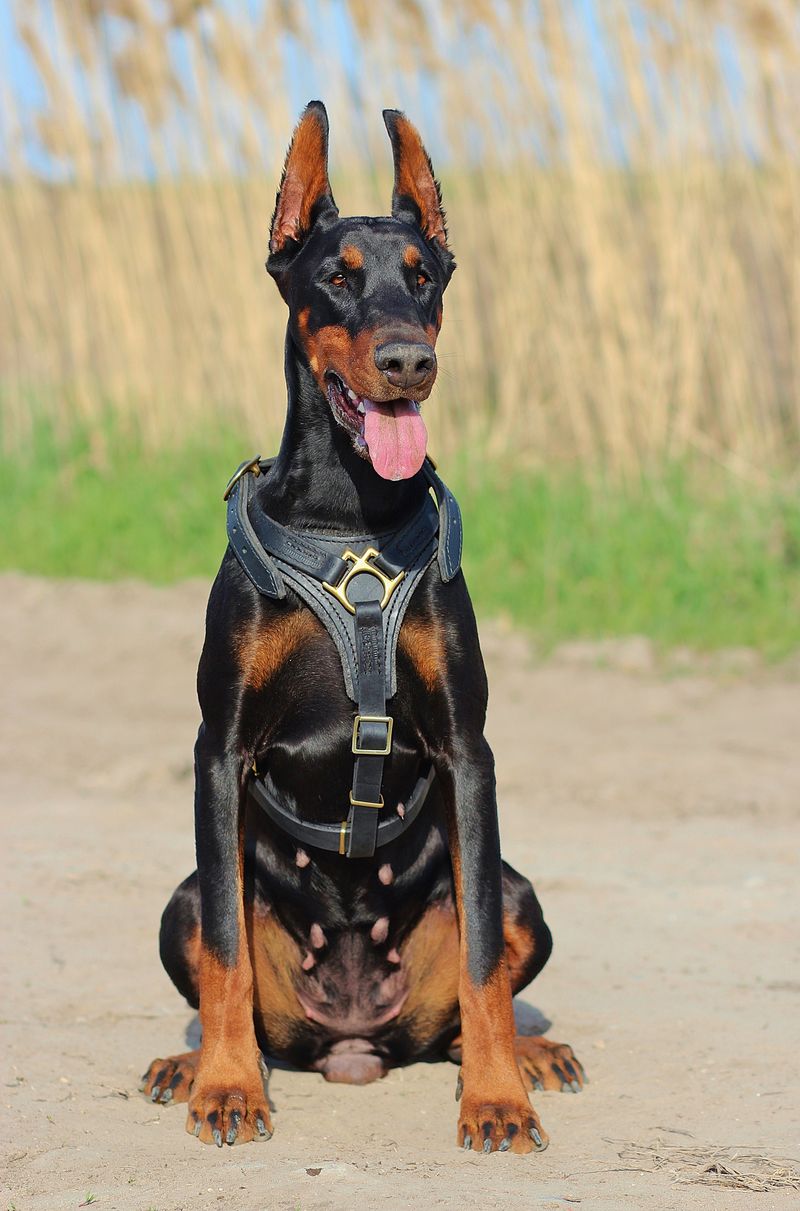
Dobermans appreciate fairness and clarity. When meals become rewards, you can pay generously for neutrality around movement and noise.
Retire free feeding and you will see faster impulse control and a steadier mind.
Work short drills: sit, look, heel one step, pay. Add distance and duration on stays, then reward with several small pieces.
Keep your body language quiet to reduce unnecessary arousal.
Allocate the entire ration to training walks and doorstep manners. Toss a few pieces for check ins when distractions appear.
Over days, your Doberman learns that composure and attention turn food on, creating dependable behavior without nagging or conflict.
Poodle
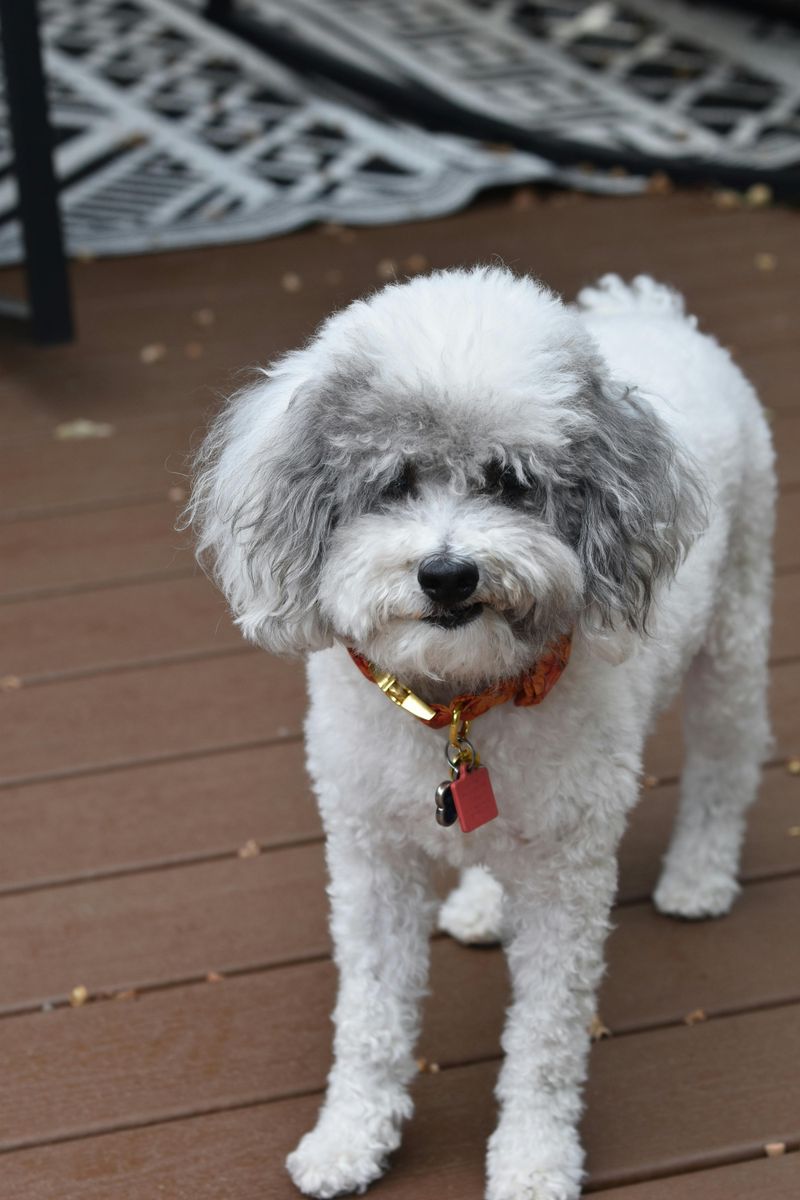
Poodles are thinkers with style, and they love a good system. Switching from free feeding to earned meals makes their precision shine.
Use food to reward foot targets, position changes, and balanced heeling.
Shape quietly and mark micro improvements, like straighter sits or smoother pivots. Keep sessions neat and brief to protect enthusiasm.
For variety, add scent games and retrieve foundations between obedience reps.
Portion the daily ration into training envelopes you carry on walks. Pay calm grooming cooperation, too, from nail trims to ear checks.
Your Poodle will relish the structure, turning manners into an elegant routine where every crunch signals a job well done.
Papillon
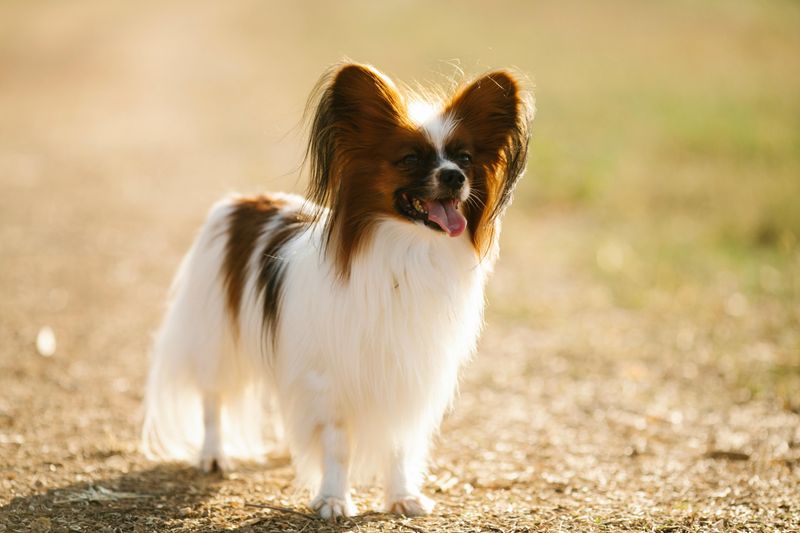
Papillons are tiny athletes, so meal rewards should be tiny too. Retire free feeding and you will gain sharp focus without overfeeding.
Use micro pieces to pay for recalls, perch work, and light-footed heeling.
Keep sessions short and fun, mixing tricks with calm settles on a mat. Because of their size, track calories carefully and use play breaks as bonus reinforcement.
Confidence grows when you celebrate small wins often.
Split the ration across three mini lessons daily, with a few crumbs saved for vet handling practice. Reward brave exploration of new textures and sounds.
Your Papillon will float through training, eager to earn each bite while staying trim and happy.
Shetland Sheepdog
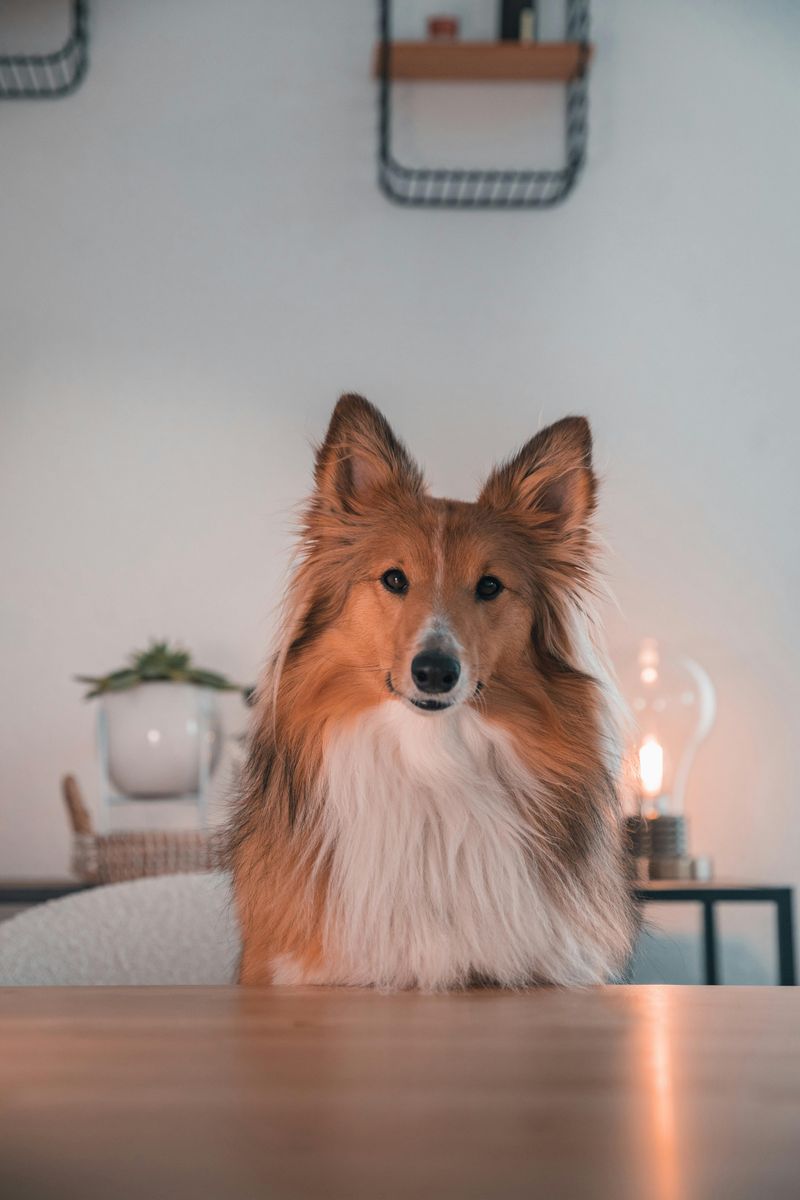
Shelties can be sensitive, so meal based reinforcement builds confidence gently. Move away from free feeding and let food affirm brave choices and calm attention.
Mark soft, quiet behaviors and pay quickly.
Practice loose leash walking with frequent check ins, rewarding proximity rather than pulling. Add low pressure agility foundations like perch pivots and tunnel introductions.
Keep volumes low and criteria crystal clear.
Distribute the ration through predictable routines, including greeting visitors on a mat. For tough moments, pair distance from triggers with a steady trickle of kibble.
Your Sheltie learns the world is safe and solvable when listening pays, transforming worry into thoughtful cooperation.
English Springer Spaniel
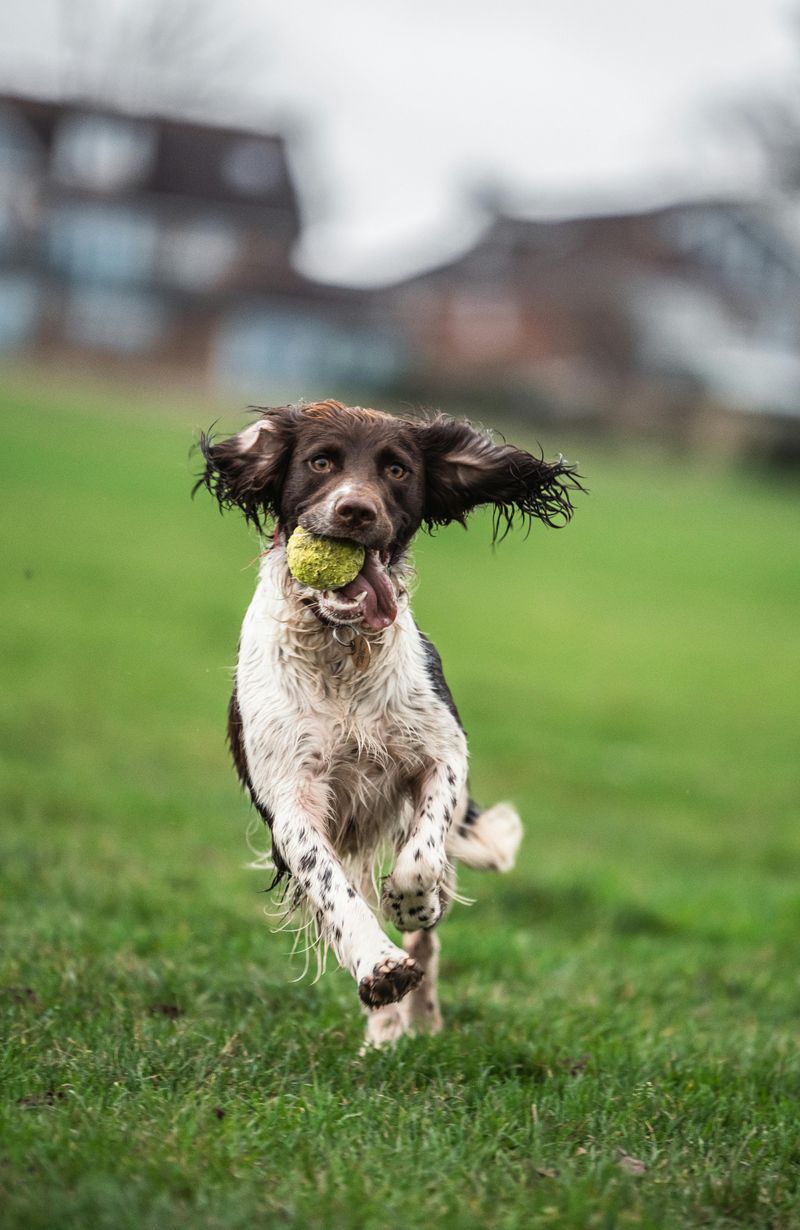
Springers are birdy and busy, so free feeding cannot compete with the outdoors. Turn meals into recall currency, paying often for fast turnarounds and check ins.
Keep your tone cheerful and your timing crisp.
Use games: hide and seek, hand targets, and quick sits before freedom. Reward nose-down hunting with brief food breaks, then release back to sniff.
That balance keeps momentum without losing control.
Measure the ration before the walk and deliver most of it outside. Save a handful for post-adventure calm on the mat.
Your English Springer Spaniel will race back happily, knowing the best snacks and more exploration arrive when they respond instantly.