
Some dogs look like instant plug-and-play companions online, but real life tells a slower story. These breeds shine when you trade quick tricks for steady patience, consistent boundaries, and thoughtful enrichment.
If you are willing to slow down and meet them where they are, you will be rewarded with deep connection and impressive growth. Let’s rethink easy mode and celebrate dogs that pay you back for doing the work.
Cocker Spaniel
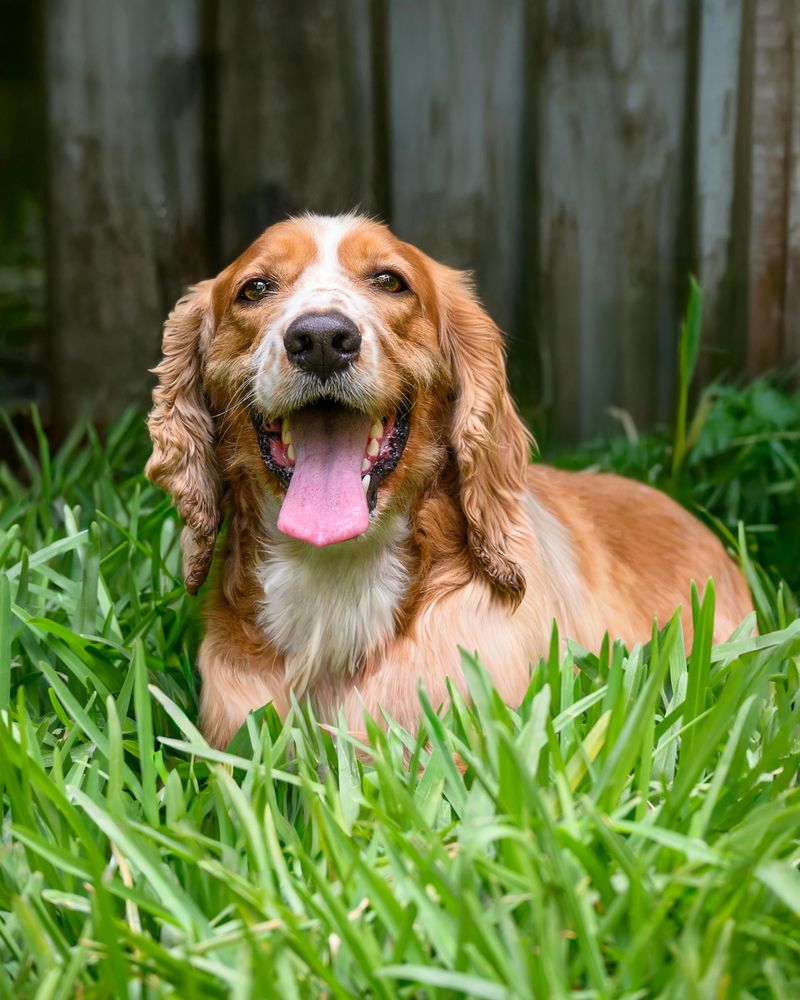
Cocker Spaniels are sweet-faced charmers, but that pretty coat masks serious maintenance. Expect daily brushing, frequent trims, and a watchful eye for ear health because those silky ears trap moisture.
Training is best when gentle and upbeat, since sensitive temperaments can wilt under harsh corrections.
You will also need to manage excitement, because Cockers can escalate quickly in busy households. Provide scent games and calm decompression walks to help them settle.
With patience, you get a devoted buddy who reads your moods and tries hard to please.
They thrive on structure and kind clarity, not shortcuts. Commit to grooming routines, socialization, and steady reinforcement.
The payoff is a soft, joyful companion who blossoms slowly but beautifully.
English Springer Spaniel
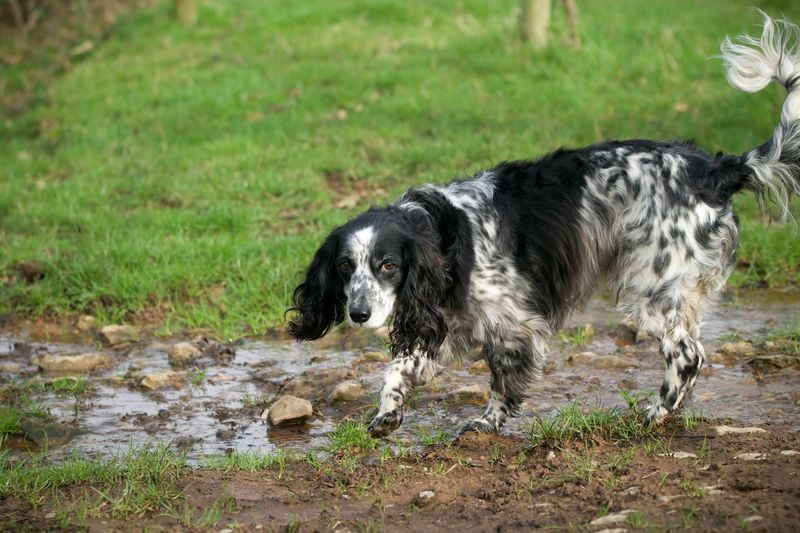
Springers are athletic, birdy, and endlessly enthusiastic. That energy looks fun online, but it needs structure, impulse control, and meaningful outlets.
Without steady boundaries, they can become mouthy, jumpy, and overly focused on moving targets.
Daily exercise is not just mileage, it is engagement. Incorporate field-style games, scent work, and calm mat training to teach off switches.
You will also want to practice recall in stages, not sprints, so arousal does not hijack listening.
Grooming matters too, especially feathering that mats if ignored. Early socialization reduces noise sensitivity and clinginess.
Invest patience now and you will get a steady, affectionate partner who hunts cooperation as eagerly as birds.
Lagotto Romagnolo
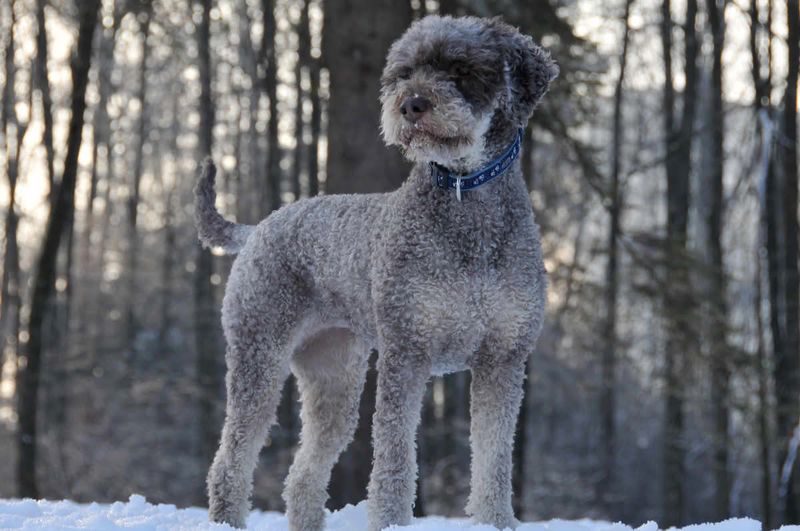
Lagotti are adorable teddy bears with ancient working roots. Bred for truffle hunting, they crave a job and thoughtful guidance.
The coat is misleading too, because curls need regular maintenance to prevent felted mats.
Mentally, expect a bright, methodical thinker who benefits from nosework, calm pattern games, and clear routines. Too much chaotic fetch can tip arousal into frustration.
You will want to teach independent settling so velcro tendencies do not grow.
Lagotti respond best to patient, precise reinforcement, not pressure. Slow exposure to novelty builds confidence without flooding.
Give them meaningful work and considerate handling, and you will uncover a joyful, bouncy partner who delights in collaborating.
Spinone Italiano
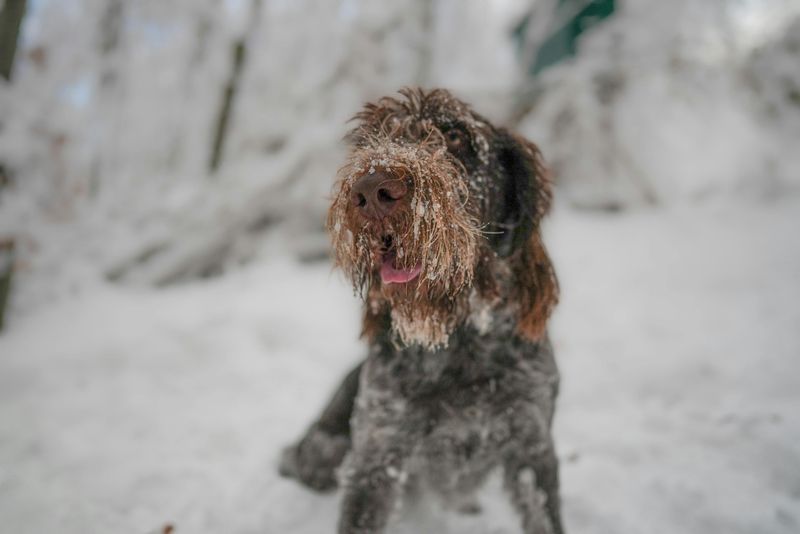
The Spinone looks mellow, but do not mistake unflashy for easy. This gentle giant learns best with patience, empathy, and short sessions that respect a thoughtful pace.
Heavy-handed training can shut them down rather than speed things up.
Coat care includes hand-stripping or careful carding to preserve texture, plus routine ear checks. Exercise should be steady and low-impact instead of frantic fetch marathons.
They thrive with tracking games, sniffy walks, and friendly, consistent expectations.
Socialization needs to be slow and kind, especially for soft personalities. Build confidence with predictable patterns and gradual challenges.
Invest time and you get a loyal, affectionate companion who ambles through life by your side, not racing ahead.
Bracco Italiano
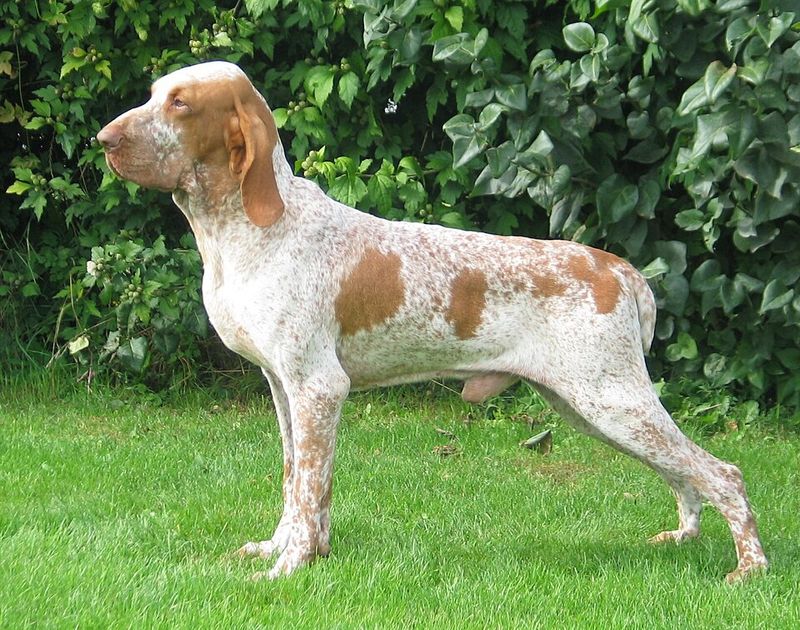
Bracchi are thoughtful, sensitive gundogs with a strong nose and steady stride. They need calm consistency and generous reinforcement to flourish.
Pushy handling or rushed timelines can make them shut down or disengage.
Exercise should nurture their methodical nature: long sniffy walks, tracking lines, and controlled recall drills. Socialization works best when new experiences are introduced gradually.
Their loose skin and ears require regular care to prevent irritation.
Expect a slow-burn bond that deepens with respectful communication. Teach calm defaults rather than hyped-up tricks, and you will see true brilliance.
With patience, the Bracco becomes a wise, affectionate partner who prioritizes connection over flash.
Brittany
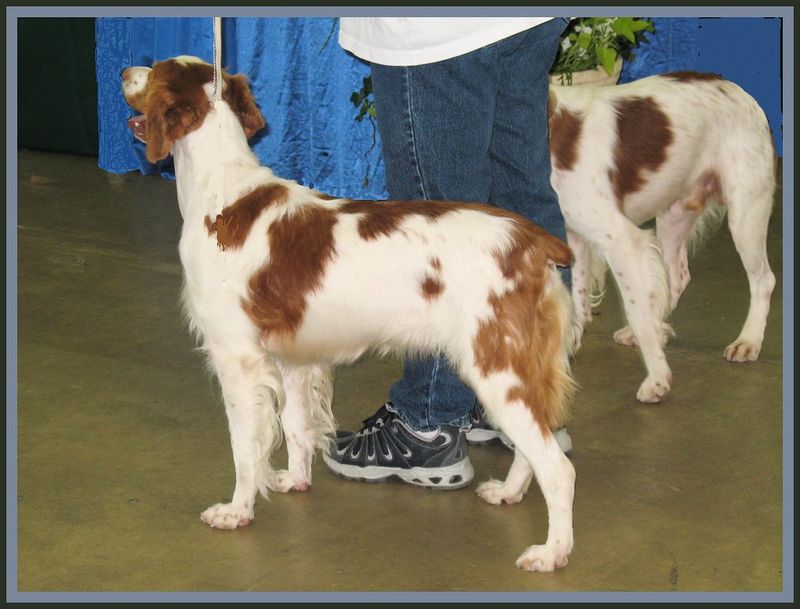
The Brittany is compact, birdy, and quick, which tempts people to expect instant compliance. In reality, big energy plus sensitivity needs patient channels.
Think structured field games, long-lines for recall, and calm, frequent reinforcement instead of pressure.
Without outlets, they can become vocal and restless. Build impulse control with place training, scatter feeding, and nosework that stretches attention.
Grooming is moderate, but burrs and tangles happen after romps.
Socialization should prioritize neutrality, not constant excitement. Teach them how to downshift after a fun session.
If you stick with consistent routines and kind clarity, the Brittany becomes a cheerful teammate who brings heart and focus to every task.
Boykin Spaniel
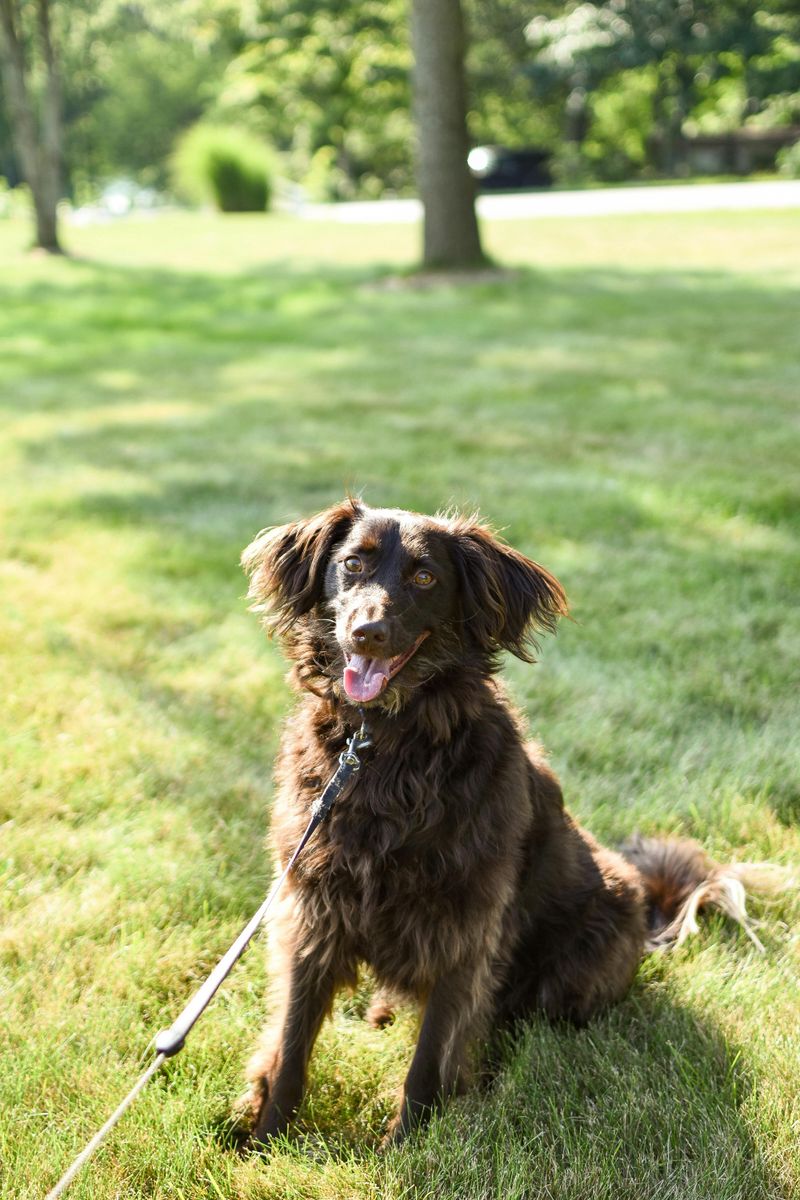
Boykins pack a lot of drive into a portable frame. They love water, birds, and action, which can overwhelm households hoping for a couch companion.
Thoughtful training teaches them to toggle between work and rest.
Plan for daily mental work: blind retrieves, place holds, and steadiness drills done kindly. Ear care and coat upkeep matter, especially after swampy adventures.
Use long-lines and patterned recall to avoid self-rewarding chases.
They can be soft, so fair, upbeat coaching beats corrections. Provide structure, varied environments, and decompression time.
With patience, your Boykin becomes a biddable, joyful partner who turns enthusiasm into reliable teamwork at home and in the field.
Nova Scotia Duck Tolling Retriever
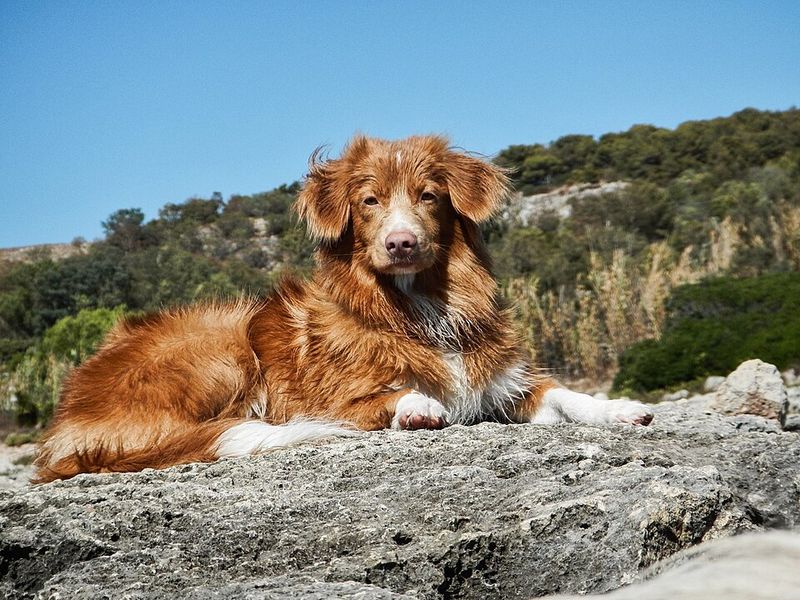
Tollers are clever, vocal, and intense, often advertised as mini retrievers. They are not easy mode.
Without thoughtful management, arousal and frustration can fuel barking and frantic behaviors.
Use structured play with clear start-stop cues, reinforcement for quiet, and impulse control games. They excel with scent work and technical retrieves, but also need real downtime.
Grooming is moderate, yet seasonal coat blowouts can surprise you.
Socialization should teach neutrality and confidence around motion and novelty. You will want to protect their optimism by avoiding flooding.
With patient guidance and consistent routines, Tollers reveal their shining qualities: focus, humor, and serious heart.
Irish Setter
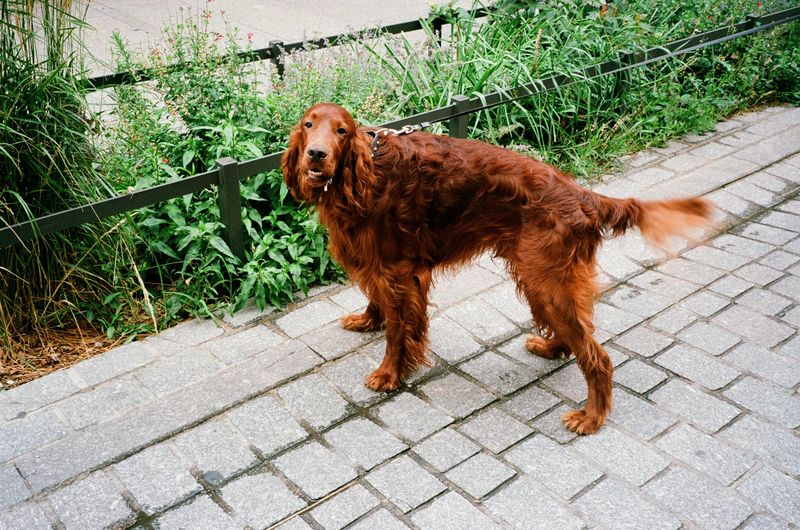
Irish Setters are glamorous athletes with endless go. Their joy can tip into chaos without calm structure.
Training should emphasize patience, duration, and thoughtful arousal management rather than nonstop sprinting.
Expect to teach stillness as carefully as recall. Long-lines, scent games, and relaxed exposure build a brain that can think while excited.
Grooming needs real commitment: feathering tangles, and ears require regular care.
They mature slowly, so your timeline has to stretch. Social experiences should be positive but not overwhelming.
If you invest in steady routines and rest as training, the Setter repays you with dazzling partnership and affectionate loyalty.
Clumber Spaniel
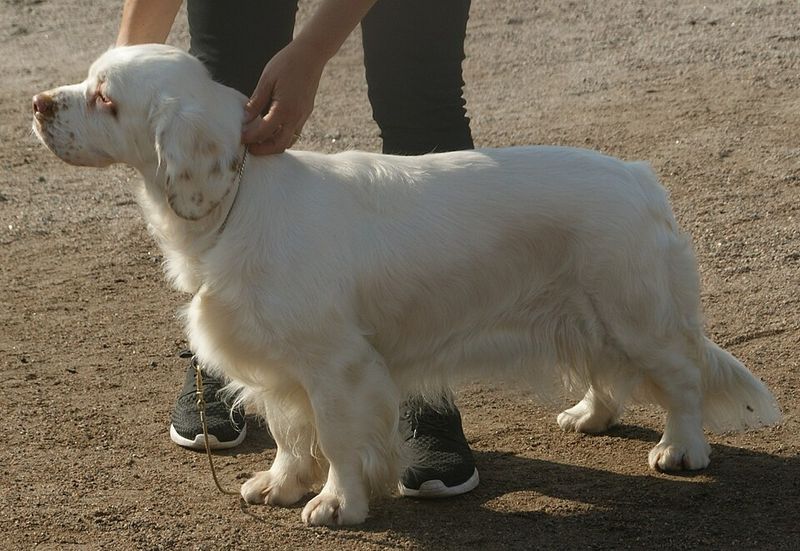
Clumbers are heavy-boned, thoughtful spaniels who move at their own speed. Do not confuse calm with simple.
They benefit from short, clear training sessions and consistent reinforcement that respects their steady style.
Coat care tackles shedding and feathering maintenance. Joint-friendly exercise matters due to their build, so choose sniffy walks, low-impact retrieves, and puzzle feeding.
Overheating can be an issue, so prioritize cool environments.
They may appear stubborn when actually processing information carefully. Give them time, reduce pressure, and celebrate small wins.
With patience and routine, the Clumber reveals a dry wit and devoted nature that quietly wins your heart.
Portuguese Water Dog
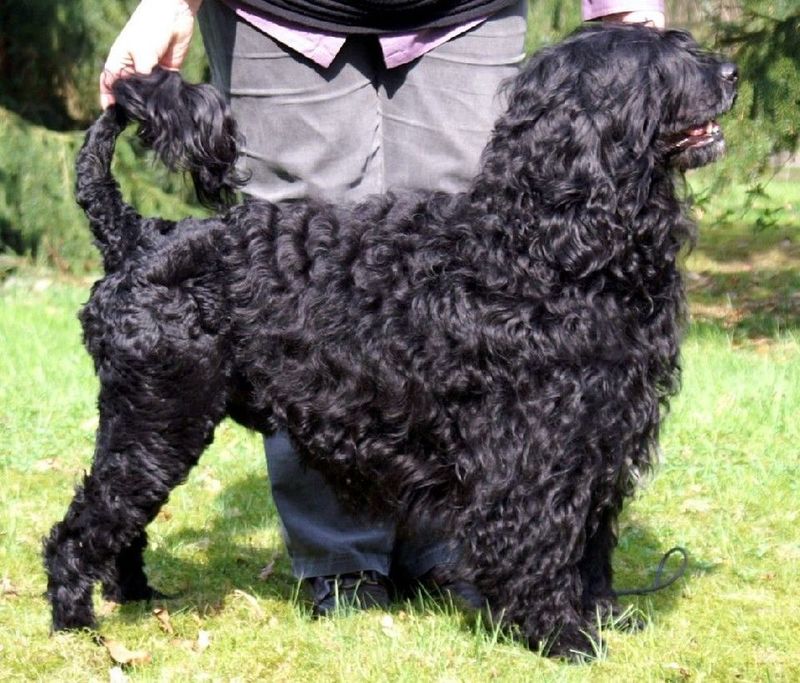
Porties are athletic problem-solvers with goofy charm. That brain plus stamina demands more than casual walks.
Without outlets and structure, you may see jumping, mouthing, and creative mischief.
Training thrives on clear jobs: retrieve to hand, platform work, directional cues, and water exercises if available. The coat requires serious grooming commitment, from regular brushing to professional trims.
Socialization should include calm settling in busy spaces, not just play.
They can be sensitive to pressure, so keep sessions upbeat and fair. Teach on-off switches and reinforce quiet.
With patience and thoughtful engagement, a Portie becomes a versatile teammate who channels spark into cooperation.
Kooikerhondje
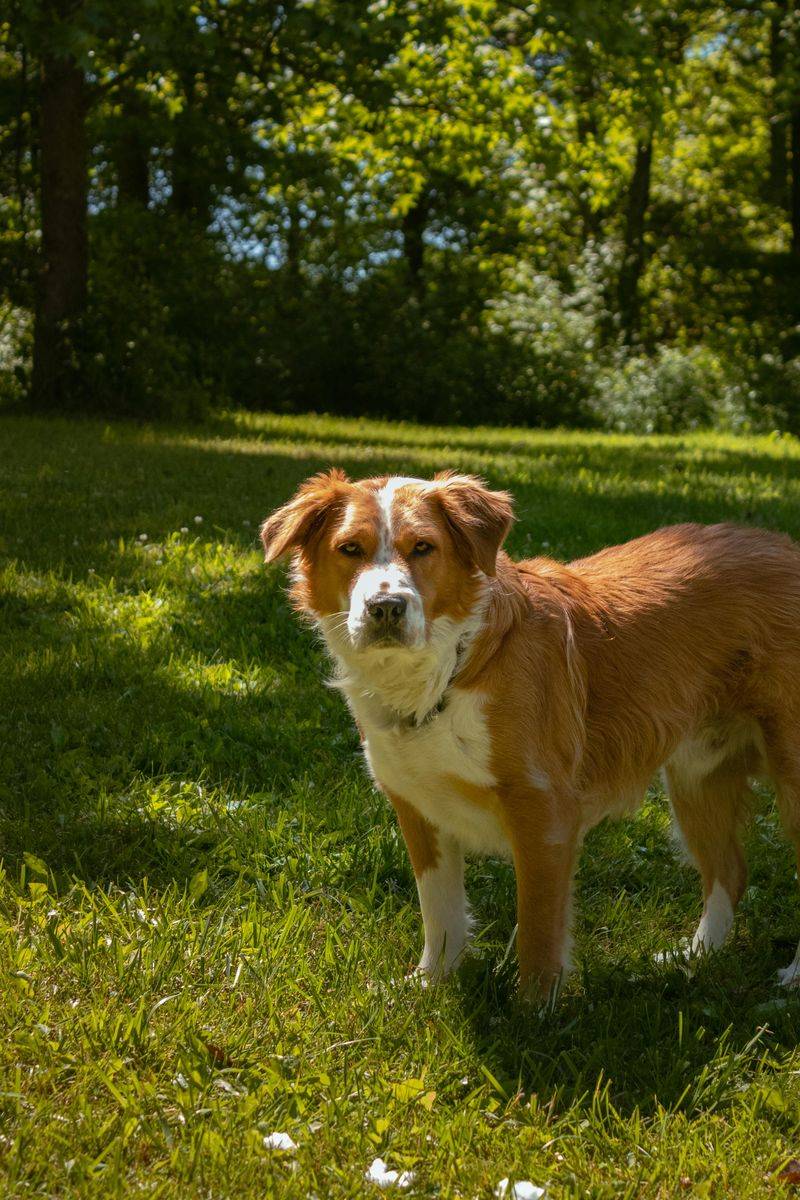
The Kooikerhondje is small, foxlike, and sensitive. Do not be fooled by the cute package.
Many are noise-aware and motion-sensitive, needing careful exposure and predictable routines.
Training should be light, precise, and consistent with generous reinforcement. Teach confidence through shaping games and cooperative care.
Their coat is moderate but needs brushing, and ear tips can mat around the earrings (colored feathering).
They dislike chaos, so support them with structured choices and calm advocacy. Work on neutrality, polite greetings, and off switches at home.
With patient, respectful leadership, the Kooiker becomes sparkling company who tries hard for you without losing their thoughtful nature.
German Pinscher
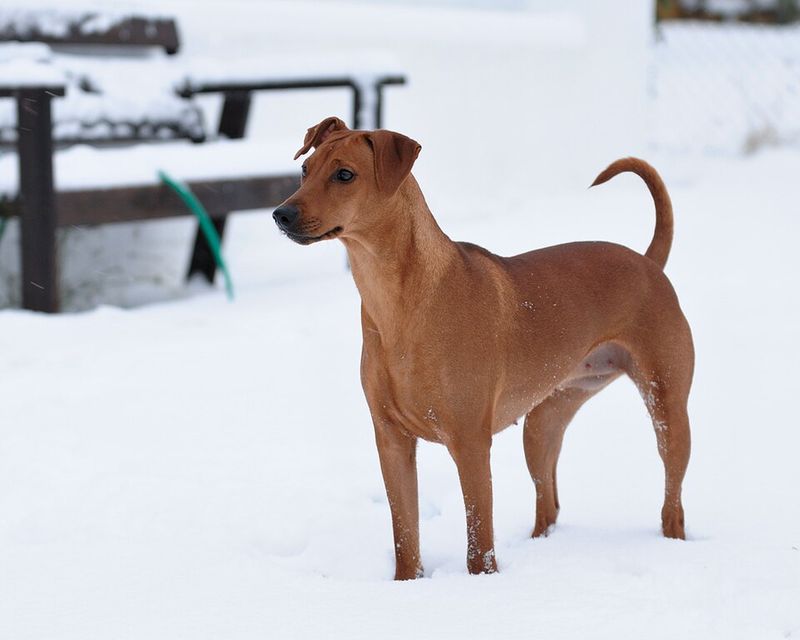
German Pinschers are sleek, intense, and quick thinkers. That sharpness plus stamina can overwhelm first-time owners.
They need firm but fair boundaries, impulse control, and real mental work to thrive.
Expect a dog who questions sloppy criteria. Use clear markers, high-value reinforcement, and calm, consistent rules.
Socialization should emphasize neutrality and resilience, not endless excitement.
Physical needs are real, but mindless exercise will not settle them. Teach stationing, precision heeling, and pattern games that reward stillness.
With patience and principled leadership, the German Pinscher becomes a brilliant housemate who channels edge into elegance.